8 Essential Tips For Building A Heatproof Garden In Arizona
Arizona heat does not give second chances, and you’ve probably seen how quickly a promising plant can struggle once temperatures rise. If your yard keeps looking strong in the beginning and stressed later, the problem usually starts below the surface.
Building a heatproof garden in Arizona is less about watering more and more about setting things up the right way from the start.
The right layout, improved soil, and plants that truly handle desert conditions make a visible difference. A heatproof garden in Arizona is built on smart planning, not guesswork.
If your garden keeps fighting the heat instead of handling it, this is where you turn it around and make it stronger for the long run.
1. Pick Plants That Can Handle Intense Arizona Sun
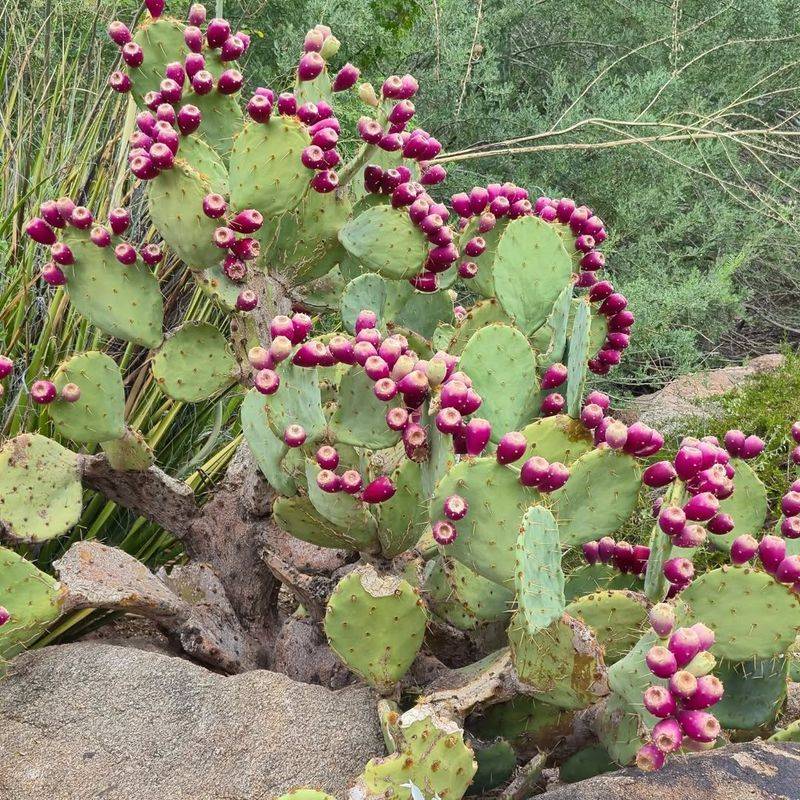
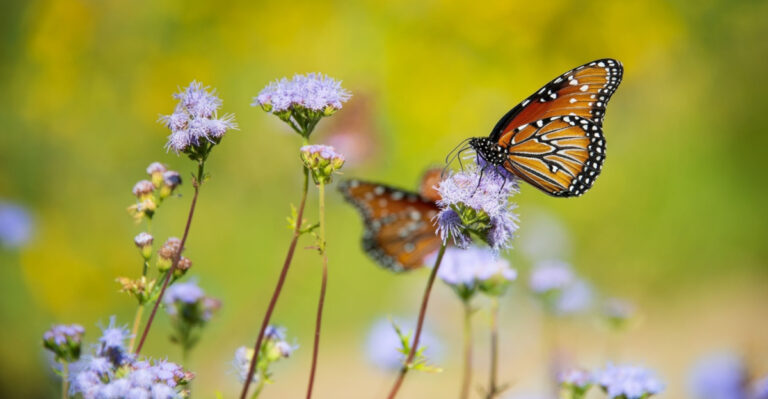
Plants native to desert regions already know how to survive brutal heat. Agave, prickly pear cactus, and desert marigold have spent thousands of years adapting to conditions just like your Arizona yard.
They store water in thick leaves, have deep root systems, and can handle full sun without wilting.
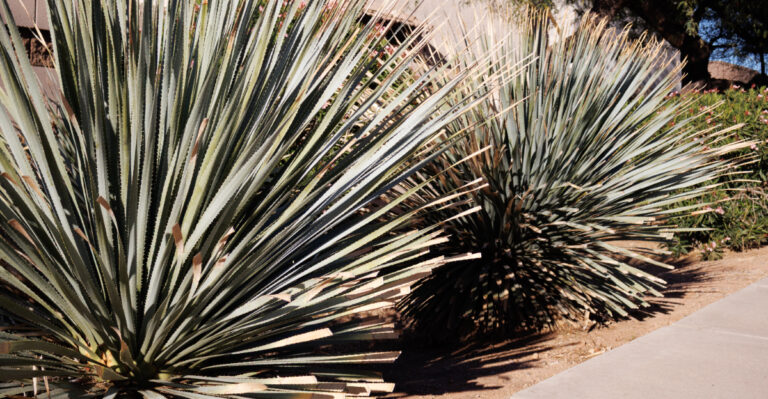
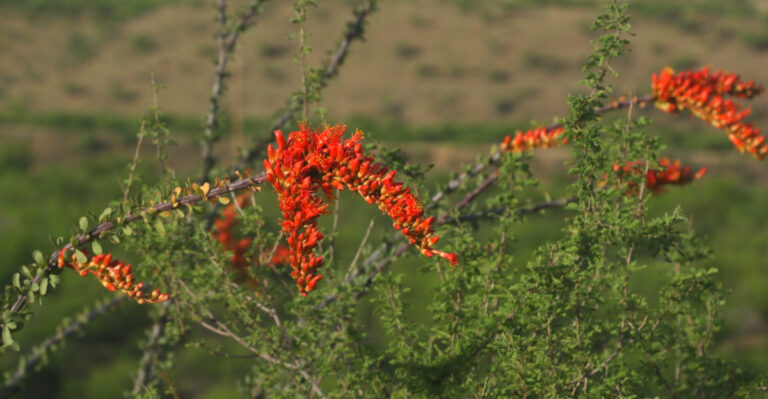
Texas ranger shrubs bloom beautifully after summer rains and need almost no extra water once their roots are established. Red yucca produces tall flower spikes that hummingbirds love, and it laughs at 115-degree days.
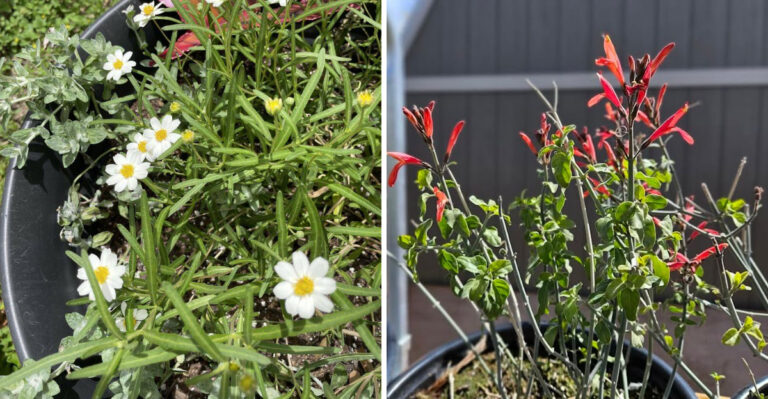
Lantana spreads quickly, flowers constantly, and actually prefers heat over cool weather.
Many Mediterranean plants also do well in Arizona because their native climate is similarly hot and dry. Rosemary, lavender, and bougainvillea all thrive when temperatures soar.
These plants have small, waxy leaves that reduce water loss and can tolerate the intense UV radiation that comes with Arizona sunshine.
Avoid plants bred for cooler climates. Roses, hydrangeas, and most annuals from garden centers struggle badly during Arizona summers.
They need constant water, wilt in afternoon heat, and often look terrible by July no matter how much you baby them. Stick with plants that see Arizona heat as normal, not extreme, and your garden will look better with half the effort.
Focus on strong structure, repeat reliable performers, and let heat-adapted plants carry the design. When your plant list matches Arizona’s climate, summer stops feeling like a battle and starts looking intentional.
2. Use Shade To Protect Young And Sensitive Plants
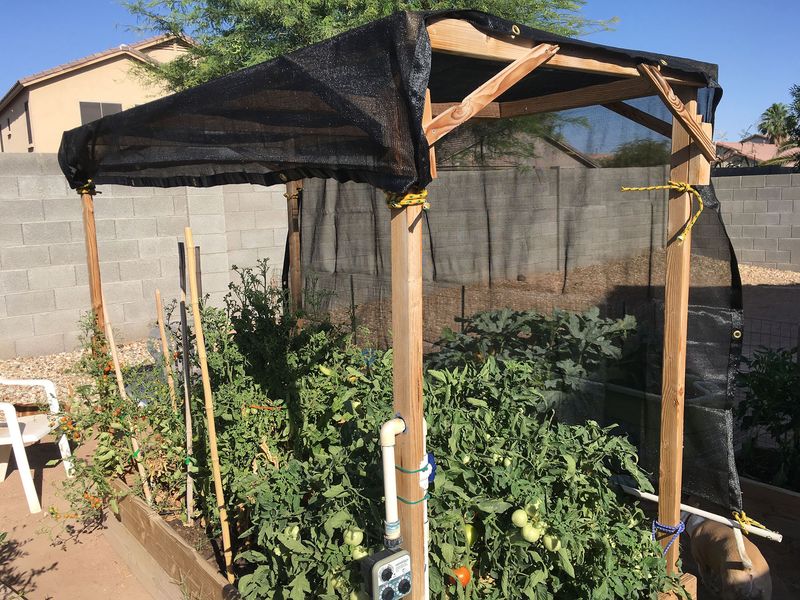
Even tough desert plants need protection when they’re young. Seedlings and newly planted specimens haven’t developed the deep roots or thick leaves that help mature plants handle extreme heat.
A week of 110-degree afternoons can set them back months or damage them permanently.
Shade cloth comes in different densities, usually rated by how much sunlight they block. For most Arizona gardens, 30 to 50 percent shade cloth works well during the hottest months.
You can drape it over simple frames made from PVC pipe or wood, creating temporary shelters that give plants a break from the worst afternoon sun.
Larger plants can provide natural shade for smaller ones. Plant heat-sensitive vegetables like lettuce and cilantro on the east side of taller plants so they get morning sun but afternoon protection.
Your Arizona Garden Changes Every Week. Your Plan Should Too.
Gardening in Arizona changes quickly throughout the season. Every Friday you’ll receive a simple weekly plan showing exactly what to plant, prune, fertilize, harvest, and protect so you never miss the right timing.
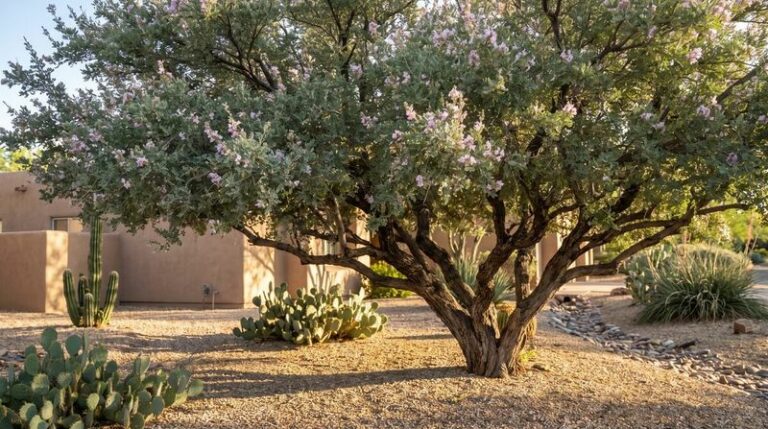
Desert willow or palo verde trees create dappled shade that’s perfect for understory plants.
Shade isn’t just for summer. Spring in Arizona can bring sudden temperature spikes that catch plants off guard.
Having shade cloth ready to deploy quickly can save transplants during unexpected heat waves. You can roll it up and store it when temperatures moderate, then bring it back out when the forecast shows triple digits returning.
Water deeply before a major heat event so roots go into extreme temperatures fully hydrated rather than already stressed. Moist soil holds temperature more evenly and helps buffer sudden spikes.
Add a two- to three-inch layer of mulch around young plants to keep root zones cooler and reduce evaporation. Keep mulch a few inches away from stems to prevent rot.
Check plants in late afternoon during heat waves, since that is when stress shows first. Wilting that does not recover by evening is a clear sign they need extra protection or adjusted watering.
3. Amend Soil To Hold Moisture Longer In Heat
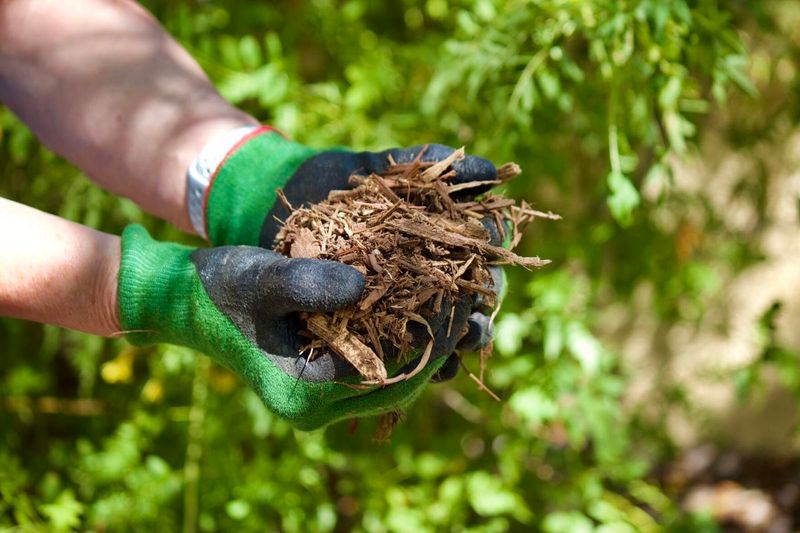
Arizona soil is often sandy, rocky, or caliche-heavy. Water runs through it like a sieve or pools on top of hardpan layers, never reaching plant roots where it’s needed.
Without amendments, you’ll water constantly and still watch plants struggle.
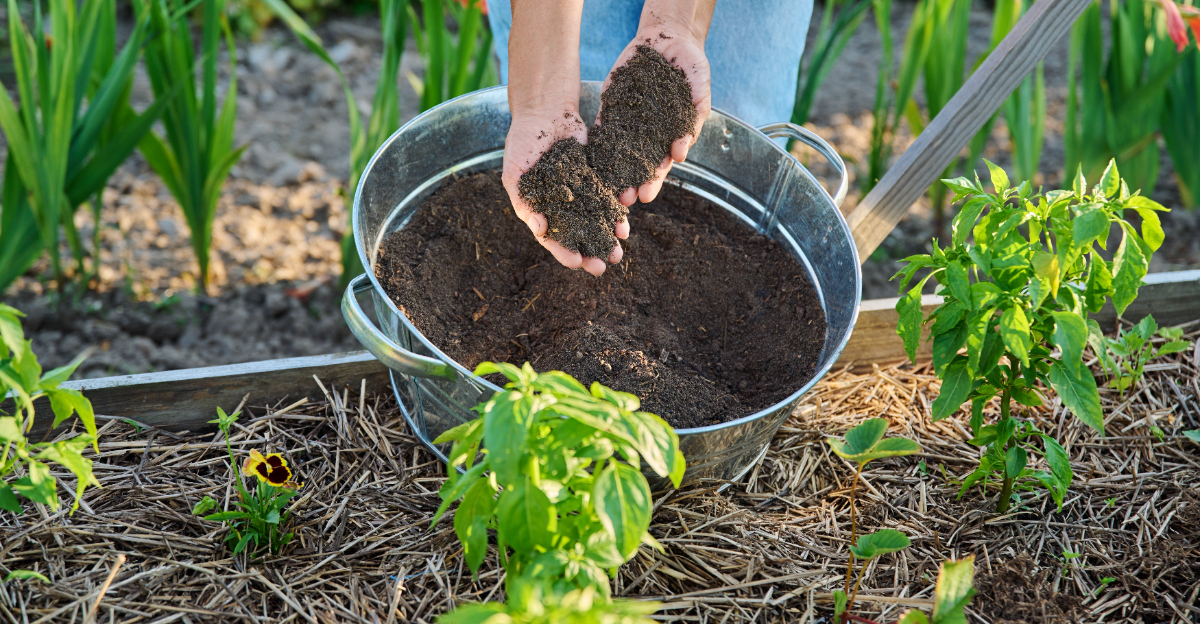
Compost is your best friend for improving desert soil. It breaks down into organic matter that acts like a sponge, holding moisture near roots instead of letting it drain away.
Mix several inches of compost into your planting beds before adding plants. For existing beds, spread compost on top and let it work its way down through watering and worm activity.
Sulfur helps too, especially if your soil is alkaline like most Arizona ground. Lower pH levels help plants absorb nutrients better, which makes them stronger and more heat-resistant.
Test your soil first, then add sulfur according to package directions.
Some gardeners add vermiculite or coconut coir to potting mixes for containers. These materials hold water well without staying soggy.
In raised beds, mixing native soil with purchased garden soil and compost creates a medium that drains enough to prevent root problems but holds enough moisture to reduce watering frequency.
Better soil means less work and healthier plants through Arizona’s long, hot growing season.
Gypsum can help break up compacted clay or caliche layers by improving soil structure and allowing water to penetrate more deeply. Apply it according to soil test recommendations, since more is not always better in desert conditions.
Over time, consistent organic matter additions make the biggest difference, gradually turning harsh Arizona soil into something far more workable.
Healthy soil supports deeper roots, steadier moisture levels, and plants that can handle heat without constant intervention.
4. Install Drip Irrigation To Save Water And Stress
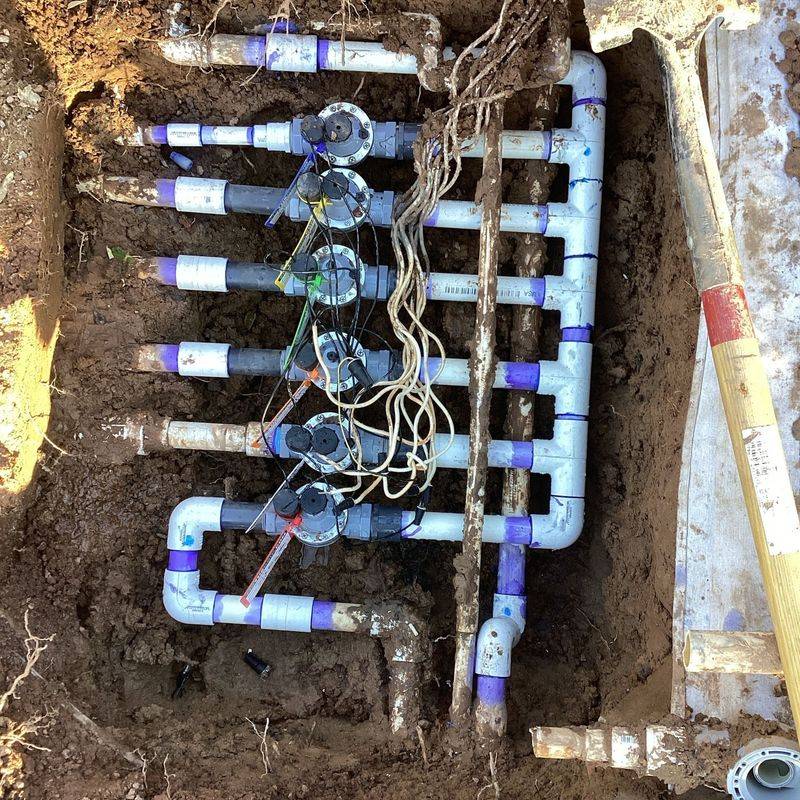
Hand-watering an Arizona garden during summer is exhausting and inefficient. Water evaporates before it reaches roots, you miss spots, and plants experience feast-or-famine cycles that stress them out.
Drip irrigation solves all these problems.
Drip systems deliver water directly to the soil near plant roots through small emitters. Nothing is wasted on leaves or bare ground between plants.
You can run the system early morning when evaporation is lowest, and a simple timer means you don’t have to remember or be home to water.
Setting up a basic drip system isn’t complicated. Main lines run through your beds, and smaller tubes branch off to individual plants.
Emitters come in different flow rates, so you can give thirsty plants more water and drought-tolerant ones less, all on the same system. Hardware stores in Arizona stock everything you need, and many offer free classes on installation.
The water savings are significant. Drip irrigation uses about half the water of sprinklers or hand watering because nothing is lost to wind, runoff, or evaporation.
In a state where water is precious and expensive, that matters. Your plants also stay healthier because they receive consistent moisture rather than alternating between bone-dry and soaked.
Consistency reduces stress and helps plants put energy into growth rather than survival.
5. Mulch Thickly To Keep Roots Cool And Hydrated
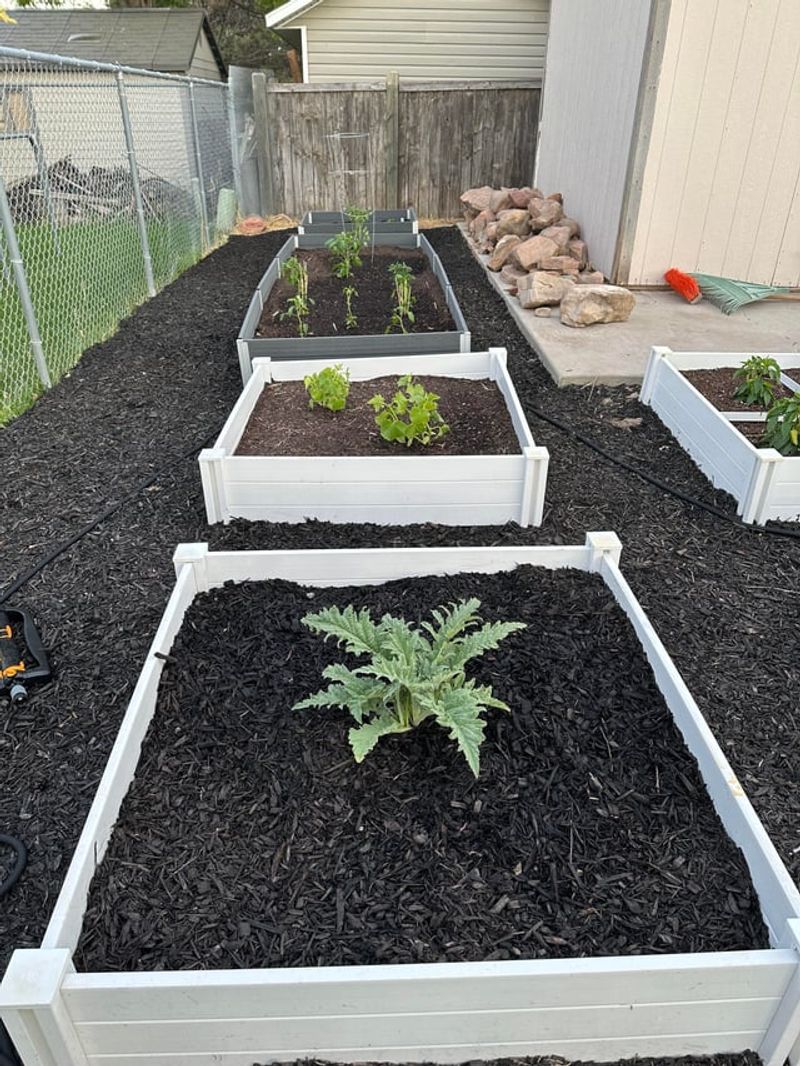
Bare soil in Arizona becomes an oven during summer. Surface temperatures can hit 160 degrees or higher, and that heat radiates down to plant roots.
Mulch creates an insulating layer that keeps soil much cooler and slows water evaporation dramatically.
Organic mulches like wood chips, shredded bark, or dried leaves work best. Spread them three to four inches thick around plants, keeping mulch a few inches away from stems to prevent rot.
As organic mulch breaks down, it adds nutrients to your soil, improving it over time.
Rock mulch is popular in Arizona because it doesn’t decompose or blow away. It works for heat tolerance, but it doesn’t improve soil and can actually make areas hotter by radiating stored heat.
If you use rock, choose lighter colors that reflect rather than absorb heat.
Refresh mulch layers every year or two as material breaks down or compacts. Thin mulch doesn’t insulate well, and bare spots let heat and evaporation attack your soil.
Think of mulch as a protective blanket for your garden’s root zone. During Arizona summers, that blanket makes the difference between roots that stay cool and moist versus ones that cook and dry out.
The few dollars spent on mulch saves you money on water bills and replacement plants.
6. Choose Containers That Withstand Arizona Heat
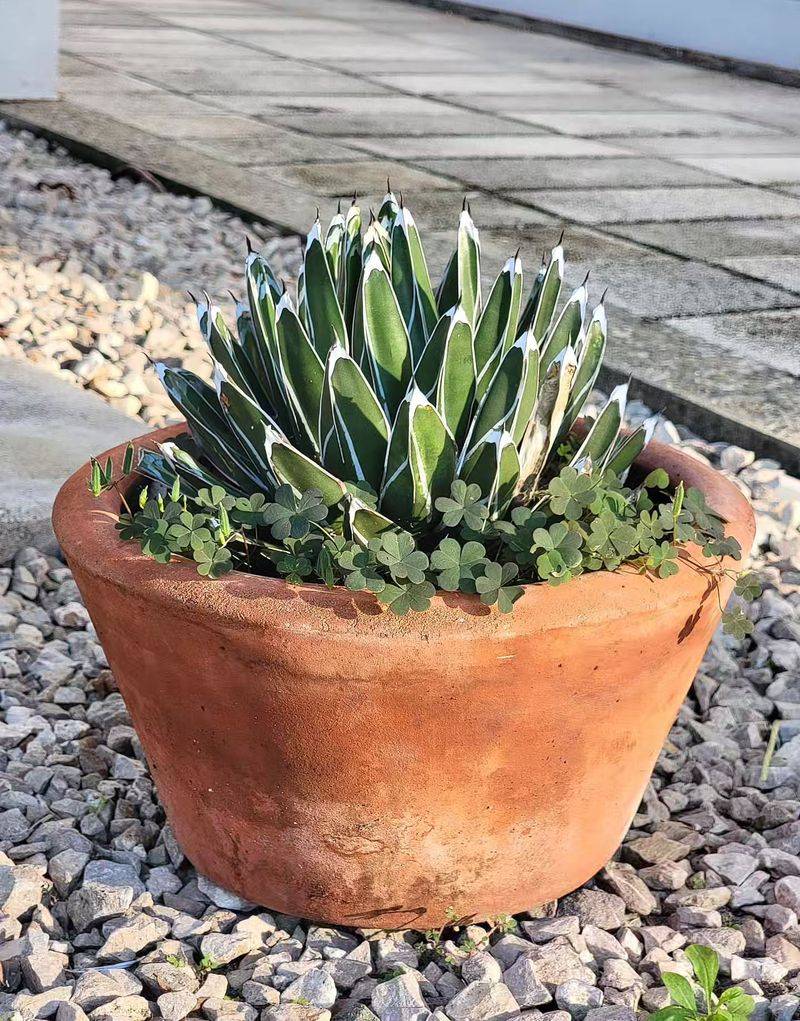
Container gardening in Arizona requires tougher pots than you’d use in cooler climates. Cheap plastic containers become brittle and crack after a single summer in the sun.
Dark-colored pots absorb heat and can get hot enough to damage roots growing near the edges.
Terracotta and ceramic pots handle heat well and their porous nature lets soil breathe. They’re heavier, which helps in Arizona’s occasional strong winds.
The downside is they dry out faster than plastic, so you’ll water more frequently. Glazed ceramic holds moisture better than unglazed terracotta.
If you prefer plastic containers, choose thick-walled ones in light colors. UV-resistant plastic lasts longer under Arizona sun.
Double-potting, where you place a planted container inside a larger decorative one, creates an air gap that insulates roots from heat.
Size matters more in hot climates. Small containers heat up fast and dry out quickly, stressing plants and forcing you to water multiple times daily during summer.
Larger pots hold more soil, which buffers temperature swings and retains moisture longer. Go bigger than you think you need.
Group containers together so they shade each other, and consider moving the most sensitive ones to shadier spots during the hottest months.
Container plants need more attention than in-ground plants in Arizona, so make it easier on yourself with quality pots.
7. Group Plants By Water Needs For Smarter Care
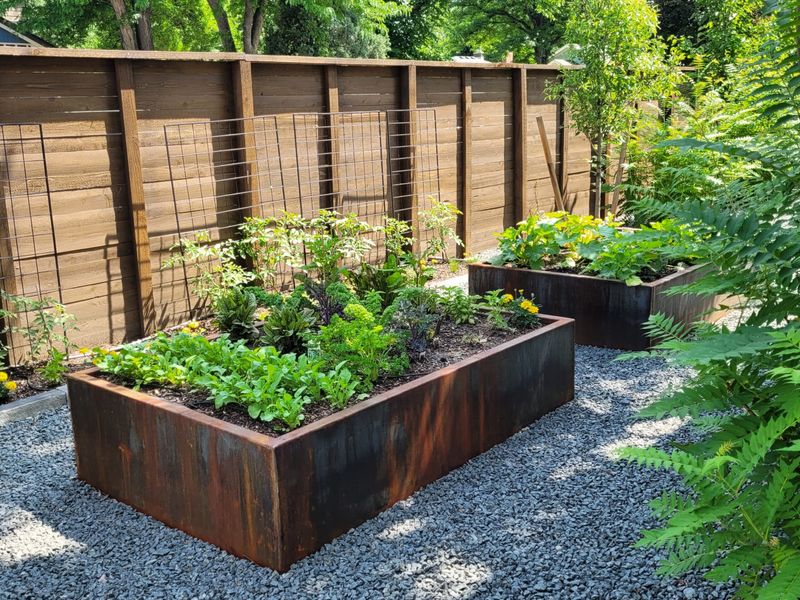
Mixing high-water and low-water plants in the same bed creates problems. You either overwater the drought-tolerant plants and risk root rot, or you underwater the thirsty ones and watch them struggle.
Grouping plants by their water requirements makes irrigation simpler and keeps everything healthier.
Create separate zones in your Arizona garden. Put cacti, succulents, and native desert plants together in areas that receive minimal supplemental water.
Place vegetables, herbs, and flowering annuals that need regular moisture in a different zone where you can water more frequently without affecting your xeriscape plants.
This approach works especially well with drip irrigation. You can set up different watering schedules for different zones, running the desert plant zone once or twice a week and the vegetable zone daily during summer.
Some systems even let you control multiple zones from your phone.
Grouping by water needs also helps with mulching and soil amendments. Your high-water zone might get more compost to hold moisture, while your low-water zone uses gravel mulch that doesn’t hold water against plant crowns.
You’ll spend less time fussing with individual plants and more time enjoying your garden. Arizona’s climate is challenging enough without making it harder by forcing plants with opposite needs to share space and irrigation schedules.
8. Adjust Care As Temperatures Spike And Drop
Arizona temperatures swing wildly between seasons and sometimes between day and night. A plant that needs daily watering in July might need water only twice a week in October.
Rigid schedules don’t work when conditions change constantly.
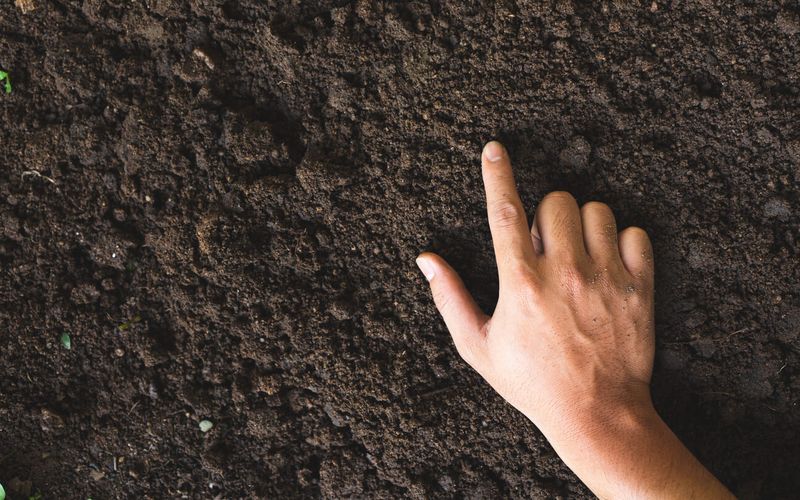
Check soil moisture before watering rather than following a fixed calendar. Stick your finger two inches into the soil near plant roots.
If it feels dry, water. If it’s still moist, wait.
This simple test prevents both overwatering during cool periods and underwatering during heat spikes.
Watch weather forecasts and adjust ahead of time. When a heat wave is coming, water deeply the day before temperatures spike.
This ensures plants start the hot period fully hydrated. When temperatures drop in fall, gradually reduce watering frequency so you don’t encourage new tender growth right before potential frost.
Fertilizing schedules need adjustment too. Plants grow actively during Arizona’s mild winters and springs but often go semi-dormant during the hottest summer months.
Feed them when they’re actively growing, not when they’re just trying to survive extreme heat. Pay attention to how your specific plants respond throughout the year.
Some might surprise you by growing vigorously in heat, while others clearly slow down. Let the plants tell you what they need rather than following generic advice written for different climates.