The Most Reliable Birdbath Alternatives For Arizona Yards
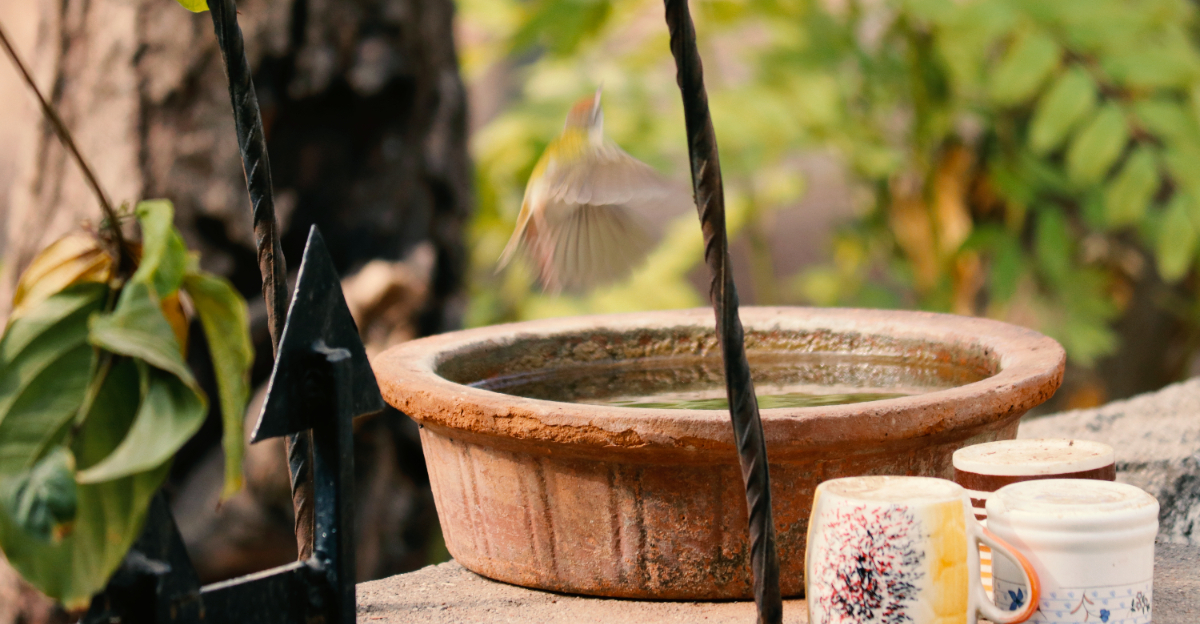
You add water to your yard because you want to see more life, more movement, more of those quiet moments that make a space feel alive. But in Arizona, not every water feature works the way it should.
Shallow bowls heat up quickly, water disappears faster than expected, and what seemed like a simple solution turns into daily maintenance. The issue is not your intention.
It is how the setup handles desert conditions.
Birds are drawn to water that feels fresh, accessible, and safe. When the source fits the climate, activity increases naturally.
The right alternative does more than sit in the yard looking decorative. It supports real wildlife movement.
A smarter water setup changes the atmosphere completely, turning your yard into a dependable stop instead of a place birds simply pass over.
1. Shallow Rock Dishes Keep Birds Cool In Desert Sun
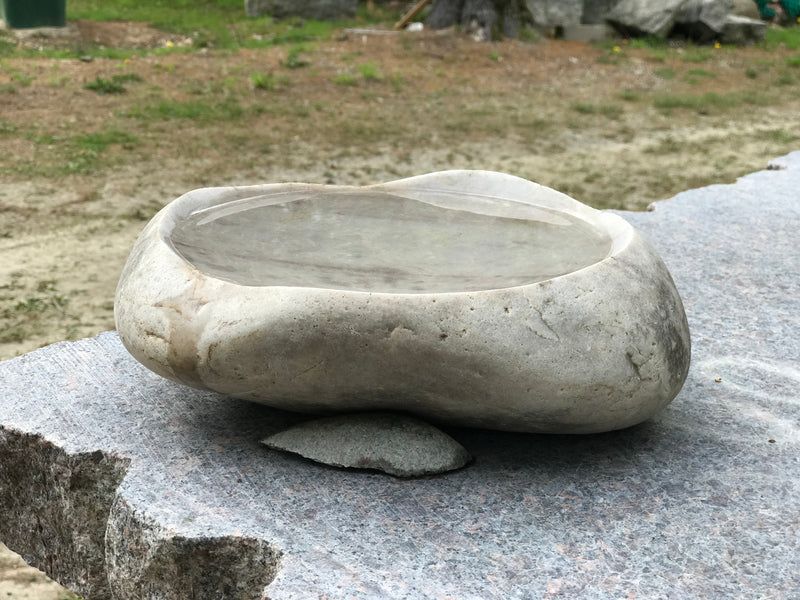
Birds in Arizona won’t use water sources that feel dangerous. Deep basins make them nervous because they can’t monitor their surroundings while drinking.
A shallow dish filled with smooth river rocks solves this problem perfectly.
The rocks create different water depths in one container. Smaller birds perch on stones that barely break the surface, while larger species wade into slightly deeper pockets between the rocks.
Everyone finds a comfortable spot without feeling exposed.
Terracotta or ceramic dishes work better than metal or plastic in Arizona heat. They stay cooler throughout the day and don’t leach chemicals into the water.
A dish about two inches deep gives you enough room for rocks and water without creating a hazard.
Place your rock dish in partial shade if possible. Morning sun is fine, but afternoon shade helps water last longer between refills.
Position it near shrubs or low trees so birds have quick escape routes if predators appear.
Clean the rocks every few days by removing them and scrubbing off algae. Desert dust settles quickly, so a quick rinse keeps the water appealing.
Change the water completely at least twice a week, more often during summer when temperatures spike above 100 degrees.
The beauty of this setup is its simplicity. No pumps, no electricity, no complicated maintenance.
Just rocks, water, and a dish that blends right into your Arizona landscaping.
Refresh the water daily during extreme heat, since shallow dishes can warm up quickly under desert sun. Birds are far more likely to visit when the water feels clean and cool.
Once they find a reliable source, they tend to return again and again, especially during dry stretches when natural water is scarce across Arizona landscapes.
2. Drip Water Features Invite Frequent Visitors
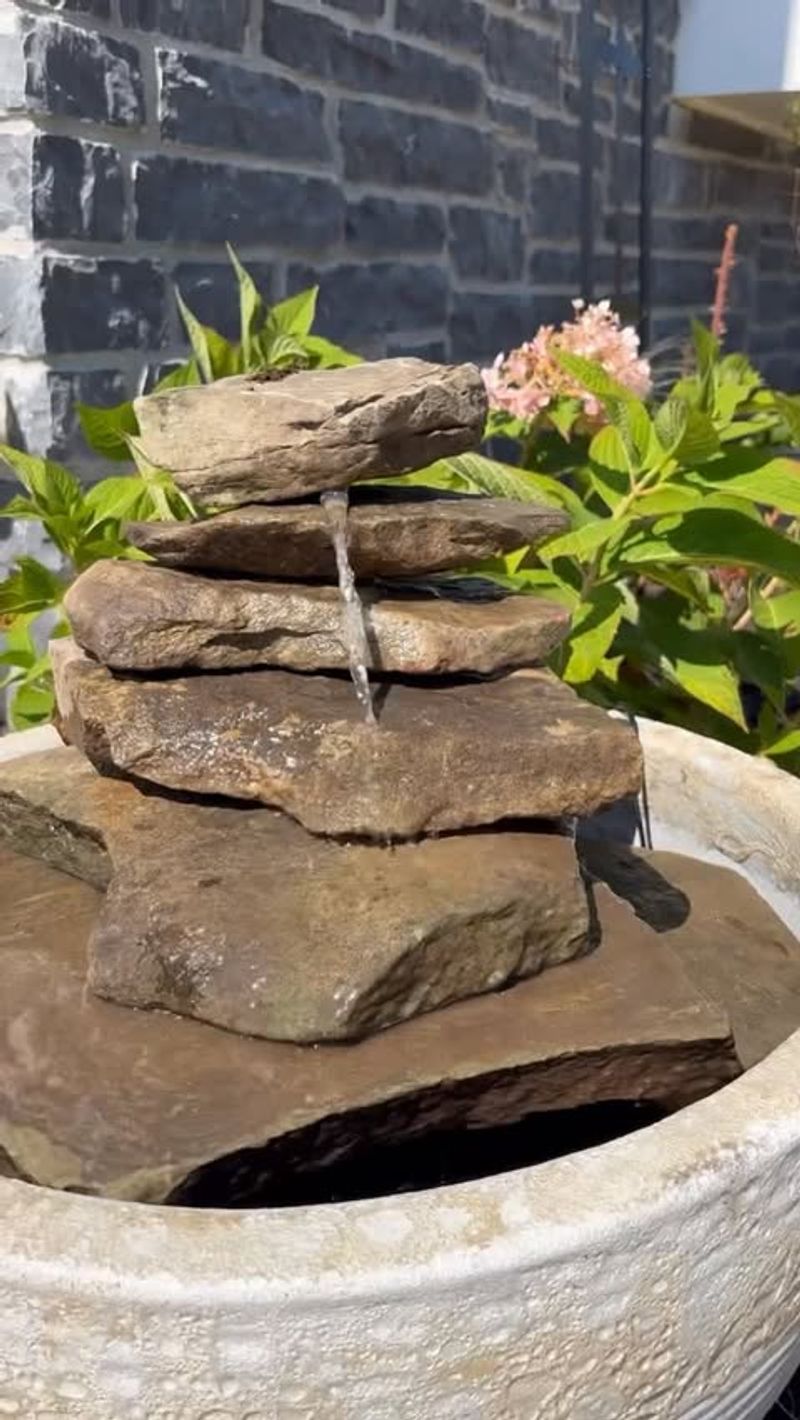
Sound matters more than you’d think when attracting birds. The gentle plink of dripping water carries across a yard and signals a reliable water source to passing flocks.
Birds hear frequencies we barely notice, and moving water tells them exactly where to find a drink.
A basic drip system needs just a small reservoir, tubing, and a recirculating pump. Water trickles from a height of 12 to 18 inches into a shallow catch basin below.
Your Arizona Garden Changes Every Week. Your Plan Should Too.
Gardening in Arizona changes quickly throughout the season. Every Friday you’ll receive a simple weekly plan showing exactly what to plant, prune, fertilize, harvest, and protect so you never miss the right timing.
The movement keeps water oxygenated and prevents mosquitoes from breeding in standing water.
You can build a drip feature from a repurposed bucket with a tiny hole drilled near the bottom. Hang it above a basin and let gravity do the work.
Refill the bucket every day or two, depending on how fast it drips. This low-tech version requires no electricity and costs almost nothing.
For a fancier setup, solar-powered pumps eliminate the need for outdoor outlets. They work beautifully in Arizona where sunshine is abundant.
Position the solar panel in full sun and run the tubing to a shaded spot where the water actually drips.
Birds that ignore still water will investigate dripping sounds within hours. Hummingbirds especially love hovering near drips to catch spray on their feathers.
Once word spreads through the local bird population, you’ll see regular visitors throughout the day checking for fresh water in your Arizona yard.
3. Misting Stations Refresh Birds In Hot Weather
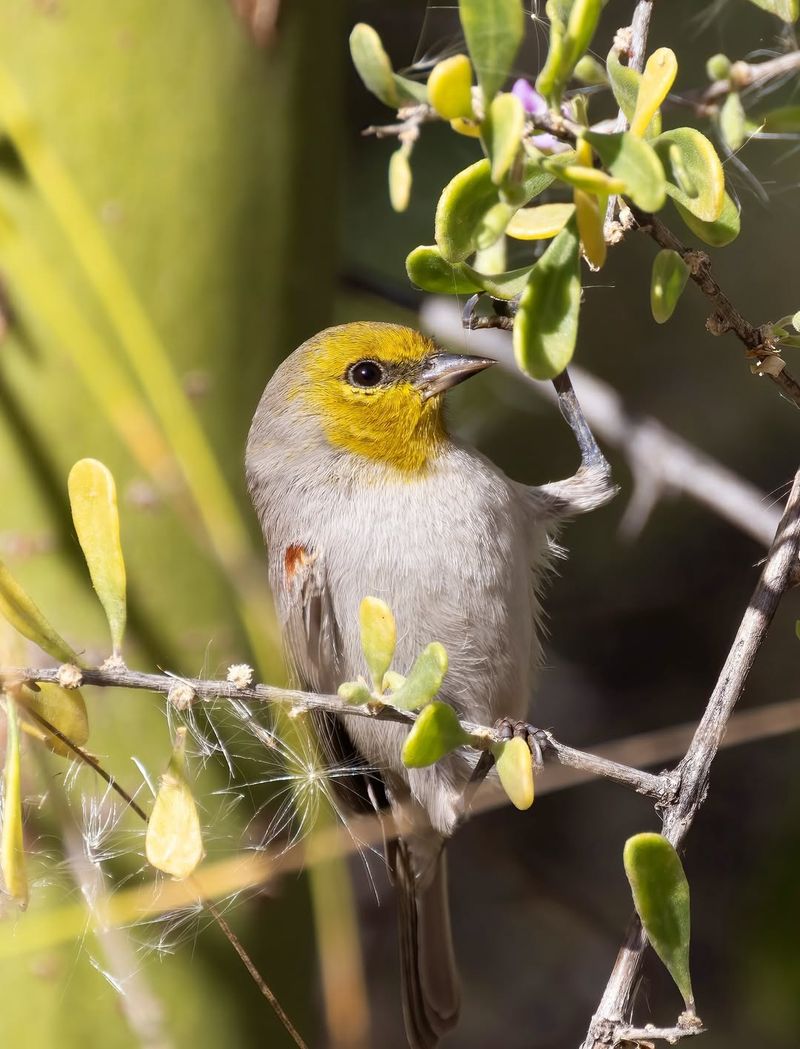
Arizona summers push birds to their limits. When temperatures soar past 110 degrees, birds need more than just drinking water.
They need ways to cool down fast, and misting stations provide instant relief.
A misting system sprays ultra-fine water droplets that evaporate quickly in dry air. Birds fly through the mist to wet their feathers without fully bathing.
This behavior, called evaporative cooling, allows moisture on their feathers and skin to lower body temperature as it evaporates. In Arizona’s dry climate, that cooling effect happens almost instantly.
Unlike deep water basins, misting stations do not require birds to sit still or feel exposed. They can swoop in, pass through the mist, and retreat to a nearby branch within seconds.
Quail, doves, and smaller songbirds often take turns darting through the spray during extreme heat.
Position the misting nozzle near shrubs or small trees so birds have quick cover. Early morning and late afternoon are ideal times to run it, especially during peak summer.
A timer helps control water use while still offering relief during the hottest stretches.
Use fine mist settings rather than heavy spray. The goal is cooling, not soaking.
When set up properly, a misting station becomes one of the most reliable heat-season upgrades you can add to an Arizona yard.
4. Low Flow Fountains Provide Constant Movement
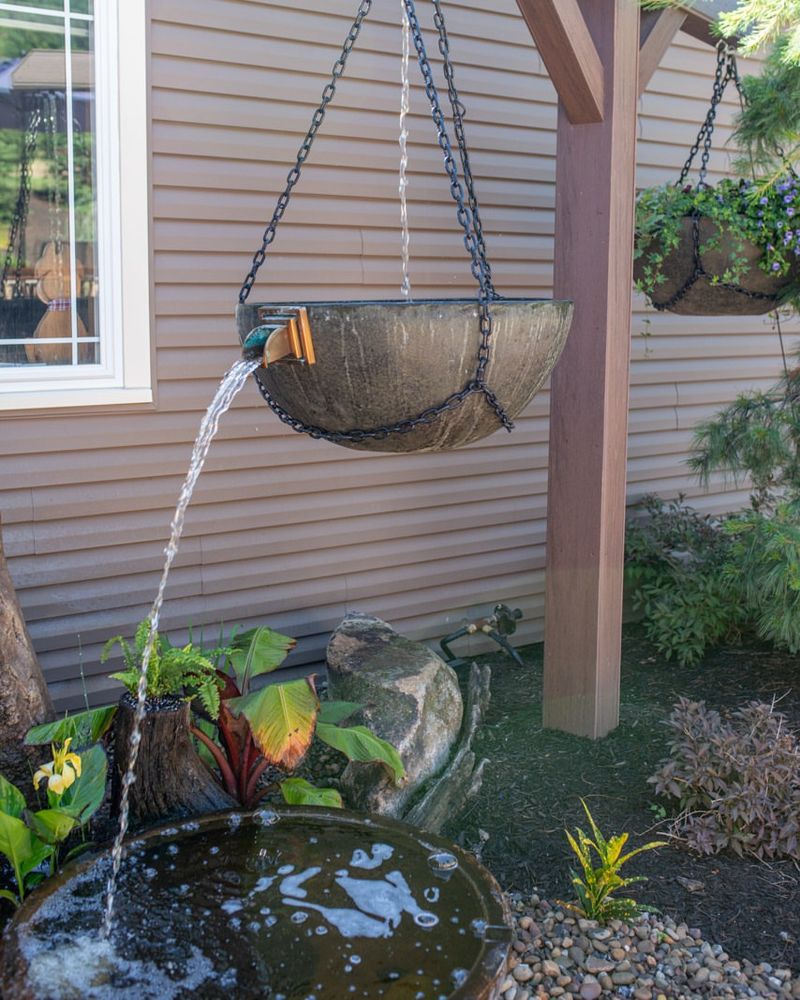
Stagnant water becomes a health hazard fast in Arizona heat. Bacteria multiply, algae blooms overnight, and mosquitoes lay eggs within 48 hours.
A fountain that keeps water circulating prevents all these problems while attracting more birds than any still basin could.
Low flow models use minimal electricity and create gentle ripples rather than dramatic splashes. Birds prefer subtle movement that doesn’t startle them.
A flow rate of 50 to 100 gallons per hour gives you enough circulation without wasting water through excessive evaporation.
Solar fountains work exceptionally well in Arizona where cloudy days are rare. The pump runs whenever the sun hits the panel, which means water moves during the hottest parts of the day when birds need it most.
At night, when temperatures drop and bird activity slows, the fountain naturally stops.
Choose a fountain with a wide, shallow basin rather than a tall, narrow design. Birds need easy access to the water’s edge.
A basin 12 to 16 inches across with a depth of just two inches gives multiple birds room to drink simultaneously without crowding.
Position your fountain where you can hear it from inside. The sound of moving water is soothing for humans too.
Place it within view of a window where you can watch birds visit throughout the day without disturbing them.
Clean the pump filter weekly during Arizona’s dusty season. Debris clogs the intake quickly and reduces water flow.
A simple rinse under the hose takes two minutes and keeps everything running smoothly.
5. Terracotta Saucers Offer Safe Landing Spots
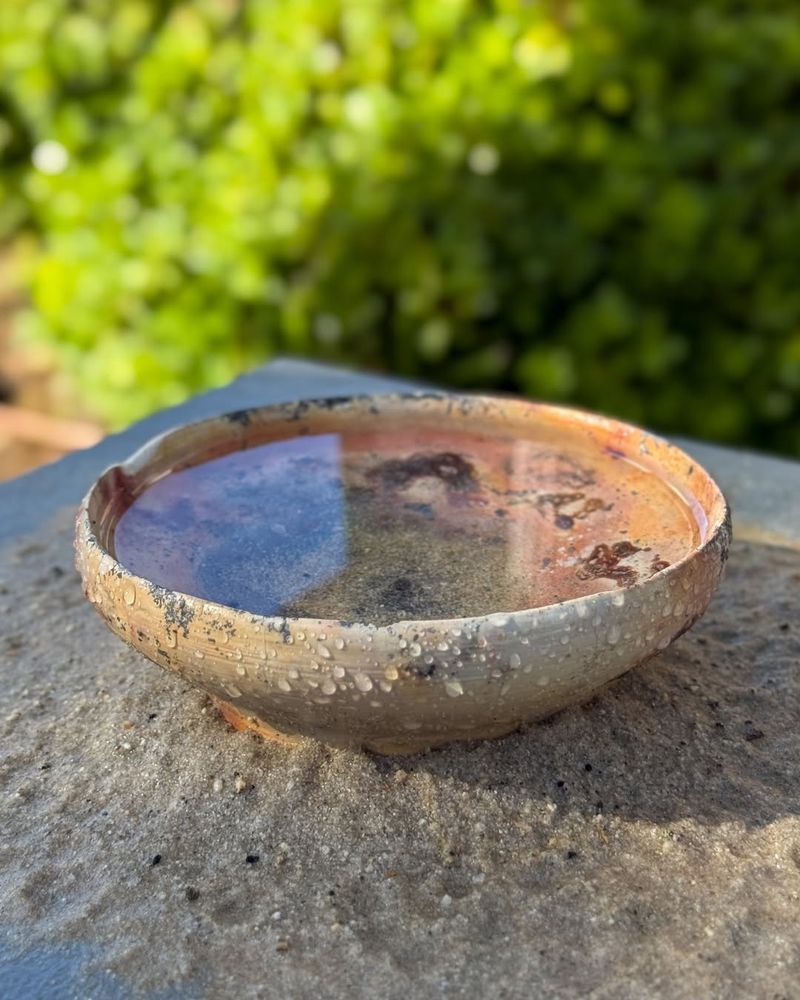
Plant saucers make surprisingly effective water sources for Arizona birds. The wide, flat design gives nervous species plenty of space to land and survey their surroundings before committing to a drink.
Unlike deep birdbaths that force birds to lean dangerously far forward, saucers let them stay balanced and alert.
Terracotta versions outperform plastic in desert conditions. The porous clay stays several degrees cooler than synthetic materials, and the natural color blends into Arizona landscaping.
A saucer 14 to 18 inches across accommodates multiple birds at once without feeling crowded.
Add a few flat stones around the perimeter to create textured landing spots. Some birds prefer standing on stone rather than ceramic.
The rocks also give insects a way to escape if they fall in, which keeps the water cleaner between changes.
Fill the saucer to a depth of just one inch. This shallow level lets even the smallest desert birds drink comfortably.
Refill daily during summer when evaporation happens fast. In cooler months, you might get away with every other day.
Place your saucer on a stable surface where it won’t tip. A flat paver stone works perfectly and prevents the bottom from sitting in mud after rain.
Elevate it slightly off the ground if you have cats in the neighborhood, giving birds a better vantage point to spot approaching predators.
The simplicity of a terracotta saucer is its biggest advantage. No moving parts, no electricity, no complicated setup.
Just water in a dish that birds instinctively recognize as safe.
6. Pebble-Filled Plates Allow Easy Drinking
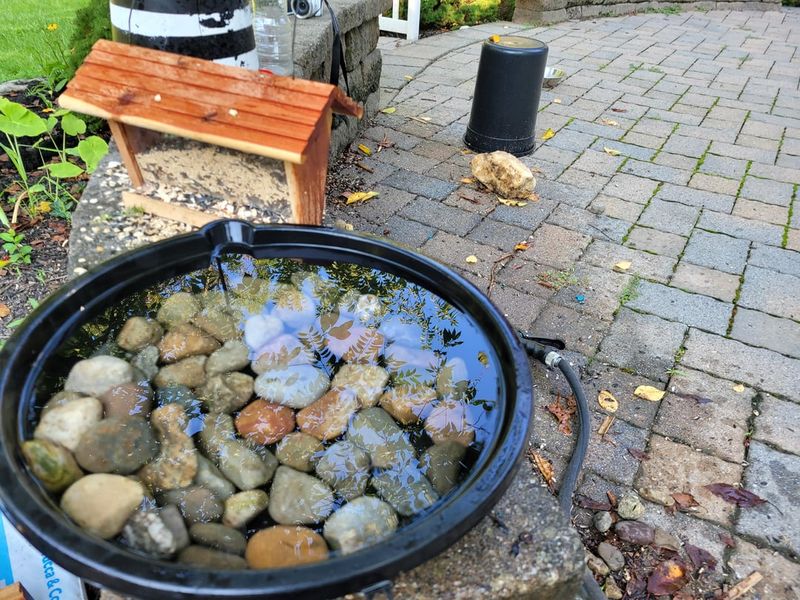
Depth intimidates birds more than most people realize. A plate filled with pebbles creates dozens of tiny water levels in one container.
Each bird finds the exact depth that feels comfortable, from barely damp stones for tiny finches to deeper gaps for larger thrashers.
Use smooth river pebbles rather than rough gravel. Sharp edges can injure delicate feet, and birds avoid uncomfortable surfaces.
Stones about the size of almonds work well, creating varied spaces when arranged randomly in a plate.
Ceramic dinner plates from thrift stores make perfect bases. Look for plates 10 to 14 inches across with a slight rim to contain the water.
Light colors reflect heat better than dark ones, keeping the water cooler during Arizona’s intense afternoons.
Arrange pebbles so some stick up above the water line while others sit completely submerged. This variety lets birds choose their comfort level.
Timid species start by pecking at damp stones, then gradually move to wetter areas as they gain confidence.
The pebbles also serve a practical purpose by slowing evaporation. Water trapped between stones doesn’t disappear as fast as open surfaces.
You’ll still need to refill regularly in Arizona heat, but not quite as often as a bare dish.
Clean your pebble plate weekly by removing all stones and scrubbing them with a stiff brush. Algae grows on submerged surfaces, and bird droppings accumulate around the edges.
A thorough cleaning keeps the water safe and appealing.
Position your plate near ground-level plants where birds naturally forage. They’ll discover it quickly during their regular rounds through your Arizona yard.
7. Recycled Bowls Blend Into Garden Shade
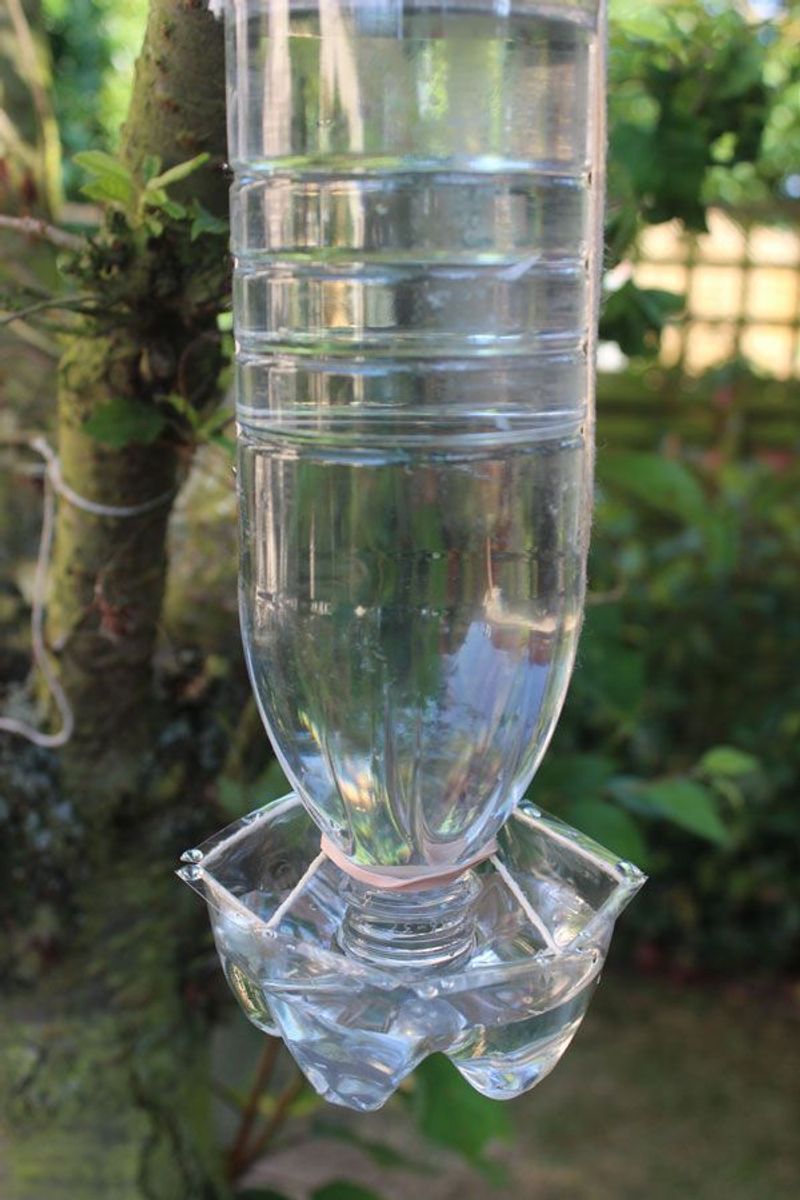
You probably have perfect bird water containers already sitting in your kitchen cabinets. Old serving bowls, chipped pottery, or mismatched dishes work beautifully when placed strategically in shaded spots around your Arizona yard.
Birds don’t care about matching sets or perfect condition.
Shade makes all the difference in how long water stays fresh and cool. A bowl under a mesquite tree or beside a large agave plant will attract more birds than one baking in full sun.
Morning shade is less critical than afternoon protection when temperatures peak.
Choose bowls with wide openings and low sides. A bowl six to eight inches across and two inches deep gives birds easy access.
Avoid anything too deep or narrow-mouthed where birds might feel trapped.
Glass and ceramic both work well in Arizona heat. They don’t leach chemicals, they’re easy to clean, and they stay relatively cool.
Metal bowls heat up too much and can actually burn bird feet on scorching days.
Place multiple bowls in different shaded locations rather than one large water source. This strategy accommodates territorial birds that won’t share and gives every species in your yard a drinking option.
Space them at least 20 feet apart so dominant birds can’t guard all the water at once.
Refresh the water every morning before temperatures rise. Overnight, dust settles and insects fall in.
Starting each day with clean water keeps birds coming back reliably.
The recycled bowl approach costs nothing and reduces waste. Those dishes that don’t quite match your kitchen anymore can have a second life serving Arizona’s bird population.
8. Container Water Spots Stay Fresh Longer
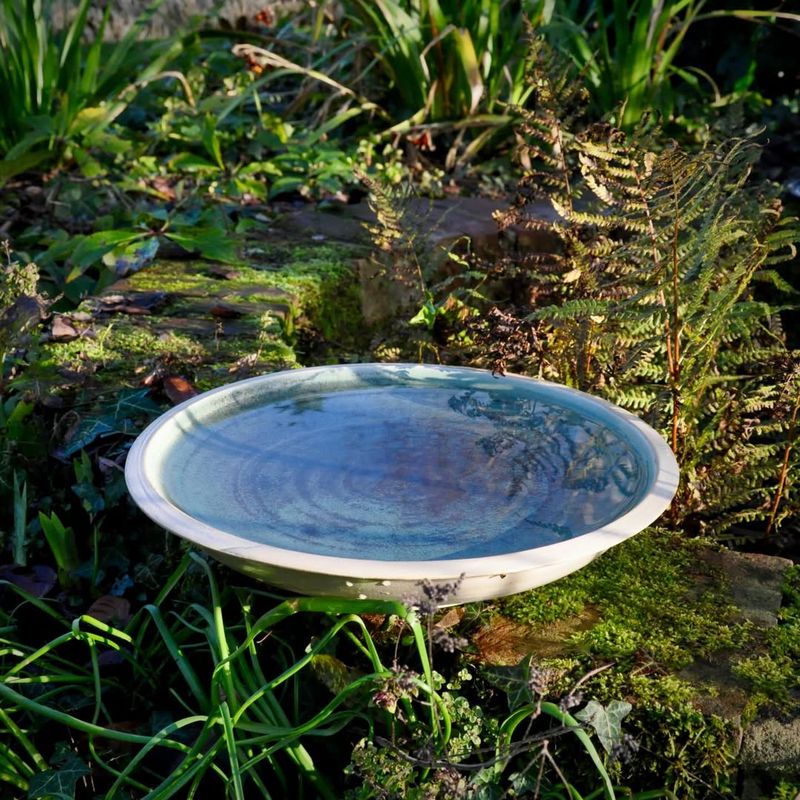
Containers designed for plants often make better bird water sources than actual birdbaths. Glazed ceramic pots, oversized saucers, or even decorative bowls intended for outdoor use already have the right shape and materials.
They’re built to withstand weather and temperature swings that Arizona throws at them.
Glazed surfaces resist algae growth better than porous materials. Water stays cleaner longer, which means less frequent scrubbing for you and fresher drinking water for birds.
The smooth finish also makes cleaning easier when you do need to wash it out.
Look for containers with drainage holes you can plug, or choose saucers without holes. A three-inch depth maximum keeps water accessible to all bird sizes.
Anything deeper just wastes water through evaporation and creates a drowning risk for small species.
Tuck your container into a corner where garden paths meet or nestle it between drought-tolerant plants. These semi-hidden spots feel safer to birds than exposed locations in the middle of open lawn.
They can drink while staying partially concealed from hawks and other predators.
Dark-colored containers absorb heat, so stick with light glazes in tan, cream, or pale blue. These colors reflect sunlight and keep water temperatures down during Arizona’s brutal summer afternoons.
Elevating your container on a plant stand or stacked pavers gives ground-feeding birds like quail easier access while keeping the water out of reach from prowling cats. A height of six to twelve inches off the ground hits the sweet spot for most species.
The container approach lets you match your water source to your existing garden aesthetic while giving birds exactly what they need.