8 March Garden Tasks That Set Arizona Yards Up For Success
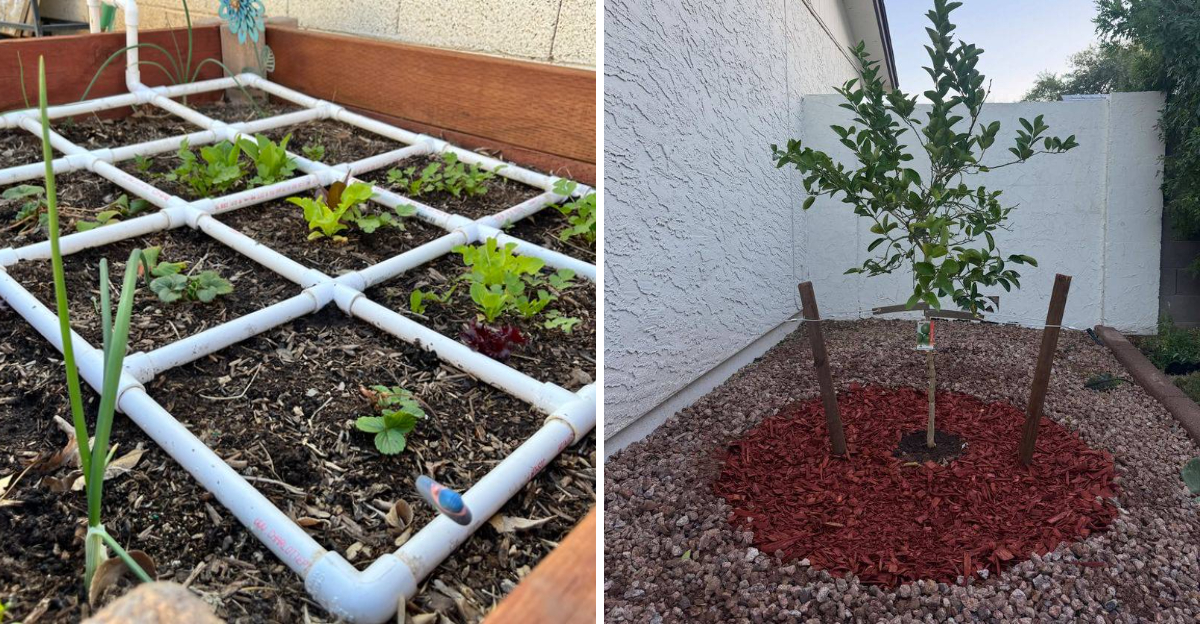
Arizona yards do not stay neutral for long, and the work you choose to handle now has a direct impact on how everything performs once temperatures rise.
Plants are starting new growth, soil is shifting, and irrigation systems will soon work harder. Ignoring small adjustments now often leads to bigger problems later, especially in a desert climate where timing matters.
These essential March garden tasks focus on strengthening roots, correcting watering patterns, cleaning up winter damage, and preparing plants for steady growth.
When each step is handled with intention, your yard responds with stronger structure and better resilience.
Taking care of the right tasks now helps your Arizona landscape move forward with stability instead of stress, setting it up for lasting success.
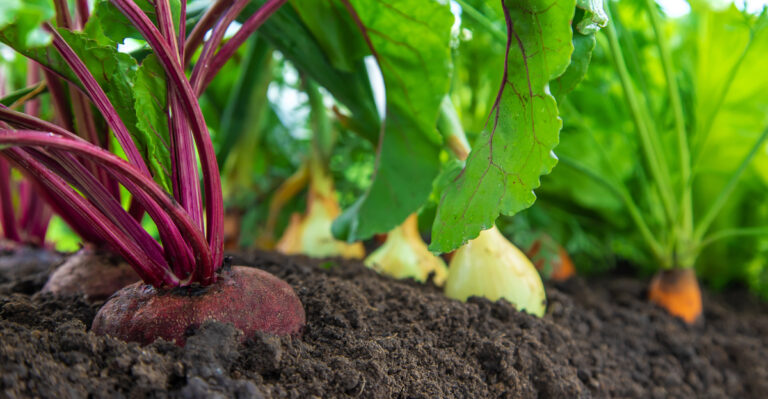
1. Prepare Garden Beds For Spring Planting
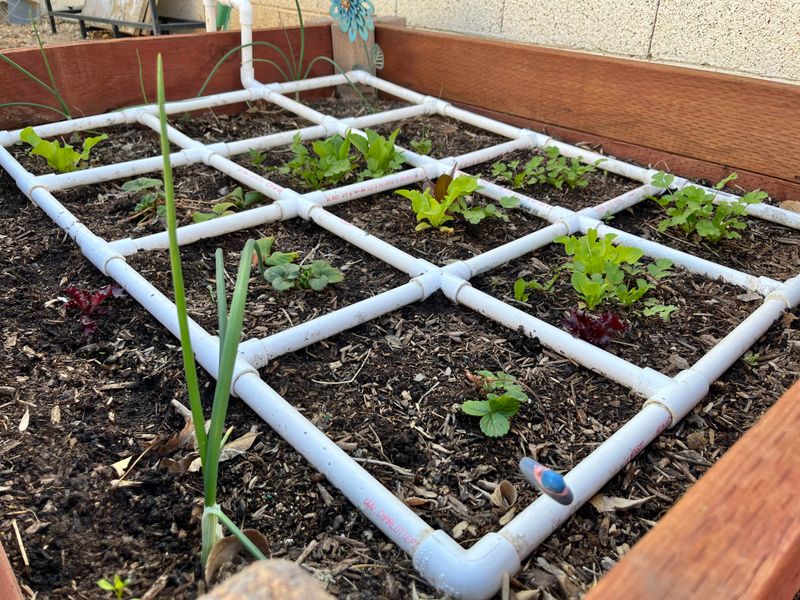
Garden beds need serious attention right now, before heat makes soil work miserable. Arizona’s desert soil tends toward alkaline clay or sandy compositions that lack organic matter.
Adding compost improves structure, drainage, and nutrient availability all at once.
Dig down at least eight inches and work in three to four inches of quality compost throughout each bed. Break up compacted areas that formed over winter when soil stayed wet longer.
Clay soils especially benefit from this deep amendment because it prevents waterlogging during irrigation.
Check your soil pH if you haven’t recently. Most vegetables prefer slightly acidic to neutral conditions, but Arizona soils often run high.
Sulfur amendments lower pH gradually if needed, though adding organic matter helps buffer extreme readings naturally.
Remove any winter debris, spent cool-season crops, and weeds that got a head start. Weeds compete aggressively for water and nutrients, which your new plantings can’t afford to share.
Pull them while soil remains slightly moist from winter rains.
Level beds and create slight berms around edges to contain water during irrigation. Water conservation matters critically in Arizona, and proper bed shaping prevents runoff waste.
Finish by adding a two-inch compost layer on top as a head start for transplants going in soon.
Once that final layer is in place, pause and water the bed lightly to help everything settle and activate the organic matter. Let the soil rest for a few days before planting so amendments can begin blending into the root zone.
This short waiting period makes a noticeable difference once new plants go in and temperatures start rising.
2. Start Warm-Season Vegetables In Containers
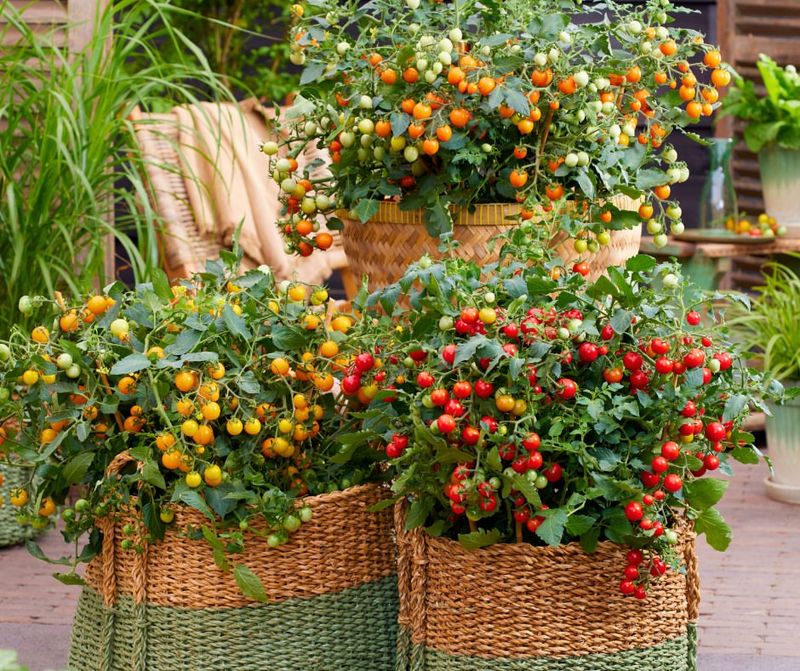
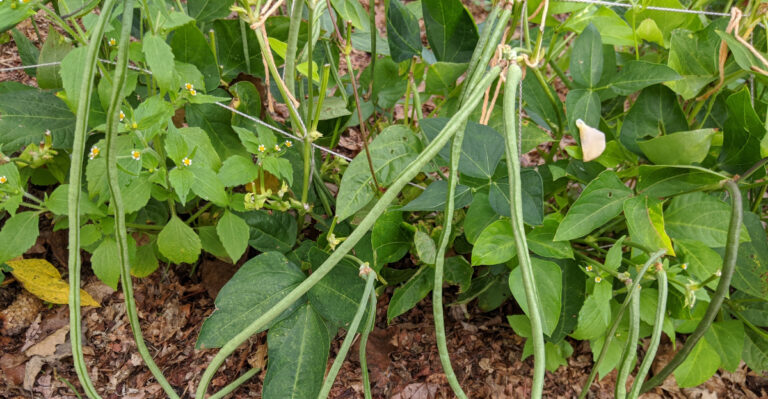
Containers give you control over soil quality and placement that ground planting can’t match. Tomatoes, peppers, squash, and melons all do well in pots if you size them appropriately.
Choose containers at least 12 inches deep for most vegetables, with 18 to 24 inches better for tomatoes.
Use a quality potting mix rather than garden soil, which compacts badly in containers. Potting mix drains properly while retaining enough moisture to keep roots happy between waterings.
Mix in some compost for extra nutrients and beneficial microbes.
Position containers where they’ll get morning sun but afternoon shade as temperatures climb. Eastern exposures work perfectly in Arizona because they provide light without excessive heat stress.
Your Arizona Garden Changes Every Week. Your Plan Should Too.
Gardening in Arizona changes quickly throughout the season. Every Friday you’ll receive a simple weekly plan showing exactly what to plant, prune, fertilize, harvest, and protect so you never miss the right timing.
Watch how sun patterns shift as days lengthen through March.
Start seeds directly in their final containers or transplant seedlings you started indoors earlier. March offers ideal germination temperatures for warm-season crops without the scorching conditions coming in May.
Water consistently but avoid overwatering, which causes more problems than underwatering at this stage.
Group containers together to create a microclimate that conserves water through reduced evaporation. Drip irrigation or self-watering containers save tremendous effort once summer arrives.
Container gardening lets renters and those with difficult soil still enjoy homegrown produce throughout Arizona’s long growing season.
Add a layer of mulch on top of the potting mix to slow evaporation and keep root zones cooler as daytime temperatures rise. Even a thin layer of shredded bark or straw makes a noticeable difference once dry winds pick up.
Fertilize lightly but regularly, since nutrients wash out of containers faster than in-ground beds. A balanced liquid feed every couple of weeks keeps plants steady and productive without pushing weak, heat-stressed growth.
3. Prune Desert Trees And Shrubs Before Buds Swell
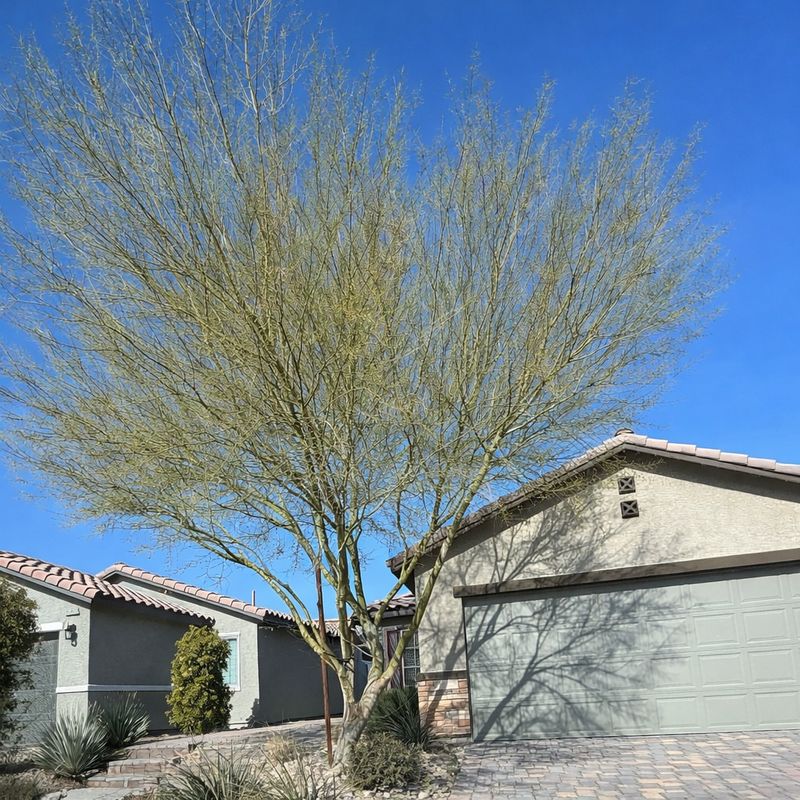
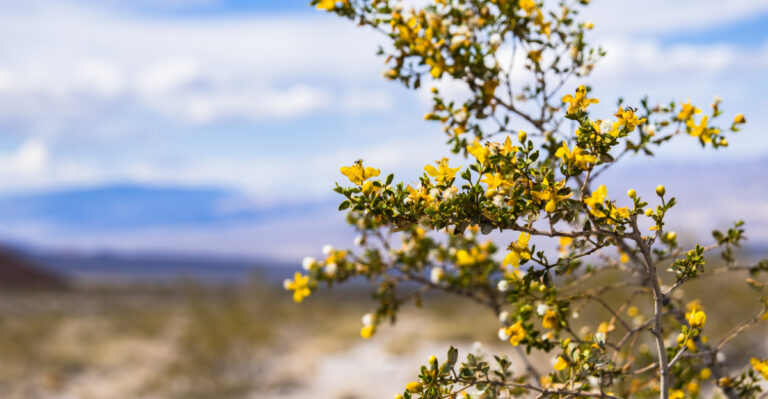
Timing makes all the difference when pruning desert-adapted plants. Right now, before new growth pushes out, trees and shrubs tolerate pruning without stress.
Wait until buds swell and you force plants to waste energy they already invested in new growth.
Focus on removing damaged or crossing branches first. These create entry points for pests and diseases while wasting resources the plant could direct elsewhere.
Cut cleanly just outside the branch collar without leaving stubs that rot.
Mesquite, palo verde, and ironwood trees benefit from light shaping to maintain structure and prevent storm damage. Remove branches growing toward the center or rubbing against others.
Desert trees naturally develop open canopies that handle wind well when properly maintained.
Shrubs like Texas ranger, brittlebush, and fairy duster can be cut back by one-third if they’ve gotten leggy or overgrown. This encourages bushy new growth that fills in nicely as temperatures warm.
Avoid severe pruning on plants that haven’t been pruned regularly, as it shocks them.
Sterilize pruning tools between plants with rubbing alcohol or diluted bleach to prevent spreading diseases. Sharp tools make clean cuts that heal faster than ragged tears from dull blades.
Haul away all pruning debris rather than leaving it around plants where pests might overwinter.
4. Check Irrigation Systems Ahead Of Rising Temperatures
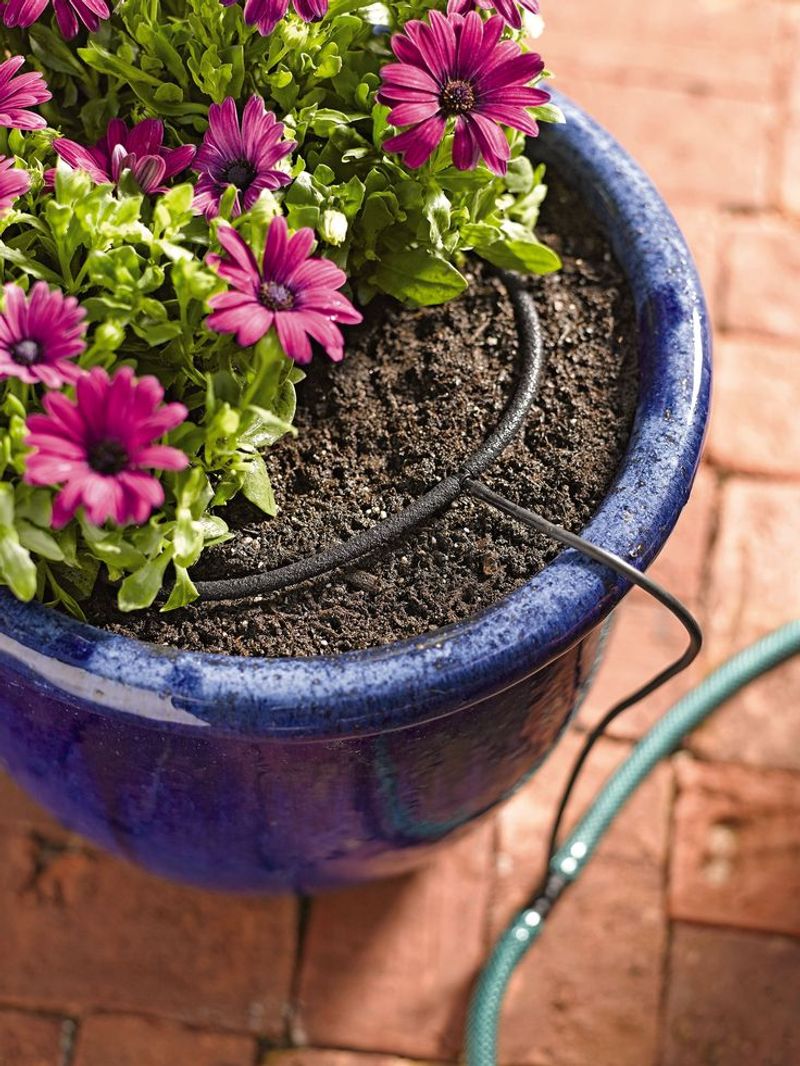
Your irrigation system worked fine during cool months while running infrequently. But hidden problems emerge fast once you increase watering for warmer weather.
Catching issues now prevents plant stress and water waste later.
Walk your entire system while it runs and watch for leaks, broken emitters, and clogged heads. Drip lines develop tiny leaks where fittings connect or animals chew through tubing.
Spray heads get knocked crooked or clogged with mineral deposits common in Arizona water.
Flush drip lines by removing end caps and letting water run clear. Sediment accumulates during winter and blocks emitters right when plants need consistent moisture.
Replace any emitters that don’t flow evenly or have stopped working completely.
Adjust your controller for increasing temperatures and plant needs. Cool-season vegetables and dormant plants needed less water, but warm-season crops and actively growing perennials require more.
Add a rain sensor if you don’t have one, since March sometimes brings unexpected storms.
Test your backflow preventer and pressure regulator to ensure proper function. Low pressure means plants don’t get adequate water despite the system running.
High pressure damages emitters and wastes water through misting and overspray. Mark your calendar to check monthly through summer as heat stresses every component.
5. Add Mulch To Retain Moisture And Protect Roots
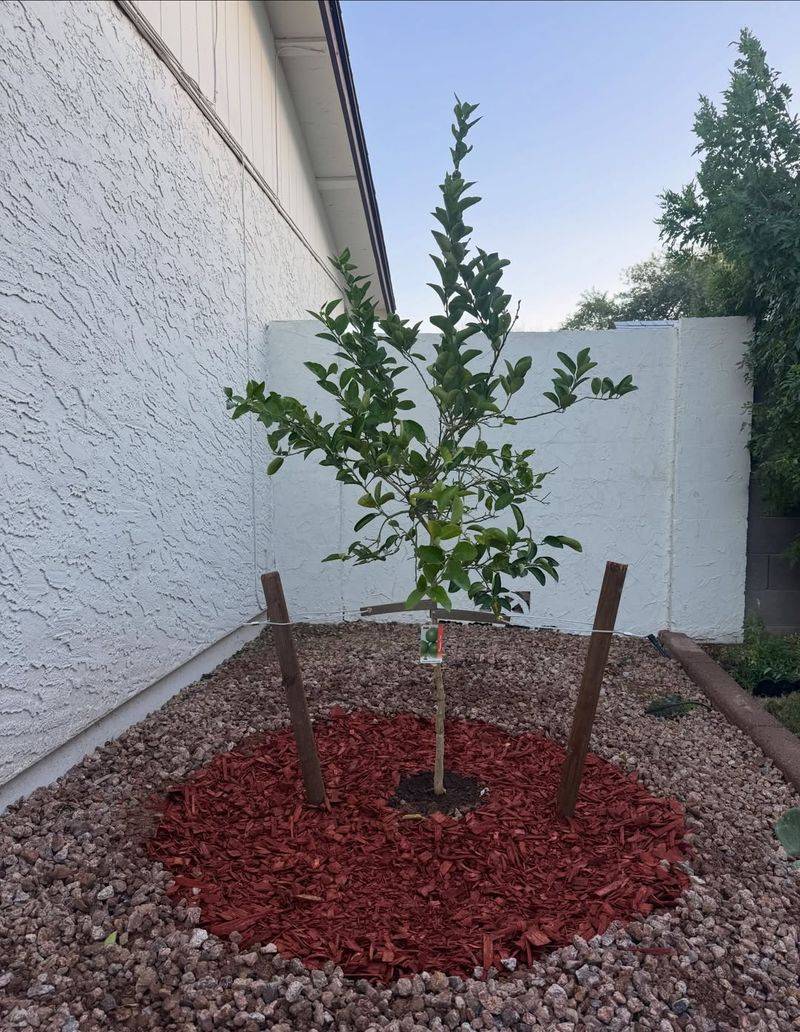
Bare soil loses moisture at shocking rates once Arizona temperatures climb. A proper mulch layer acts as insulation that moderates soil temperature while dramatically reducing evaporation.
The difference in water consumption between mulched and unmulched beds is remarkable.
Apply two to four inches of organic mulch around trees, shrubs, and garden beds. Wood chips work well for ornamental areas, while fine compost or straw suits vegetable gardens better.
Keep mulch pulled back a few inches from plant stems and tree trunks to prevent rot issues.
Organic mulches break down over time, improving soil as they decompose. This matters especially in Arizona’s nutrient-poor native soils.
As microbes process mulch, they release nutrients gradually and build soil structure that helps retain both water and air.
Gravel and rock mulches have their place in desert landscapes but don’t improve soil or moderate temperature as effectively. They actually absorb and radiate heat, which stresses shallow-rooted plants.
Save rock for pathways and areas where you want reflected heat, not around actively growing plants.
Refresh mulch layers now before summer makes outdoor work unbearable. Existing mulch likely thinned over winter from decomposition and wind.
Adequate depth matters because thin mulch doesn’t provide the moisture retention and temperature moderation that makes such a difference through Arizona’s long, hot summer.
6. Plant Heat-Tolerant Annuals For Early Color
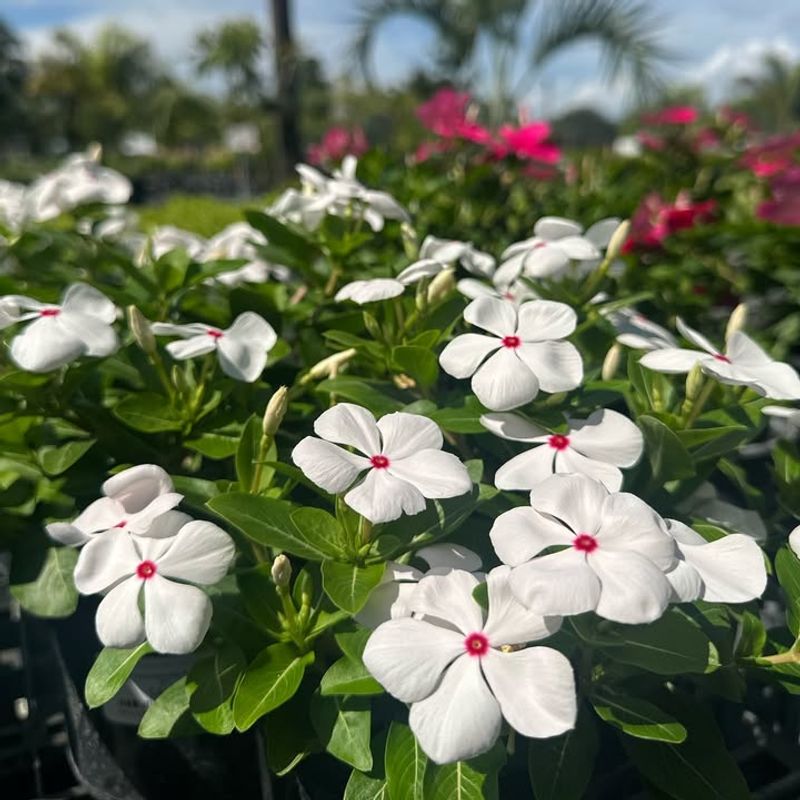
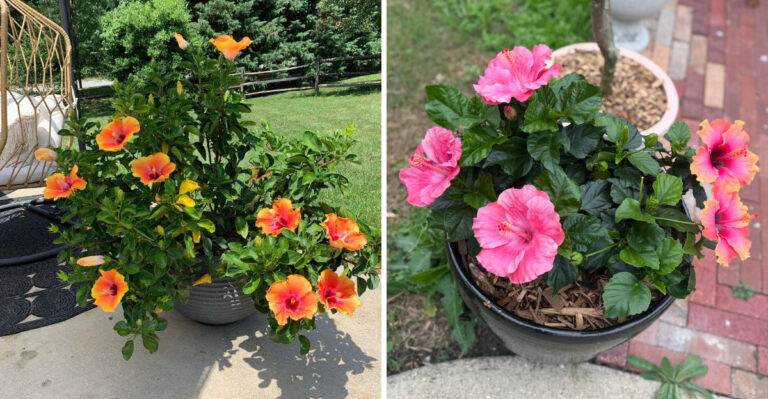
Cool-season annuals like pansies and snapdragons start fading fast as March progresses. Replacing them now with heat-lovers gives you continuous color through summer instead of bare spots by May.
Arizona’s extended warm season lets annual flowers perform for months if you choose appropriately.
Vinca, zinnia, portulaca, and gaillardia thrive in full sun and high temperatures that would flatten other flowers. They establish quickly in March’s moderate conditions, then cruise through summer with minimal fussing.
Look for varieties specifically bred for heat tolerance rather than standard selections.
Prepare planting areas with compost and ensure good drainage, since these plants hate wet feet despite needing regular water. Space them according to mature size because they fill in fast once established.
Crowded plants compete for resources and develop disease problems in Arizona’s low humidity.
Water new transplants daily for the first week, then gradually reduce frequency as roots spread. Deep, infrequent watering encourages drought tolerance better than frequent shallow sprinkling.
Add a balanced fertilizer monthly to support continuous blooming through the long season ahead.
Deadhead spent flowers regularly to encourage more blooms and prevent plants from setting seed. Once annuals focus on seed production, flowering drops off dramatically.
A few minutes of deadheading each week keeps beds looking fresh and colorful all the way into fall.
7. Inspect For Pests And Remove Early Infestations
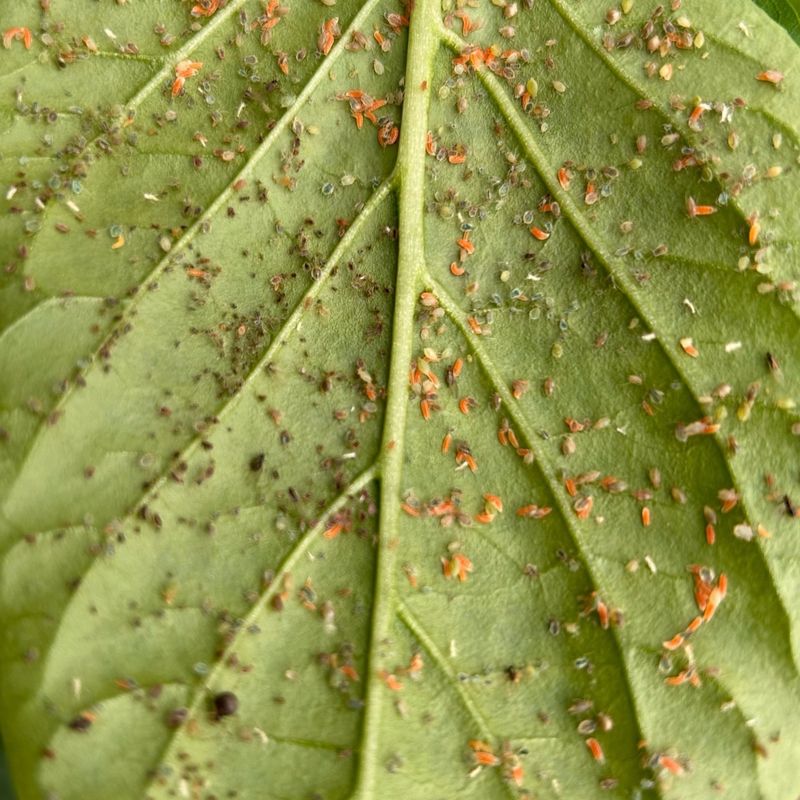
Pest populations explode as temperatures warm, but right now they’re manageable. Catching aphids, whiteflies, and spider mites while colonies remain small prevents the overwhelming infestations that plague Arizona gardens by summer.
Early intervention means less chemical control needed later.
Check leaf undersides where most pests hide and feed. Aphids cluster on new growth, sucking sap and spreading viruses.
Whiteflies rise in clouds when you disturb infested plants. Spider mites create fine webbing and stippled leaves that look dusty or bronzed.
Blast small infestations off with a strong spray from the hose. This simple method works remarkably well for aphids and whiteflies when populations haven’t exploded yet.
Repeat every few days as needed, focusing water underneath leaves where pests congregate.
Insecticidal soap or neem oil handles persistent problems without harsh chemicals that harm beneficial insects. Apply in early morning or evening to avoid leaf burn in strong sun.
Spray thoroughly, hitting leaf undersides where pests hide, and repeat according to product directions.
Encourage beneficial insects by planting flowers that provide nectar and pollen. Ladybugs, lacewings, and parasitic wasps control pest populations naturally when given habitat and food sources.
Avoid broad-spectrum pesticides that eliminate beneficial insects along with pests, creating a cycle of dependency on chemical controls.
8. Divide And Transplant Perennials Before Heat Sets In
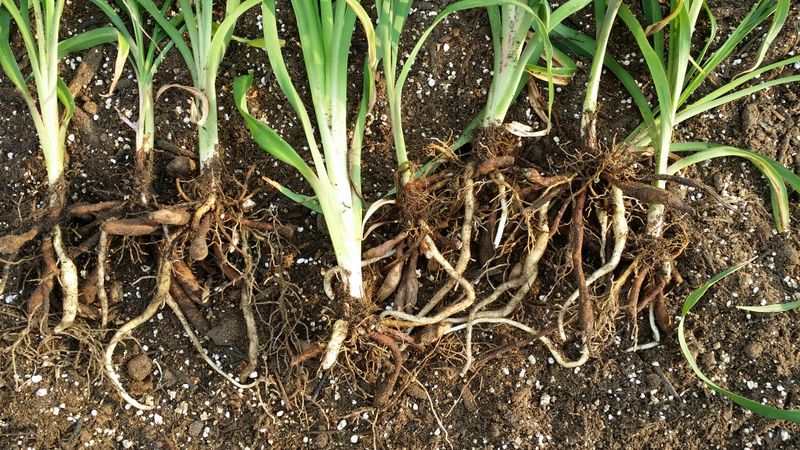
Overcrowded perennials bloom less and develop bare centers as they compete for resources. Dividing them rejuvenates growth and gives you extras to fill other areas or share with neighbors.
March offers perfect conditions for this task, with moderate temperatures and plants just beginning active growth.
Dig around the entire root mass of clumping perennials like daylilies, agastache, and ornamental grasses. Lift the whole plant and shake off loose soil so you can see natural division points.
Use a sharp spade or knife to cut through tough roots, creating sections with both roots and shoots.
Replant divisions immediately at the same depth they grew originally, spacing them properly for mature size. Crowding divisions defeats the purpose of dividing in the first place.
Water thoroughly and keep soil consistently moist for two weeks while new roots establish.
Trim foliage back by one-third to reduce water demand while roots recover from division stress. This seems harsh but helps plants establish faster by balancing top growth with reduced root systems.
New growth emerges quickly once roots settle in.
Avoid dividing perennials that bloom on old wood or prefer undisturbed roots. Research specific plants if you’re unsure, since some resent division while others benefit from regular splitting.
Timing matters less for tough desert-adapted perennials that tolerate disturbance better than delicate species.
After dividing, add a light layer of compost around each replanted section to encourage steady root development.
Keep an eye on them as temperatures warm, since newly divided plants may need slightly more frequent watering during their first few weeks of recovery.