9 Water Wise Plants That Thrive In Arizona Without Extra Care
Arizona heat is no joke, and neither is the water bill that can come with trying to keep a yard alive through summer. If you’ve planted something that looked great in spring but faded fast once triple digits hit, you’re not alone.
The key isn’t watering more. It’s choosing plants that are built for Arizona from the start.
Water wise plants don’t just survive here, they stay strong through dry stretches, reflect heat instead of wilting under it, and keep your yard looking full without constant attention.
Once established, many of them handle long gaps between deep waterings and still show off texture, color, or seasonal blooms.
If you’re ready for a yard that works with Arizona’s climate instead of fighting it, these tough, low effort plants are a smart place to start.
1. Agave Parryi Compact Rosettes Perfect For Pots And Beds
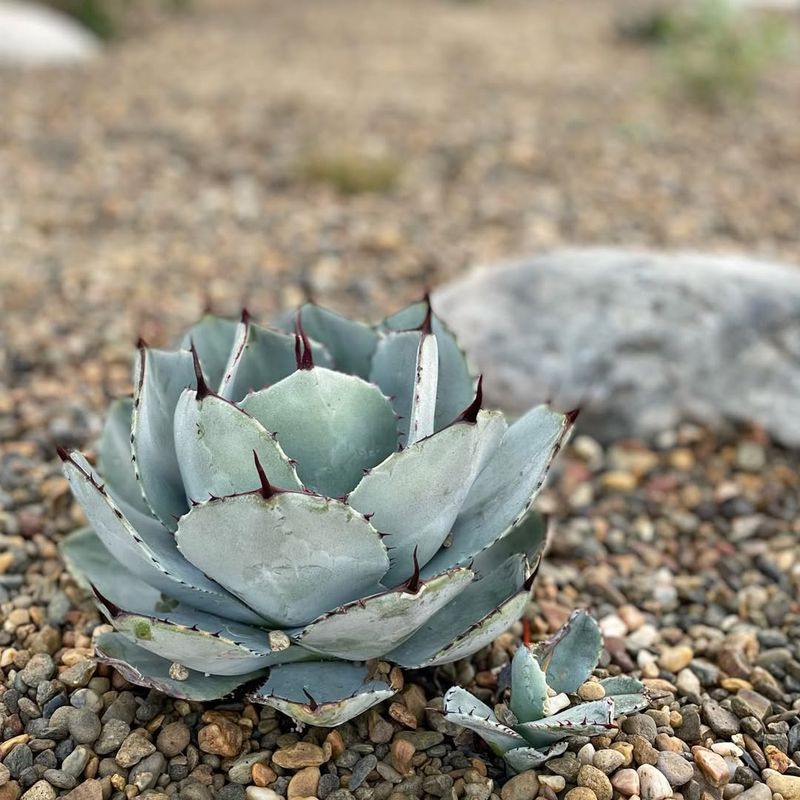
Agave parryi is the kind of plant that looks like it was designed specifically for Arizona. Sharp, symmetrical, and completely unbothered by triple-digit heat, it forms tight rosettes that look almost sculptural in both pots and in-ground beds.
You get serious visual impact without any real effort on your part.
What makes this agave stand out is how compact it stays. Most rosettes top out around 18 to 24 inches wide, which makes it easy to fit into smaller spaces or container arrangements on a patio.
It pairs well with gravel mulch and decorative rock, which are both common in Tucson and Phoenix yards.
Watering is almost an afterthought with this plant. Overwatering is the one thing to watch out for, since soggy roots are the real enemy here.
Plant it in full sun and well-draining soil, and it will reward you for years. Some plants even produce a tall flowering spike before they finish their life cycle, which is quite a show.
Over time, those powdery blue-gray leaves develop subtle color shifts that look even better against desert backdrops.
It handles reflected heat from walls and driveways without flinching, which makes it a reliable choice for tough spots other plants struggle with.
If you want structure, low water use, and a plant that truly fits Arizona conditions, Agave parryi checks every box.
2. Red Yucca Blooms Bright Even In Full Sun
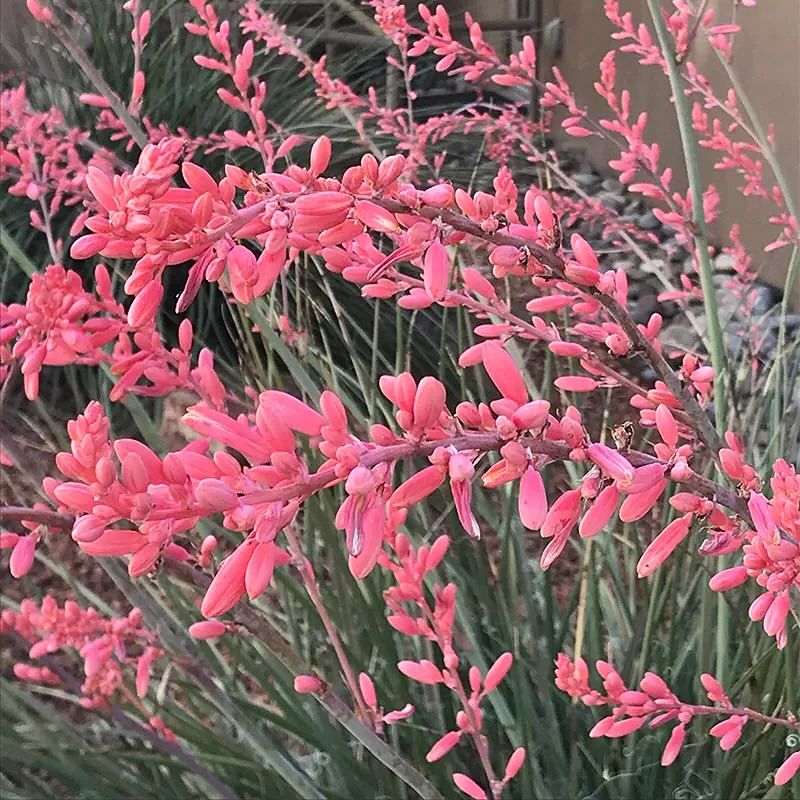
Few plants put on a show like Red Yucca does in the Arizona heat. Tall, arching flower spikes shoot up from its base in spring and keep producing coral-pink blooms well into summer, all without a single complaint about the sun beating down on them.
Despite the name, Red Yucca is not a true yucca at all. It is actually related to agave, which explains why it handles drought so well.
Its long, grass-like leaves stay green year-round in most parts of Arizona, giving you something to look at even when it is not in bloom.
Hummingbirds absolutely love the tubular flowers, so if you want more wildlife activity in your yard, this is a smart addition. Plant it near a window or seating area and you will have entertainment all season long.
Your Arizona Garden Changes Every Week. Your Plan Should Too.
Gardening in Arizona changes quickly throughout the season. Every Friday you’ll receive a simple weekly plan showing exactly what to plant, prune, fertilize, harvest, and protect so you never miss the right timing.
It works especially well in Phoenix landscapes where summer color is hard to come by.
Full sun is ideal, and poor soil is no problem. Skip the fertilizer entirely and just let it do its thing.
Once established, it needs infrequent deep watering during extended dry periods.
3. Desert Marigold Adds Long-Lasting Color With Minimal Water
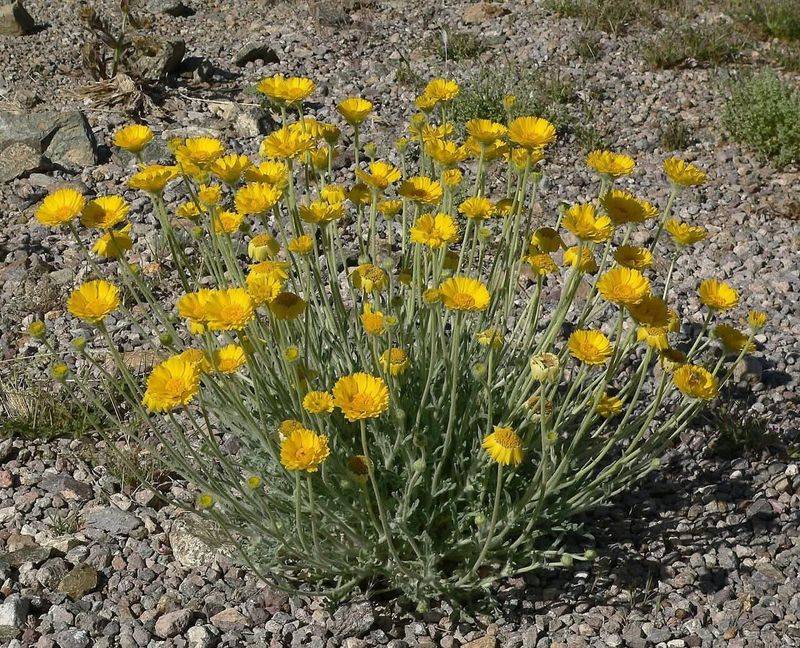
Bright yellow flowers from spring all the way through fall, and almost no water required to get there.
Desert Marigold does exactly what its name suggests, bringing bold color to Arizona landscapes when most other plants are struggling just to stay alive in the heat.
Baileya multiradiata, which is its scientific name, grows naturally across the Sonoran Desert, so it is already perfectly adapted to Arizona’s climate.
You can often spot it growing wild along roadsides and open desert flats, which tells you a lot about how little attention it actually needs.
In a home garden, it looks best when planted in groups rather than solo. Clusters of three to five plants create a sea of yellow that really pops against gravel, rock, or adobe walls.
Deadheading spent blooms encourages new flowers to push through, though even without that step it keeps blooming at a decent rate.
Soil drainage matters more than anything else with this plant. Sandy or gravelly soil is ideal.
If your yard has heavy clay, amend it before planting or use raised beds. Full sun is non-negotiable, and afternoon shade will actually reduce flowering over time.
4. Texas Sage Blooms After Monsoon Rains And Handles Heat
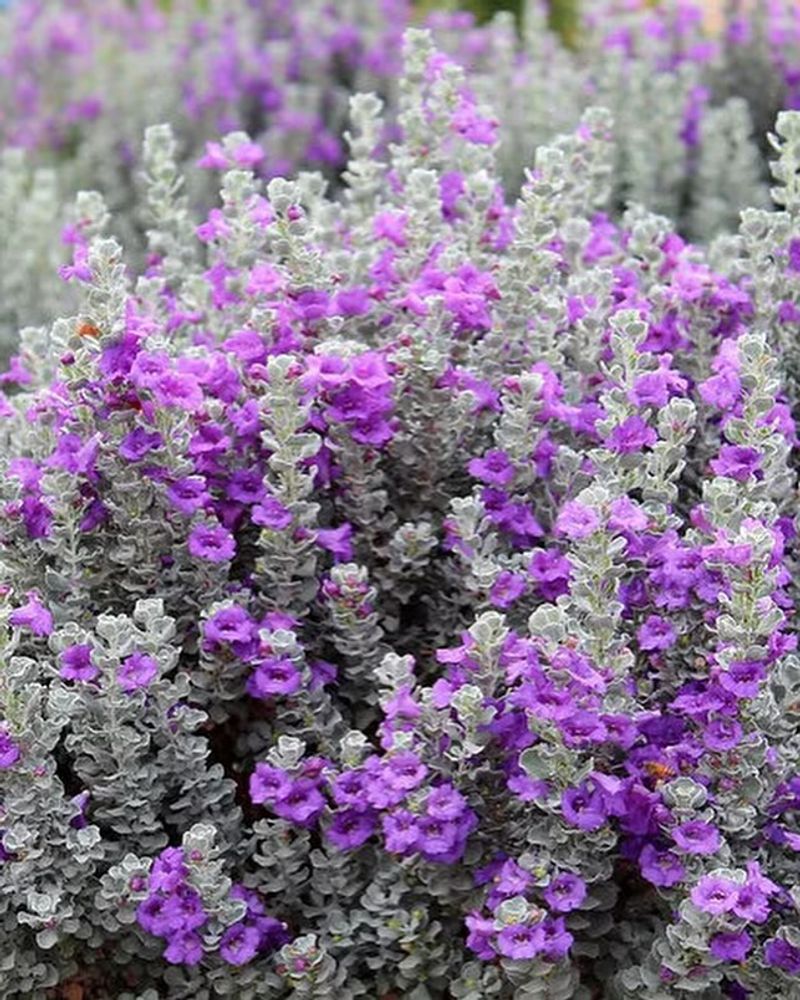
Right after a monsoon rain hits in Arizona, Texas Sage explodes into purple-pink blooms almost overnight. Locals call it the barometer bush for this reason, since its flowering is triggered by humidity and rainfall.
It is one of the most reliable seasonal performers in the entire state.
Beyond the flowers, the silvery-gray foliage holds its own all year. Even in dry winters when everything else looks dull, Texas Sage keeps the yard looking alive and intentional.
The leaves have a soft, fuzzy texture and give off a mild earthy scent when brushed, which is a nice bonus near walkways.
Leucophyllum frutescens grows into a rounded shrub, usually reaching about five to eight feet tall and wide if left unpruned. You can keep it tighter with light shaping, but aggressive pruning tends to reduce blooming.
Let it grow naturally if space allows, and it will reward you with multiple bloom cycles through the monsoon months.
Full sun and fast-draining soil are the two things it genuinely needs. In Scottsdale and Phoenix, it thrives in caliche-heavy ground that would stress out most other shrubs.
After the first year, it does best with deep but infrequent watering during extended dry periods.
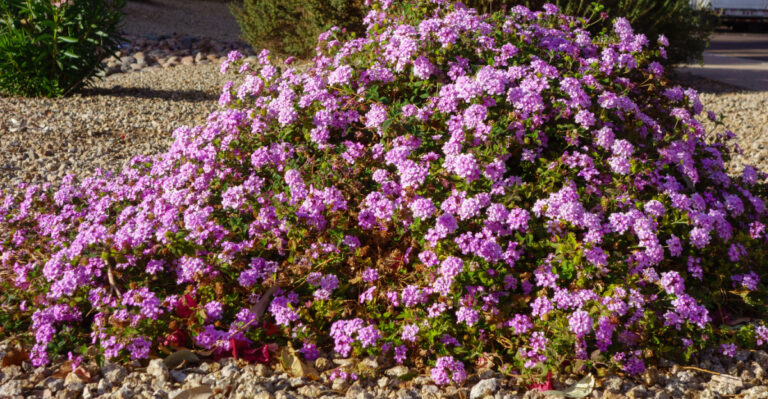
5. Lantana Thrives In Heat And Attracts Pollinators
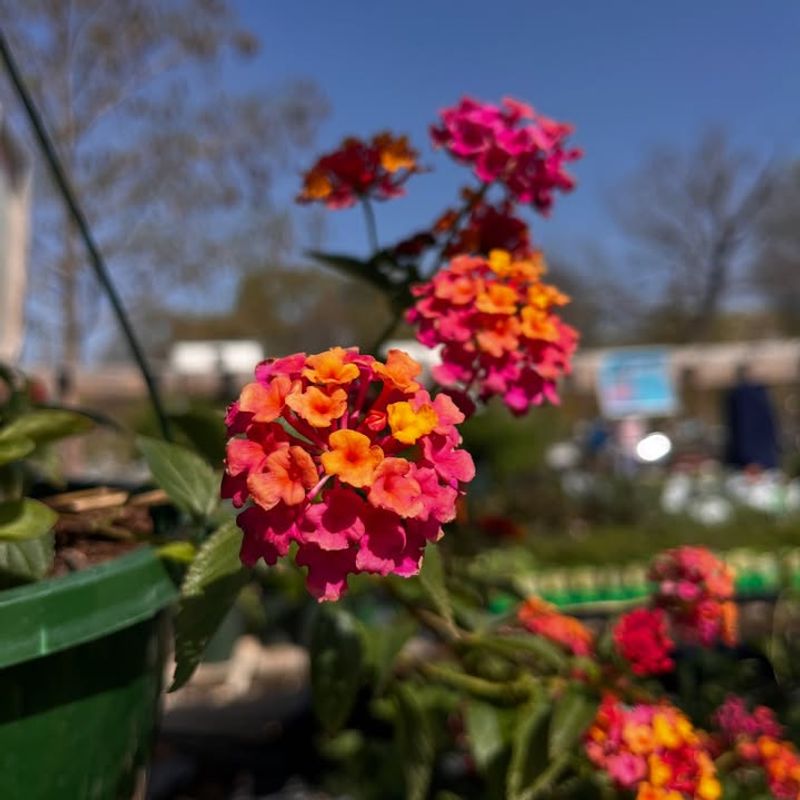
Lantana laughs at Arizona heat. Seriously, the hotter and drier it gets, the better this plant seems to perform.
While other flowers wilt and fade by July, Lantana just keeps pushing out clusters of bright, multicolored blooms without missing a beat.
Butterflies, bees, and hummingbirds cannot resist the flowers, which come in combinations of orange, yellow, pink, red, and white depending on the variety.
Planting Lantana near a vegetable garden or fruit trees can actually improve pollination across your whole yard, which is a practical bonus beyond just the looks.
Growth can be vigorous in warm Arizona climates, so give it room to spread. Trailing varieties work well in raised planters or along slopes where you want ground coverage without irrigation.
Upright types are better for borders and mixed beds. Either way, regular trimming keeps it from getting leggy and encourages fresh blooms to form.
Water it weekly during the first summer while roots are getting established, then back off significantly. By the second year, it thrives on deep but infrequent watering.
Plant it in full sun for the best flower production and avoid shady spots entirely.
6. Desert Spoon Brings Bold Structure To Dry Arizona Yards
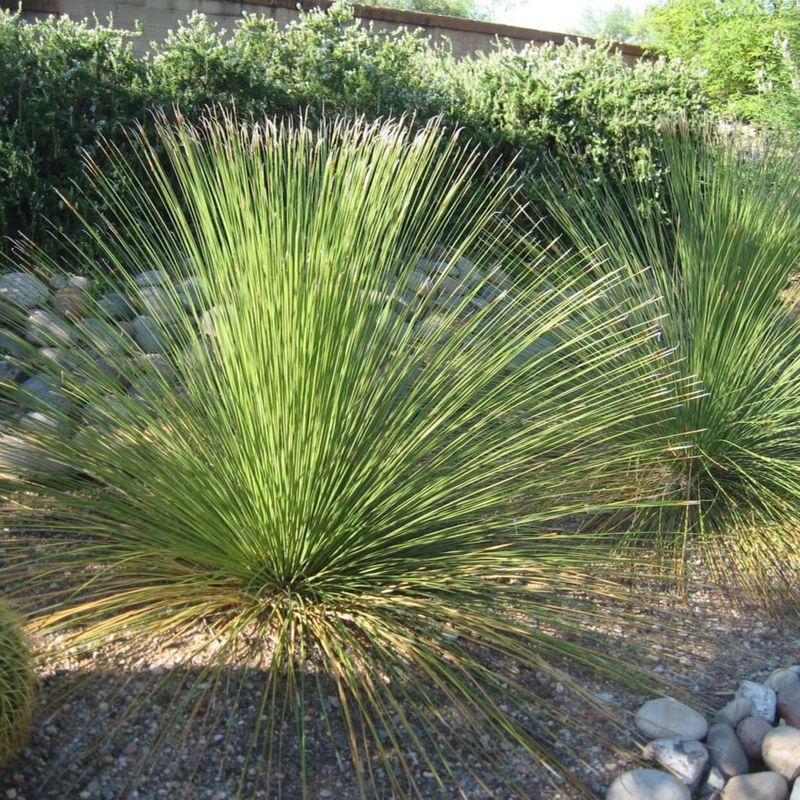
Desert Spoon is one of those plants that instantly gives an Arizona yard a strong, architectural presence without demanding constant care. Native to the Southwest, it is built for intense sun, dry air, and long stretches without rainfall.
Once established, it handles extreme heat with very little supplemental watering, making it a true water wise choice.
Long, narrow leaves radiate outward in a symmetrical fountain shape, creating movement and texture even when nothing is blooming. The foliage ranges from soft green to blue-gray depending on light exposure and soil conditions.
In full sun, the form stays tight and compact, which makes it perfect for gravel landscapes and modern desert designs.
Mature plants can send up a dramatic flowering stalk that towers above the foliage, sometimes reaching several feet tall. This vertical spike adds visual interest and draws attention from a distance without overwhelming nearby plants.
Plant Desert Spoon in well-draining soil and avoid overwatering, especially during cooler months. Deep but infrequent watering encourages strong root development.
It performs beautifully in Phoenix, Tucson, and other low desert areas where durability matters. If you want structure, texture, and reliability with minimal effort, Desert Spoon fits naturally into Arizona landscapes.
7. Ocotillo Produces Striking Red Flowers With Little Water
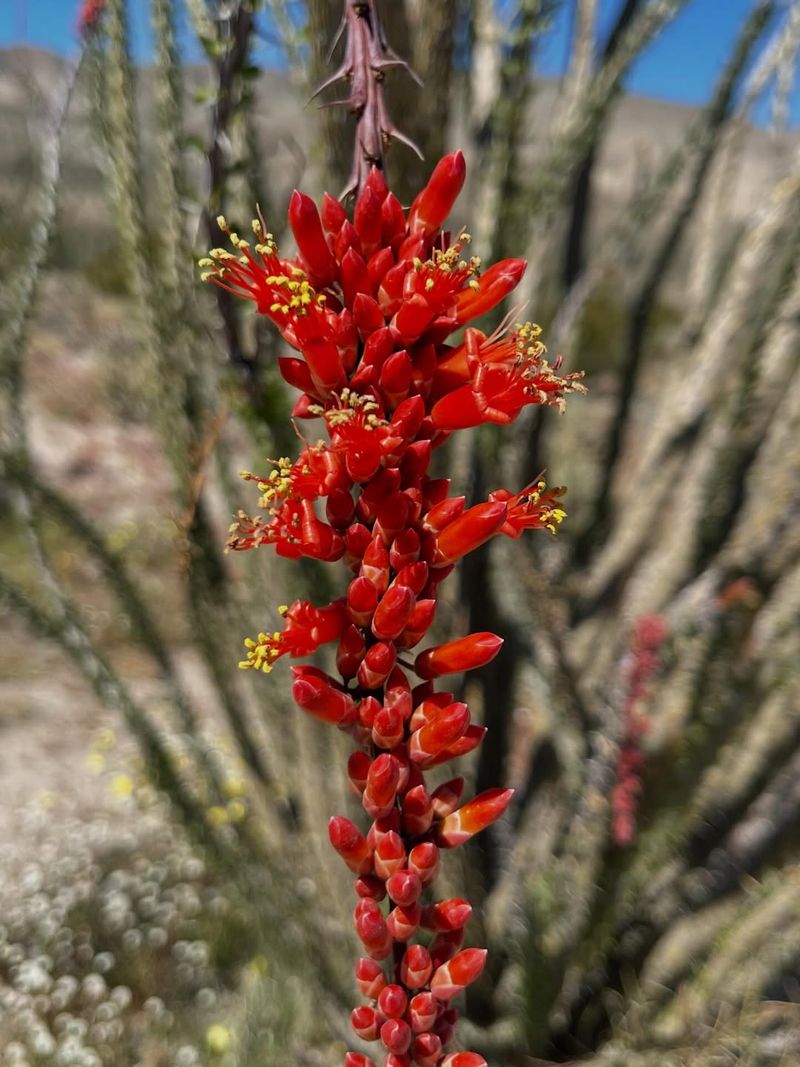
Nothing looks quite as dramatic against an Arizona sky as a mature Ocotillo in full bloom. Long, spiny canes shoot up from a central base and tip out with clusters of fiery red flowers that hummingbirds track down from surprisingly long distances during spring migration.
Fouquieria splendens is one of those plants that almost looks fake, like something out of a Dr. Seuss book. Bare canes spend much of the year looking like a bundle of sticks, but within days of a good rain, tiny green leaves appear along every stem.
It is a rapid response to moisture that still surprises people who have grown them for years.
Planting an Ocotillo takes some patience because transplanted specimens take time to root and may drop their leaves repeatedly before settling in.
Buying from a local Arizona nursery that sources regionally grown plants makes a real difference in how quickly it adapts.
Avoid planting during the hottest weeks of summer if possible.
Once it is established, interference is mostly unwanted. No fertilizer, minimal water, and full sun are the only requirements.
In Phoenix and Tucson, mature plants handle everything the desert throws at them without any intervention from the gardener at all.
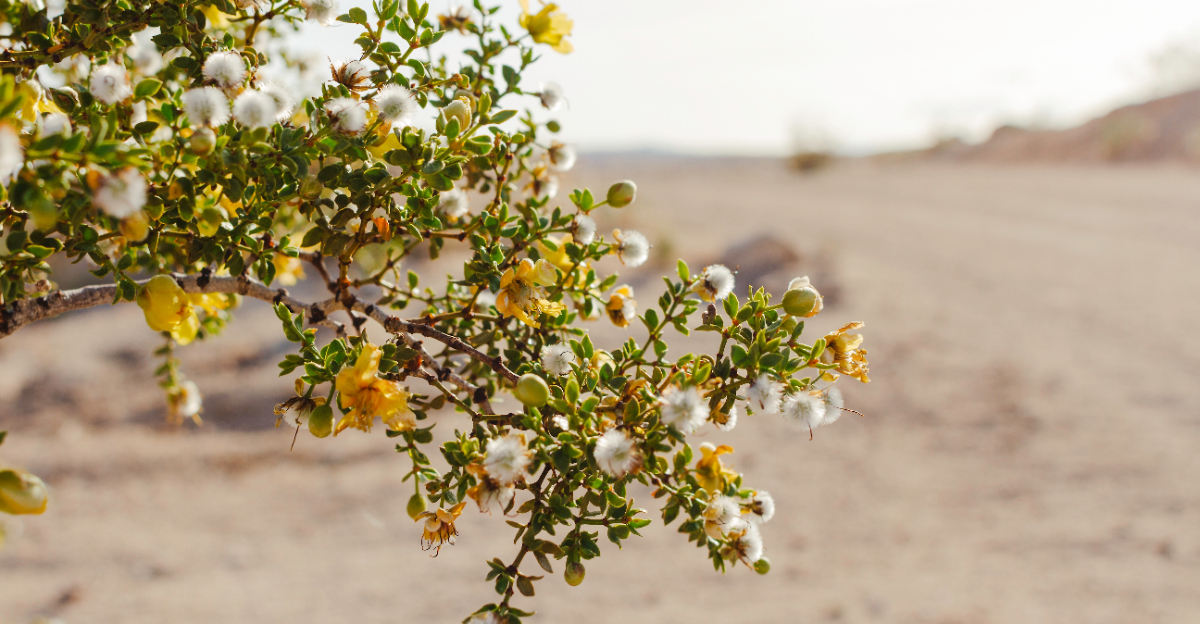
8. Creosote Bush Holds Up In Harsh Desert Conditions
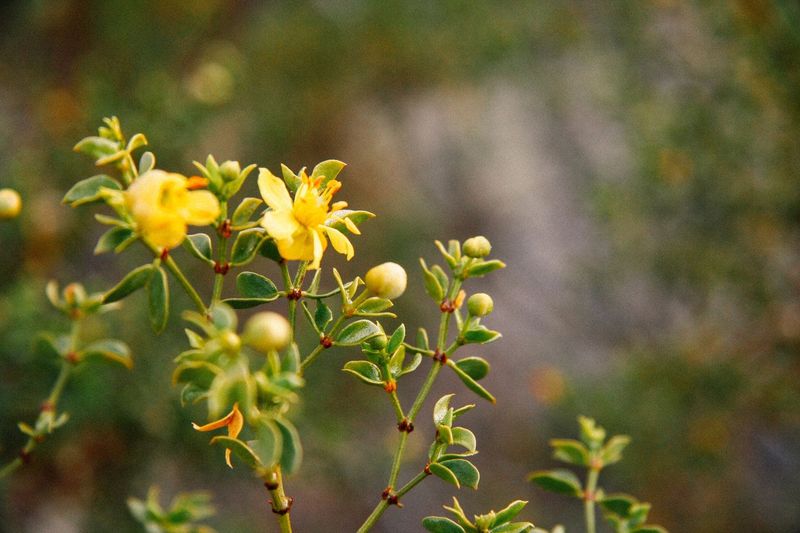
That distinct smell after Arizona rain? That is Creosote Bush, and if you have spent any time in the desert, it is one of the most instantly recognizable scents you will ever encounter.
Larrea tridentata is as native to the Sonoran Desert as anything gets, and it shows in how effortlessly it survives conditions that would stress almost any other plant.
Small yellow flowers appear in spring and sometimes again after monsoon rains, followed by fuzzy white seed pods that birds and small mammals use for food and shelter.
It grows slowly into a loose, open shrub that can eventually reach six feet or more in height and spread.
Creosote is not a plant for formal, manicured yards. It fits best in naturalistic desert landscapes where the goal is to work with the environment rather than against it.
In areas of Tucson and the greater Phoenix valley where water conservation is a genuine priority, it is one of the most sensible choices available.
Plant it in full sun, leave it alone, and let Arizona do the rest. Supplemental water during the first year helps roots get established faster, but after that, it can go long stretches with minimal water, needing only occasional deep watering during extreme drought.
9. Autumn Sage Keeps Blooms Going With Almost No Care
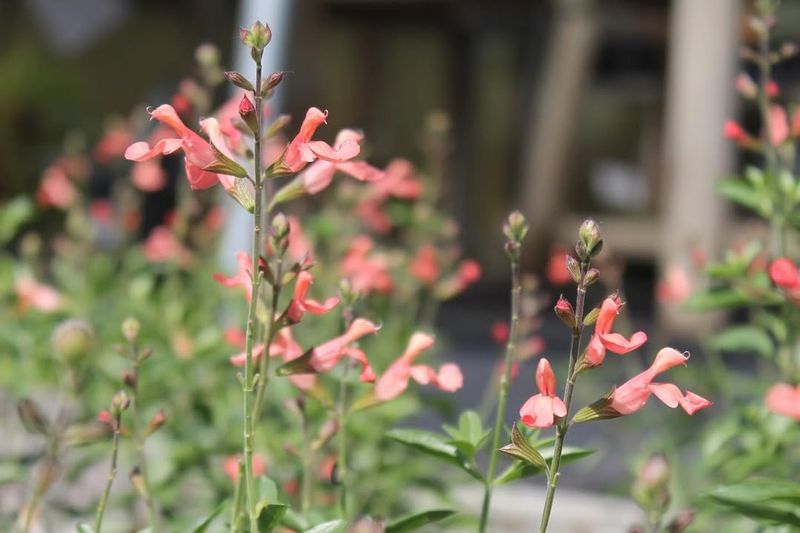
Autumn Sage earns its place in Arizona gardens by doing something most plants struggle with: blooming heavily in both spring and fall while sitting through summer heat without complaint.
It bridges the gap between seasons in a way that keeps the yard looking alive and colorful almost year-round.
Salvia greggii, which goes by both Autumn Sage and Cherry Sage depending on who you ask, grows into a compact mound that fits naturally into borders, rock gardens, and mixed desert beds.
Red is the most classic color, but nurseries across Arizona stock pink, white, and salmon varieties that mix beautifully together without clashing.
Hummingbirds show up reliably wherever Autumn Sage is planted. If you are trying to attract more wildlife to your outdoor space, few plants deliver results as consistently as this one does across the Tucson and Phoenix areas.
Planting several together near a patio makes the activity very easy to enjoy up close.
Cut it back by about a third in late winter before new growth pushes out, and it responds with a flush of healthy stems and flowers. Water once a week in summer, less in cooler months, and skip the fertilizer entirely.
It genuinely does better with less attention rather than more.