This Purple Lilac Vine Is A Hidden Gem For Arizona Yards
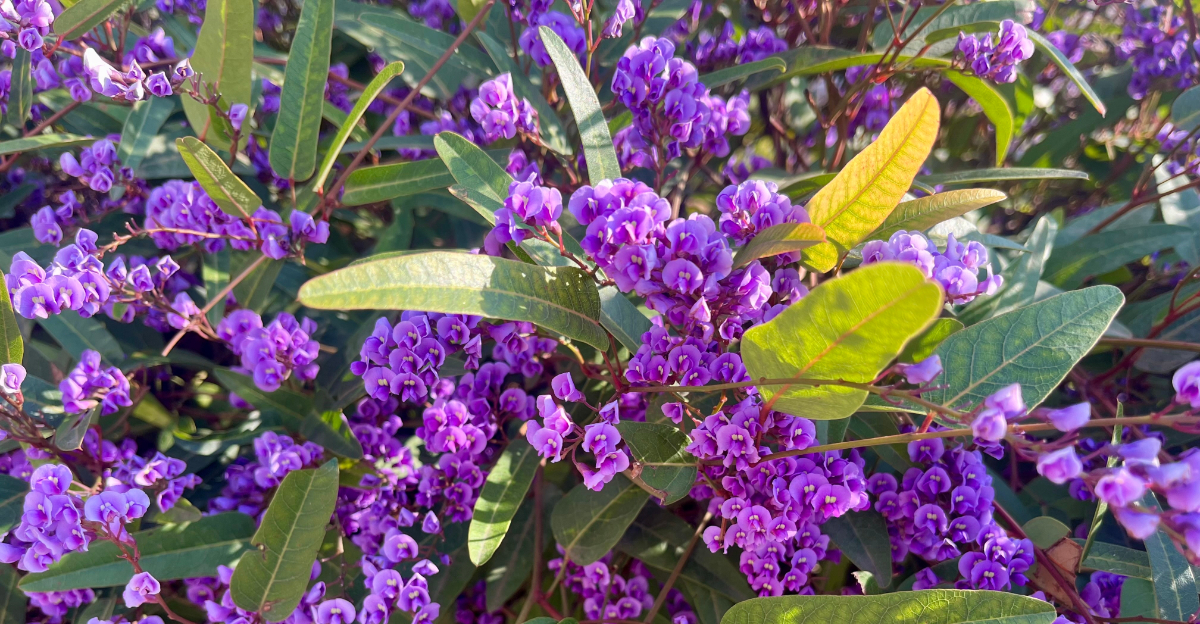
Arizona yards can feel a little flat in winter, especially when most plants slow down and color fades fast. That’s exactly when this purple lilac vine starts to stand out.
While traditional lilacs struggle in the desert, this vine handles Arizona conditions far better and still delivers that soft lilac look people love.
It’s not a true lilac, but it fills the same visual gap with cascading purple blooms that brighten walls, fences, and trellises. Once established, it asks for far less fuss than many flowering vines and keeps its foliage looking neat through the year.
If you’ve been searching for something different that actually performs in Arizona, this lesser known vine might be the upgrade your yard needs.
1. Meet The Purple Lilac Vine Hardenbergia Violacea
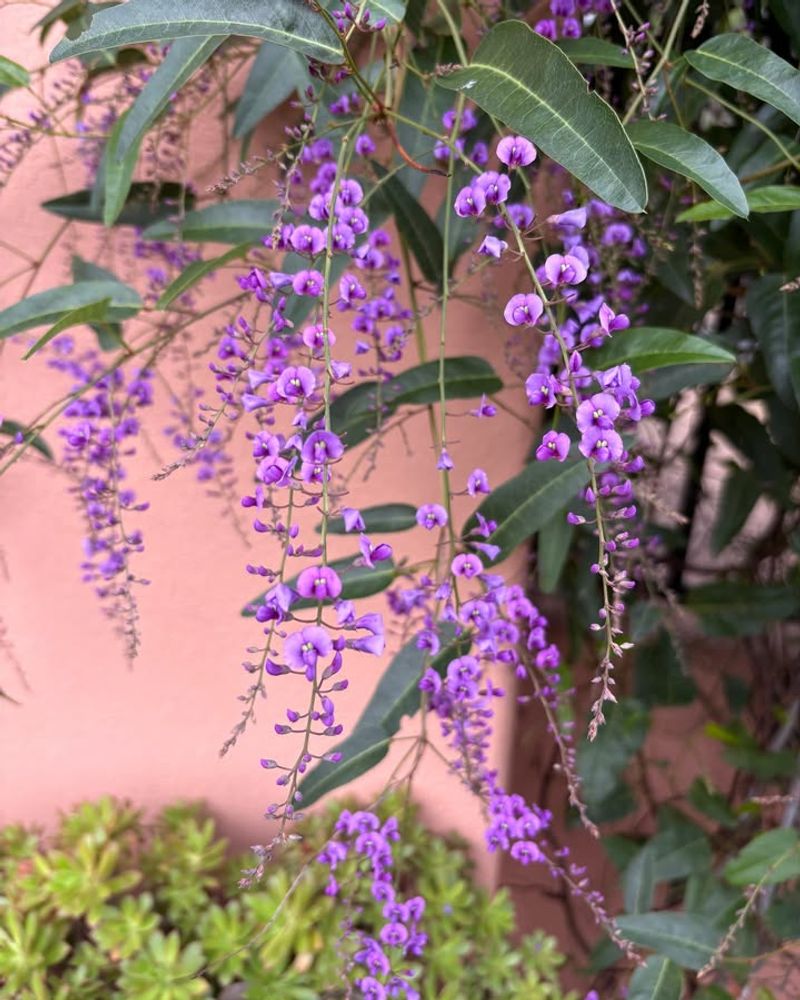
Hardenbergia violacea goes by several names including false sarsaparilla, coral pea, and purple coral pea, but most Arizona gardeners simply call it the purple lilac vine.
Native to Australia, this evergreen climber produces masses of small purple flowers arranged in drooping clusters that resemble miniature wisteria blooms.
Each individual flower looks like a tiny sweet pea, which makes sense since it belongs to the legume family.
The vine itself grows with slender stems covered in oval-shaped leaves that stay green year-round in Arizona’s climate. It can climb up to 10 feet or more when given support, though you can also let it sprawl as a groundcover if that suits your landscape better.
The flowers typically appear in shades of purple ranging from deep violet to lighter lavender, though white and pink varieties exist too.
What really sets this plant apart in Arizona landscapes is its willingness to bloom during the cooler months when most other flowering plants take a break. From late winter through early spring, the vine covers itself in color just when your yard needs it most.
The flowers attract hummingbirds and butterflies, adding movement and life to your outdoor space.
Unlike many ornamental vines that demand regular pruning and fussing, Hardenbergia grows at a moderate pace and doesn’t become aggressively invasive in Arizona gardens.
It minds its own business, stays where you plant it, and rewards you with reliable color year after year without turning into a maintenance nightmare.
2. Why It Works So Well In Arizona’s Low Desert Climate
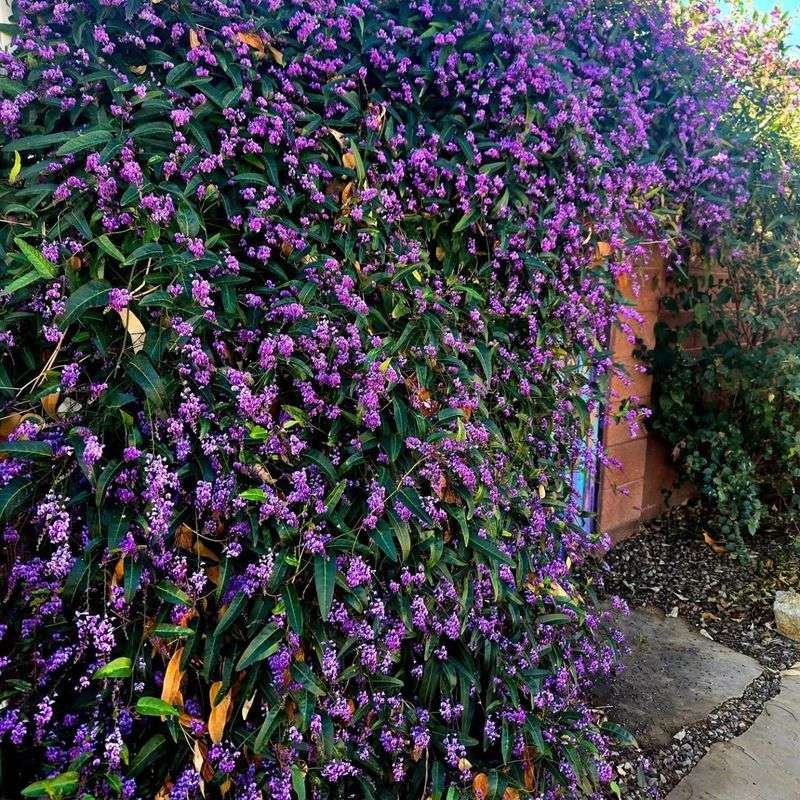
Arizona’s low desert throws challenges at plants that would make most ornamentals give up completely. Hardenbergia violacea handles these conditions better than you’d expect from something that produces such delicate-looking flowers.
The plant evolved in parts of Australia with similar climate patterns to our Sonoran Desert, which explains why it adapts so readily to Phoenix, Tucson, and surrounding areas.
Summer heat that climbs past 110 degrees doesn’t faze this vine once it gets established. While the flowers naturally finish blooming before the worst heat arrives, the foliage stays intact and green through Arizona’s brutal summer months.
Many flowering vines either drop their leaves or look completely fried by August, but Hardenbergia keeps its appearance reasonably tidy even during peak heat.
Your Arizona Garden Changes Every Week. Your Plan Should Too.
Gardening in Arizona changes quickly throughout the season. Every Friday you’ll receive a simple weekly plan showing exactly what to plant, prune, fertilize, harvest, and protect so you never miss the right timing.
Our intense sunlight and low humidity also suit this plant well. It actually prefers full sun in cooler climates, though in Arizona it appreciates some afternoon shade during summer.
The dry air doesn’t cause the fungal problems that plague other flowering vines in more humid regions.
You won’t spend time treating powdery mildew or other moisture-related diseases that gardeners in other states constantly battle.
Reflected heat from walls, fences, and paved areas doesn’t bother Hardenbergia either. You can plant it against a west-facing block wall where temperatures get absolutely scorching, and it will still perform well.
This makes it incredibly useful for covering ugly walls or fences that other plants refuse to tolerate in Arizona’s low desert environment.
3. Not A True Lilac But A Smart Desert Substitute
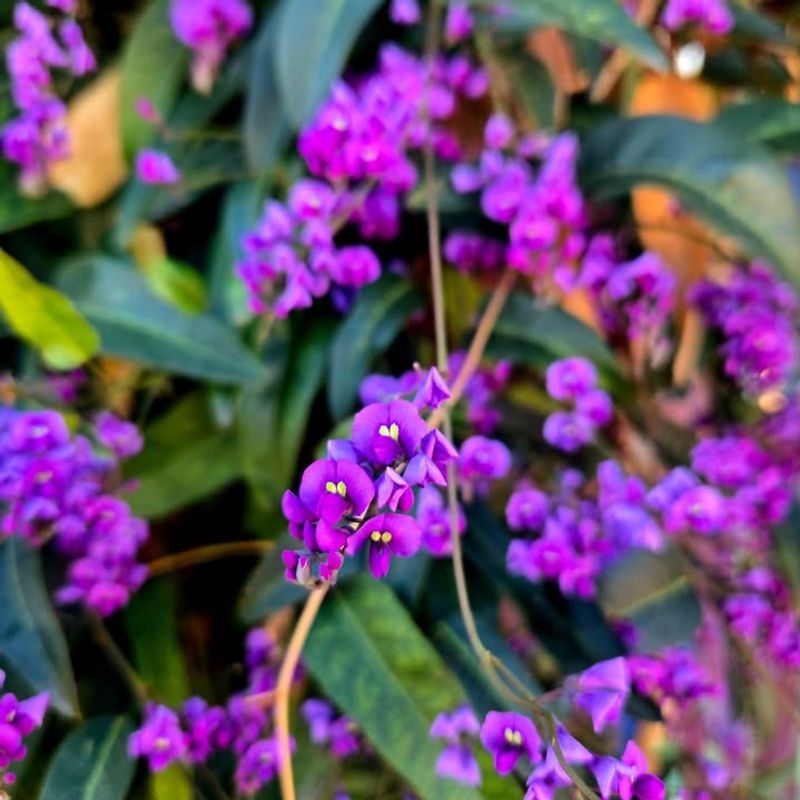
Anyone who moved to Arizona from cooler climates probably misses true lilacs. Those fragrant spring shrubs that filled yards back east simply won’t survive here, and trying to grow them in the desert ends in disappointment every single time.
Hardenbergia violacea won’t smell like those childhood lilacs, but it offers something valuable: purple spring flowers that actually thrive in Arizona heat.
The flower color comes remarkably close to traditional lilac blooms, especially varieties that lean toward the deeper purple shades.
When the vine covers itself in flowers, the overall effect creates that same purple haze that makes lilacs so memorable.
From a distance, people often mistake it for wisteria or lilac until they get close enough to see the individual blooms.
True lilacs need winter chill hours that Arizona simply doesn’t provide. They require cold dormancy periods and humidity levels we can’t maintain without excessive water use and environmental control.
Hardenbergia evolved for Mediterranean climates with hot, dry summers and mild winters, which describes Arizona’s low desert perfectly. You’re not trying to force something to survive where it doesn’t belong.
The vine also fills a similar landscape role that lilacs serve in other regions. It provides vertical interest, seasonal color, and a cottage garden feel that softens harsh desert landscapes.
While you won’t get that classic lilac fragrance, you will get reliable purple blooms every year without the constant struggle of keeping an inappropriate plant alive in the wrong climate. That trade-off makes sense for Arizona gardeners.
4. Winter Blooms That Show Up When Most Gardens Look Bare
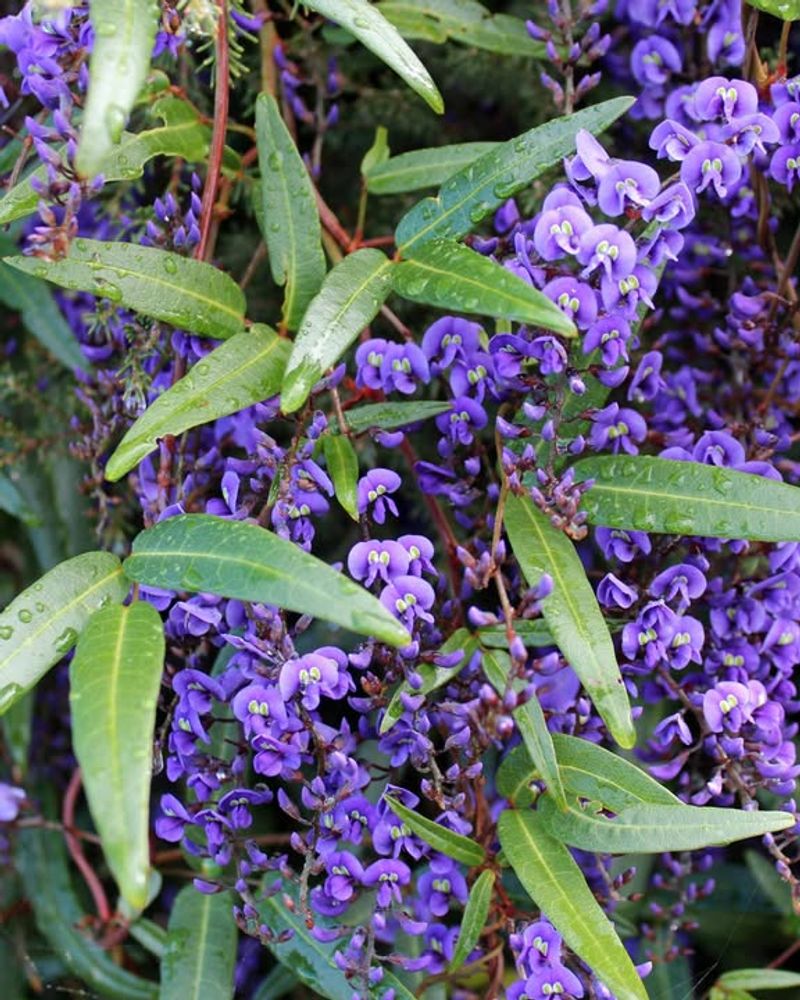
February and March can leave Arizona gardens looking pretty dull. Summer annuals are long gone, spring planting hasn’t started yet, and even desert wildflowers haven’t begun their show.
This is exactly when Hardenbergia violacea decides to put on its best performance, covering itself in purple flowers while everything around it looks half-asleep.
The bloom timing couldn’t work out better for Arizona landscapes. Most years, the flowers start appearing in late January and continue through March or into early April depending on temperatures.
This fills the gap between winter and spring when your yard needs color most desperately. Hummingbirds appreciate the timing too, since not many other flowers are blooming yet.
Cool nights and mild days trigger the heaviest flowering, which is why the display peaks during our most pleasant weather months.
You get to enjoy the blooms while actually spending time outside, not just glimpsing them through windows while hiding from extreme heat or cold.
The flowers last for weeks, not just a few days like some spring bloomers that come and go before you barely notice them.
In Tucson and Phoenix, this winter blooming habit makes Hardenbergia particularly valuable for creating year-round interest in landscapes. You can combine it with plants that bloom at different times to ensure something always looks good.
The purple flowers also pair beautifully with yellow-flowering desert plants like brittlebush and Mexican gold poppies that bloom around the same time, creating color combinations that feel natural rather than forced.
5. How To Grow It Successfully In Arizona Soil And Sun
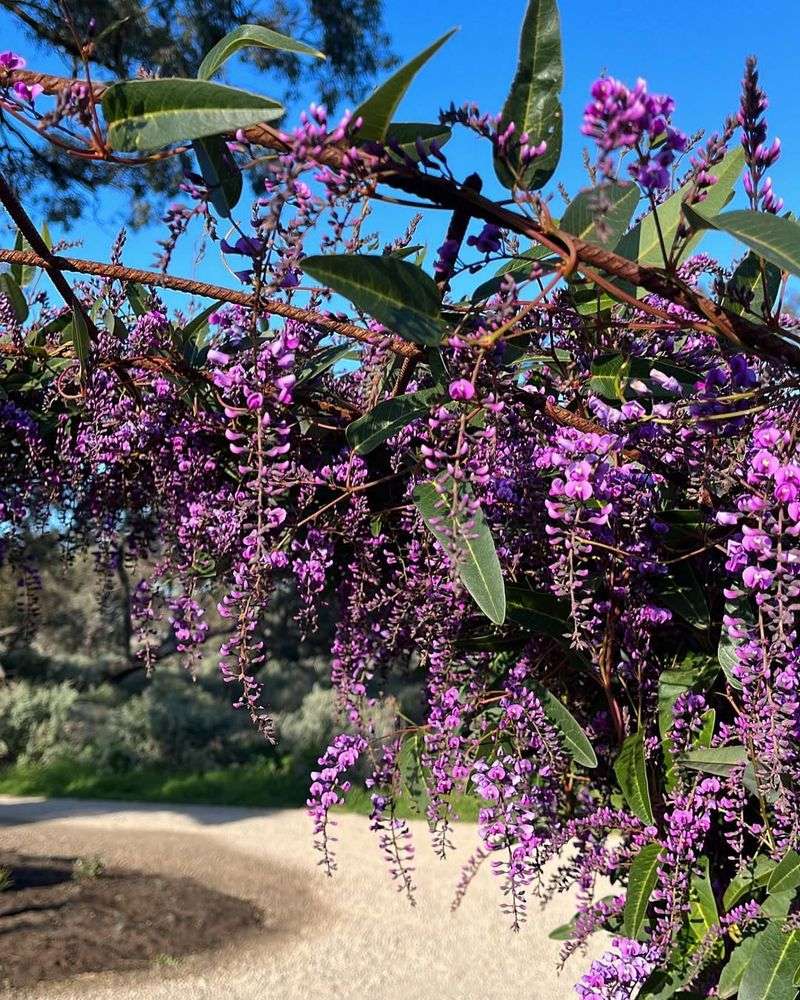
Arizona’s caliche-laden soil isn’t ideal for much of anything, but Hardenbergia adapts reasonably well if you give it a decent start. Dig your planting hole at least twice as wide as the root ball and mix in some compost to improve drainage and add organic matter.
The vine tolerates our alkaline pH better than many flowering plants, though it still appreciates soil amendments at planting time.
Choose your location based on sun exposure and support structure. In Phoenix and lower elevation areas, morning sun with afternoon shade works best.
Tucson gardeners can often provide more sun exposure since temperatures run slightly cooler. The vine needs something to climb on, whether that’s a trellis, fence, arbor, or wall with support wires.
Plan this before planting rather than trying to add it later.
Planting in fall gives Hardenbergia time to establish roots before summer heat arrives. Spring planting works too, but you’ll need to monitor water more carefully through the first summer.
Space plants about 6 to 8 feet apart if you’re covering a long fence or wall, as each vine will spread to fill that area within a couple of years.
The vine doesn’t need rich, heavily fertilized soil. In fact, too much nitrogen encourages leaf growth at the expense of flowers.
A light application of balanced fertilizer in early spring is plenty. Arizona’s intense sun and alkaline soil can cause minor iron chlorosis, which shows up as yellowing leaves with green veins.
Address this with occasional applications of iron chelate if needed.
6. The Right Way To Water Without Overdoing It
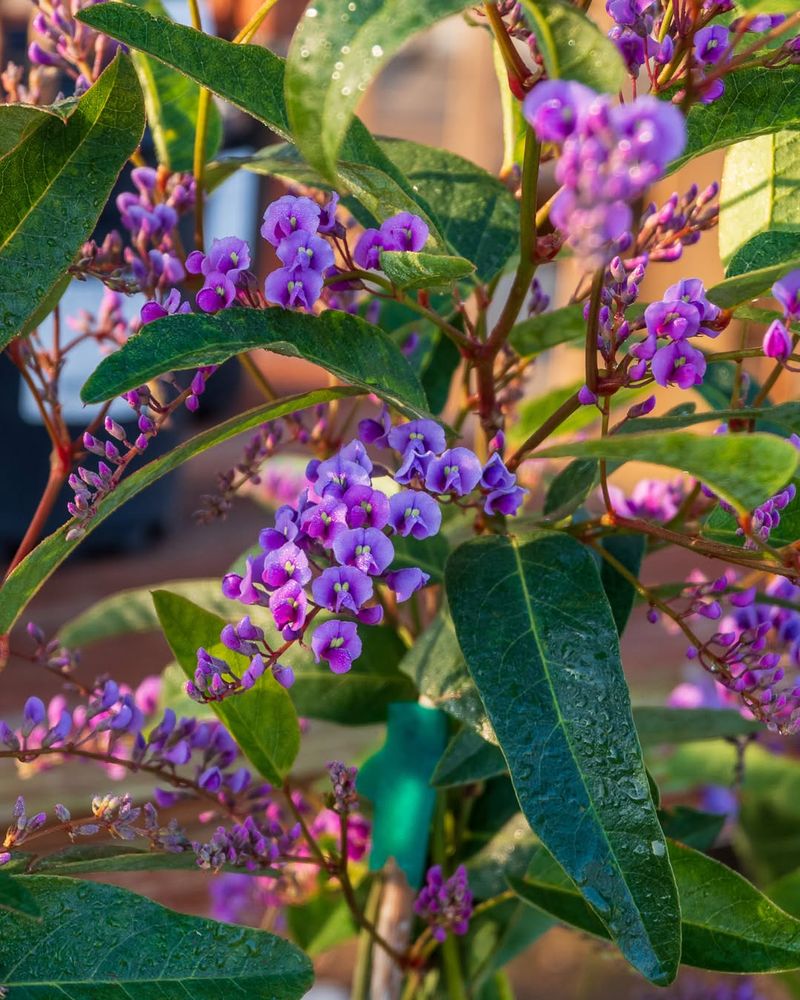
Watering mistakes account for most Hardenbergia failures in Arizona gardens. The vine needs regular water while getting established, but once roots spread into surrounding soil, it requires far less moisture than most gardeners assume.
Overwatering causes more problems than underwatering with this plant, leading to root rot and fungal issues that stressed plants can’t fight off.
For the first growing season, water deeply twice a week during hot months, once a week during cooler weather. Deep watering means soaking the root zone thoroughly, not just sprinkling the surface.
This encourages roots to grow downward rather than staying shallow where they’re more vulnerable to heat stress. A drip irrigation system works better than overhead watering, which wastes water and can promote leaf diseases.
After that first year, you can cut back significantly. In Phoenix and Tucson, established Hardenbergia typically needs deep watering every 10 to 14 days during summer, less often in winter.
During cooler months when the vine is actively blooming, you might water every three weeks or even monthly depending on rainfall. The plant will tell you if it needs water by wilting slightly, though you shouldn’t let it get to that point regularly.
Mulch helps tremendously with moisture retention and temperature moderation around roots. Apply 2 to 3 inches of organic mulch around the base, keeping it a few inches away from the stems to prevent rot.
This reduces water needs and keeps roots cooler during Arizona’s intense summer heat, which the plant definitely appreciates even though it tolerates harsh conditions.
7. Where This Vine Looks Best In Arizona Yards
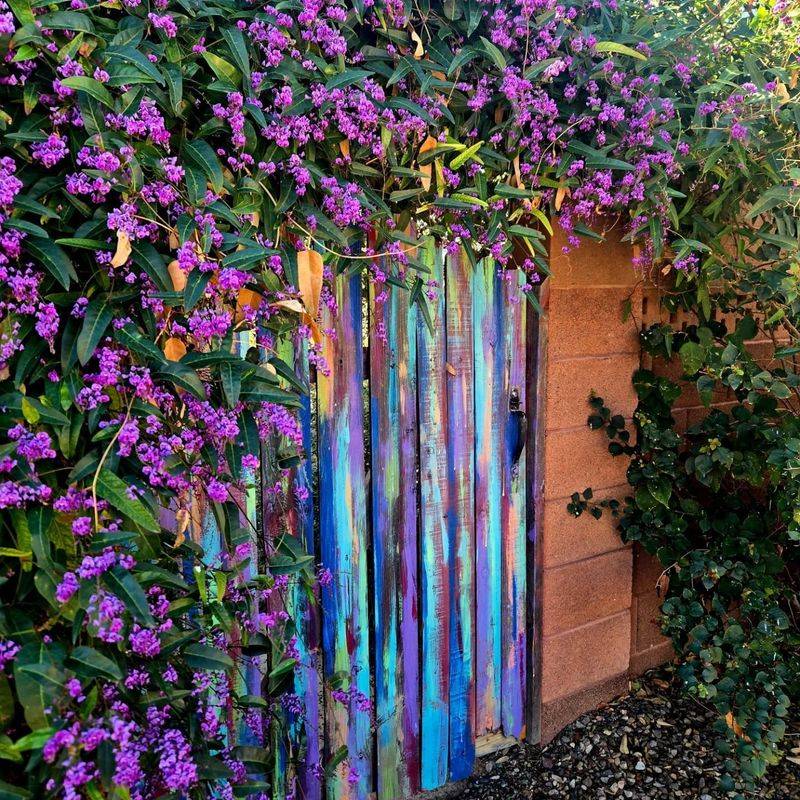
Covering ugly block walls ranks as the top use for Hardenbergia in Arizona landscapes. Those tan or gray concrete walls that surround so many properties look harsh and institutional until you soften them with greenery and flowers.
The purple blooms create a striking contrast against neutral-colored walls, and the evergreen foliage keeps the wall looking decent even when flowers aren’t present.
Pergolas and ramadas benefit from this vine’s moderate growth habit too.
Unlike aggressive vines that take over structures and require constant cutting back, Hardenbergia grows at a manageable pace that provides shade and color without becoming overwhelming.
The winter blooming adds visual interest to outdoor living spaces during months when you’re actually using those areas instead of avoiding them due to heat.
Fences gain privacy and beauty when Hardenbergia climbs them. Chain-link fences disappear completely under the foliage, transforming eyesores into attractive garden features.
Wood fences get a cottage garden look that softens the hard lines typical of Arizona desert landscaping. The vine doesn’t damage fencing the way some aggressive climbers do, so you won’t end up with structural problems down the road.
Arbors and entryway trellises showcase the flowers beautifully during bloom season. Position the vine where people will walk under it and appreciate the cascading purple flowers up close.
The plant also works as a groundcover on slopes or areas where you need erosion control with seasonal color.
Arizona gardeners have successfully used it to cover unsightly utility areas, soften garage walls, and add vertical interest to otherwise flat desert landscapes throughout Phoenix, Tucson, and surrounding communities.