Why Late February Is The Ideal Window To Check Soil In Georgia Before Spring
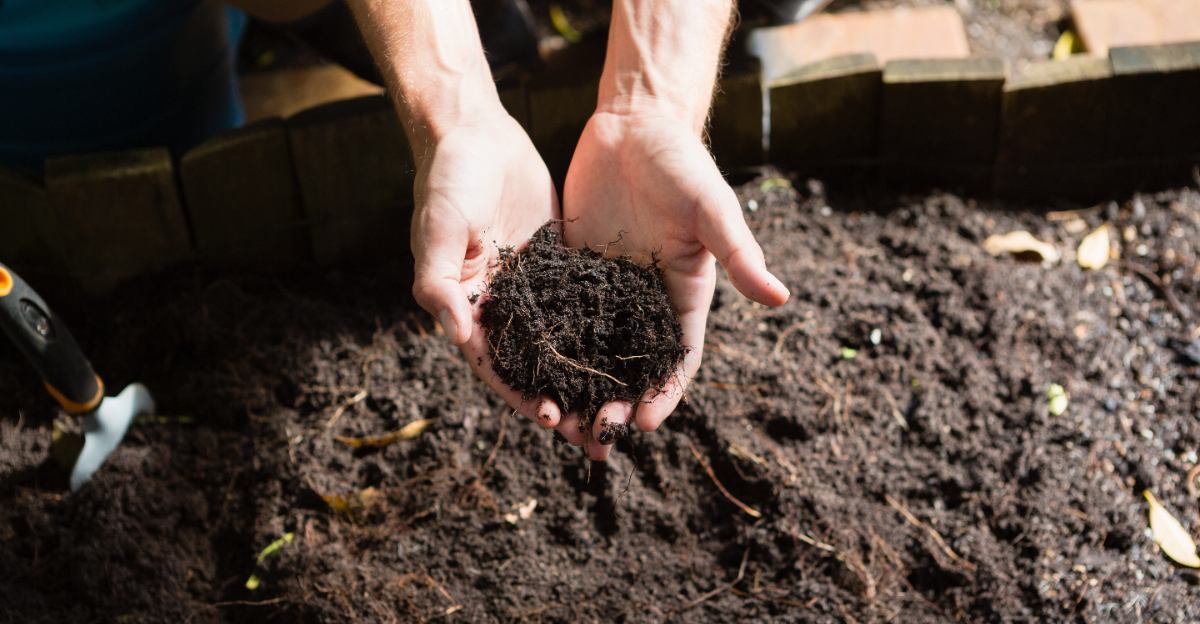
Is your soil truly ready for spring planting, or are you just assuming it is?
Late February in Georgia creates a short but valuable window that many gardeners miss. The ground is no longer frozen, winter rains have settled, and soil conditions are finally stable enough to evaluate properly.
Moisture levels become clearer, compaction is easier to spot, and nutrient balance is more accurate before rapid spring growth begins.
Checking your soil during this period allows you to correct drainage problems, adjust pH if needed, and improve structure before roots start actively developing.
Instead of reacting to weak growth later, you move into spring with confidence and control.
Late February is not just a convenient time to test soil in Georgia, it is a strategic advantage that sets the tone for the entire growing season.
1. Soil Is Thawing But Not Yet Dried Out
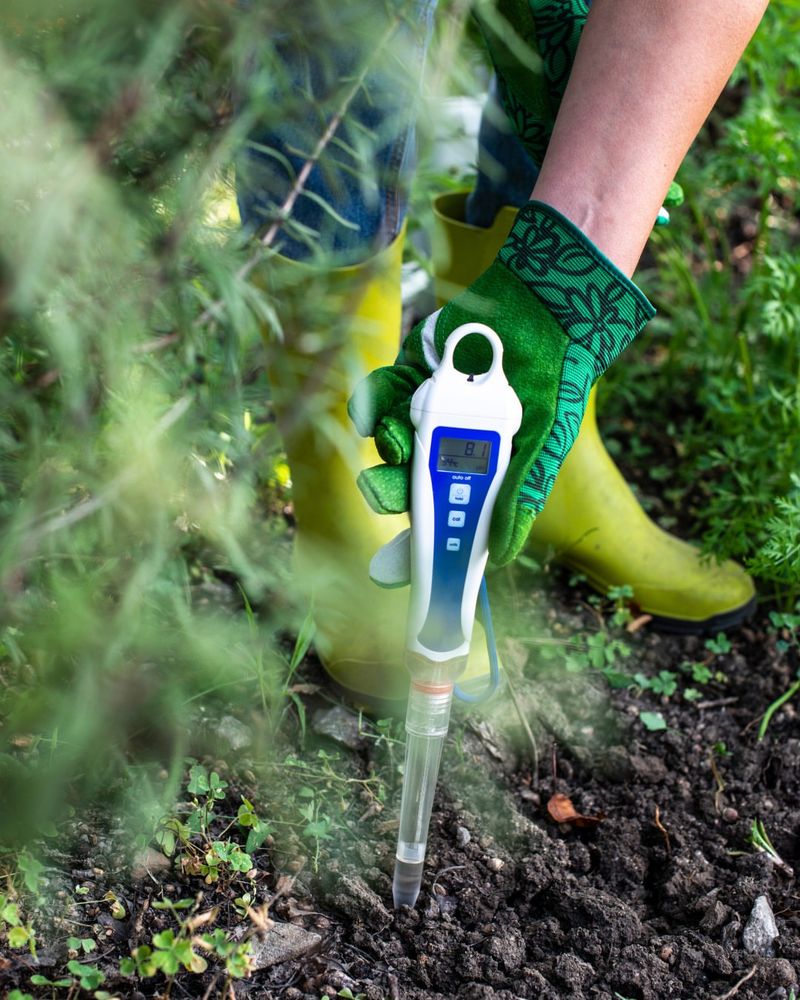
February brings a shift in Georgia soil that makes testing easier than any other time. Ground that stayed frozen or rock-hard during January starts loosening up as daytime temperatures climb into the 50s and 60s.
You can actually dig down and get samples without fighting clay that feels like concrete.
Moisture levels sit right where you need them for accurate testing. Soil that’s too dry gives you false readings on pH and nutrients.
Soil that’s waterlogged from spring rains makes it nearly impossible to get a good sample. Late February hits that middle zone where your ground holds enough moisture to show you what’s really going on without being muddy.
Working with soil at this stage also protects its structure. Digging when ground is soaking wet smears clay particles together and creates hard clumps that take months to break down.
Georgia clay already has a reputation for being tough to manage. Testing now means you’re poking around in soil that’s workable but not saturated.
You’ll notice the difference when you push a shovel in. Instead of bouncing off hard ground or sinking into muck, your tools slide through smoothly.
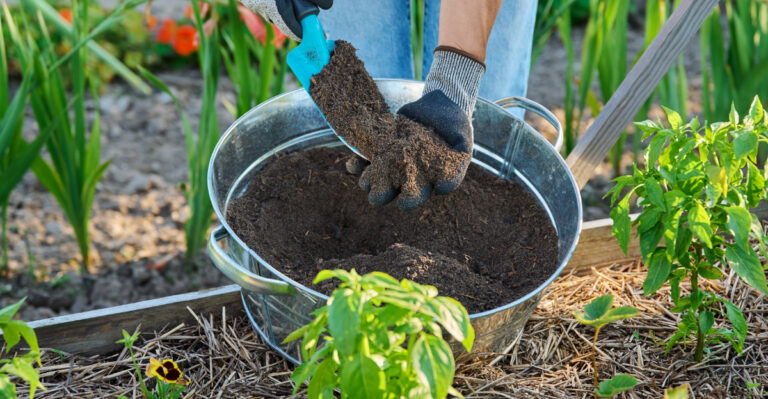
That same consistency makes it simple to collect samples from different spots in your garden. Getting multiple samples gives you a better picture of what’s happening across your whole planting area instead of just one random spot.
2. Winter Rains Reveal Drainage Problems Early
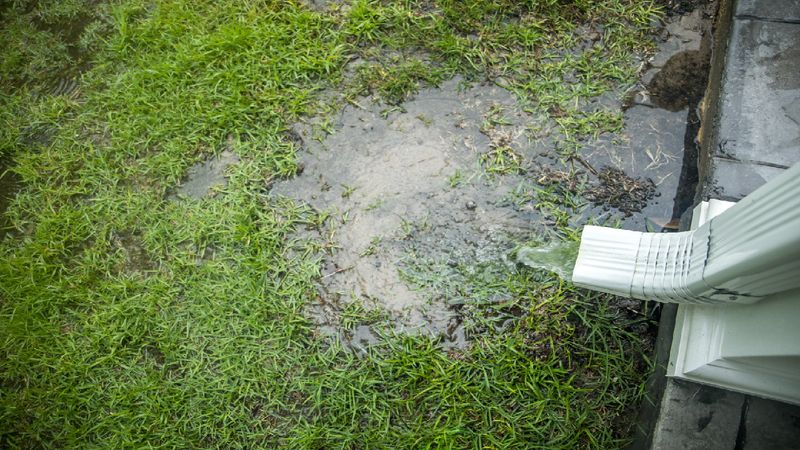
Walk your garden after a good rain in late February and you’ll see exactly where water sits too long. Those puddles that linger for days mark spots where your plants will struggle come spring.
Georgia winters dump plenty of rain, and all that water shows you drainage issues before you waste time planting in problem areas.
Clay-heavy soil across much of Georgia holds water like a bowl. If you’ve got low spots or areas where the ground stays soggy three days after rain stops, your roots will rot there later.
February gives you time to fix these trouble zones by adding compost, building raised beds, or redirecting water flow. Wait until April and you’re rushing to plant instead of solving the real problem.
Your Georgia Garden Changes Every Week. Your Plan Should Too.
Gardening in Georgia changes quickly throughout the season. Every Friday you’ll receive a simple weekly plan showing exactly what to plant, prune, fertilize, harvest, and protect so you never miss the right timing.
Check slopes and runoff patterns while the ground is wet. Water should move away from planting beds, not pool up in them.
Sometimes a simple adjustment like adding a shallow drainage channel or raising one edge of a bed makes all the difference. Other times you need to bring in extra soil to level things out.
Pay attention to areas that dry out too fast as well. Sandy patches or spots near tree roots might drain so quickly that plants can’t get enough moisture during summer heat.
Knowing where these extremes exist lets you group plants by their water needs or amend soil before planting day arrives.
3. Nutrient Levels Are Easier To Correct Before Planting
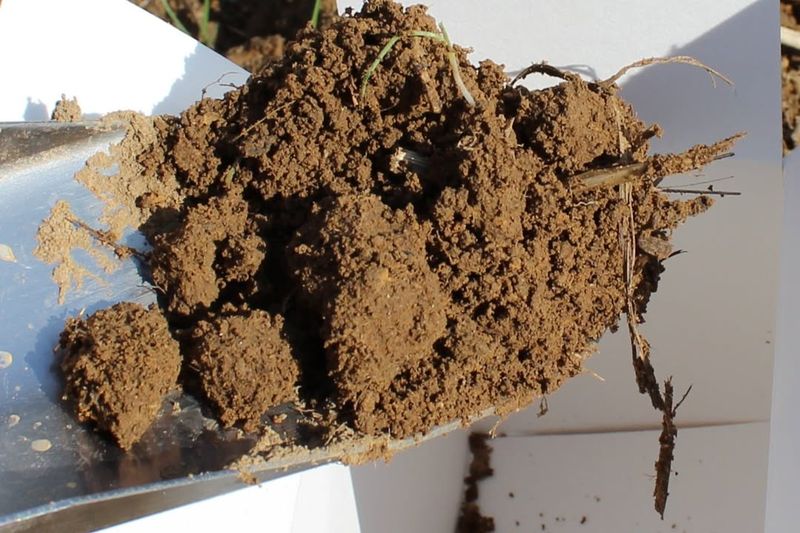
Soil amendments need time to break down and blend into your ground. Testing in late February gives you six to eight weeks before most Georgia gardeners start putting plants outside.
That window matters because lime takes at least a month to start changing pH, and organic matter needs time to decompose.
Send your samples to the University of Georgia Extension office and you’ll get results that tell you exactly what your soil is missing. Maybe your pH sits too low for vegetables, or nitrogen levels dropped over winter.
Adding the right amendments now means they’re working while you’re still planning what to plant. Rush this process in April and your plants go into ground that hasn’t had time to adjust.
Phosphorus and potassium move slowly through soil. Spread them on the surface in late February and light rains help work them down to root level.
Spring planting puts roots right where these nutrients are waiting. Apply the same amendments a week before planting and most of that fertilizer sits on top doing nothing for your first month of growth.
Organic materials like compost or aged manure need even more lead time. Microbes in your soil break these down gradually, releasing nutrients as they work.
Cold February soil means this process happens slowly at first, then picks up speed as March warms things up. By planting time your organic matter has started feeding the soil web that keeps plants healthy all season.
4. Soil Compaction Shows Up After Heavy Winter Moisture
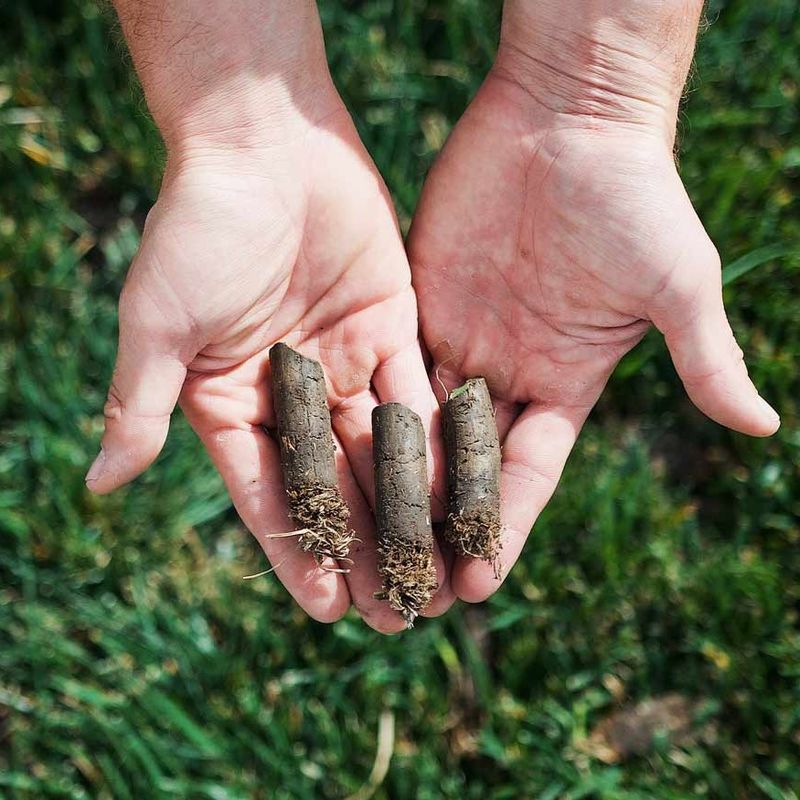
Heavy winter rain followed by cold snaps packs Georgia soil down tight. Clay particles squeeze together and air pockets disappear.
Push a screwdriver into compacted ground and it barely goes in three inches. That same compaction chokes plant roots before they even get started.
Late February soil that’s still moist shows you compaction clearly. Areas that got walked on during wet weather or spots where water pooled feel different under your feet.
They’re harder, denser, and don’t spring back when you step on them. Finding these zones now gives you time to break them up with a garden fork or broadfork before planting.
Roots need air as much as they need water and nutrients. Compacted soil suffocates them.
You end up with plants that stay small, turn yellow, and never really take off no matter how much you water or fertilize. Georgia summers are hard enough on gardens without starting with soil that’s already working against you.
Breaking up compaction takes physical effort but makes a huge difference. Work a garden fork in and rock it back and forth to create cracks.
Don’t flip the soil over or you’ll bury the good topsoil and bring up harder subsoil. Just loosen things up so water and roots can move through.
Add compost while you’re at it and you improve both structure and fertility at the same time.
5. Weed Seeds Haven’t Fully Woken Up Yet
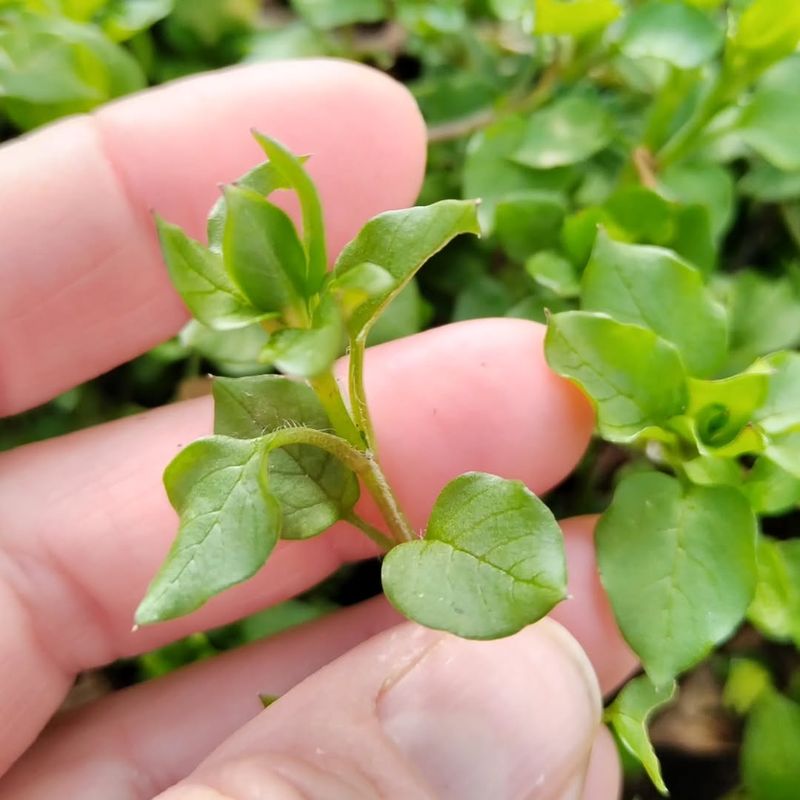
Chickweed and henbit start showing up in Georgia gardens by late February, but most weed seeds are still dormant. Soil temperatures hover in the 40s and 50s, which is too cool for summer weeds like crabgrass and pigweed to germinate.
This quiet period before the weed explosion is your chance to work soil without spreading problems.
Turn soil in April and you bring buried weed seeds up to the surface where light triggers them to sprout. Suddenly you’re dealing with hundreds of weeds you didn’t have before.
Working ground in February when fewer seeds are ready to grow means less weeding later. You’re also not fighting through existing weeds to get your soil samples or spread amendments.
Cool-season weeds that are up now pull out easily from moist February soil. Their roots haven’t dug in deep yet and the ground gives them up without a fight.
Clear these early weeds before they set seed and you cut down the weed population for the whole year. One chickweed plant can drop thousands of seeds if you let it go to flower.
Mulch applied in late February sits on relatively clean soil. As temperatures warm up and weed seeds try to sprout, that mulch layer blocks light and keeps them from getting started.
Wait until weeds are already growing thick and mulch just covers them temporarily. They’ll push through or you’ll spend hours pulling them out before you can mulch properly.
6. Soil Temperature Starts Moving Toward Planting Range
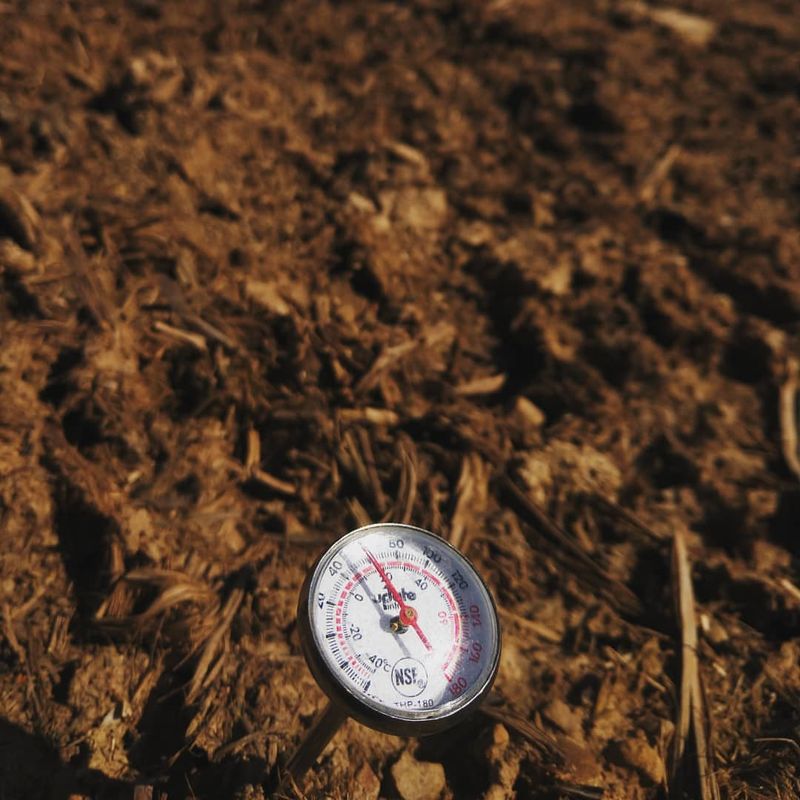
Stick a soil thermometer four inches down in late February and you’ll likely see readings between 45 and 55 degrees across most of Georgia. That’s still too cold for tomatoes and peppers, but it’s moving in the right direction.
Tracking this temperature climb helps you time your planting instead of guessing based on the calendar.
Different plants need different soil temperatures to germinate and grow roots. Peas and lettuce go in when soil hits 40 degrees.
Beans need 60. Tomatoes want 65 before their roots really start working.
Knowing where your soil temperature sits in late February tells you how fast things are warming up and when each crop can go in the ground.
South-facing beds warm faster than shaded areas. Raised beds heat up quicker than ground-level plots.
Testing temperature in different spots shows you where to plant early crops and where to wait for heat-lovers. This kind of information only helps if you gather it early enough to use it for planning.
Soil temperature also affects how well amendments work. Microbial activity picks up as ground warms, which means organic fertilizers and compost break down faster.
Lime reacts more quickly in warmer soil. Checking temperature in February establishes a baseline so you know how conditions are changing as March and April arrive.
You’re not just testing once and forgetting about it. You’re watching a trend that guides your whole spring planting schedule.
7. Early Testing Prevents Spring Growth From Stalling
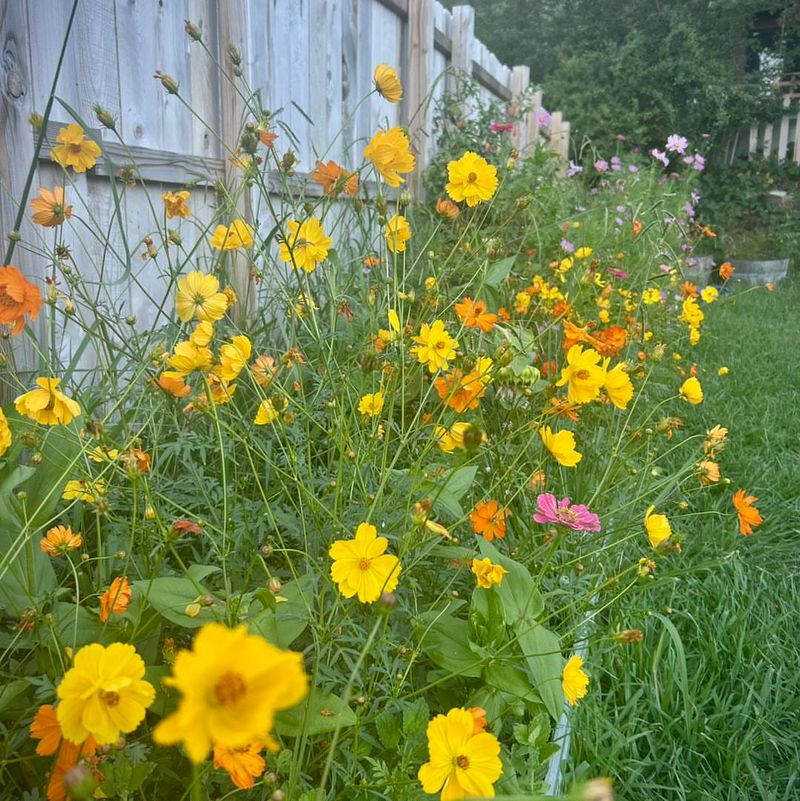
Plants that start strong in spring keep that momentum going all season. Plants that struggle early often stay behind no matter what you do later.
The difference usually comes down to what’s happening in the soil during those first critical weeks after planting. Testing in late February sets up success instead of scrambling to fix problems after they show up in your plants.
Yellowing leaves in May often trace back to pH problems or missing nutrients that were already there in February. By the time you see symptoms, send off another soil test, get results back, and apply corrections, you’ve lost weeks of growing time.
Georgia’s hot summer arrives fast and plants that aren’t well-established by June really suffer through July and August heat.
Root development happens mostly in cool weather. Spring gives roots time to spread out and dig deep before summer stress hits.
But roots only grow well in soil that has the right structure, drainage, pH, and nutrients. Check and fix these factors in February and roots have ideal conditions from day one.
Wait until you notice problems and you’re trying to help roots recover instead of letting them thrive.
Think of February soil testing as preventive maintenance. You wouldn’t wait for your car to break down before checking the oil.
Same logic applies to garden soil. A little time spent checking and adjusting now prevents bigger headaches later when you’re supposed to be harvesting vegetables instead of troubleshooting why nothing is growing right.