9 Container Plants Georgia Gardeners Can Start Before Spring Arrives
Spring may feel close in Georgia, but the weeks before it fully arrives are more useful than many gardeners realize.
This late-winter window creates an opportunity to start selected plants in containers while outdoor beds are still adjusting to fluctuating temperatures and lingering moisture.
Containers warm up faster than in-ground soil, offer better drainage control, and allow you to manage soil quality more precisely during unpredictable weather patterns.
By starting the right plants now, you give roots time to establish before rapid spring growth begins. When temperatures stabilize, your containers are already settled and actively growing instead of just getting started.
Using this transition period strategically helps you move into spring prepared, with stronger plants and a noticeable head start in your Georgia garden.
1. Snapdragons Stay Strong In Chilly Early-Season Air
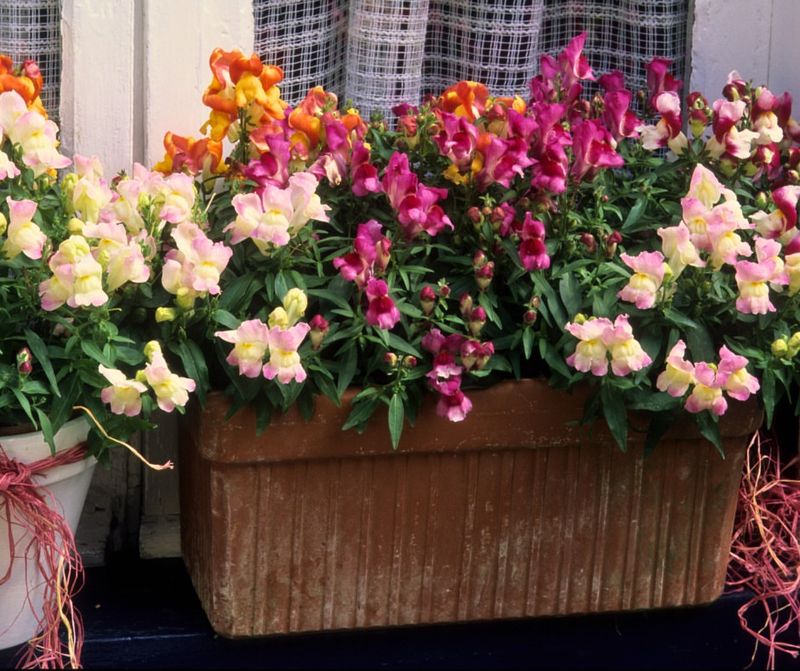
Snapdragons actually prefer cool weather over heat. Georgia’s mild winter temperatures are perfect for getting these tall bloomers established in containers before spring really kicks in.
They’ll grow sturdy stems and produce flower spikes that last for weeks.
Choose containers that are at least ten inches deep because snapdragons develop a decent root system. Shallow pots will stunt their growth and you’ll end up with short, sad-looking plants.
Use a standard potting mix and plant them about eight inches apart. Taller varieties might need a small stake once they get going, especially if you place your containers in a windy spot.
These plants can handle light frost without any damage. They’ll keep blooming through March and into April, giving you cut flowers for the kitchen table.
Water them when the soil surface dries out, but don’t let them sit in water. Snapdragons are prone to root rot if drainage isn’t good.
Pinch the main stem back when the plant is about four inches tall. This forces side shoots to grow and gives you a bushier plant with more flower spikes.
Feed them every two weeks with a diluted fertilizer once they start putting out buds. In Georgia, you’ll get solid performance from snapdragons until late May when the heat finally becomes too much.
2. Lettuce Produces Fast While Temperatures Stay Mild
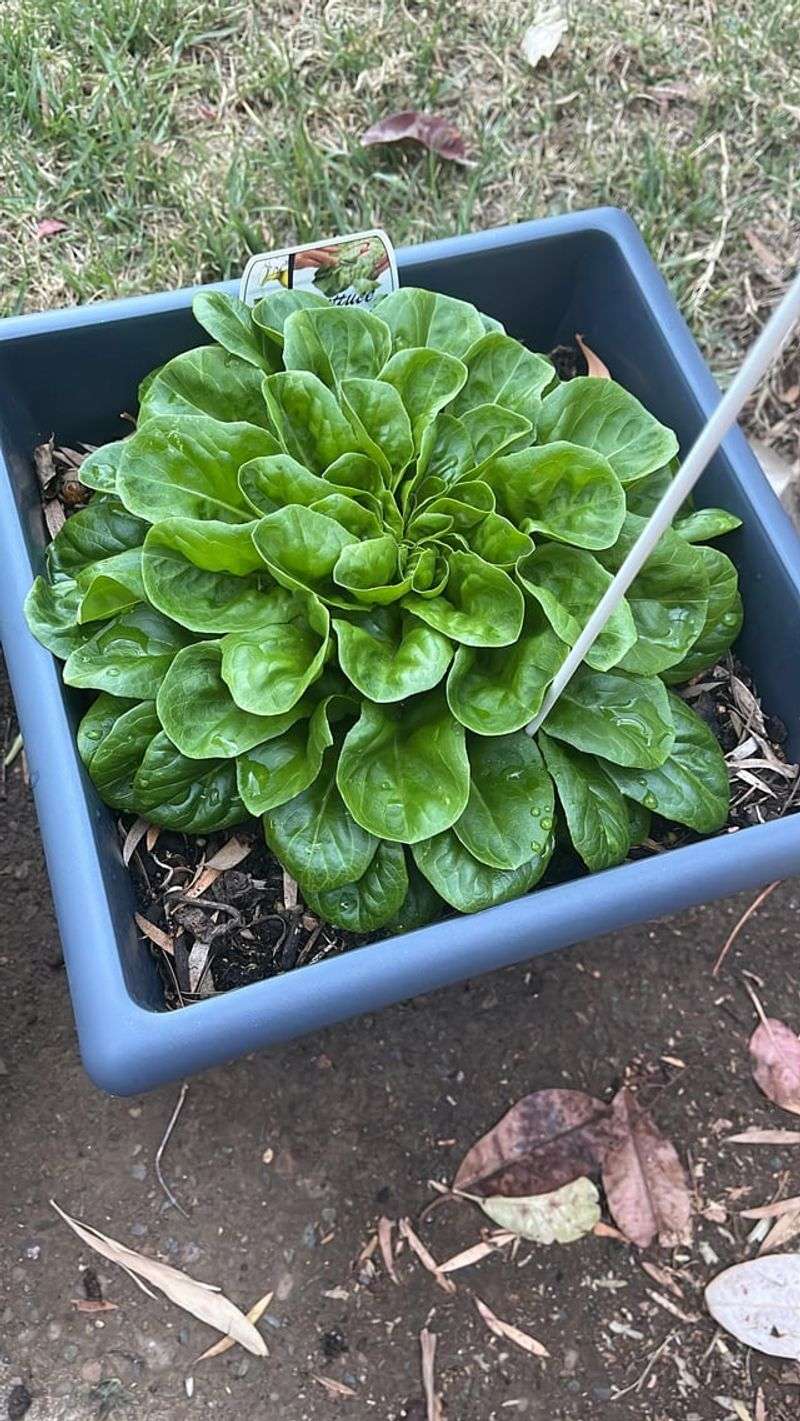
Lettuce in containers is about as simple as gardening gets. You can harvest leaves in about a month if you start now, and you’ll keep picking through April before the plants bolt in the heat.
Wide, shallow containers work better than deep ones since lettuce has short roots.
Fill your container with loose potting soil mixed with a bit of compost. Scatter seeds across the surface and barely cover them with soil.
Keep the soil moist until you see sprouts, which usually takes less than a week in Georgia’s February temperatures. Thin the seedlings to about four inches apart once they have a couple of real leaves.
Morning sun with afternoon shade is ideal. Full sun all day can stress lettuce even in cooler weather, and the leaves get bitter faster.
Water regularly because container soil dries out quicker than garden beds. Check daily and water whenever the top half-inch feels dry.
Your Georgia Garden Changes Every Week. Your Plan Should Too.
Gardening in Georgia changes quickly throughout the season. Every Friday you’ll receive a simple weekly plan showing exactly what to plant, prune, fertilize, harvest, and protect so you never miss the right timing.
Start picking outer leaves when they’re big enough to bother with. The plant keeps producing from the center as long as you don’t rip out the whole thing.
You can keep succession planting every two weeks in new containers to have fresh lettuce all spring. Use a weak liquid fertilizer every week to keep the leaves tender and growing fast.
Georgia gardeners who start lettuce now will be eating salads while their neighbors are just planting tomatoes.
3. Pansies Keep Blooming Through Georgia’s Cold Snaps
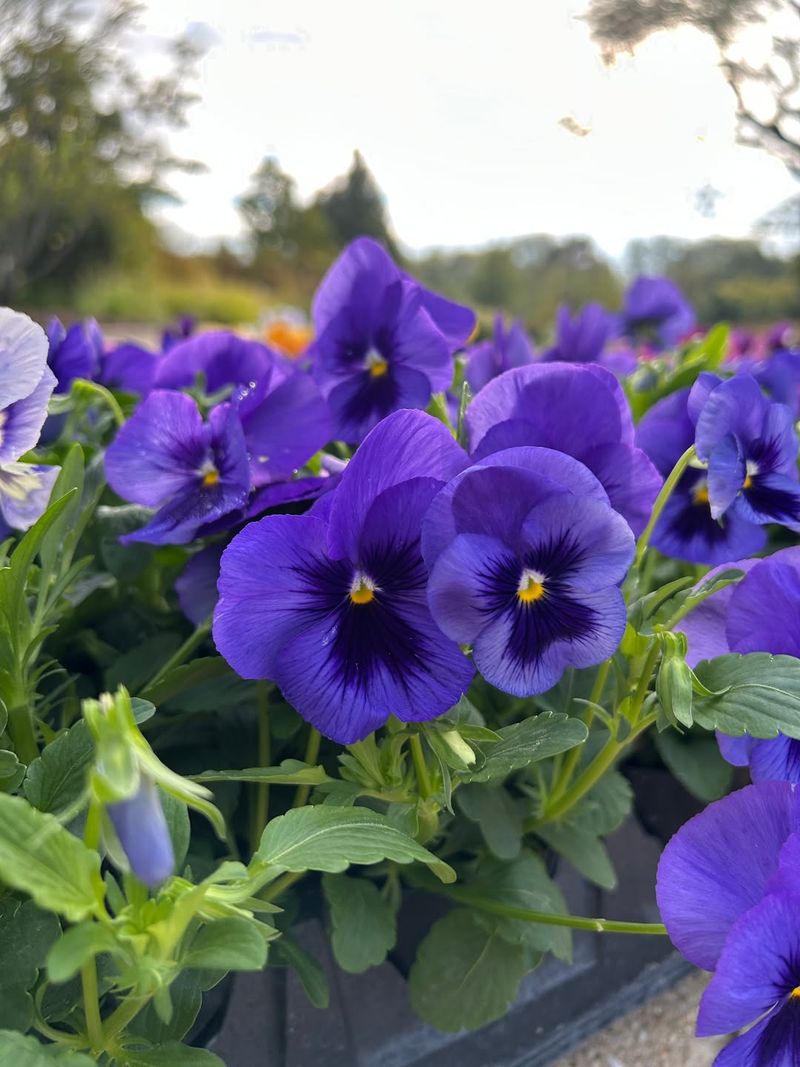
Pansies laugh at Georgia’s February weather. When the temperature drops to the low twenties overnight, these flowers shrug it off and keep their color going strong.
Plant them in containers now and they’ll bloom straight through until May heat finally slows them down.
Pick containers at least eight inches deep with good drainage holes. Pansies hate sitting in soggy soil, especially during those rainy weeks Georgia gets in late winter.
Mix regular potting soil with a handful of compost, and you’re set. Space them about six inches apart so each plant has room to spread without crowding its neighbors.
Water when the top inch of soil feels dry to your finger. During cold stretches, you might only water once a week.
When warmer days hit, check every couple of days. Feed them with a balanced liquid fertilizer every three weeks to keep the blooms coming.
Deadhead spent flowers by pinching them off at the base. This keeps the plant putting energy into new blooms instead of making seeds.
Pansies in containers need more attention than ground plants, but the payoff is a porch full of color while the rest of the yard is still waking up. They handle frost without any fuss, so you won’t be hauling pots inside every time the forecast dips.
4. Spinach Handles Frost And Keeps Growing
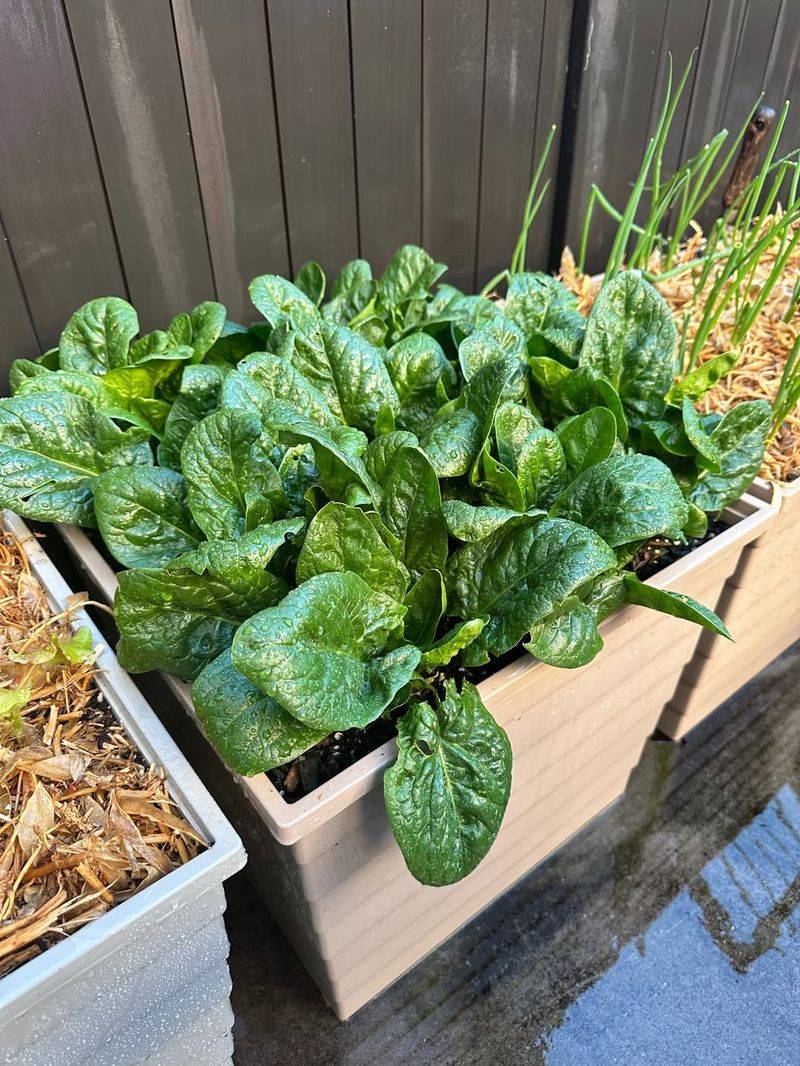
Spinach is tougher than most people think. Frost doesn’t bother it at all, and cool nights actually make the leaves taste sweeter.
Get it started in containers now and you’ll be harvesting handfuls of fresh greens before March ends.
Use containers at least six inches deep with plenty of drainage holes. Plant seeds about an inch apart and half an inch deep.
Spinach germinates fast in cool soil, so you’ll see sprouts within a week. Thin seedlings to three inches apart once they’re up and growing.
The thinnings make good additions to salads if you don’t want to waste them.
Place containers where they’ll get at least four hours of direct sun. Spinach grows in partial shade but produces more leaves with decent light.
Water consistently because uneven moisture makes the leaves tough and bitter. Container spinach needs checking every day or two since pots dry faster than ground soil.
Harvest by cutting outer leaves with scissors when they’re big enough to use. The center keeps pushing out new growth as long as temperatures stay below eighty degrees.
Once Georgia’s weather warms up in May, spinach will bolt and turn bitter practically overnight. Feed with a nitrogen-rich fertilizer every couple of weeks to keep leaves dark green and tender.
Starting spinach in containers now gives you a solid eight to ten weeks of harvest before heat shuts it down.
5. Kale Builds Strength Before Warm Weather Rushes In
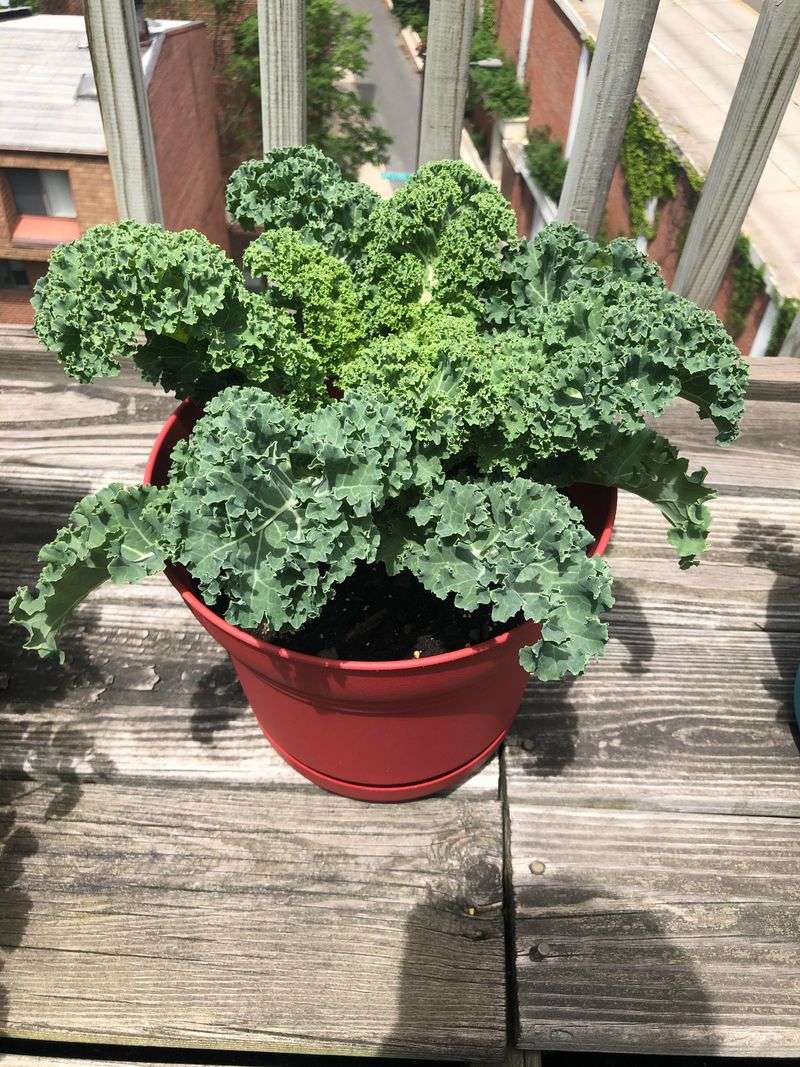
Kale planted now will develop strong roots and thick leaves before Georgia’s heat arrives. Container-grown kale stays more compact than garden plants, which makes it easier to manage and harvest.
Cool weather brings out the best flavor, so February and March are prime planting months.
Pick a container at least twelve inches deep and wide. Kale develops a substantial root system and needs room to spread out.
Plant seeds about half an inch deep and three inches apart. Once seedlings have a few true leaves, thin them to six inches apart.
You can transplant the extras into other containers if you want more plants.
Kale tolerates light frost without any trouble. It actually gets sweeter after a cold night.
Place containers where they’ll get morning sun and some afternoon shade. Full sun all day works too, but the plants might need more frequent watering.
Check soil moisture every day and water when the top inch feels dry.
Start harvesting lower leaves when they’re about the size of your hand. The plant keeps growing from the top, so you can keep picking for months.
Feed every three weeks with a balanced fertilizer to keep new growth coming. Watch for aphids, which love kale.
A strong spray of water knocks them off before they become a problem. Georgia gardeners who start kale in containers now will harvest through May before the heat finally slows production.
6. Swiss Chard Establishes Early And Holds Through Spring
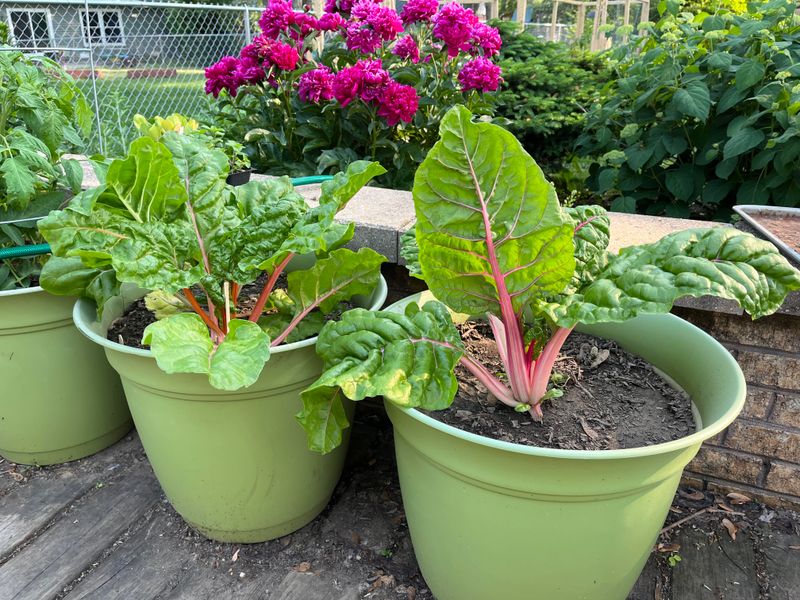
Swiss chard is one of those vegetables that looks good enough to grow just for decoration. The bright stems in red, yellow, and white make containers interesting even before you harvest anything.
Plant it now and you’ll be cutting leaves by early April.
Containers should be at least eight inches deep. Swiss chard isn’t picky about soil, but mixing in some compost helps it get going faster.
Plant seeds an inch deep and about four inches apart. Chard seeds are actually clusters, so you’ll get multiple seedlings from each one.
Thin them to the strongest plant at each spot once they’re a couple of inches tall.
This plant handles Georgia’s variable spring weather without complaining. Light frosts don’t hurt it, and it keeps growing steadily through warm spells.
Water when the top inch of soil dries out, which might be every day once temperatures start climbing in April. Swiss chard in containers needs consistent moisture to keep leaves tender.
Cut outer leaves with a sharp knife when they’re six to eight inches long. The center keeps producing new growth all season.
You can harvest from the same plants for months if you keep picking regularly. Feed with liquid fertilizer every two weeks once the plants are established.
Swiss chard rarely has pest problems in containers, and it keeps producing long after lettuce and spinach have bolted in the heat.
7. English Peas Climb Best In Cool Georgia Conditions
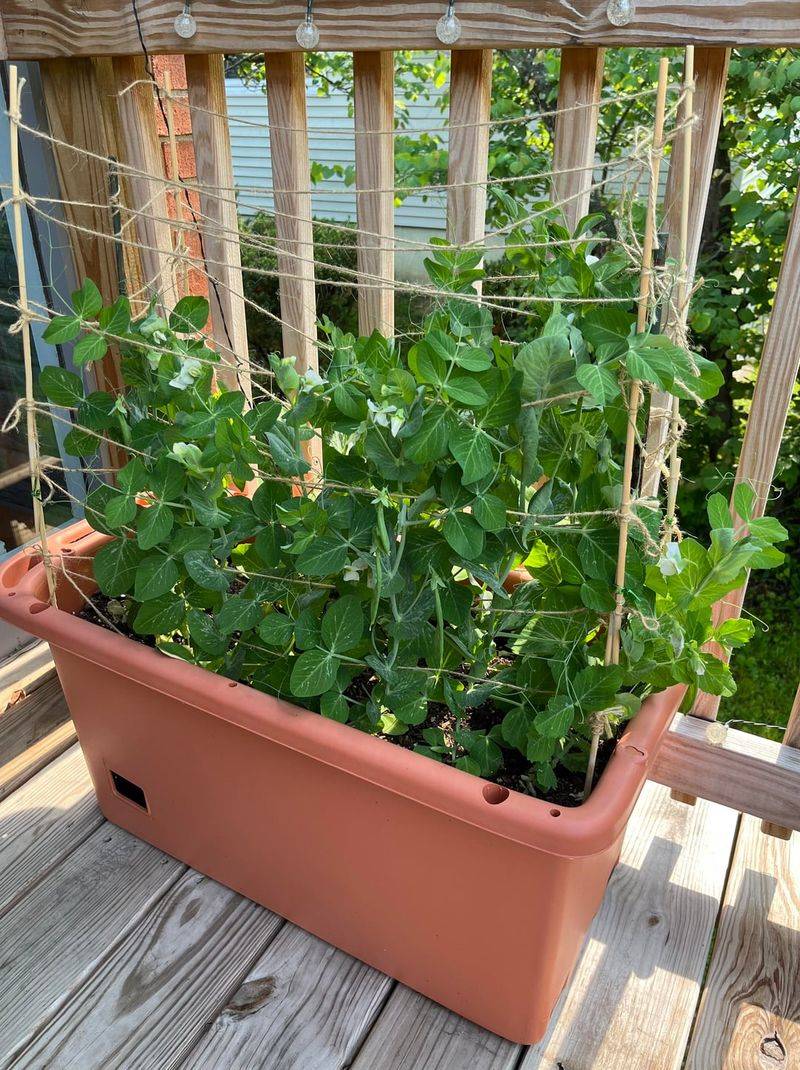
English peas need cool weather to produce well, and Georgia’s late winter is perfect for getting them started. Container growing works great if you add a trellis or some stakes for the vines to climb.
Fresh peas picked from your own porch beat anything from the grocery store.
Use a container at least twelve inches deep and as wide as you can manage. Deeper is better since peas develop long roots.
Plant seeds two inches apart and about an inch deep. Stick a small trellis or some bamboo stakes in the container when you plant so the vines have something to grab as they grow.
Peas germinate slowly in cool soil, so don’t panic if nothing happens for two weeks. Once they sprout, they grow fast.
Water regularly but don’t keep the soil soggy. Peas hate wet feet and will rot if drainage isn’t good.
They can handle frost without any damage, so you don’t need to haul containers inside when cold nights are forecast.
Feed lightly with a low-nitrogen fertilizer once flowers appear. Too much nitrogen gives you all vines and no peas.
Pick pods when they’re full but still bright green. Check plants every couple of days once they start producing because peas go from perfect to tough and starchy fast.
Georgia gardeners who plant peas in containers now will harvest in late April and early May before heat shuts them down.
8. Parsley Germinates Well In Mild Winter Soil
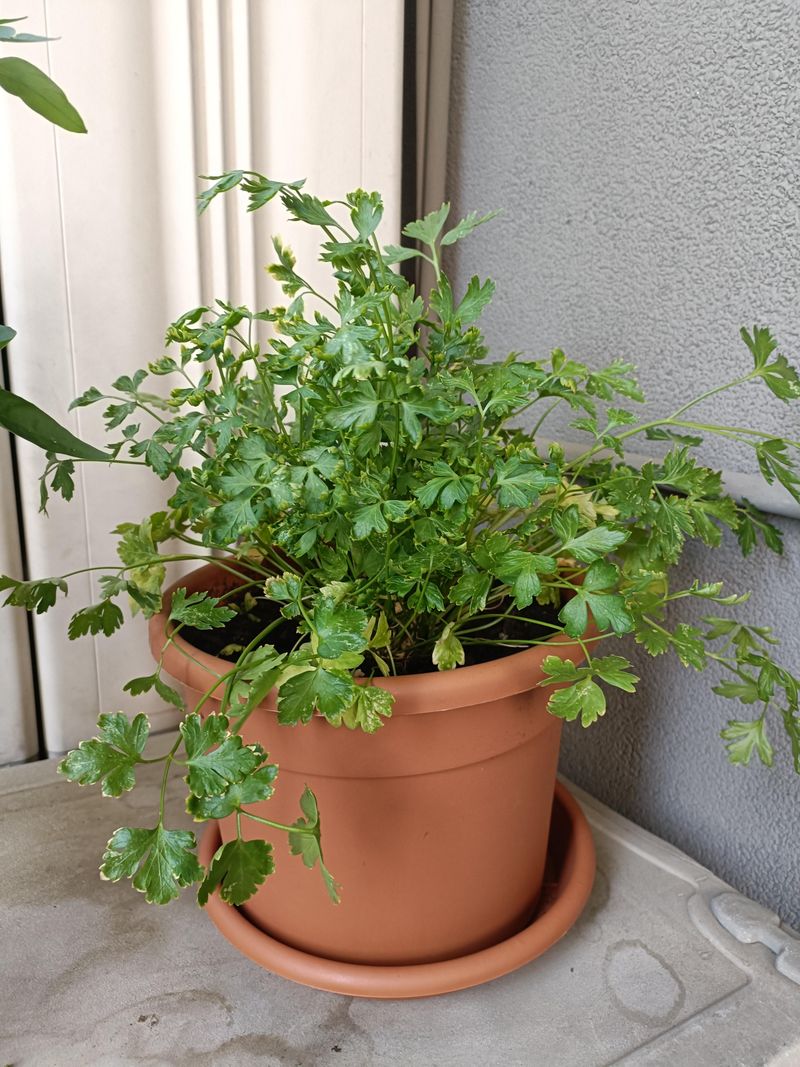
Parsley takes forever to germinate, but starting it now in containers means you’ll have fresh herbs by the time tomato season arrives. Georgia’s mild late winter temperatures are actually ideal for getting parsley going.
Once established, it keeps producing through summer if you water it enough.
Choose containers at least eight inches deep with good drainage. Parsley develops a long taproot and won’t thrive in shallow pots.
Soak seeds overnight before planting to speed up germination. Plant them a quarter-inch deep and about six inches apart.
Cover the container with plastic wrap to hold moisture until sprouts appear, which can take up to three weeks.
Once seedlings are up, remove the plastic and place the container where it gets at least six hours of sun. Morning sun with afternoon shade works well in Georgia once temperatures start climbing in April.
Water regularly because parsley hates drying out completely. Container plants need more frequent watering than garden plants, especially once the weather warms up.
Start cutting stems when the plant has at least six good-sized leaves. Cut from the outside and leave the center to keep growing.
Parsley keeps producing all season if you harvest regularly and feed it every three weeks with liquid fertilizer. It rarely has pest problems in containers.
Georgia gardeners who start parsley now will have fresh herbs for months without needing to buy those expensive grocery store bunches.
9. Violas Add Steady Color Before Spring Fully Arrives
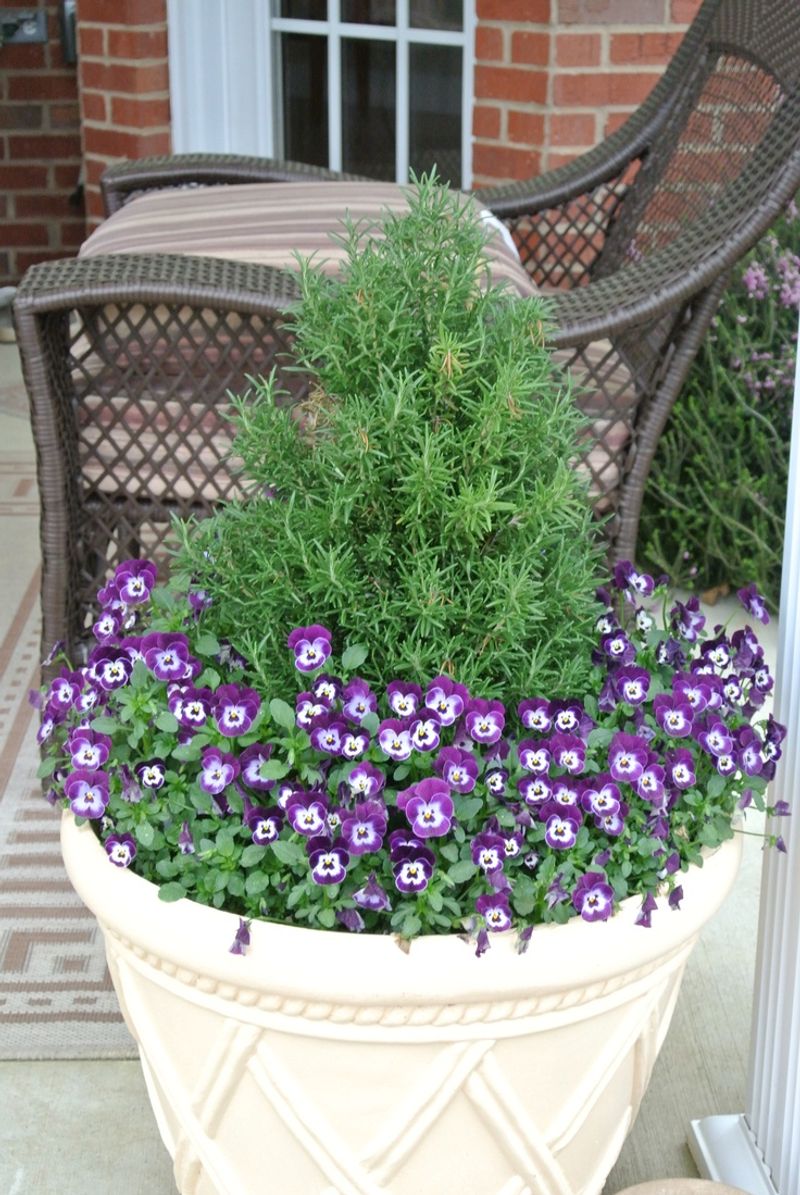
Violas are pansies’ smaller cousins, and they’re just as tough in cold weather. They bloom nonstop from planting until heat finally stops them in late May.
Starting them in containers now gives you months of color with almost no effort.
Use any container with drainage holes. Violas aren’t fussy about pot size, but bigger containers mean less frequent watering.
Plant them in regular potting soil mixed with a handful of compost. Space plants about four inches apart.
They’ll fill in quickly and create a solid mass of flowers and foliage.
Violas handle Georgia’s cold snaps without any protection. They keep blooming right through light frosts.
Place containers where they’ll get morning sun and some afternoon shade, especially once April arrives and temperatures start climbing. Water when the top inch of soil feels dry, which might be twice a week in cool weather and daily once things warm up.
Deadhead spent flowers to keep new blooms coming. Violas don’t need as much deadheading as pansies, but removing old flowers keeps plants looking neat and producing more buds.
Feed every three weeks with a balanced liquid fertilizer. They rarely have pest or disease problems in containers.
Georgia gardeners who plant violas now will enjoy steady color through the entire spring season without any fuss or special care.