Can’t Wait For Spring? Grow These 8 Container Plants Indoors In North Carolina
Gray winter days can make the garden feel far away, yet the growing season does not have to wait for warmer weather to begin.
In North Carolina, many plants adapt beautifully to indoor container growing, allowing you to nurture fresh greenery even while winter lingers outside.
A bright windowsill, a cozy corner, or a simple grow light setup can provide everything needed to start strong, healthy plants weeks before outdoor conditions improve.
Early indoor growing not only brings life and color into your home but also gives seedlings a valuable head start for the season ahead.
North Carolina’s moderate indoor conditions make it easier than many expect to grow a variety of productive and decorative plants through the colder months.
With the right choices, you can enjoy steady growth and the satisfaction of tending living plants long before spring arrives. These eight reliable selections are ready to grow with you right now.
1. Lettuce Grows Quickly In Bright Indoor Light
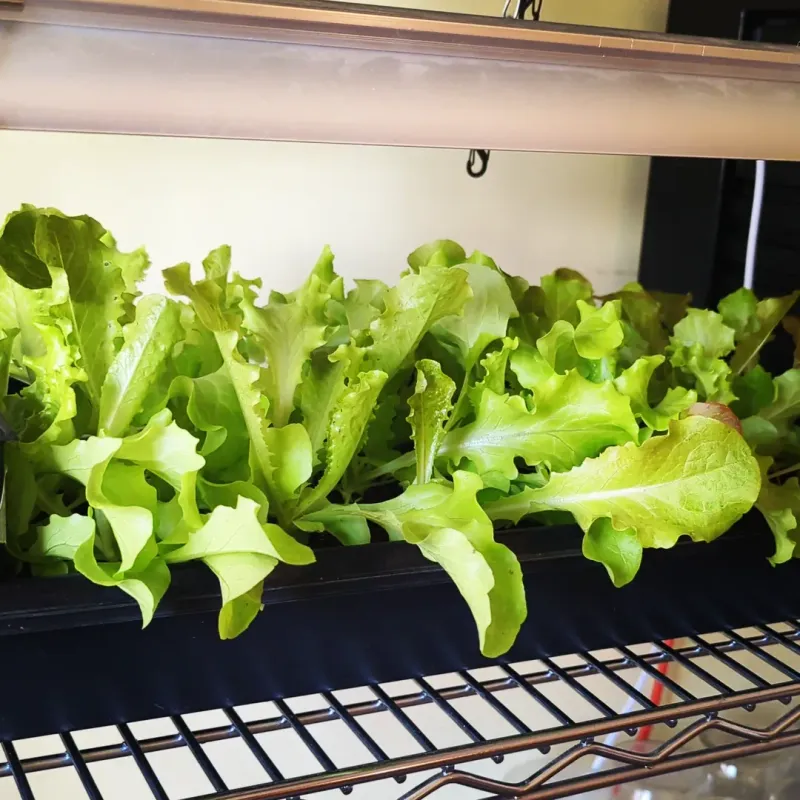
Few things feel as rewarding as snipping fresh lettuce leaves from a container sitting right on your windowsill in late January. Loose leaf varieties like Black Seeded Simpson or Salad Bowl are perfect for indoor growing in North Carolina during late winter.
They germinate fast, often sprouting within just five to seven days of planting.
Lettuce prefers cooler indoor temperatures, ideally between 60 and 70 degrees Fahrenheit, which makes it an ideal winter houseguest. A south-facing window that receives at least six hours of bright light daily works great.
If natural light is limited, a simple full-spectrum LED grow light placed a few inches above the container keeps growth steady and strong.
Use a shallow container at least four to six inches deep with good drainage holes and fill it with a quality potting mix. Scatter seeds lightly across the surface, press them gently in, and mist with water.
Thin seedlings once they reach two inches tall to give each plant enough room to spread. You can start harvesting outer leaves in as little as four weeks, leaving the center intact so the plant keeps producing.
It is incredibly satisfying to add homegrown lettuce to your salad bowl while snow is still on the ground outside.
2. Spinach Tolerates Cool Indoor Conditions
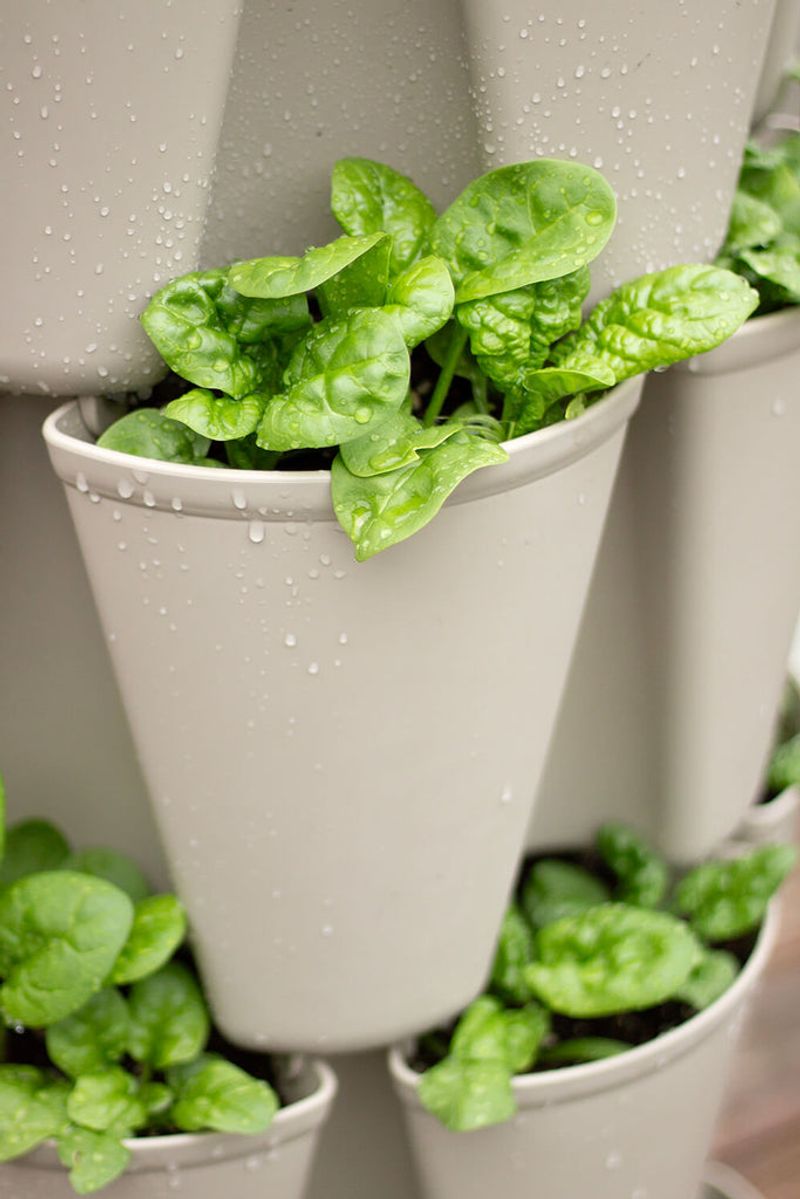
Spinach is one of those plants that actually prefers the cooler side of indoor life, which makes it a standout choice for North Carolina gardeners itching to grow something in February or March.
Unlike many vegetables that sulk in chilly rooms, spinach settles right in and grows confidently when temperatures hover between 50 and 65 degrees Fahrenheit.
Varieties like Bloomsdale Long Standing or Space are compact and well-suited for container growing. Choose a pot that is at least six inches deep and fill it with a light, well-draining potting mix.
Sow seeds about half an inch deep and an inch apart, then water gently. Spinach needs around four to six hours of bright indirect light daily, so a north or east-facing window often works well.
One of the smartest things about growing spinach indoors is the cut-and-come-again harvesting method. Once leaves reach three to four inches long, snip the outer ones and the plant will keep sending up fresh growth from the center.
Your North Carolina Garden Changes Every Week. Your Plan Should Too.
Gardening in North Carolina changes quickly throughout the season. Every Friday you’ll receive a simple weekly plan showing exactly what to plant, prune, fertilize, harvest, and protect so you never miss the right timing.
This means one container can feed you for several weeks before the plant needs replacing. Spinach is also packed with iron, magnesium, and vitamins A and C, so every harvest adds real nutritional value to your meals.
Starting seeds indoors in late winter gives you a lush, productive plant long before outdoor garden beds are ready.
3. Green Onions Thrive In Small Indoor Containers
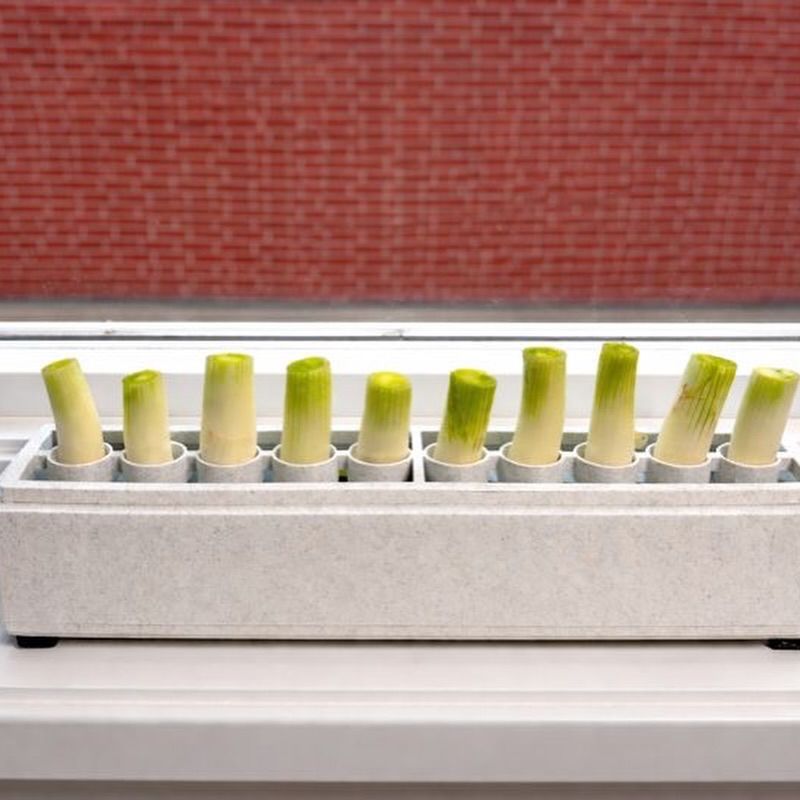
Green onions might just be the most no-fuss plant you can grow indoors, and they fit perfectly into even the tiniest kitchen space.
Also called scallions, these slender plants grow happily in a four to six inch deep container with basic potting soil and a decent amount of light.
They are ready to harvest in as little as three to four weeks from seed, making them one of the fastest edible plants for indoor growing.
You have two easy options for getting started. Plant seeds directly in a container, or simply place the root ends of store-bought green onions in a glass of water on your windowsill and watch them regrow within days.
Once the shoots reach several inches tall, transfer them to soil for continued growth. Either way, you will have a steady supply of fresh green onions for cooking without spending much at all.
Scallions prefer at least four to six hours of bright light daily and consistent moisture, though the soil should never feel waterlogged. A south or west-facing window usually provides enough natural light through winter months in North Carolina.
Harvest by snipping the green tops an inch above the soil level, and the plant will regrow multiple times before the bulb finally exhausts itself. Green onions add a fresh, mild flavor to eggs, soups, tacos, and salads, so keeping a container on your counter is genuinely useful all winter long.
4. Microgreens Provide Fast Indoor Harvests
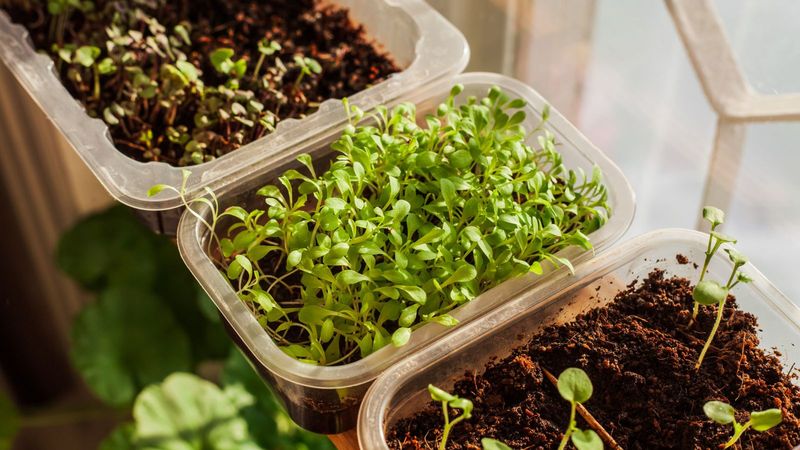
Microgreens are the speed champions of the indoor garden world, and once you grow your first tray, you will wonder why you waited so long to start.
These are simply young seedlings of vegetables and herbs harvested at the cotyledon or first true leaf stage, usually between seven and fourteen days after germination.
Sunflower, radish, pea shoots, and broccoli are among the most popular varieties for home growers.
All you need is a shallow tray about one to two inches deep, a thin layer of potting mix or a growing mat, and seeds scattered densely across the surface.
Mist them with water, cover loosely for the first few days to encourage germination, then uncover and place under a grow light or in a bright south-facing window.
Microgreens need around four to six hours of light daily and consistent moisture to thrive. Harvest time is the best part. Once the shoots reach one to three inches tall and the first tiny leaves have opened, snip them just above the soil line with clean scissors.
Microgreens are surprisingly nutrient-dense, with studies showing some varieties contain up to forty times more nutrients than their mature counterparts. They add a fresh crunch to sandwiches, wraps, and salads.
In North Carolina, growing microgreens indoors during winter is one of the most efficient and rewarding ways to keep fresh food on your table year-round.
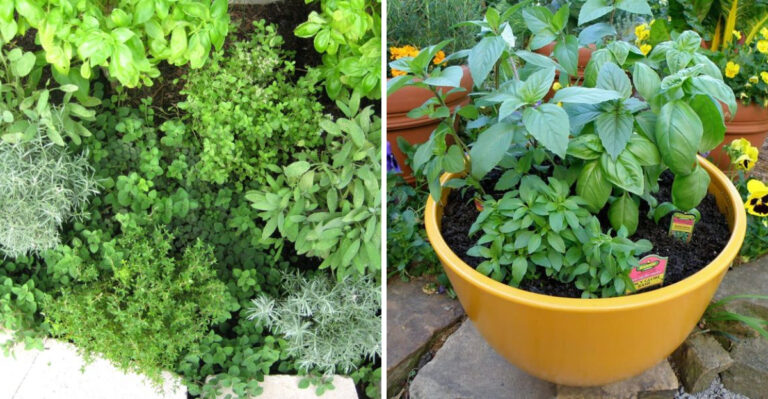
5. Basil Can Be Started Indoors Before Last Frost
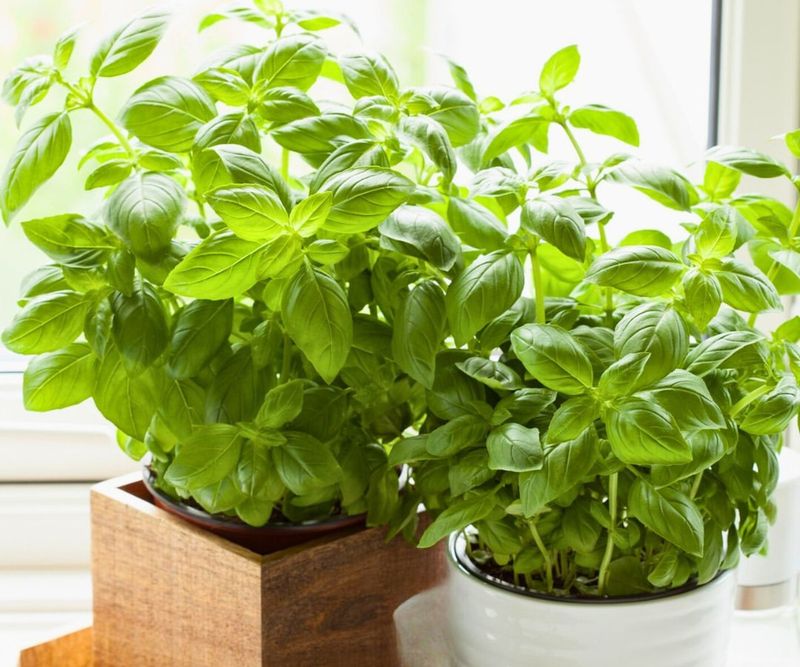
Basil loves warmth, and North Carolina winters are not exactly its favorite season outdoors. But starting basil seeds indoors in late February or early March gives you a serious advantage.
By the time the last frost date passes, typically in mid-April for much of the state, your basil plants will already be several weeks old and ready to transition outside or stay happily in a container on a sunny porch.
Sow basil seeds about a quarter inch deep in small containers filled with a light, well-draining potting mix. Keep the soil consistently moist and the room warm, ideally above 65 degrees Fahrenheit, because basil germination slows significantly in cooler conditions.
Seeds usually sprout within five to ten days. Once seedlings emerge, move them to the brightest window you have or use a grow light for twelve to sixteen hours daily.
Pinch back the growing tips early and often to encourage bushy, full plants rather than tall, leggy ones. Removing flower buds as they appear keeps the leaves flavorful and productive for longer.
Genovese and Sweet Basil are classic varieties, while Thai Basil offers a slightly spicy, anise-like flavor worth trying. Fresh basil elevates pasta, pizza, salads, and homemade pesto in a way that dried herbs simply cannot match.
Starting indoors gives you weeks of extra growing time and a much more productive plant once warmer weather finally arrives.
6. Pansies Grow Well In Bright Indoor Spaces
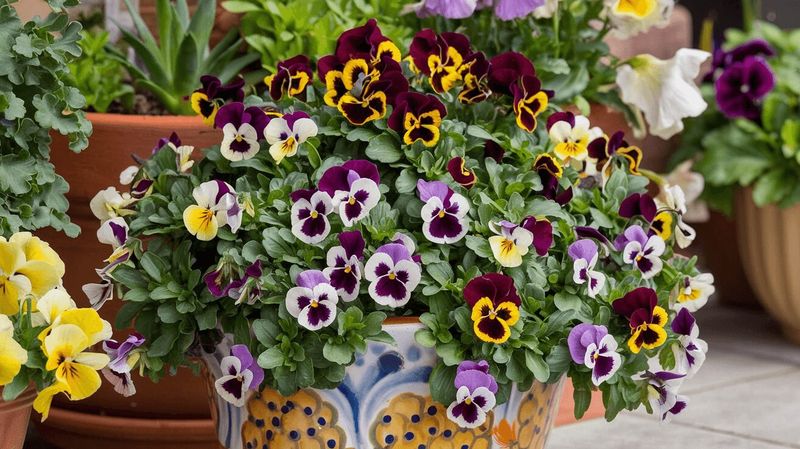
Pansies bring a burst of color to indoor spaces during the dullest stretch of winter, and their toughness in cool conditions makes them surprisingly well-suited for container growing inside North Carolina homes.
These cheerful flowers actually prefer cooler temperatures, thriving comfortably between 45 and 65 degrees Fahrenheit. That means a bright, cool room near a window is practically ideal growing territory for them.
Choose a container at least six inches deep with good drainage and fill it with a quality potting mix.
Plant pansy transplants or start from seed, though seeds require eight to ten weeks before flowering, so starting in January gives you blooms by late February or early March.
Place the container in your brightest window, ideally south-facing, where the plants receive at least six hours of light daily. Supplementing with a grow light extends the day length and boosts flowering noticeably.
Water pansies when the top inch of soil feels dry and avoid letting the pot sit in standing water, which can cause root issues over time. Deadhead spent blooms regularly by pinching them off at the base to keep the plant producing fresh flowers week after week.
Pansies come in an enormous range of colors including deep purple, sunny yellow, creamy white, and vivid orange.
Placing a container of blooming pansies near a window not only brightens your home but also serves as a cheerful reminder that spring is genuinely just around the corner.
7. Herbs Like Parsley And Cilantro Perform Well Indoors
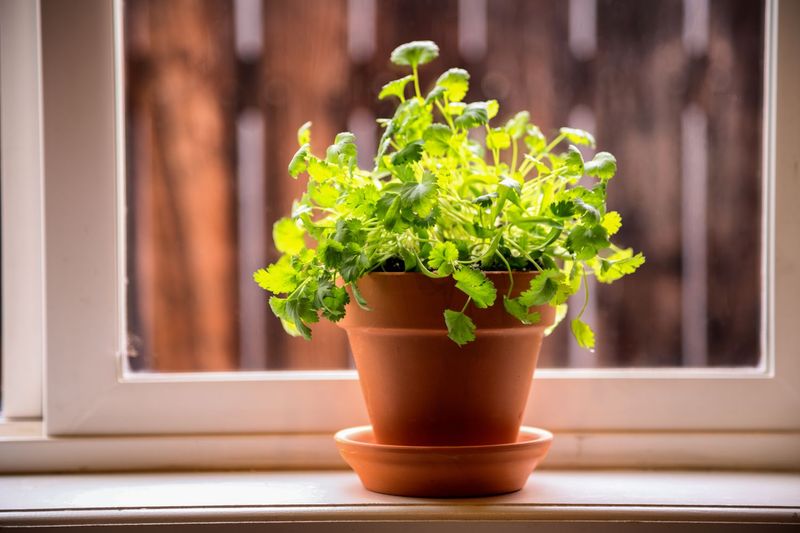
Parsley and cilantro are two of the most useful culinary herbs you can grow, and both happen to be cool-season plants that handle indoor container life with ease.
Unlike basil, which demands warmth, these two herbs actually prefer the moderate temperatures common in most North Carolina homes during winter, typically between 60 and 70 degrees Fahrenheit.
That makes them practical choices for a kitchen windowsill garden right now. Cilantro germinates quickly, usually within seven to ten days, and grows fast enough to provide harvestable leaves in about three to four weeks.
Parsley takes longer, often two to four weeks to germinate, so soaking seeds overnight in water before planting helps speed things up.
Use containers at least six to eight inches deep since both herbs develop meaningful root systems that need room to spread. A south or west-facing window offering four to six hours of direct light daily keeps them growing well.
Harvest cilantro by snipping outer stems and leaves regularly, which encourages the plant to keep producing fresh growth from the center. Parsley responds similarly to frequent trimming, rewarding consistent harvesting with steady new foliage.
Both herbs bolt, meaning they send up flower stalks and lose leaf flavor, when temperatures climb too high or days grow too long. Keeping them in a cooler indoor spot delays bolting significantly.
Fresh parsley and cilantro transform tacos, grain bowls, soups, and marinades, making a small container investment incredibly worthwhile throughout the late winter months.
8. Dwarf Peppers Can Be Started Indoors Early
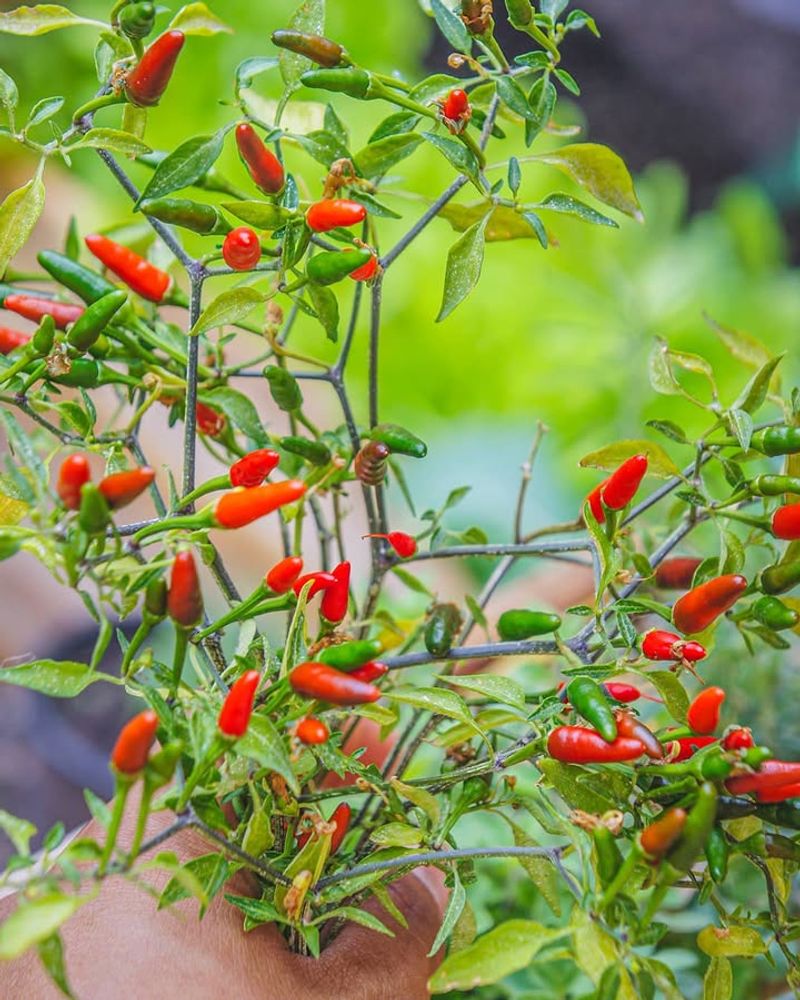
Peppers are notoriously slow to mature, which is exactly why starting them indoors early gives North Carolina gardeners such a meaningful advantage.
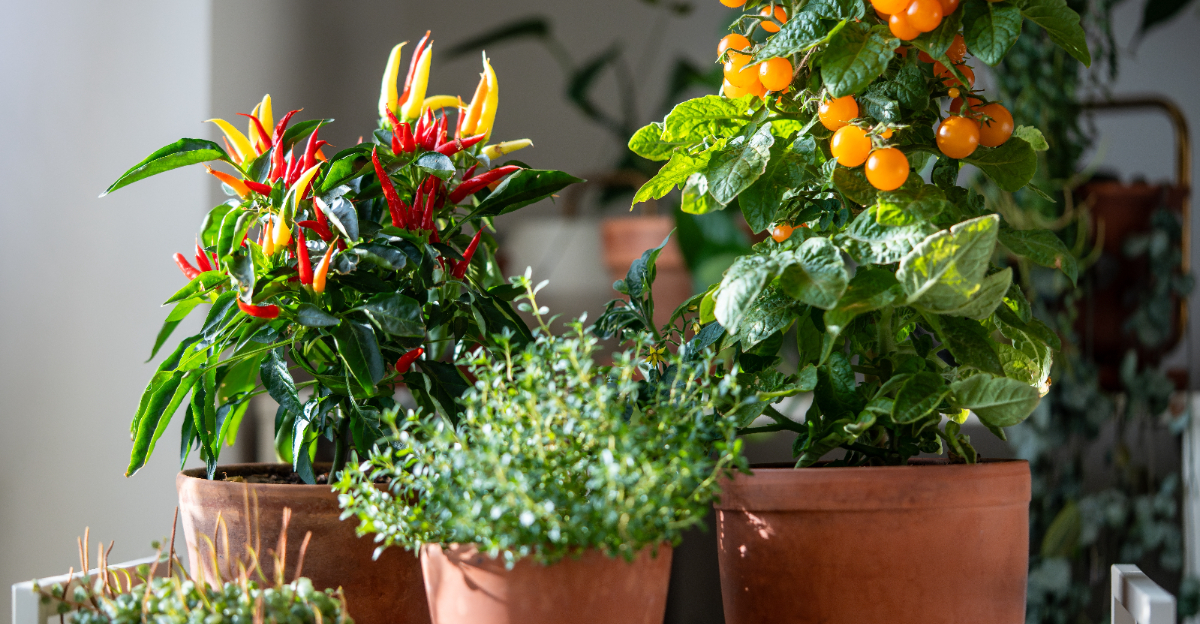
Compact and dwarf pepper varieties like Lunchbox, Pot-A-Peno, or Redskin are specifically bred for container growing and produce well even in limited indoor space.
Starting seeds indoors in late January or February means your plants will be strong and ready to move outdoors by late April or May.
Fill small containers or seed trays with a quality seed-starting mix and plant seeds about a quarter inch deep.
Peppers need warmth to germinate well, ideally between 75 and 85 degrees Fahrenheit, so placing the container on a seedling heat mat dramatically improves germination rates and speeds up the process.
Once sprouts appear, move the containers under a grow light for fourteen to sixteen hours daily since natural window light alone rarely provides enough intensity for strong pepper seedlings in winter.
Water consistently but allow the top layer of soil to dry slightly between waterings to prevent root issues. Once seedlings develop two sets of true leaves, transplant them into four to six inch containers with a rich, well-draining potting mix.
Feed with a balanced liquid fertilizer every two weeks to support healthy growth. Hardening off plants gradually by setting them outside for increasing amounts of time before full transplant ensures a smooth transition.
Starting peppers early indoors is one of the smartest moves any North Carolina gardener can make before spring officially arrives.