What Easter Cactus Really Needs To Grow Well In North Carolina
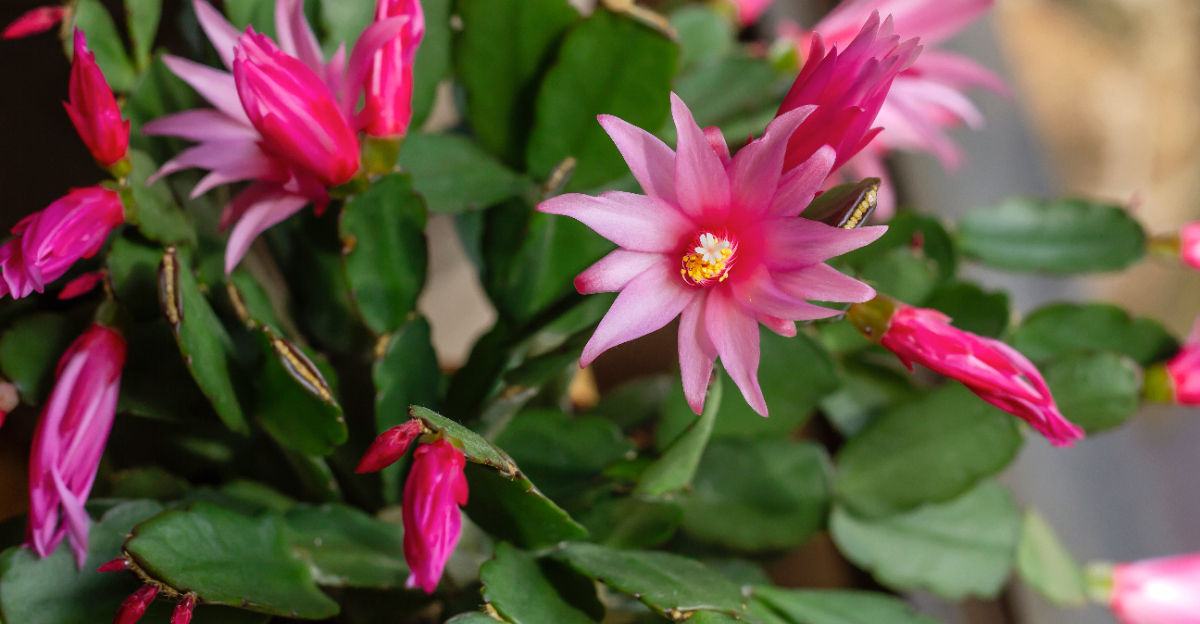
Just as winter begins to fade and brighter days return, Easter Cactus rewards growers with a vibrant burst of color that feels perfectly timed for the season.
In North Carolina, this cheerful plant can thrive beautifully when its basic needs are understood and met with care.
Known for its graceful segments and bright spring blooms, Easter Cactus responds well to balanced light, gentle watering, and steady indoor conditions.
North Carolina’s mix of humid summers, mild winters, and occasional cold spells creates a unique environment that suits this plant when placed thoughtfully away from temperature extremes.
With proper attention to moisture, light exposure, and seasonal care, it develops strong growth and produces reliable waves of flowers each year. Growing Easter Cactus does not require complicated techniques, only consistent care and the right setting.
With a little knowledge, your North Carolina grown Easter Cactus can remain healthy, vibrant, and full of brilliant spring color.
1. Bright Indirect Light Not Harsh Direct Sun
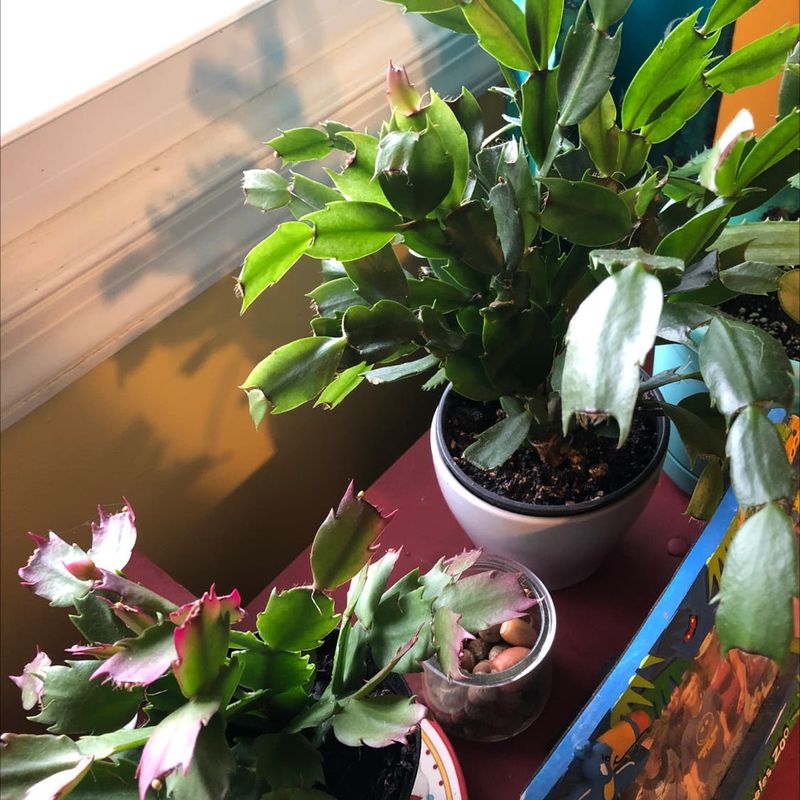
Sunlight is everything for a flowering plant, but too much of the wrong kind can cause real problems for an Easter Cactus. Unlike desert cacti, this plant is native to the shaded rainforest floors of Brazil, where dappled light filters through a thick canopy of trees above.
That background matters a lot when you are deciding where to put it in your home. In North Carolina, south-facing windows can pour in intense afternoon sun, especially from late spring through summer.
That kind of direct exposure will scorch the flat, leaf-like stems and turn them a stressed reddish color.
Moving the plant a few feet back from the window or hanging a sheer curtain makes a surprisingly big difference.
East-facing windows are honestly ideal for this plant. Morning light is soft, gentle, and just bright enough to fuel healthy growth without overwhelming the stems.
A north-facing window can work too, though growth may slow slightly during shorter winter days.
Rotating the pot every couple of weeks helps the plant grow evenly on all sides. If you notice the stems leaning strongly toward one direction, that is a clear sign it is reaching for more light.
Bright, consistent, indirect light year-round keeps the plant compact, lush, and ready to bloom beautifully every spring season.
2. Cool Nights Help Trigger Spring Blooms
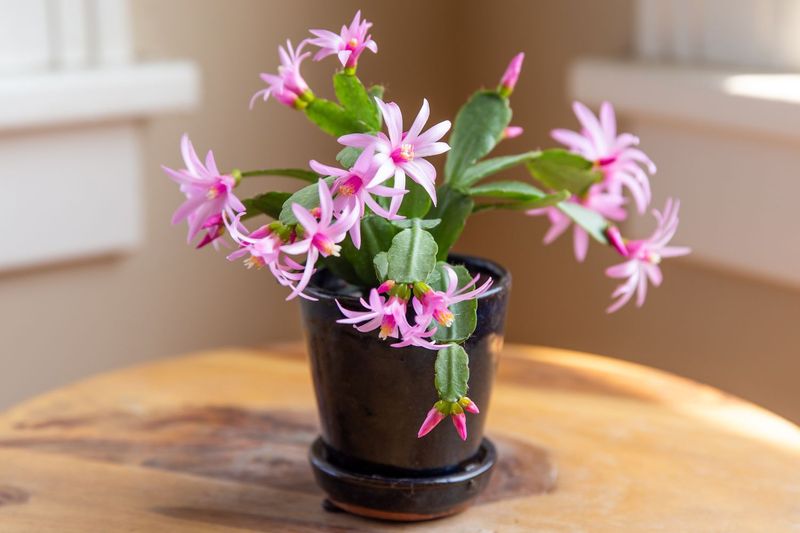
Here is something that surprises a lot of first-time Easter Cactus growers: this plant actually needs cooler temperatures to bloom.
Without a drop in nighttime temperatures during late winter, the plant simply will not set flower buds no matter how well you care for it otherwise. Temperature is the hidden trigger that gets the whole show started.
In North Carolina, late January through February naturally brings cooler nights, and that seasonal shift works in your favor. Keeping your Easter Cactus in a room where nighttime temperatures dip to around 55 to 60 degrees Fahrenheit for six to eight weeks gives the plant the cue it needs.
An unheated spare bedroom or a cool sunroom works really well for this purpose during those weeks.
Your North Carolina Garden Changes Every Week. Your Plan Should Too.
Gardening in North Carolina changes quickly throughout the season. Every Friday you’ll receive a simple weekly plan showing exactly what to plant, prune, fertilize, harvest, and protect so you never miss the right timing.
Avoid placing the plant near heating vents or radiators during this period. Consistent warmth at night essentially confuses the plant and delays or prevents blooming altogether.
The contrast between day and night temperatures is what signals the plant to shift its energy toward producing flowers.
Once you spot those tiny buds forming along the edges of the stems, you can move the plant back to its regular warm spot and enjoy watching it bloom.
North Carolina winters are actually mild enough to make this process manageable without any complicated setup or special equipment required at all.
3. Well Draining Soil Is Essential For Root Health
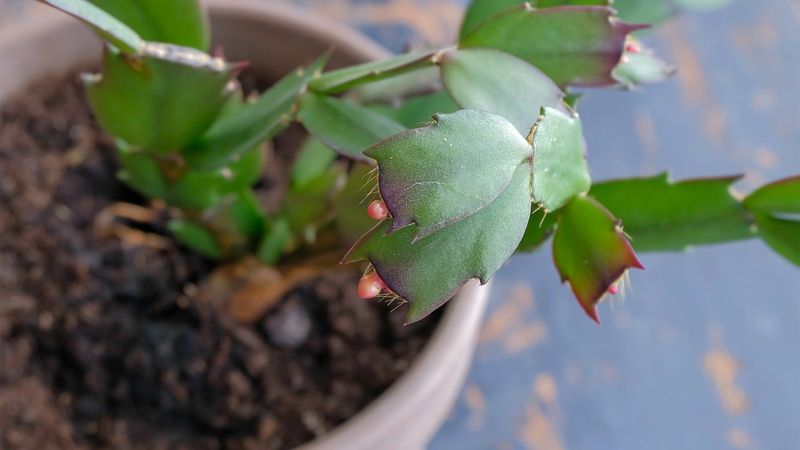
Roots that sit in soggy soil are in serious trouble, and Easter Cactus is particularly sensitive to poor drainage.
Even though it looks similar to a Christmas Cactus, it comes from a humid but well-aerated forest environment where water moves quickly through organic matter and never pools around roots for long periods of time.
A standard potting mix straight from the bag is usually too dense for this plant. Mixing it with perlite, coarse sand, or orchid bark in roughly equal parts creates the kind of loose, breathable medium where Easter Cactus roots genuinely thrive.
Some growers also use a cactus and succulent blend with a little extra organic material added in for moisture retention.
The pot itself matters just as much as the soil mix inside it. Terracotta pots are a fantastic choice because they are porous and allow excess moisture to evaporate through the sides.
Plastic pots hold moisture longer, which can be risky if you tend to water generously or if your home stays on the cooler side during winter months.
Good drainage holes at the bottom of the pot are absolutely non-negotiable. Water should flow freely out of the bottom every time you water the plant.
If it pools or drains slowly, your soil mix needs adjusting before the roots suffer any lasting harm from prolonged wet conditions.
4. Water Thoroughly But Allow The Top Layer To Dry Slightly
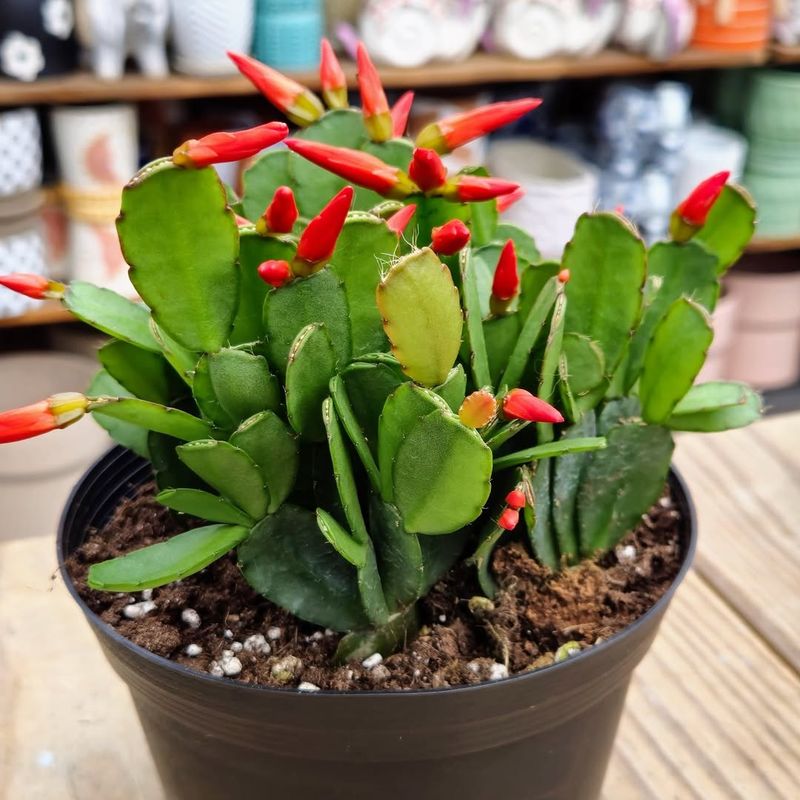
Watering an Easter Cactus correctly is one of the most important skills you will develop as you grow this plant.
It is not a true desert cactus, so it does need regular moisture, but it absolutely cannot tolerate sitting in waterlogged soil for extended periods without consequences showing up in the stems and roots.
The best approach is to water thoroughly, making sure moisture reaches all the way through the pot and drains freely out the bottom. Then wait until the top inch or so of soil feels just slightly dry before watering again.
Sticking your finger about an inch into the soil is the easiest and most reliable way to check without any special tools needed.
During the active growing season in spring and summer, watering needs increase noticeably. North Carolina summers are warm and humid, but indoor air conditioning can dry out soil faster than you might expect.
Checking the soil every few days rather than watering on a fixed schedule gives you much better results over time.
In fall and winter, the plant slows down and needs less frequent watering overall. Overwatering during cooler months is one of the most common reasons Easter Cactus stems turn mushy or the plant declines unexpectedly.
Adjusting your watering rhythm with the seasons keeps the root system healthy and strong all year long.
5. Higher Humidity Improves Growth Indoors
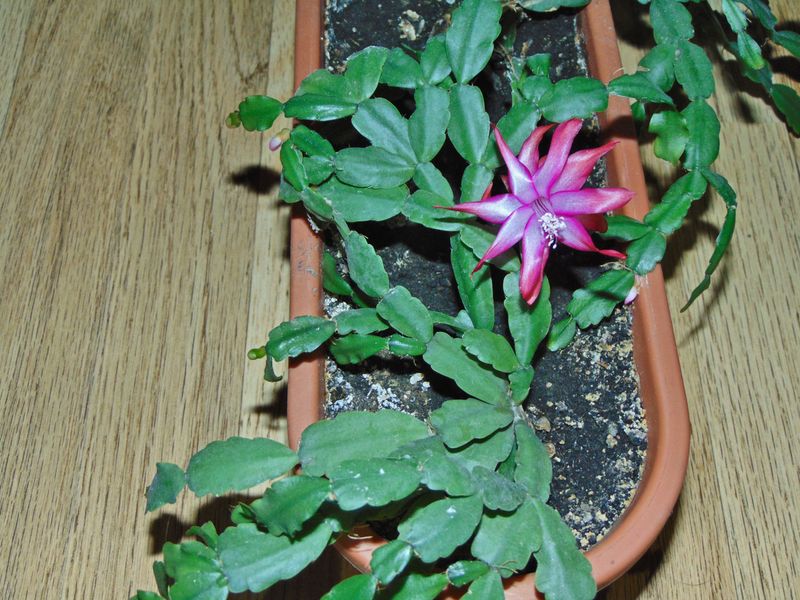
Most people think of cacti as plants that love dry conditions, but Easter Cactus breaks that rule in a really interesting way.
As a forest cactus from the humid mountains of southeastern Brazil, it actually prefers moderate to higher humidity levels, somewhere between 50 and 60 percent ideally. That preference shapes how well it performs in your home throughout the year.
North Carolina winters can get surprisingly dry indoors, especially when the heat is running constantly. Heating systems pull moisture out of the air quickly, and that dry indoor air can cause the tips of Easter Cactus stems to shrivel or look slightly deflated.
Raising the humidity around the plant makes a visible difference in how healthy and plump the stems look.
A pebble tray filled with water placed beneath the pot is one of the easiest solutions available. As the water evaporates slowly, it creates a small pocket of humidity right around the plant.
A small humidifier nearby works even better, especially during the driest months of December through February in the Piedmont and mountain regions of North Carolina.
Misting the plant lightly can help, but it should not be your only strategy since the effect fades quickly.
Grouping your Easter Cactus with other houseplants is another smart trick because plants naturally release moisture into the air around them through a process called transpiration, boosting local humidity levels noticeably.
6. Avoid Sudden Temperature Changes Near Windows Or Doors
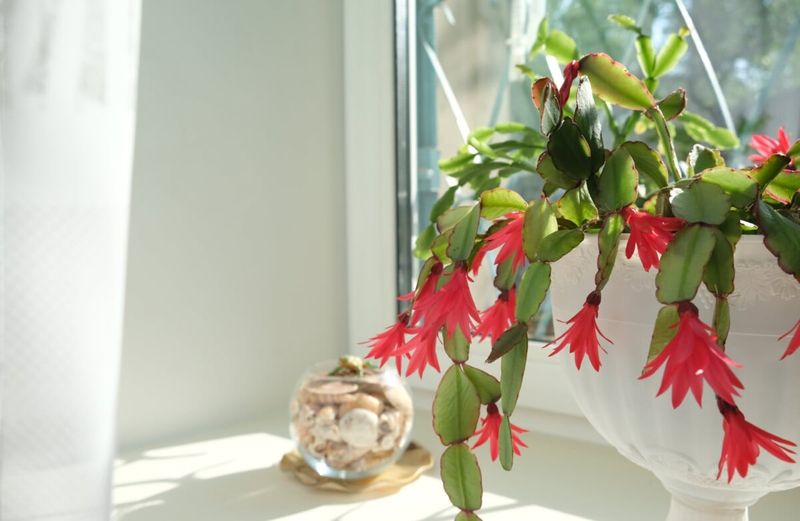
Temperature stability might be the most underrated factor in keeping an Easter Cactus happy, especially when it is about to bloom.
This plant is sensitive to sudden shifts in temperature, and even a brief cold draft can cause the developing flower buds to drop right off before they ever open. It is genuinely frustrating when that happens after months of patient care.
In North Carolina homes, the most common problem spots are drafty single-pane windows, doors that open to the outside frequently, and spots directly in the path of air conditioning or heating vents.
All of these create unpredictable temperature swings that the plant finds stressful. Moving your Easter Cactus away from these areas, even just a few feet, can protect the buds significantly during the critical weeks before blooming.
The ideal indoor temperature range for this plant is between 60 and 75 degrees Fahrenheit during the day. At night, slightly cooler is actually beneficial during the bud-setting period, but that cooling should be gradual and consistent rather than sudden.
The difference between a slow natural cool-down and a sharp cold blast from an open window is enormous from the plant’s perspective.
Checking the area around your plant on a cold night is worth doing. Hold your hand near the window glass to feel if cold air is radiating inward.
If it is, relocating the plant to an interior wall during winter cold snaps protects it from temperature stress without any complicated adjustments needed.
7. Light Feeding During Active Growth Supports Flowering

Feeding your Easter Cactus at the right time and in the right amount makes a noticeable difference in how vigorously it grows and how many flowers it produces each spring. This plant is not a heavy feeder, so the temptation to overdo fertilizer should be resisted firmly.
Too much fertilizer, especially high-nitrogen formulas, pushes leafy stem growth at the expense of flower production.
A balanced, water-soluble fertilizer with equal parts nitrogen, phosphorus, and potassium works well during the active growing season. Feeding once a month from spring through early summer gives the plant steady nutrition without overwhelming it.
Some growers switch to a fertilizer slightly higher in phosphorus as summer winds down, since phosphorus supports root development and encourages flower bud formation later in the season.
Always water the plant before applying liquid fertilizer. Feeding into dry soil can irritate the roots and cause tip burn on the stems, which looks unpleasant and takes time to grow out.
Diluting the fertilizer to half the recommended strength on the label is a smart practice that many experienced houseplant growers follow consistently.
Stop fertilizing entirely in fall and through the winter rest period. The plant does not need extra nutrients when it is resting and preparing to bloom, and feeding during this time can actually interfere with the natural blooming cycle.
Resuming in spring when new growth appears gets things back on track for another beautiful flowering season ahead.
8. Repot Only When Root Bound And After Blooming
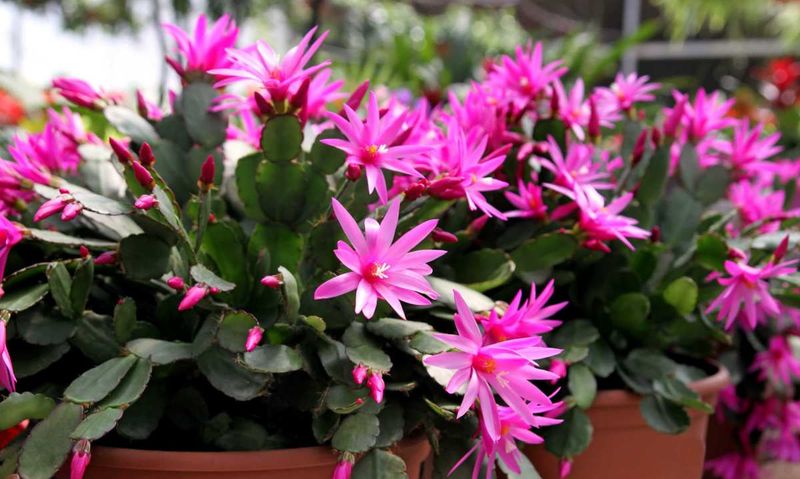
Repotting is one of those tasks that well-meaning plant owners sometimes do too often, and Easter Cactus is a plant that genuinely prefers a little crowding at the roots.
Slightly snug roots actually encourage blooming in this species, so rushing to give it more space can sometimes backfire and delay flowering for an entire season.
The right time to repot is right after the plant finishes blooming in spring. Repotting while the plant is budding or actively flowering can stress it enough to cause bud and flower drop, which is a disappointing outcome after all that anticipation.
Waiting until the blooms fade completely gives the plant a chance to redirect its energy into settling into a new container comfortably.
Choose a new pot that is only one size larger than the current one, typically just an inch or two wider in diameter. Going too large too fast leaves excess soil around the roots that stays wet for too long, increasing the risk of root problems.
A snug, well-draining pot with fresh soil mix is all the plant really needs to continue thriving.
After repotting, hold off on watering heavily for a few days to let any disturbed roots recover slightly before being exposed to consistent moisture again. Keep the plant in a shaded spot for a week or two as it adjusts.
Most Easter Cacti only need repotting every two to three years, so this is not a frequent task at all.
9. Provide A Short Rest Period After Bloom
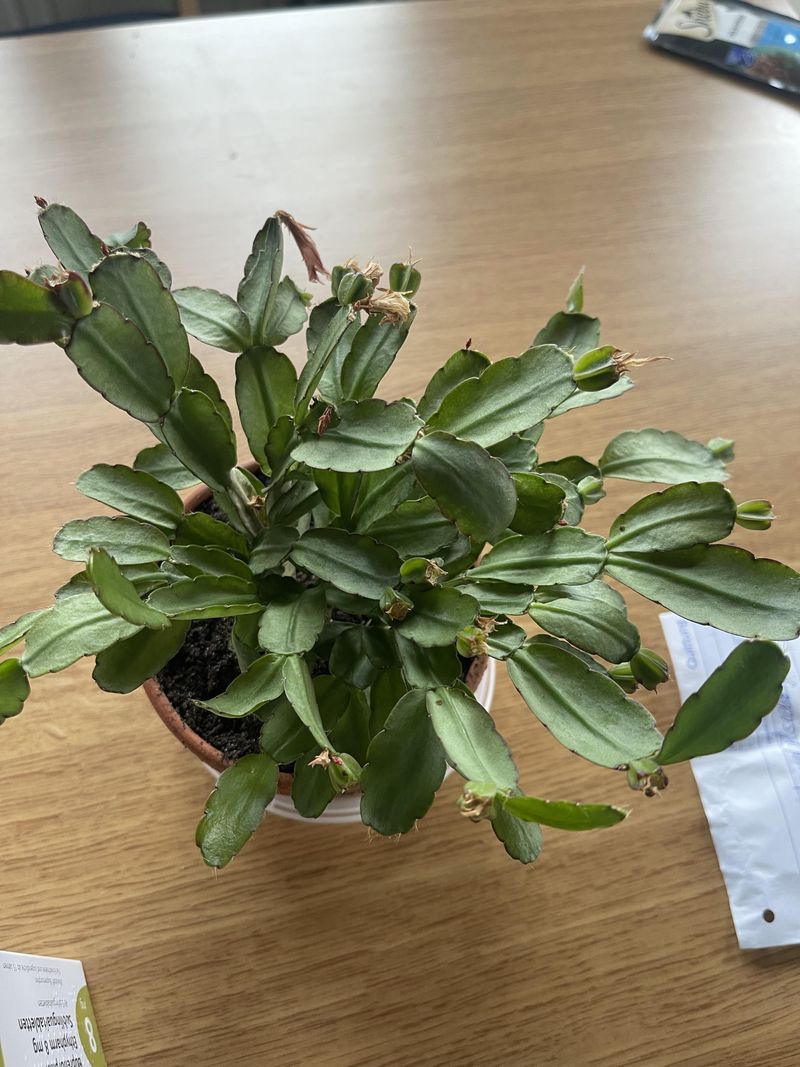
Once your Easter Cactus finishes its spectacular spring display, it is tempting to keep caring for it the exact same way and expect it to keep looking lush and full. But this plant follows a natural rhythm, and after blooming it genuinely benefits from a short period of reduced activity.
Think of it as a well-earned rest after a big performance. During this post-bloom phase, which typically runs from late spring into early summer, you should reduce watering slightly without letting the soil go completely dry.
The plant is not in crisis, it is simply shifting gears from reproductive mode into a quieter period of maintenance and recovery. Cutting back on watering by about a third is usually enough to support this transition naturally.
Fertilizing should also pause during this rest window. The plant does not need extra nutrients while it is regrouping, and feeding it during this period can push growth in directions that do not serve the plant well heading into summer.
Patience here pays off in a bigger, healthier flush of growth once the rest period wraps up naturally.
After four to six weeks, you will notice fresh new stem growth beginning to appear at the tips of existing segments. That is your clear signal that the rest period is over and the plant is ready to be treated with more regular watering and monthly feeding again.
Following this rhythm every year keeps your Easter Cactus strong, healthy, and reliably beautiful season after season.
10. Protect From Freezing Temperatures Even Indoors
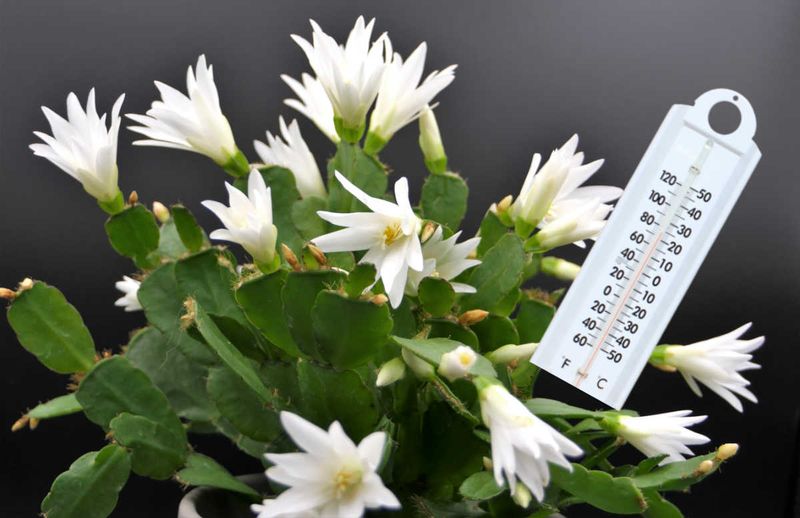
North Carolina is not known for brutal winters, but the state does experience cold snaps that can push temperatures well below freezing, sometimes for several days in a row.
Those events can create dangerously cold conditions right at your windowsill, even if the rest of your home feels perfectly warm and comfortable throughout the house.
Easter Cactus is not frost tolerant at all. Temperatures below 40 degrees Fahrenheit can damage the stems and root system, causing the plant to look deflated, discolored, or worse.
A windowsill that feels fine during the day can drop to harmful temperatures overnight when an arctic blast rolls through the Piedmont or mountain regions of North Carolina unexpectedly.
The simplest protection strategy is to move the plant away from exterior windows during any forecasted cold snap. Placing it on an interior shelf or table, even just a few feet from the glass, keeps it safely away from the cold zone that forms near single-pane or older windows.
Checking the weather forecast regularly during December through February helps you stay ahead of any sudden temperature drops.
Avoid wrapping the pot in plastic to trap warmth, as that can trap moisture and create problems of its own. Instead, simply relocating the plant is the cleanest and most effective solution.
Easter Cactus is a tough and resilient plant in the right conditions, and keeping it away from freezing temperatures indoors is one of the simplest ways to ensure it thrives year after year in your North Carolina home.