This Is Why Ohio Is So Great For Growing Vegetables At Home
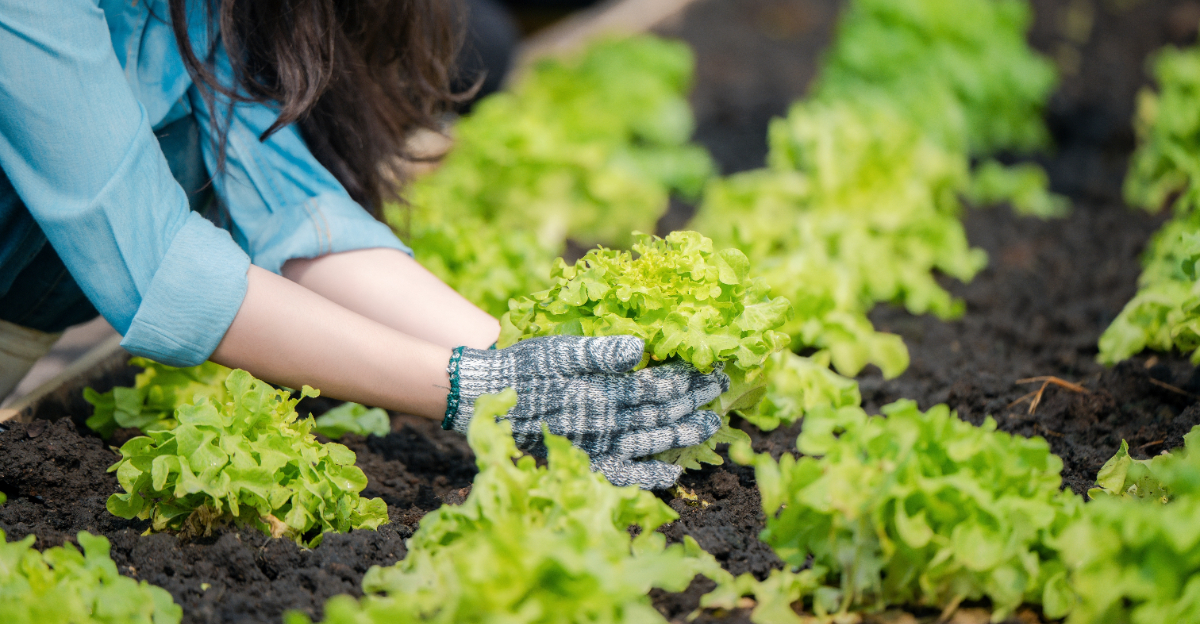
There’s something about walking out to your backyard in Ohio and seeing rows of tomatoes, peppers, and green beans doing exactly what they’re supposed to do. Maybe you remember helping a parent or grandparent in the garden, or maybe you started your own beds after realizing grocery prices were not getting any friendlier.
Either way, growing vegetables here just feels right.
Part of that success comes down to how Ohio is built for gardening. Many areas have naturally productive soil, rainfall that usually cooperates, and a growing season that gives both cool-weather crops and summer favorites their moment.
You do not need fancy equipment or a huge property. A modest backyard plot can produce more than most people expect.
Still, a few specific advantages make Ohio stand out even more, and once you spot them, you may start looking at your garden space with fresh eyes and bigger plans for what to plant next.
1. A Growing Season That Just Makes Sense
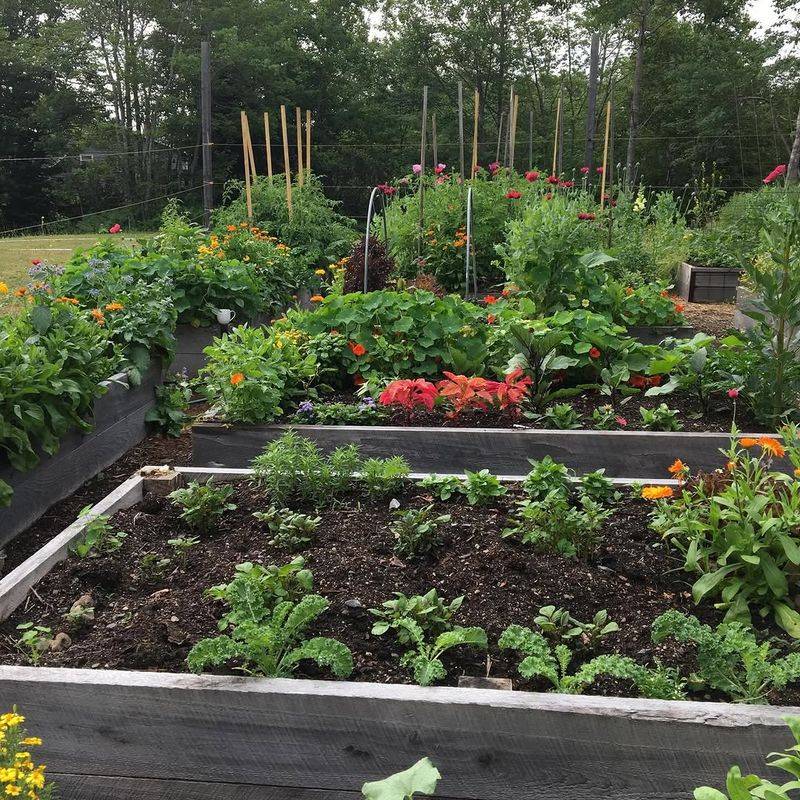
Across much of Ohio, gardeners can expect roughly 140 to 180 frost-free days depending on location, which creates a workable window for many common vegetables. In northern counties, the season may be closer to the shorter end of that range, while southern areas often enjoy a longer stretch between the final spring frost and the first fall freeze.
That timing generally allows warm-season crops like tomatoes, peppers, squash, and cucumbers enough time to mature without feeling rushed.
This growing window also supports cool-season vegetables that prefer milder conditions. Lettuce, radishes, and peas can be planted early, harvested, and sometimes followed by a second planting later in the season.
Meanwhile, tomatoes and peppers develop steadily through summer, often continuing production into early fall if frost holds off.
Weather patterns in Ohio do shift from year to year, and late frosts or summer heat spells are possible. Paying attention to local forecasts and soil temperatures helps reduce risk when transplanting tender crops.
Compared to regions with very short seasons or extended extreme heat, Ohio’s moderate window gives gardeners flexibility. With planning and awareness of regional frost dates, vegetables have time to complete their growth cycle while still allowing room for succession planting and fall harvests.
2. Naturally Fertile Soil That Does The Heavy Lifting
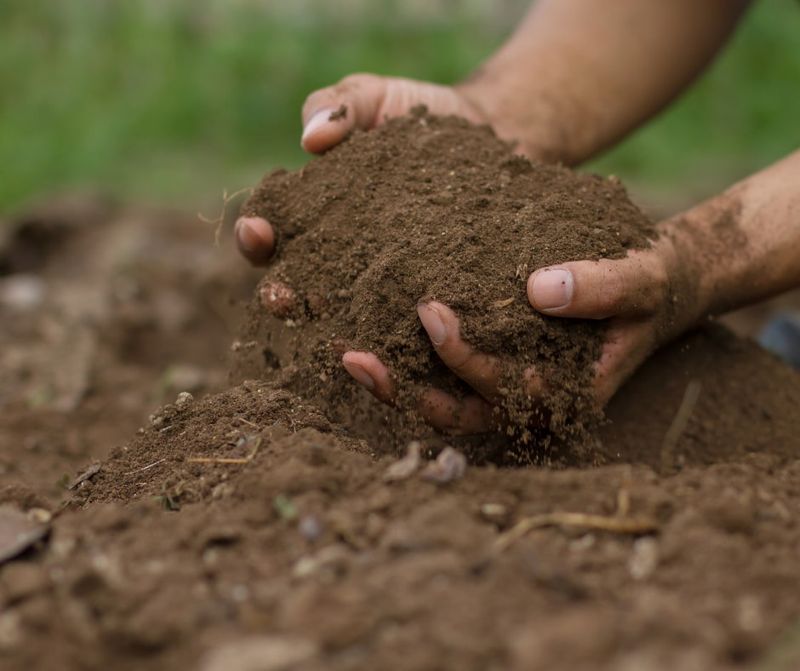
Glacial activity thousands of years ago shaped much of Ohio’s landscape, leaving behind soils that can be productive for agriculture and home gardening. That said, soil types vary widely across the state.
Some areas feature loamy soils that balance drainage and moisture retention well, while others contain heavier clay that may require improvement for optimal vegetable production.
Rather than assuming fertility, testing provides clarity. Ohio State University Extension recommends soil testing to determine nutrient levels and pH before planting.
In some regions, soil pH falls within a suitable range for vegetables, while other areas may need lime or adjustments to reach ideal growing conditions.
Organic matter plays an important role in soil health. Many Ohio soils benefit from regular additions of compost, shredded leaves, or aged manure to improve structure and nutrient availability. Even clay-heavy soils can become easier to manage over time with consistent organic amendments.
Your Ohio Garden Changes Every Week. Your Plan Should Too.
Gardening in Ohio changes quickly throughout the season. Every Friday you’ll receive a simple weekly plan showing exactly what to plant, prune, fertilize, harvest, and protect so you never miss the right timing.
Regional differences matter. Western counties often have well-drained soils, while parts of central and northeastern Ohio may require more attention to drainage. Understanding your specific soil profile allows for targeted improvements rather than guesswork.
When properly managed, Ohio soils can support productive vegetable gardens. The foundation is often workable, but ongoing care, organic matter additions, and periodic testing help ensure steady yields and healthy plant development.
3. Rainfall That Keeps Gardens Happy
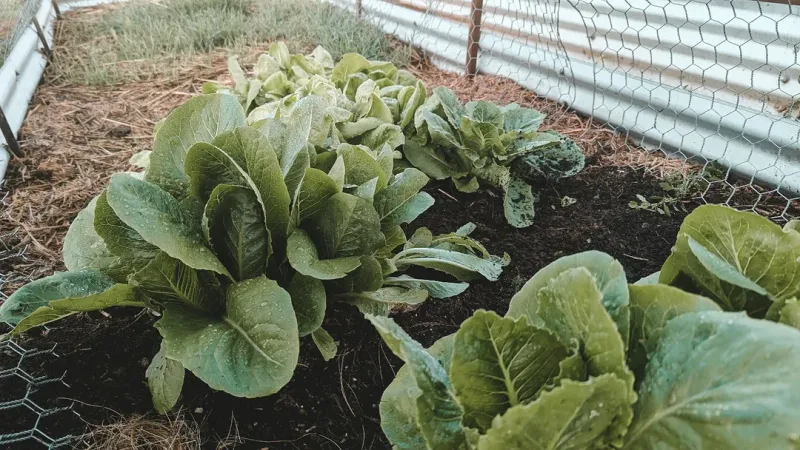
Ohio receives an average of roughly 36 to 42 inches of precipitation annually, though totals and timing can vary from year to year. Spring often brings steady rainfall that supports seed germination and transplant establishment.
Summer months may include periods of regular showers along with occasional dry stretches that require supplemental watering. Rainfall distribution is not perfectly even. Some seasons bring heavier early rains followed by drier conditions later in the summer.
Gardeners benefit from monitoring soil moisture and adjusting irrigation rather than relying entirely on natural rainfall.
Consistent moisture is important during flowering and fruit development. Tomatoes, peppers, squash, and beans perform best when soil stays evenly moist but not saturated.
Mulching helps retain moisture during dry spells and reduces evaporation in warmer months.
Severe weather does occur in Ohio. Thunderstorms may include strong winds or hail, and heavy rainfall events can lead to temporary waterlogging. Raised beds, good drainage, and proper spacing reduce the impact of these challenges.
Compared to arid regions where irrigation is constant, Ohio’s rainfall often provides a helpful base level of moisture. With occasional supplemental watering and thoughtful soil management, gardeners can maintain steady plant growth throughout much of the season.
4. Cool Springs And Warm Summers Vegetables Love
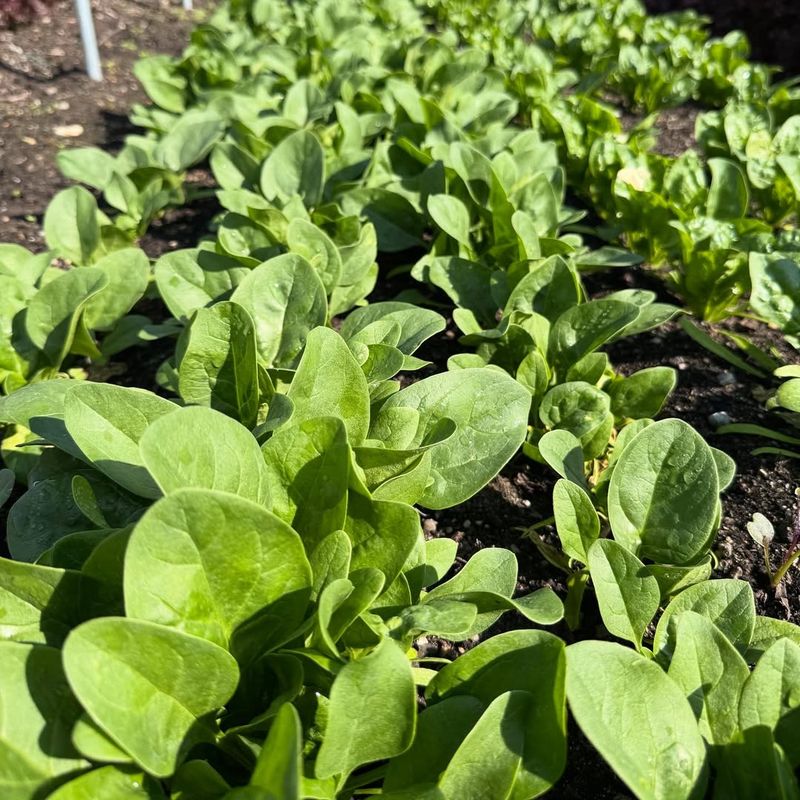
Spring arrives gradually in Ohio rather than flipping like a switch, which gives cold-hardy vegetables the perfect conditions to grow strong before heat arrives. March and April bring slowly warming soil temperatures that let you plant peas, lettuce, spinach, and other cool-season crops that establish themselves while enjoying temperatures in the 50s and 60s.
These vegetables actually prefer cooler weather and will give you harvests before summer heat becomes intense.
Then summer settles in with temperatures that typically range from the upper 70s to mid-80s, warm enough to make heat-loving vegetables like tomatoes, peppers, eggplants, and cucumbers extremely productive but not so scorching that plants shut down or require constant intervention to survive. Ohio summers provide that steady warmth that keeps vegetables actively growing and producing throughout July and August.
Unlike southern states where temperatures regularly push into the 90s and beyond, causing many vegetables to stop setting fruit, Ohio’s more moderate summer heat keeps production going strong.
Evening temperatures in Ohio during summer also cool down nicely, which vegetables appreciate more than many gardeners realize. Those cooler nights give plants a chance to recover from daytime photosynthesis and redirect energy into fruit development and root growth.
The temperature swings between day and night aren’t so dramatic that they stress plants, but they’re enough to keep vegetables healthy and productive. This natural rhythm of warm days and comfortable nights creates ideal conditions for vegetables to thrive without the constant battle against extreme heat that gardeners in hotter climates face throughout their growing season.
5. Fall Planting Windows That Stretch The Harvest
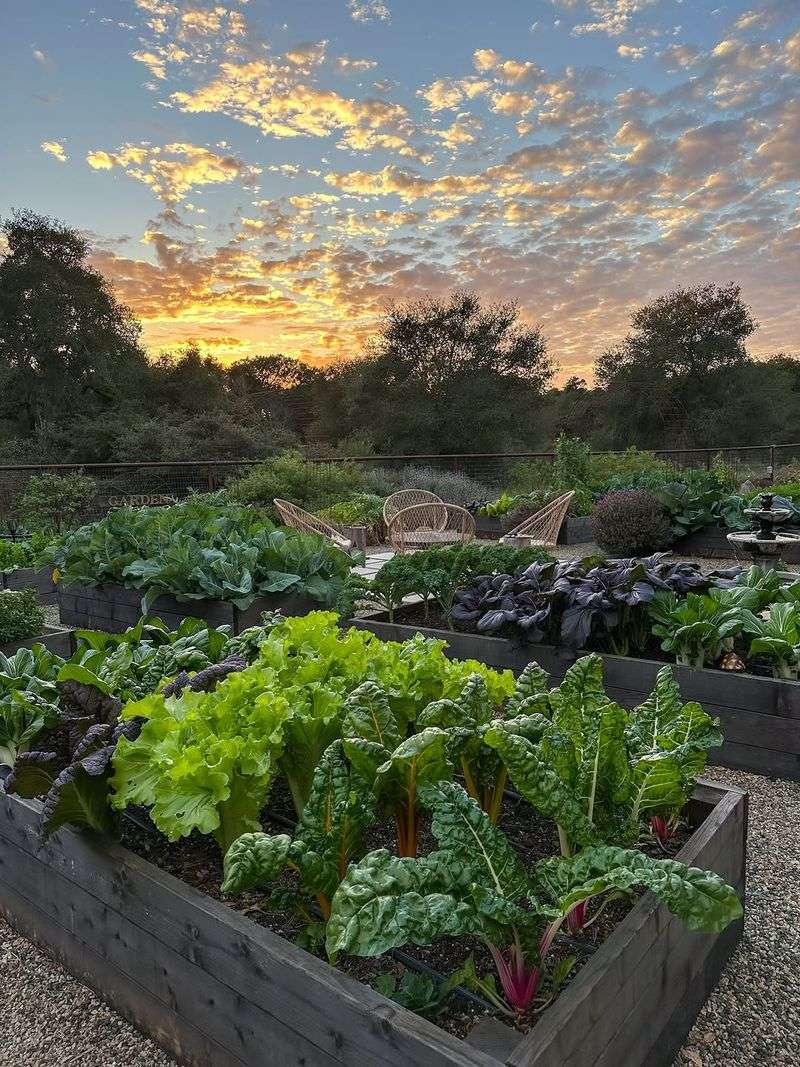
Ohio’s fall season opens up opportunities that many beginning gardeners completely miss, allowing you to extend your harvest well into October and sometimes November with the right crop choices. Late July and early August become prime planting times for a second round of cool-season vegetables that will mature as temperatures drop and other gardens are winding down.
This fall window is one of Ohio’s best-kept gardening secrets, turning what could be empty garden beds into productive space that feeds your family fresh vegetables when grocery store prices start climbing.
Crops like broccoli, cauliflower, Brussels sprouts, and cabbage actually taste better when they mature in cool fall weather, developing sweeter flavors as light frosts touch their leaves. Planting these vegetables in mid to late summer gives them time to size up during warm weather, then they finish maturing as September and October bring cooler temperatures.
Many Ohio gardeners find their fall brassicas outperform their spring plantings because these vegetables aren’t racing against rising heat.
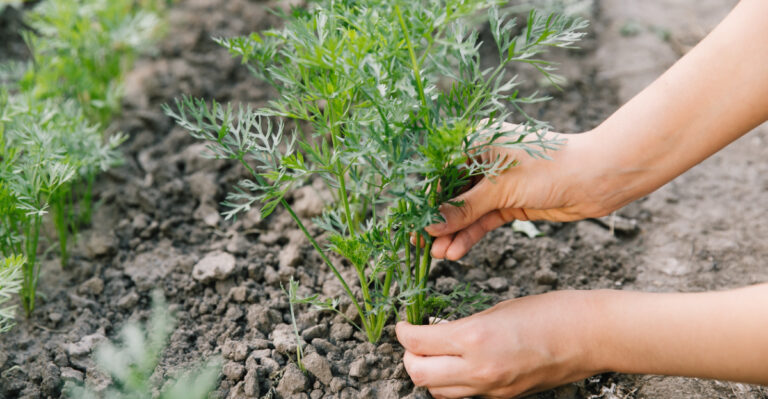
Root vegetables like carrots, beets, and turnips also excel in Ohio’s fall conditions, growing steadily through September and often lasting in the ground well into November if you mulch them properly. Leafy greens including lettuce, spinach, kale, and Swiss chard can be planted in late August for fall harvests that continue until hard freezes arrive.
The predictable cooling pattern across Ohio means you can time these plantings with confidence, knowing that September will bring relief from summer heat without sudden hard freezes that end everything overnight.
6. Fewer Extreme Weather Swings Than You’d Expect
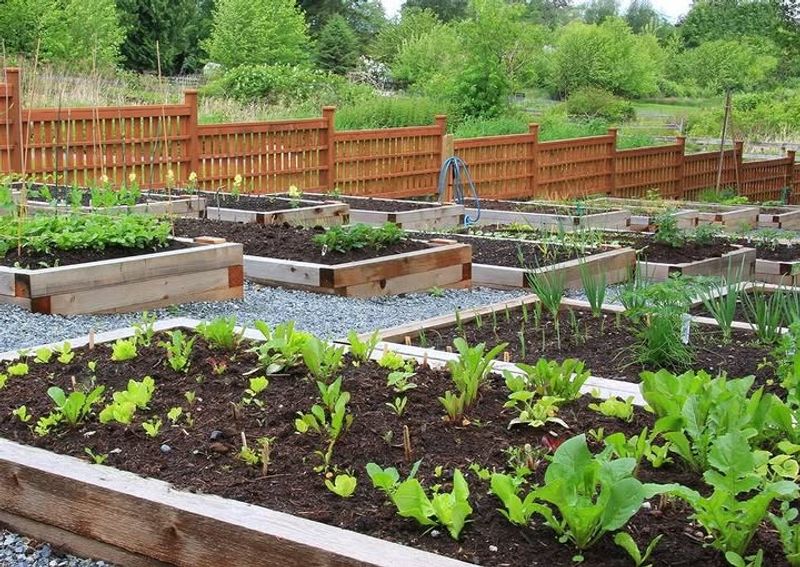
Seasonal changes in Ohio are noticeable, but vegetables can often adapt when gardeners plan accordingly. Spring can bring fluctuating temperatures, including late frosts, which makes monitoring local forecasts important before transplanting warm-season crops.
Protective row covers or delayed planting dates reduce risk.
Summer temperatures typically range from the upper 70s into the 80s, with occasional periods of higher heat. While brief heat waves may slow production temporarily, many common vegetables continue producing once temperatures moderate.
Ohio does experience severe storms, including thunderstorms and occasional tornadoes. These events are part of the regional climate, though they do not occur daily or throughout the entire season.
Staking plants, securing trellises, and maintaining good drainage can reduce storm-related damage.
Unlike regions that endure prolonged drought or extended triple-digit heat, Ohio’s climate often provides intervals of relief between extreme conditions. Even during warmer stretches, nighttime temperatures usually drop enough to give plants some recovery time.
Weather variability is part of gardening anywhere. In Ohio, the combination of moderate summer warmth, measurable rainfall, and defined seasonal transitions offers workable conditions for many vegetables when gardeners stay attentive and flexible.
7. Cool-Season Crops That Truly Thrive Here
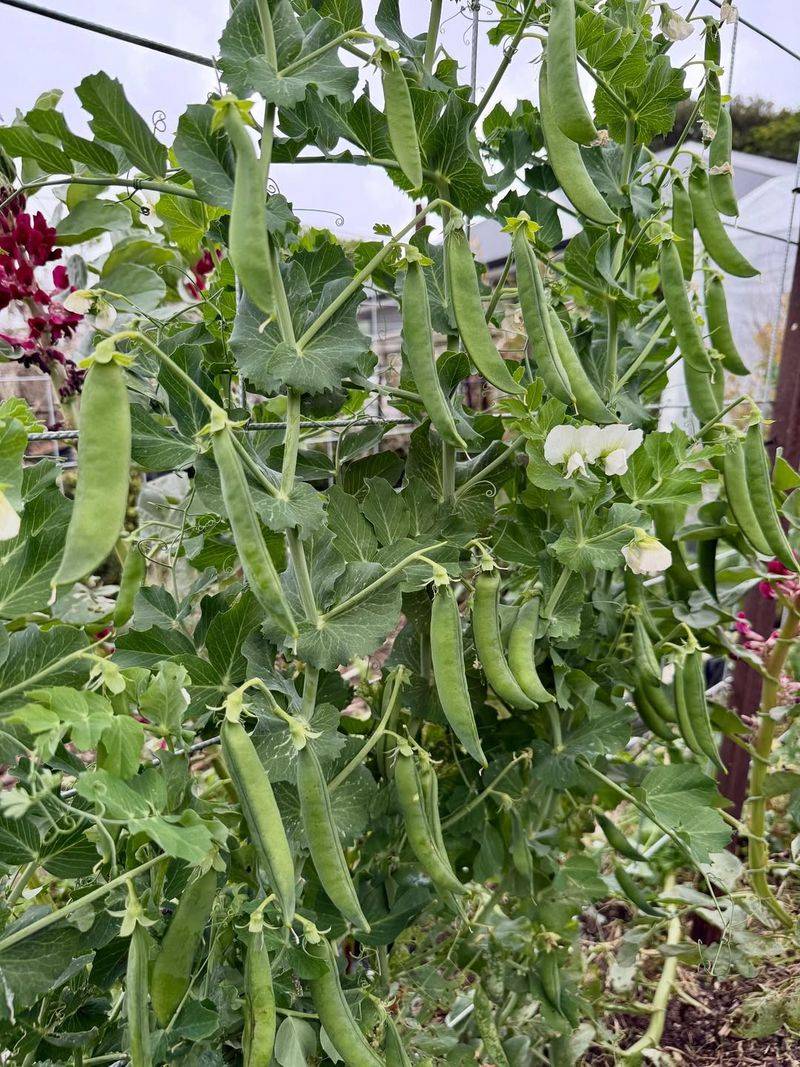
Vegetables that prefer cooler temperatures absolutely love Ohio’s climate, performing better here than in regions where heat arrives too quickly or never really backs off enough for these crops to excel. Lettuce, spinach, arugula, and other salad greens grow beautifully in Ohio during both spring and fall, giving you two distinct seasons when these nutritious vegetables produce abundantly.
Many gardeners in warmer states struggle to grow decent lettuce at all because their weather moves too quickly from cold to hot without that sweet spot in between.
Peas are another cool-season crop that Ohio gardeners can count on for reliable production each spring. Plant them as soon as the soil can be worked in March or early April, and you’ll harvest sweet, crisp pods by late May or June before heat shuts them down.
The gradual warming that Ohio experiences gives peas plenty of time to climb, flower, and produce without racing against rising temperatures that cause these plants to finish too quickly or struggle to set pods at all.
Brassicas including broccoli, cauliflower, cabbage, and kale reach their full potential in Ohio’s climate, especially when planted for fall harvest. These vegetables need time to develop but prefer cooler temperatures for the final stages of growth and heading up.
Ohio’s reliable fall cooling pattern gives them exactly what they need, while the growing season is long enough that you can start them in summer and still harvest mature heads before winter truly arrives. Even Brussels sprouts, which need an extended growing season and cool weather to develop properly, work well in Ohio when you time plantings correctly.
8. Backyard Gardens That Produce Like Crazy
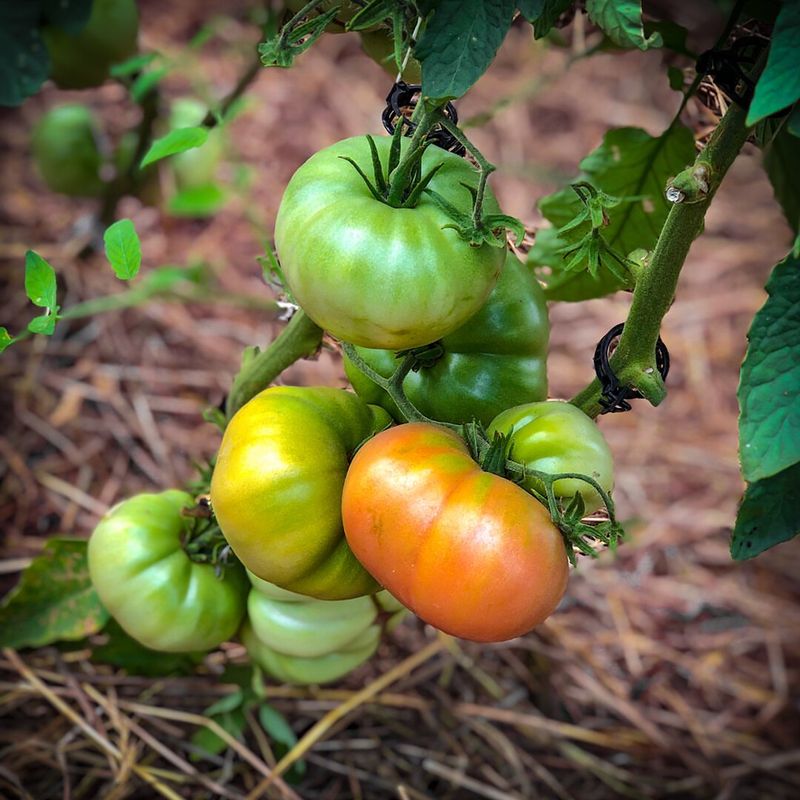
When all of Ohio’s natural advantages come together in a well-planned backyard garden, the productivity can honestly surprise even experienced gardeners who’ve moved here from other states. The combination of good soil, adequate rainfall, a sensible growing season, and moderate temperatures creates conditions where vegetables don’t just survive but actually thrive and produce abundantly.
Many Ohio gardeners find themselves with more tomatoes, peppers, and squash than their families can possibly eat, leading to happy neighbors and full freezers.
The key to maximizing what Ohio offers is understanding how to work with the climate rather than against it. Starting seeds indoors in March gives you strong transplants ready to go into the ground when conditions are right in May.
Succession planting keeps your harvest coming rather than getting everything at once, and taking advantage of that fall planting window means your garden stays productive long after summer gardens in other regions have finished.
Small-space gardeners in Ohio also benefit from these favorable conditions, finding that even modest raised beds or container gardens can produce impressive amounts of food when vegetables have the right growing conditions. A few well-tended tomato plants in Ohio’s climate can easily provide enough fruit for fresh eating plus extras for canning or freezing.
Pepper plants become productive bushes that keep giving until frost arrives, and squash plants sprawl happily across garden beds producing more zucchini and summer squash than seems physically possible. Ohio’s natural gardening advantages mean your backyard can become a genuine food source rather than just a hobby, producing vegetables that taste better and cost less than anything you’ll find at the grocery store.