8 Herbs You Plant Once And Enjoy For Years In Oregon Gardens
There’s a certain satisfaction in planting something once and watching it come back year after year. No rethinking the layout, no constant replanting, just stepping outside in spring and seeing green shoots already doing their thing.
For a lot of us, that kind of reliability feels better than chasing the latest garden trend.
Perennial herbs fit beautifully into everyday routines. Snipping fresh chives for scrambled eggs, adding thyme to a weeknight roast, or grabbing a handful of mint for iced tea becomes second nature when the plants are always there.
In a climate like Oregon’s, several herbs settle in and keep returning with very little fuss.
Some of these may already be in your garden, quietly doing their job. Others might surprise you with how easily they stick around, and once you see which ones truly earn their spot, you may start looking at that empty corner of your bed a little differently.
1. Chives That Pop Back Up Every Spring
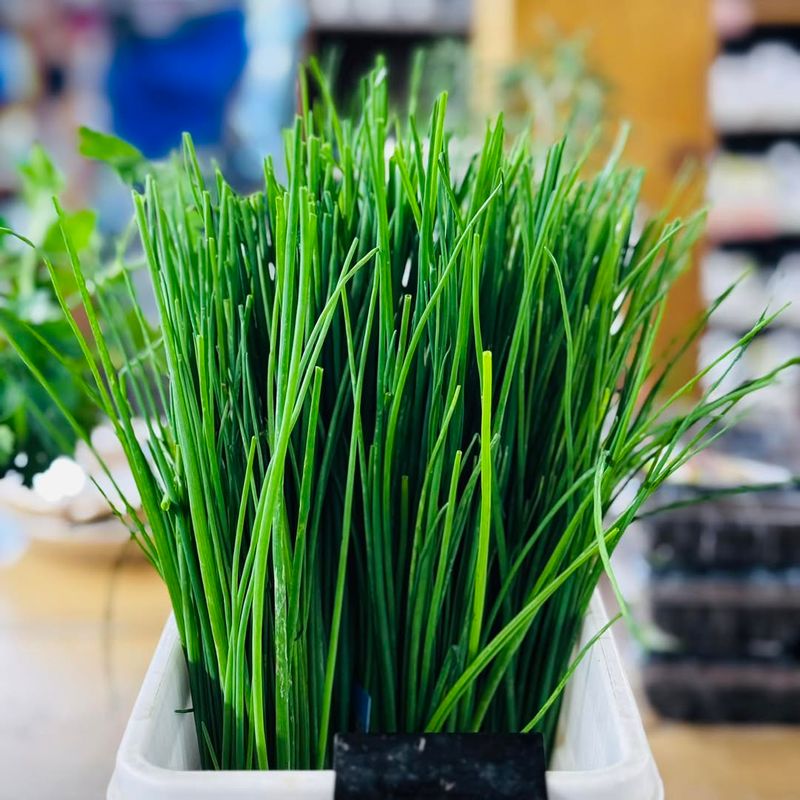
In many Oregon gardens, slender green shoots are among the first signs that the growing season is waking up. Chives offer both beauty and flavor, sending up cheerful purple blooms not long after their leaves appear.
As members of the onion family, they return reliably each spring, often before many other plants break winter dormancy. Their mild onion taste adds brightness to salads, baked potatoes, cream cheese, and countless other dishes without overwhelming other flavors.
Oregon’s climate works well for chives because they tolerate moisture and short dry spells once established. Plant them in a sunny spot with decent drainage, and they will provide steady growth throughout the season.
Harvesting is simple, just snip the leaves with scissors about two inches above soil level to encourage fresh growth. The purple flowers that show up in late spring are edible and draw pollinators to the garden.
Many gardeners place chives along pathway edges or in containers near kitchen doors for easy access. Over time, they spread gradually through underground bulbs, forming fuller clumps without becoming invasive.
Dividing those clumps every three to four years keeps plants vigorous and provides extras to share or replant elsewhere. They handle Oregon’s wet winters well and usually return after cold snaps.
Chives fit easily into mixed plantings, adding steady culinary value without taking up much space.
2. Oregano That Spreads And Stays Strong
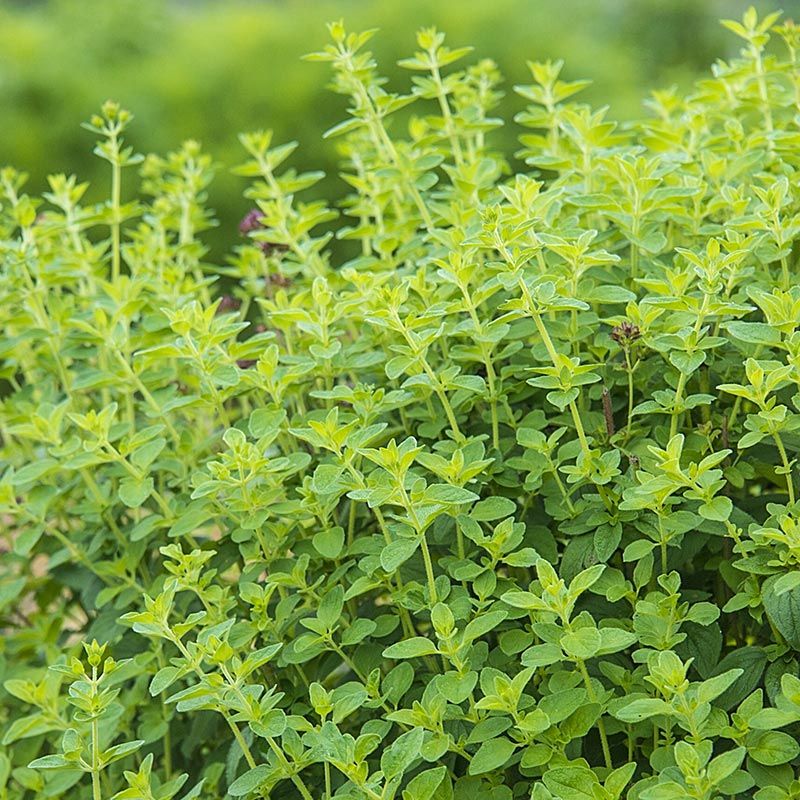
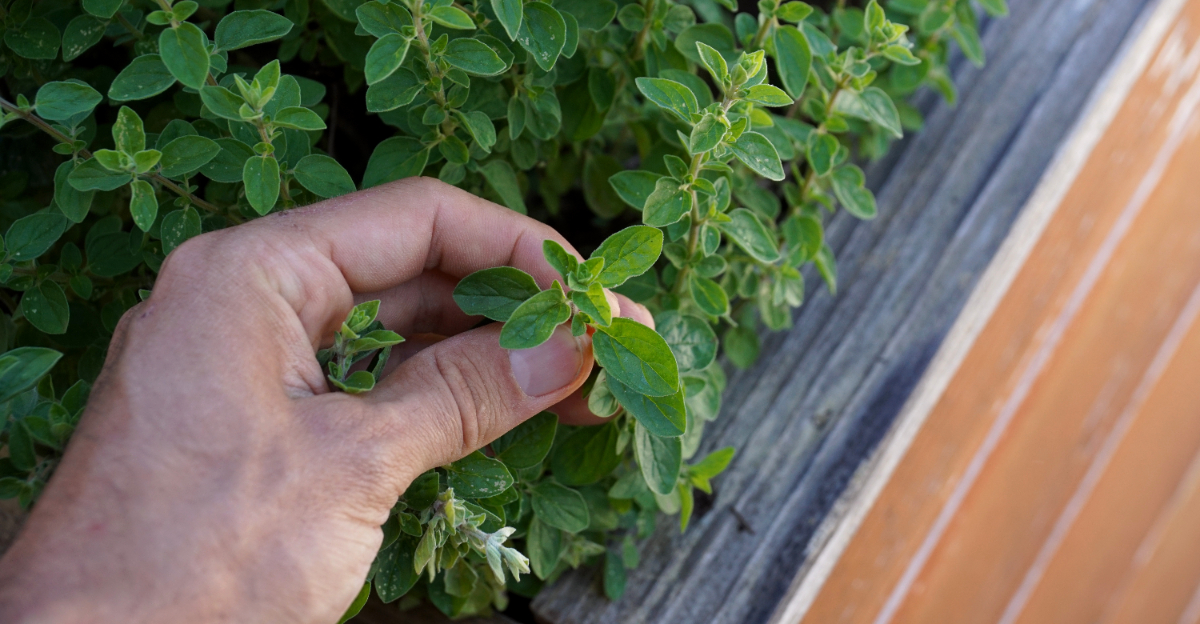
Few herbs deliver as much flavor per leaf as oregano, which performs well in many Oregon gardens. This Mediterranean native adapts to the Pacific Northwest climate, forming dense mats of aromatic foliage that intensify in flavor as summer progresses.
The leaves contain concentrated oils that make pizza, pasta sauce, grilled meats, and Greek dishes shine.
Once established, oregano requires minimal attention. It prefers full sun and well-drained soil but tolerates partial shade and different soil types throughout the state.
The plant spreads outward rather than upward, creating a fragrant groundcover that releases aroma when brushed against.
Harvest oregano leaves anytime during the growing season, though flavor is strongest just before flowering in midsummer. You can dry bunches by hanging them upside down in a cool, dark place, preserving flavor for winter cooking.
Your Oregon Garden Changes Every Week. Your Plan Should Too.
Gardening in Oregon changes quickly throughout the season. Every Friday you’ll receive a simple weekly plan showing exactly what to plant, prune, fertilize, harvest, and protect so you never miss the right timing.
In Oregon gardens, oregano may remain evergreen in milder regions, though colder areas can experience some winter dieback. The plant produces small white or pink flowers that attract bees and other pollinators.
Every few years, dividing mature plants helps maintain vigor and allows you to expand your oregano patch to other sunny spots.
3. Mint That Comes Back With Energy
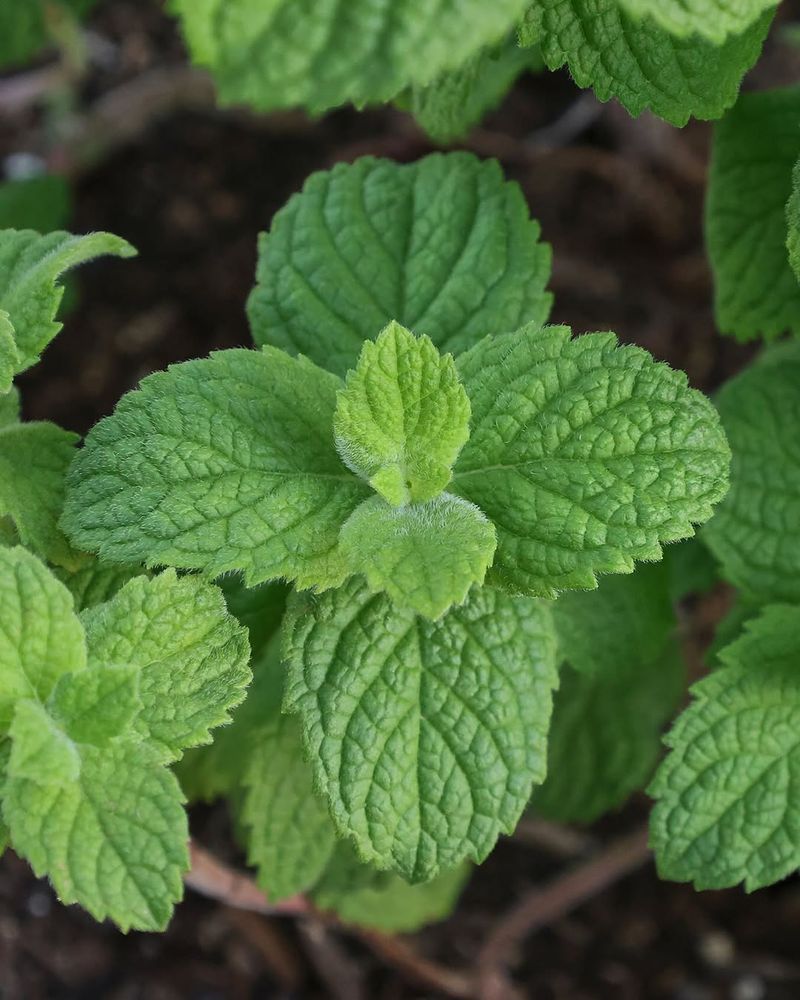
Give this plant a little room and it rarely stays little for long. Mint has a way of settling in and then stretching far past its original spot if no one steps in to guide it.
In Oregon gardens, it thrives in moist soil and moderate temperatures, producing generous leaves that shine in teas, desserts, and savory dishes. That cool, refreshing flavor keeps it in steady rotation in the kitchen all season long.
Spearmint and peppermint are among the most reliable varieties for home growers. Partial shade and consistent moisture encourage lush growth, though established plants adapt to a range of conditions.
Containment is the real task, since underground rhizomes travel quickly beneath the soil. Many gardeners rely on containers or root barriers to keep things manageable.
Regular harvesting promotes bushier plants and helps limit flowering, which can slightly alter taste. Leaves freeze well in water-filled trays for later use in drinks and recipes.
Mint typically dies back during winter and reappears in spring with renewed energy. While blooms attract pollinators, dependable leaf production remains its main value.
Careful placement ensures steady harvests without letting it crowd out neighboring herbs, vegetables, or ornamental plantings.
4. Sage That Loves Oregon’s Climate
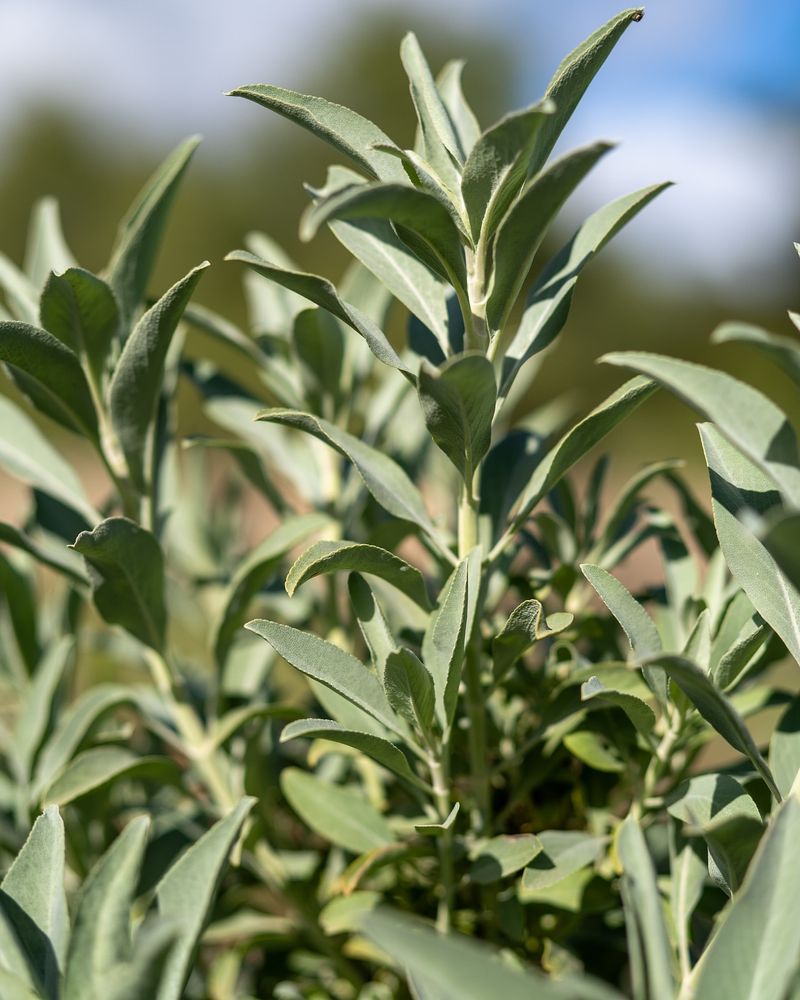
Ever notice how certain herbs seem to give a garden a sense of permanence? Sage brings Mediterranean charm to Oregon gardens with its soft, silvery leaves and woody growth habit.
This classic culinary herb gradually develops into a substantial shrub over several years, supplying generous harvests for stuffing, sausage, butter sauces, and roasted dishes. The velvety leaves have a slightly fuzzy texture and a strong flavor that becomes even more concentrated when dried.
Oregon’s climate can test sage during wet winters, but planting it in well-drained locations prevents most problems. Sunny spots with soil that does not stay soggy, such as slopes or raised beds, help water move away from the roots.
Once established, sage handles summer drought with ease and actually prefers drier conditions during warm months. Common garden sage is ideal for cooking, while purple sage and golden sage add color alongside their culinary value.
Flower spikes appear in late spring and draw hummingbirds and bees, with blooms ranging from purple to pink to white depending on the variety. Harvest by snipping stems instead of stripping individual leaves to encourage bushier growth and a tidy shape.
In many Oregon gardens, sage remains partially evergreen through winter, though foliage may look weathered by spring. After three to five years, plants can become woody and produce fewer tender leaves.
Many gardeners start new plants from cuttings or nursery stock at that stage, though established plants often continue for many more years with attentive care and occasional hard pruning.
5. Thyme That Handles Sun And Cool Nights
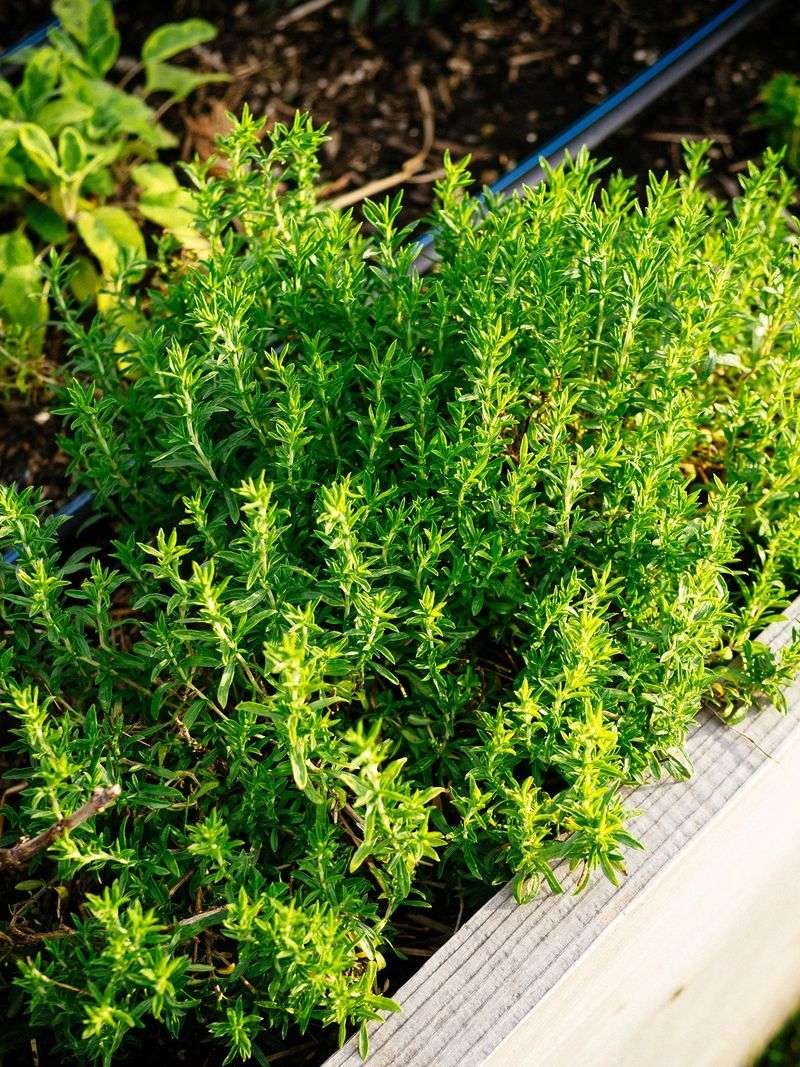
Brush your hand across this plant and the scent tells you everything. Thyme forms low carpets of tiny aromatic leaves that release fragrance when touched or stepped on.
Though it comes from Mediterranean roots, it adapts beautifully to Oregon gardens, thriving in sunny spots with good drainage and handling occasional summer dry spells. The delicate look hides a tough nature that manages cold winters and warm summers with surprising ease.
Dozens of varieties give gardeners options in flavor, growth habit, and appearance. Common thyme and lemon thyme are favorites for cooking, while creeping thyme works well between stepping stones.
Each type produces masses of tiny flowers in early summer that draw beneficial insects. Plant thyme along path edges, in rock gardens, or spilling over retaining walls where trailing stems can shine.
It prefers lean soil and develops stronger flavor when not overfertilized. In Oregon’s fertile ground, mixing in sand or gravel improves drainage and helps prevent root problems during rainy periods.
Harvest by cutting stems rather than plucking individual leaves. Strip the leaves before cooking or dry whole stems for later use.
Fresh thyme brightens roasted vegetables, soups, and meat dishes year-round. It stays evergreen in most areas, spreading gently without becoming invasive.
After a few years, centers may turn woody, but dividing plants or taking cuttings restores fresh, vigorous growth.
6. Tarragon That Brings Bold Flavor Year After Year
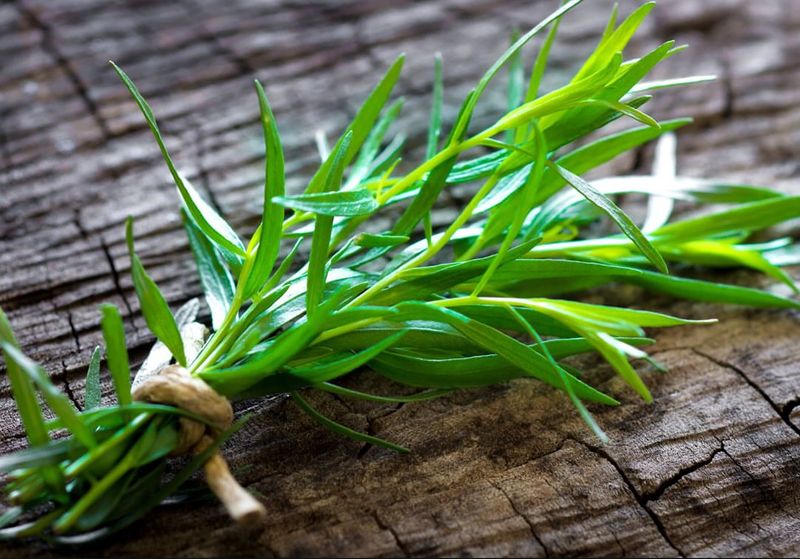
Not every perennial herb earns a permanent spot in the garden, but this one often does once you taste it fresh. French tarragon brings a refined anise-like flavor to Oregon gardens, though it asks for a bit more attention than some other long-lived herbs.
Narrow, dark green leaves grow along upright stems that can reach two to three feet tall by midsummer. The distinctive taste makes tarragon a staple in French cooking, especially in béarnaise sauce, chicken dishes, and vinegar infusions.
Growing true French tarragon in Oregon requires starting with nursery plants rather than seeds, since this variety rarely produces viable seed. Russian tarragon grows easily from seed but lacks the layered flavor that makes French tarragon so prized in kitchens, so choosing plants from reputable nurseries ensures authenticity.
Full sun and excellent drainage are essential to prevent winter root rot during Oregon’s wet season. Raised beds or amended soil with added sand help water move through quickly.
Once established, tarragon handles summer dryness and produces steadily through the season. Harvest leaves before flowering to preserve peak flavor, since dried leaves lose much of their strength.
Many gardeners freeze chopped leaves in oil or prepare tarragon vinegar to capture the fresh taste. In winter, plants go dormant and return later than many herbs in spring.
Dividing every three to four years keeps growth vigorous and prevents crowding, while the slow spring start ensures it never overwhelms neighboring plants.
7. Fennel That Reseeds And Returns Easily
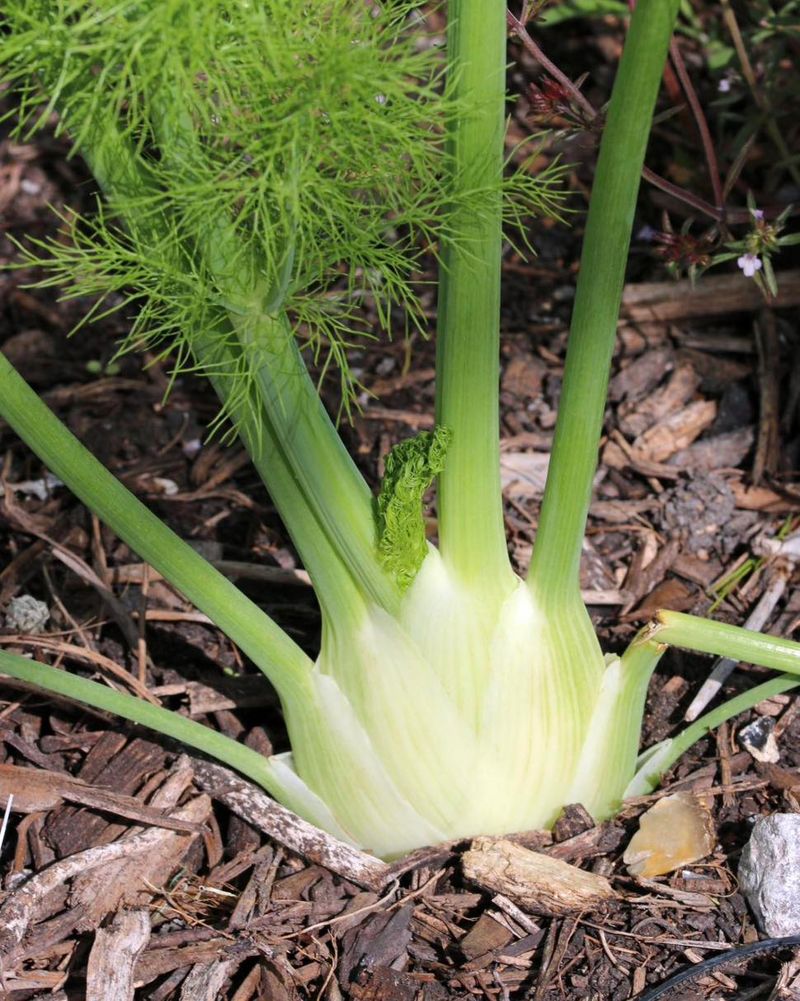
A tall, airy presence in the garden often draws the eye long before harvest time begins. Fennel adds height and texture to Oregon gardens while offering leaves and seeds with a sweet licorice flavor.
The feathery foliage looks similar to dill but carries a distinct anise aroma that pairs especially well with fish and roasted dishes. Bronze fennel introduces soft copper tones that blend beautifully with surrounding flowers and ornamental grasses.
In sunny locations with good drainage, fennel grows steadily and can become a standout feature by late summer. It tolerates moderate moisture yet may struggle in consistently soggy soil during wet winters.
Give it room to stretch, since mature plants can reach four to six feet tall. Herb fennel directs its energy into foliage and seed production rather than bulb formation.
Leaves can be harvested throughout the season for salads and garnishes. Yellow flower umbels appear in midsummer, attracting beneficial insects, including swallowtail butterfly caterpillars.
Allowing some flowers to mature into seeds provides a flavorful harvest for cooking and baking. Fennel often reseeds in favorable conditions, so remove unwanted seedlings early to prevent overcrowding.
Established plants may live several years, though in some Oregon regions fennel behaves more like a short-lived perennial or reseeding annual. Thoughtful placement is important, particularly near natural areas, because fennel can spread beyond intended garden beds and establish itself with surprising persistence.
8. Winter Savory That Stays Tough Through The Cold
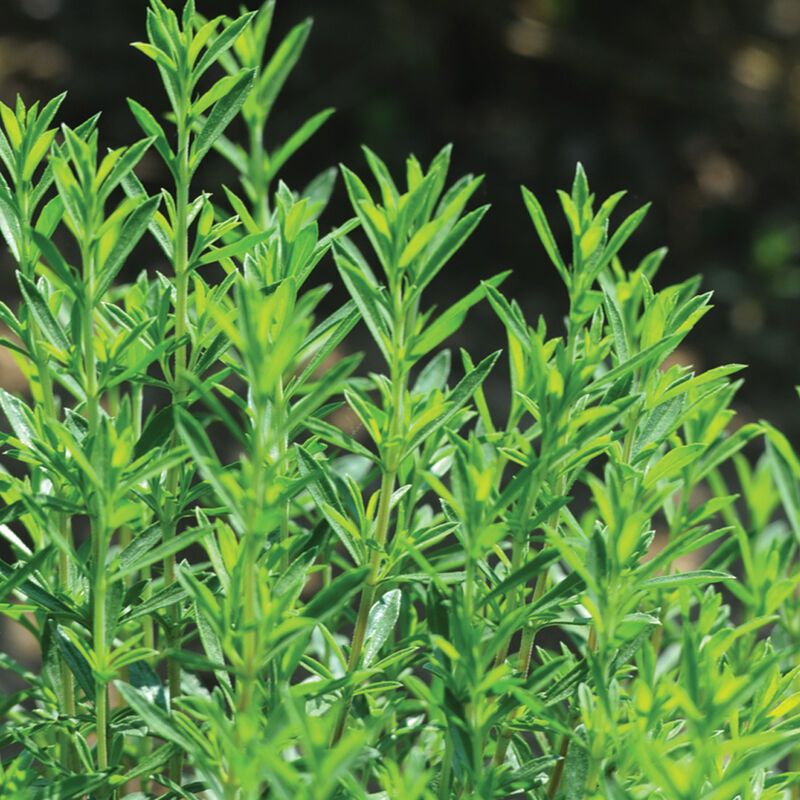
Winter savory deserves more attention in Oregon gardens as a dependable perennial herb with a peppery, slightly piney flavor. This compact plant forms tidy mounds of small, narrow leaves on woody stems that stay evergreen through most Oregon winters.
Its taste is similar to summer savory but deeper and more intense, holding up beautifully in long-cooked dishes. Traditional European cooking often pairs it with beans, earning it the nickname “the bean herb” because it was thought to ease digestive discomfort from legumes.
The flavor also works well with roasted meats, stuffing, vegetable soups, and hearty stews. Many Oregon cooks find it becomes a regular in cold-weather meals once they start using it.
Plant winter savory in full sun with well-drained soil, and it will slowly grow into a small shrub about twelve to eighteen inches tall. It tolerates poor soil and drought once established, making it helpful in tougher spots.
In Oregon gardens, it rarely needs extra water after the first season. Harvest sprigs year-round since the evergreen leaves remain available even in winter, and the flavor intensifies in colder weather.
Light pruning after flowering keeps plants compact and encourages fresh growth. Small white or pale pink flowers appear in summer and attract bees and other pollinators.
Winter savory has few pest or disease issues and can live for many years with little care. Its tidy shape makes it ideal for containers or low borders along paths where brushing past releases its aromatic oils.