11 Practical Tips For Growing A Thriving Herb Garden In California
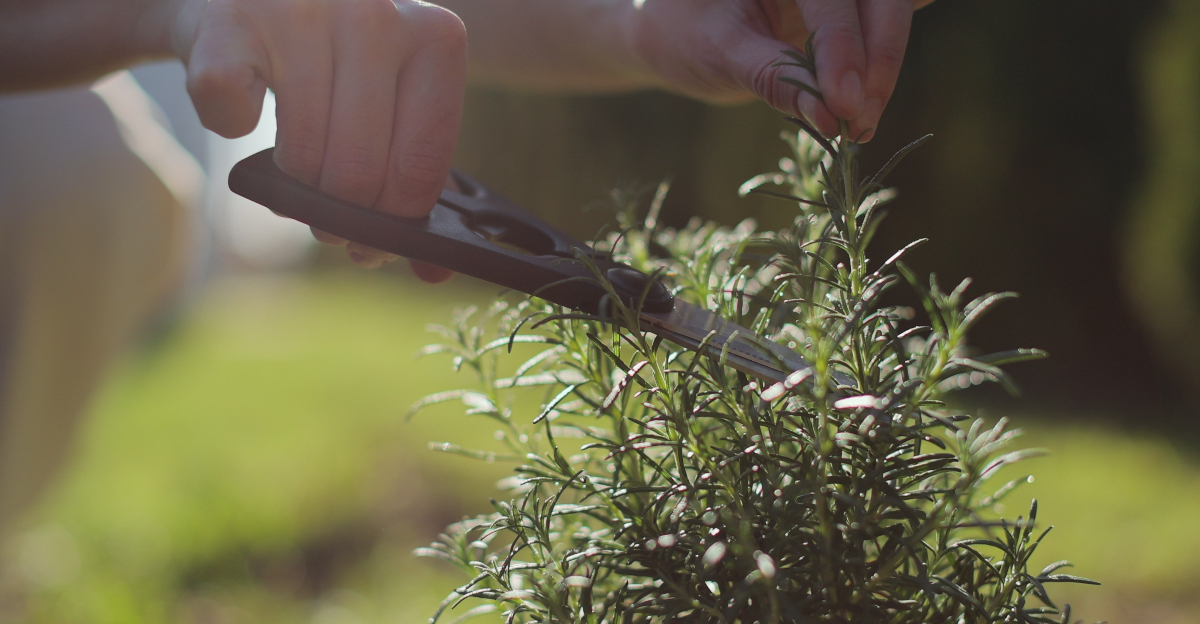
Growing your own herb garden might sound intimidating at first, but it truly does not have to be. Picture stepping outside before dinner and snipping fresh basil, rosemary, or thyme instead of searching the fridge for a tired store bundle.
Having those familiar flavors within reach adds a simple kind of pleasure to everyday meals.
Long growing seasons, generous sunshine, and generally mild winters create conditions that many herbs appreciate. With the right soil drainage and a thoughtful watering routine, herbs can settle in and keep producing for months.
Whether planted in the ground or in patio containers, they respond well to steady care and a little planning.
A few small shifts can completely change how your herbs perform, and once you spot what works, your garden may start rewarding you in ways that feel almost effortless.
1. Match Your Herbs To Your California Climate Zone
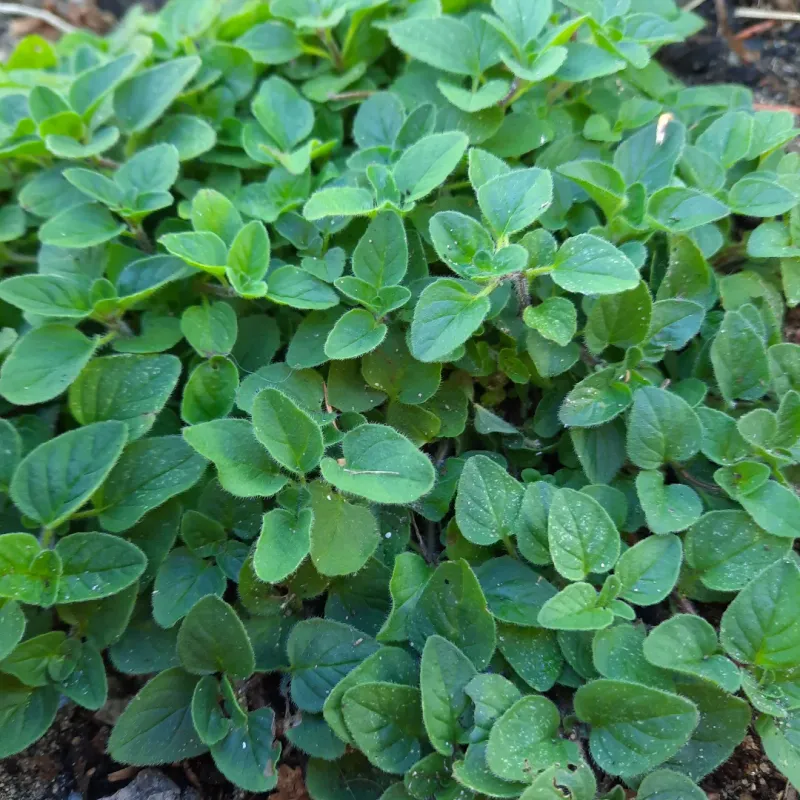
California covers a wide range of USDA hardiness zones, which means the herbs that flourish in one area might struggle just a hundred miles away. Coastal gardeners near places like San Francisco can often grow cool-season herbs like cilantro and parsley for long stretches of the year, while inland growers in hotter areas such as Fresno may see summer heat that favors basil and oregano.
Understanding your specific zone helps you choose herbs that are more likely to thrive without constant intervention.
Mediterranean herbs like rosemary, thyme, and lavender tend to do well in many parts of California because they evolved with bright sun and leaner, fast-draining soils. These plants often handle dry stretches and occasional cold snaps, which makes them dependable choices for beginners.
However, basil can need protection from cold in some northern or higher-elevation areas, while cool-season herbs like chervil may bolt quickly when heat arrives in warmer parts of the state.
Check your hardiness zone using your zip code, then look up which herbs suit your conditions and your planting season. Local nurseries often stock varieties that perform well nearby, so shopping locally can be a smart shortcut.
Many California gardeners build their herb garden around Mediterranean perennials, then rotate annual herbs seasonally to match temperature shifts and keep the kitchen stocked with fresh flavour.
2. Prioritize Excellent Drainage In Heavy Or Clay Soils
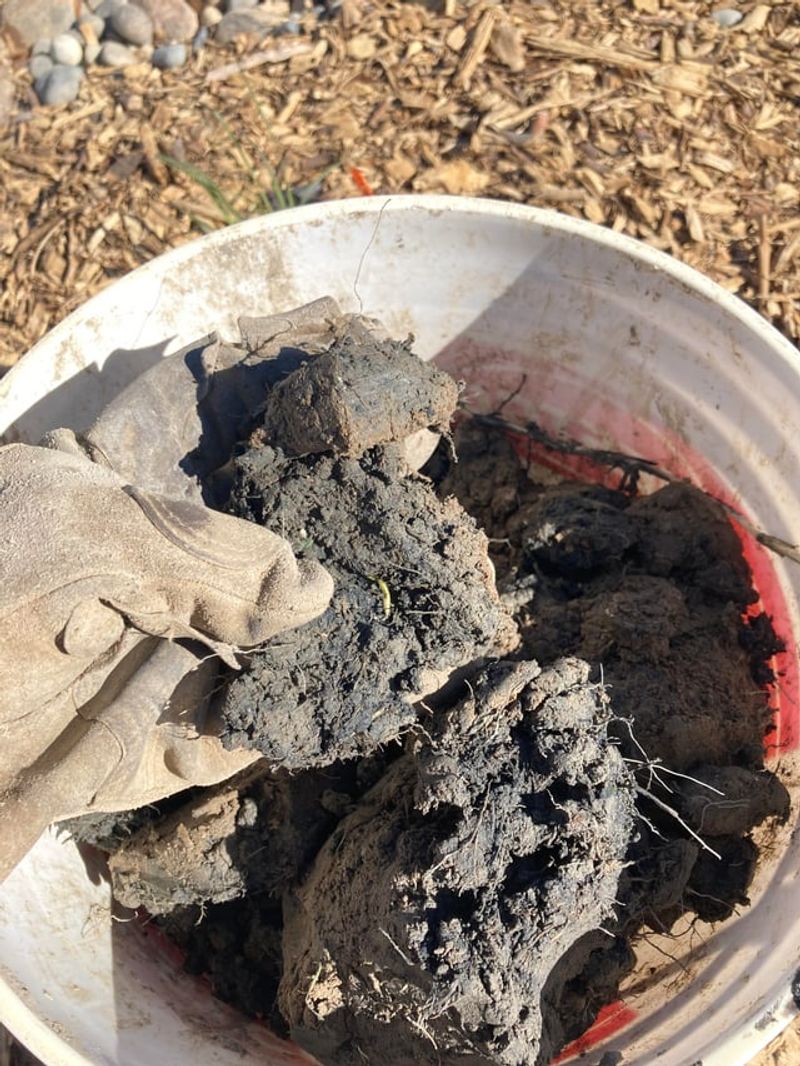
Clay soil dominates many California valleys and foothill areas, and it can be tough on herb roots that need oxygen and dislike sitting in water. When clay stays wet after irrigation or winter rains, roots can struggle and rot problems can show up quickly, especially for Mediterranean herbs that prefer fast drainage.
Improving clay soil usually works best with organic matter and structure-building materials rather than trying to “sand” your way out of the problem. Compost is one of the most reliable amendments for boosting aeration and soil health, and many gardeners also mix in materials like pumice or perlite to help create air space and improve drainage.
UC guidance cautions that adding sand to clay in small amounts can backfire unless it’s used in very large proportions.
Your California Garden Changes Every Week. Your Plan Should Too.
Gardening in California changes quickly throughout the season. Every Friday you’ll receive a simple weekly plan showing exactly what to plant, prune, fertilize, harvest, and protect so you never miss the right timing.
Some gardeners hear about gypsum for clay, but Extension guidance suggests it isn’t a universal fix for soil structure, and it’s more relevant in specific situations such as sodic soils.
Testing drainage is still a great move. UC IPM suggests saturating the soil first, then refilling the hole and checking how quickly it drains.
If water is still sitting in the hole after about 24 hours, drainage is likely too slow for many plants, and improving the site or switching to raised beds can save you a lot of frustration.
3. Use Raised Beds In Areas With Wet Winters
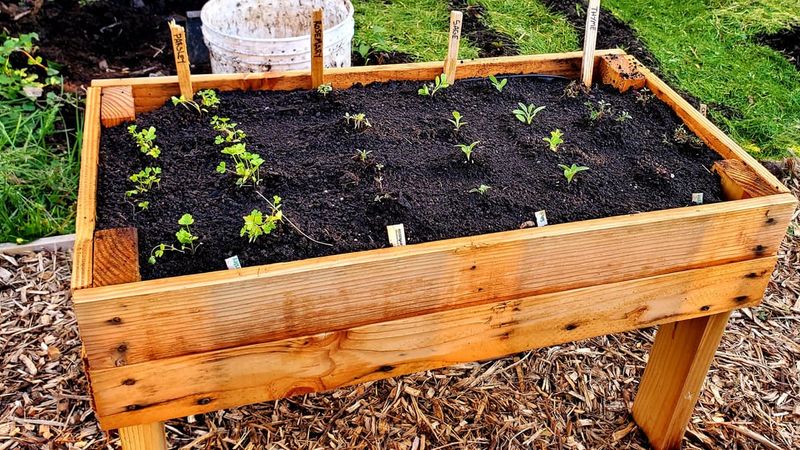
Northern California’s rainy season dumps substantial water on gardens between November and March, creating soggy conditions that many herbs simply cannot tolerate. Basil, oregano, and sage all struggle when their crowns sit in cold, wet soil for extended periods.
Raised beds lift root zones above problem areas and allow excess moisture to drain away naturally rather than pooling around plant stems.
Building beds eight to twelve inches high provides enough elevation to protect herbs during typical California winter rainfall. Use untreated wood, composite materials, or galvanized metal to frame your beds, then fill them with a custom soil mix that drains quickly.
Combining equal parts quality topsoil, compost, and perlite or pumice creates an ideal growing medium that holds enough moisture for plant needs while releasing excess water efficiently.
Position raised beds in spots that receive full winter sun to help soil dry out between storms. Avoid low-lying areas where water naturally accumulates or where runoff from slopes might flood your beds.
Many California gardeners also angle their beds slightly or install drainage holes in the sides to ensure water never becomes trapped inside. These simple construction choices prevent root problems that would otherwise limit your herb selection to only the most water-tolerant species during the rainy months.
4. Give Mediterranean Herbs Full Sun All Day
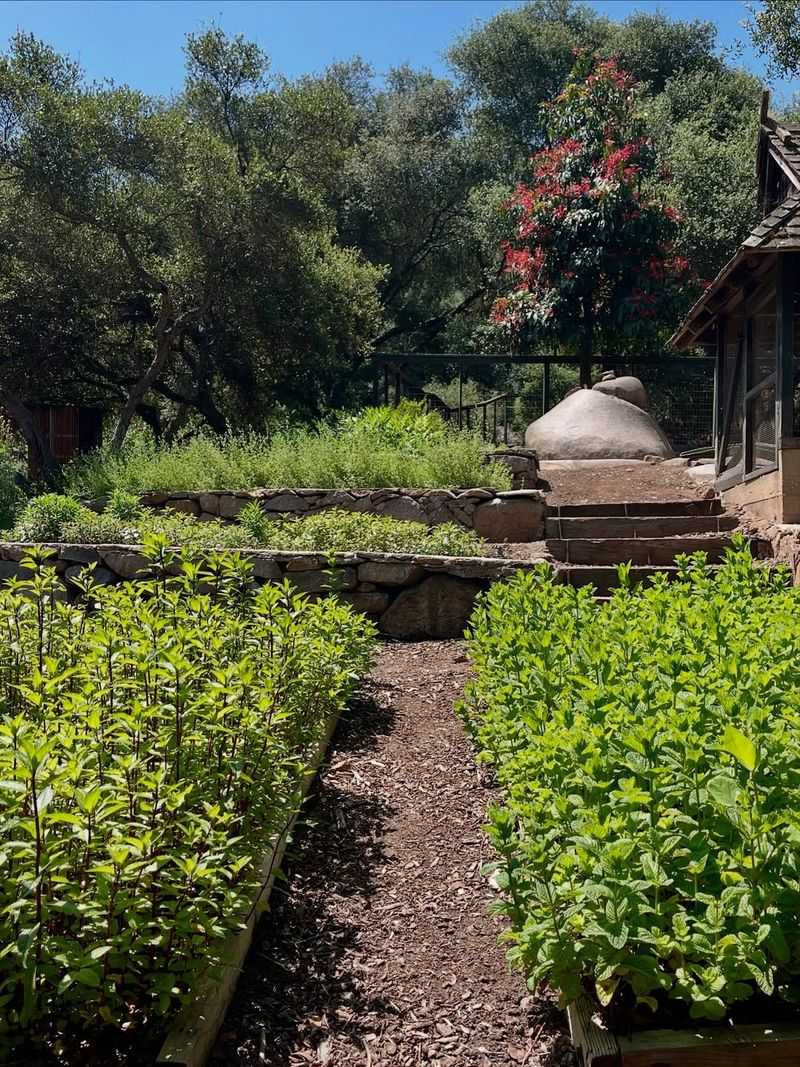
Rosemary, thyme, oregano, and lavender evolved under the intense Mediterranean sun and need at least six to eight hours of direct light daily to develop their strongest flavors and essential oils. Shade causes these plants to stretch toward light sources, creating weak, floppy growth with diminished aromatic qualities.
California’s abundant sunshine makes it perfect for growing these popular culinary herbs, but you must position them correctly in your garden layout.
South-facing locations receive the most consistent sun throughout the day and across seasons, making them ideal spots for Mediterranean herb plantings. Watch how shadows move across your yard during different times of year, since winter sun angles differ dramatically from summer patterns.
Trees, buildings, and fences cast shadows that shift seasonally, potentially blocking light when your herbs need it most for winter growth in mild California climates.
Insufficient sunlight shows up as pale leaves, elongated stems, and reduced oil production that makes herbs taste bland instead of pungent. If your only garden space receives partial shade, choose herbs like parsley, cilantro, or mint that tolerate less light.
For maximum Mediterranean herb success in California, resist the temptation to tuck these plants into pretty shaded corners and instead give them the brightest, hottest spots available in your landscape.
5. Protect Tender Herbs From Inland Summer Heat Waves
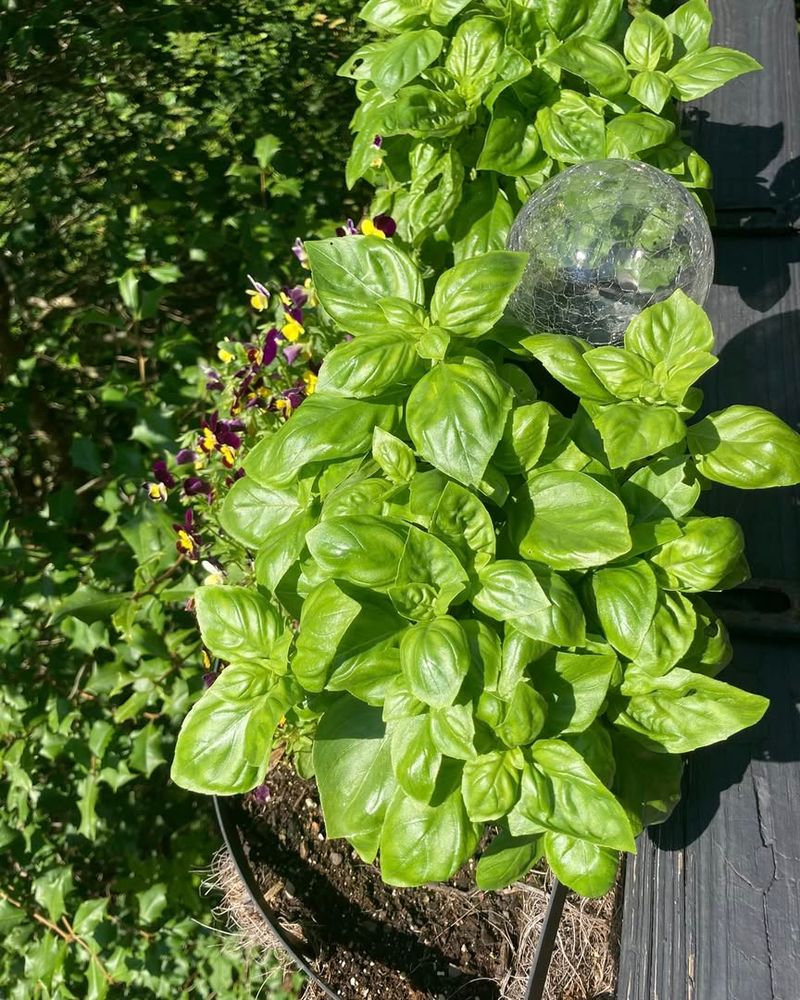
Inland California summers can bring stretches of intense heat, and that can stress herbs that prefer milder conditions. Basil may love warmth, but during prolonged hot spells its leaves can scorch, growth can slow, and plants may look tired unless watering and light exposure are managed carefully.
Research on basil shows growth can decline as temperatures move into the mid-90s range, though the exact response depends on the variety and conditions.
Cilantro, parsley, and chervil are even more sensitive to heat and may bolt quickly when temperatures climb, which shortens the harvest window.
Afternoon shade can help during the hottest part of the day while still allowing morning sun for photosynthesis. Position tender herbs on the east side of taller plants, trellises, or structures that block harsh western sun from mid-afternoon into early evening.
Shade cloth can also help in the hottest regions, especially when it is installed in a way that allows airflow. Many gardeners use moderate shade levels for tender herbs during peak heat, then remove it when temperatures ease.
Timing plantings makes a big difference. Heat-sensitive herbs like cilantro often perform best in fall, winter, and early spring in inland areas, while basil and oregano usually make more sense once the weather stabilises.
6. Improve Sandy Coastal Soil With Organic Matter
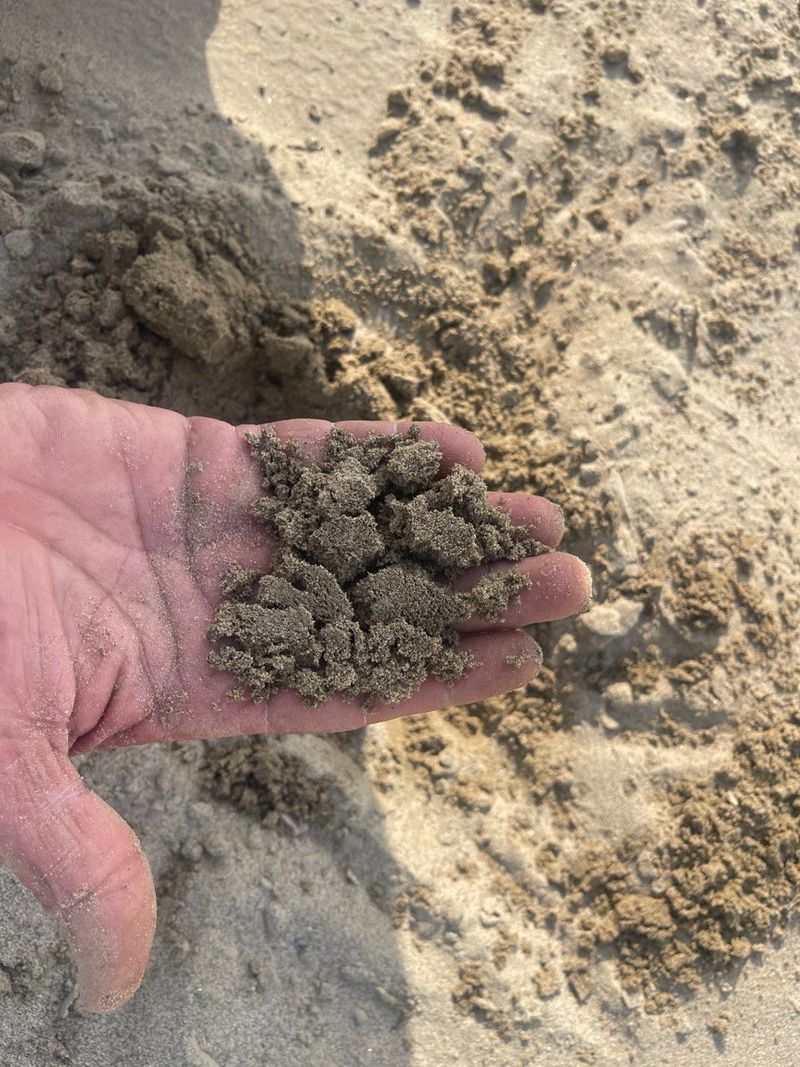
Beaches and coastal areas throughout California feature sandy soil that drains so quickly it cannot hold nutrients or moisture long enough for herb roots to absorb them effectively. Water rushes straight through sand particles, carrying dissolved fertilizers away before plants benefit from them.
While excellent drainage prevents root rot, excessively fast drainage creates the opposite problem of constant thirst and nutrient deficiency that stunts herb growth significantly.
Compost works like a sponge in sandy soil, filling spaces between sand grains and holding both water and nutrients where roots can access them. Mix two to three inches of finished compost into the top six inches of sandy coastal soil before planting herbs.
Worm castings provide similar benefits while adding beneficial microorganisms that help plants absorb nutrients more efficiently. Repeat this amendment process annually since organic matter breaks down over time in California’s mild climate.
Mulching sandy soil with additional compost or aged wood chips slows evaporation and gradually improves soil structure as material decomposes and works downward. Avoid using fresh wood chips directly against herb stems since they can cause rot problems.
Coastal California gardeners often find that regular organic matter additions transform their sandy soil into productive growing medium within two or three seasons, making herb cultivation much easier and reducing water and fertilizer requirements substantially.
7. Space Plants Generously For Airflow In Humid Microclimates
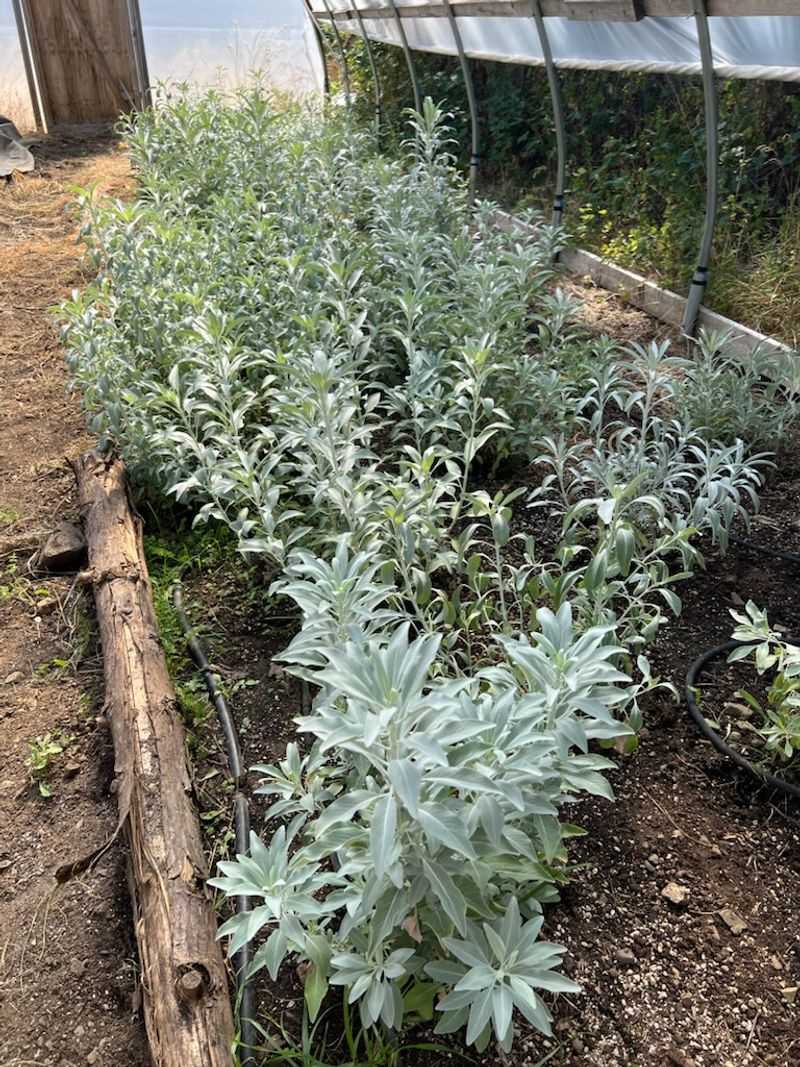
Valleys, canyon bottoms, and areas near water bodies create humid pockets throughout California where air sits still and moisture lingers on plant surfaces longer than surrounding areas. These microclimates encourage powdery mildew, downy mildew, and other fungal diseases that spread rapidly when herb foliage touches neighboring plants.
Crowded plantings trap humidity around leaves and stems, creating perfect conditions for disease problems that can devastate your entire herb garden within days.
Space herbs according to their mature size rather than their size at planting time. Basil plants should sit twelve to eighteen inches apart, while rosemary and sage need twenty-four to thirty-six inches between plants.
This spacing feels excessive when you first plant small seedlings, but mature herbs will fill the space completely by mid-season. Generous spacing allows breezes to move freely through your garden, drying foliage quickly after fog, irrigation, or morning dew settles on leaves.
Prune herbs regularly to maintain open, airy growth habits rather than allowing them to become dense bushes where interior leaves stay perpetually damp. Remove lower branches that touch soil where fungal spores concentrate.
California gardeners in humid microclimates often find that proper spacing and pruning prevent more disease problems than any fungicide application could, making these simple cultural practices the most effective disease management strategy available for organic herb production throughout the growing season.
8. Mulch Lightly To Conserve Moisture Without Trapping Water
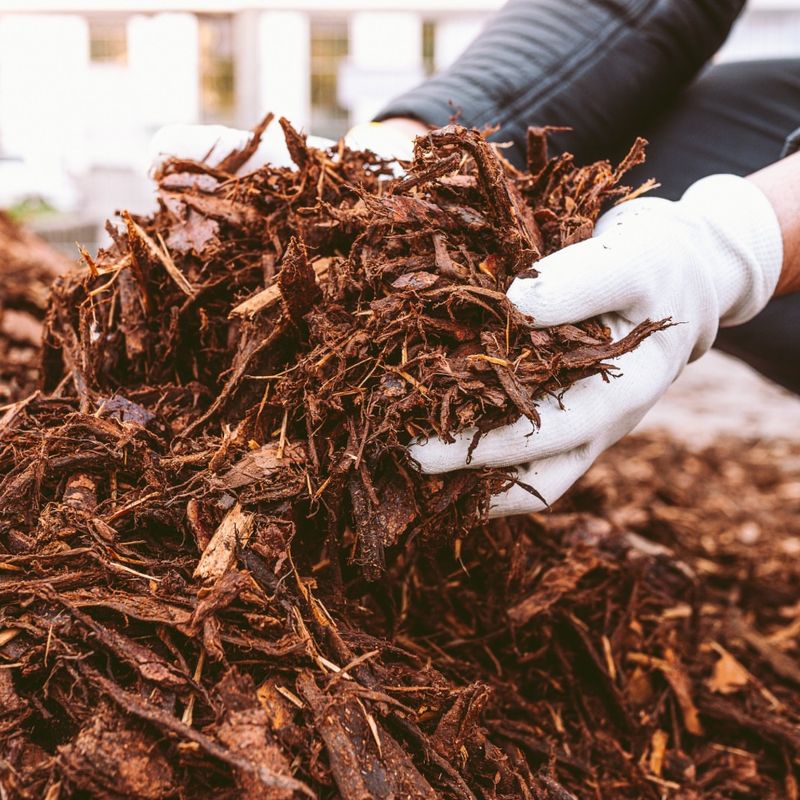
Few garden materials seem as simple as mulch, yet how you use it can make a real difference in a California herb bed. Mulch helps moderate soil temperature, suppress weeds, and reduce water evaporation during hot, dry stretches.
Still, thick layers can cause trouble by trapping too much moisture against plant crowns and creating hiding spots for snails, slugs, and other pests. Mediterranean herbs especially dislike having their stems buried under damp organic material that encourages rot where stems meet soil.
Keep mulch to a thin layer, about one to two inches deep, and pull it back several inches from stems and crowns to form a protective donut shape. Coarse materials like wood chips or pine bark work better than fine mulches that compact and block airflow.
Some gardeners choose gravel or decomposed granite around Mediterranean herbs because these options suppress weeds and moderate temperature without holding excess moisture. Refresh organic mulch each year as it breaks down, but avoid stacking new layers on top of old ones.
In heavy clay soil, use very little mulch or skip it entirely since these soils already retain moisture. Coastal gardeners need to be cautious during foggy periods when natural moisture levels are high and extra water retention can work against herb health.
9. Harvest Frequently To Prevent Leggy Growth
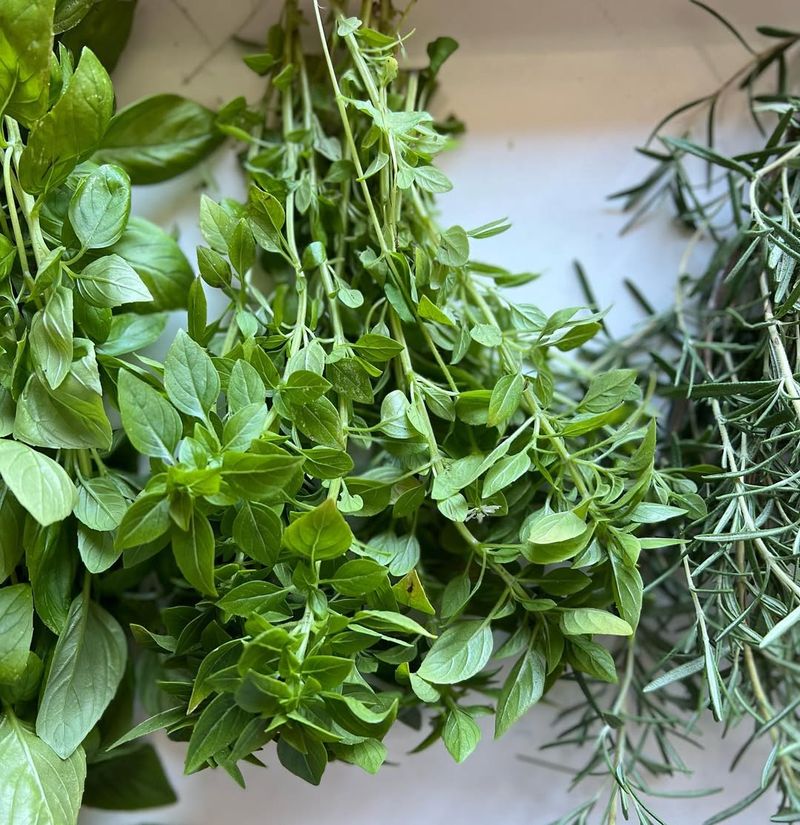
Regular harvesting acts like pruning and encourages herbs to branch out and grow bushy instead of tall and spindly. When you pinch off stem tips, plants respond by pushing out side shoots from leaf nodes below the cut, creating fuller growth and a steadier supply of leaves.
California’s long growing season means many herbs can produce for months with consistent harvesting. When plants are left untouched, they often stretch upward, flower sooner, and shift energy away from leaf production.
Remove no more than about one-third of a plant’s growth during a single harvest session to avoid stressing it. Cut stems just above a leaf node so new branches can form from that point.
For flavour, timing helps. UC guidance for herb quality and preserving recommends harvesting on a sunny day in mid-morning after dew has dried, before the heat of the day pulls aromas from the leaves.
Basil, in particular, benefits from frequent tip pruning during warm months to delay flowering and encourage tender new leaves.
Flowering can signal a shift in leaf quality for some annual herbs, so pinching buds can extend the harvest window. Some gardeners let a few plants bloom for pollinators while keeping others pruned for the kitchen, which balances usefulness with garden activity through the season.
10. Replace Short-Lived Perennials Every Few Years
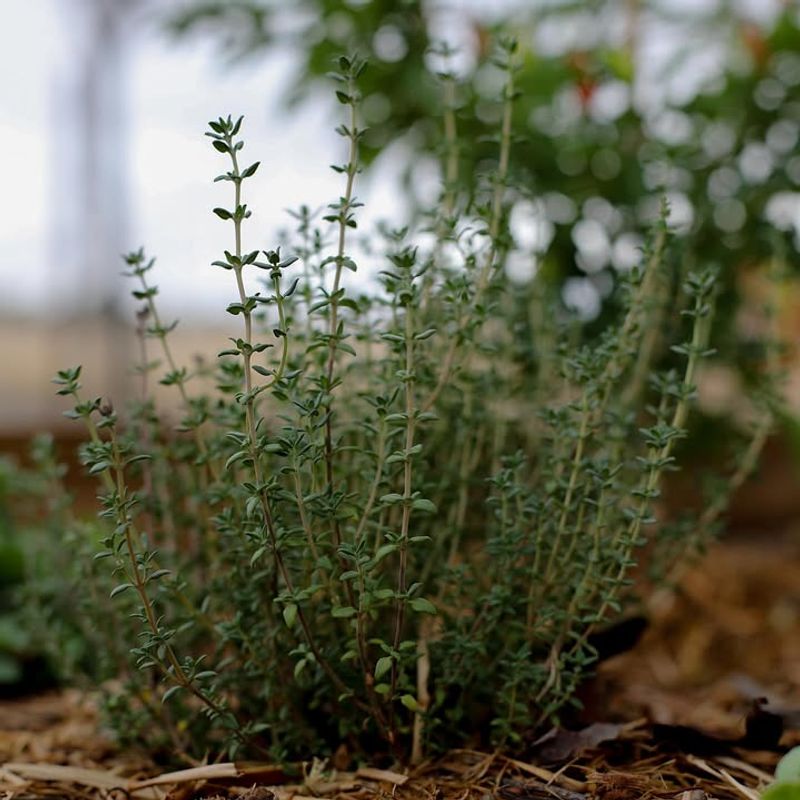
Some perennial herbs gradually become woodier with age, and when that happens, they can produce fewer tender leaves. Sage, oregano, and thyme are good examples.
In California’s mild climate they may last longer than in colder regions, but many gardeners still notice that older plants can get leggy, develop bare centres, or put more energy into woody stems instead of fresh new growth.
Watch for signs a plant is past its prime, such as sparse growth, lots of stiff woody stems, or dead patches in the middle of the plant. Those clues matter more than a set number of years, since lifespan varies by variety, pruning, soil, and watering habits.
Replacing doesn’t always mean starting over from scratch. Take cuttings or divide plants before removing an older specimen, so you keep the same varieties going without losing momentum.
A simple rotation helps many gardens stay productive. Starting one new plant every so often, while an older one is still producing, prevents gaps in supply and keeps your herb bed looking fuller.
If you like organisation, jot down planting dates or snap a quick photo each season. That way, you can track how each herb performs over time and decide when it makes sense to refresh a section of the garden.
This approach keeps your herb garden tasting great while staying realistic about how perennial herbs change as they mature.
11. Watch For Gophers And Snails Before They Take Over

It often starts with a plant that looked perfectly healthy yesterday and suddenly appears wilted or chewed the next morning. In many California gardens, underground tunnels or ragged leaf edges point to two common culprits: gophers below the soil line and snails or slugs feeding after dark.
Gophers move through the root zone and may pull entire plants downward, while snails and slugs typically target soft foliage like basil and parsley, leaving uneven holes behind.
A smart preventive step for raised beds is installing a wire mesh barrier beneath the soil before planting. UC IPM recommends placing hardware cloth or similar wire under beds to help limit access from pocket gophers.
Keeping an eye out for fresh soil mounds and responding early can help prevent a small issue from spreading further through your herb patch.
When it comes to snails and slugs, UC IPM notes that copper foil or tape around bed edges may help deter them when it remains clean and intact. Evening inspections can reveal where they gather, and reducing shelter such as boards, dense groundcovers, or overly thick mulch makes the space less inviting.
If you decide to remove snails by hand, use safe and appropriate methods that align with local recommendations.