The Surprisingly Easy Way Ohio Gardeners Grow Mint In Plastic Bottles At Home
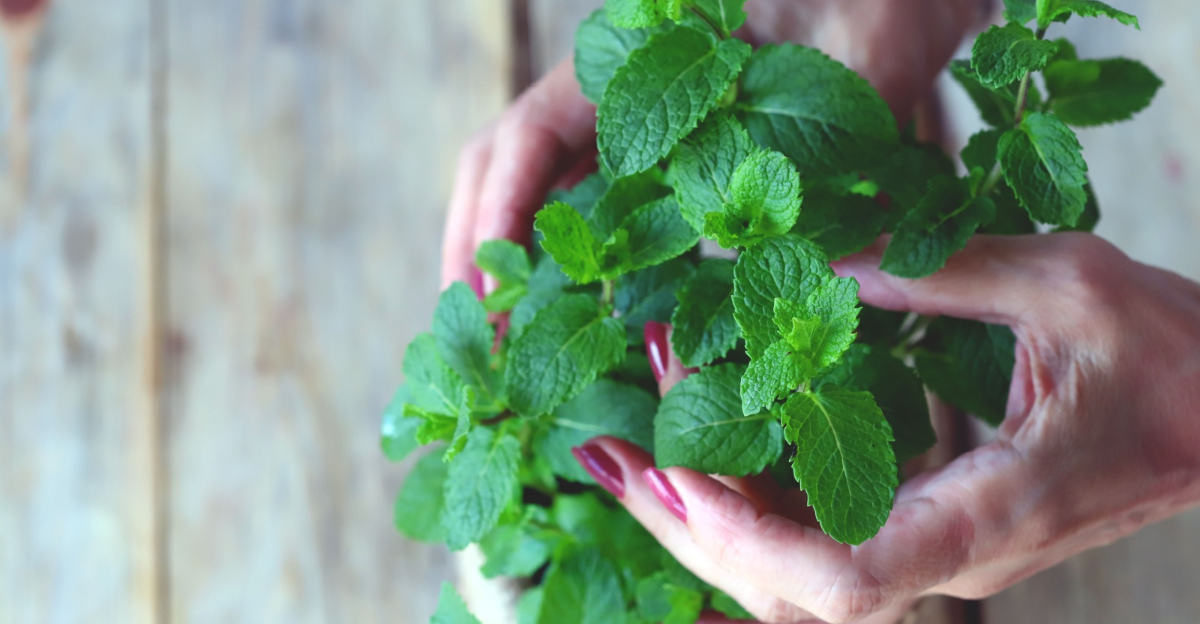
Fresh mint on the kitchen counter in the middle of an Ohio winter feels like a small luxury, yet more gardeners are making it happen with nothing more than an empty plastic bottle. That simple shift from store-bought pots to recycled containers has become a clever and practical home-growing method.
Across Ohio, gardeners are turning everyday bottles into compact mint planters, and the results can be impressively lush when done correctly. Mint already grows vigorously in Ohio’s outdoor climate, and indoors it can stay productive for months with sufficient light and proper drainage.
A plastic bottle offers a contained growing space that helps manage moisture and keeps mint’s spreading roots under control. Good soil, steady light, and regular trimming make it possible to keep fresh leaves within reach for tea, cooking, and summer drinks.
The setup costs very little, fits easily on a sunny windowsill, and brings reliable greenery into the home year-round. With realistic expectations and a few simple adjustments, this method can become one of the easiest indoor gardening projects for Ohio homes.
1. Why Mint Thrives In Small Indoor Spaces Across Ohio
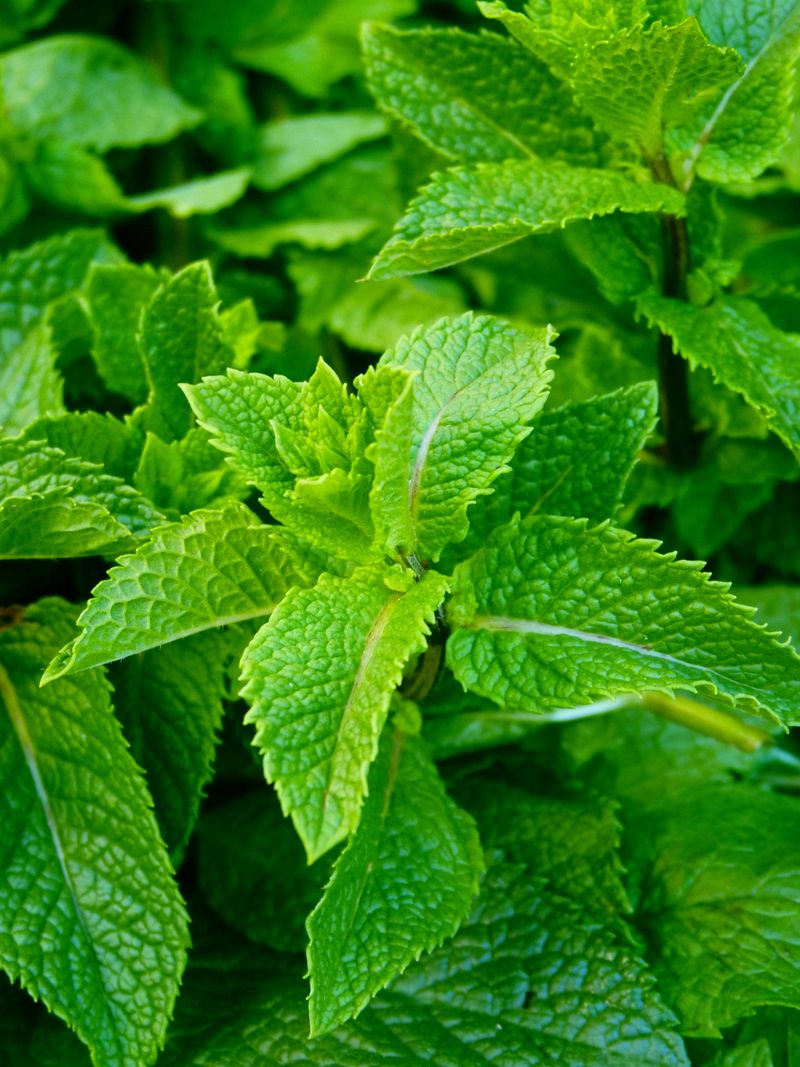
Few herbs adapt to container life as easily as mint. Unlike many herbs that demand very specific humidity or temperature levels, mint tolerates a range of indoor conditions as long as light and watering remain consistent.
Ohio’s outdoor climate supports vigorous mint growth during the growing season, and that same resilience carries over indoors. Success inside the home depends less on Ohio’s seasons and more on providing enough brightness near a window or with supplemental lighting during winter months.
Mint spreads through underground runners called rhizomes, which is why it can take over garden beds outdoors. In a contained bottle planter, that spreading habit becomes an advantage rather than a problem.
The roots remain confined, which helps manage growth and makes pruning easier.
Although mint can tolerate slightly lower humidity than some herbs, it still benefits from bright light. A south-facing or bright east-facing window typically provides the best results.
In darker Ohio homes during winter, a basic grow light can help maintain steady leaf production.
With adequate light and regular trimming, mint adapts comfortably to small indoor spaces across the state.
2. Turning An Ordinary Plastic Bottle Into A Smart Self-Watering Planter
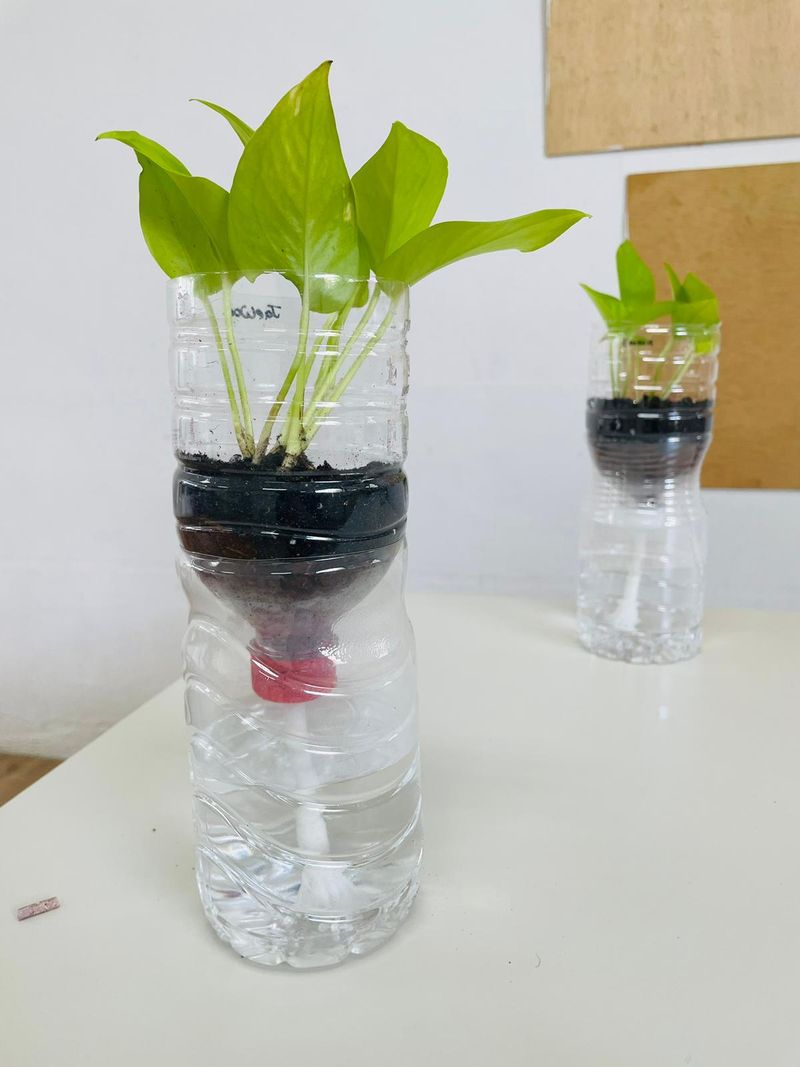
A two-liter plastic bottle can become a surprisingly functional planter with a few simple adjustments. This design works well because it allows steady moisture without oversaturating the soil.
Start by cutting the bottle roughly one-third from the top. Flip the top portion upside down and place it into the bottom section, creating a reservoir below and a soil chamber above.
A strip of cotton fabric or thick string threaded through the bottle cap serves as a wick, drawing water upward as the soil begins to dry.
Unlike traditional pots, this setup provides a more gradual moisture supply, which helps prevent both dry spells and excess watering. Proper drainage remains important.
Small holes along the upper section allow airflow and prevent stagnation.
Your Ohio Garden Changes Every Week. Your Plan Should Too.
Gardening in Ohio changes quickly throughout the season. Every Friday you’ll receive a simple weekly plan showing exactly what to plant, prune, fertilize, harvest, and protect so you never miss the right timing.
Avoid adding gravel at the bottom of the soil chamber. Research shows that layering gravel beneath potting mix does not improve drainage and can actually keep roots wetter for longer.
Instead, rely on a high-quality, well-draining potting mix to manage moisture properly.
For many Ohio households, this self-watering bottle system reduces maintenance and supports consistent indoor mint growth.
3. Choosing The Right Mint Variety For Ohio Homes
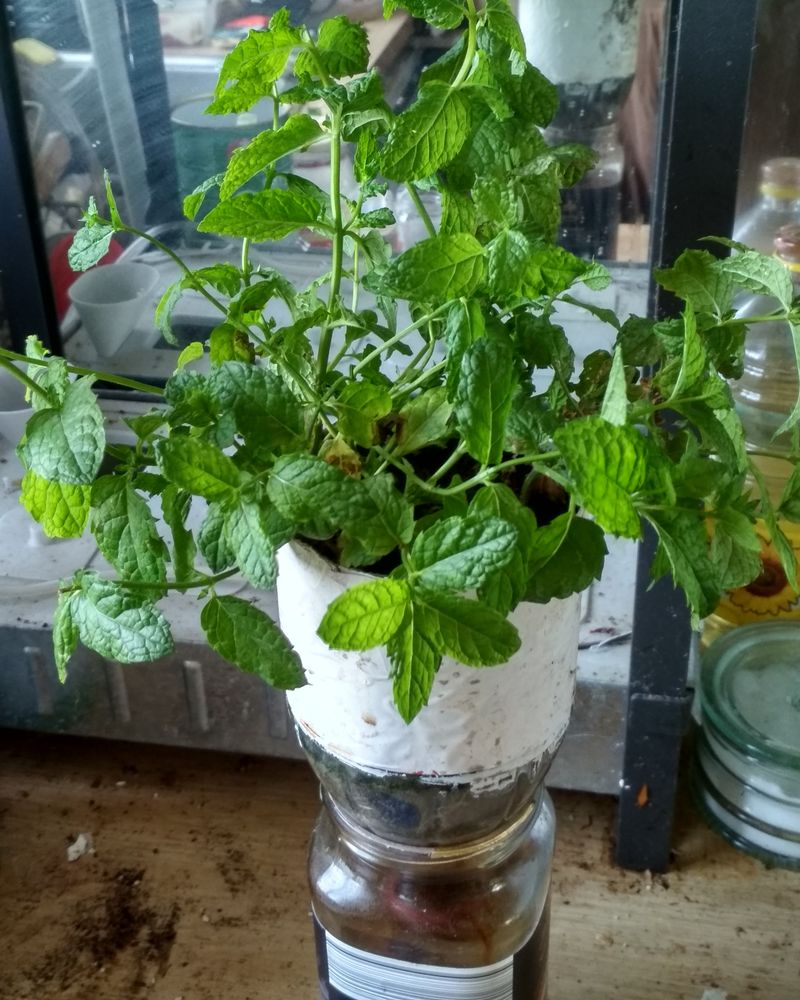
Garden centers across Ohio typically offer several mint varieties, each with its own flavor profile and growth pattern. Selecting the right type depends on how you plan to use it in the kitchen.
Spearmint remains one of the most popular choices for home growers. Its mild, sweet flavor works well in beverages and fresh dishes.
Peppermint delivers a stronger, sharper taste that many people prefer for tea. Chocolate mint carries a subtle cocoa aroma that adds interest to desserts and hot drinks.
Apple mint, known for its soft, fuzzy leaves, is another attractive option for container growing. Although sometimes described as more compact, it can still spread vigorously like other mints.
Containers help keep that growth contained and manageable.
All culinary mint varieties belong to the Mentha genus and share similar care requirements. They prefer bright light, consistent moisture, and regular trimming to encourage bushy growth.
Starting with a healthy cutting or transplant from a reputable Ohio nursery gives your bottle planter the strongest foundation for long-term success.
4. The Simple Cutting Trick That Gets Roots Growing Fast
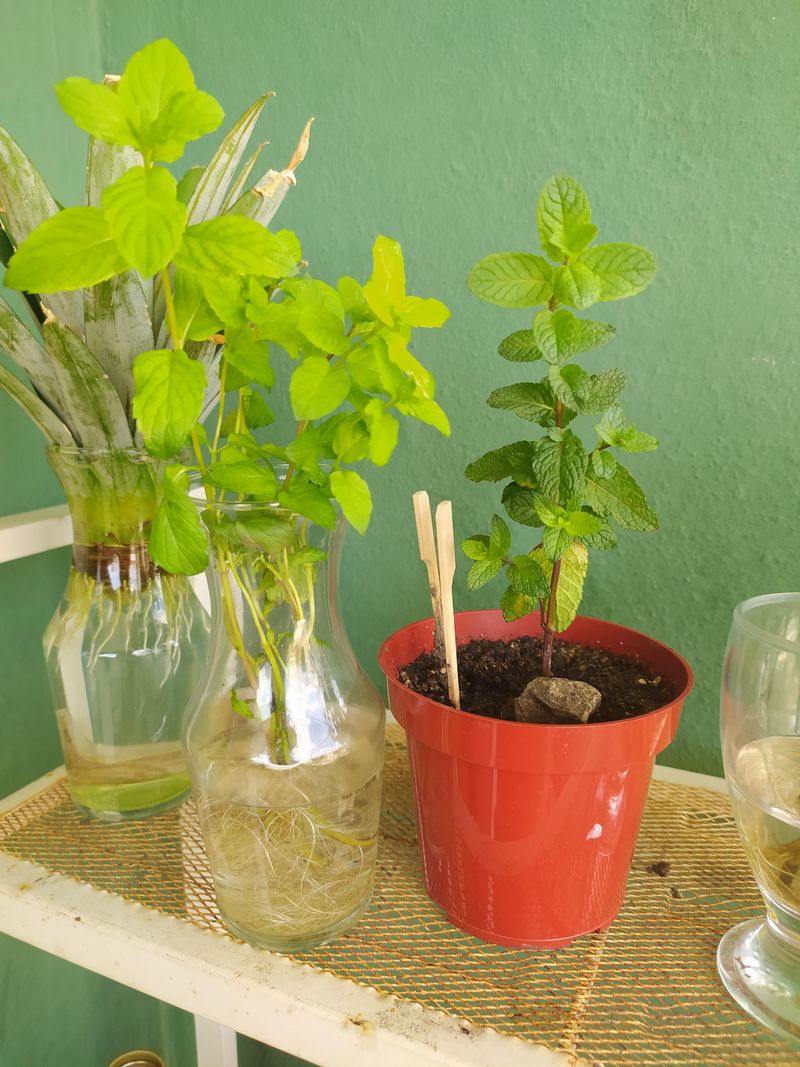
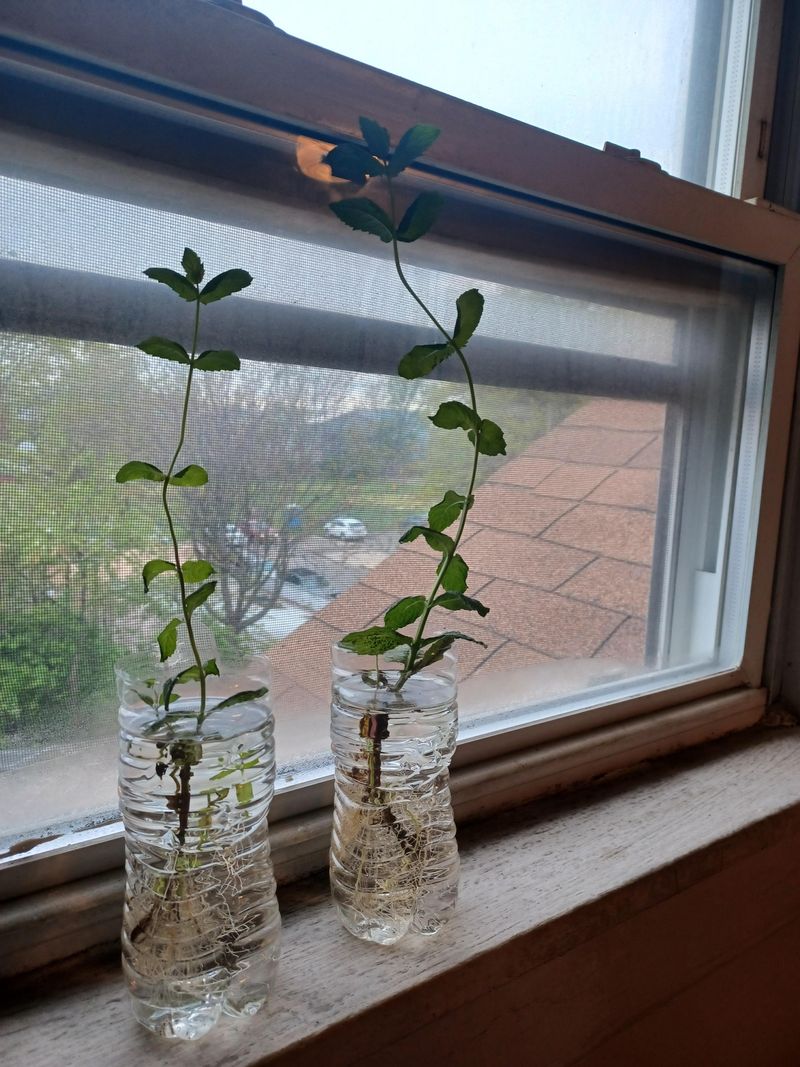
Propagating mint from cuttings is straightforward and reliable. A single healthy stem can develop roots in water within one to two weeks under bright conditions.
Choose a stem about four to six inches long. Remove the leaves from the lower portion of the stem, leaving a small cluster at the top.
Place the cutting in a glass of clean water and set it near a bright window away from intense afternoon sun.
Change the water every two to three days to keep it fresh. Within days, small white roots usually begin to form along the submerged portion of the stem.
Allow roots to grow to about one inch before transferring the cutting into your prepared bottle planter. Transplanting too early can slow establishment, while waiting slightly longer often supports smoother adaptation to soil.
This method allows Ohio gardeners to multiply mint plants quickly without relying on seeds, which can be slower and less predictable. It also ensures the new plant remains identical to the parent variety in flavor and growth habit.
5. Creating The Best Soil And Drainage Setup For Healthy Growth
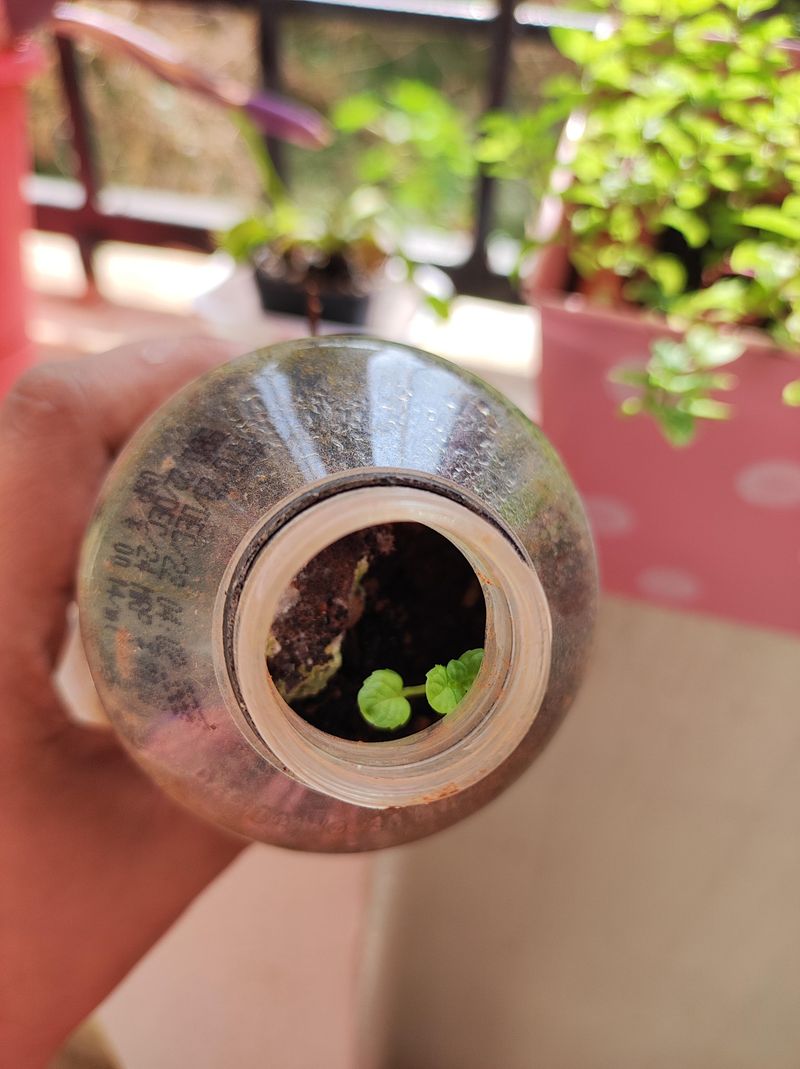
Healthy roots begin with the right soil mix. Mint prefers a loose, well-draining growing medium that retains moisture without becoming soggy.
A standard all-purpose potting mix works well when blended with about twenty percent perlite. Perlite improves aeration and reduces compaction, which supports steady root development inside compact containers.
Avoid using garden soil from your yard. Outdoor soil often compacts in small containers and may introduce pests or pathogens.
Mint generally performs well in slightly acidic to neutral soil, often in the range of about 6.0 to 7.0 pH. Many common potting mixes fall within this range, making additional adjustments unnecessary for most home setups.
Instead of adding gravel beneath the soil, rely on proper drainage holes and a balanced potting mix to manage excess moisture. In a bottle system, the wick and reservoir handle most of the water control.
A light, breathable soil blend combined with consistent watering habits creates a stable environment for strong mint growth in Ohio homes.
6. Finding The Sweet Spot For Sunlight And Watering Indoors
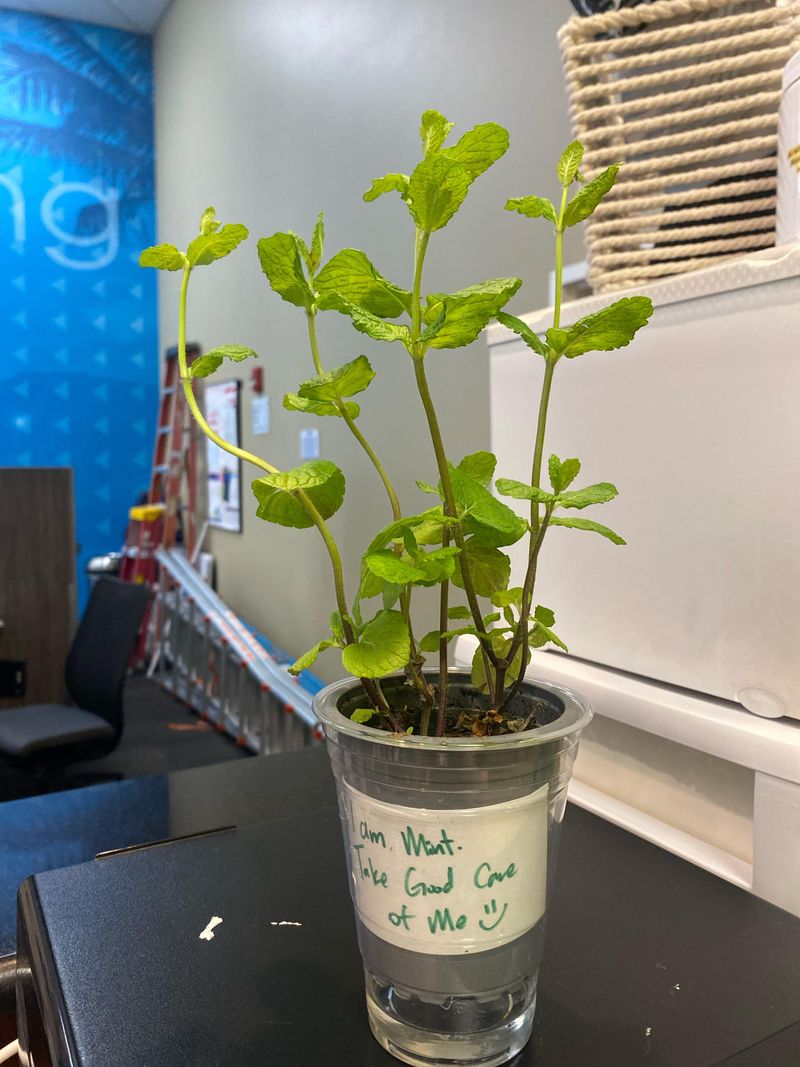
Light remains the most important factor in indoor mint success. Insufficient light leads to pale leaves and stretched stems, while bright conditions encourage fuller, more aromatic growth.
Place your bottle planter near the brightest window available. South-facing windows often provide the strongest light exposure.
During Ohio’s shorter winter days, supplemental lighting can help maintain steady growth. A simple LED grow light positioned a few inches above the plant can extend usable light hours.
Watering should follow soil moisture rather than a fixed schedule. Insert your finger about an inch into the soil.
Water thoroughly when the surface feels dry, allowing excess moisture to drain properly.
Mint prefers evenly moist soil but does not perform well in standing water. Bottle size, indoor temperature, and light exposure all influence watering frequency.
Some homes may require watering every few days in summer, while winter intervals often stretch longer.
Consistent observation and small adjustments lead to stronger, more balanced growth.
7. Avoiding The Small Mistakes That Slow Mint Growth
Mint’s forgiving nature makes it beginner-friendly, yet a few habits can quietly limit its performance. Paying attention to small details early on often prevents bigger setbacks later.
Overcrowding remains a common issue. Smaller bottles usually support one cutting comfortably.
Larger containers may hold two, but spacing matters. Giving roots room to spread supports bushier top growth and improves air circulation around the stems, which helps reduce stress on the plant.
Feeding also deserves attention. Container-grown mint uses nutrients faster than plants growing in open soil.
A diluted balanced liquid fertilizer applied every three to four weeks during active growth can help maintain steady leaf production. Avoid overfertilizing, as excessive nutrients can encourage weak, overly soft growth rather than sturdy stems.
Yellowing leaves often signal inconsistent watering or nutrient imbalance rather than lack of light alone. Observing patterns in watering and feeding helps identify small issues early and allows for simple corrections.
Regular pruning keeps mint compact and encourages branching. Ignoring trimming leads to leggy stems and reduced leaf density.
By maintaining simple routines and adjusting gradually, Ohio gardeners can keep bottle-grown mint healthy and productive throughout the year.
8. How To Harvest Often While Keeping Mint Full And Bushy
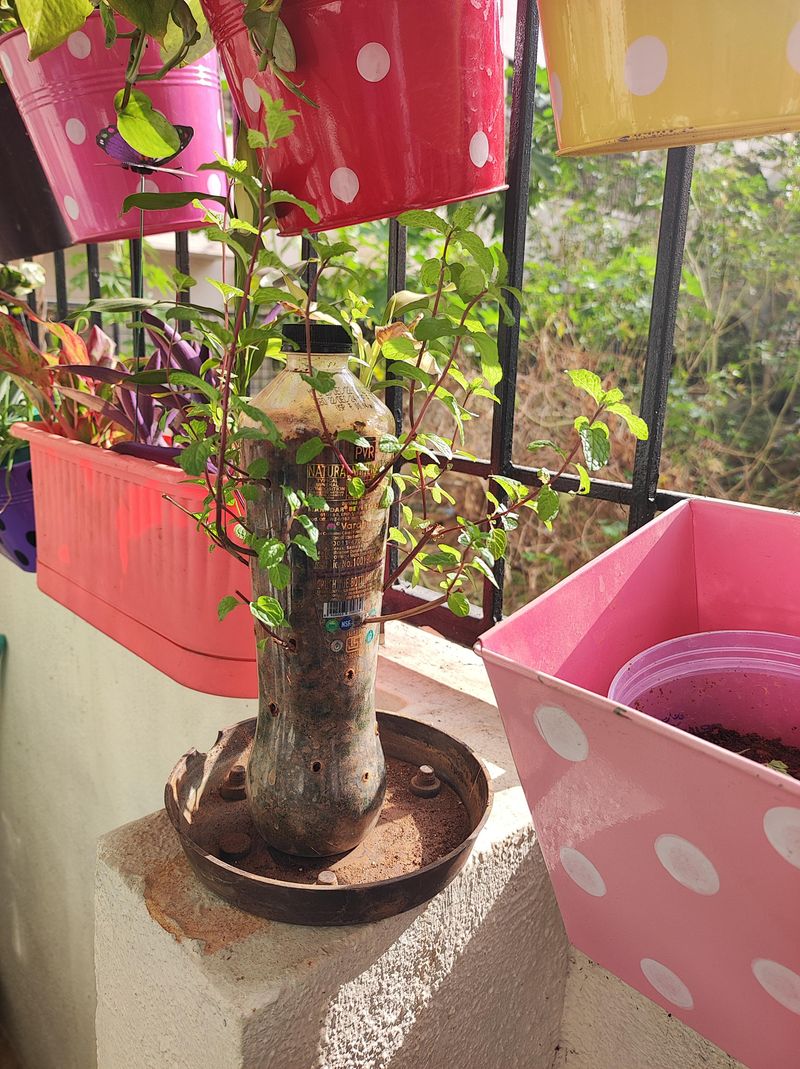
Harvesting mint correctly supports steady, ongoing growth rather than slowing it down. Cutting stems just above a leaf node encourages two new shoots to form at that point, gradually creating a fuller and bushier plant over time.
Limiting each harvest to about one-third of the plant helps maintain strength and allows the remaining leaves to continue fueling new growth. Removing too much foliage at once can temporarily reduce vigor and delay recovery, especially in smaller bottle planters.
Pinching off flower buds as soon as they appear keeps the plant focused on leaf production. Once mint shifts energy toward flowering, leaf flavor and density may decline slightly.
Morning harvests often deliver stronger aroma and flavor because essential oils tend to be more concentrated earlier in the day.
Rotating the bottle every few days promotes even light exposure and helps prevent the plant from leaning in one direction. Over time, refreshing the potting mix or rooting a new cutting ensures continued healthy growth and prevents the roots from becoming crowded inside the container.