The Important Step Oregon Camellias Need Before Spring
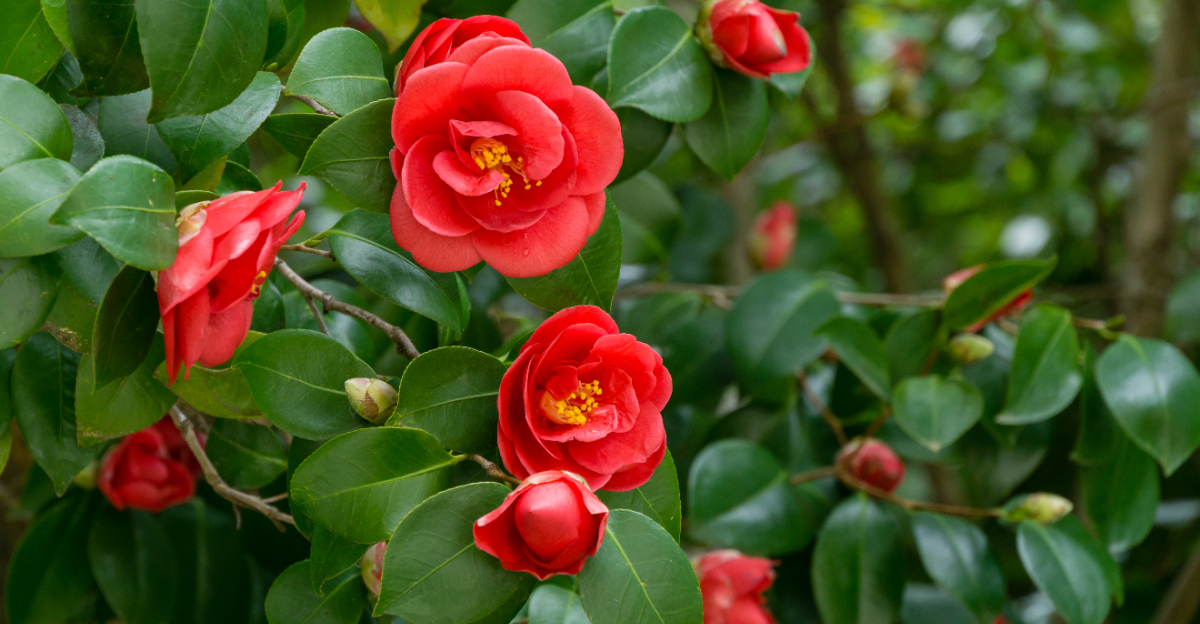
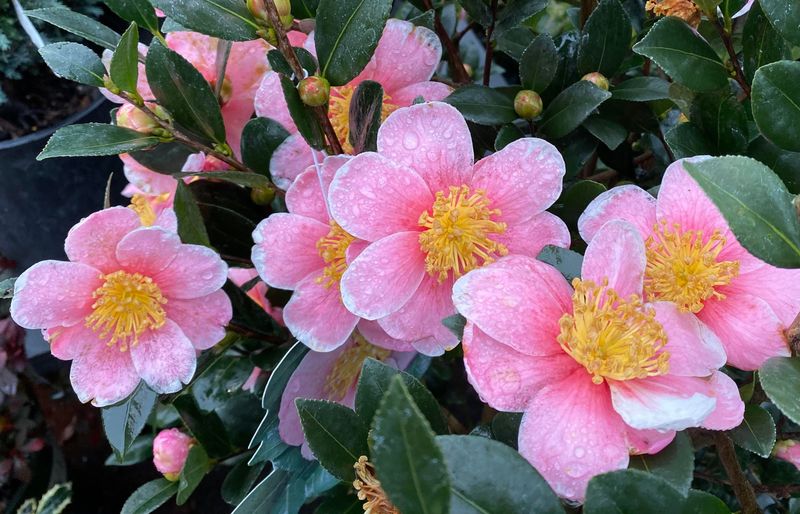
Camellias in Oregon have a flair for drama. One week your shrub is covered in lush, rose-like blooms, the next the ground looks like a pink and red polka dot party.
Pretty, yes, but those soggy, browning flowers clinging to the plant are not doing it any favors. Before spring really gets going, your camellia is quietly asking for a quick cleanup.
Deadheading might sound fussy, yet it is surprisingly simple and oddly satisfying. A gentle twist or small snip sends those tired blooms packing and gives your plant a fresh, polished look.
More importantly, it frees up energy for sturdy growth and future buds instead of letting the shrub waste effort on flowers that are already finished.
Oregon’s damp spring air can encourage disease, and removing spent blossoms helps keep things airy and healthy. Think of it as a tiny chore with big payback, setting the stage for another season of glossy leaves and showstopping blooms.
1. Start With Spent Blooms
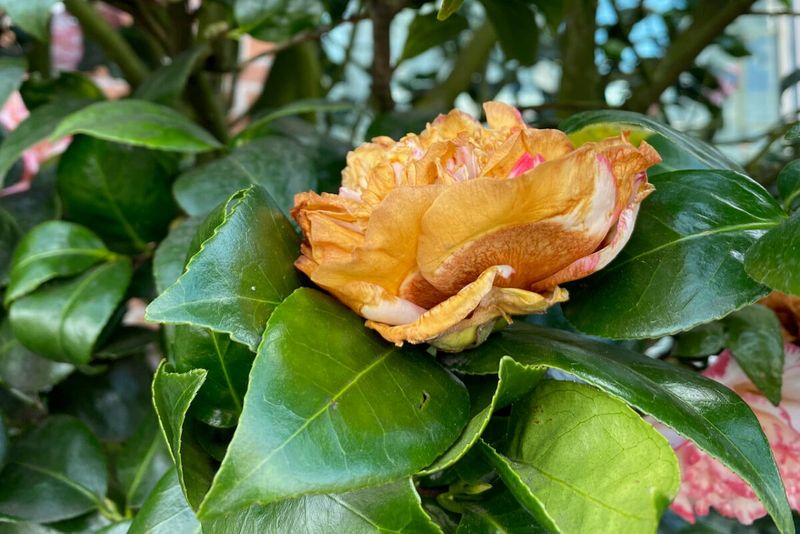
Look closely at your camellia after the last blooms have faded, and you will probably see a mix of brown, mushy, or papery flowers still clinging to the branches. Those are spent blooms, and they need to go before spring arrives in Oregon.
Spent blooms are flowers that have finished their cycle. They no longer add beauty to the plant, but they do create problems if left in place.
In Oregon’s wet climate, old petals trap moisture against the stems and leaves, which invites disease and slows down the plant’s recovery.
Starting your cleanup by identifying every spent flower is the smartest first move. Walk around the entire shrub and look at every branch from top to bottom.
Some old blooms may still look almost intact but feel soft or smell musty. Others will be clearly brown and falling apart.
Do not wait for all the blooms to fall on their own. Camellias in Oregon often hold onto spent flowers longer than you might expect because of the cool temperatures.
Getting a head start on removal gives the plant more time to prepare for new spring growth. Grab a small bucket and start collecting those old blooms right away.
2. Why Deadheading Matters
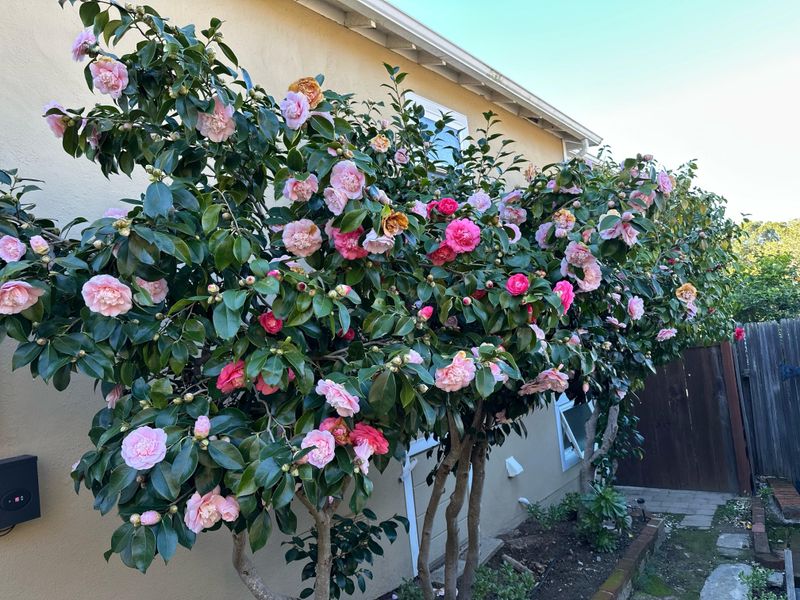
Deadheading sounds like a complicated gardening term, but it simply means removing flowers that have already bloomed and faded. For camellias in Oregon, this one habit can change how well your plant performs every single year.
When spent flowers stay on the shrub, the plant keeps sending small amounts of energy toward those old blooms. That energy could go toward building stronger roots, forming new buds, and pushing out fresh growth.
Removing spent flowers redirects that energy exactly where it needs to go.
Oregon’s climate adds another layer of importance to this task. The region gets a lot of rain from late fall through early spring, and all that moisture sitting on old flower petals creates perfect conditions for fungal diseases.
Petal blight is one of the most common problems camellias face in the Pacific Northwest, and it spreads fast once it gets started.
Your Oregon Garden Changes Every Week. Your Plan Should Too.
Gardening in Oregon changes quickly throughout the season. Every Friday you’ll receive a simple weekly plan showing exactly what to plant, prune, fertilize, harvest, and protect so you never miss the right timing.
Deadheading also keeps your camellia looking neat and cared for during the transition from winter to spring. A clean shrub is easier to inspect for pests or early signs of disease.
Many Oregon gardeners who skip this step notice their plants looking tired and struggling by midsummer, while those who deadhead regularly enjoy fuller, healthier growth season after season.
3. How To Remove Flowers Properly
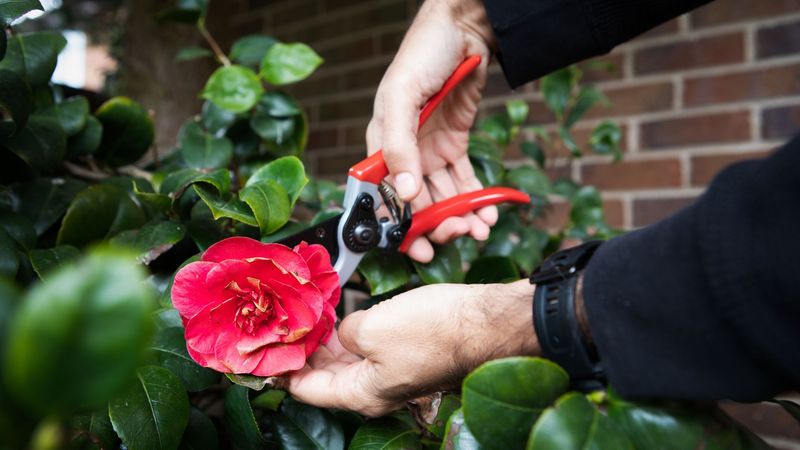
Pulling a spent bloom off your camellia the wrong way can actually cause more harm than good. Knowing the right technique keeps the plant safe and makes the whole process faster and easier.
Start with clean tools. If you are using pruning shears or scissors, wipe the blades with rubbing alcohol before you begin.
This simple step keeps bacteria and fungal spores from spreading from one part of the plant to another. In Oregon’s damp environment, skipping this step can lead to infections that travel quickly through the shrub.
For most spent camellia blooms, you can simply pinch or snap them off at the base of the flower, right where it meets the stem. Be careful not to damage the small green bud that often sits just below the old flower.
That bud is where next year’s bloom will come from, so protecting it matters a lot.
Drop the removed flowers into a bucket or bag as you go. Do not leave them on the ground beneath the shrub because fallen petals can still spread petal blight spores in wet Oregon weather.
Dispose of the collected blooms in the trash or a sealed compost bin rather than spreading them in your garden beds. Taking these small steps properly makes a real difference in your camellia’s long-term health.
4. Prevent Petal Blight Before It Starts
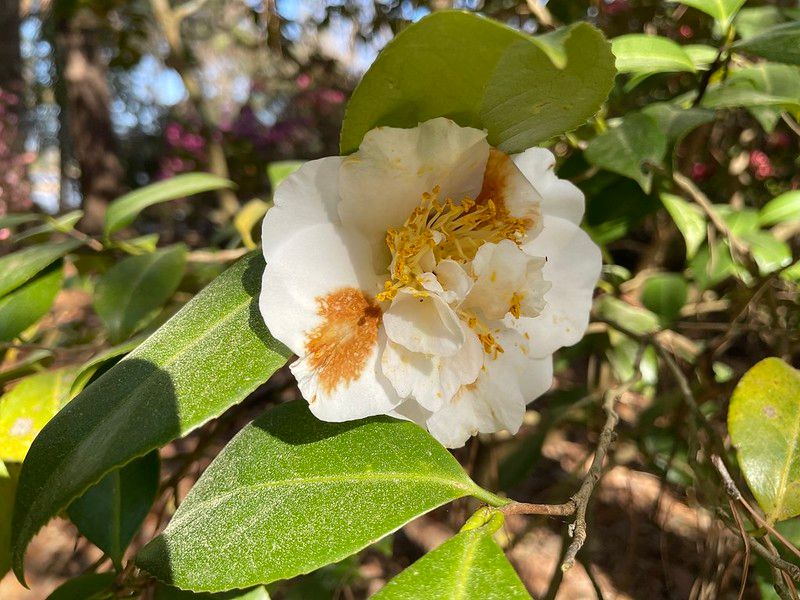
Petal blight is one of the biggest threats to camellias growing in Oregon. It is a fungal disease caused by Ciborinia camelliae, and it turns beautiful blooms brown and mushy in just a few days.
Once it takes hold, it spreads rapidly through a garden.
The spores of petal blight live in the soil and on infected plant debris. When rain splashes water onto fallen or decaying petals, those spores get lifted into the air and land on healthy flowers.
Oregon’s rainy winters make this cycle happen over and over, which is why prevention is so much better than trying to treat an active outbreak.
Removing spent blooms before they fall or decay is the most effective way to break the blight cycle. When there are no old petals sitting on the ground or clinging to branches, the spores have fewer places to grow and spread.
Gardeners across the Willamette Valley and coastal Oregon have seen major improvements in their camellias just by staying consistent with this cleanup routine.
You can also apply a layer of fresh mulch around the base of the shrub after removing spent blooms. This covers any spores already in the soil and adds a physical barrier.
Using about two to three inches of bark mulch works well for Oregon camellias and also helps retain moisture during drier spring months.
5. Stop Fungal Problems Early
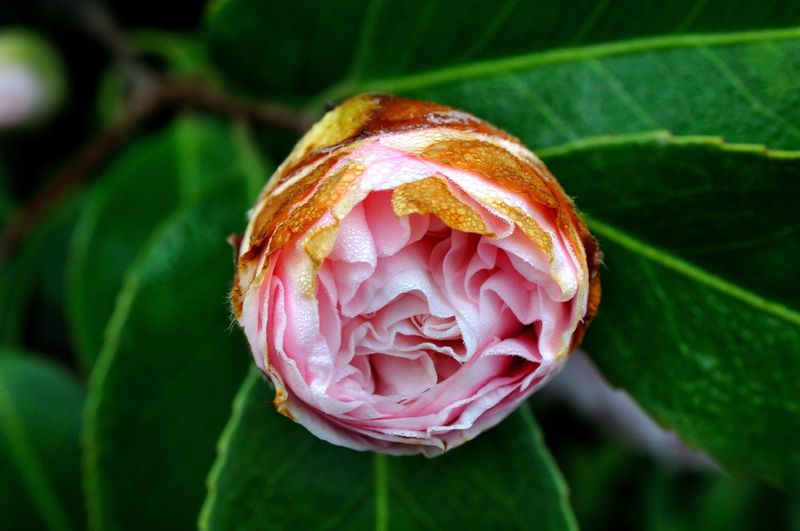
Petal blight is not the only fungal issue that Oregon camellias face. Several other fungal problems can show up when spent blooms and wet debris are left on the plant or the ground beneath it.
Catching these issues early makes all the difference.
Sooty mold, leaf gall, and root rot are all fungal conditions that thrive in the cool, moist conditions common throughout much of Oregon.
While they each affect different parts of the plant, they all tend to get worse when there is a lot of decaying organic matter sitting around the base or on the branches. A tidy plant is simply harder for fungal problems to attack.
After removing spent blooms, take a few extra minutes to check the leaves and stems for anything unusual. Look for spots, discoloration, or sticky residue.
If you spot something concerning, act fast. Remove affected leaves and dispose of them in the trash, not the compost pile.
A copper-based fungicide spray applied in late winter is a helpful extra step for camellias in high-moisture areas of Oregon like the coast or the foothills. Always follow label directions carefully.
Staying ahead of fungal problems before spring arrives means your camellia can focus all its energy on producing strong new leaves and stunning blooms instead of fighting off infection.
6. Keep Energy Focused On New Growth
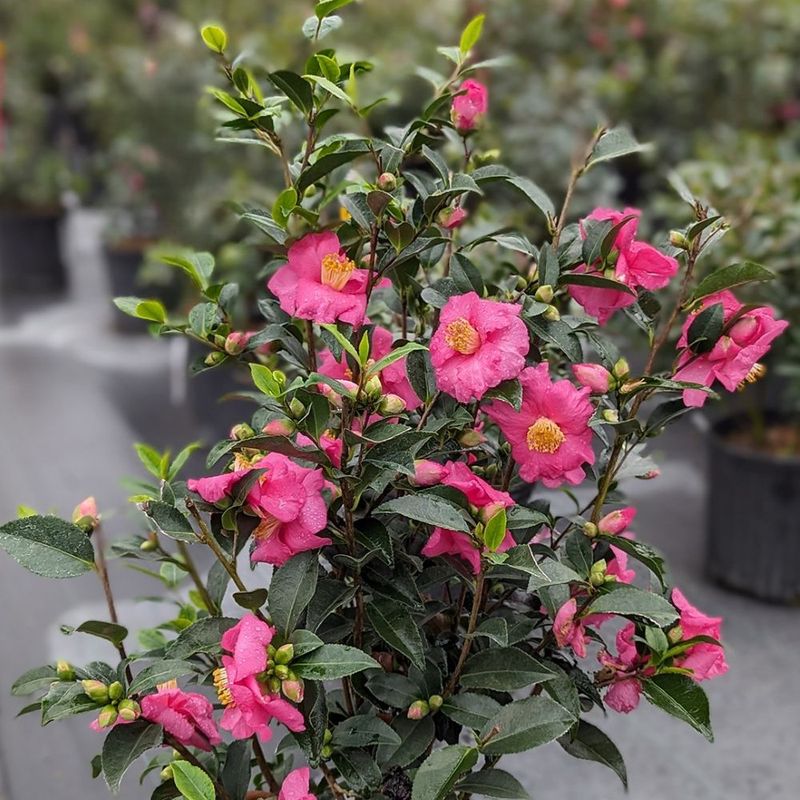
Plants are always working, even when they look like they are resting. During late winter and early spring, camellias in Oregon are quietly building up energy reserves and preparing to push out a fresh flush of new leaves and buds.
Helping the plant focus that energy is one of the best things you can do.
Spent blooms act like energy drains. Even though a flower is no longer producing pollen or attracting pollinators, the plant may still try to form seeds inside the old bloom.
Seed production takes a significant amount of energy, and for an ornamental camellia, that energy is much better spent on new vegetative growth and future flower buds.
Removing spent flowers before seeds begin to form stops this process and keeps the plant focused. You might notice your camellia pushing out new growth faster and looking fuller after you start deadheading consistently.
Many Oregon gardeners report that their camellias bloom more generously the following season when they make this a regular practice.
Pair deadheading with a light feeding of a balanced, acid-loving fertilizer in early spring. Camellias prefer slightly acidic soil, which is naturally common in many parts of Oregon.
A small boost of nutrition right when the plant starts waking up for spring gives it exactly what it needs to channel energy into lush, healthy new growth and plenty of future blooms.
7. Don’t Disturb Next Year’s Buds
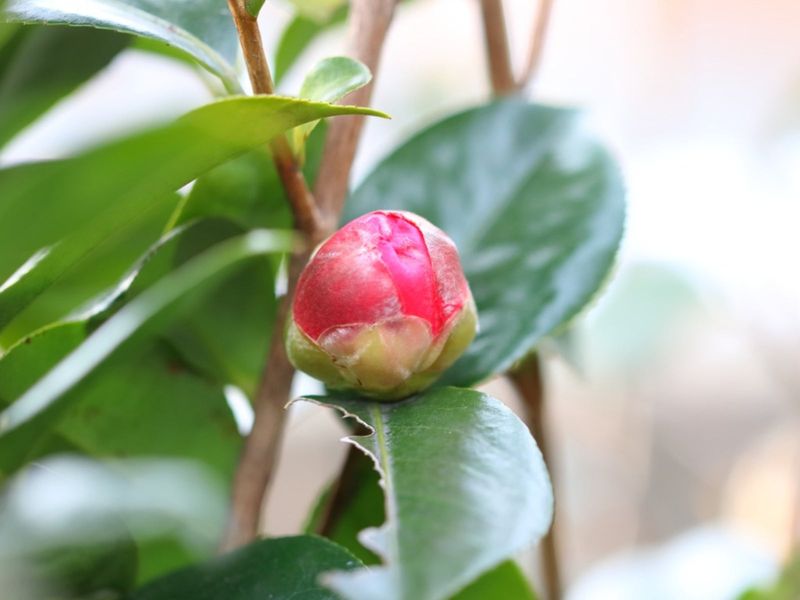
Here is something that surprises a lot of first-time camellia growers: next year’s flower buds are already forming on the plant right now.
Even as the current blooms are fading, tiny new buds are quietly developing along the stems, waiting for the right moment to open.
These buds are small, round, and often easy to confuse with leaf buds if you are not looking carefully. Flower buds tend to be plumper and more rounded, while leaf buds are usually more pointed and narrow.
Knowing the difference helps you avoid accidentally removing something that should stay on the plant.
When removing spent blooms in Oregon, always work slowly and deliberately. Use your fingers or clean, sharp pruning snips to detach only the old flower at its base.
Never yank or twist the stem, because that motion can snap off nearby buds without you even realizing it.
Protecting those developing buds is one of the most important reasons to be gentle and precise during deadheading. Each bud you accidentally remove is one fewer bloom you will enjoy next winter or spring.
Oregon gardeners who take their time during this process are often rewarded with camellias that are absolutely covered in flowers the following season. A little patience now pays off in a big way when bloom season rolls back around.
8. Time It Before Spring Takes Off
Timing is everything when it comes to deadheading camellias in Oregon. Do it too early, and you might be pulling blooms that are still putting on a show.
Wait too long, and spring growth will already be underway, making the job harder and riskier for the plant.
The sweet spot for most Oregon camellias is late February through early March, just before the main burst of spring growth begins. At this point, most winter-blooming varieties will have finished their peak flowering period, and the new growth has not yet started pushing hard.
It is the perfect window to clean up the shrub without interfering with either phase. Weather in Oregon can be unpredictable, so pay attention to your specific region.
Gardeners in warmer areas like the Rogue Valley may need to act a little earlier, while those in cooler spots like the Oregon Coast or higher elevations in the Cascades might have a slightly longer window before spring kicks in.
Set a reminder on your phone or mark it on a garden calendar so this task does not slip by during the busy transition into spring.
Once you get into the habit of timing your deadheading just right, it becomes one of those satisfying late-winter rituals that sets the tone for a great growing season ahead. Your Oregon camellias will thank you with a spectacular show next year.