These 10 Native Plants Help Butterflies Reproduce In Oregon
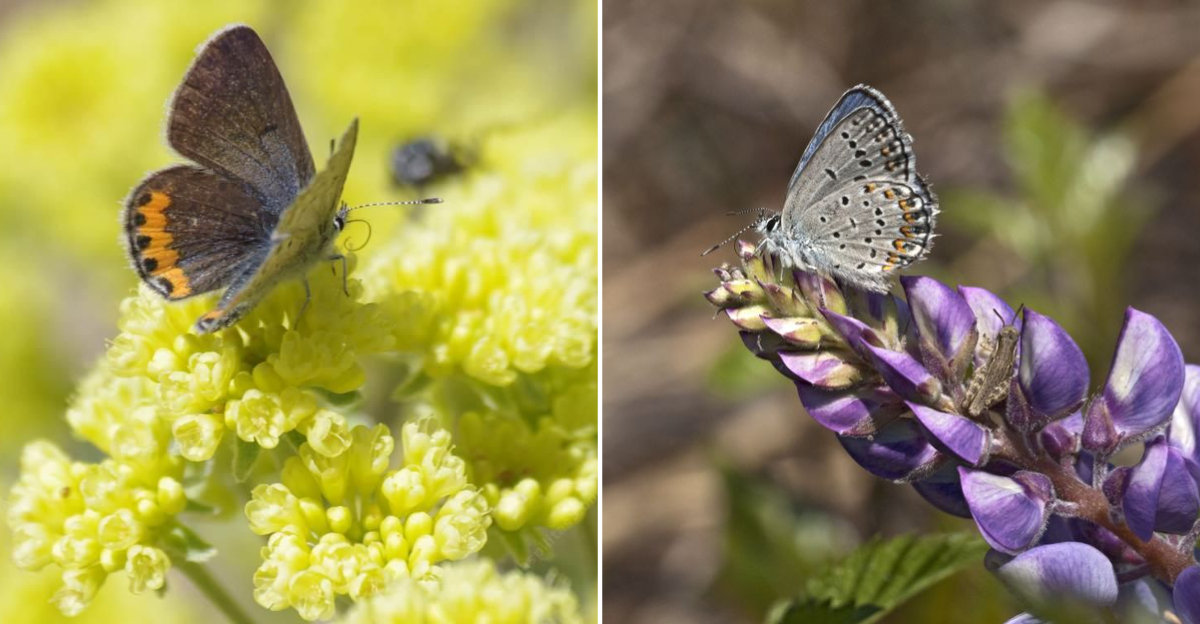
Butterflies bring a little magic to Oregon gardens. One sunny afternoon and suddenly your yard is fluttering with color, movement, and life.
But nectar flowers alone are only half the story. If you really want butterflies to stick around and raise the next generation, they need the right native plants to lay eggs and feed their hungry caterpillars.
That is where smart plant choices make all the difference. Many butterfly species rely on specific Oregon natives as host plants, and without them, those beautiful visitors simply cannot reproduce.
Add the right greenery and your garden becomes more than pretty. It turns into a full butterfly nursery, buzzing and fluttering with new life each season.
The best part is how easy and rewarding it can be. A few well chosen native plants can support eggs, caterpillars, and future butterflies while also thriving in Oregon’s climate. Get ready to grow a garden that truly comes alive.
1. Showy Milkweed (Asclepias speciosa)
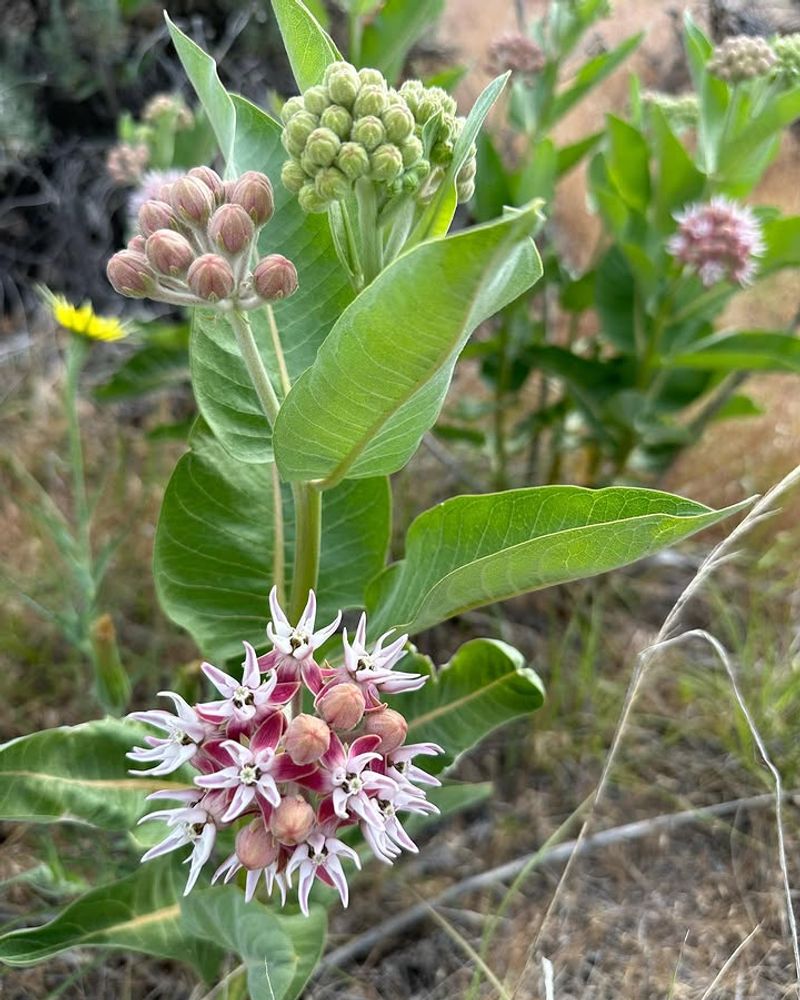
Few plants in Oregon carry as much butterfly magic as Showy Milkweed. Its big, soft pink blooms are like a welcome sign for Monarch butterflies, who rely on this plant almost completely for reproduction.
Monarch females will only lay their eggs on milkweed, making it absolutely essential for the species to survive.
The leaves of Showy Milkweed contain a milky sap that is toxic to most animals but harmless to Monarch caterpillars. In fact, the caterpillars absorb those toxins to protect themselves from predators.
It is one of nature’s most clever survival tricks.
Showy Milkweed grows well in sunny, dry spots across Oregon, especially in the eastern parts of the state. It can reach up to four feet tall and spreads over time through underground roots.
Planting a small cluster creates a big impact fast. Once established, it needs very little water or care, making it a smart and rewarding choice for gardeners who want to support butterflies without a lot of effort.
2. Bigleaf Lupine (Lupinus polyphyllus)
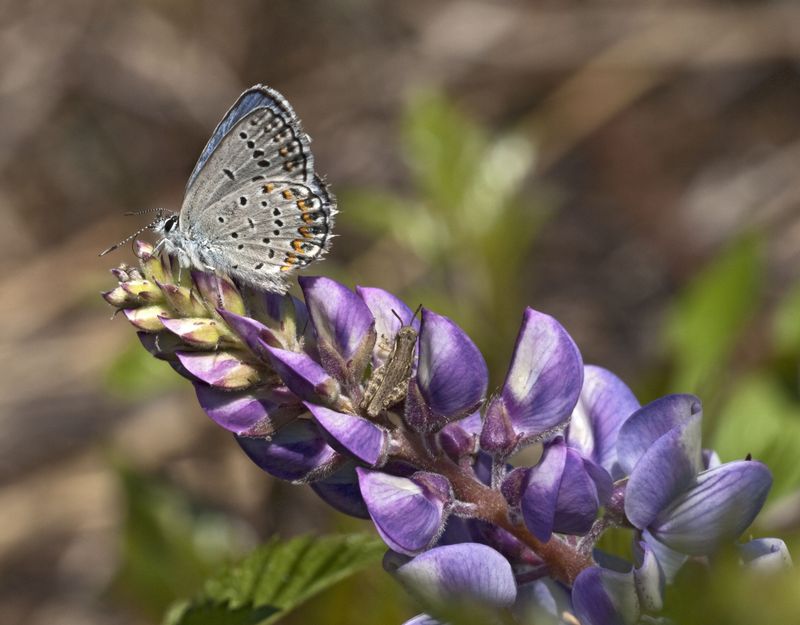
Walking through a wet Oregon meadow in late spring often means stumbling upon tall spikes of purple blooms rising above the grass. That is Bigleaf Lupine, and it is one of the most important native plants for several butterfly species in the Pacific Northwest.
The Silvery Blue butterfly, among others, depends on lupine as a host plant for its caterpillars.
Female Silvery Blue butterflies lay their eggs directly on lupine flower buds and young leaves. When the eggs hatch, the caterpillars feed on the plant before forming a chrysalis.
Without lupine growing nearby, this entire process simply cannot happen in Oregon landscapes.
Bigleaf Lupine loves moist, rich soil and partial shade, which makes it perfect for stream banks, pond edges, and shaded garden beds. It grows quickly and can reach five feet in height during a good season.
The large, palm-shaped leaves are distinctive and beautiful even when the plant is not in bloom. Planting it in groups creates a lush, layered look in the garden while offering butterflies a reliable and abundant food source throughout the spring and early summer months.
Your Oregon Garden Changes Every Week. Your Plan Should Too.
Gardening in Oregon changes quickly throughout the season. Every Friday you’ll receive a simple weekly plan showing exactly what to plant, prune, fertilize, harvest, and protect so you never miss the right timing.
3. Narrowleaf Milkweed (Asclepias fascicularis)
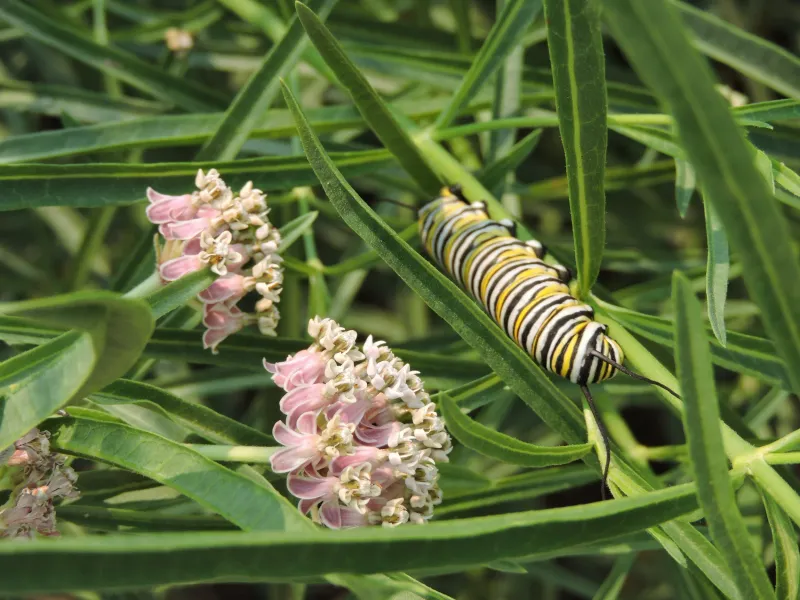
Slender, graceful, and surprisingly powerful, Narrowleaf Milkweed is another critical host plant for Monarch butterflies in Oregon. While it looks more delicate than its showy cousin, it works just as hard to support butterfly reproduction.
Monarch females seek out this plant to lay their tiny, ribbed eggs on the undersides of the narrow leaves.
This milkweed species thrives in dry, open habitats like roadsides, fields, and meadows throughout Oregon. It handles summer heat well and does not need irrigation once it gets established.
Gardeners in the Willamette Valley and southern Oregon have had great success growing it along sunny borders.
What makes Narrowleaf Milkweed especially useful is that it often blooms later in the season than other milkweed species. That extended bloom time gives migrating Monarchs a longer window to find nectar and host plants before they head south.
Planting both milkweed species together creates a more complete habitat. The combination ensures that butterflies passing through Oregon in late summer still have plenty of resources available to them.
4. Snowbrush (Ceanothus velutinus)
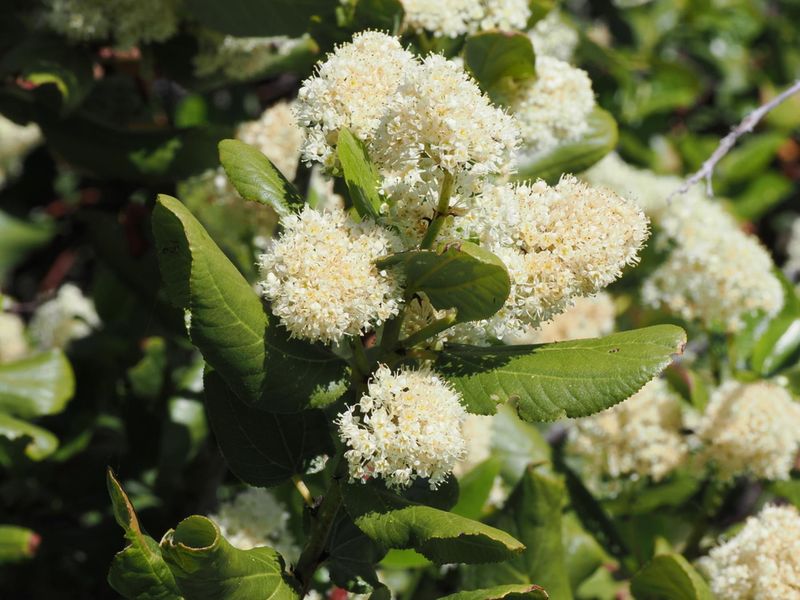
There is something almost magical about seeing a Snowbrush shrub in full bloom. The plant gets its name from the dense, foamy clusters of tiny white flowers that cover it each spring, and those blooms draw butterflies from a surprising distance.
In Oregon, Snowbrush is a key host plant for the Spring Azure butterfly, a small blue species that is one of the first butterflies to appear each year.
Spring Azure females lay eggs on Snowbrush flower buds, and the caterpillars feed on the blossoms as they develop. This tight relationship between plant and butterfly has developed over thousands of years.
Removing Snowbrush from Oregon landscapes can quietly reduce Spring Azure populations without anyone noticing right away.
Snowbrush is a tough, drought-tolerant shrub that grows on open slopes, forest edges, and disturbed areas throughout Oregon. It can reach six feet tall and wide, creating excellent cover and habitat for many insects.
The leaves are thick and waxy, helping the plant survive dry summers. It also improves soil by fixing nitrogen, which benefits surrounding plants.
For gardeners looking for a multi-purpose native shrub that supports butterflies, Snowbrush is a standout choice.
5. Early Blue Violet (Viola adunca)
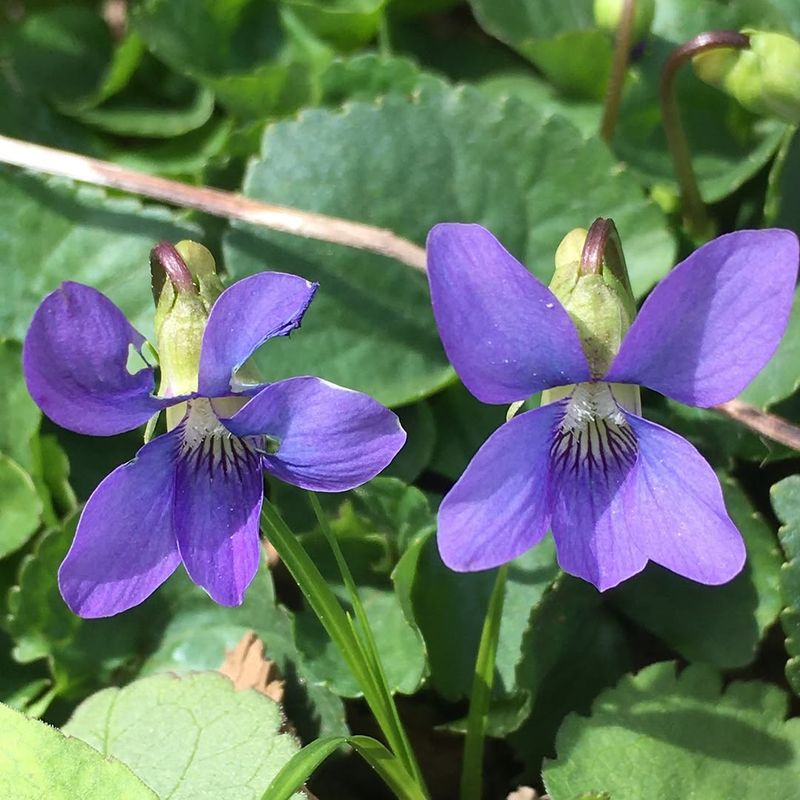
Small but mighty, Early Blue Violet is one of those plants that quietly does enormous work for Oregon butterflies. Several Fritillary butterfly species, including the Pacific Fritillary and the Great Spangled Fritillary, use violets as their only caterpillar host plant.
That means no violets equals no Fritillaries, which is a big deal for Oregon ecosystems.
Female Fritillary butterflies do something unusual when laying eggs. Instead of placing them directly on the plant, they often drop eggs near violets in late summer.
The eggs overwinter and hatch in spring, when fresh violet leaves are just beginning to grow. The tiny caterpillars then crawl to the nearest violet and start feeding right away.
Early Blue Violet is a low-growing plant that thrives in moist, shaded spots like forest edges, stream banks, and shaded garden corners across Oregon. Its cheerful purple flowers bloom early in spring, providing one of the first nectar sources of the season.
It spreads naturally by seed and can fill in bare patches under trees where other plants struggle. Gardeners who add it to shaded areas are rewarded with a carpet of color and a steady stream of butterfly visitors throughout the warmer months.
6. Stinging Nettle (Urtica dioica)
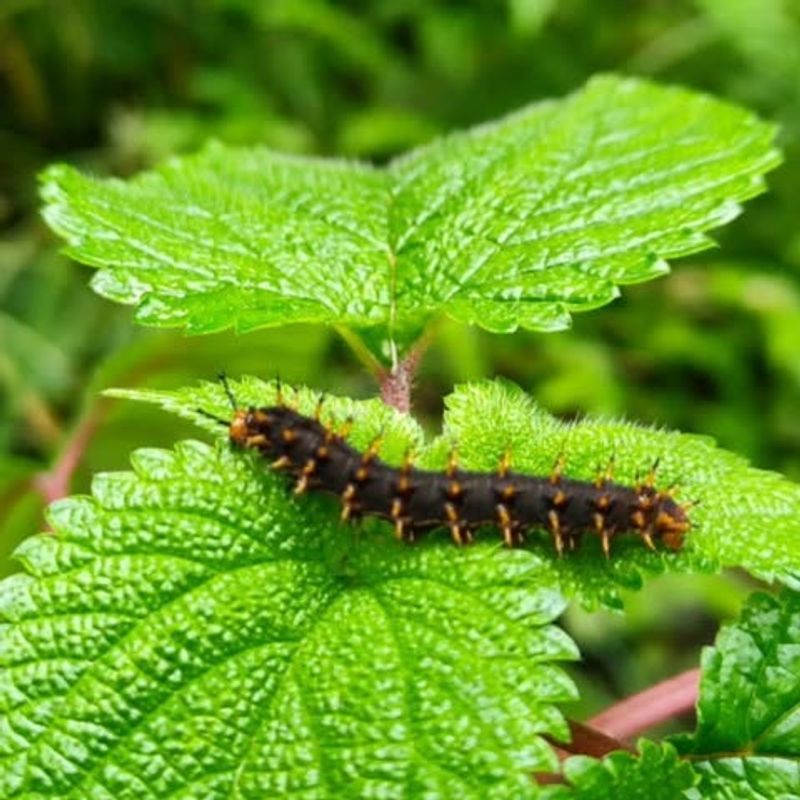
Not every butterfly plant is pretty, and Stinging Nettle proves that point with confidence. This prickly, overlooked plant is actually one of the most valuable butterfly host plants in all of Oregon.
The Red Admiral, Painted Lady, Satyr Comma, and Western Comma butterflies all depend on Stinging Nettle to raise their young. That is an impressive list for a plant most people want to pull out of their gardens.
Female Red Admiral butterflies lay their eggs on the tips of nettle leaves, and the caterpillars fold the leaves around themselves for shelter while they feed. This behavior is fascinating to watch if you take the time to look closely at a nettle patch in spring or early summer.
Oregon gardeners who tolerate a small patch of nettles in a back corner are providing habitat for multiple butterfly species at once.
Stinging Nettle grows best in moist, nutrient-rich soil near streams, ditches, and shaded areas throughout Oregon. It spreads aggressively, so planting it in a contained area or along a natural boundary works best.
Wear gloves when handling it. The sting fades quickly and causes no lasting harm.
Beyond butterflies, nettles also support dozens of other beneficial insects and are edible when cooked.
7. Red-Flowering Currant (Ribes sanguineum)
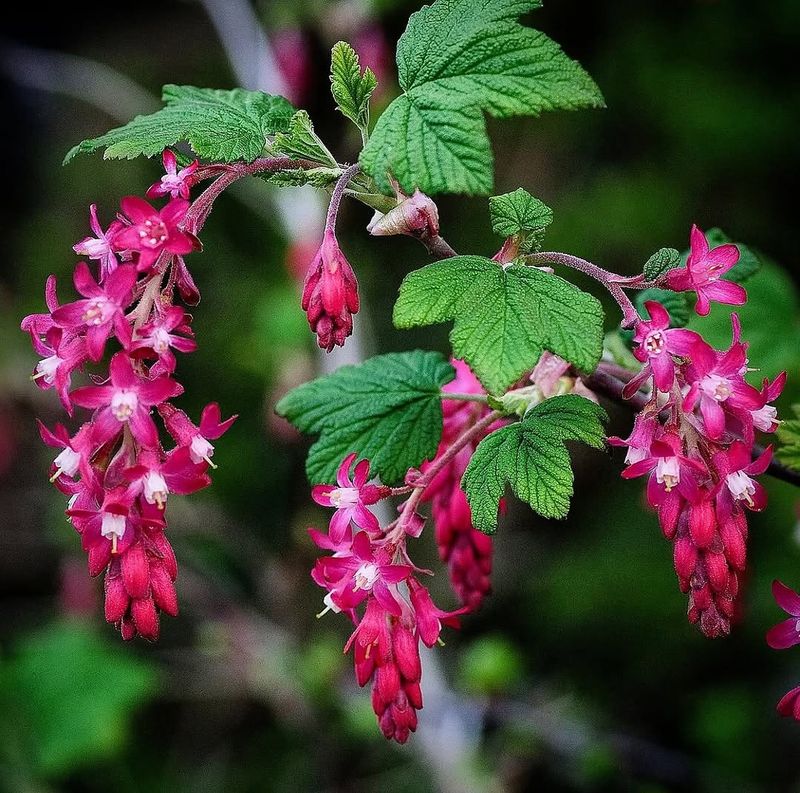
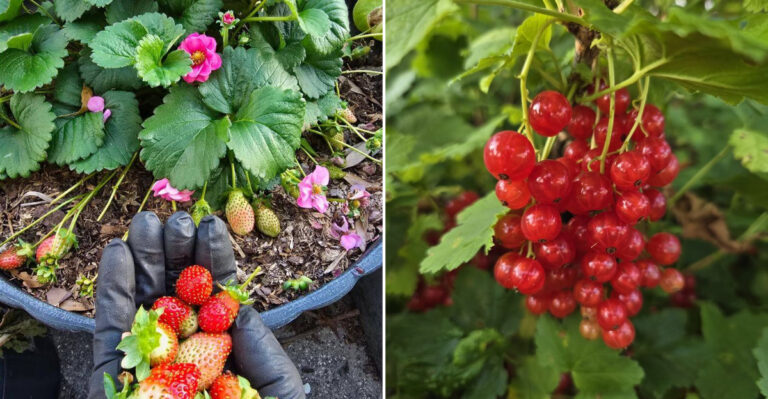
One of Oregon’s most beloved native shrubs, Red-Flowering Currant bursts into bloom just as the first butterflies of the year begin to stir. The drooping clusters of deep pink and red flowers are hard to miss, and butterflies certainly do not miss them.
This shrub serves as both a nectar source and a host plant, making it one of the most butterfly-friendly plants you can grow in Oregon.
The Gray Hairstreak butterfly uses currant as a caterpillar host plant, with females laying eggs on the flowers and developing fruit. The caterpillars are well camouflaged and blend in with the plant remarkably well.
Watching for them in late spring is a fun activity for kids and adults exploring Oregon gardens.
Red-Flowering Currant is adaptable and grows in a wide range of conditions, from full sun to partial shade, in both moist and dry soils. It is commonly found in forests, roadsides, and urban gardens throughout western Oregon.
The shrub grows six to ten feet tall and provides excellent cover for birds and insects alike. It is also deer-resistant, which is a bonus for gardeners in rural Oregon areas.
Few plants offer this much beauty and wildlife value in one package.
8. Sitka Willow (Salix sitchensis)
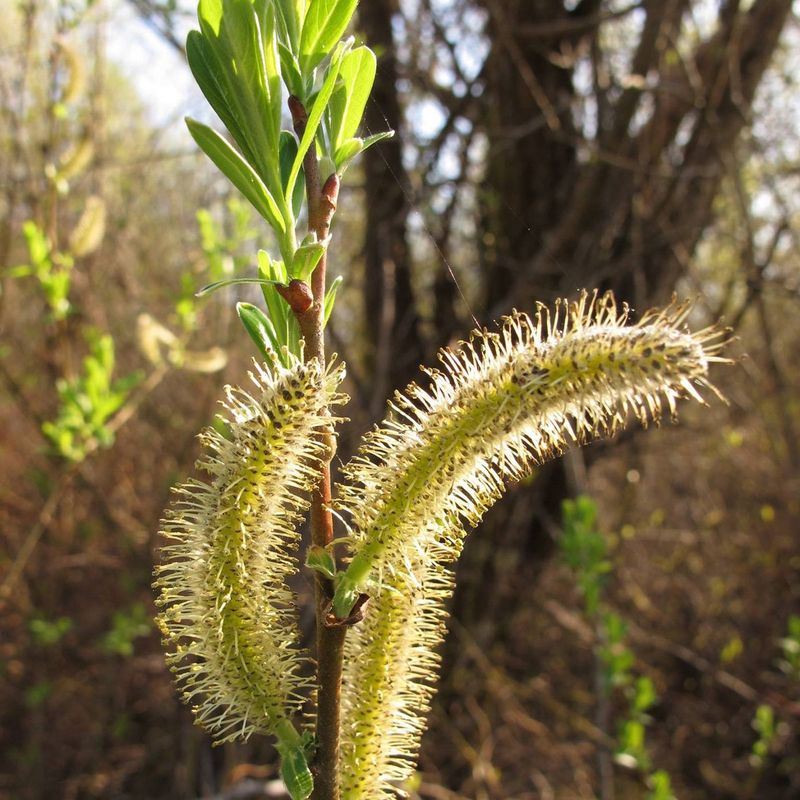
Along Oregon’s rivers and wetlands, Sitka Willow is a familiar and important presence. It may not have showy flowers, but it supports more butterfly species than almost any other native tree or shrub in the region.
Mourning Cloaks, Western Tiger Swallowtails, and Lorquin’s Admirals all use willows as host plants for their caterpillars. That kind of butterfly biodiversity is hard to beat.
Mourning Cloak butterflies are one of the earliest species to appear in Oregon each year, often flying on warm days in late winter.
They lay their eggs in clusters on willow branches, and the spiny black caterpillars hatch and feed gregariously, meaning they eat together in groups.
Watching a branch covered in caterpillars feeding side by side is one of nature’s more dramatic springtime shows.
Sitka Willow grows naturally along streams, ponds, and wetlands across Oregon, reaching up to fifteen feet in height. It is fast-growing and easy to establish from cuttings, making it an accessible choice for restoration projects and home gardens near water.
The soft, fuzzy catkins that emerge in early spring also provide early pollen for native bees. Adding Sitka Willow to a moist area of your Oregon property creates an instant wildlife hotspot.
9. Sulphur Buckwheat (Eriogonum umbellatum)
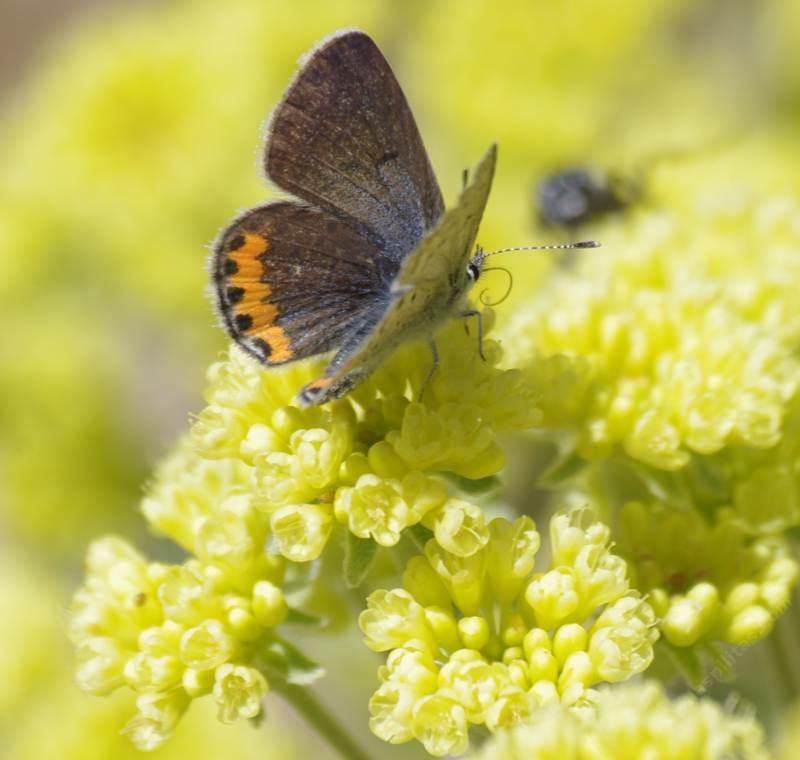
Rocky slopes and dry ridges across Oregon come alive with yellow in summer thanks to Sulphur Buckwheat. This low-growing wildflower is a powerhouse for butterflies, especially Blues and Coppers, which depend on buckwheat plants as host plants.
The Behr’s Hairstreak and the Lupine Blue are among the Oregon butterfly species closely tied to this plant.
Female Blues lay their eggs on buckwheat flowers and buds. The caterpillars then feed on the developing seeds and flower tissue as they grow.
In some years, a single patch of Sulphur Buckwheat can support dozens of butterfly caterpillars at once. That kind of productivity makes it an incredibly efficient plant for supporting Oregon’s butterfly populations.
Sulphur Buckwheat is built for tough conditions. It thrives in well-drained, rocky, or sandy soils with full sun and very little water once established.
This makes it perfect for dry eastern Oregon gardens, rock gardens, or sunny slopes where other plants struggle to survive. It forms a low, spreading mat of gray-green foliage that looks attractive even when not in bloom.
The cheerful yellow flowers appear from late spring through midsummer and attract a wide variety of pollinators beyond just butterflies, making it a true garden workhorse.
10. Common Yarrow (Achillea millefolium)
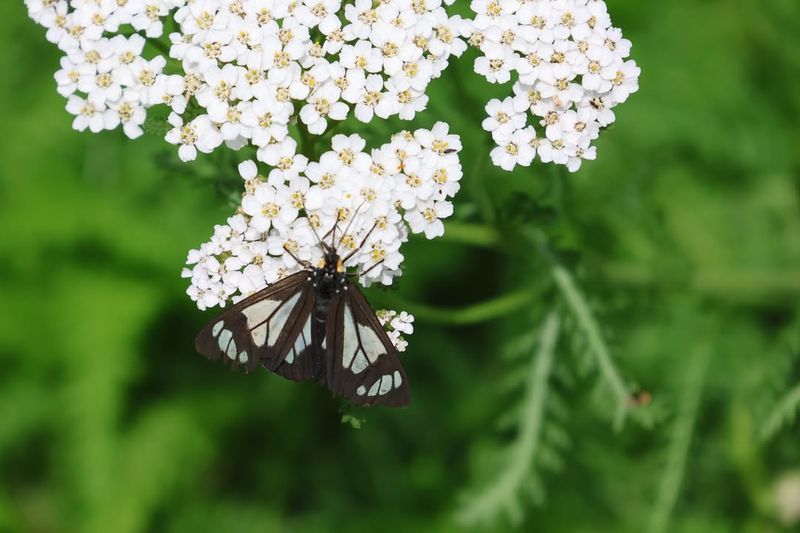
Common Yarrow has been part of Oregon’s landscape for thousands of years, and butterflies have been taking advantage of it for just as long. The flat-topped clusters of tiny white or pale pink flowers act like a landing pad for butterflies, giving them easy access to nectar.
Painted Ladies, Checkerspots, and Skippers are among the many species regularly seen nectaring on yarrow across Oregon.
Beyond nectar, yarrow also supports butterfly reproduction in a less obvious way. Some checkerspot species use yarrow as a caterpillar host plant, with females laying eggs on the leaves in late spring.
The caterpillars are small and well-hidden among the feathery foliage. If you grow yarrow in Oregon, look closely at the leaves in early summer and you might spot tiny caterpillars feeding quietly.
Common Yarrow is one of the easiest native plants to grow in Oregon. It tolerates poor soil, drought, and full sun without complaint.
It spreads steadily through underground stems and self-seeding, filling in bare spots in meadows and garden beds. The ferny, aromatic leaves are beautiful all season long, not just when the plant is in bloom.
For beginner gardeners in Oregon who want to support butterflies without a steep learning curve, yarrow is the perfect starting point.