This Is How To Keep Deer From Eating Your Daylilies In Pennsylvania

Daylilies bring color, texture, and life to Pennsylvania gardens, but for many gardeners, deer see them as an all-you-can-eat buffet.
It can be frustrating to watch buds and blooms disappear overnight, especially after putting in time and care to make your flower beds look vibrant.
Deer are selective eaters, and while they enjoy a variety of garden plants, daylilies are a favorite in many areas. Protecting these blooms requires a mix of strategy, observation, and sometimes a little creativity.
From natural deterrents to physical barriers, there are ways to keep your flowers safe without harming wildlife.
Understanding deer behavior is key. They are cautious, follow familiar routes, and often graze at dawn or dusk.
By anticipating their habits and taking steps to protect your daylilies, Pennsylvania gardeners can enjoy healthy, colorful blooms throughout the season while keeping deer at bay.
1. Install Physical Barriers (The Most Reliable Solution)
Nothing stops a determined deer quite like a solid wall standing between it and your daylilies.
Physical barriers are widely considered the most dependable solution for Pennsylvania gardeners who are serious about protecting their flower beds. When deer cannot get to a plant, they simply move on.
Fencing is your strongest option. A fence needs to be at least 7 to 8 feet tall because deer are surprisingly powerful jumpers.
Standard garden fencing that only reaches 4 or 5 feet will barely slow them down. For smaller garden beds, you can use wire cages or garden hoops covered with deer netting.
These work especially well during spring when new shoots are just beginning to emerge and deer are actively browsing.
Temporary deer netting is a budget-friendly choice for peak browsing season. You can install it quickly around vulnerable areas and remove it once the season shifts.
It is lightweight, easy to store, and works well when wrapped around individual plant clusters.
For rural properties in Pennsylvania, electric fencing is another option worth considering. A two-strand electric fence positioned correctly can discourage deer from crossing into garden areas. It requires a bit more setup but offers strong long-term results.
Garden cages made from wire mesh are perfect for protecting smaller daylily groupings. You can shape them to fit almost any bed size.
Physical barriers are the only near-guaranteed protection method available, and Pennsylvania gardeners who use them consistently report far less damage than those relying on other methods alone. Start with fencing and build your strategy from there.
2. Use Deer Repellents Consistently
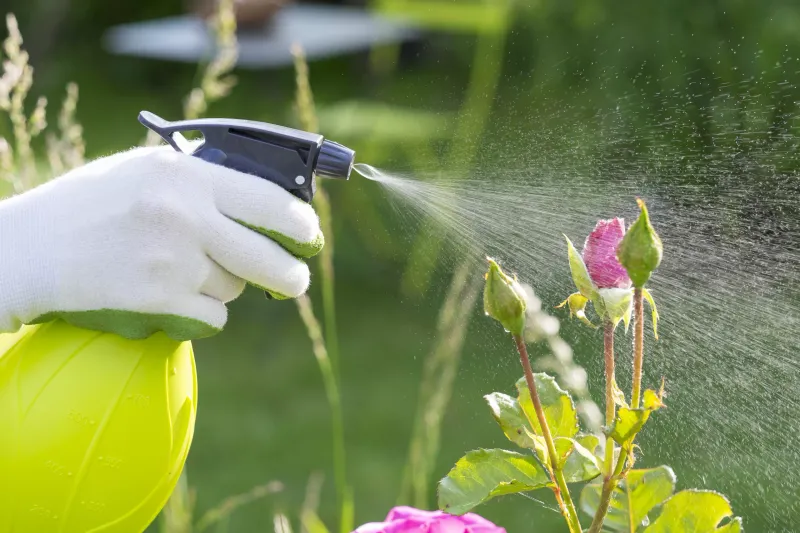
Smell is one of a deer’s greatest strengths, and repellents use that against them. Products designed to make your plants smell or taste unpleasant can seriously reduce the amount of browsing damage your daylilies experience throughout the growing season in Pennsylvania.
The key word with repellents is consistency. Applying a repellent once and forgetting about it will not get the job done.
You need to start spraying in early spring, right before heavy browsing begins, and keep up with it throughout the season.
Rain washes repellents away quickly, so reapplication after every significant rainfall is essential. Most product labels recommend reapplying every 7 to 14 days during wet weather.
Your Pennsylvania Garden Changes Every Week. Your Plan Should Too.
Gardening in Pennsylvania changes quickly throughout the season. Every Friday you’ll receive a simple weekly plan showing exactly what to plant, prune, fertilize, harvest, and protect so you never miss the right timing.
One smart strategy is rotating between different repellent products. Deer are adaptable animals.
If they smell the same scent week after week, they may start ignoring it. Switching between egg-based repellents, garlic-based sprays, and predator urine products keeps deer guessing and makes your garden less predictable.
Always spray new growth directly. Young, tender shoots are exactly what deer prefer.
Covering those emerging leaves and buds with repellent makes them far less appealing. Many Pennsylvania gardeners have found that combining a contact repellent with an area repellent gives the best overall coverage.
Keep realistic expectations in mind. Repellents reduce damage significantly, but no spray product is completely foolproof, especially during harsh winters or drought conditions when natural food is scarce.
Use repellents as part of a broader protection plan rather than your only line of defense. Applied correctly and regularly, they make a real difference for daylily beds across Pennsylvania.
3. Plant Deer-Resistant Companion Plants Around Daylilies

Deer are opportunistic eaters. They prefer easy, unobstructed access to their favorite plants.
Surrounding your daylilies with strongly scented or unpleasant-tasting companion plants is a clever way to make your garden less convenient and less appealing to visiting deer in Pennsylvania.
Lavender is one of the best companion plants you can use. Its strong fragrance is lovely to people but deeply off-putting to deer.
Russian sage is another excellent choice. It has a pungent aroma and a spiky texture that deer tend to avoid.
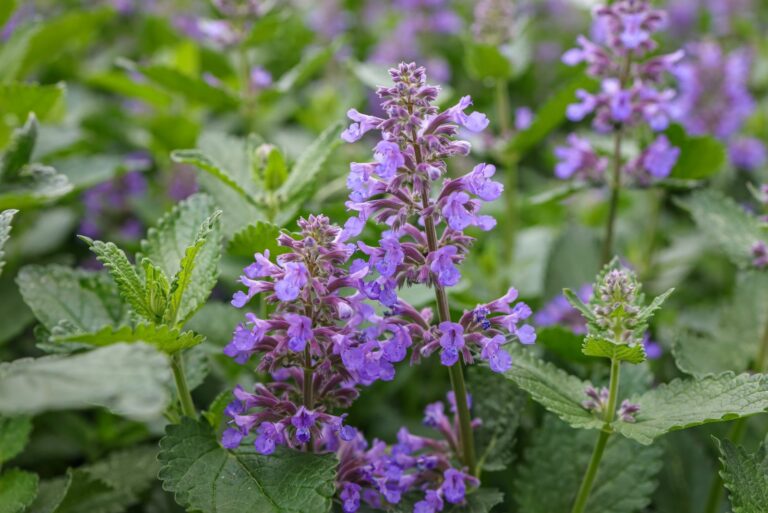
Catmint works similarly and blooms beautifully alongside daylilies, giving your garden both protection and visual charm.
Ornamental grasses add another layer of defense. Planting tall grasses like switchgrass or maiden grass around the edges of your daylily beds creates a physical buffer that deer find inconvenient to push through.
Dense plantings are far more effective than isolated plant clusters. When deer have to work hard to reach a snack, they usually look elsewhere.
Creating a layered garden design works really well in Pennsylvania landscapes. Put the most deer-resistant plants on the outer edges and tuck your daylilies toward the center or back.
This approach makes your daylilies harder to spot and harder to reach at the same time.
Mixing textures and scents throughout your garden sends a clear message to browsing deer. The more varied and uninviting the surrounding plants are, the less likely deer are to push through them for your daylilies.
Companion planting is a natural, chemical-free strategy that improves your garden’s beauty while quietly working as a protective shield.
4. Remove Deer Attractants From Your Yard
Here is something many Pennsylvania gardeners overlook: deer do not just wander into yards by accident. They return to places where they have found food before.
If your yard is consistently offering easy meals, deer will keep coming back, and your daylilies will pay the price every single time.
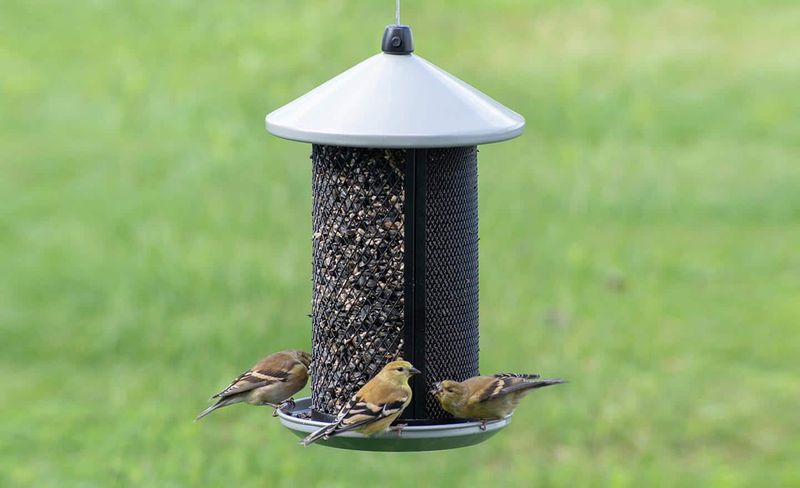
Bird feeders are one of the biggest hidden culprits. Seed that falls to the ground creates a reliable snack station for deer.
Once deer learn your yard has food at ground level, they start exploring everything nearby, including your flower beds. Switching to feeders with catch trays or simply cleaning up fallen seed regularly can make a big difference.
Fruit trees and vegetable gardens are also major attractants. Fallen apples, pears, or tomatoes left on the ground invite deer to linger.
Make a habit of picking up dropped fruit quickly, especially during late summer and early fall when deer are building up their fat reserves before winter.
Accessible water sources can also encourage deer to spend more time in your yard. While you may not want to remove a birdbath entirely, being aware of how it contributes to deer traffic is helpful.
Reducing the overall appeal of your yard as a deer hangout spot is a smart long-term strategy.
Open, grassy areas give deer a comfortable place to graze and feel safe. Breaking up those spaces with denser plantings or garden structures makes your yard feel less like a peaceful feeding ground.
Pennsylvania yards that consistently remove attractants see noticeably fewer deer visits over time. Small changes add up to real protection for your daylilies.
5. Install Motion-Based Deterrents

Deer are creatures of habit. They love quiet, predictable routines, which is exactly why sudden movement, unexpected noise, or a surprise burst of water can send them running.
Motion-based deterrents take advantage of this instinct and can be a genuinely useful tool for Pennsylvania gardeners.
Motion-activated sprinklers are probably the most effective option in this category. When a deer steps into range, the sensor triggers a short burst of water.
It startles the animal without causing any harm and reinforces the idea that your yard is unpredictable and uncomfortable. Many Pennsylvania gardeners swear by these devices, especially when placed near garden entrances or along common deer pathways.
Motion-activated lights are another solid choice. Deer prefer to browse in low light or darkness.
A sudden bright light interrupts that comfort zone and often causes them to bolt. Solar-powered motion lights are affordable, easy to install, and require very little maintenance throughout the season.
Noise-based devices, like ultrasonic repellers or wind chimes, can have some short-term effect. However, deer adapt to consistent sounds relatively quickly.
If the same noise plays every night, deer eventually stop reacting to it. That is why noise deterrents work better when rotated or combined with other methods rather than used on their own.
The real power of motion-based deterrents comes when you layer them with other strategies. Use a sprinkler near one entry point, a light near another, and a repellent spray on the plants themselves.
This combination approach keeps deer uncertain about what to expect. Uncertainty is your friend when it comes to protecting your Pennsylvania daylilies from persistent browsing deer.
6. Protect Plants During Peak Risk Periods
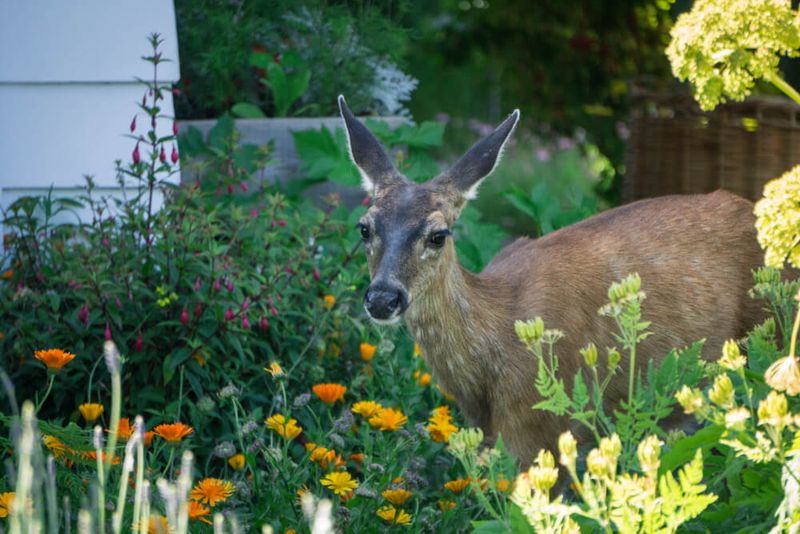
Timing matters more than most gardeners realize. Deer do not browse equally throughout the year.
There are specific windows when your Pennsylvania daylilies face the highest risk, and knowing those windows gives you a major advantage in keeping your plants safe.
Early spring is the most dangerous time. When daylily shoots first push up through the soil, they are tender, sweet, and incredibly attractive to deer coming out of a long winter.
At this stage, the plants are at their most vulnerable and deer are at their hungriest. Applying repellents the moment you see new growth is critical. Do not wait until you see damage to take action.
Late summer brings a second wave of risk. When drought conditions settle in across Pennsylvania, natural food sources dry up and deer expand their search for anything green and edible.
Your irrigated, healthy daylily bed can look like a buffet compared to a dry, brown landscape. Staying alert during August and September is just as important as protecting plants in spring.
Temporary fencing during these peak periods is one of the smartest investments you can make. You do not need to keep it up all year.
Simply install lightweight netting or wire cages when new growth flushes in spring and again during late summer dry spells. Remove it once the risk passes.
Monitoring your garden regularly makes a real difference. Deer damage can appear overnight, and catching it early allows you to respond before major harm is done.
Walk your garden every few days during high-risk periods and look for nibbled tips or hoof prints nearby. Staying proactive is the best way to protect your Pennsylvania daylilies all season long.