The Reason Gardenias Thrive In North Carolina And How To Keep Them Blooming
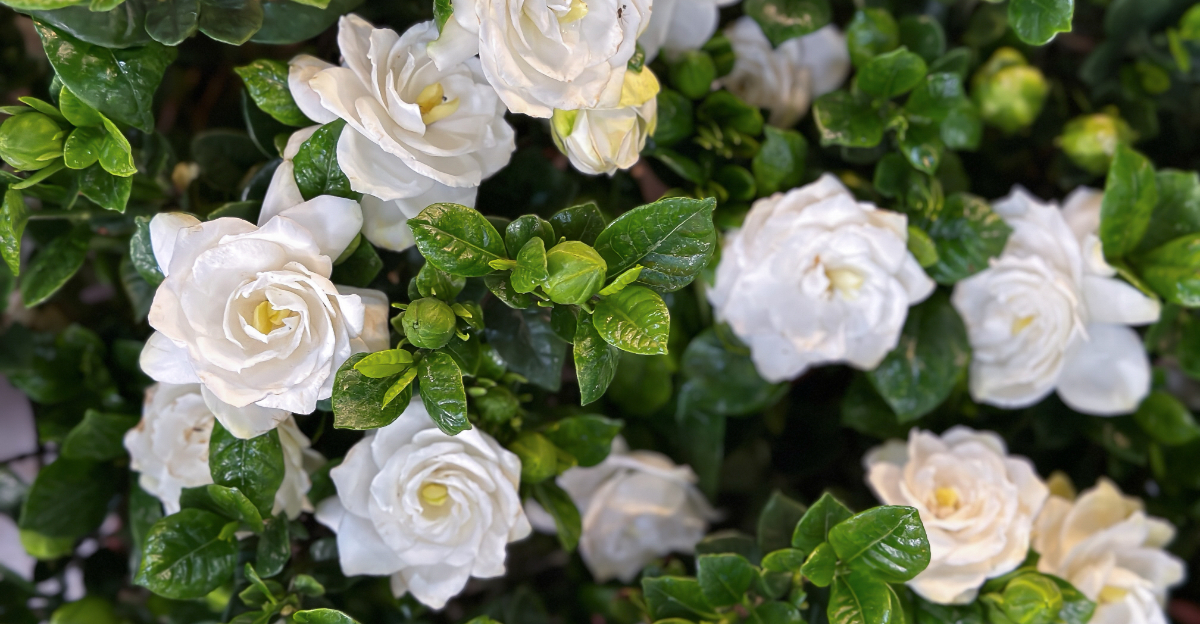
There’s something about stepping outside on a warm Carolina morning and catching that sweet, creamy scent of gardenias drifting through the air. Maybe it reminds you of the garden you tended with your mother or the porch where you shared lemonade with friends on summer afternoons.
It’s a smell that seems to belong to North Carolina itself.
Gardenias have a special way of thriving here, thanks to our humid summers, mild winters, and soil that gives their roots exactly what they need. If you’ve ever wondered why your plants bloom with such confidence while your neighbor’s struggle, it’s not luck – it’s the perfect mix of climate and care.
Getting them to keep flowering all season is easier than most think, and a few simple shifts in watering, sunlight, and pruning can make your garden smell like a southern dream. Let’s explore the secrets that will keep your gardenias dazzling.
1. Why North Carolina’s Climate Suits Gardenias So Well
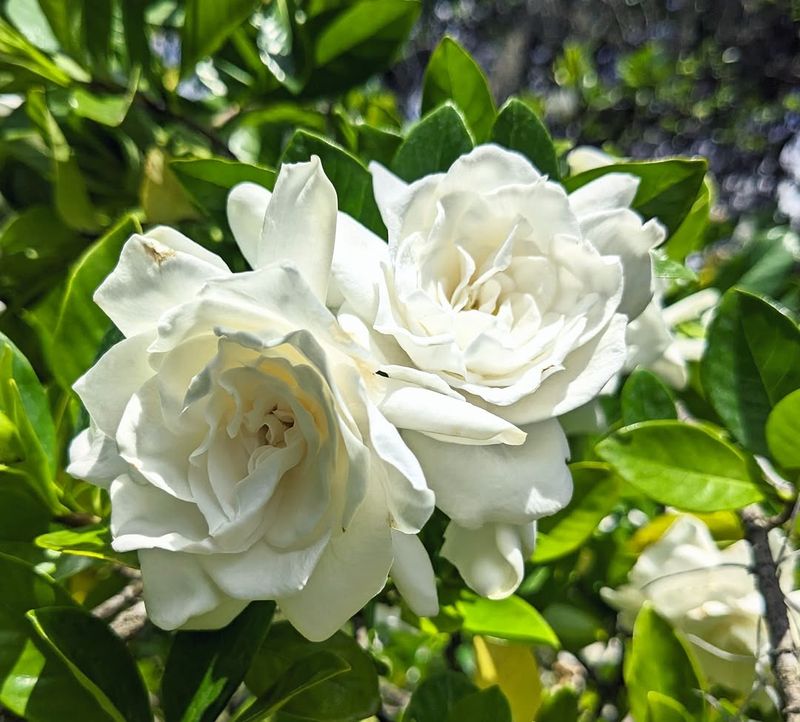
Originating from tropical and subtropical Asia, this fragrant shrub prefers warmth, humidity, and consistent moisture to flourish. North Carolina offers conditions that generally support these needs during the growing season, with warm summers, relatively mild winters in many areas, and periods of higher humidity that help plants maintain glossy leaves and encourage blooming.
However, gardeners in different regions of the state may notice varying results depending on local microclimates and soil conditions.
Most of North Carolina falls within USDA hardiness zones 7 and 8, where winters are typically moderate, giving established gardenias a reasonable chance to survive cold snaps with minimal stress. While occasional cold events can occur, especially in zone 7, plants can often recover in spring if properly cared for.
Summers bring warmth and humidity, providing a favourable environment for flower bud development.
Regular rainfall patterns throughout the state can help supplement watering, though gardeners should always observe soil moisture and adjust irrigation as needed. Locations with heavier clay soils or poor drainage may require raised beds or soil amendments to maintain balance.
Consistency in temperature and humidity supports the natural growth rhythm of gardenias, allowing them to produce the fragrant, creamy blooms many gardeners enjoy. By combining suitable site selection, proper soil care, and attention to watering, North Carolina gardeners can encourage gardenias to thrive without relying solely on luck or idealised climate claims.
2. Give Them The Right Light For Steady Blooms
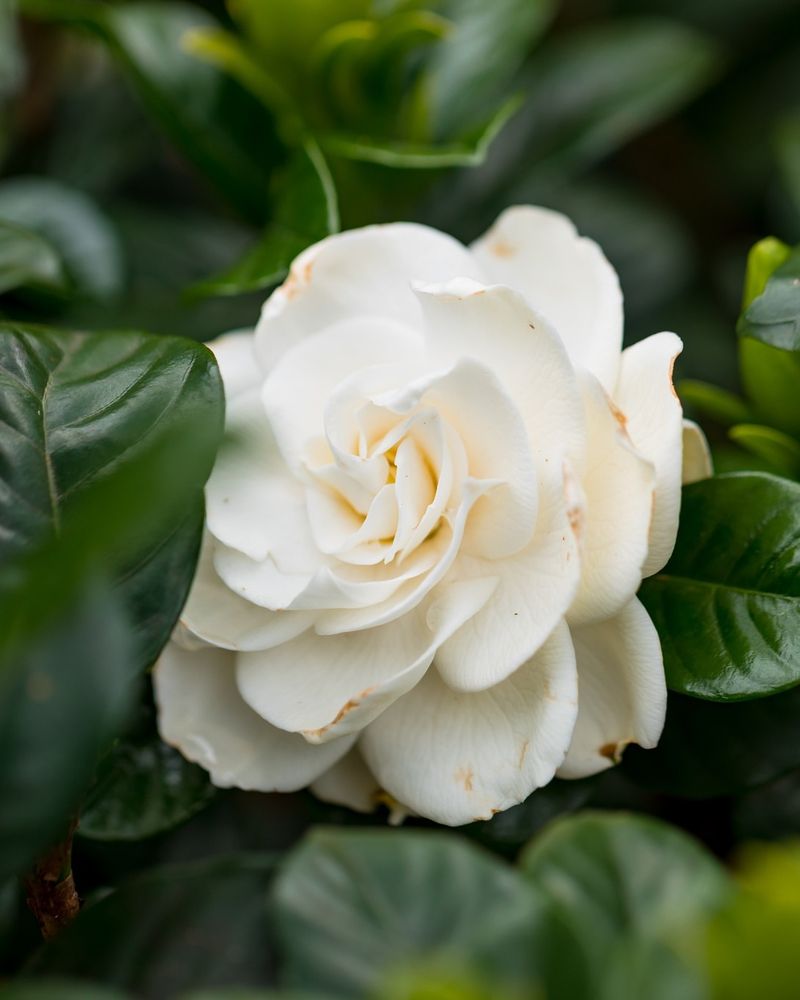
Light requirements can make or break your gardenia’s ability to produce flowers consistently throughout the season. Gardenias perform best when they receive morning sun and afternoon shade, which protects them from the most intense heat while still providing enough light for flower bud formation.
In North Carolina, where summer afternoons can get quite hot, this balance becomes especially important for keeping plants healthy and blooming.
Full sun exposure often causes stress for gardenias in North Carolina, leading to leaf scorch and reduced flowering. The harsh afternoon sun can be too intense, causing leaves to fade and flowers to drop prematurely.
Your North Carolina Garden Changes Every Week. Your Plan Should Too.
Gardening in North Carolina changes quickly throughout the season. Every Friday you’ll receive a simple weekly plan showing exactly what to plant, prune, fertilize, harvest, and protect so you never miss the right timing.
Instead, look for locations on the east side of your house or beneath tall trees that filter the strongest rays while still allowing plenty of bright, indirect light to reach the plants.
Too much shade presents the opposite problem, as gardenias grown in deep shade will produce plenty of leaves but very few flowers. They need at least four to six hours of light daily to set buds properly.
North Carolina gardeners should observe how sunlight moves across their yards throughout the day and choose spots that offer that sweet spot of morning brightness without afternoon intensity. Adjusting the location of container-grown gardenias becomes easier if you discover the light isn’t quite right.
3. Keep Soil Moist Without Letting Roots Sit Wet
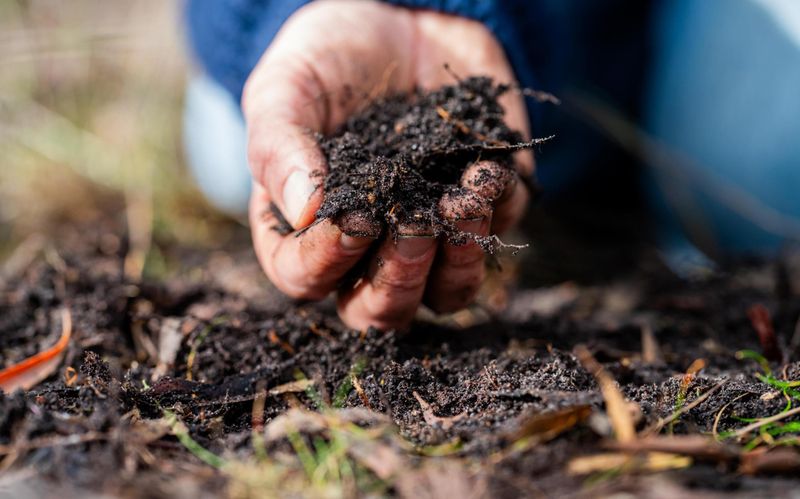
Water management separates successful gardenia growers from those who struggle with unhealthy plants. Gardenias need consistently moist soil, but they do not do well in waterlogged conditions that can suffocate roots.
North Carolina’s clay-heavy soils in many areas can make drainage tricky, so understanding how to maintain the right moisture balance becomes critical for long-term success.
Check the soil moisture regularly by sticking your finger about two inches down into the ground near your gardenia. If it feels dry at that depth, it’s time to water deeply until moisture penetrates several inches down.
Shallow, frequent watering encourages weak root systems, while deep watering once or twice a week promotes strong roots that can better support flower production and overall plant health.
During North Carolina’s hot summer months, gardenias may need more frequent watering, especially if they’re growing in containers or sandy soils that drain quickly. However, avoid creating puddles or allowing water to stand around the base of the plant.
Installing your gardenias in raised beds or amending heavy clay soil with organic matter improves drainage significantly. Rain gauges help you track natural rainfall so you can adjust your watering schedule accordingly and avoid overwatering during wet periods that are common in North Carolina.
4. Feed Gardenias At The Right Time Of Year
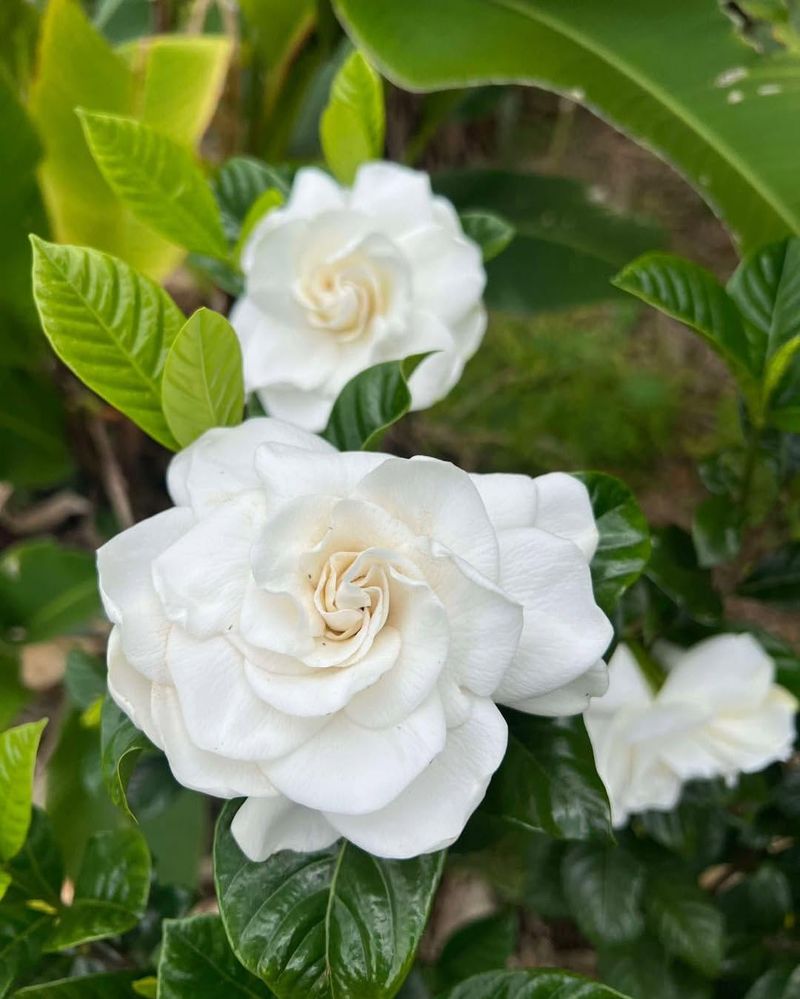
Feeding properly helps gardenias maintain health and support flowering, but timing and nutrient balance may vary across North Carolina. Gardenias are acid-loving plants, benefiting from fertilizers formulated for low-pH soils that provide key nutrients like iron and sulfur.
Applying fertilizer every four to six weeks during active growth can support robust foliage and flower bud formation, though gardeners should tailor schedules to local conditions and the plant’s development stage.
In many areas, early spring fertilization coincides with new growth emerging, which may occur from March through April in southern parts of the state, but gardeners in cooler regions might wait until later to avoid stressing plants with late frosts. Fertilizing later in the season can stimulate tender growth that may not withstand sudden cold snaps, so adjusting timing based on observed growth is important.
Amount and placement of fertilizer also matter. Follow package instructions carefully, avoiding direct contact with stems or leaves to prevent burning.
Thorough watering after application helps nutrients penetrate the root zone for efficient uptake. Monitoring plant response allows gardeners to make small adjustments rather than applying excess nutrients.
By balancing the right product, timing, and technique, North Carolina gardeners can maintain gardenia health and encourage blooms while avoiding common pitfalls associated with fertilization.
5. Prune Carefully To Protect Next Season’s Buds
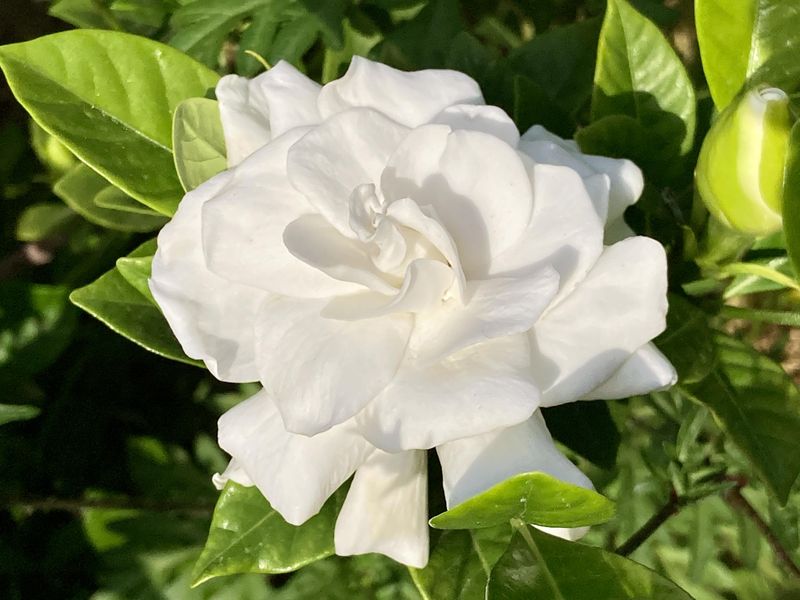
Timing your pruning correctly protects the flower buds that will open next season and keeps your gardenias looking their best. Gardenias set their flower buds in late summer and fall for the following year’s bloom, which means pruning at the wrong time can accidentally remove next season’s flowers before you ever see them.
North Carolina gardeners should complete any major pruning right after the main flush of spring flowers finishes, typically in late June or early July.
Light shaping and removal of spent flowers can happen throughout the growing season without harming future blooms. Deadheading, which means removing faded flowers, actually encourages plants to put energy into new growth and additional flower production rather than seed development.
Use clean, sharp pruning shears and make cuts just above a leaf node to promote bushier growth and maintain an attractive shape.
Avoid heavy pruning in fall or winter across North Carolina, as this removes the buds that have already formed for next spring’s show. If your gardenia has become overgrown or misshapen, tackle the renovation pruning right after flowering ends in early summer, giving the plant plenty of time to recover and set new buds before fall arrives.
Remove any branches that cross or rub against each other, along with any damaged or diseased wood that could harbor problems.
6. Watch For Yellow Leaves And Fix Issues Early
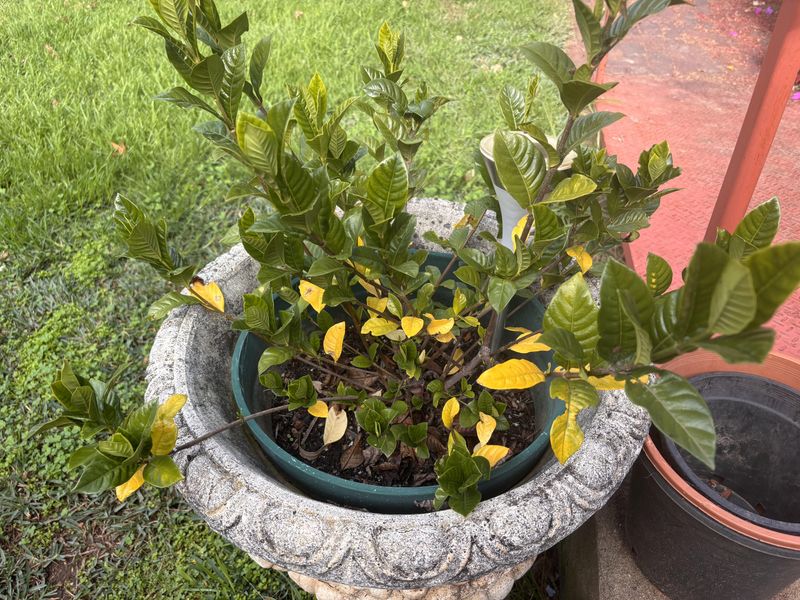
Several issues can cause leaves on gardenias to turn yellow, including nutrient deficiencies, water stress, or pest activity. One common cause is iron deficiency, or chlorosis, which appears as yellow leaves with green veins.
Soil pH influences iron availability, and areas of North Carolina with higher pH soils may experience this issue more readily. Testing soil pH helps determine if amendments such as sulfur or acidifying fertilizers are needed to improve nutrient uptake.
Overwatering can also result in yellowing, often with leaves turning uniformly yellow and lacking green veins. Gardenias prefer consistently moist but well-draining soil, so checking moisture levels and adjusting irrigation can help prevent root stress.
Containers, sandy soils, or clay-heavy areas may require closer attention to avoid waterlogged conditions.
Pests, including spider mites or aphids, may cause yellowing as well. Inspect leaves carefully for insects, webbing, or unusual spotting, particularly on the undersides.
Early detection and treatment can reduce plant stress and preserve flowering potential. By observing leaf colour, checking soil chemistry, and monitoring water and pest conditions, gardeners can take measured steps to support plant health, encouraging lush foliage and continued flower production without relying on broad generalizations about state-wide soil conditions.
7. Mulch Smart To Support Strong Flower Production
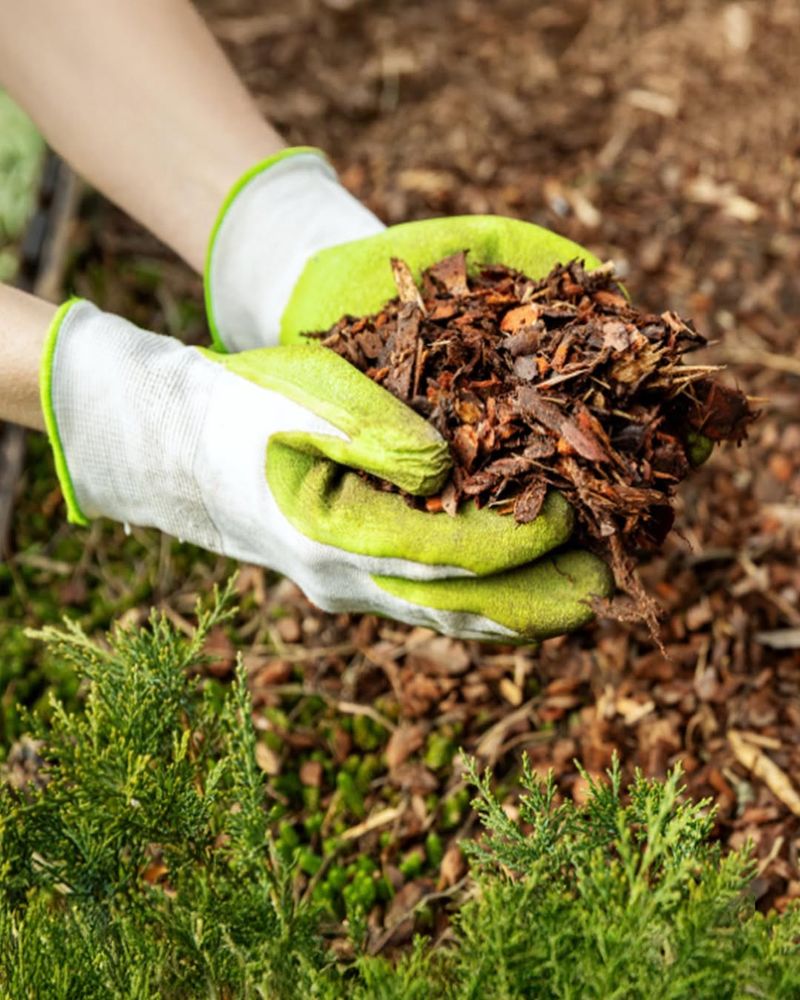
Providing multiple benefits, a proper mulch layer directly supports better flowering and healthier gardenias throughout North Carolina’s growing season. It helps maintain consistent soil moisture by reducing evaporation, moderates soil temperature fluctuations, and slowly adds organic matter as it breaks down over time.
These advantages become especially valuable during North Carolina’s hot summers when gardenias need extra support to keep blooming.
Apply a two to three inch layer of organic mulch around your gardenias, keeping it pulled back a few inches from the main stem to prevent moisture buildup that could encourage rot. Pine bark, pine straw, and shredded leaves all work wonderfully for gardenias because these materials are naturally acidic and help maintain the low pH that these plants require.
North Carolina has plenty of pine trees, making pine-based mulches readily available and affordable for most gardeners.
Refresh your mulch layer each spring before temperatures climb, as older mulch breaks down and thins out over time. This annual addition provides a fresh supply of organic material that improves soil structure and fertility as microorganisms decompose it.
Proper mulching also suppresses weeds that would compete with your gardenias for water and nutrients, allowing plants to focus their energy on producing those spectacular fragrant flowers that make all the care worthwhile.