8 Garden Tasks Many North Carolina Homeowners Forget Every Spring
The first warm days of spring can sneak up on us, and suddenly we’re in the garden, gloves on, digging, planting, and pruning like there’s no tomorrow.
I know the feeling – I’m tempted to tackle everything at once, even if it means skipping a few steps along the way.
Many North Carolina homeowners do just that, forgetting small but crucial tasks that set the tone for the season. A little planning now – checking soil, timing your plantings, or moving mulch – can save headaches and help your garden thrive through summer.
Before you dive in headfirst, it’s worth taking a moment to run through the steps that often slip under the radar. The list you’re about to see covers all those easy-to-miss tasks and gives your garden the best shot at a strong, healthy start this spring.
1. Give Your Soil A Quick Check
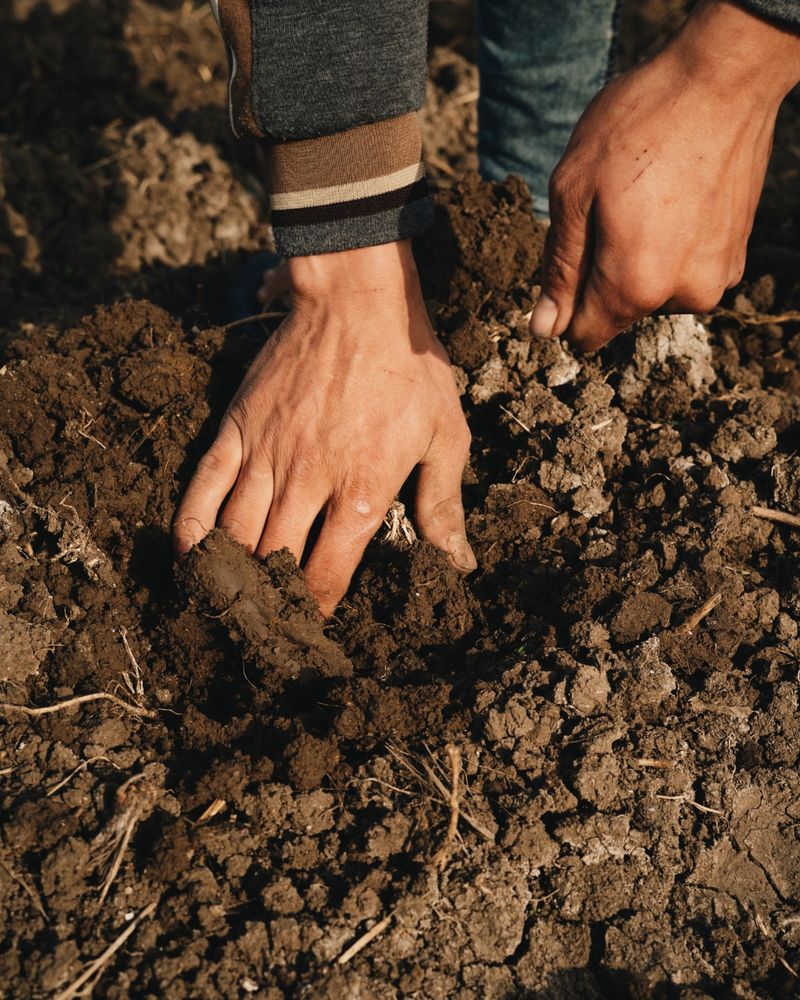
Most gardeners in North Carolina skip soil testing because they assume their dirt looks healthy enough. Your eyes can’t detect pH imbalances or nutrient deficiencies that quietly sabotage plant health all season.
A simple soil test reveals exactly what your garden needs before you waste money on fertilizers your plants can’t even use.
The North Carolina Department of Agriculture offers affordable testing through your local Cooperative Extension office. You collect samples from different garden areas, mail them in, and receive detailed results within two weeks.
The report tells you your soil’s pH level, nutrient content, and specific amendments needed for the crops you plan to grow.
Spring testing gives you time to adjust pH or add nutrients before planting begins. Lime takes several weeks to change acidic soil, and organic matter needs time to break down and improve structure.
Testing now means your amendments will be working when seedlings need them most.
Many North Carolina soils run acidic, especially in the piedmont and mountain regions. Blueberries and azaleas love this, but tomatoes and beans struggle without adjustment.
Knowing your numbers prevents the guesswork that leads to yellow leaves and poor harvests later.
Retest every three years to track changes and adjust your approach. Your soil is a living system that shifts with weather, watering, and what you grow.
Regular testing keeps you informed and your garden productive year after year.
2. Pull Back Winter Mulch
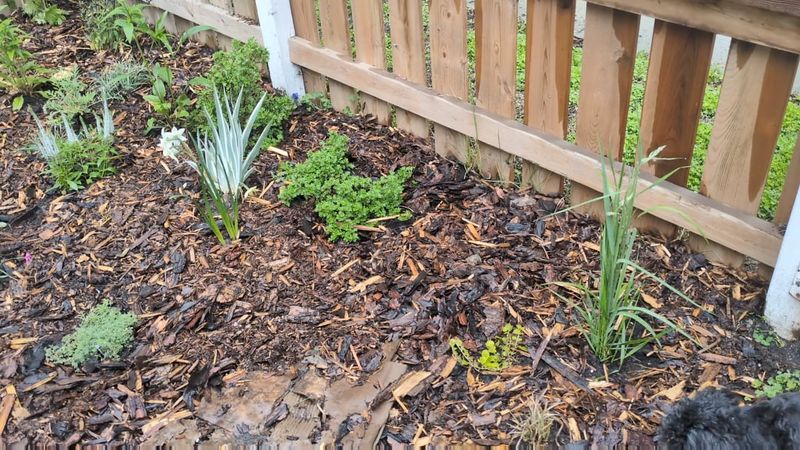
That thick blanket of mulch you spread last fall served your garden well through winter freezes and temperature swings. Now it’s working against you by keeping soil cold and blocking spring bulbs from emerging properly.
Perennials struggle to push through heavy mulch layers, and cold soil delays planting of early vegetables by weeks.
North Carolina gardeners often use pine straw, shredded leaves, or wood chips for winter protection. These materials insulate beautifully when you want to protect roots from hard freezes.
Once spring arrives and soil should be warming up, that same insulation prevents the sun from doing its job.
Pull mulch back from perennial crowns and bulb planting areas as soon as you see green shoots trying to emerge. Rake it into pathways or pile it temporarily beside beds where you’ll replant warm-season crops later.
Your North Carolina Garden Changes Every Week. Your Plan Should Too.
Gardening in North Carolina changes quickly throughout the season. Every Friday you’ll receive a simple weekly plan showing exactly what to plant, prune, fertilize, harvest, and protect so you never miss the right timing.
This simple step can speed up spring growth by two weeks or more in many cases.
Don’t remove mulch completely or throw it away, since you’ll need it again once plants are established and temperatures climb. Just create breathing room around emerging growth and let bare soil absorb sunshine.
The dark earth heats up faster than covered ground, giving roots the warmth they crave.
Watch for slugs and other pests that overwinter in mulch layers. Pulling back the covering exposes them to birds and makes your garden less hospitable to these troublemakers.
You can replace mulch once plants are six inches tall and soil has warmed thoroughly.
3. Wait On Warm‑Season Planting
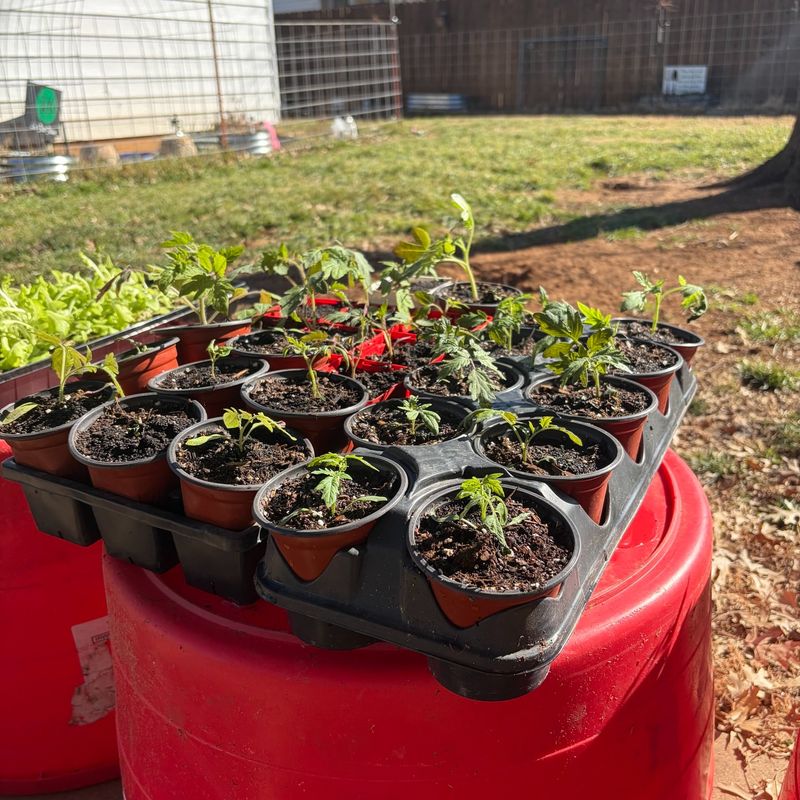
Early enthusiasm at garden centres can tempt North Carolina gardeners to plant warm-season crops as soon as seedlings appear. Tomatoes, peppers, squash, cucumbers, and beans thrive in consistently warm soil and air, but cooler nights or late frosts can slow growth and stress plants.
Frost can damage young leaves, flowers, or fruits, though mature plants may survive light freezes with minor injury.
North Carolina’s climate varies by region. Coastal areas often experience last spring frost in early April, the piedmont typically by mid-April, and mountain communities sometimes not until early May.
Soil temperature is just as important as air temperature; tomatoes generally need at least sixty degrees for proper root development, and peppers slightly warmer. Using a soil thermometer can guide planting times more accurately than calendar dates alone.
Starting seeds indoors helps extend the growing season, but timing matters. Early seedlings can become leggy if grown too long under insufficient light, while late starts may delay harvest.
Monitoring local frost probabilities, selecting the right varieties for your region, and ensuring soil warmth allows gardeners to plant with confidence while avoiding the extremes of cold damage. Patiently waiting for appropriate conditions often produces stronger, healthier plants that establish quickly and set fruit successfully.
4. Tame That Clay Soil
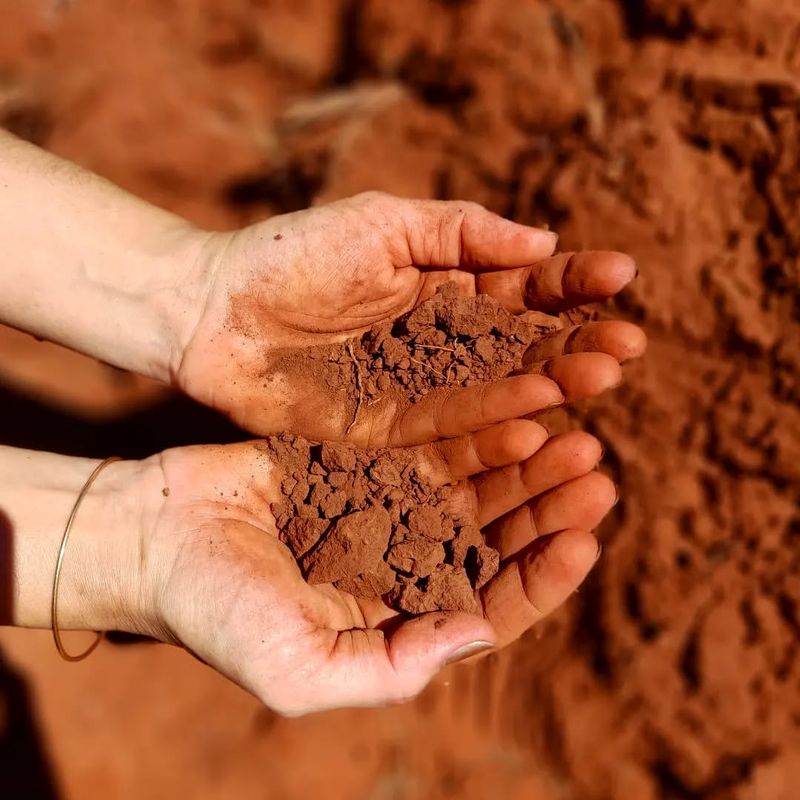
North Carolina’s piedmont soils often contain heavy red clay that retains nutrients but drains slowly. Without intervention, roots may struggle to penetrate dense clumps, and wet clay can impede plant growth.
Improving soil structure in spring sets the stage for successful planting.
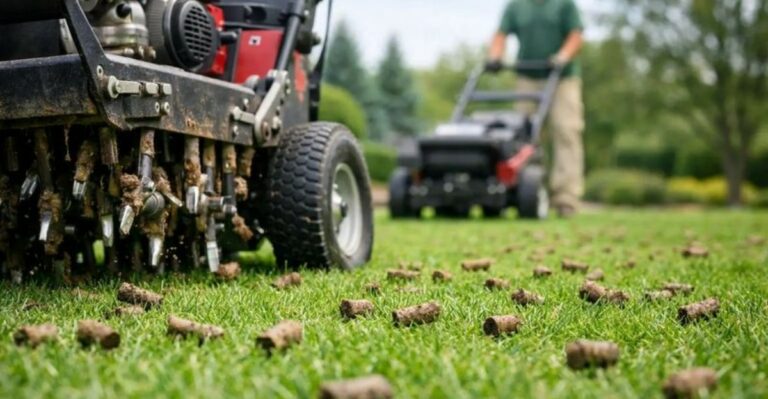
Incorporating organic matter – compost, aged manure, shredded leaves, or other materials – introduces air pockets and enhances drainage over time. Work amendments into the top six to eight inches of soil when it’s dry enough to crumble easily.
Avoid tilling wet clay, which can create hard clods that take months or years to break down naturally.
Raised beds offer another approach, giving plants immediate loose soil and better drainage. Even six inches of imported soil and compost can improve root health substantially.
Gypsum may help certain clay types separate and improve texture, but results depend on the clay’s chemical makeup; it is not universally effective. Soil testing can determine whether additional amendments are necessary.
Consistent attention over the growing season gradually transforms dense clay into workable soil. By combining organic matter, careful amendment, and strategic planting, North Carolina gardeners can create more favourable conditions for vegetables and flowers, encouraging healthy roots and productive growth without relying on one-size-fits-all solutions.
5. Kickstart Seeds Indoors
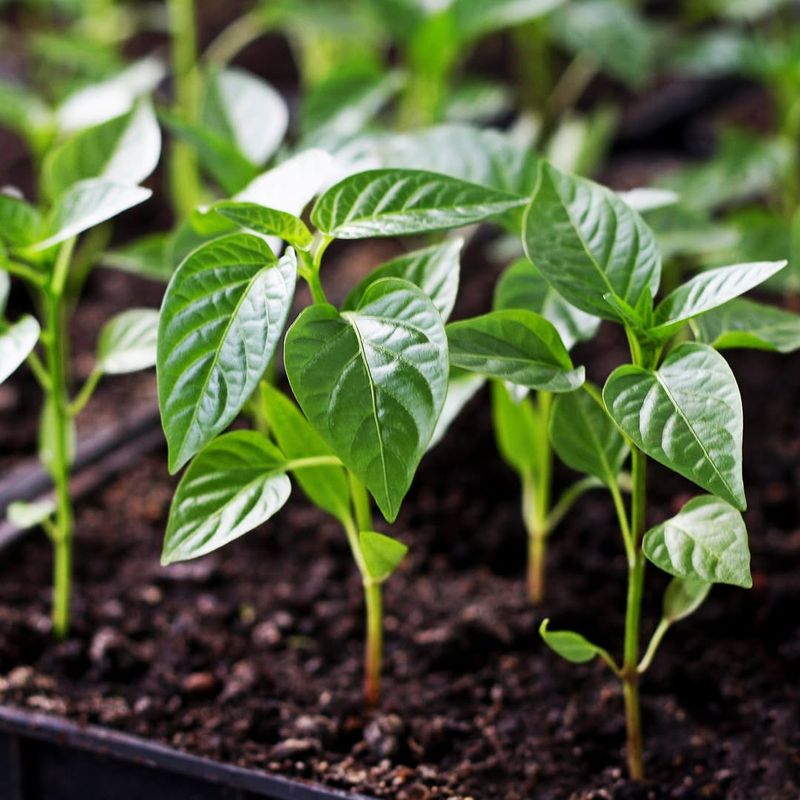
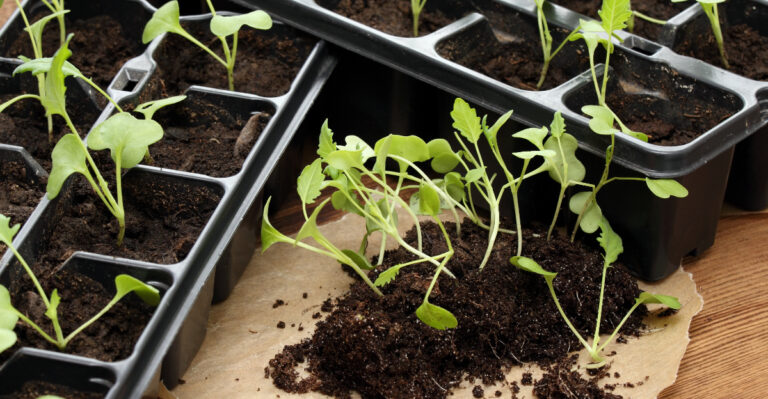
Buying transplants at the garden center feels convenient until you see the limited variety and high prices for common vegetables. Starting your own seeds indoors gives you access to hundreds of varieties while saving money and ensuring healthy, vigorous plants.
Timing matters tremendously, though, because seedlings started too early become leggy and weak, while late starts leave you behind schedule.
Different crops need different lead times before your area’s last frost date. Tomatoes and peppers need six to eight weeks indoors, while squash and cucumbers only need three to four weeks.
North Carolina gardeners should count backward from their local last frost date to determine the perfect starting time for each crop.
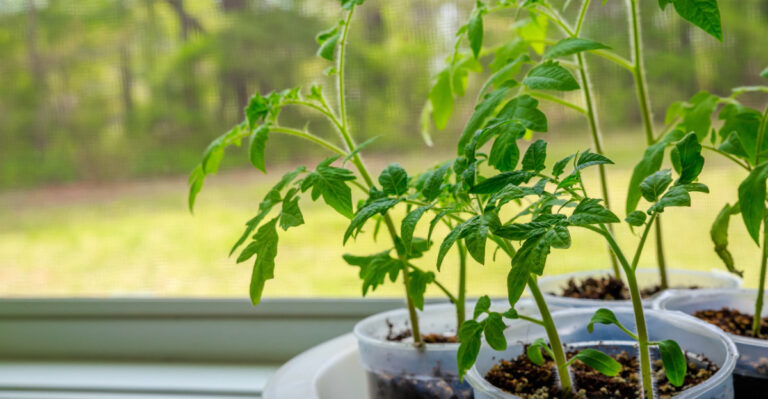
Invest in proper lighting if you want stocky, strong seedlings rather than stretched-out disappointments. A sunny windowsill rarely provides enough light intensity, even facing south.
Inexpensive LED shop lights hung two inches above seedlings give them the brightness they need to grow compact and healthy.
Keep seedling soil consistently moist but never soggy, and provide good air circulation to prevent fungal problems. A small fan running on low speed strengthens stems and reduces disease risk.
Temperature matters too, with most vegetables preferring seventy to seventy-five degrees for germination.
Harden off your indoor-grown seedlings before transplanting them outside by gradually exposing them to outdoor conditions. Start with an hour of filtered sunlight and work up to full days outdoors over ten days to two weeks.
This transition prevents shock and sunburn that sets plants back for weeks.
6. Plan With Frost Dates In Mind
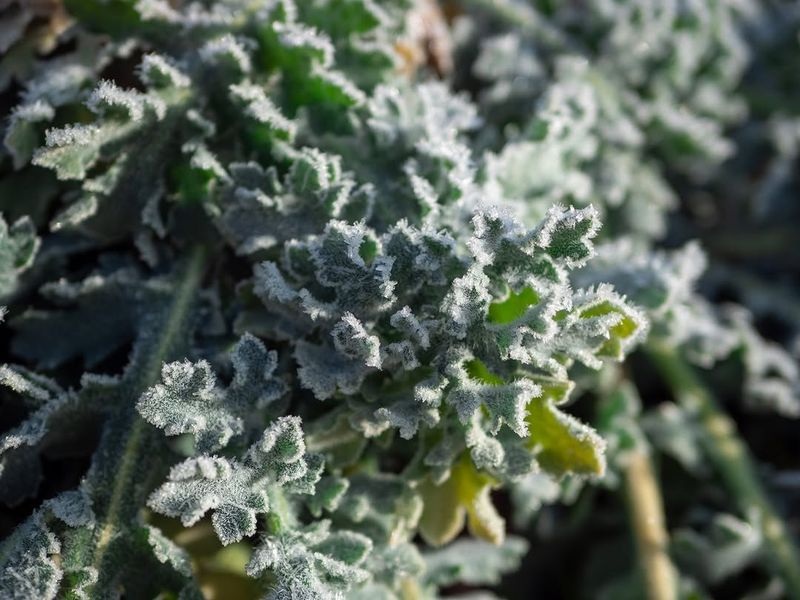
Spring in North Carolina arrives with its usual mix of warmth and surprises, and frost dates provide helpful statistical guidance, though they aren’t guarantees. The last spring frost typically occurs between early April along the coast and early May in the mountains, yet local microclimates can shift these dates slightly.
Low-lying areas, northern exposures, or sheltered spots may experience frost differently than regional averages, and occasional unusual weather patterns can add extra unpredictability, sometimes bringing unexpected cold snaps even after the typical frost-free period.
Paying attention to local conditions helps schedule plantings for warm-season crops like tomatoes and peppers. Soil temperature, recent weather trends, and observed frost patterns over several years are critical for safe planting.
Frost-free dates often indicate reduced, but not zero, risk of freezing temperatures, so using protective measures like row covers, sheets, or even temporary cloches during cold nights can provide extra security for tender seedlings.
By combining frost data, soil monitoring, and plant observation, gardeners make informed decisions rather than relying solely on general averages. This approach reduces the chance of frost-related setbacks and ensures seedlings establish in favourable conditions, helping North Carolina gardens thrive through spring without relying on assumptions about statewide timing.
7. Sharpen Those Garden Tools
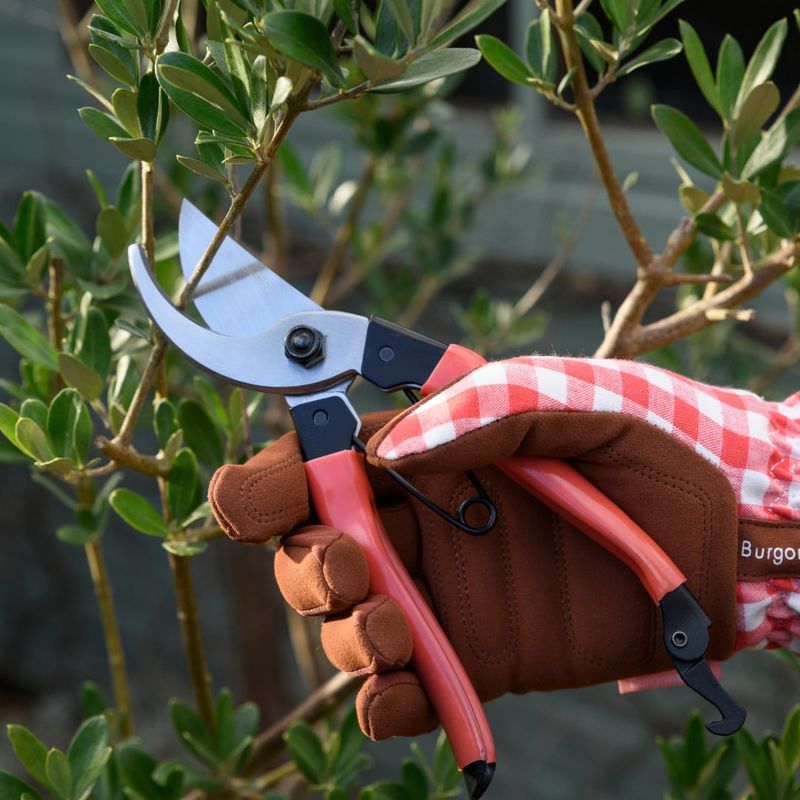
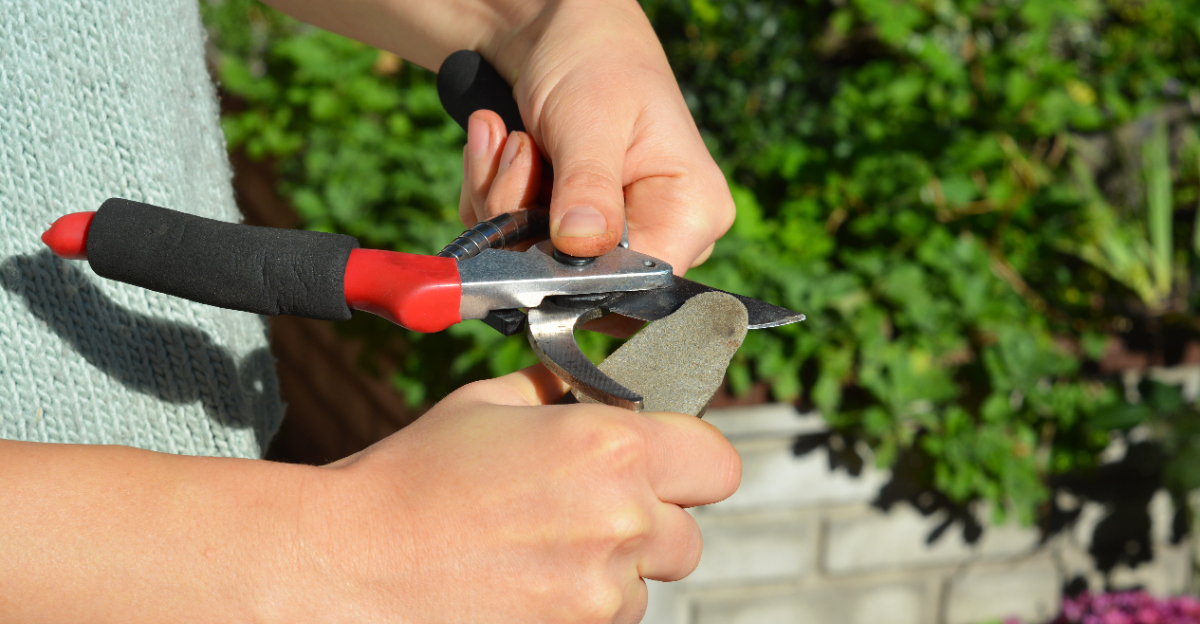
Dull, rusty tools make every garden task harder and can actually harm plants by creating ragged cuts that invite disease. Spring cleaning your tools before the busy season begins saves time, prevents frustration, and extends the life of equipment you’ve invested in.
A few hours of maintenance now pays dividends all season long.
Start by cleaning off last season’s dirt and plant residue with a stiff brush and soapy water. Dried soil harbors disease organisms that spread to healthy plants when you work.
Rinse tools thoroughly and dry them completely to prevent new rust from forming.
Sharpen cutting tools like pruners, shears, and hoes with a metal file or sharpening stone. Work at the original bevel angle, pushing the file away from your body in smooth strokes.
Sharp blades make clean cuts that heal quickly rather than tearing plant tissue. Test your work by cutting through a sheet of paper smoothly.
Check wooden handles for splinters and cracks that could cause blisters or break during use. Sand rough spots smooth and apply linseed oil to preserve the wood and prevent moisture damage.
Replace any handles that show serious damage before they fail at an inconvenient moment.
Lubricate moving parts on pruners and other tools with a light machine oil. Wipe down metal surfaces with an oily rag to protect against rust during storage between uses.
North Carolina’s humidity accelerates corrosion, so this protective coating matters more here than in drier climates.
8. Track Rain Before You Water
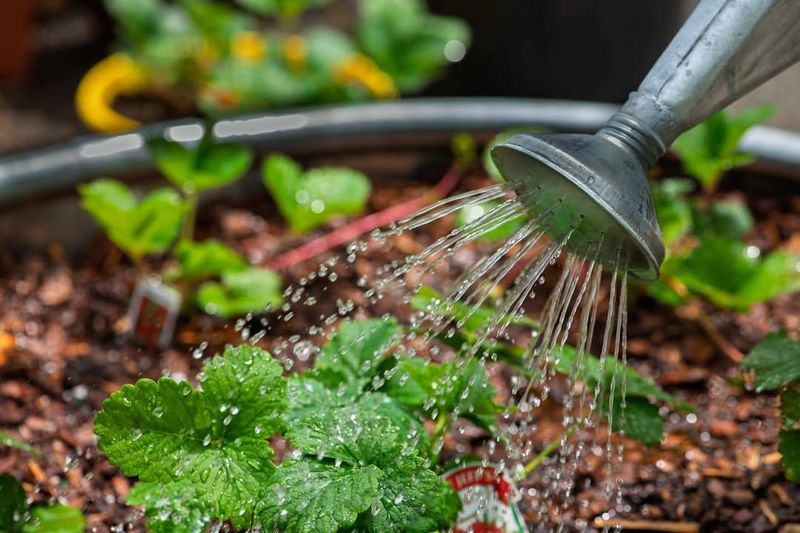
Guessing whether your garden received enough water leads to either drought stress or overwatering problems. A basic rain gauge costs less than five dollars and tells you exactly how much precipitation fell, taking the uncertainty out of irrigation decisions.
This simple tool prevents waste and keeps plants healthier through North Carolina’s unpredictable spring weather patterns.
Most vegetables need about one inch of water per week during the growing season, either from rainfall or irrigation. Without measuring, you might assume a brief thunderstorm provided enough water when it actually delivered only a quarter inch.
Your plants suffer while you think they’re fine.
Place your rain gauge in an open area away from buildings, trees, and fences that might block rainfall. Mount it at least a foot off the ground to prevent splashing from the soil surface.
Check it after each rain event and empty it to prepare for the next measurement.
Spring rains in North Carolina can be deceptive, with some months bringing abundant moisture and others running surprisingly dry. Tracking actual rainfall helps you decide when supplemental watering becomes necessary.
Keep a simple garden journal noting rainfall amounts and you’ll start to see patterns over the years.
Combine rain gauge data with observations of your soil moisture and plant appearance. Stick your finger two inches into the soil near plants to feel whether it’s actually dry or still moist.
Sandy coastal soils drain faster than piedmont clay, so the same rainfall amount means different things depending on your location and soil type.