4 Flowering Shrubs Safe To Trim During March In Pennsylvania And 3 You Shouldn’t Touch
March in Pennsylvania brings a mix of hope and hesitation for gardeners. The snow is melting, soil is softening, and buds are just starting to show.
It’s the time when many gardeners want to freshen up their flowering shrubs, but trimming at the wrong moment can harm growth or reduce blooms. Knowing which shrubs can handle a March cut and which ones need to wait makes all the difference.
Some hardy species respond well to early pruning, encouraging stronger growth and more vibrant flowers later in the season. Others are sensitive to late winter or early spring cuts and may lose buds or slow their bloom cycle if trimmed too soon.
Understanding these differences helps protect your garden investment and ensures healthy, flourishing shrubs.
With the right knowledge, Pennsylvania gardeners can trim confidently, shaping their landscape while keeping flowers vibrant and growth on track throughout the growing season.
1. Panicle Hydrangea
Few shrubs reward a gardener’s patience quite like the Panicle Hydrangea. Known for its large, cone-shaped flower clusters, this shrub is one of the most dependable bloomers you can grow in Pennsylvania.
The good news? You can safely prune it in March without worrying about losing a single bloom.
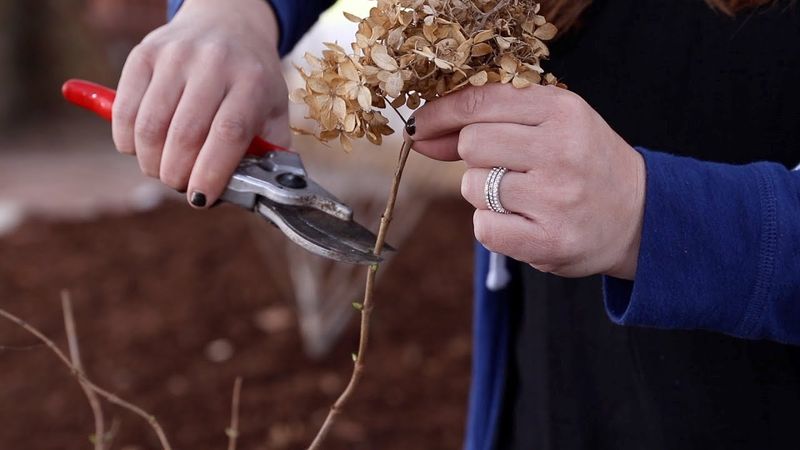
Panicle Hydrangeas bloom on new wood, which means the flower buds form on the current season’s fresh growth. Pruning in early spring, before new growth begins, actually encourages the plant to push out stronger stems and bigger flower clusters.
Many Pennsylvania gardeners cut these shrubs back by one-third to one-half each March, and the results are stunning by late summer.
One of the best things about this shrub is how tough it is. Panicle Hydrangeas are extremely winter-hardy and can handle Pennsylvania’s cold winters without much fuss.
Even if some stems look rough after a harsh winter, a good March pruning cleans everything up nicely.
When pruning, use clean, sharp shears and cut just above a healthy bud or side branch. Removing dry, weak, or crossing branches first makes the whole process easier.
You do not need to cut all the way to the ground unless the shrub has become very overgrown.
Popular varieties like ‘Limelight’ and ‘Quick Fire’ are especially popular across Pennsylvania landscapes. With just a little March attention, your Panicle Hydrangea will reward you with a spectacular show from midsummer all the way into fall.
2. Smooth Hydrangea
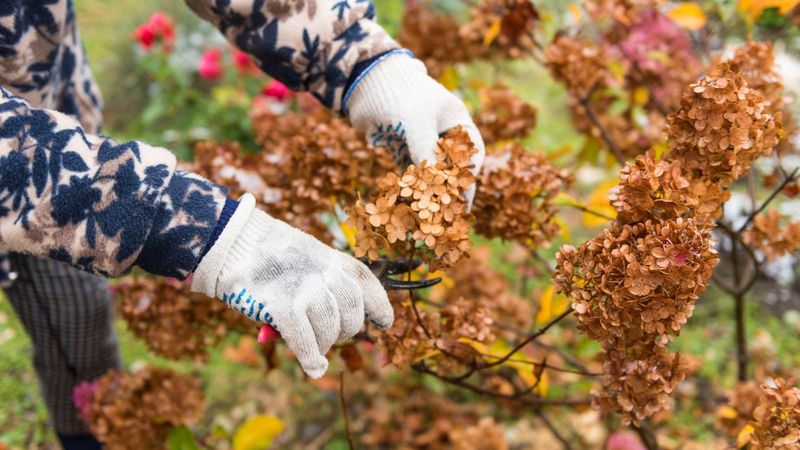
Walk through almost any Pennsylvania neighborhood in July and you are likely to spot the big, round, white blooms of a Smooth Hydrangea.
The ‘Annabelle’ variety is especially beloved, and for good reason. It is easy to grow, stunning in bloom, and perfectly happy being pruned hard in March.
Just like the Panicle Hydrangea, Smooth Hydrangeas bloom on new wood. That means the flower buds have not formed yet when March rolls around, so you can cut the shrub back without any worry.
In fact, a good hard prune in early spring is exactly what this shrub needs to perform its best.
Many Pennsylvania gardeners cut Smooth Hydrangeas all the way down to about 12 inches from the ground each March. This might look dramatic, but the plant bounces back fast once warm weather arrives.
Your Pennsylvania Garden Changes Every Week. Your Plan Should Too.
Gardening in Pennsylvania changes quickly throughout the season. Every Friday you’ll receive a simple weekly plan showing exactly what to plant, prune, fertilize, harvest, and protect so you never miss the right timing.
Pruning this way encourages thicker, stronger stems that hold up those massive blooms without flopping over.
If you prefer a taller, more established look, you can also do a lighter trim, just removing dry stems and shaping the shrub rather than cutting it way back. Either approach works well and still results in beautiful blooms by midsummer.
One thing to keep in mind is timing. Try to prune before new green growth starts pushing out from the base.
Once you see those little leaf buds emerging, it is a sign that the growing season is already underway. Early March is usually the sweet spot for most parts of Pennsylvania.
3. Butterfly Bush
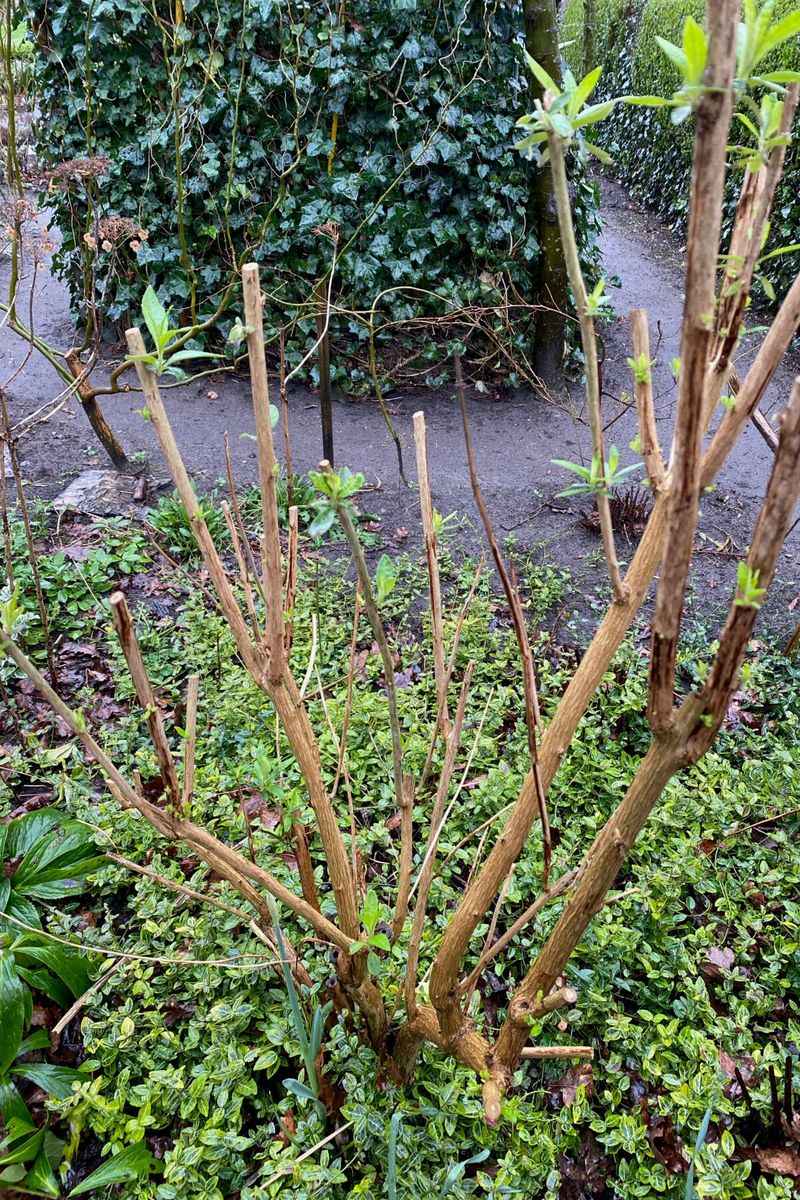
There is something almost magical about watching a Butterfly Bush in full bloom. The long, arching spikes of purple, pink, or white flowers draw butterflies from all over the neighborhood, turning your Pennsylvania yard into a mini pollinator paradise.
And the best part? March is the perfect time to prune it. Butterfly Bush blooms on new growth, meaning it produces its flowers on the fresh stems that grow each season.
In Pennsylvania, the plant often gets knocked back hard by winter cold, with stems looking brown and lifeless by the time March arrives. Do not panic when you see this. It is completely normal.
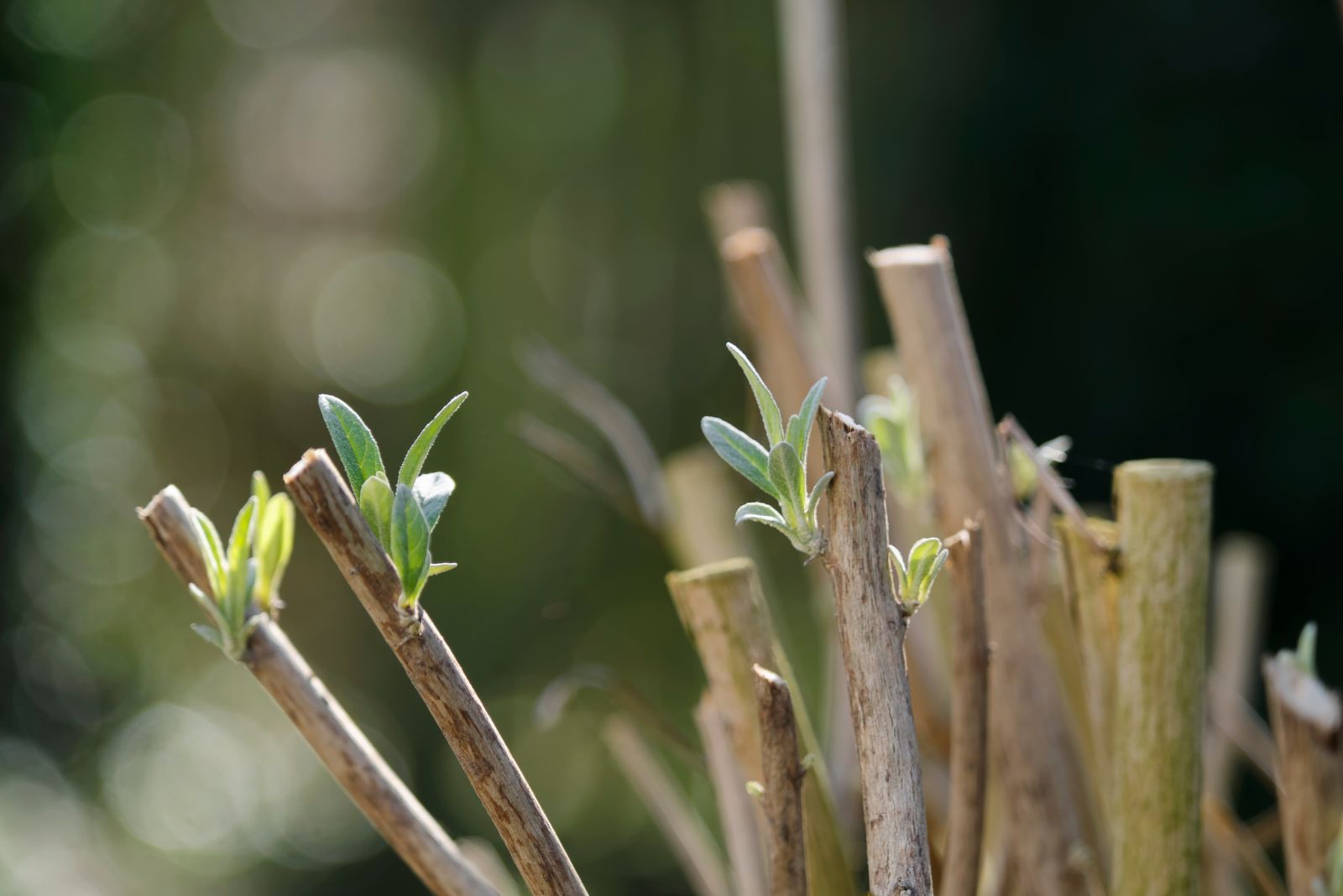
Wait until you start to see small green buds forming near the base of the stems, usually in early to mid-March in most parts of Pennsylvania. That is your signal to prune.
Cut the old stems back hard, leaving only about 6 to 12 inches of stem above the ground. This might feel aggressive, but it leads to much better flowering later in the season.
Hard pruning encourages the plant to push out vigorous new shoots, and those new shoots are exactly where the blooms will form. Skipping the March pruning often results in a leggy, less attractive shrub with smaller flower clusters.
Use sharp loppers or pruning shears for this job, and clean your tools before and after to prevent spreading any disease. After pruning, a light layer of compost around the base gives the Butterfly Bush a great head start as Pennsylvania’s spring weather warms up.
4. Bluebeard (Blue Mist Spirea)
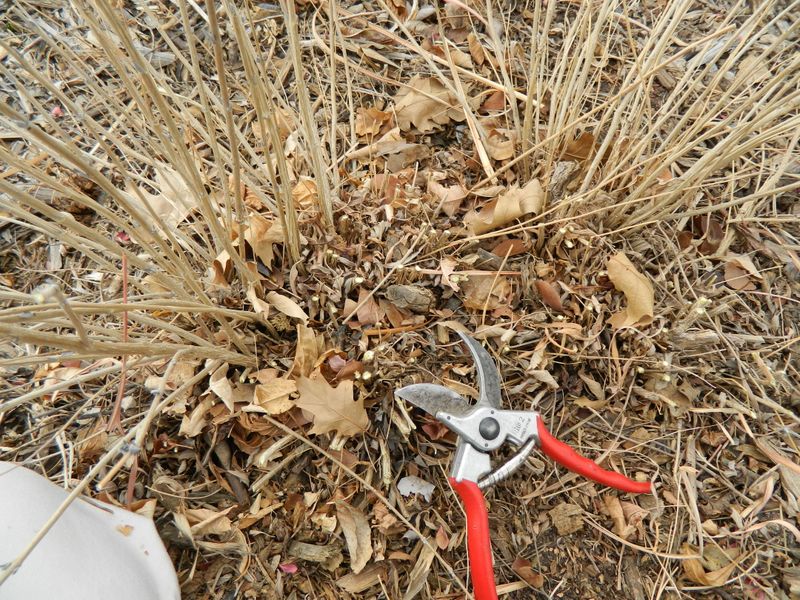
Not every gardener knows about Bluebeard, but those who do absolutely love it. Also called Blue Mist Spirea, this compact shrub puts on a gorgeous show of blue to violet flowers in late summer, right when many other shrubs are winding down.
And yes, March is a great time to prune it in Pennsylvania. Caryopteris blooms on new wood, just like the hydrangeas and Butterfly Bush on this list.
By the time late winter rolls around, the old woody stems are usually looking pretty rough after Pennsylvania’s cold months. A hard prune in early spring is both practical and beneficial for this shrub.
Most gardeners cut Bluebeard back to about 6 to 12 inches from the ground in March. This removes the winter-damaged wood and encourages a fresh flush of compact, bushy new growth.
The result is a tidy, well-shaped plant that blooms heavily from late July through September.
Bluebeard is also a fantastic pollinator plant, attracting bees and butterflies throughout the late summer season.
Keeping it well-pruned ensures it stays at a manageable size, usually around 2 to 3 feet tall and wide, which makes it a great fit for smaller Pennsylvania garden spaces.
One fun fact: the silvery-gray foliage of Bluebeard has a pleasant, slightly aromatic scent when you brush against it. Even before the blooms arrive, this shrub adds nice texture to the garden.
March pruning sets the whole season up for success, so do not skip this step if you want the best results.
5. Lilac
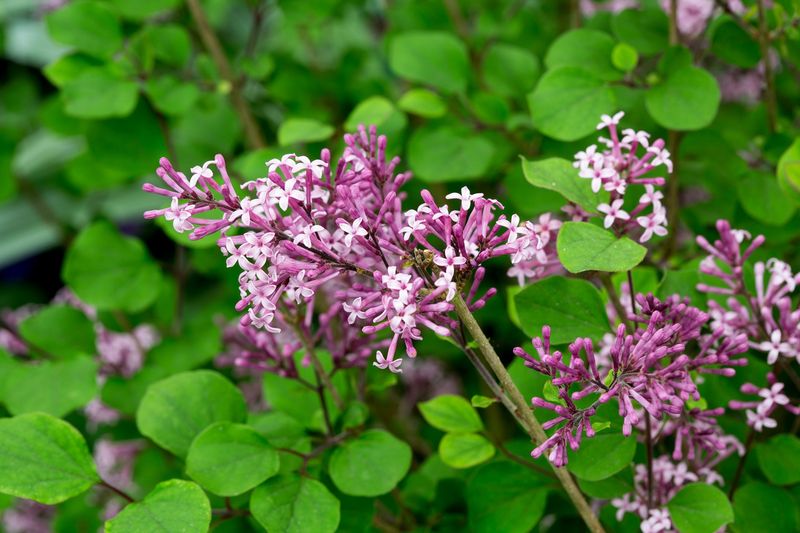
Few flowers carry as much nostalgia as the Lilac. That sweet, unmistakable fragrance drifting through a Pennsylvania spring afternoon is something gardeners look forward to all year.
But here is the thing: if you prune your Lilac in March, you will not get to enjoy those blooms at all this year.
Lilacs are what gardeners call old-wood bloomers. The flower buds form on last year’s wood during the summer and fall, then sit quietly through the winter, waiting for spring.
By the time March arrives in Pennsylvania, those buds are already fully formed and ready to open. Cutting the shrub now removes them completely.
The right time to prune a Lilac is immediately after it finishes blooming, typically in late April or May in most parts of Pennsylvania.
Pruning within a few weeks of bloom time gives the plant the entire growing season to set new buds for next year’s flowers. Wait too long, and you risk cutting off next year’s blooms too.
When pruning, focus on removing spent flower clusters, crossing branches, and any dry or weak stems.
On older, overgrown Lilacs, you can gradually rejuvenate the shrub by removing one-third of the oldest stems each year over three years. This avoids a major shock to the plant while still improving its shape and flowering.
Pennsylvania gardeners who love their Lilacs know that a little patience in March goes a long way. Keep the pruners away from this one until after those gorgeous purple clusters have had their moment in the spotlight.
6. Forsythia
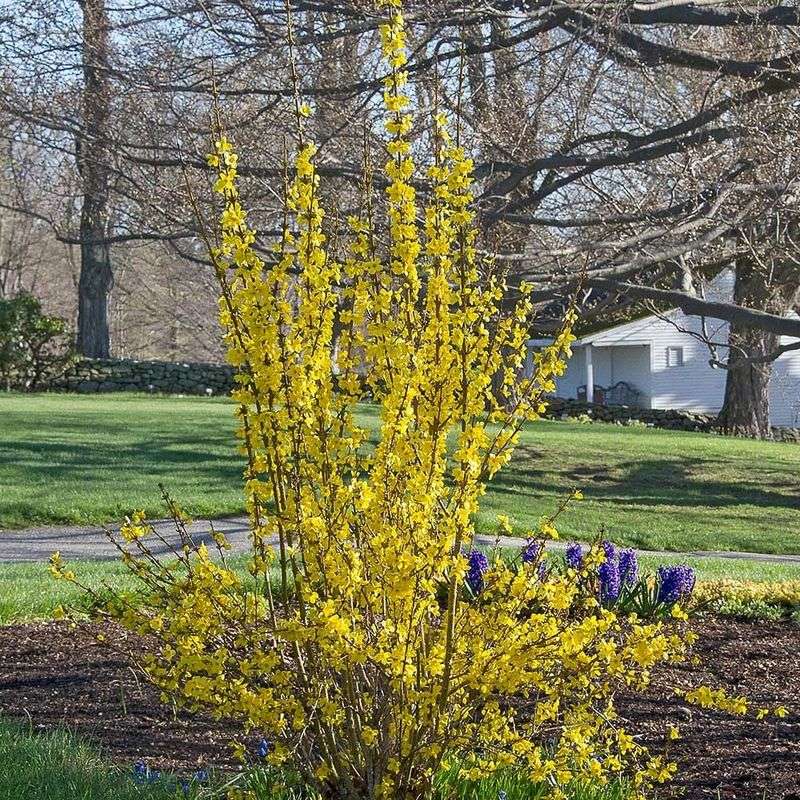
Bright yellow Forsythia blooming along a fence or driveway is one of the most cheerful sights of a Pennsylvania spring.
This shrub is often one of the very first to bloom each year, bursting into color sometimes before winter even feels fully over. That early timing is exactly why you need to keep the pruning shears away in March.
Forsythia is an old-wood bloomer. Those brilliant yellow flowers you see in early spring formed as buds on last year’s branches back in late summer and fall.
By the time March arrives, the buds are already swelling and nearly ready to open. Pruning now would wipe out the entire flower display before it even begins.
The correct time to prune Forsythia in Pennsylvania is right after the yellow flowers fade, usually sometime in April.
Pruning immediately after bloom gives the shrub a full growing season to develop new wood and set next year’s flower buds. Waiting too long into summer or fall can result in fewer flowers the following spring.
When you do prune, remove about one-third of the oldest, thickest stems all the way to the ground.
This opens up the center of the shrub, improves airflow, and encourages fresh, flower-producing growth from the base. You can also lightly shape the outer branches for a tidier appearance.
Forsythia is a tough, low-maintenance shrub that thrives across Pennsylvania. The only real mistake you can make with it is pruning at the wrong time.
Hold off until after bloom, and it will reward you with a spectacular yellow show every single spring.
7. Azalea
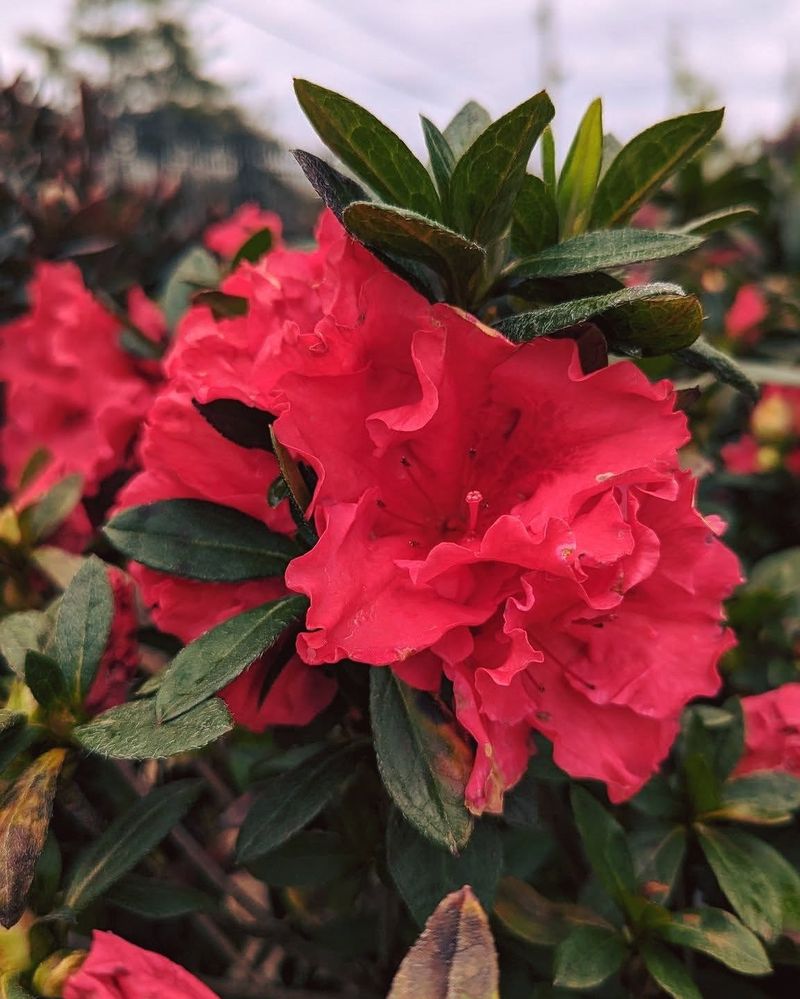
Ask any Pennsylvania gardener to name their favorite spring shrub, and there is a good chance Azalea comes up near the top of the list.
The explosion of color these shrubs bring in spring, from hot pink to soft white to deep red, is absolutely breathtaking. But if you prune them in March, that whole show disappears for the year.
Most common garden Azaleas bloom on old wood. That means the flower buds were set on last year’s branches during the summer and fall, long before winter arrived.
By March, those buds are packed with potential and just waiting for warmer temperatures to trigger them. Cutting the shrub now removes those buds and leaves you with a leafy green plant but no flowers.
The golden rule for Azaleas in Pennsylvania is simple: prune right after the flowers fade. Depending on the variety and your location in the state, that usually falls somewhere between late April and early June.
Pruning during this window gives the plant plenty of time to grow new wood and form next year’s buds before summer ends.
When pruning, remove any dry or damaged branches first, then shape the outer edges to keep the shrub looking tidy. Avoid cutting back into thick, old woody stems unless necessary, as Azaleas can be slow to recover from heavy pruning.
Azaleas do best in slightly acidic, well-drained soil, which is common in many parts of Pennsylvania. Give them the right timing on pruning, and these shrubs will reward you with a stunning floral display year after year.