Plant These 9 Plants In The Warmest Spots In Your Oregon Yard
Every Oregon yard has a few hidden hot spots. Maybe it is that sunny patch along a south facing wall, a corner that soaks up afternoon heat, or a sheltered space that barely feels the chill.
These warmer pockets are prime real estate for plants that crave extra sunshine and cozy conditions, and putting the right choices there can make your garden thrive in ways you might not expect.
Heat loving plants grow stronger, bloom longer, and produce richer color when they get the warmth they need. Tuck them into those toasty areas and suddenly your yard feels more vibrant, lush, and alive.
Even better, many of these sun seekers reward you with showy flowers, fragrant leaves, or delicious harvests.
Once you start planting with microclimates in mind, gardening becomes a fun treasure hunt. Find the warmest corners, match them with the right plants, and watch those sunny spots shine.
1. Hardy Fig (Ficus carica)
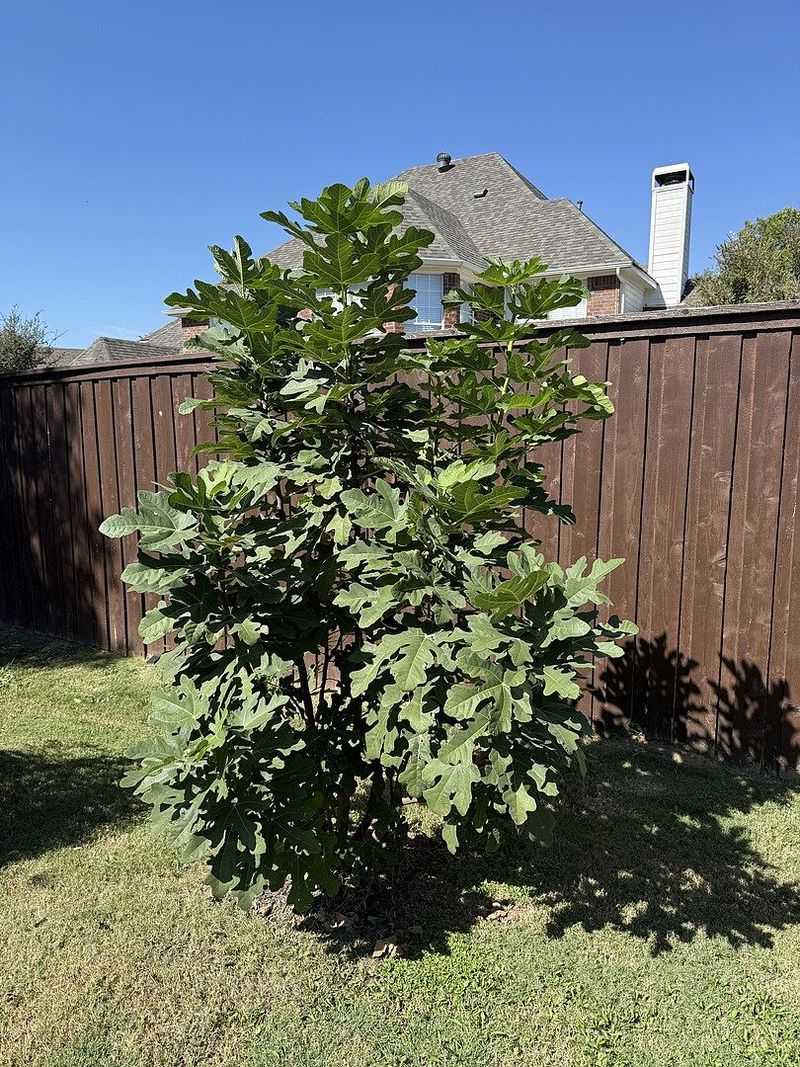
Few plants bring as much excitement to an Oregon yard as a fig tree loaded with ripe, sweet fruit. Hardy figs have been grown in the Pacific Northwest for generations, and for good reason.
They love heat, and a south-facing wall or sun-drenched corner is exactly where they want to be.
In Oregon, varieties like ‘Brown Turkey’ and ‘Desert King’ do especially well when planted against a warm wall or fence. The extra radiated heat helps the fruit ripen fully before fall arrives.
Give your fig well-drained soil and full sun, and it will reward you generously.
Figs can grow quite large, so plan for a mature spread of eight to ten feet or more. You can also keep them pruned to a manageable size.
Water regularly during the first season to help roots establish, then back off since figs are surprisingly drought-tolerant once settled. Mulch the base in winter to protect the roots during cold snaps.
Oregon gardeners in the Willamette Valley and Rogue Valley have had great success growing figs for decades, and your warm yard spot could be the perfect home for one.
2. Lavender (Lavandula angustifolia)
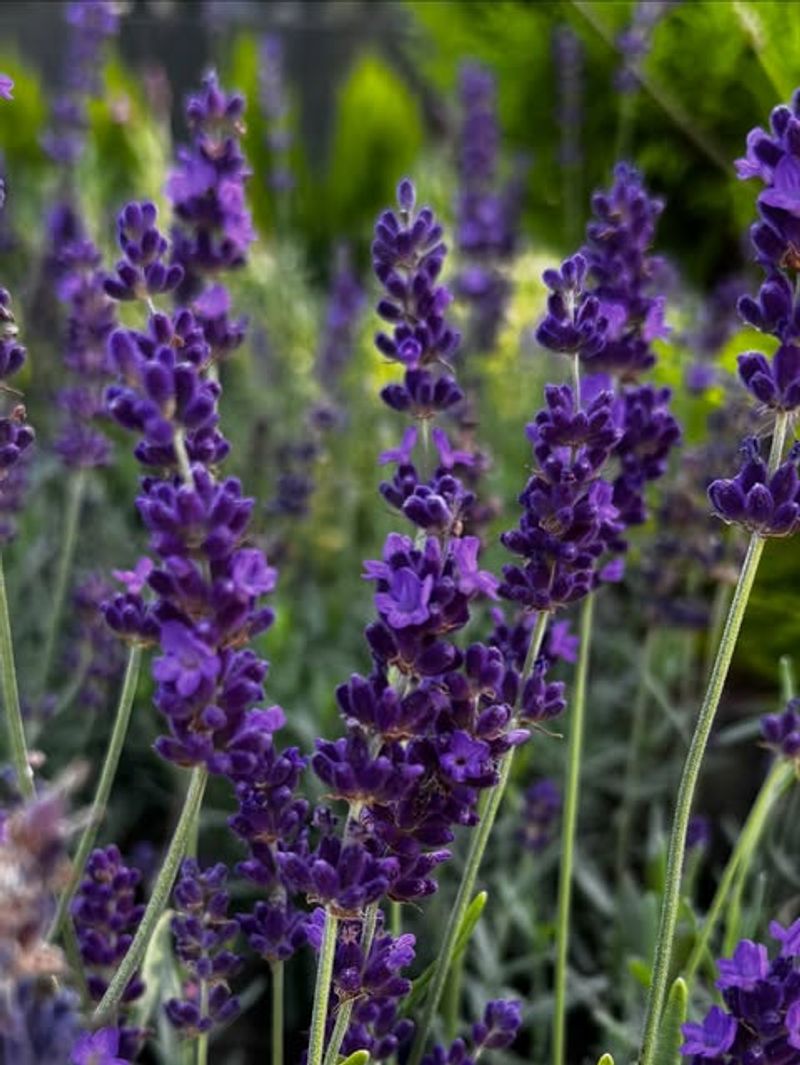
There is something almost magical about walking past a lavender plant in full bloom. The scent alone stops you in your tracks.
Lavender is one of the most beloved plants in Oregon gardens, and it genuinely thrives when planted in the hottest, driest spots your yard has to offer.
English lavender varieties like ‘Hidcote’ and ‘Munstead’ are especially well-suited to Oregon conditions. They prefer poor, well-drained soil and absolutely love full sun.
Avoid planting lavender in soggy or clay-heavy ground, as wet roots are their biggest enemy. Raised beds or sloped areas with good drainage work beautifully.
Did you know Oregon is actually home to several lavender farms, particularly in the Willamette Valley? The climate there mirrors parts of France where lavender has been grown for centuries.
Once established, lavender needs very little water. Trim plants back by about one-third after blooming to keep them bushy and productive.
Bees and butterflies absolutely flock to lavender, making it a fantastic choice for pollinator gardens. It also looks gorgeous as a low hedge along a sunny pathway or driveway.
Your Oregon Garden Changes Every Week. Your Plan Should Too.
Gardening in Oregon changes quickly throughout the season. Every Friday you’ll receive a simple weekly plan showing exactly what to plant, prune, fertilize, harvest, and protect so you never miss the right timing.
Plant it in your warmest garden spot and enjoy the fragrance all summer long.
3. Crape Myrtle (Lagerstroemia indica)
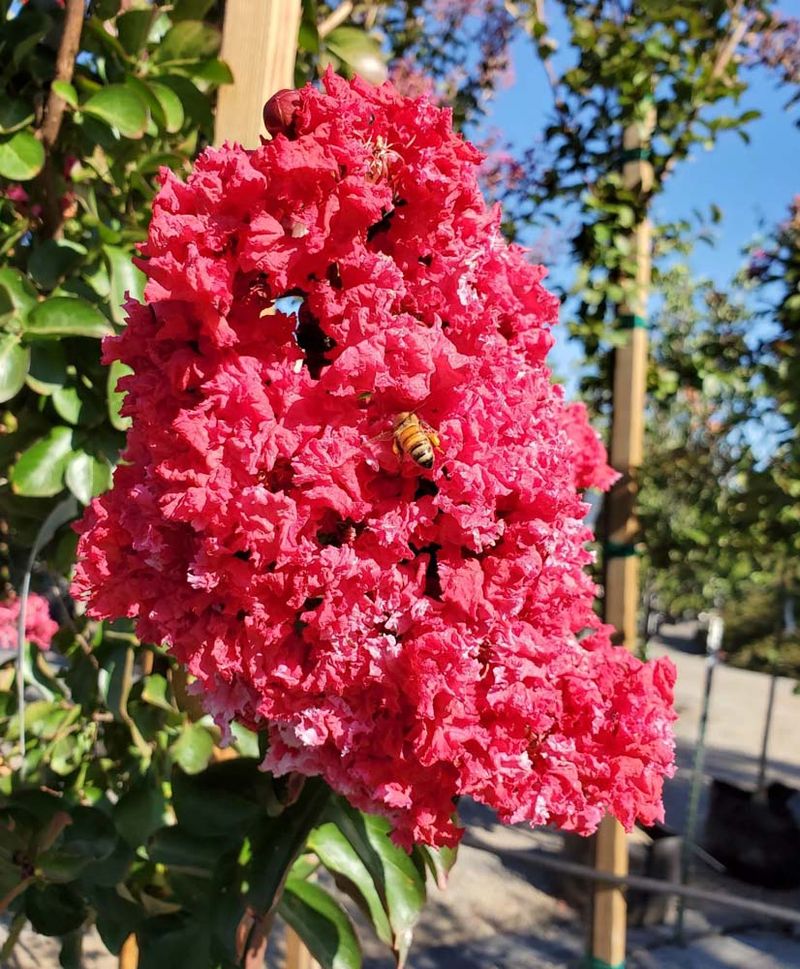
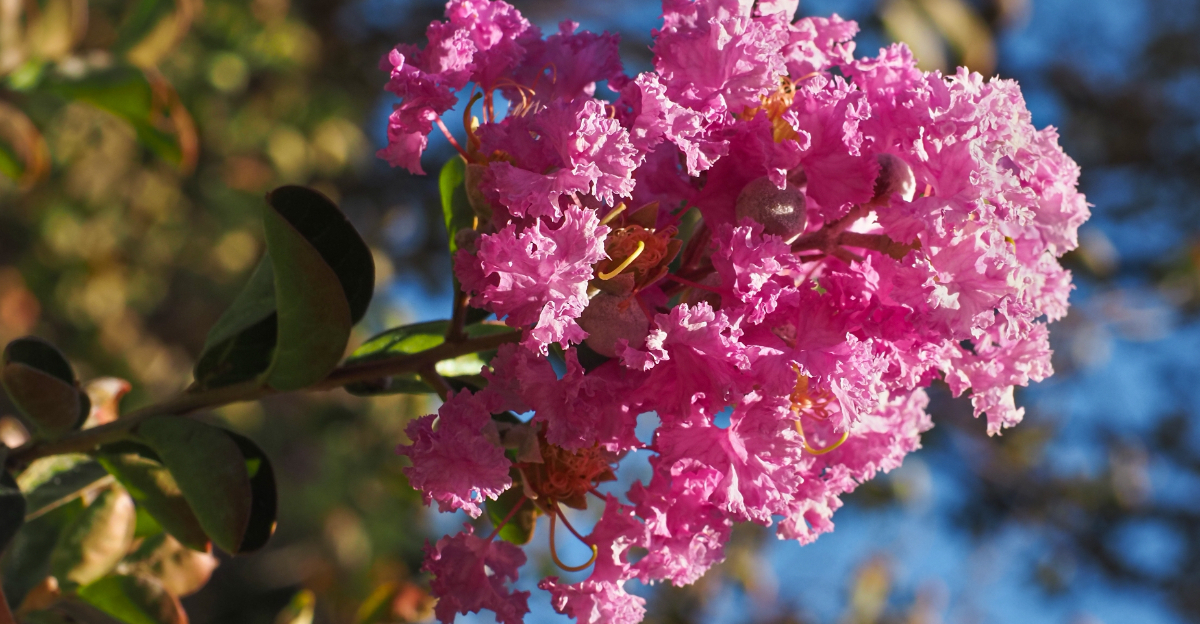
Walk through neighborhoods in southern Oregon during July and August, and you might spot a tree absolutely covered in bright, crinkly blooms. That is the Crape Myrtle, and it is one of the showiest plants you can grow in the warmest spots of your yard.
Most people associate it with the American South, but it thrives in Oregon too with the right placement.
Crape Myrtles need full sun and heat to bloom well. A spot that gets at least eight hours of direct sunlight is ideal.
In cooler parts of Oregon, planting near a south-facing wall gives them the extra warmth they crave. Varieties like ‘Natchez,’ ‘Tuscarora,’ and ‘Sioux’ are popular choices for Oregon gardeners.
These trees are low-maintenance once established. They handle summer drought well, and their peeling bark adds winter interest when the flowers are gone.
Avoid heavy pruning, which weakens the plant and reduces blooms. A light shaping in late winter is all they need.
In places like Medford and Grants Pass, Crape Myrtles practically grow themselves. Give them warmth and sunshine, and they will put on a spectacular show every single summer.
4. Rosemary (Salvia rosmarinus)
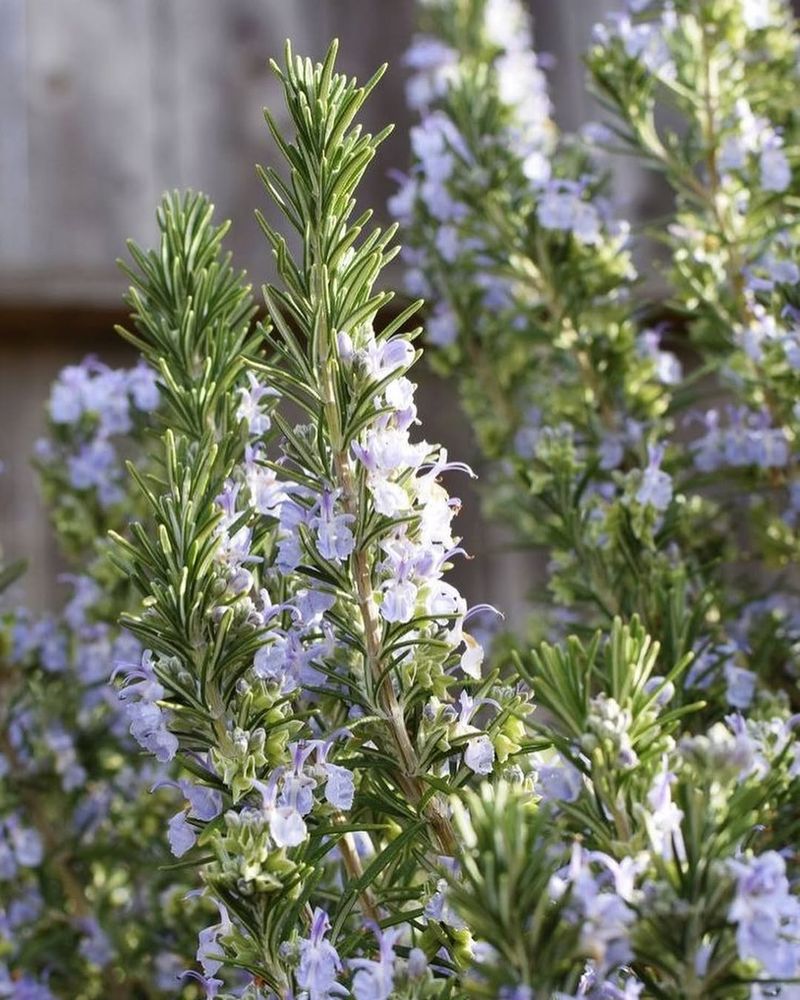
Rosemary is one of those plants that looks beautiful, smells incredible, and also ends up in your kitchen. It is a triple-threat herb that absolutely loves warmth and sunshine.
In Oregon, planting rosemary in a south-facing bed or near a heat-absorbing wall gives it the conditions it was practically born for.
Originally from the rocky, sun-baked hillsides of the Mediterranean, rosemary is built for heat and drought. It handles Oregon summers with ease and asks for very little in return.
Well-drained soil and full sun are the two things it truly needs. Soggy winter soil is its main challenge in the Pacific Northwest, so raised beds or slopes work well.
Varieties like ‘Arp’ and ‘Tuscan Blue’ are known to handle colder temperatures better than others, making them smart picks for Oregon gardens outside the mildest zones. Rosemary can grow into a sizeable shrub over several years, reaching three to four feet tall and wide.
Trim it regularly to keep it compact and to encourage fresh, flavorful growth. Use the trimmings in roasted vegetables, bread, or homemade herb oil.
Few plants offer this much beauty and usefulness, especially in the warmest corners of an Oregon yard.
5. Coneflower (Echinacea purpurea)
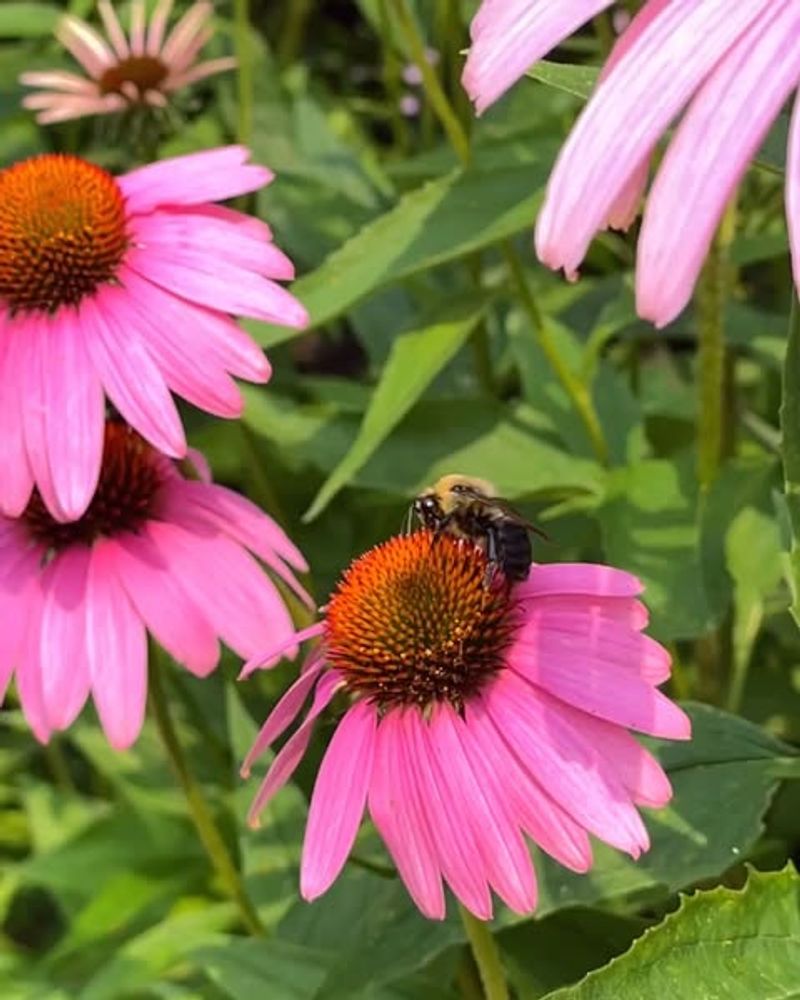
Bold, cheerful, and tough as nails, coneflowers bring a burst of color to any Oregon garden from midsummer well into fall.
These North American natives are prairie plants at heart, which means they were built for full sun, heat, and stretches of dry weather. Put them in your warmest garden spot and watch them absolutely shine.
Coneflowers come in a wide range of colors beyond the classic purple, including white, yellow, orange, and deep red. They grow two to four feet tall and bloom for weeks without much fuss.
Once established, they need minimal watering, which is a real bonus during Oregon’s dry summers. They also self-seed freely, so your patch will naturally grow over time.
Pollinators go absolutely wild for coneflowers. Bees, butterflies, and even goldfinches visit them regularly, making your garden feel alive with activity.
Leave the seed heads standing through winter as a food source for birds. In spring, cut them back to make room for fresh growth.
Oregon gardeners across the state, from Portland to Bend, grow coneflowers with great success. They pair beautifully with yarrow, lavender, and ornamental grasses in a sunny, low-water garden design.
6. Yarrow (Achillea millefolium)
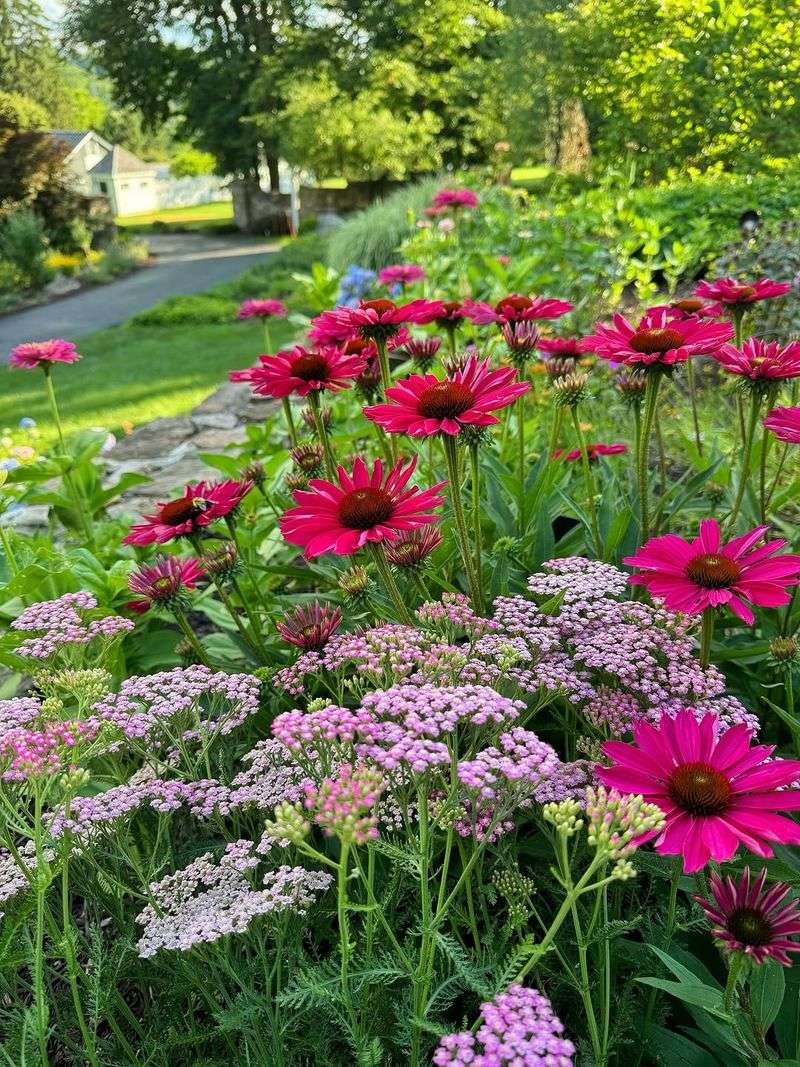
Ancient legend says the warrior Achilles used yarrow to treat wounds on the battlefield. Whether or not that story is true, one thing is certain: yarrow is one of the toughest, most adaptable plants you can grow in an Oregon garden.
It thrives in poor soil, loves full sun, and barely needs watering once established. Yarrow spreads cheerfully through a garden bed, filling in gaps and adding texture with its feathery, fern-like foliage.
The flat-topped flower clusters come in shades of yellow, white, pink, and red, and they bloom from early summer through fall.
Cutting them back after the first flush of blooms encourages a second round of flowers later in the season.
In Oregon, yarrow works especially well in dry, sunny borders, rock gardens, and slopes where other plants might struggle. It handles the hot, dry summers of eastern Oregon and the Rogue Valley like a champion.
Pollinators love it, and the dried flower heads look beautiful in arrangements. Divide clumps every few years to keep plants vigorous and to prevent them from spreading too aggressively.
Yarrow is a reliable, colorful, low-maintenance choice for any warm, sunny spot in your Oregon yard.
7. California Lilac (Ceanothus)
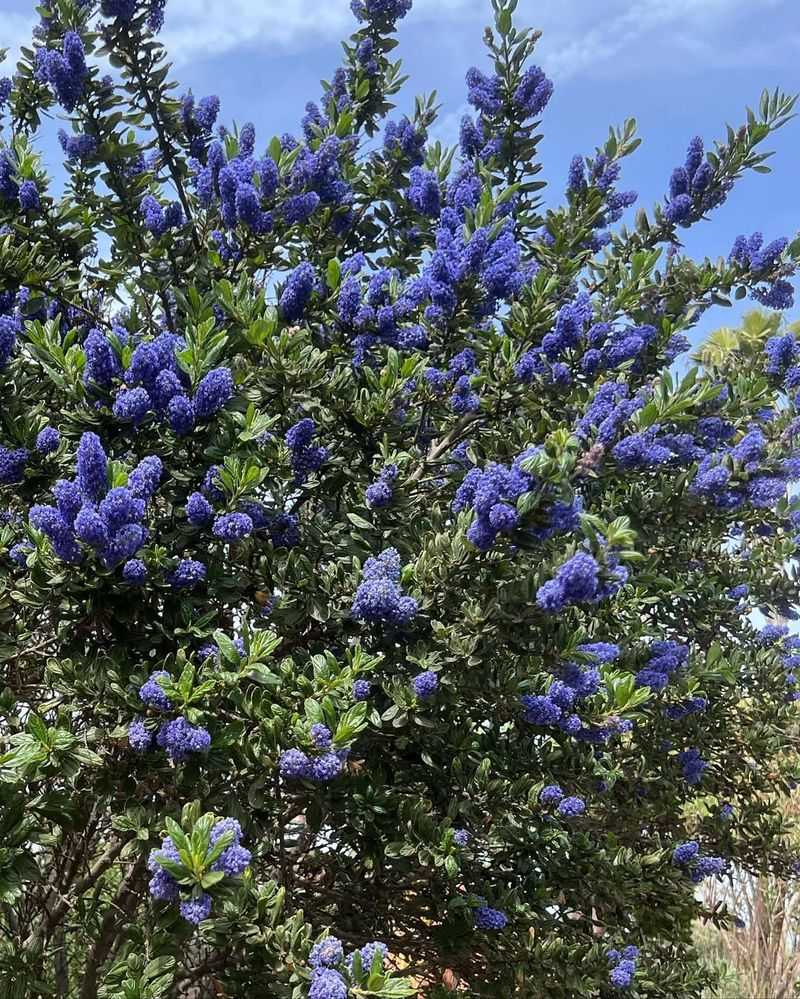
If you want a shrub that stops traffic in spring, California Lilac is your answer. Covered in dense clusters of electric blue or violet flowers, Ceanothus is one of the most jaw-dropping plants you can grow in an Oregon yard.
And despite the name, it performs beautifully throughout the Pacific Northwest when given the right spot.
Ceanothus craves full sun and excellent drainage. A warm, south-facing slope or hillside is ideal.
It is native to California’s dry chaparral, so it is naturally built for heat and summer drought. Oregon’s warm, dry summers suit it perfectly, especially in areas like the Umpqua Valley and southern Oregon.
There are dozens of varieties ranging from low ground covers to large upright shrubs. ‘Julia Phelps,’ ‘Dark Star,’ and ‘Ray Hartman’ are popular picks for Oregon gardens. Once established, Ceanothus needs almost no supplemental watering.
Avoid planting it in heavy clay or areas with poor drainage, as root issues can develop in wet conditions. Do not fertilize heavily, as rich soil encourages weak, floppy growth.
Bees absolutely love the blooms in spring. For a bold, low-water, high-impact shrub in the warmest part of your Oregon garden, Ceanothus is hard to beat.
8. Sedum / Stonecrop (Hylotelephium spectabile)
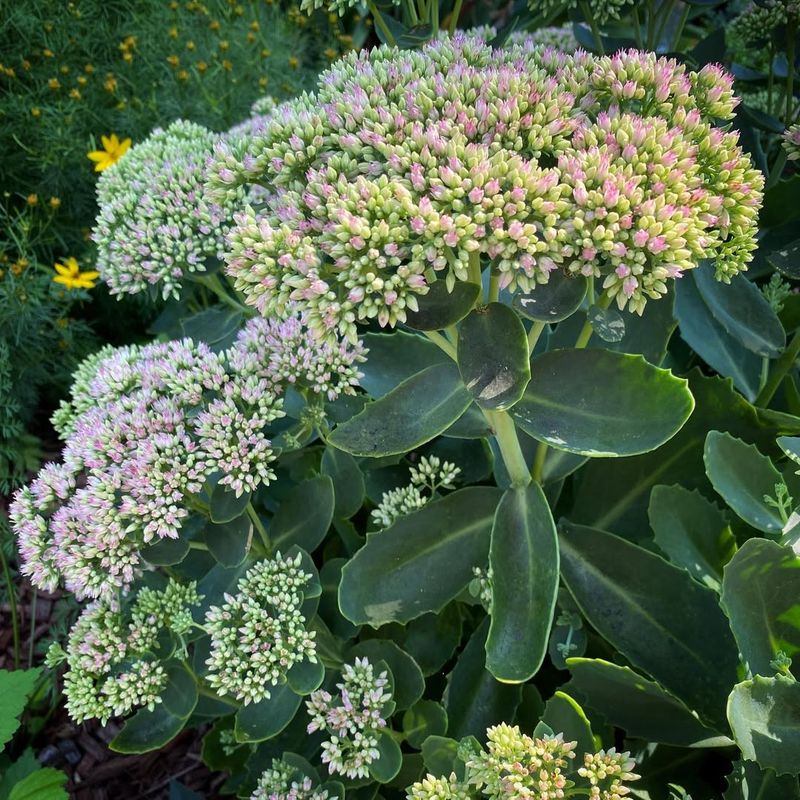
Sedums are the kind of plants that make gardening feel easy. They are practically indestructible, strikingly beautiful, and perfectly suited to the hottest, driest corners of your Oregon yard.
Tall sedum varieties like ‘Autumn Joy’ are especially popular, producing large, flat flower heads that start pale green, shift to rosy pink, and deepen to copper-red by fall.
These plants store water in their thick, fleshy leaves, which means they handle drought without missing a beat. Plant them in full sun and well-drained soil, and they will ask very little from you in return.
They are excellent choices for rock gardens, dry slopes, and sunny borders where other plants struggle during Oregon’s dry summer months.
Sedums bloom from late summer into fall, which is exactly when many other plants are winding down. That late-season color is incredibly valuable in a garden.
Butterflies and bees flock to the blooms, and the dried seed heads provide food for birds through winter. Leave them standing until early spring before cutting back.
Clumps can be divided every three to four years to keep them looking their best. For an Oregon gardener looking for maximum beauty with minimal effort, sedum is a truly rewarding choice.
9. Blanket Flower (Gaillardia aristata)
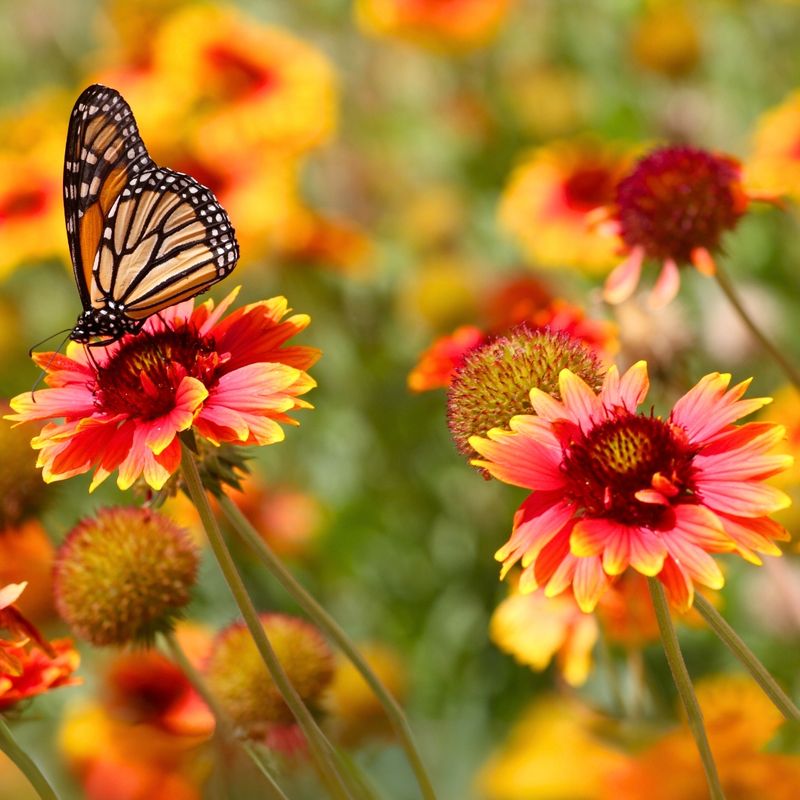
Blazing red petals tipped with golden yellow, blanket flowers look like tiny sunsets growing right in your garden.
Named after the colorful woven blankets of Native American tradition, Gaillardia is a tough, heat-loving wildflower native to the western United States, including parts of Oregon. It was practically made for the warm, sunny spots in your yard.
Blanket flowers bloom from early summer all the way through fall, which gives them one of the longest flowering seasons of any perennial. They thrive in poor, well-drained soil and full sun.
Rich, moist soil actually works against them, causing floppy growth and fewer blooms. Lean soil and lots of heat bring out their best.
Deadheading spent blooms regularly keeps the plant producing new flowers throughout the season. Let a few seed heads develop at the end of the season, and the plant will self-seed naturally, spreading cheerfully through your garden over time.
Gaillardia is also extremely drought-tolerant once established, making it a perfect fit for Oregon’s dry summers, especially in the Willamette Valley, Medford area, and high desert regions near Bend.
Pair it with coneflowers, yarrow, and ornamental grasses for a bold, low-water pollinator garden that looks incredible all season.