Start This Hardy Perennial Indoors In March For A Colorful Spring In Pennsylvania
March in Pennsylvania is a time of change. The air is warming, days are getting longer, and gardeners are eager to bring color back into their yards.
Starting certain hardy perennials indoors now can give your garden a jump start, so when spring arrives, blooms are ready to shine.
One perennial that benefits from an early indoor start is columbine. Growing it inside allows roots to develop in a controlled environment, with the right light, warmth, and moisture.
By the time it’s safe to move plants outdoors, they’re strong, healthy, and ready to flourish in garden beds or containers.
Starting columbine indoors ensures a longer blooming season and vibrant, well-established plants.
This method helps Pennsylvania gardeners enjoy brilliant flowers earlier while giving plants the best chance to thrive in the changing spring weather. With a little effort now, your garden will be full of lively, colorful blooms all season long.
1. A Simple Way To Add Early Color To Your Garden
After months of cold, grey winters in Pennsylvania, most gardeners are desperate for color. The good news is that starting the right perennial indoors in March can completely change how your spring garden looks and feels.
Columbine is one of the easiest hardy perennials to grow from seed. It does not need a lot of fuss, and it rewards patient gardeners with beautiful blooms year after year.
Many people do not realize that a small action in March, just planting a few seeds in a tray indoors, can lead to a garden full of color by late spring.
Starting seeds inside gives you a real advantage in Pennsylvania, where late frosts can catch outdoor seedlings off guard. Indoor seed starting protects your young plants during those unpredictable early weeks.
It also gives you more control over soil temperature and moisture, which helps seeds sprout faster and more reliably.
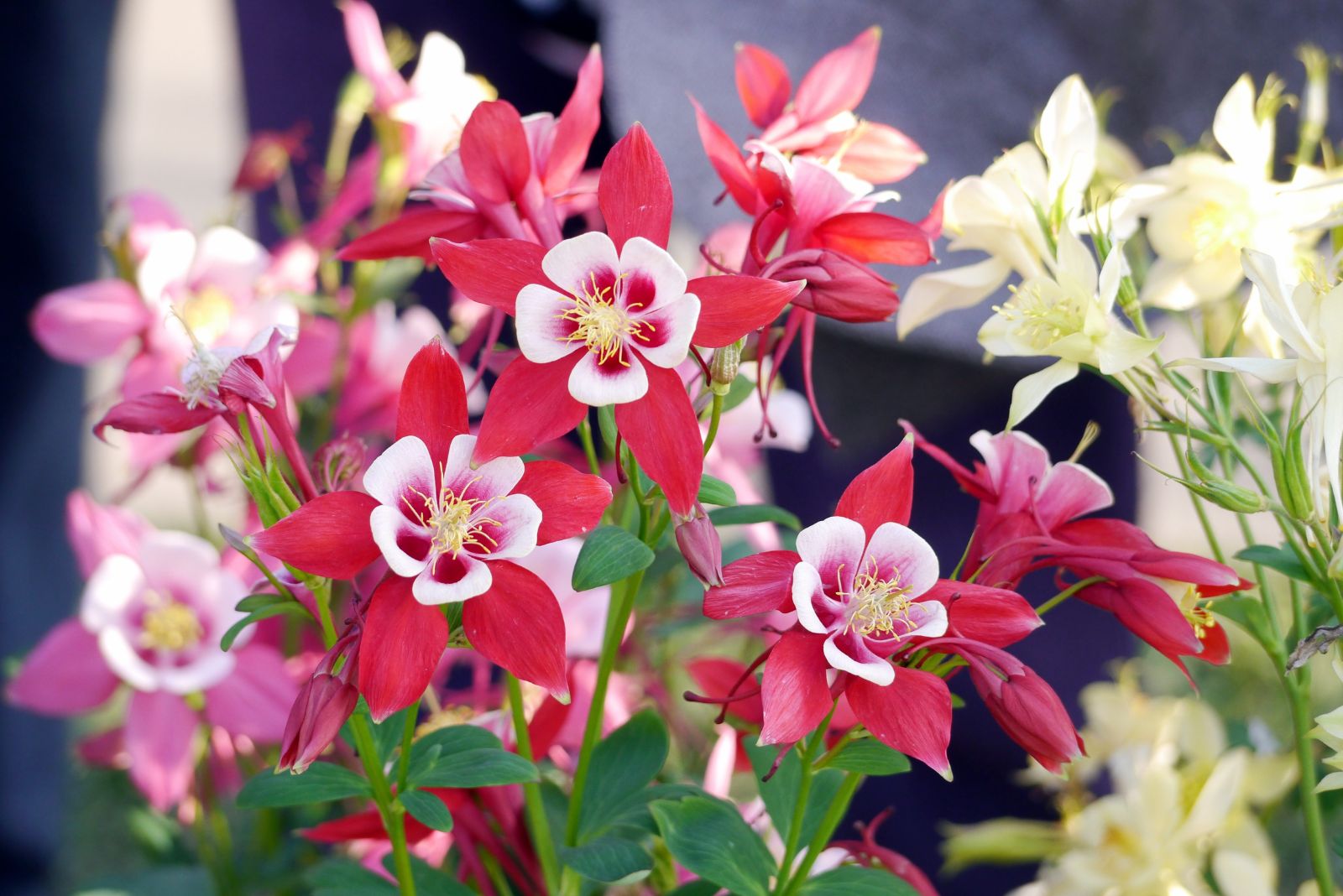
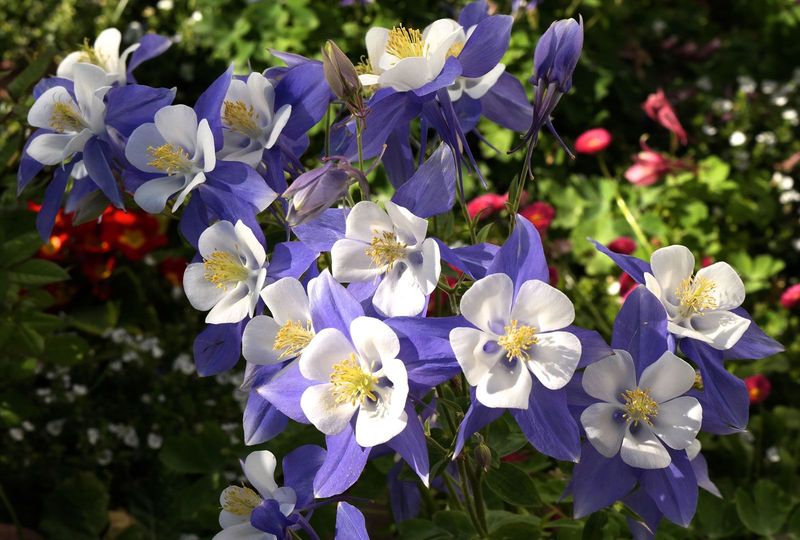
Columbine flowers come in dozens of colors and shapes. Some varieties have long, elegant spurs.
Others look like small, layered stars. The variety of choices means you can pick colors that match your garden style perfectly.
Many gardeners in Pennsylvania describe their first columbine bloom as a surprise gift from the garden.
The plants are low-maintenance, return every spring, and spread gently on their own over time. You do not need a big yard or expensive tools to enjoy them.
All you really need is a small tray, some seed-starting mix, a sunny window, and a little patience. March is the perfect time to get started and set your spring garden up for success.
2. Why Columbine Is Perfect For Pennsylvania Gardens?
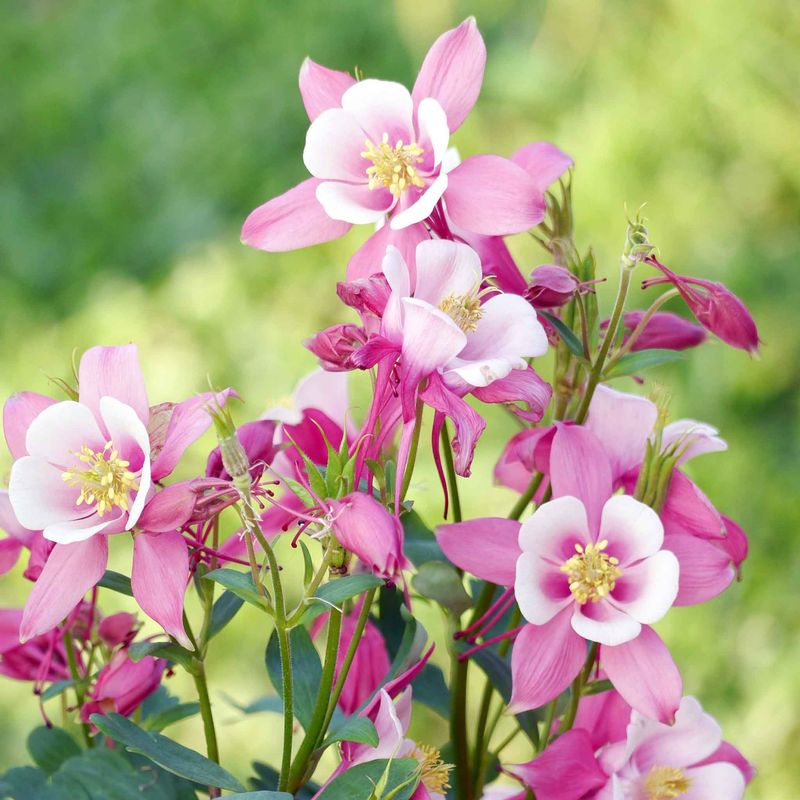
Columbine has been growing wild in Pennsylvania’s forests and meadows for centuries. The native Eastern Red Columbine, known by its scientific name Aquilegia canadensis, is especially well adapted to the region’s climate and soil conditions. It feels right at home here.
One of the biggest reasons columbine works so well in Pennsylvania is that it is hardy in USDA Zones 4 through 8, which covers the entire state.
Your Pennsylvania Garden Changes Every Week. Your Plan Should Too.
Gardening in Pennsylvania changes quickly throughout the season. Every Friday you’ll receive a simple weekly plan showing exactly what to plant, prune, fertilize, harvest, and protect so you never miss the right timing.
That means it can handle cold winters without any special protection. When spring arrives, the plants bounce back on their own, stronger than before.
Columbine also loves cool spring temperatures, which is exactly what Pennsylvania delivers in April and May. While other flowers struggle with late cold snaps, columbine takes them in stride. It is built for this kind of weather.
Another major bonus is that columbine is a favorite of hummingbirds and pollinators like bees and butterflies. The tubular flowers are shaped perfectly for hummingbird feeding, and watching these tiny birds visit your garden is one of the most exciting parts of spring.
Planting columbine is like sending out an invitation to wildlife.
Did you know that native columbine varieties tend to be even more reliable than hybrid types in Pennsylvania?
Native plants have adapted to local soil and weather patterns over thousands of years, which makes them tougher and more self-sufficient. They also require far less watering and fertilizing once established.
For Pennsylvania gardeners who want color, wildlife, and low-maintenance beauty all in one plant, columbine checks every single box without asking for much in return.
3. When And How To Start Seeds Indoors In March?
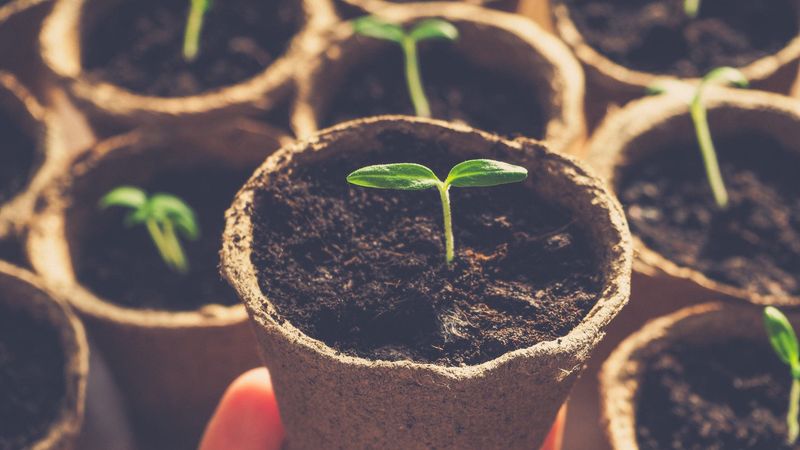
March is the sweet spot for starting columbine seeds indoors in Pennsylvania. Most of the state experiences its last hard frost somewhere between late April and mid-May.
Starting seeds six to eight weeks before that date puts you right in the middle of March, which is perfect timing.
You do not need fancy equipment to get started. A shallow seed tray or small containers filled with a quality seed-starting mix works great.
Avoid using regular garden soil indoors because it tends to compact and does not drain well in containers. A light, fluffy seed-starting mix gives roots the best chance to grow freely.
One important thing to know about columbine seeds is that they need light to germinate. Do not bury them deep in the soil.
Instead, press them gently onto the surface of the mix and barely cover them with a thin dusting of soil or just leave them exposed. Light helps trigger the germination process.
Keep the soil lightly moist but never soggy. Overwatering is one of the most common mistakes beginners make. A spray bottle works perfectly for misting the surface without disturbing the seeds.
Columbine seeds actually germinate better after a cold treatment called stratification. You can place your seeded tray in the refrigerator for two to three weeks before moving it to a bright, cool windowsill.
This mimics the natural winter conditions that columbine seeds experience outdoors in Pennsylvania.
Once sprouted, keep seedlings in a bright location with cool indoor temperatures around 60 to 65 degrees Fahrenheit. Avoid hot, stuffy spots near heating vents, which can stress young plants early on.
4. Moving Seedlings Outdoors The Right Way
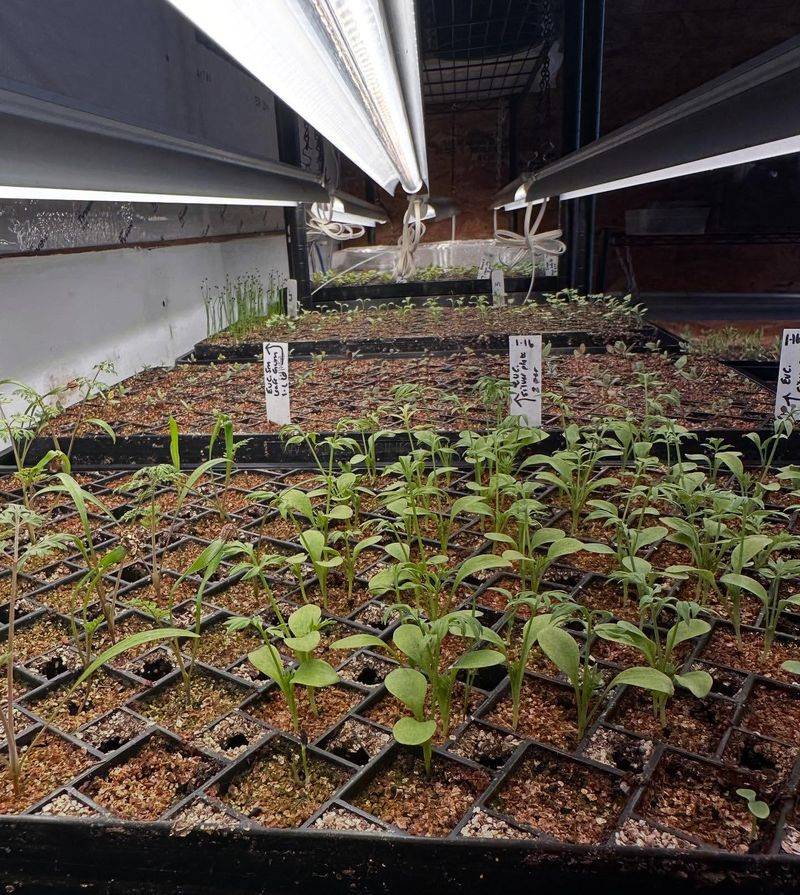
Getting your seedlings outside is an exciting milestone, but rushing the process can set your plants back. The key is something called hardening off, which simply means gradually introducing your indoor seedlings to outdoor conditions before planting them in the ground.
Start by placing your seedlings outside in a sheltered spot for just one to two hours on the first day. Choose a calm, mild day with no strong wind or direct afternoon sun.
Each day, increase the outdoor time a little more. After about seven to ten days of this routine, your seedlings will be ready for the garden.
Pennsylvania’s spring weather can be unpredictable, so always check the forecast before moving seedlings outside for extended periods.
Wait until the danger of hard frost has passed before transplanting permanently. In most parts of Pennsylvania, that means waiting until at least mid-May, though southern parts of the state may be safe a week or two earlier. Patience here really pays off.
Columbine grows best in partial sun to light shade. A spot that gets morning sun and afternoon shade is ideal, especially in warmer parts of Pennsylvania where summer heat can be intense.
Too much direct afternoon sun can stress the plants during summer. Plant columbine in well-drained soil. It does not like sitting in wet, soggy ground for long periods. Raised beds or slopes work especially well if your garden has drainage challenges.
After transplanting, water gently but consistently while the plants settle in. Avoid heavy watering that washes soil away from young roots. Within a few weeks, your columbine plants will be standing tall and growing strong.
5. What To Expect In Your First Season?
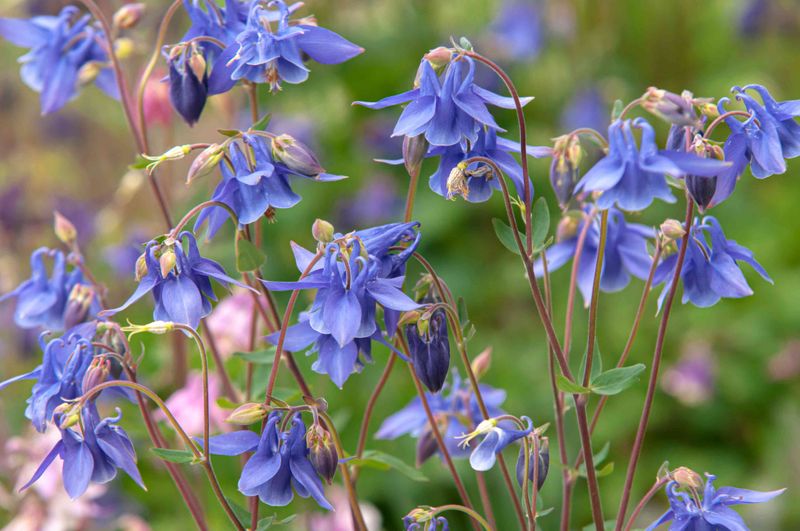
First-time columbine growers often wonder whether their plants will bloom in the first year. The honest answer is that it depends.
Some columbine plants started indoors in March will produce flowers by late May or early June of the same year, especially if they were given good light and consistent care during the indoor growing phase.
Other plants may focus their energy on building a strong root system during the first year and bloom more fully the following spring. This is completely normal and not a sign that anything went wrong.
Columbine is a perennial, meaning it comes back year after year, and the second-year bloom is often far more impressive than the first.
Light deadheading, which means removing spent flowers before they form seed pods, can encourage your columbine plants to keep producing new blooms. Simply pinch or snip off the faded flowers regularly throughout the blooming season.
This small habit can extend your color show by several weeks in Pennsylvania’s spring garden.
That said, if you want your columbine to spread naturally, let some of the seed pods mature and drop on their own.
Columbine self-seeds readily, meaning new plants will pop up around the garden in following years without any extra effort from you. It is one of the most cheerful surprises a garden can offer.
The plants will also gradually grow larger and fuller with each passing year. A clump that looked modest in year one can become a stunning focal point by year three.
Starting in March gives your columbine the longest possible growing season to get established before winter returns to Pennsylvania.
6. How Columbine Brings Life Back To The Spring Garden?
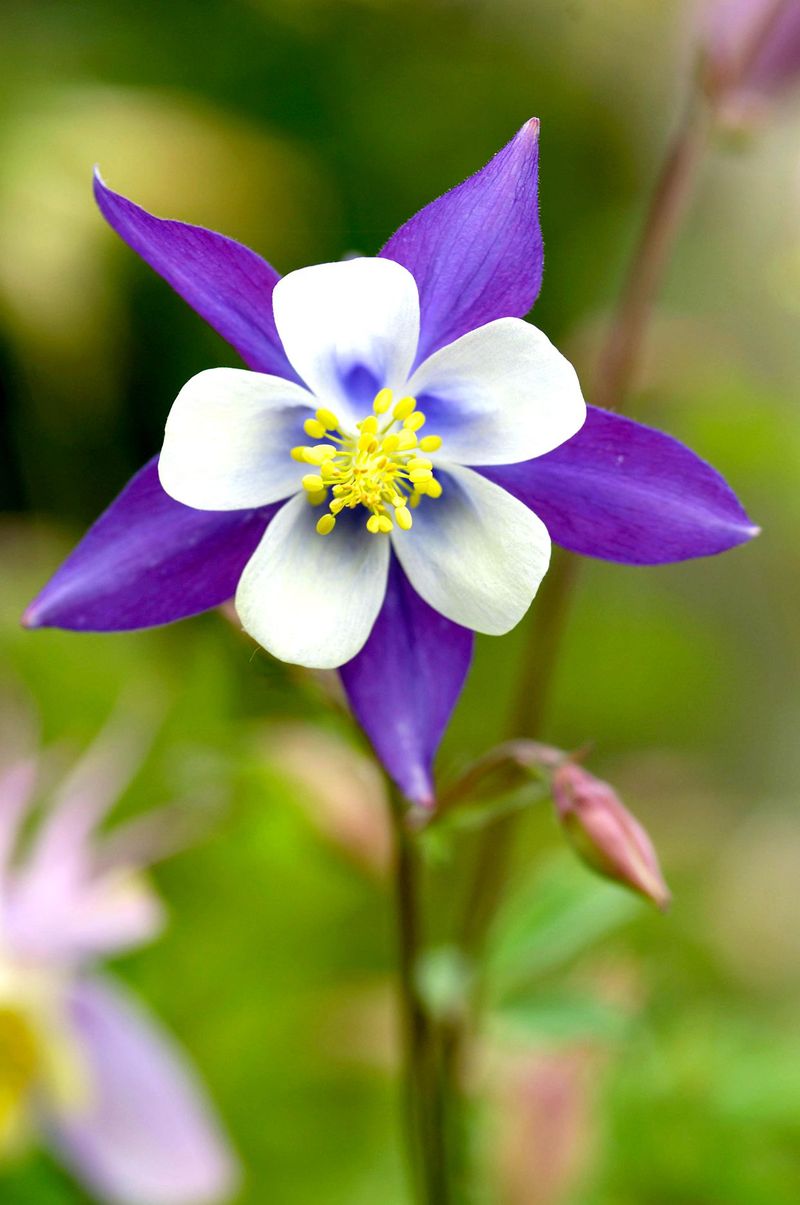
There is something almost magical about watching the first columbine blooms open after a long Pennsylvania winter.
The soft, nodding flowers sway gently in the spring breeze, bringing movement and color to a garden that felt bare just weeks before. It is a moment that reminds you why gardening is worth every bit of effort.
Columbine flowers do not shout for attention the way some bold summer annuals do. Instead, they add a quiet, graceful beauty that feels natural and effortless.
The delicate petals and long spurs give the garden a cottage-style charm that is hard to replicate with any other plant. Many Pennsylvania gardeners say columbine is the plant that makes their spring garden feel complete.
As the flowers open, pollinators return in force. Bees, butterflies, and hummingbirds all flock to columbine blooms, bringing energy and life to the yard.
Watching a ruby-throated hummingbird hover over a red columbine flower is one of the most rewarding experiences a Pennsylvania gardener can have.
Because columbine is a low-maintenance perennial, it actually improves with age. Each year, the root system grows stronger, the clumps grow larger, and the bloom count increases. You put in the work once in March, and the plant rewards you for years to come.
Starting columbine from seed indoors in March is one of the simplest and most satisfying steps you can take toward a more colorful spring.
By the time your neighbors are just thinking about planting, your columbine will already be blooming beautifully across your Pennsylvania garden, full of life, color, and the kind of quiet joy that only a garden can give.
7. Quick Tips For Columbine Success In Pennsylvania
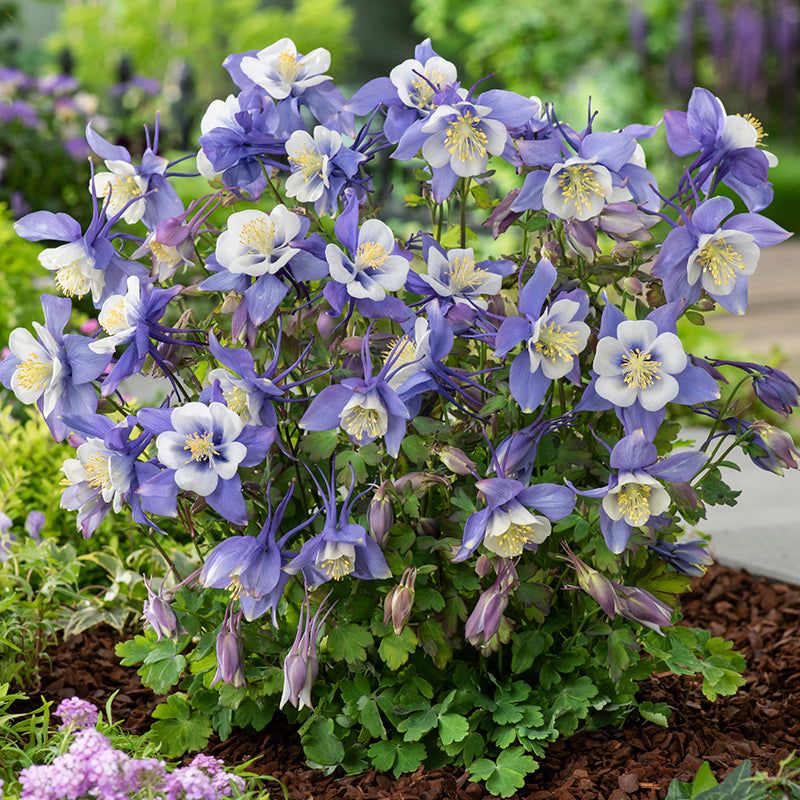
Ready to get started? A few practical tips can make your columbine growing experience even smoother, especially if this is your first time starting perennials from seed in Pennsylvania.
Always buy fresh columbine seeds for the best germination rates. Old seeds that have been sitting in a drawer for a few years may not sprout as reliably.
Look for seed packets labeled with the current year when shopping at your local garden center or online. Fresh seeds give you the strongest possible start.
If you want to skip the cold stratification step, try placing your seed tray in the refrigerator for two to three weeks right after sowing. This chilling period mimics what happens naturally when seeds spend the winter in Pennsylvania’s frozen ground.
After chilling, move the tray to a bright windowsill and watch for sprouts within two to three weeks.
Label your seed trays clearly. It sounds simple, but when you have multiple plants sprouting at once in March, it is easy to mix things up. A small plastic label or even a strip of masking tape with a marker does the job perfectly.
Water consistently but lightly. A spray bottle is your best friend during the seed-starting phase.
Soggy soil encourages mold and root problems, while dry soil stalls germination. Aim for soil that feels like a wrung-out sponge, moist but not dripping.
Finally, be patient. Columbine seeds can take two to four weeks to germinate, sometimes longer.
Do not give up if you do not see sprouts right away. Keep the soil moist, maintain good light, and trust the process. Your Pennsylvania spring garden will be worth the wait.