6 Reasons Your Easter Cactus Isn’t Blooming In Pennsylvania (Plus Simple Fixes)
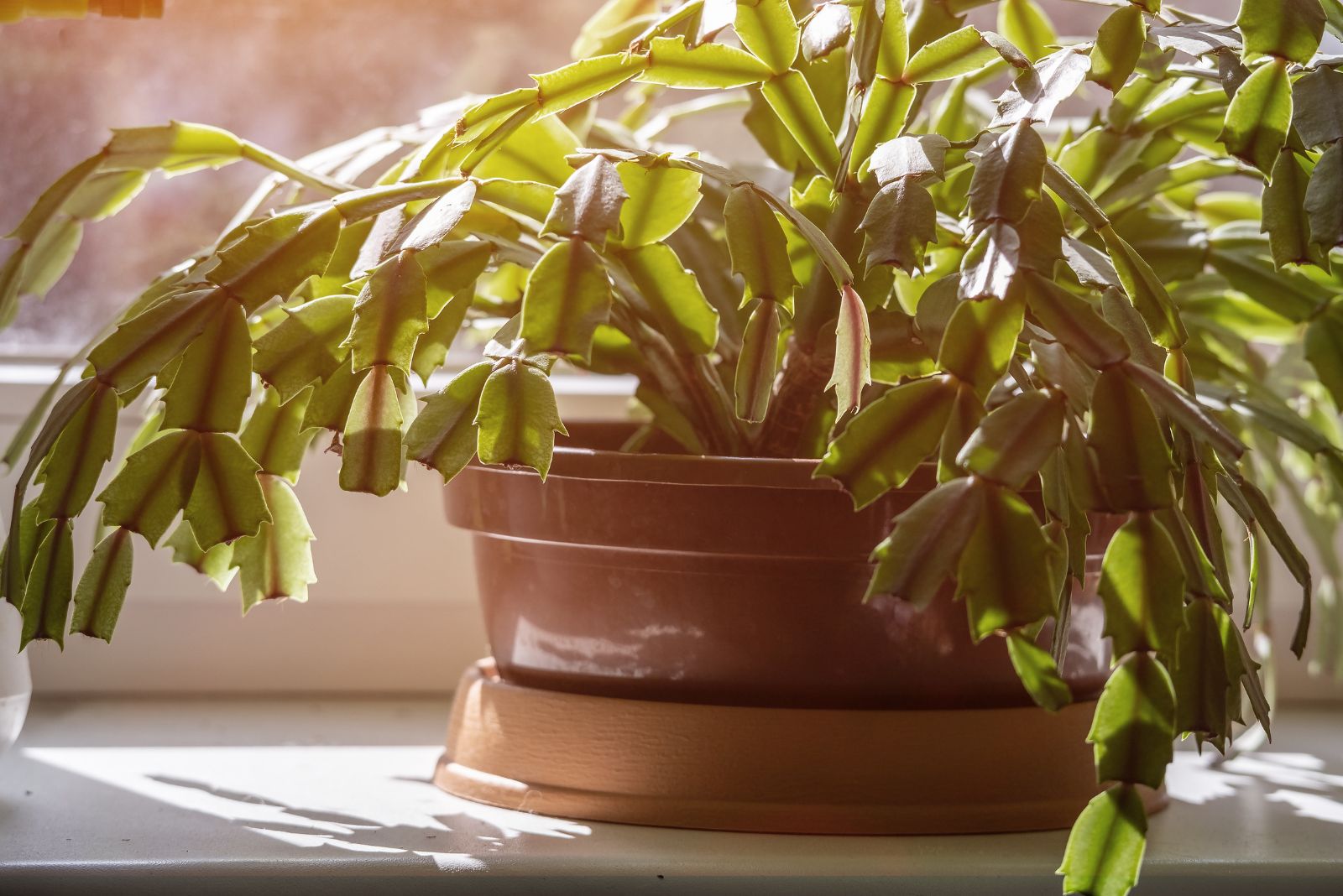
An Easter cactus can bring a splash of bright color and festive cheer to your Pennsylvania home, but it can be frustrating when the plant refuses to bloom.
You may have cared for it carefully, watered it properly, and kept it in the right spot, yet the flowers never appear. Understanding why it isn’t blooming can make all the difference.
Several factors can affect flower production. Light, temperature, and watering routines play a big role in triggering blooms.
Too much or too little light, inconsistent watering, or temperatures that are too warm or too cold can prevent buds from forming. Nutrient balance and proper pruning also influence flowering.
The good news is that most problems have simple fixes. Adjusting care, moving the plant to a better location, and following a few key seasonal tips can encourage buds to appear.
With the right attention, your Easter cactus can bloom beautifully and bring vibrant color to your Pennsylvania home.
1. Not Enough Bright, Indirect Light
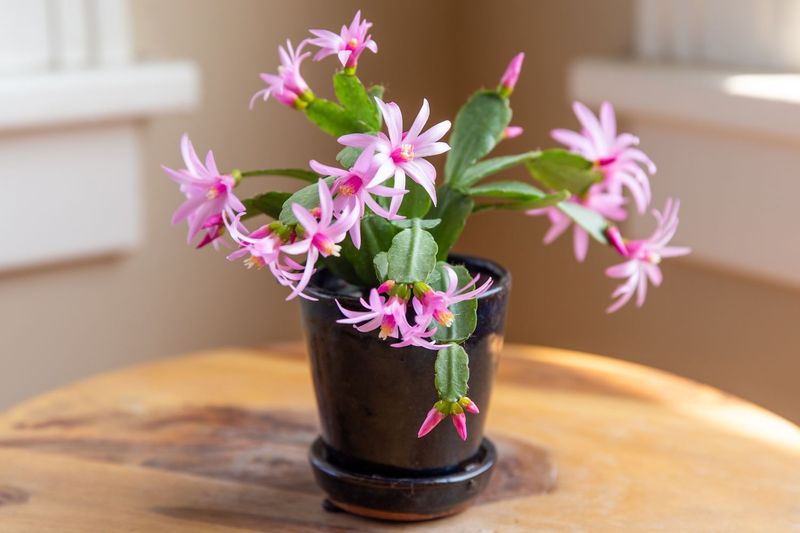
Light is one of the biggest reasons an Easter cactus refuses to bloom, and many Pennsylvania plant owners do not realize just how much it matters.
Without enough bright, indirect light, your plant will keep growing green stems and leaves, but it will never put energy into making flowers.
North-facing rooms and dim winter spaces are especially tricky during Pennsylvania’s gray winter months.
Easter cacti are not like desert cacti that love blazing sun. They actually come from the shady rainforests of Brazil, so they prefer soft, filtered light rather than harsh direct rays.
Too much direct sun can scorch the stems, while too little light leaves the plant with no energy to bloom.
Moving your plant to an east-facing window is one of the best simple fixes you can make. East windows give your Easter cactus that gentle morning light it loves without the intense afternoon heat.
A bright north-facing window can also work well, especially during spring when days get longer. Try to give your plant at least four to six hours of bright, indirect light every day.
If your Pennsylvania home does not have great natural light in winter, a simple grow light placed nearby for a few hours a day can make a real difference. Keep the plant a few feet away from the light source so it is not overwhelmed.
Once you find the right spot, try to keep the plant there consistently. Easter cacti do not love being moved around too much.
Stability helps them settle in and focus their energy on producing those gorgeous blooms you have been waiting for.
2. No Cool Rest Period In Late Winter
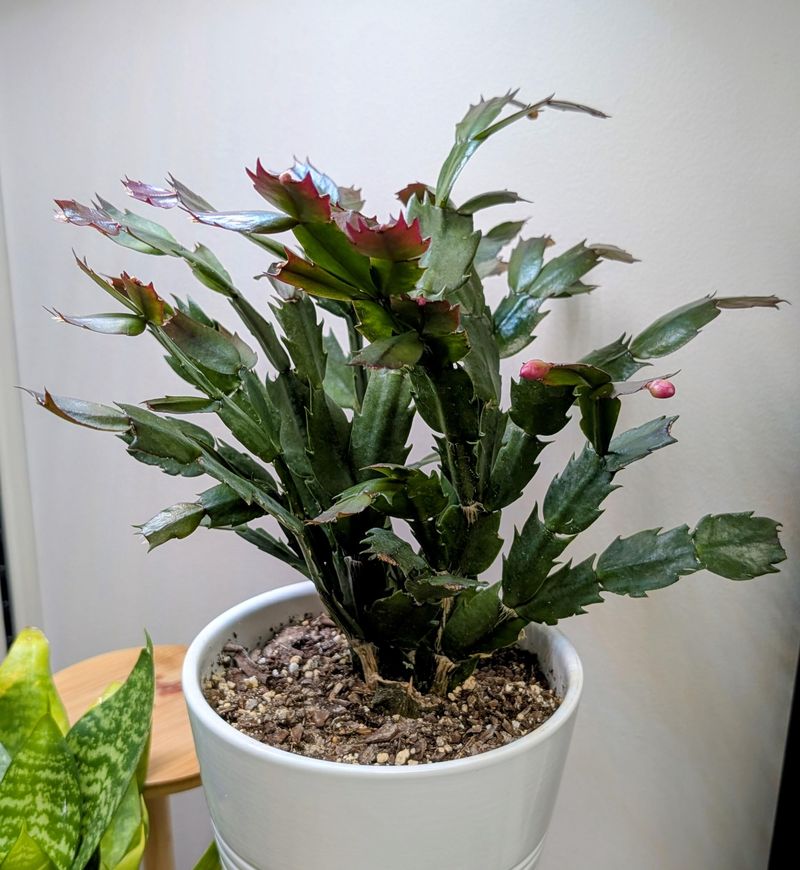
Here is something surprising that many Pennsylvania plant owners do not know: Easter cacti actually need to feel a little chilly before they will bloom.
Without a proper cool rest period in late winter, the plant simply will not get the signal it needs to start forming buds. It is one of the most commonly overlooked reasons for a bloomless Easter cactus.
Your Pennsylvania Garden Changes Every Week. Your Plan Should Too.
Gardening in Pennsylvania changes quickly throughout the season. Every Friday you’ll receive a simple weekly plan showing exactly what to plant, prune, fertilize, harvest, and protect so you never miss the right timing.
In the wild, these plants experience cooler temperatures as part of their natural seasonal cycle. When we keep them in warm, cozy homes all winter long, we accidentally skip that important cue.
Pennsylvania homes heated with forced air can get especially warm and dry, making this problem even more common here.
The fix is simpler than you might think. Starting in late January or early February, try to give your Easter cactus nights that drop to around 50 to 60 degrees Fahrenheit, which is about 10 to 15 degrees Celsius.
An unheated spare room, a cool basement with some light, or a spot near a drafty but not freezing window can work perfectly.
Keep the plant away from heating vents, radiators, and warm air drafts during this rest period. Even a few weeks of cooler nights can be enough to trigger bud formation.
You do not need to make the plant uncomfortable, just a little cooler than your main living areas.
Once you see small buds beginning to form, you can move the plant back to its regular warm spot. From that point on, keep conditions stable so the buds do not drop before they have a chance to open into full, beautiful blooms.
3. Too Much Or Too Little Water
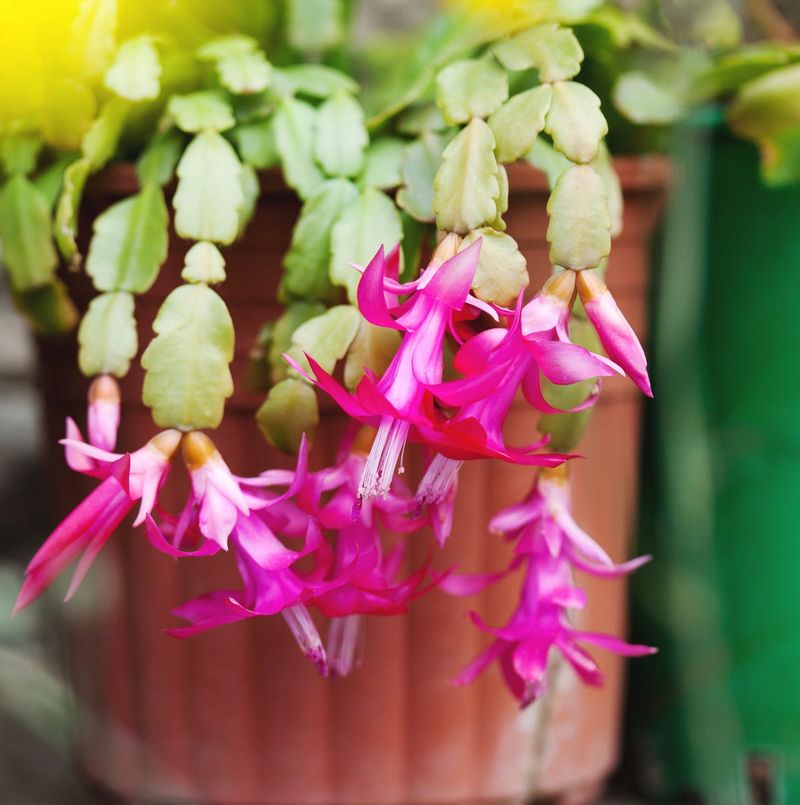
Watering an Easter cactus might seem straightforward, but getting it wrong is one of the most common reasons the plant skips blooming season.
Both overwatering and underwatering stress the plant in different ways, and a stressed Easter cactus puts all its energy into survival rather than flowers. Finding the right balance is key to getting those beautiful blooms.
Overwatering is the more common mistake, especially in Pennsylvania during winter when the plant is not growing as actively. When roots sit in soggy soil for too long, they struggle to take up nutrients properly.
The plant starts to look weak, and bud formation becomes almost impossible under those conditions.
Underwatering causes its own set of problems. A thirsty Easter cactus will have limp, slightly shriveled stems and will not have enough energy to support flower production. The plant basically goes into a low-energy survival mode rather than focusing on blooming.
The sweet spot is keeping the soil lightly and evenly moist during the growing and blooming season.
A good rule of thumb is to let the top inch of soil dry out slightly between waterings before adding more. Stick your finger about an inch into the soil and if it feels dry, it is time to water.
Always use a pot with drainage holes so excess water can escape freely. Sitting water at the bottom of a pot is a fast track to root stress.
During the cool rest period in late winter, cut back on watering a little since the plant needs less moisture when it is not actively growing. Resume regular watering once buds start to appear.
4. Low Humidity Indoors
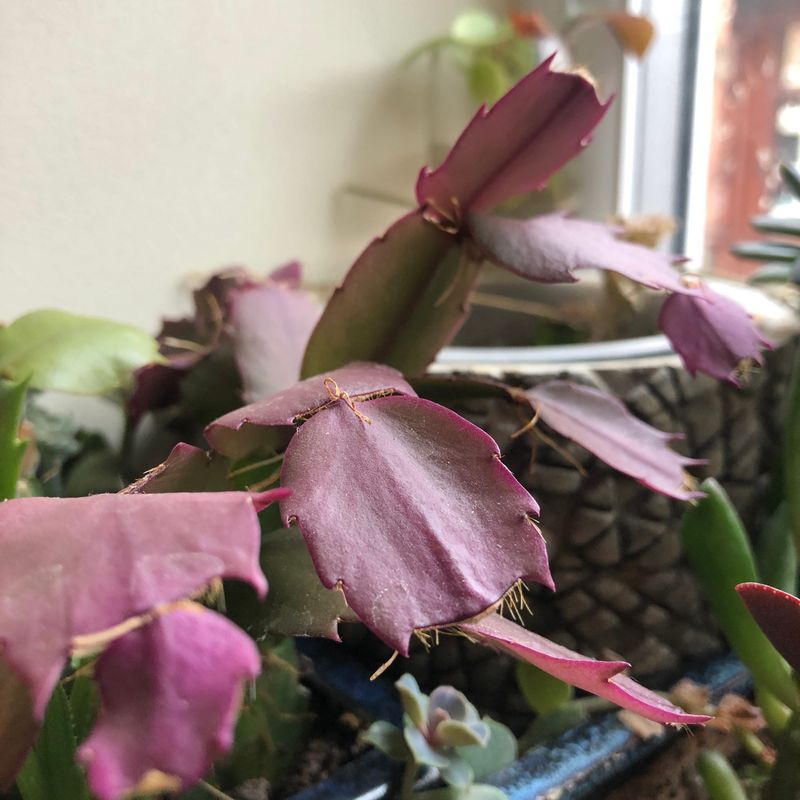
Pennsylvania winters are notoriously dry indoors, and that dry air can be a real problem for Easter cacti.
These plants originally come from humid rainforest environments, so the low humidity inside a heated Pennsylvania home in January or February can seriously interfere with bud formation.
If you have ever noticed your plant forming tiny buds only to watch them drop off before opening, low humidity is often the reason.
When the air is too dry, the plant loses moisture faster than it can take it up through the roots. This creates stress that causes developing buds to fall off before they ever get a chance to bloom.
It is one of those frustrating problems because the plant looks like it is about to flower and then just does not follow through.
One of the easiest fixes is setting up a pebble tray. Just fill a shallow tray with small pebbles, add water until it almost reaches the top of the pebbles, and place your pot on top.
As the water evaporates, it creates a little pocket of humidity right around the plant. Make sure the bottom of the pot is not actually sitting in the water to avoid root stress.
Grouping your houseplants together is another great trick. Plants naturally release moisture into the air as they breathe, so clustering them together raises the humidity level in that small area.
This works really well in Pennsylvania homes where winter heating dries everything out quickly.
Avoid placing your Easter cactus near heaters, radiators, or forced-air vents. The constant blast of warm, dry air is especially harsh on these moisture-loving plants and will make bud drop much worse.
5. Too Much Nitrogen Fertilizer
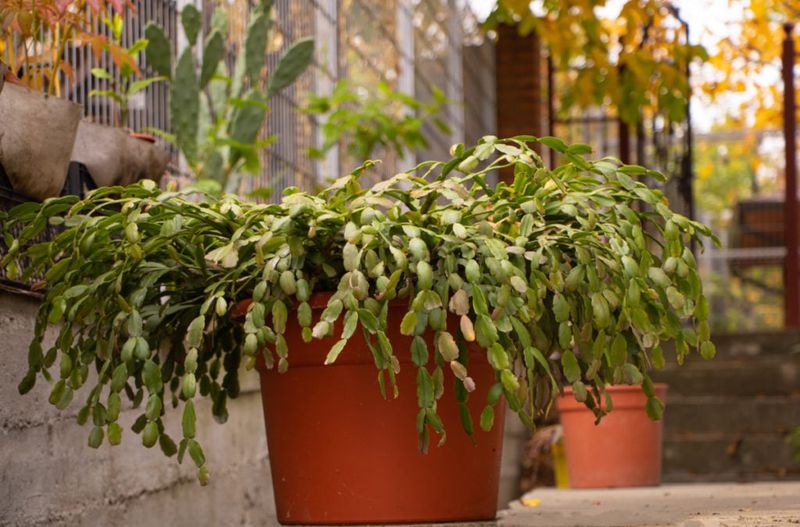
Feeding your Easter cactus feels like a kind and caring thing to do, but too much of the wrong fertilizer can actually prevent blooming. High-nitrogen fertilizers push the plant to grow lots of lush green stems and leaves, which sounds good at first.
The problem is that all that leafy growth comes at the expense of flower production, leaving you with a full, bushy plant that never blooms.
Nitrogen is one of three main nutrients in fertilizer, and it is the one most responsible for green, leafy growth. When a plant gets too much nitrogen, it essentially gets stuck in a vegetative state.
It keeps growing leaves because there is plenty of fuel for that, but it never shifts into the reproductive stage where flowers are formed.
Many plant owners in Pennsylvania make the mistake of using an all-purpose fertilizer without checking the nutrient ratio. A fertilizer labeled something like 20-20-20 is balanced and can work during the growing season, but one that is heavy on nitrogen, like a 30-10-10, is not ideal for an Easter cactus that you want to bloom.
Switch to a balanced fertilizer or one that is specifically designed to encourage blooming. These fertilizers have a lower nitrogen content and higher levels of phosphorus, which supports flower production.
Look for something like a 10-30-20 ratio when bloom season is approaching. Fertilize lightly during the active growing season, which is roughly late spring through summer. Stop feeding entirely during the cool rest period in late winter.
Giving the plant a break from fertilizer during that time helps it respond naturally to the seasonal cues that trigger blooming.
6. Plant Is Too Young Or Recently Repotted
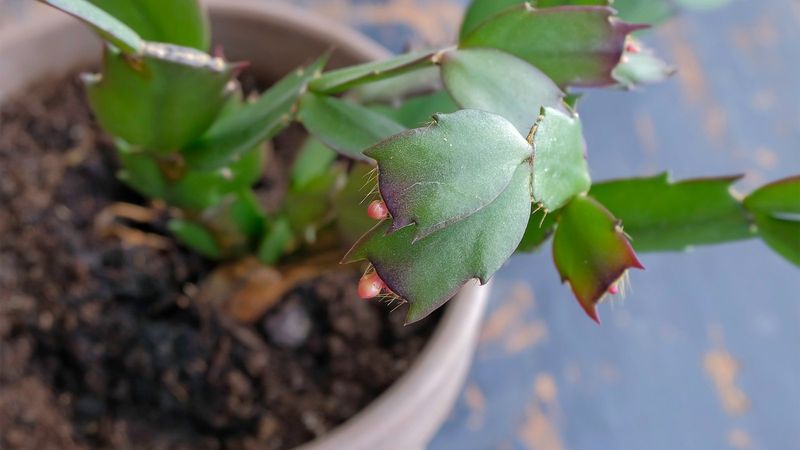
Sometimes the reason your Easter cactus is not blooming has nothing to do with light, water, or fertilizer. Age and recent repotting can both play a big role in whether or not your plant decides to flower.
Young plants and recently repotted ones often need extra time before they are ready to put on a floral show, and that is completely normal.
A very young Easter cactus, especially one that is less than two or three years old, may simply not be mature enough to bloom yet.
Just like many living things, it needs time to grow and develop before it reaches the stage where flowering becomes a priority. Patience is genuinely one of the best tools a plant owner can have in this situation.
Repotting is another common trigger for delayed blooming. When you move a plant into a new pot, it shifts its focus entirely to establishing new roots in the fresh soil.
All the plant’s energy goes underground, so there is very little left over for making flowers. This can delay blooming by an entire season, even if everything else is perfect.
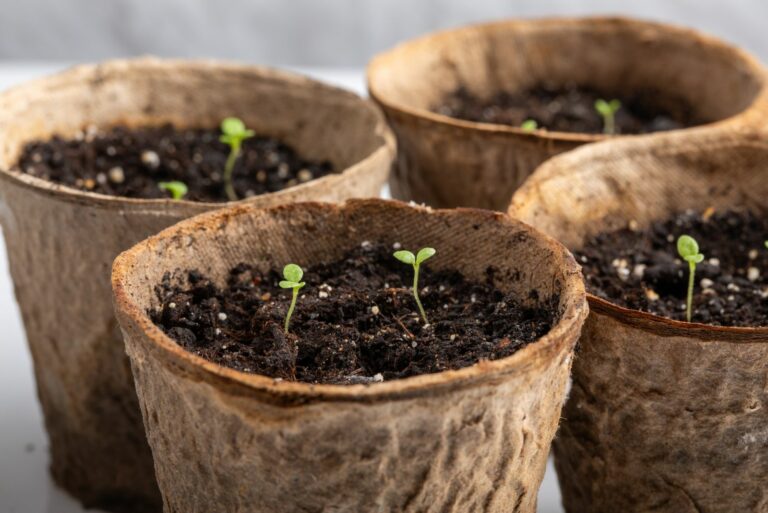
Interestingly, Easter cacti actually prefer to be a little root-bound. A slightly crowded pot signals to the plant that it is time to reproduce, which encourages flowering.
Repotting into a pot that is too large can have the opposite effect, giving the roots too much room to spread and telling the plant it can keep growing instead of blooming.
Avoid repotting your Easter cactus more than once every two to three years. Let it settle in, grow comfortable, and it will reward your patience with beautiful blooms in future Pennsylvania springs.