This Is What Michigan Gardeners Can Do Now To Prepare Soil For Spring
Spring in Michigan often plays tricks on gardeners. One afternoon feels like planting season has arrived.
The next morning greets you with frost and stiff soil. That back-and-forth makes it tempting to rush outside with seeds in hand, but soil decides when the season truly begins.
Across the Lower Peninsula and up into the Upper Peninsula, garden beds are slowly waking up beneath thawing ground. Snowmelt, freeze-thaw cycles, and cold nights shape what is possible right now.
Paying attention to soil before planting can make a noticeable difference once real warmth settles in. Strong gardens rarely happen by accident.
They start below the surface with balanced nutrients, workable texture, and proper drainage. A few thoughtful steps taken now can help Michigan gardeners head into spring with confidence instead of guesswork.
1. Test Your Soil Through MSU Extension
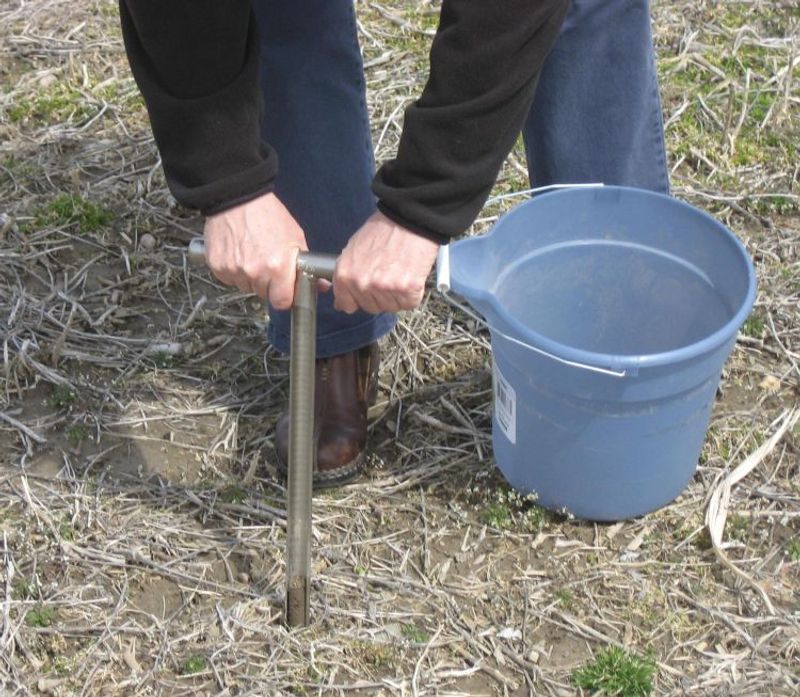
Guessing what your soil needs can cost you an entire season. A simple soil test through Michigan State University Extension removes that uncertainty and gives you clear, research-based guidance before planting begins.
MSU Extension offers soil testing services that analyze nutrient levels, organic matter content, and pH balance. Instead of relying on general fertilizer blends, you receive recommendations tailored to your specific soil and intended crops.
Submitting a sample before the ground fully thaws gives you time to review the results and plan amendments before spring planting picks up speed. Early testing also helps you avoid the rush that often happens once garden centers fill up in April and May.
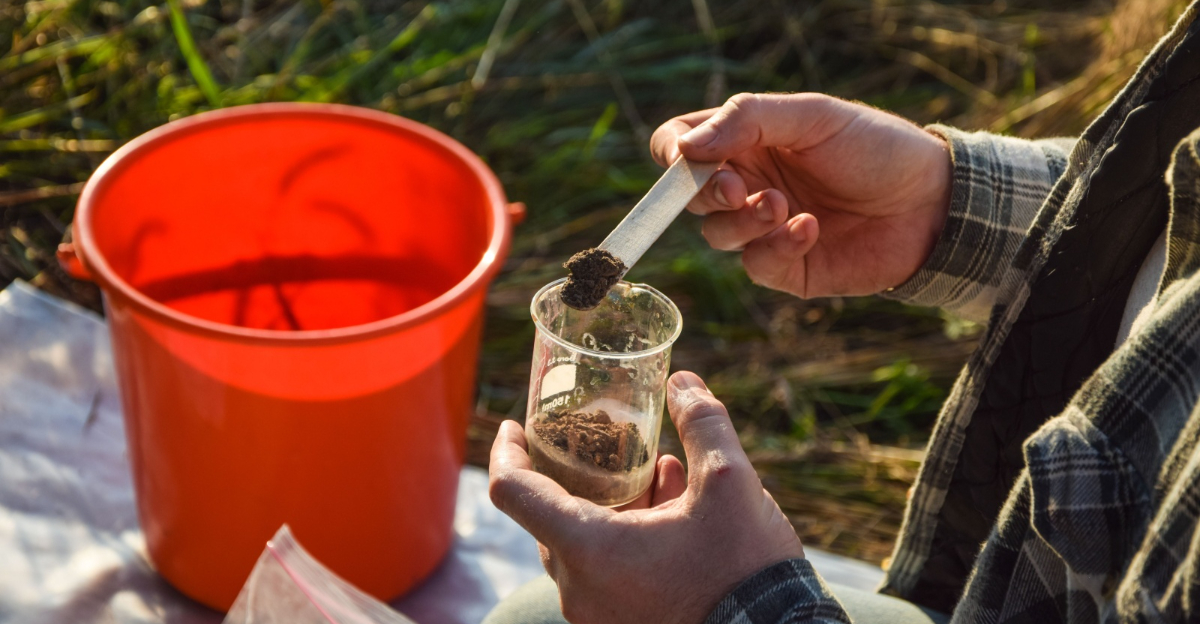
Collect small amounts of soil from multiple spots across each garden bed, mix them thoroughly, and send the combined sample to the MSU Extension Soil and Plant Nutrient Lab. That blended sample provides a more accurate representation of overall conditions.
Michigan soils vary widely. Sandy soils near Lake Michigan often drain quickly and lose nutrients faster.
Heavy clay soils common across much of the Lower Peninsula hold moisture but compact easily. A reliable soil test establishes a clear starting point, helping you improve soil strategically rather than applying amendments blindly.
2. Monitor Soil Temperature In Your Garden Beds
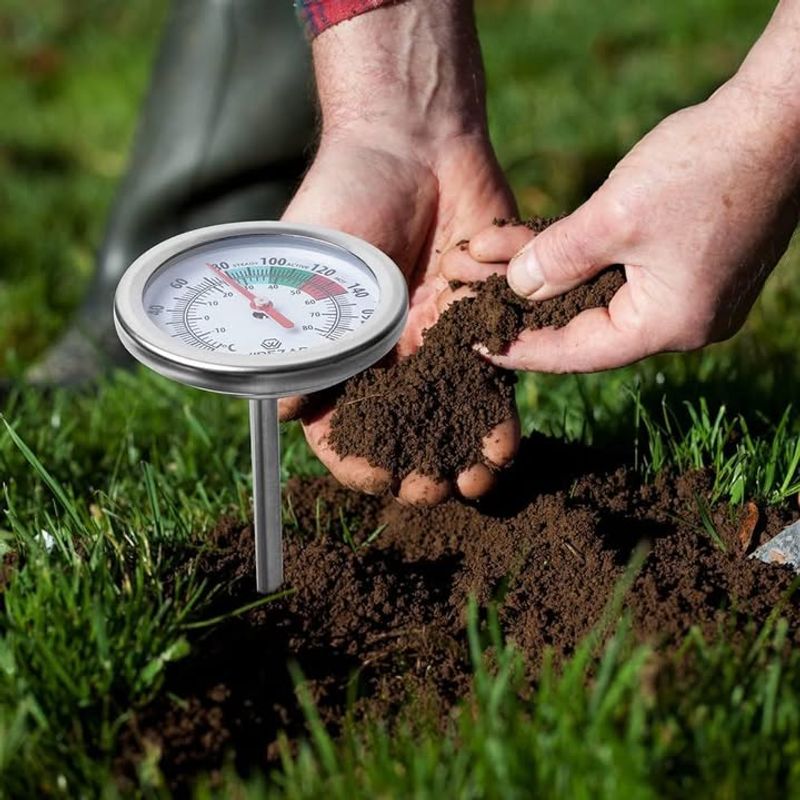
Warm afternoons can create false confidence in March and April. Soil temperature, not air temperature, determines when seeds and roots can begin active growth.
Michigan weather often swings sharply in early spring, with mild daytime highs followed by freezing nights. Soil warms much more slowly than the air above it.
Planting into cold ground can delay germination and slow early development.
A basic soil thermometer inserted two to four inches deep provides an accurate reading at root level. Cool-season vegetables such as peas and spinach germinate once soil temperatures reach about 40 degrees Fahrenheit.
Warm-season crops like tomatoes and peppers prefer soil consistently above 60 degrees before transplanting.
Regional differences matter. The Upper Peninsula frequently stays cooler well into May, while southern Michigan gardens may warm earlier.
Checking soil temperature every few days as thaw progresses helps you time planting with greater precision.
Raised beds typically warm faster than in-ground beds because they have greater surface exposure to sunlight and air. That advantage can offer Michigan gardeners a small but meaningful head start during unpredictable early spring weeks.
Your Michigan Garden Changes Every Week. Your Plan Should Too.
Gardening in Michigan changes quickly throughout the season. Every Friday you’ll receive a simple weekly plan showing exactly what to plant, prune, fertilize, harvest, and protect so you never miss the right timing.
3. Review And Adjust Soil PH If Needed
Nutrient levels matter, but soil pH controls how available those nutrients are to plants. Even fertile soil can limit growth when pH sits outside the ideal range.
Most vegetables and flowering plants grow best in slightly acidic to neutral soil, generally between 6.0 and 7.0. Many Michigan soils lean acidic, particularly sandy soils and areas rich in organic matter, though conditions vary widely by location.
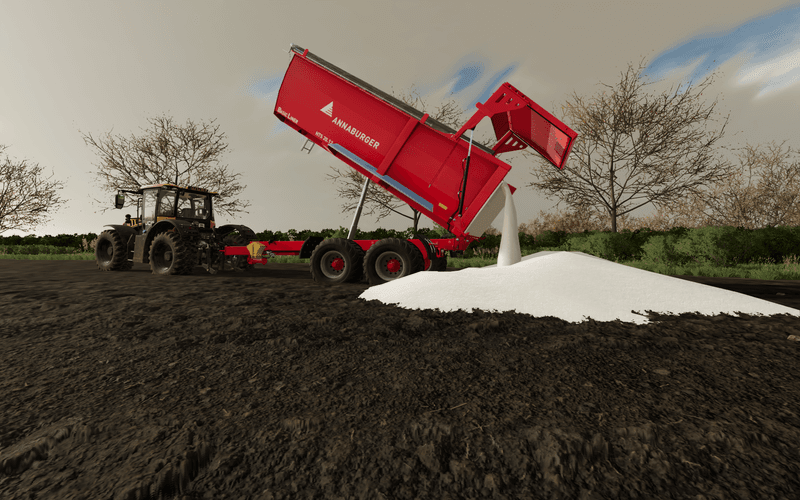
When soil tests show a pH below the desired range, agricultural lime is commonly recommended to raise it gradually. If pH is higher than ideal, elemental sulfur or certain acidifying fertilizers may be suggested.
Adjustments take time to influence the soil profile, which makes early application beneficial.
Blueberries, a popular crop in Michigan, thrive in more acidic soil, often between 4.5 and 5.5. Gardeners growing acid-loving crops should follow crop-specific targets rather than general vegetable guidelines.
Using actual soil test data prevents overcorrection. Raising or lowering pH too aggressively can create nutrient imbalances that become harder to correct once plants are actively growing.
Thoughtful adjustments now help stabilize soil chemistry before the busy planting season begins.
4. Add Compost To Raised Beds
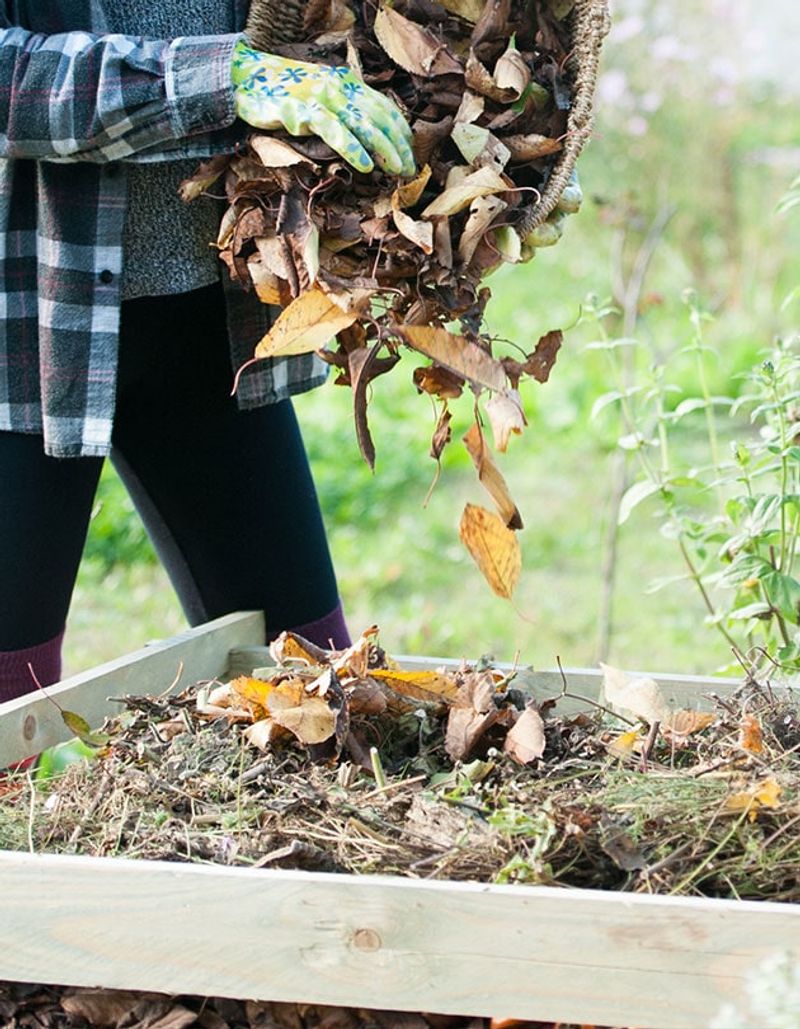
Raised beds offer Michigan gardeners greater control over soil structure and drainage. Early spring presents an ideal window to refresh them with finished compost before planting begins.
A two to three inch layer of fully finished compost spread across the bed surface improves texture, increases organic matter, and supports microbial life as temperatures rise. Compost that is dark, crumbly, and earthy indicates full decomposition.
Material that remains chunky or partially broken down may temporarily reduce available nitrogen while it continues decomposing.
In many situations, compost does not need to be deeply tilled in. Spreading it across the surface allows rainfall, freeze-thaw cycles, and soil organisms to incorporate it gradually over several weeks.
Heavily compacted beds may benefit from light incorporation, but aggressive digging is often unnecessary.
Raised beds warm more quickly than ground-level soil because they sit above surrounding grade and receive greater sun exposure. That earlier warming can support earlier planting once soil temperature targets are reached.
Municipal compost programs, farm supply stores, and local suppliers across Michigan frequently offer bulk or bagged finished compost in late winter and early spring. Applying compost now builds structure and fertility before planting begins in earnest.
5. Plan Crop Rotation For Vegetable Areas
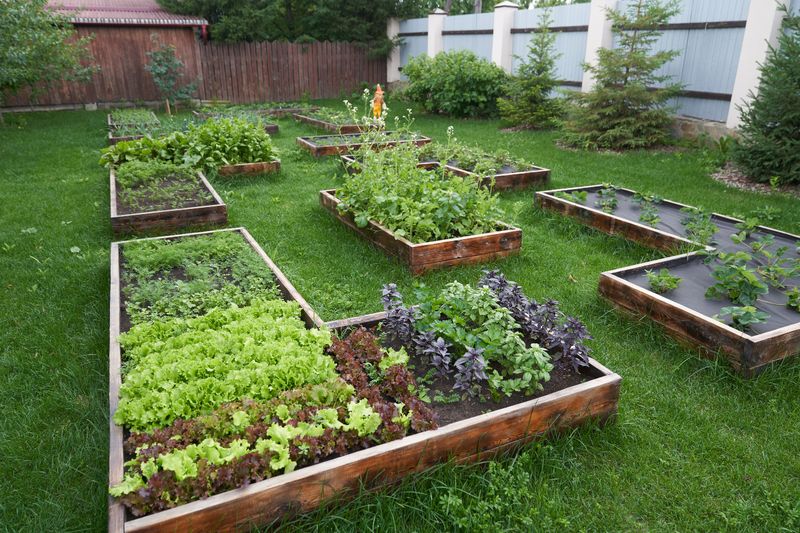
Before seeds go into the ground, take a step back and look at what grew where last year. Crop rotation remains one of the most reliable ways Michigan gardeners can support soil health across multiple seasons.
Plant families share similar nutrient demands and vulnerabilities. Nightshades such as tomatoes, peppers, and eggplant draw heavily on certain nutrients and can be affected by soil-borne issues like verticillium wilt.
Planting them in the same spot year after year increases pressure on both soil and plants.
Rotating crops by family helps interrupt that cycle. Moving legumes such as beans or peas into a bed that previously held heavy feeders can contribute nitrogen back into the soil.
Brassicas, cucurbits, and root crops each benefit from shifting locations annually.
Early spring, when the ground remains frozen or only partially thawed, offers the ideal time to map out your plan. Sketch your beds, review last year’s notes, and assign new locations before planting decisions feel rushed.
Michigan gardens that follow a consistent rotation schedule often experience steadier growth and fewer recurring problems over time. A clear plan today can reduce soil stress and support healthier crops through the upcoming growing season.
6. Start A Compost Pile Or Refresh An Existing One
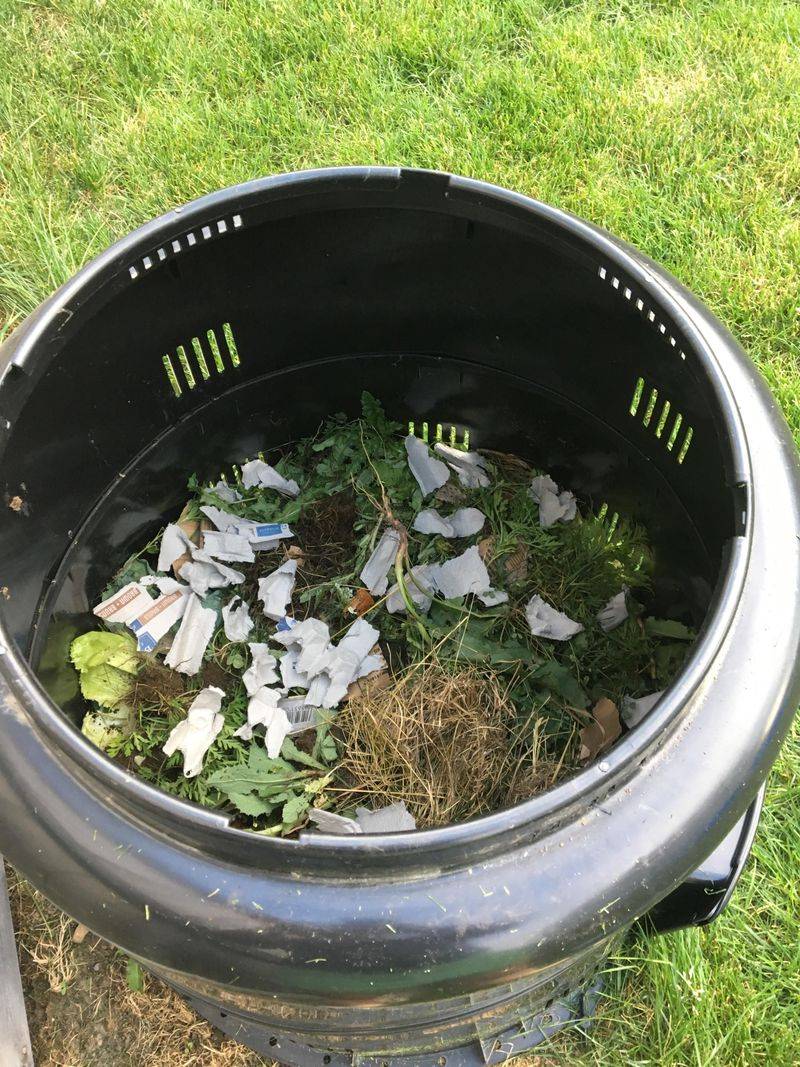
Healthy soil depends heavily on organic matter, and compost provides one of the most accessible sources. Late winter in Michigan presents a practical moment to assess your compost system before spring yard work begins.
If you already maintain a pile, turning it now reintroduces oxygen and redistributes materials that may have settled during cold months. Michigan winters slow decomposition significantly, but microbial activity increases again as temperatures climb.
Refreshing the pile early encourages faster breakdown once sustained warmth arrives.
A balanced compost pile combines carbon-rich browns such as dried leaves, straw, or shredded cardboard with nitrogen-rich greens such as kitchen scraps and fresh plant material. Maintaining that balance supports steady decomposition rather than unpleasant odors or stalled breakdown.
Gardeners starting fresh can build a simple enclosure using wire fencing or wooden pallets. Selecting a partially shaded location helps maintain moisture through summer.
Material added in early spring may be usable by midsummer, depending on management and turning frequency. Establishing or refreshing compost now ensures a steady supply of organic matter to support Michigan soil throughout the growing season.
7. Clean And Sharpen Garden Tools

Spring preparation does not happen only in the soil. Tools shape how efficiently and safely you can work once planting begins.
After months of storage, metal surfaces often carry rust and old residue. Scrubbing shovels, hoes, pruners, and trowels with warm soapy water removes buildup that can interfere with clean cuts and smooth digging.
Steel wool or a wire brush attachment helps restore rusted edges.
Once dry, applying a light coat of mineral oil to metal parts helps reduce corrosion during wet Michigan spring conditions. Wooden handles benefit from sanding and a treatment of linseed oil to prevent cracking.
Sharpening cutting edges makes a noticeable difference. A flat file or whetstone can restore a working edge to most tools, reducing strain during digging and cutting.
Sharp tools also create cleaner cuts, which can support healthier plant recovery.
Michigan’s growing season moves quickly once temperatures rise. Preparing tools while the ground remains too cold to work ensures that valuable early planting days are spent in the garden rather than in the garage.
8. Gently Remove Excess Winter Debris
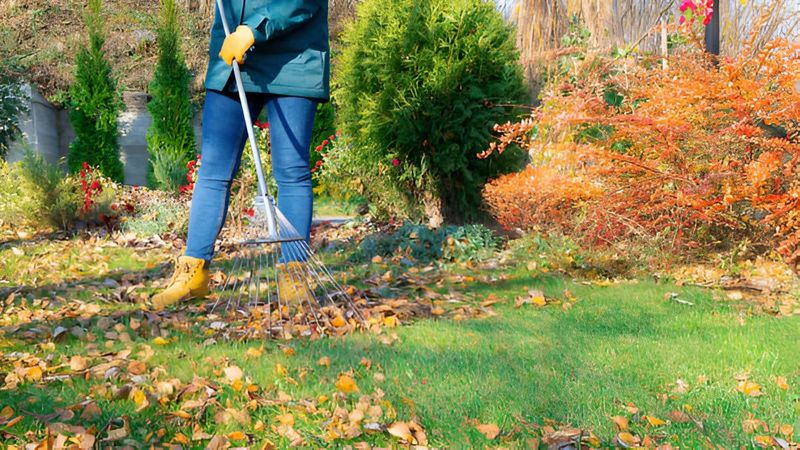
Michigan winters leave behind a layered mix of leaves, stems, and windblown branches across garden beds. Clearing that material requires a thoughtful approach rather than a full-scale cleanup.
Some debris provides insulation and shelter for beneficial insects and soil organisms. Removing everything too early can expose soil and emerging crowns to late frosts, which remain common well into April and even May in northern areas.
Wait until temperatures stabilize above freezing and signs of new perennial growth appear before pulling back protective layers. Focus first on soggy, matted leaves sitting directly against plant crowns.
Excess moisture in those areas can contribute to fungal issues once growth begins.
Diseased plant material from the previous season should be discarded rather than composted. Healthy dried stems and leaves can be chopped and left as a light mulch layer, gradually returning organic matter to the soil.
A selective cleanup approach supports soil life while reducing potential problems. Timing matters in Michigan, where spring warmth often arrives in uneven stages.
9. Check Drainage In Garden Beds
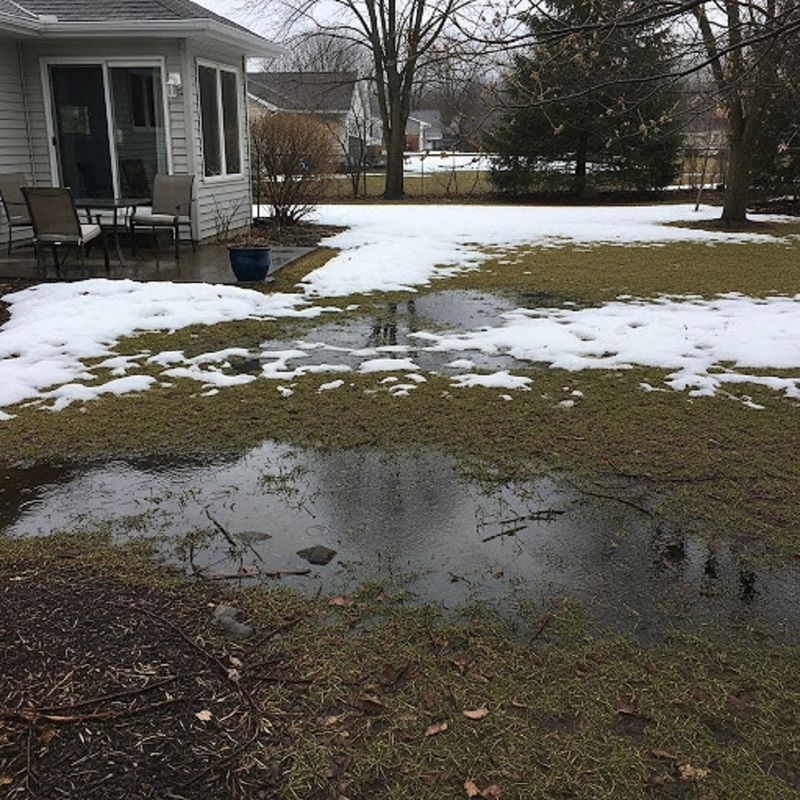
Snowmelt and early rains reveal how water moves through your garden. Pooled water that lingers signals areas that may struggle once planting begins.
Waterlogged soil restricts oxygen availability around roots and can slow growth. Clay-heavy soils, common throughout much of the Lower Peninsula, often compact further during repeated freeze-thaw cycles.
That compaction limits natural drainage.
Walk through your garden after a substantial thaw or rainfall. Observe low spots, areas near downspouts, or beds where water remains longer than expected.
Identifying trouble areas early allows for corrective action before crops are planted.
Adding organic matter over time improves structure and encourages better drainage. Raised beds offer another practical solution, particularly in yards with persistent clay.
In more severe situations, regrading or installing drainage solutions may be necessary.
Addressing drainage before planting reduces stress later. Michigan’s variable spring weather makes proactive adjustments far easier than mid-season fixes.
10. Avoid Working Soil While It Is Wet Or Frozen
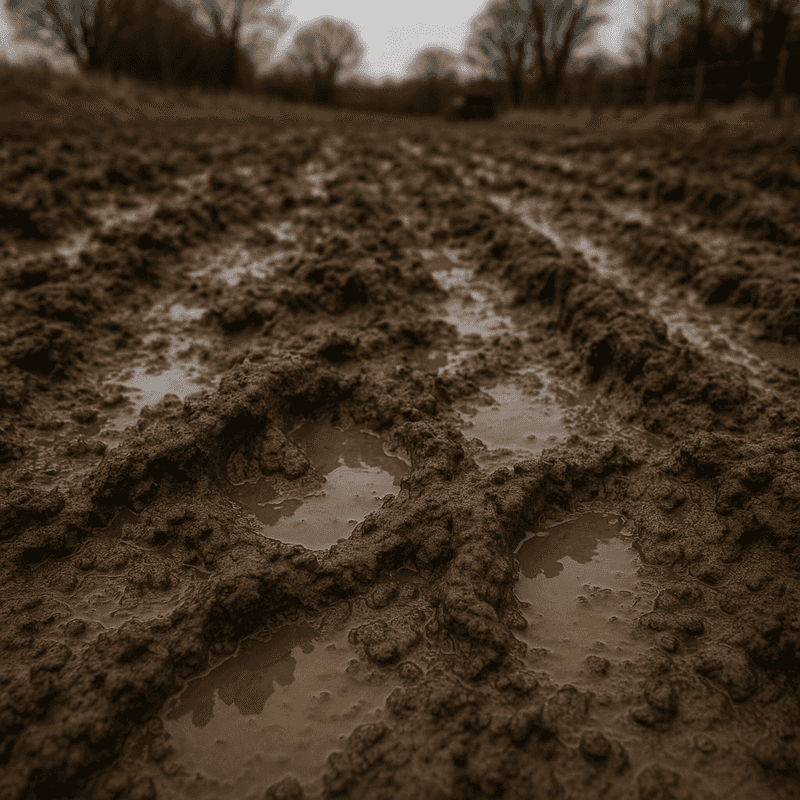
Patience can be difficult after a long Michigan winter, yet soil structure depends on waiting for the right moment. Working wet or partially frozen soil compresses air pockets that roots rely on.
Compaction reduces drainage and limits root movement through the soil profile. Clay soils, widespread across Michigan, are especially vulnerable when disturbed in saturated conditions.
Damage created in early spring can persist well into the growing season.
A simple readiness test offers guidance. Pick up a handful of soil and squeeze it firmly.
Soil that crumbles apart after pressure is generally workable. Soil that remains sticky, muddy, or stiff requires more drying time.
Freeze-thaw cycles gradually loosen soil structure on their own. Allowing that natural process to finish before digging supports better long-term results.
Waiting several extra days or even a couple of weeks can preserve soil texture and prevent compaction. A careful start often leads to stronger performance once consistent warmth arrives.
11. Order Soil Amendments Based On Test Results

Soil test results provide more than numbers. They give you a clear action plan, and turning that plan into the right materials takes a bit of strategy.
Instead of grabbing a generic fertilizer blend off the shelf, review the exact nutrient levels listed in your report. Michigan State University soil tests typically outline recommended application rates based on crop type and garden size.
Paying attention to those specific rates helps you calculate how much product you actually need rather than estimating.
Late winter and early spring are practical times to source amendments. Garden centers across Michigan often stock lime, sulfur, composted manure, and balanced fertilizers before peak planting demand begins.
Purchasing early reduces the chance of limited selection later in the season.
Compare product labels carefully. Look at nutrient percentages and confirm they match the recommendations in your report.
Some products are concentrated, which means smaller quantities are required. Others are lower analysis and may require larger applications.
Applying amendments several weeks before planting allows moisture and natural soil activity to begin integrating them into the soil profile. A measured approach based on lab guidance supports steady nutrient balance and avoids unnecessary inputs as spring planting gets underway.