How Snow Actually Protects Plants As Natural Insulation In Michigan
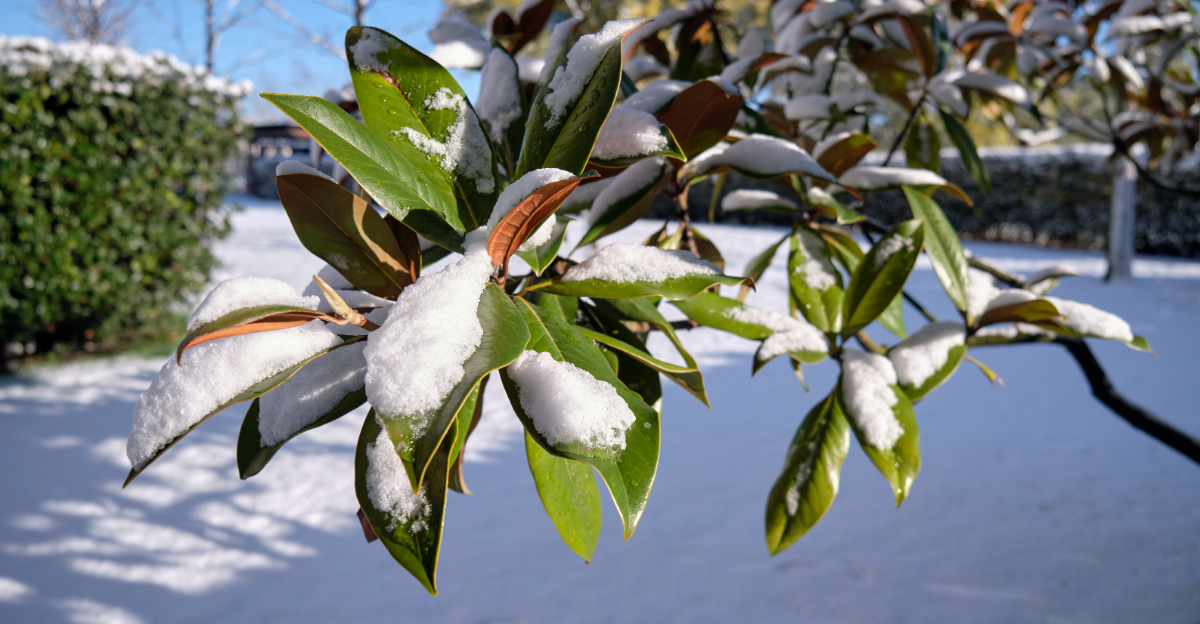
A blanket of snow may seem like a burden on your garden, yet beneath that quiet white layer something surprisingly beneficial is taking place.
In Michigan, snow acts as a natural insulator, shielding soil and plant roots from harsh temperature swings that occur during winter.
Instead of allowing deep cold to penetrate the ground, this protective cover traps a layer of air that helps maintain a more stable environment below the surface.
As a result, roots remain safer, soil life continues quietly, and many perennial plants avoid the stress caused by extreme freezing and thawing.
Snow also helps retain valuable moisture that becomes available when spring arrives, supporting early growth and healthier development.
For Michigan gardeners, understanding this hidden advantage can transform how winter is viewed, shifting it from a season of concern to one of quiet protection.
Beneath the snow, your garden is not sleeping without purpose, it is being carefully preserved for the season ahead.
Snow Traps Air Which Slows Heat Loss From Soil
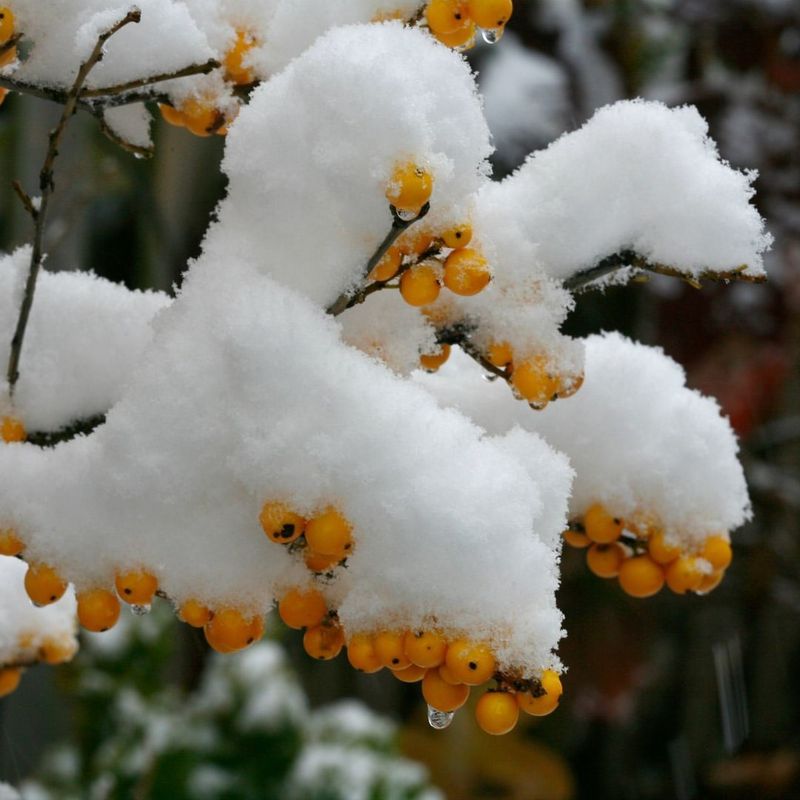
Here is something that surprises most gardeners: snow is actually about 90 to 95 percent air. All those tiny air pockets trapped between snowflakes act like a fluffy blanket wrapped tightly around your soil.
Air is a poor conductor of heat, which means warmth stays locked underneath rather than escaping into the freezing Michigan air above.
Soil science researchers have studied this insulating effect for decades, and the results are consistently impressive.
A layer of snow just six to ten inches deep can reduce heat loss from the soil dramatically, keeping temperatures far more stable than bare exposed ground ever could.
The science behind this is the same reason why foam insulation works so well in walls and ceilings of homes. For Michigan gardeners, this matters a lot because winters here can swing between extreme cold snaps and brief warm spells.
Without that snow cover, soil loses heat rapidly during those cold nights, stressing plant roots beyond recovery.
Gardeners who understand this natural process often feel far less worried when snow piles up, knowing their plants are actually better off underneath it.
Soil Under Snow Stays Warmer Than Exposed Soil
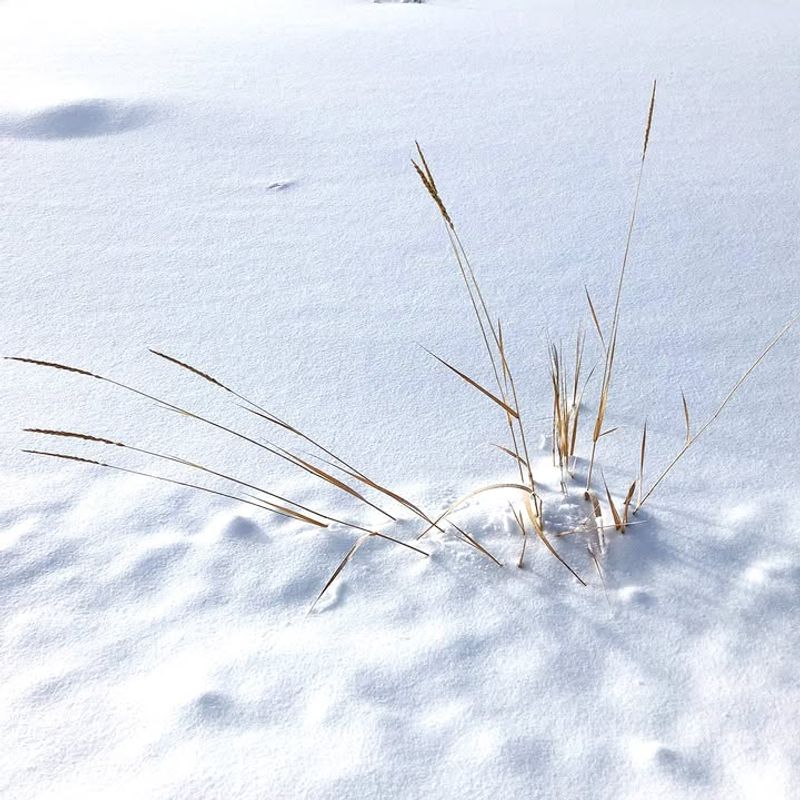
Bare frozen ground in Michigan can reach dangerously low temperatures on a cold January night.
Exposed soil can drop to 10 degrees Fahrenheit or even lower during harsh cold snaps, while soil sitting beneath a solid snow layer often stays right around 32 degrees Fahrenheit.
That difference might sound small, but for plant roots it is absolutely enormous. University extension researchers in Michigan have documented this temperature buffering effect repeatedly across different soil types and garden settings.
The snow essentially acts as a thermal shield, preventing the deep ground freeze that strips moisture and damages root tissue.
Plants that experience relatively stable soil temperatures throughout winter tend to bounce back with much more vigor when spring finally arrives.
Think about it this way: your plants are not struggling through the same bitter cold you feel standing outside. Underneath even a modest snowpack, their roots are resting in a comparatively cozy environment.
Your Michigan Garden Changes Every Week. Your Plan Should Too.
Gardening in Michigan changes quickly throughout the season. Every Friday you’ll receive a simple weekly plan showing exactly what to plant, prune, fertilize, harvest, and protect so you never miss the right timing.
Gardeners who clear snow off garden beds to tidy things up may actually be exposing their plants to far harsher conditions than nature intended.
Leaving snow in place, especially over perennial beds and shrub roots, is one of the simplest and most effective winter gardening strategies available in Michigan.
Snow Protects Roots From Extreme Temperature Swings
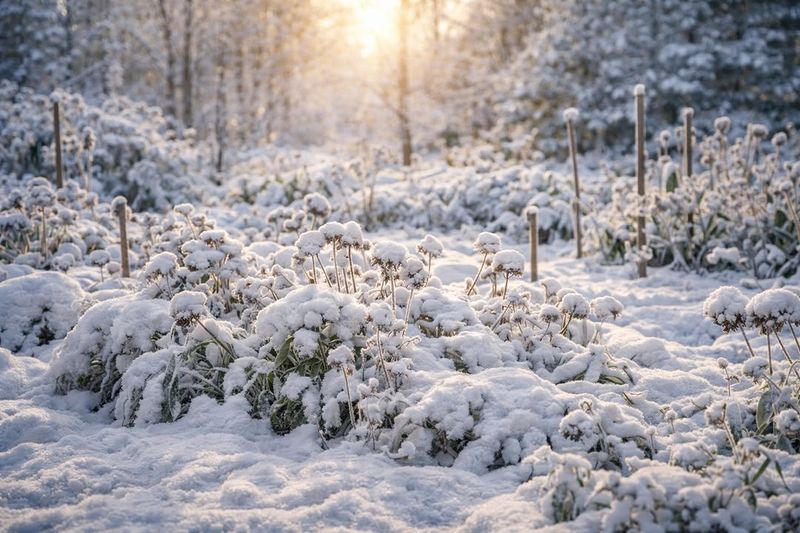
Roots hate sudden temperature changes. When soil swings rapidly from freezing cold to slightly warmer and back again, plant roots experience a kind of physical stress that weakens them over time.
Snow cover smooths out those wild swings, keeping soil temperatures far more consistent throughout the long Michigan winter season. Freeze-thaw cycles are particularly rough on root systems.
Each time soil freezes and then thaws, it shifts and moves slightly, which can physically disrupt root connections and damage fragile root tips.
Snow insulation slows this process considerably by preventing the soil from responding too quickly to short-term air temperature changes happening above the snowpack.
Horticulturists who work with perennial plants in cold climates consistently point to temperature stability as one of the biggest factors in successful winter survival.
A plant that experiences steady, cool temperatures under snow is far better positioned for spring growth than one that has endured repeated freeze-thaw stress on bare ground.
Michigan gardeners with established perennial beds, native plantings, and young shrubs should actually welcome consistent snowfall as a natural ally.
Rather than worrying about plants being buried under snow, gardeners can feel confident that stable insulation beneath the surface is quietly protecting their investment all winter long.
Snow Reduces Winter Desiccation In Perennials
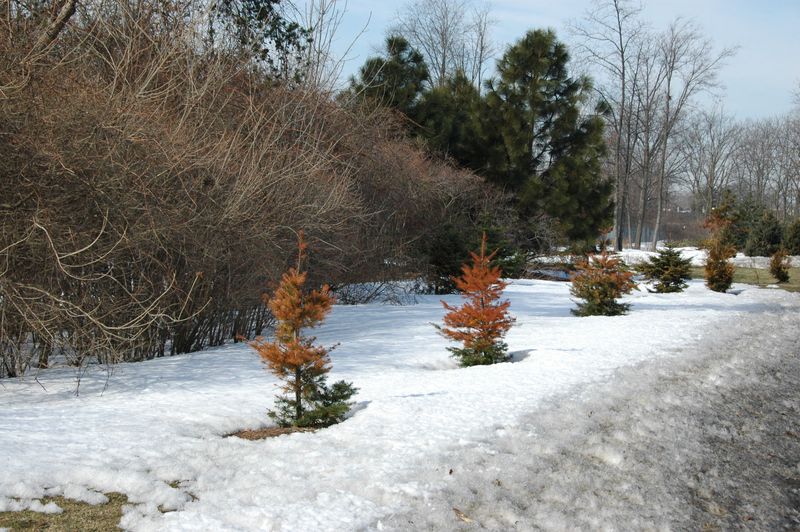
Winter desiccation is one of those problems that sneaks up on gardeners because it looks like cold damage but is actually moisture damage.
When cold, dry winds sweep across Michigan in January and February, exposed plant crowns and root zones can lose moisture faster than frozen ground can replace it.
Snow cover acts as a windbreak and moisture seal that dramatically reduces this drying effect.
Perennials store energy and moisture in their crowns and upper root zones throughout winter, waiting for the right moment to push new growth in spring.
When those crowns dry out due to wind exposure, the plant struggles to generate healthy new shoots even when temperatures warm up.
Snow sitting over those crowns keeps humidity levels higher and prevents the desiccating effect of brutal Michigan winter winds.
Gardeners often notice that perennials in sheltered spots with consistent snow cover perform noticeably better than those in exposed, wind-swept areas where snow blows away quickly.
This is not a coincidence. The moisture protection that snow provides is just as important as the temperature insulation it offers.
If you have perennials in windy spots around your Michigan yard, consider adding extra mulch as a backup when snow cover is inconsistent, giving your plants that same protective moisture barrier throughout the winter months.
Evergreen Plants Benefit From Snow Cover Around Their Base
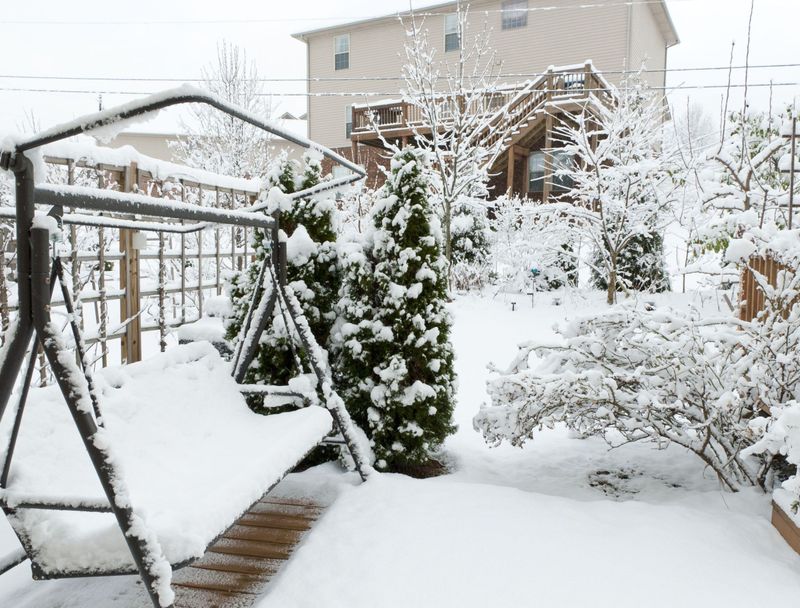
Evergreens are tougher than they look, but their lower stems and root zones are surprisingly vulnerable to Michigan’s intense cold.
While the visible green foliage often handles cold air reasonably well, the base of the plant where stems meet soil is a critical zone that benefits enormously from snow insulation.
Snow piled naturally around the base of evergreens creates a protective buffer that many gardeners overlook.
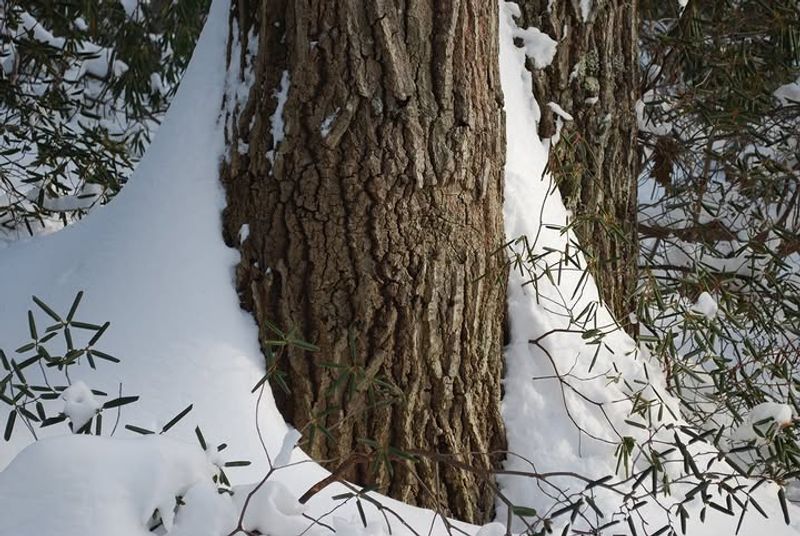
Rhododendrons, arborvitae, and low-growing junipers are all common Michigan landscape plants that appreciate snow cover at their base.
Root damage in these plants often occurs not from the air temperature but from soil temperatures dropping too low near the crown.
Snow acts as a natural mound of insulation right where the plant needs it most, protecting those vulnerable lower stem tissues and shallow root systems.
One interesting thing to note is that snow weight on branches can occasionally cause breakage in poorly structured evergreens, but that is a separate issue from the beneficial insulation happening at ground level.
Gardeners sometimes shake heavy snow off branches to prevent bending, which makes sense, but leaving snow around the base of the plant is always a good idea.
That low ring of snowpack quietly does important work all winter, keeping soil temperatures stable and protecting the parts of the plant that will fuel spring regrowth.
Bulbs And Perennials Survive Better Under Consistent Snow
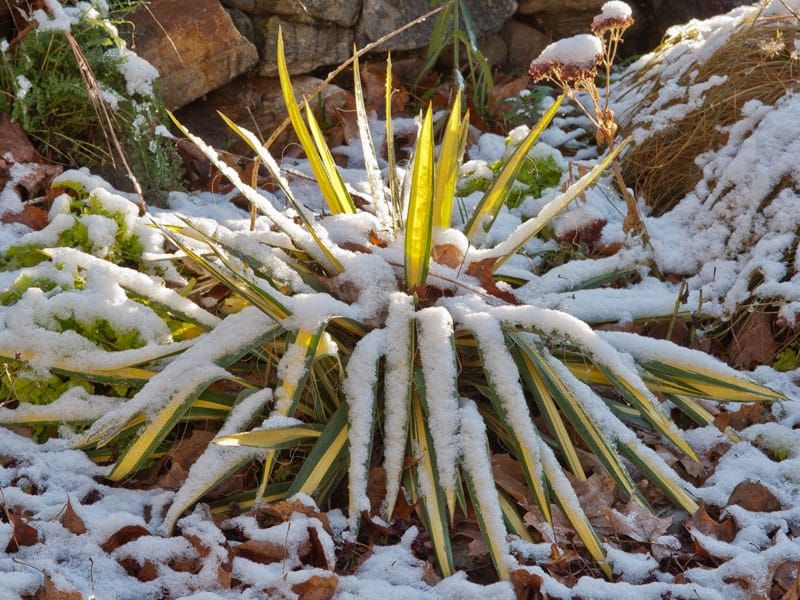
Tulips, daffodils, and crocuses planted in Michigan gardens have a hidden advantage when consistent snow covers the ground all winter.
Bulbs need cold temperatures to complete their dormancy cycle, but they do not need the soil around them to freeze solid and stay that way.
Consistent snow cover keeps bulbs in that sweet spot of cold but not catastrophically frozen conditions that allows them to develop properly for spring.
Research from horticultural programs in cold climates shows that bulbs in consistently snow-covered beds tend to emerge earlier, bloom more vigorously, and produce healthier foliage than bulbs in bare, repeatedly frozen ground.
The stable environment under snow allows bulbs to conserve energy rather than spending it coping with extreme temperature fluctuations throughout the season.
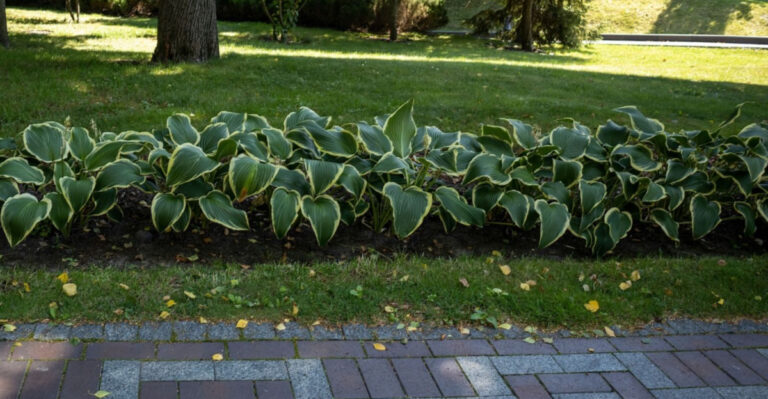
Perennials like hostas, coneflowers, and ornamental grasses also benefit from this consistent coverage.
Their crown tissue stays protected, and the gradual transition from winter cold to spring warmth happens in a more controlled way under snow than on bare exposed ground.
Michigan gardeners who plant bulbs in fall and then watch snow pile up over those beds can actually feel good about that coverage.
Nature is doing exactly what a good gardener would do, wrapping those future blooms in a protective layer and keeping them safe until the right moment arrives for growth to begin.
Snow Reduces Soil Heaving Caused By Freeze Thaw Cycles
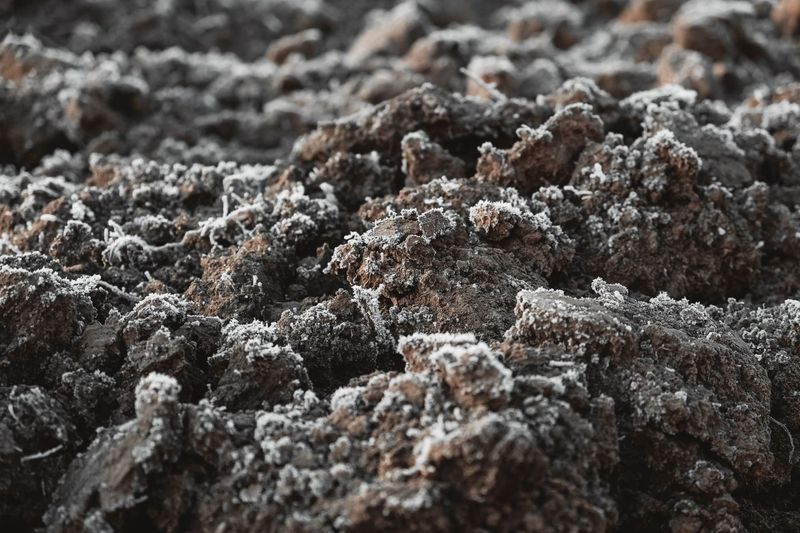
Soil heaving is a real problem in Michigan gardens, and most gardeners have seen it without knowing what caused it.
When soil freezes and thaws repeatedly, it expands and contracts, physically pushing plant crowns and shallow roots upward out of the ground.
Once exposed above the soil surface, those roots and crowns become vulnerable to cold air damage that they would never face if they stayed safely buried.
Snow insulation dramatically reduces the number of freeze-thaw cycles that soil experiences throughout winter.
Because the snowpack buffers soil from rapid temperature changes above, the ground beneath stays at a more stable temperature and does not go through that expansion-contraction cycle as frequently.
Fewer cycles mean far less heaving, which means plant roots stay where they belong throughout the season.
Newly planted perennials and divided plants are especially at risk from heaving because their root systems have not yet established deep enough to anchor themselves securely.
A good layer of snow cover over those beds provides exactly the kind of temperature stability that prevents heaving from becoming a serious problem.
Michigan gardeners who struggle with heaving in exposed beds often find that adding mulch before the ground freezes helps replicate the insulating effect of snow during years when snowfall is unreliable.
Both mulch and snow work on the same principle: keep soil temperatures stable and heaving becomes far less of a concern.
Microorganisms Remain More Active Under Snow Cover
Healthy soil is alive with billions of bacteria, fungi, and other microorganisms that do important work breaking down organic matter and cycling nutrients.
Most people assume all that biological activity completely shuts down in Michigan winters, but that is only partly true.
Under a consistent snowpack, soil temperatures stay warm enough for at least some microbial activity to continue at reduced levels throughout the season.
Studies in cold climate ecology have shown that soil microorganism communities under snow cover remain meaningfully more active than those in deeply frozen, bare soil.
Bacteria and fungi that continue working under snow help maintain soil structure, break down leaf litter and mulch, and release nutrients that will be available to plants when spring growth begins.
This ongoing activity is part of why snow-covered gardens often show healthier soil structure by the time the ground thaws.
Mycorrhizal fungi, which form beneficial partnerships with plant roots, are particularly sensitive to deep freezing.
When soil under snow stays near 32 degrees Fahrenheit rather than plunging to much lower temperatures, these fungal networks maintain better integrity through winter.
Michigan gardeners who prioritize soil health should see consistent snow cover as a genuine benefit to their long-term garden ecosystem, not just a surface-level protection for visible plant parts.
The invisible life in your soil is quietly benefiting from every inch of snowpack sitting above it.
Snow Helps Preserve Soil Moisture For Spring
One of the most overlooked gifts that Michigan winters offer gardeners is the slow, steady release of water as snow melts in spring.
Unlike heavy rain that can run off quickly or evaporate before reaching deep roots, snowmelt moves gradually into the soil, giving it time to absorb moisture deeply and thoroughly.
This natural recharge sets gardens up for a strong, well-hydrated start to the growing season.
Hydrologists who study Michigan watersheds note that spring snowmelt is a critical contributor to groundwater recharge and soil moisture levels across the region.
For individual garden beds, this means that plants emerging from winter dormancy often have access to significantly more soil moisture when snow has covered the ground consistently rather than leaving it bare and dry all season.
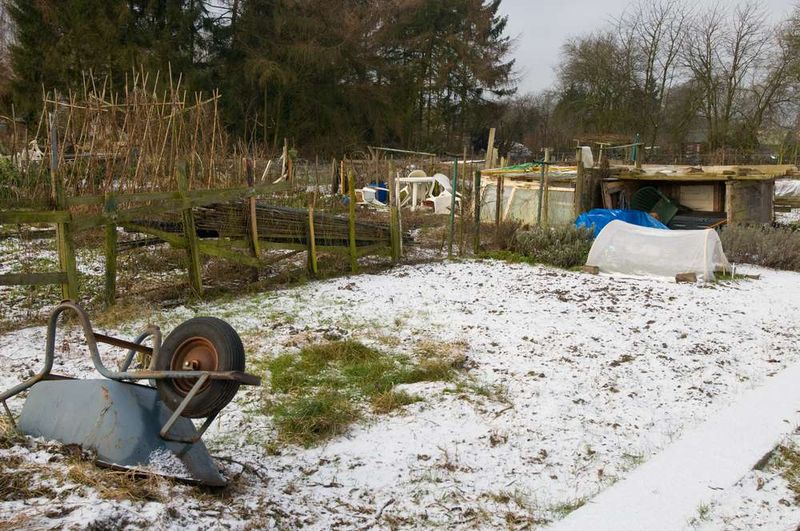
Bare winter soil loses moisture through evaporation during dry cold spells, meaning spring can arrive with soil that is surprisingly dry despite the cold weather.
Snow cover prevents that evaporation, essentially banking moisture for the growing season ahead.
Michigan gardeners who rely on early spring perennial growth, flowering bulbs, and newly planted shrubs benefit directly from this moisture preservation effect.
When snow melts slowly and evenly across your garden beds, you are watching nature deliver a long, deep drink of water exactly when your plants are waking up and need it most.
Deep Consistent Snow Is More Protective Than Thin Patchy Cover
Not all snow cover is created equal, and Michigan gardeners who pay attention to snowpack depth quickly learn that thickness makes a real difference.
A thin, patchy layer of snow provides only minimal insulation, leaving soil vulnerable to temperature drops during the coldest nights.
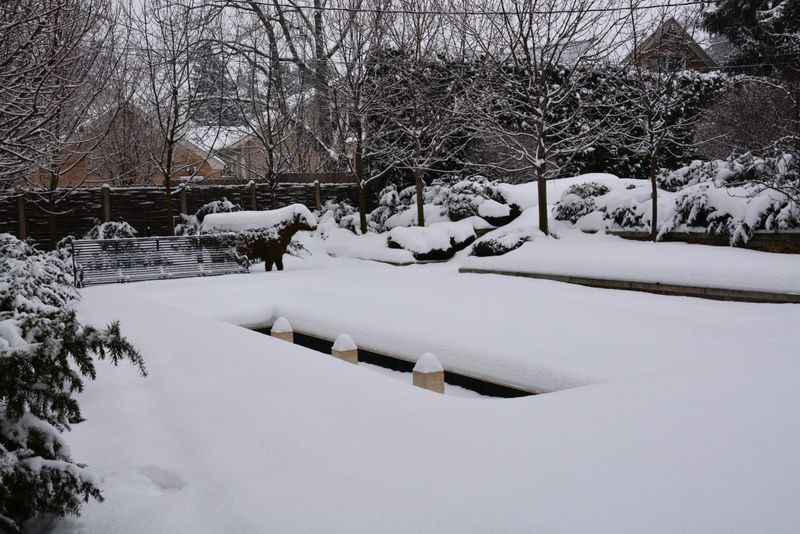
A deep, consistent snowpack of six inches or more delivers the full insulating benefit that researchers and horticulturists consistently point to as genuinely protective.
The physics behind this are straightforward. Thicker snow means more trapped air, more resistance to heat transfer, and more stable soil temperatures beneath.
Thin snow can melt and refreeze quickly with changing temperatures, actually contributing to the freeze-thaw cycling that harms roots and soil structure.
A deep, stable layer of snow stays put longer and maintains that protective buffer far more reliably throughout the season.
Michigan winters are variable enough that gardeners cannot always count on consistent deep snowpack, which is exactly why mulching before the ground freezes is such a smart backup strategy.
Straw, shredded leaves, and wood chips all replicate the insulating effect of deep snow when natural coverage is unreliable.
When deep snow does arrive and stays put for weeks, though, gardeners can feel genuinely reassured that their plants are sitting under one of the most effective natural insulators available anywhere.
Consistent depth is the key factor that separates truly protective snow cover from cover that offers only partial benefit.