Which Perennials Benefit Most From Michigan’s Late Winter Snow Cover
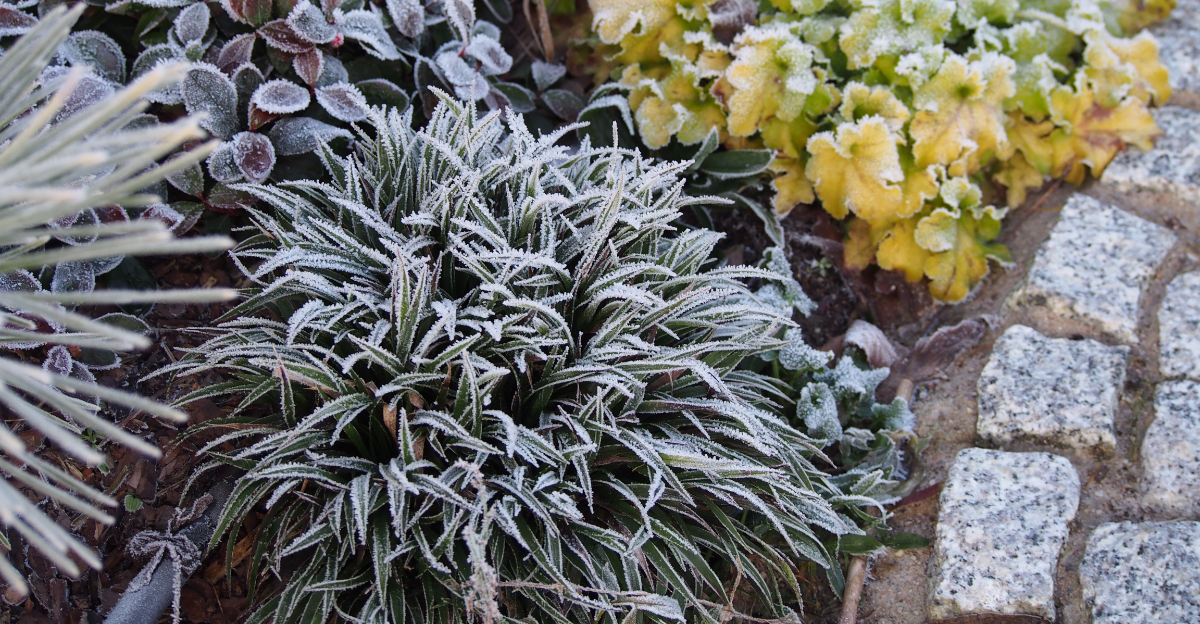
A fresh layer of snow may look like a setback, yet for many gardens it quietly provides one of winter’s greatest advantages.
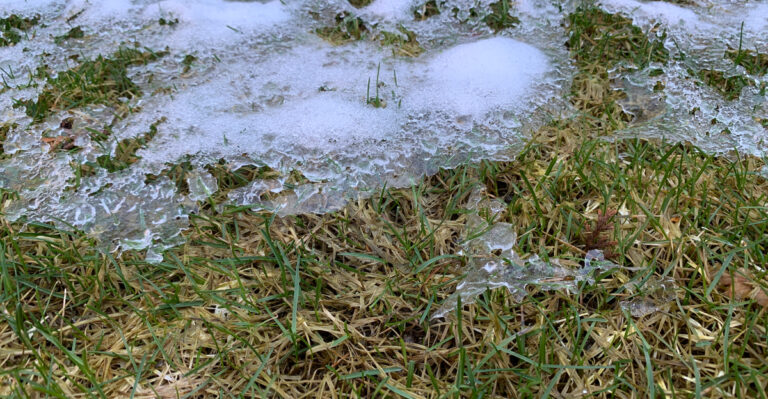
In Michigan, consistent snow cover acts as a natural blanket that shields soil from sharp temperature swings and protects vulnerable roots beneath the surface.
Instead of exposing plants to repeated freezing and thawing, the snow helps maintain steadier conditions that reduce stress on crowns and underground growth.
Many beloved perennials rely on this protection to make it through the harshest part of the season without suffering lasting harm. When insulation is missing, roots and emerging buds can face greater risk long before spring arrives.
Understanding how snow benefits certain plants offers valuable insight into building a more resilient landscape.
With the right choices, Michigan gardeners can work with winter rather than against it, creating perennial beds that remain strong, dependable, and ready to burst back to life when warmer days finally return.
1. Hellebores Benefit From Crown Protection Under Snow
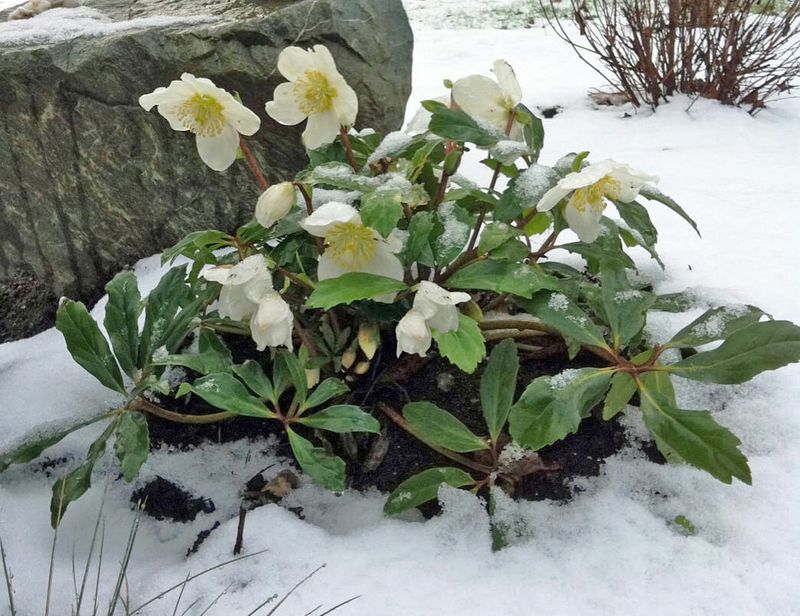
Few plants handle winter with as much quiet toughness as hellebores, and their relationship with snow is a big part of that story.
Also known as Lenten roses, these perennials keep their leathery leaves through winter, which makes crown protection especially important.
When Michigan temperatures swing wildly between freezing and mild, exposed crowns can suffer real damage from repeated stress cycles.
Snow cover acts as a steady insulating layer, keeping the soil around hellebore crowns at a more consistent temperature.
Research in horticultural science confirms that soil under snow rarely drops as sharply as bare, exposed ground during cold snaps.
That stability is exactly what hellebore crowns need to stay healthy through late winter. In Michigan’s USDA Hardiness Zones 5 and 6, late winter is particularly unpredictable.
A warm February day followed by a hard freeze is not unusual, and that cycle can stress crowns repeatedly. Snow cushions those swings beautifully.
Gardeners in Michigan often notice that hellebores planted in spots with reliable snow accumulation bloom earlier and more vigorously in spring.
Mulching with shredded leaves before snowfall can extend that insulating effect even further, giving crowns the best possible protection through the final cold weeks of the season.
2. Coral Bells Appreciate Stable Soil Temperatures
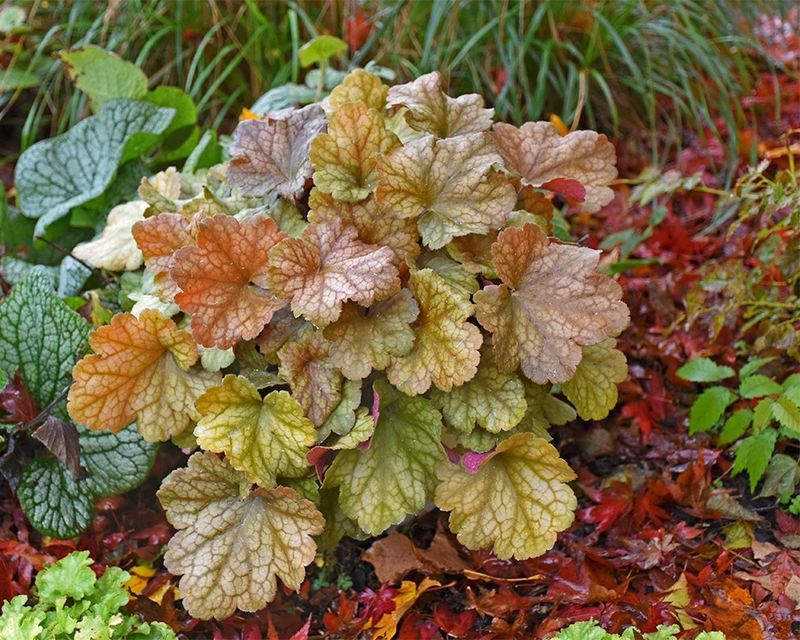
Coral bells, known botanically as heuchera, are some of the most visually stunning perennials you can grow in Michigan.
Their rich foliage colors range from deep burgundy to bright lime green, making them garden favorites.
However, beneath all that beauty lies a vulnerability that Michigan winters love to exploit. Heuchera crowns sit right at the soil surface, which makes them especially prone to frost heaving.
Frost heaving happens when soil repeatedly freezes and thaws, physically pushing shallow-rooted plants upward until their roots become exposed.
Once roots are exposed to open air in freezing temperatures, the plant struggles to recover when spring arrives. A consistent snow cover solves this problem naturally.
Snow keeps the soil temperature beneath it far more stable than bare ground, reducing the freeze-thaw cycling that causes heaving in the first place.
Your Michigan Garden Changes Every Week. Your Plan Should Too.
Gardening in Michigan changes quickly throughout the season. Every Friday you’ll receive a simple weekly plan showing exactly what to plant, prune, fertilize, harvest, and protect so you never miss the right timing.
University extension research from the Midwest confirms that heuchera plants protected by snow or mulch experience significantly less heaving than unprotected plants.
Michigan gardeners who want their coral bells to return reliably each spring should welcome late winter snow as a genuine ally.
Pairing snow cover with a light application of pine bark mulch in fall gives heuchera crowns the best shot at staying firmly rooted and ready to burst back into color when warmer days return.
3. Shasta Daisies Survive Better With Insulated Root Zones
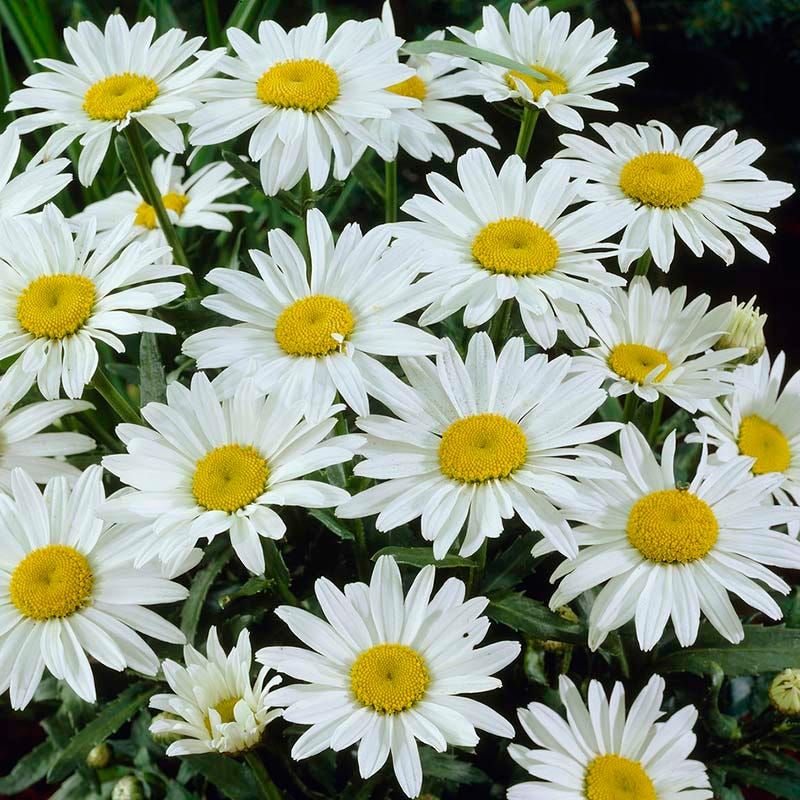
Shasta daisies are cheerful, bright, and incredibly satisfying to grow, but their shallow root systems make them more vulnerable to winter stress than many gardeners realize.
Native to mountain meadows, these perennials evolved with consistent cold, not the erratic freeze-thaw cycles that Michigan winters often deliver in February and March.
The root zone of a Shasta daisy sits close to the soil surface, which means any dramatic temperature swing reaches the roots quickly.
When soil freezes hard and then thaws rapidly on a sunny winter afternoon, those shallow roots experience real stress.
Repeated cycles of this throughout late winter can weaken plants significantly before spring planting season even begins. Snow cover changes the equation entirely.
A few inches of snow over the garden bed act as a reliable thermal buffer, slowing down the rate at which soil temperatures rise and fall.
Studies in cold-climate horticulture show that snow-covered soil can stay several degrees warmer than bare soil during overnight freezes. For Shasta daisies, that difference is meaningful.
Michigan gardeners who notice their daisies thinning out over time might find that adding a few inches of straw mulch in late fall, paired with natural snow cover, dramatically improves plant survival rates.
Healthy, well-insulated root zones translate directly into more blooms come summer.
4. Coneflowers Experience Less Root Stress With Snow Insulation
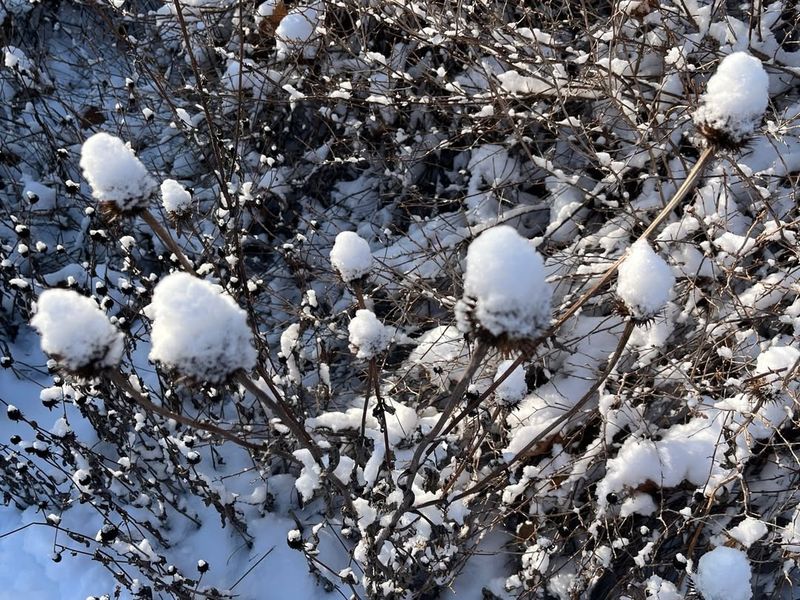
Coneflowers, known scientifically as echinacea, are tough prairie natives that have adapted well to Michigan gardens.
Their deep taproot system gives them a natural advantage in drought and heat, but late winter freeze-thaw cycling can still put real stress on established plants. The good news is that snow cover helps them handle that stress with ease.
Even though coneflowers are among the hardier perennials in a Michigan garden, younger or recently divided plants are more susceptible to root stress during temperature fluctuations.
When soil repeatedly freezes and thaws in late winter, fine feeder roots near the surface can be disrupted.
Those feeder roots are responsible for early season nutrient uptake, so any damage to them shows up as sluggish spring growth.
Snow insulation keeps soil temperatures more consistent, which allows the root system to remain undisturbed throughout the coldest and most unpredictable part of the year.
Horticultural guides consistently recommend leaving coneflower seed heads standing through winter, and not just for the birds that love them.
The dried stalks and remaining foliage create a natural snow trap, catching and holding snowfall over the root zone more effectively than bare soil would.
Michigan gardeners who resist the urge to cut coneflowers back in fall often find their plants look healthier and fuller in spring, a direct result of that natural insulation working exactly as intended through the long winter months.
5. Hardy Geraniums Benefit From Reduced Freeze Thaw Stress
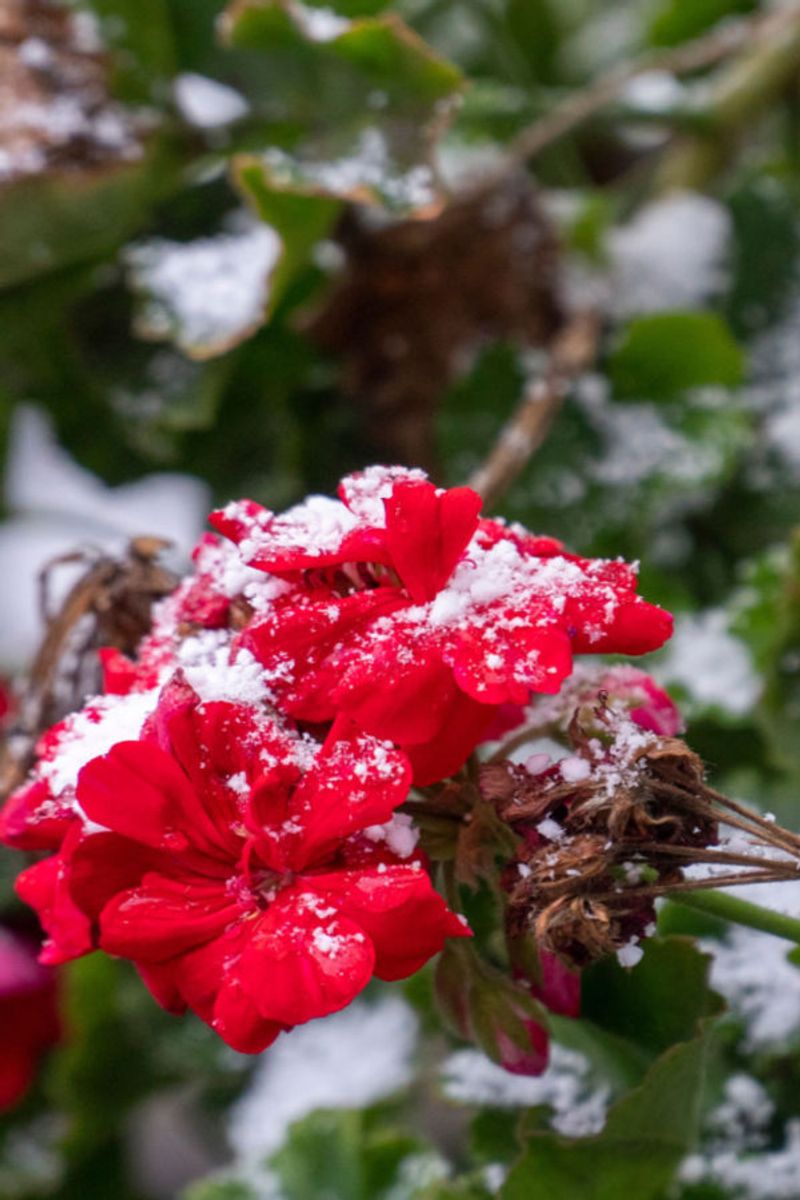
Hardy geraniums, not to be confused with the tender annual geraniums in patio pots, are true perennials that come back reliably year after year.
In Michigan, though, that reliability depends a lot on what happens to them during the coldest months.
Freeze-thaw stress is one of the biggest threats these plants face once temperatures start fluctuating in late winter.
The crowns of hardy geraniums sit at or just below the soil surface, and they depend on stable ground temperatures to stay dormant safely through winter.
When Michigan experiences a warm spell in February followed by a sharp freeze, the soil surface can go through multiple freeze-thaw cycles within a single week.
That repeated stress wears on crown tissue and can lead to weaker growth the following spring. Snow insulation interrupts that damaging pattern.
Soil under even a modest snow layer loses and gains heat much more slowly than exposed ground, which keeps hardy geraniums in a more stable dormant state.
Horticulturalists recommend that gardeners in colder Michigan regions treat any late winter snow as a welcome protective event rather than a nuisance.
Leaving the previous year’s foliage in place through fall can also trap early snow more effectively, adding an extra layer of natural insulation.
With the right combination of mulch, snow, and patience, hardy geraniums reward Michigan gardeners with lush, sprawling growth every single summer.
6. Garden Phlox Roots Are Safer Under Snow Cover
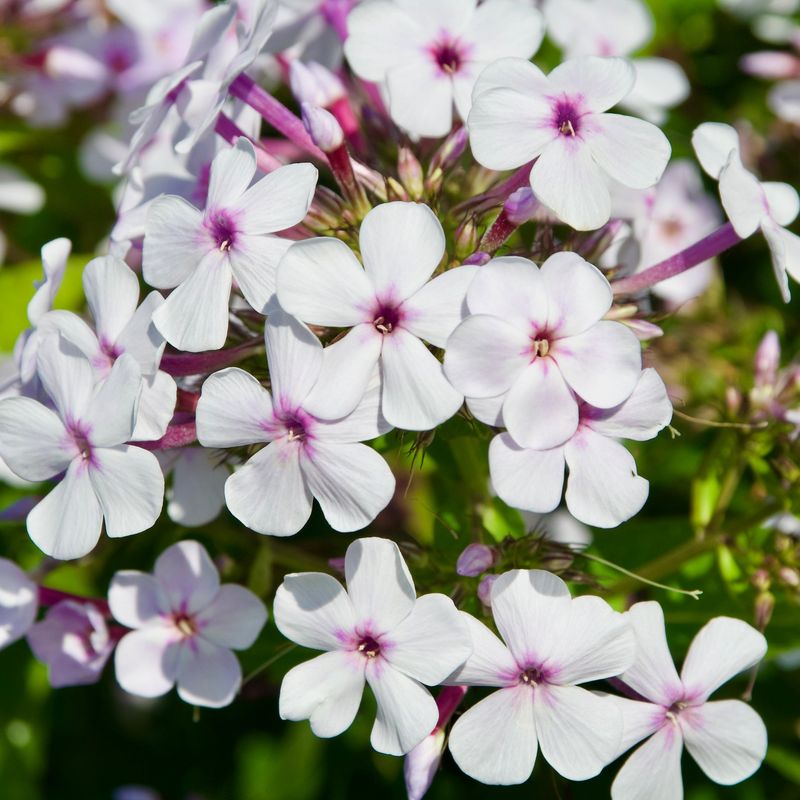
Garden phlox is one of those plants that lights up a Michigan summer garden with tall, fragrant flower clusters in shades of pink, purple, and white.
Getting those blooms depends heavily on how well the plant survives winter, and the roots are the key to that survival.
Shallow, fibrous root systems make garden phlox surprisingly sensitive to the soil disruptions that late winter can bring. Root exposure is a serious concern for garden phlox in Michigan.
When soil heaves from repeated freeze-thaw cycles, fine roots near the surface can be physically torn or pulled away from the moisture they need.
Even brief exposure to dry, freezing air can stress root tissue enough to reduce spring growth noticeably. Snow cover prevents this by keeping the soil surface consistently cold and compressed rather than repeatedly shifting.
Agronomic research confirms that snow acts as an effective buffer against rapid soil temperature changes, particularly the fast warming that happens on clear winter afternoons when sunlight hits bare dark soil.
For Michigan gardeners, this means that a good late winter snowfall over a garden phlox bed is genuinely protective, not just decorative.
Combining natural snow cover with a layer of shredded bark mulch applied in late fall creates a two-layer insulation system that keeps roots snug and undisturbed through even the most unpredictable Michigan winters, setting up a spectacular summer bloom season.
7. Daylilies Survive Better With Consistent Winter Cover
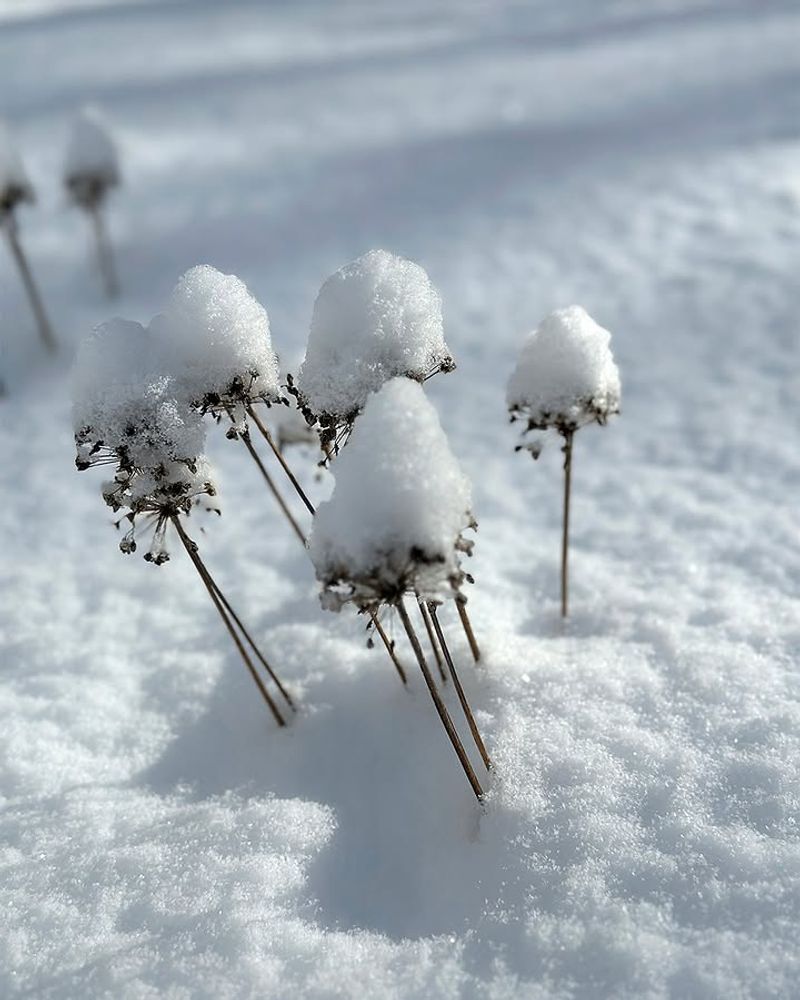
Daylilies are some of the most forgiving perennials in any Michigan garden, bouncing back season after season with minimal fuss.
Their thick, fleshy roots store energy efficiently, giving them a strong foundation for spring growth.
Still, those same roots can be affected by the erratic temperature swings that Michigan winters are known to deliver in late February and early March.
The fleshy root system of a daylily sits close to the soil surface, and while it tolerates cold well, it does not love being repeatedly frozen and thawed.
Each freeze-thaw cycle can cause microscopic damage to root tissue, and while a single event is unlikely to cause visible harm, a season full of repeated cycles can gradually weaken even established plants.
Younger transplants and recent divisions are especially sensitive to this kind of stress. Consistent snow cover smooths out those temperature fluctuations in a way that benefits daylilies noticeably.
Soil insulated by snow holds heat more steadily, preventing the rapid overnight drops that trigger freezing right at the root level.
Michigan State University extension resources confirm that perennials with shallow, fleshy root systems, like daylilies, benefit measurably from mulch or snow insulation during late winter.
Gardeners who want their daylily clumps to stay large and vigorous over the years should treat every late winter snowfall as a natural gift, one that is quietly protecting next summer’s spectacular display of color and beauty.
8. Hostas Benefit From Insulated Dormant Crowns
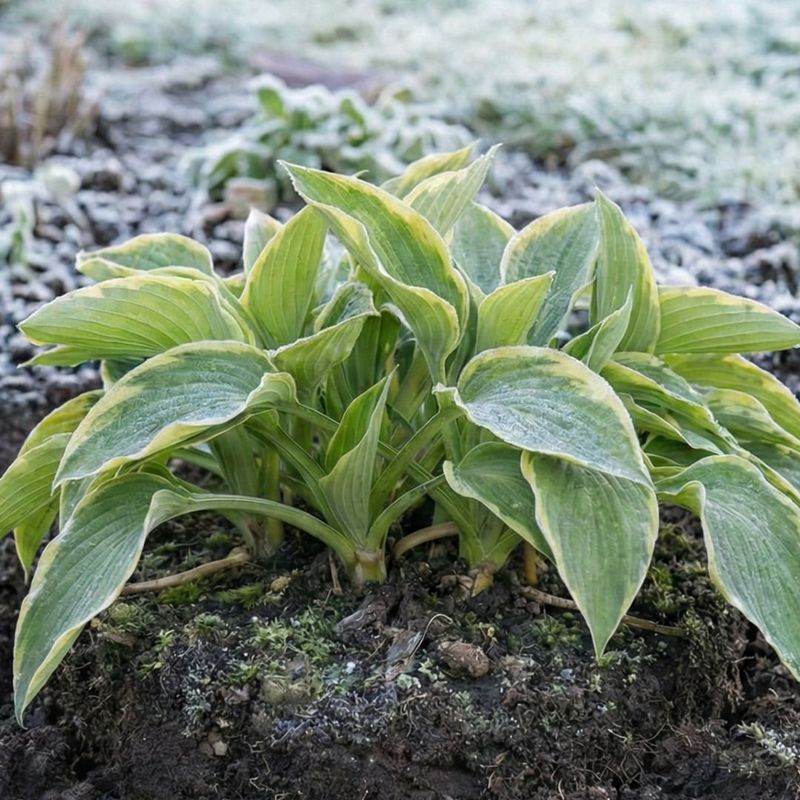
Hostas are the backbone of shaded Michigan gardens, beloved for their bold foliage and surprisingly low maintenance.
Once fall arrives, they disappear completely underground, leaving their crowns dormant until spring warmth triggers new growth.
During that dormant period, those crowns need protection, and late winter snow delivers it perfectly. Hosta crowns contain the embryonic leaves for the coming season, tightly packed and waiting.
Extreme cold alone is not usually the problem, since hostas are remarkably cold-hardy. The real threat is soil heaving caused by freeze-thaw cycles, which can push crowns upward and expose them to conditions they were not designed to handle.
Once a crown is heaved out of the soil, it becomes vulnerable to desiccation and cold injury. Snow cover acts as a reliable anchor for soil stability.
By moderating soil temperature swings, snow reduces the expansion and contraction of the ground that causes heaving in the first place.
Extension horticulturalists at Michigan State University note that mulched or snow-covered hosta beds consistently show less heaving damage than exposed beds in late winter.
Michigan gardeners often get the best results by applying a two to three inch layer of shredded leaves over hosta crowns in November, which then traps and holds any snowfall that follows.
That combination keeps crowns stable, protected, and perfectly positioned to send up those gorgeous new leaves right on schedule in spring.
9. Lavender Benefits From Dry Insulating Snow In Well Drained Soil
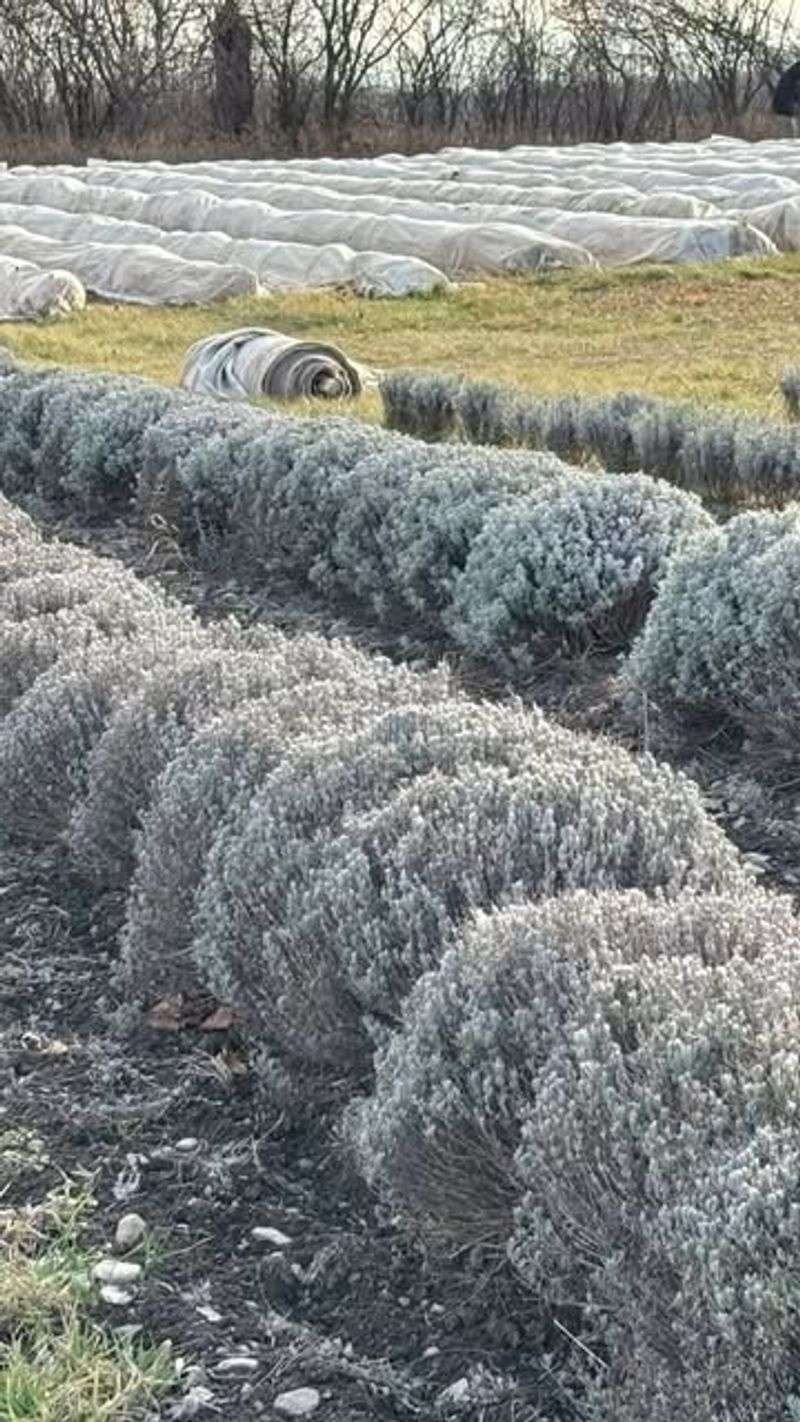
Lavender is a bit of a diva compared to other perennials on this list, and Michigan winters require some extra thought when it comes to keeping it happy.
Native to the dry, rocky hillsides of the Mediterranean, lavender has very specific preferences, and moisture management is at the top of that list.
Snow can be either a friend or a challenge depending on how well your soil drains. Light, dry, powdery snow is actually beneficial for lavender.
It provides a gentle insulating layer around the woody crown without saturating the soil with excess moisture.
The crown is the most vulnerable part of a lavender plant in winter, and keeping it consistently cold rather than alternately wet and frozen is the goal.
Well-drained, slightly sandy or amended soil is essential for this to work properly. Heavy, wet snow that lingers and keeps soil soggy for extended periods is where lavender runs into trouble.
Wet conditions around the crown during winter can encourage crown rot, which is one of the most common reasons lavender fails in Michigan gardens.
Planting lavender in raised beds or on slight slopes improves drainage dramatically and allows snow cover to be genuinely protective rather than harmful.
English lavender varieties like Hidcote and Munstead tend to handle Michigan winters better than Spanish types, and pairing them with excellent drainage plus dry insulating snow gives gardeners the best possible chance of seeing those fragrant purple spikes return each summer.
10. Peonies Prefer Consistent Cold Rather Than Repeated Thaw Cycles
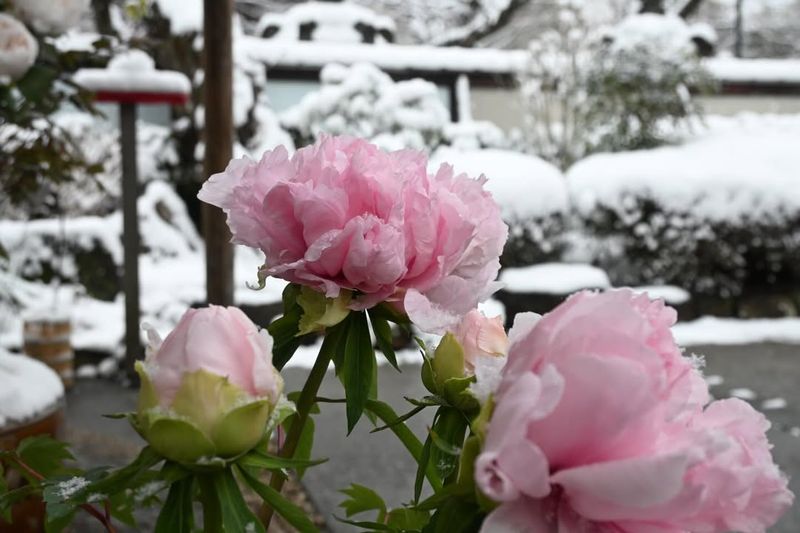
Peonies are legendary Michigan garden plants, famous for their enormous, fragrant blooms and their ability to outlive generations of gardeners.
A well-established peony can thrive in the same spot for fifty years or more, but that longevity depends on getting winter conditions right.
Consistent cold, rather than the rollercoaster of freeze-thaw cycles, is what peonies truly prefer. Peony buds, called eyes, develop just below or at the soil surface.
Those buds are the promise of next year’s flowers, and they are sensitive to temperature disruption during late winter.
When Michigan experiences warm spells followed by sharp freezes in February or March, buds that have begun to swell slightly can be injured by the sudden return of hard cold.
Snow cover buffers those swings significantly, keeping buds at a more stable temperature and reducing the chance of that kind of cold injury.
Horticultural experts consistently note that peonies in Michigan perform best when their root zones stay evenly cold through late winter rather than cycling between warmth and freezing.
Snow acts as a natural regulator, slowing both warming and cooling at the soil level. Gardeners should avoid clearing snow from peony beds in late winter, even when it feels like spring might be close.
Leaving that protective layer in place until it melts naturally on its own gives peony buds the steady, consistent environment they need to develop properly and deliver those breathtaking blooms that make every Michigan spring worth waiting for.