These 8 Fruit Plants Are Perfect For Ohio Backyards
Dreaming of stepping into your backyard and picking fresh fruit straight from the branch? In Ohio, that dream grows closer than you think.
The state’s changing seasons, rich soil, and steady rainfall create ideal conditions for a wide range of fruit plants. With the right picks, your yard can produce baskets of sweet berries, crisp apples, and juicy stone fruits year after year.
Many of these plants handle chilly winters like champions and bounce back strong each spring. Even small spaces can turn into productive mini orchards with smart planning.
Fresh flavor, lower grocery bills, and the simple joy of harvesting at home make fruit growing incredibly rewarding. Ready to transform your Ohio backyard into a delicious, homegrown retreat?
1. Apple Trees Thrive In Backyard Landscapes
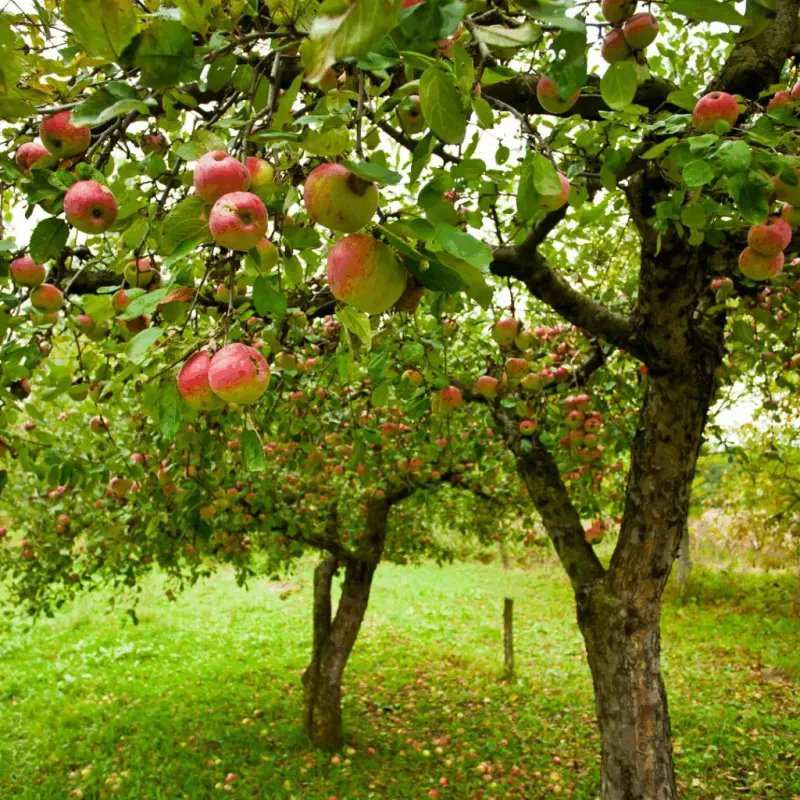
Few fruit trees match the versatility and dependability of apples in Midwest gardens. Cold winters actually benefit apple production by providing the necessary chilling hours that trigger proper flowering and fruiting.
Most standard varieties need between 800 and 1,200 chill hours, which Ohio delivers reliably every year.
Ohio State University Extension recommends planting at least two different apple varieties to ensure cross-pollination, which dramatically improves fruit set and quality. Popular choices include Honeycrisp, Gala, and Jonathan, all of which handle zone 5 and 6 conditions without issue.
Dwarf and semi-dwarf rootstocks make management easier and allow trees to fit into smaller yards while still producing generous harvests.
Site selection matters more than many gardeners realize. Apples need full sun, meaning at least six hours of direct light daily, and well-drained soil to prevent root rot during wet spring seasons.
Planting on a slight slope helps with drainage and reduces frost pocket risks that can damage early blooms.
Expect your trees to begin bearing fruit within three to five years, depending on rootstock and variety. Annual pruning keeps trees healthy, improves air circulation, and encourages better fruiting.
With proper care, apple trees can produce for decades, making them one of the best long-term investments for any Ohio backyard orchard.
2. Blueberries Grow Beautifully With The Right Soil
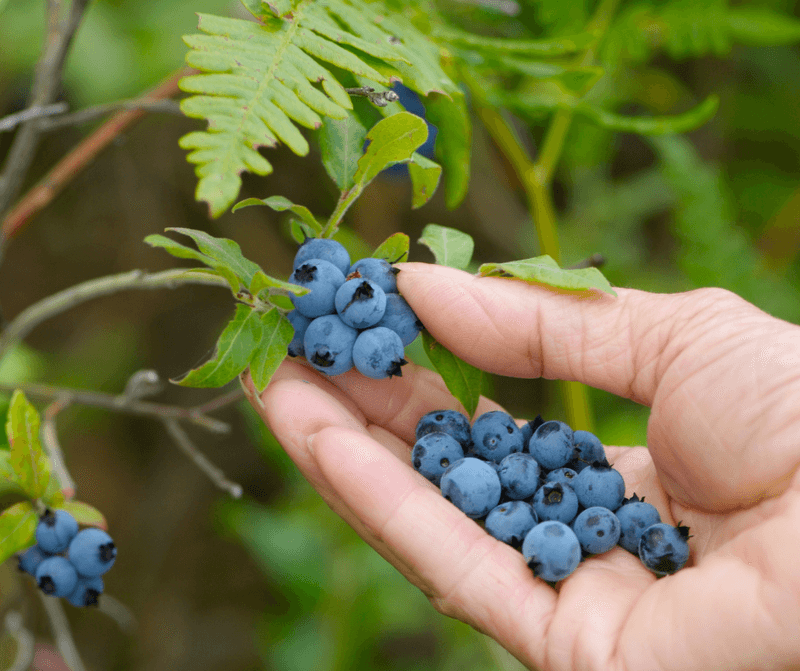
Success with blueberries hinges almost entirely on soil chemistry. These plants require acidic conditions with a pH between 4.5 and 5.5, which is much lower than what most Ohio soils naturally provide.
Testing your soil before planting saves frustration and money down the road. County extension offices offer affordable testing services that reveal exactly what amendments you need.
Sulfur products can gradually lower pH over several months, but many growers find it easier to build raised beds filled with acidic planting mix. Peat moss, pine bark, and composted pine needles all help create the right environment.
Once established, blueberries need consistent moisture but never waterlogged conditions. A thick layer of wood chip mulch keeps roots cool, retains moisture, and slowly adds organic matter as it breaks down.
Highbush blueberries perform best in Ohio, with varieties like Bluecrop, Duke, and Elliott offering different ripening times that extend your harvest window. Plant at least two varieties for better pollination and larger berries.
Your Ohio Garden Changes Every Week. Your Plan Should Too.
Gardening in Ohio changes quickly throughout the season. Every Friday you’ll receive a simple weekly plan showing exactly what to plant, prune, fertilize, harvest, and protect so you never miss the right timing.
Space plants four to six feet apart in full sun for maximum production.
Bushes typically start bearing fruit in their third year and reach full production by year five or six. Ohio State University research shows that proper soil preparation is the single most important factor in blueberry success, so invest time in getting conditions right from the start.
3. Strawberries Produce Sweet Harvests In Small Spaces
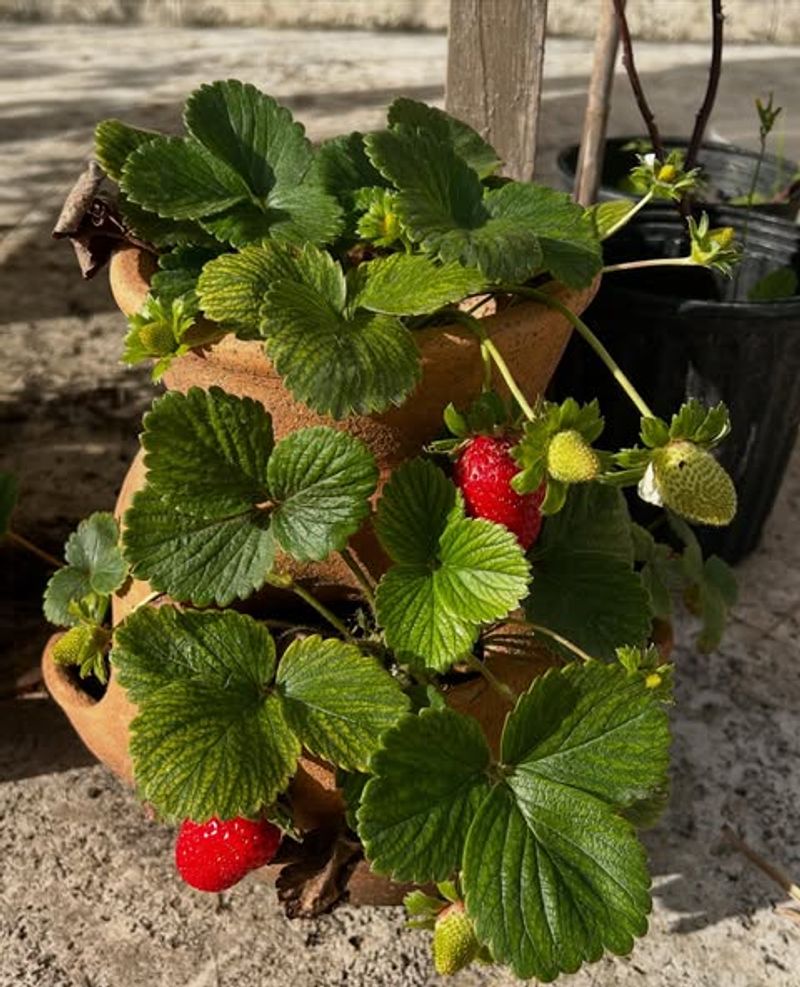
Compact growing habits make strawberries perfect for gardeners working with limited space. These plants thrive in containers, raised beds, and even vertical planters, producing impressive yields from surprisingly small footprints.
June-bearing varieties deliver one large harvest in early summer, while everbearing and day-neutral types offer smaller flushes throughout the growing season.
Plant strawberries in early spring as soon as soil can be worked. They prefer full sun and well-drained soil enriched with compost.
Space plants 12 to 18 inches apart and keep crowns at soil level, not buried or exposed. Mulching with straw keeps berries clean, conserves moisture, and moderates soil temperature during hot Ohio summers.
Runner management separates successful strawberry patches from overcrowded messes. June-bearing varieties send out numerous runners that root and form new plants.
For maximum fruit production, many growers remove runners throughout the season to keep plants focused on berry development rather than vegetative growth. Alternatively, you can allow runners to fill in rows for a matted system that requires less maintenance.
Expect your first harvest within a few months of spring planting, though production increases significantly in the second year. Replace plants every three to four years to maintain vigor and fruit quality.
With proper care, a small strawberry bed can produce quarts of fresh berries each season without taking up much garden real estate.
4. Raspberries Flourish In Sunny Garden Beds
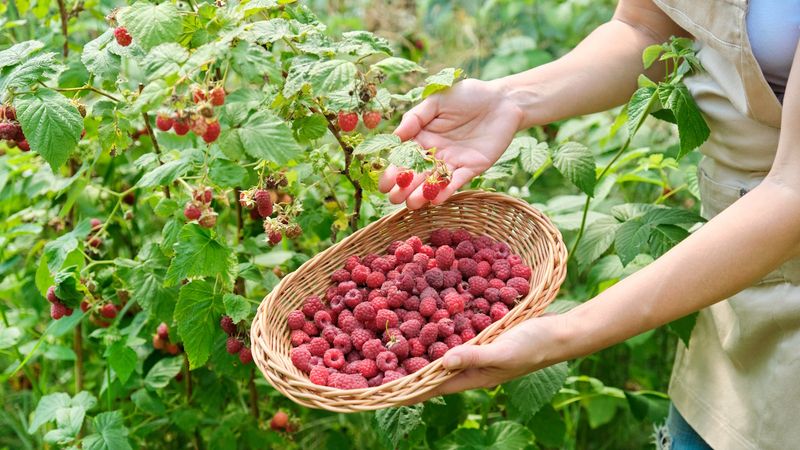
Vigorous growth and reliable production make raspberries a favorite among Midwest berry growers. Understanding the difference between summer-bearing and fall-bearing varieties helps you choose plants that match your maintenance preferences and harvest goals.
Summer-bearing types produce one large crop on second-year canes in early summer, while fall-bearing varieties fruit on first-year canes in late summer and fall.
Full sun exposure is non-negotiable for raspberries. These plants need at least six to eight hours of direct light to produce sweet, abundant fruit.
Well-drained soil prevents root diseases that can quickly devastate plantings. Space plants two to three feet apart in rows, and install a simple trellis system to support canes as they grow.
Pruning strategies vary by type. Summer-bearing raspberries require removing fruited canes after harvest, while fall-bearing types can be mowed to the ground each late winter for simplified management.
Ohio State University Extension recommends fall-bearing varieties for beginning growers because the pruning approach is more forgiving and the harvest timing avoids many common pest issues.
Plants begin producing fruit in their second year and can remain productive for a decade or more with proper care. Raspberries spread through underground runners, so plan for some containment if you want to keep them from wandering.
Despite this tendency, their productivity and flavor make them worth the small amount of extra management they require.
5. Blackberries Deliver Big Yields Each Season
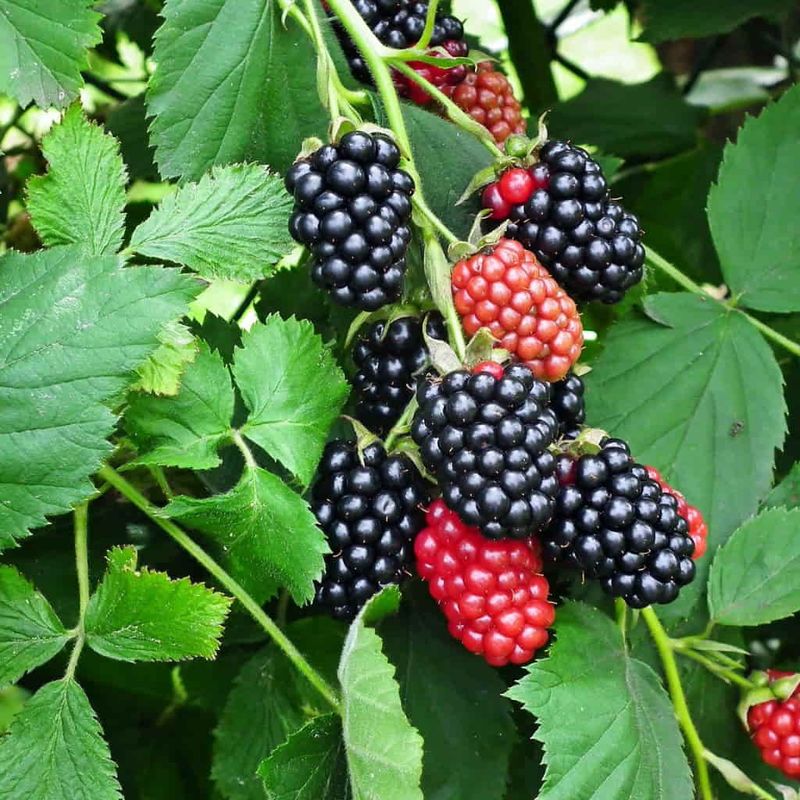
Thornless cultivars have transformed blackberry growing from a prickly challenge into a pleasant backyard activity. Modern varieties like Triple Crown and Navaho produce large, sweet berries on smooth canes that are easy to train and harvest.
These plants tolerate Ohio winters well, though some tip damage can occur in particularly harsh years without protection.
Site selection influences both winter survival and summer production. Plant blackberries in full sun with good air circulation to reduce disease pressure.
Avoid low-lying frost pockets where cold air settles and damages early spring growth. Space plants four to six feet apart and install a sturdy trellis system before canes get too large to manage easily.
Training blackberries onto wires keeps fruit off the ground, improves air flow, and makes harvesting much more efficient. Tie canes loosely to horizontal wires as they grow throughout the season.
Remove old fruiting canes after harvest to make room for new growth that will produce next year’s crop.
Expect your first significant harvest in the second or third year after planting. Mature plants can produce several quarts of berries over a two to three week harvest window in mid to late summer.
Research from university extension programs consistently shows that proper trellising and annual pruning are the keys to maximizing both yield and fruit quality in home blackberry plantings.
6. Cherry Trees Perform Well In Temperate Climates
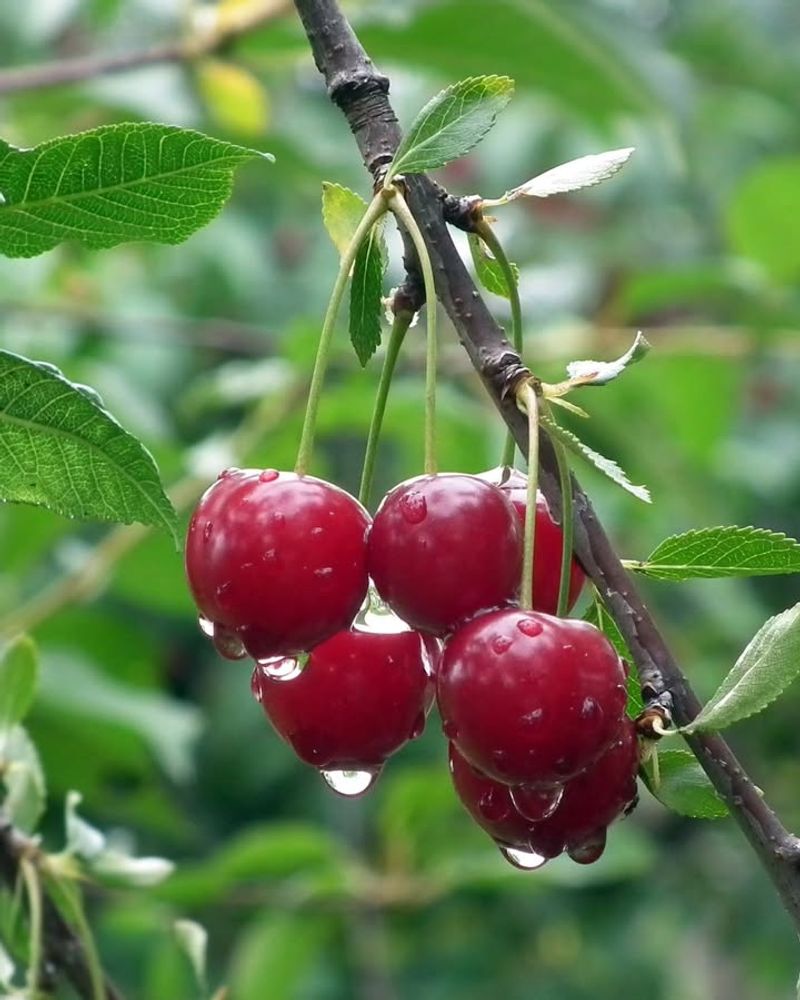
Choosing between sweet and sour cherries depends on your intended use and available space. Sweet cherries require more room and a pollination partner, while sour cherries stay smaller, self-pollinate, and handle cold better.
For most Ohio backyards, sour varieties like Montmorency offer the best combination of reliability and productivity.
Late spring frosts pose the biggest threat to cherry crops. Cherries bloom relatively early, and a hard freeze during flowering can eliminate the entire season’s fruit.
Planting on slopes or elevated areas where cold air drains away reduces this risk significantly. Full sun and well-drained soil are essential for healthy growth and disease resistance.
Dwarf and semi-dwarf rootstocks make cherry growing more practical for home gardeners. Standard sweet cherry trees can reach 30 feet or more, but dwarf versions stay under 12 feet while still producing generous harvests.
Sour cherries naturally grow smaller, typically reaching 12 to 15 feet at maturity.
Trees typically begin bearing fruit in their third or fourth year. Annual pruning maintains tree shape, removes diseased or crossing branches, and improves light penetration throughout the canopy.
Ohio State University guidance emphasizes the importance of proper pruning for disease prevention, particularly for bacterial canker and brown rot, which can affect cherry trees in humid Midwest summers. With attention to site selection and basic care, cherry trees provide beautiful spring blooms and delicious summer fruit for many years.
7. Peach Trees Reward Gardeners With Juicy Summer Fruit
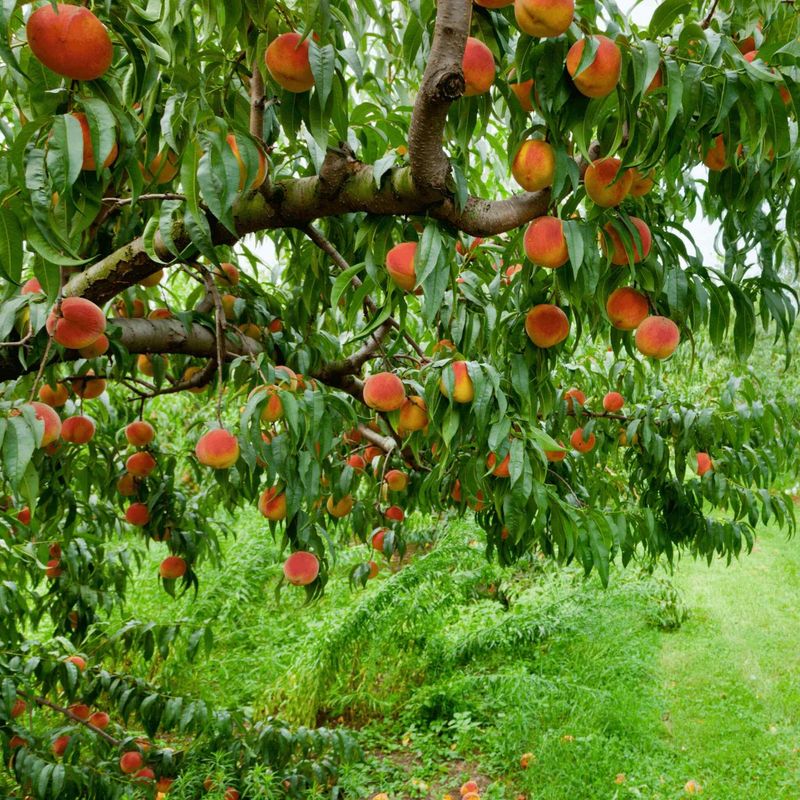
Juicy, sun-warmed peaches fresh from your own tree make summer memorable, but growing them in Ohio requires understanding their limitations. Peaches bloom very early in spring, making them vulnerable to late frosts that can wipe out crops in colder years.
Choosing cold-hardy varieties like Redhaven, Contender, or Reliance improves your chances of consistent harvests.
Site selection makes a huge difference in peach success. Plant on south-facing slopes where possible, and avoid low spots where cold air accumulates during frosty spring nights.
Full sun is absolutely essential for fruit development and sweetness. Well-drained soil prevents root diseases that peaches are particularly susceptible to during wet periods.
Pruning is more critical for peaches than almost any other fruit tree. Peaches fruit on one-year-old wood, so annual pruning that encourages new growth directly impacts next year’s harvest.
Open-center pruning allows light and air into the tree’s interior, improving fruit quality and reducing disease pressure. Plan to prune heavily each late winter to maintain tree size and maximize fruiting potential.
Expect fruit in the third year after planting. Peach trees have shorter lifespans than apples or pears, typically remaining productive for 10 to 15 years.
Despite their sensitivity to spring weather and higher maintenance needs, many Ohio gardeners find the incomparable flavor of homegrown peaches worth the extra effort and occasional crop loss.
8. Pears Are Reliable And Cold Hardy Choices
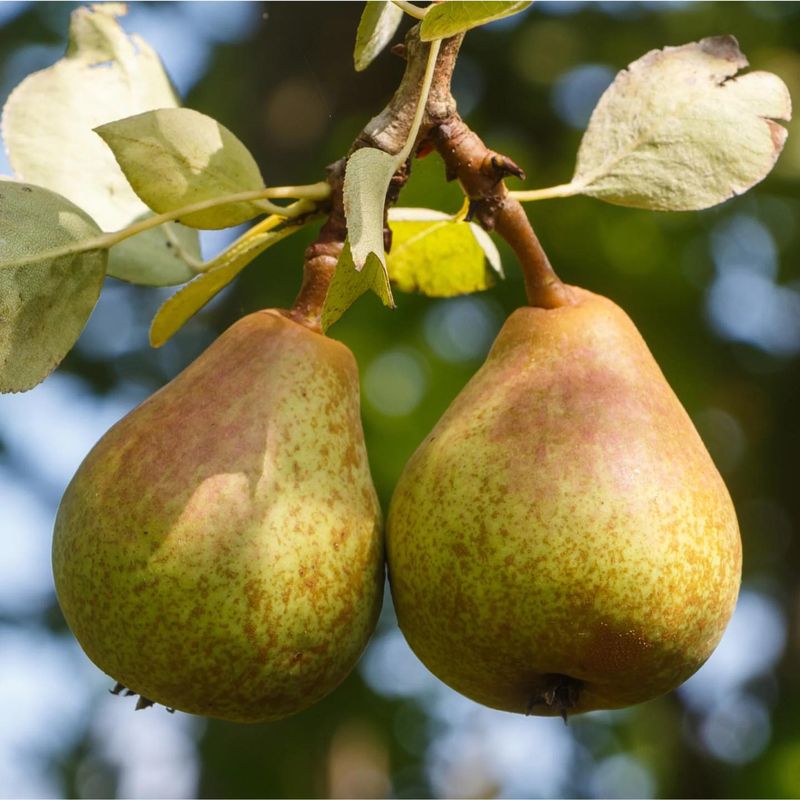
Dependable production and long lifespan make pears an excellent choice for gardeners planning a permanent orchard. These trees tolerate cold winters exceptionally well and suffer fewer disease problems than apples in many Ohio locations.
Fire blight remains a concern, but choosing resistant varieties like Harrow Sweet or Kieffer significantly reduces risk.
Pears require cross-pollination, so plan to plant at least two compatible varieties. Spacing depends on rootstock, but most home gardeners do well with semi-dwarf trees planted 15 to 20 feet apart.
Full sun and well-drained soil support healthy growth and good fruit development. Unlike peaches, pears bloom later in spring, which helps them avoid many frost events that damage earlier-flowering fruits.
Harvesting pears at the right time takes practice. Most varieties need to be picked when mature but still firm, then ripened indoors at room temperature.
Leaving pears on the tree until soft results in mealy, disappointing fruit. Learning to recognize the subtle color change and slight softening near the stem takes a season or two but becomes second nature with experience.
Trees begin bearing in four to six years and can remain productive for decades with proper care. Research from Ohio State University and other land-grant institutions consistently ranks pears among the easiest tree fruits for home growers, particularly in areas where apple diseases are problematic.
Their ornamental spring blooms and reliable fall harvests make them valuable additions to any Ohio backyard landscape.