8 Tricks Ohio Gardeners Use To Make Their Geraniums Bloom All Season
By mid-summer, many Ohio porches and flower beds tell the same story. Lush green geranium plants, plenty of leaves, yet only a handful of blooms.
Then you visit a neighbor whose pots overflow with nonstop color from May to fall, and you wonder what magic they know. It is not magic at all.
Long-time Ohio gardeners pass down a few practical habits that keep geraniums pushing out fresh buds even through heat, rain, and temperature swings. A small snip at the right time, a tweak in watering, a smarter feeding routine, even where the pot sits during the day can completely change how a plant performs.
Once these simple moves become routine, geraniums respond with steady, vibrant flowers instead of short bursts of color. Try these proven tricks and watch your geraniums stay bright, full, and blooming for the entire season.
1. Deadheading Regularly Keeps Blooms Coming
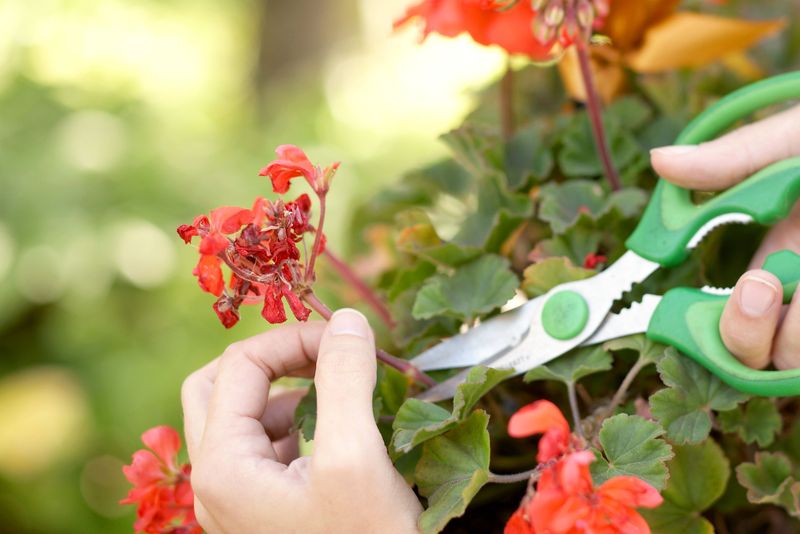
Snipping off faded flowers might seem like just tidying up, but this simple task actually triggers your geraniums to produce more blooms. When flowers fade and form seed heads, the plant shifts its energy toward seed production instead of making new flowers.
By removing these spent blooms before seeds develop, you redirect that energy back into flower production.
Ohio State University Extension recommends checking your geraniums every few days during peak growing season. Look for flowers that have lost their bright color, feel papery, or show brown edges.
Pinch or snip these off right where the flower stem meets the main branch.
The process takes just minutes but makes a noticeable difference within a week or two. You’ll see fresh buds forming where you removed old flowers, and the overall bloom count increases dramatically.
During Ohio’s hot July and August weather, geraniums naturally slow their blooming slightly, but consistent deadheading keeps them producing far better than neglected plants.
Make this part of your regular garden routine, perhaps while enjoying morning coffee or an evening walk through your beds. The more diligent you are about removing spent blooms, the more flowers your plants will produce throughout the season.
2. Full Sun Exposure Maximizes Flower Production
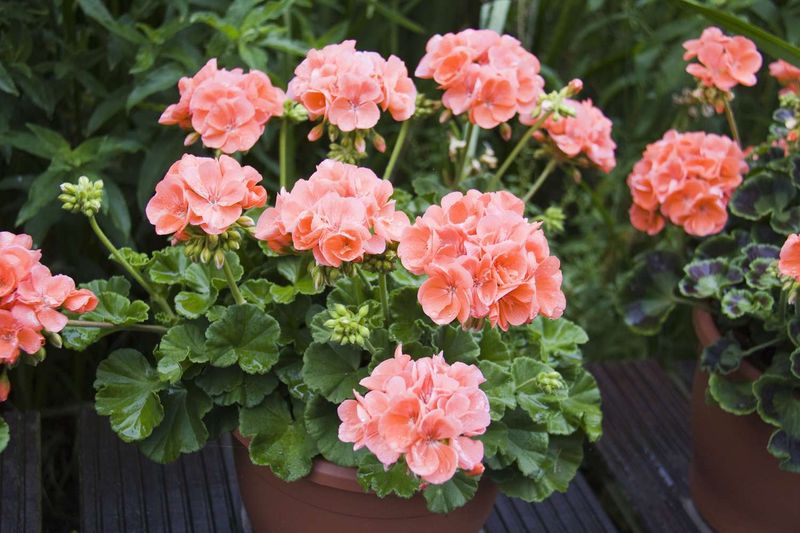
Geraniums absolutely love sunshine and reward sunny spots with abundant flowers. These plants need at least six hours of direct sunlight daily to bloom their best, though they’ll produce even more flowers with eight hours or more.
Light intensity directly affects how many flower buds form and how vibrant the blooms appear.
In Ohio gardens, south-facing locations provide the most consistent sun exposure throughout the day. East-facing spots work well too, capturing morning and midday sun, though afternoon shade may slightly reduce bloom production.
West-facing areas can get intensely hot during summer afternoons, which geraniums handle reasonably well as long as they receive adequate water.
According to Ohio State horticulture research, geraniums grown in partial shade produce noticeably fewer flowers and develop leggier growth as they stretch toward available light. The stems become thinner and weaker, and the overall plant appearance suffers compared to sun-grown specimens.
Your Ohio Garden Changes Every Week. Your Plan Should Too.
Gardening in Ohio changes quickly throughout the season. Every Friday you’ll receive a simple weekly plan showing exactly what to plant, prune, fertilize, harvest, and protect so you never miss the right timing.
When positioning containers, place them where they’ll receive maximum sun exposure during the main growing months of June through September. For in-ground plantings, avoid spots near large trees or on the north side of buildings where shade limits sunlight.
The difference in bloom production between a shady spot and a sunny location can be dramatic.
3. Consistent Watering Prevents Stress And Bud Drop
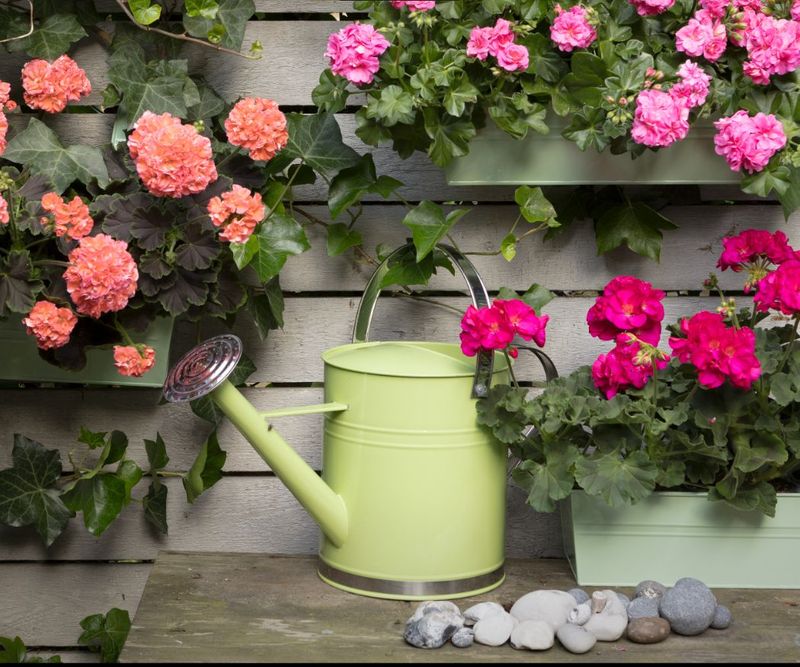
Water management makes or breaks geranium blooming success. These plants need consistent moisture but absolutely cannot tolerate soggy roots or standing water.
When soil moisture swings wildly between bone dry and waterlogged, geraniums respond by dropping flower buds before they even open, which defeats your entire blooming goal.
The ideal approach involves checking soil moisture regularly and watering deeply when the top inch feels dry to the touch. In Ohio’s summer heat, container geraniums may need daily watering, while in-ground plants typically need water every two to three days depending on rainfall and temperatures.
Clay soils retain moisture longer than sandy soils, so adjust your schedule accordingly.
Ohio State Extension emphasizes the importance of watering in the morning rather than evening. Morning watering allows foliage to dry before nightfall, reducing disease risks while ensuring plants have adequate moisture during the hottest part of the day.
This timing particularly matters during Ohio’s humid summers when wet foliage overnight can encourage fungal problems.
Watch your plants for stress signals like wilting leaves or drooping stems, but try to water before you see these signs. Consistent moisture keeps the plant’s energy focused on flower production rather than survival mode, resulting in steady bloom formation throughout the season.
4. Balanced Fertilizer Encourages Continuous Blooming
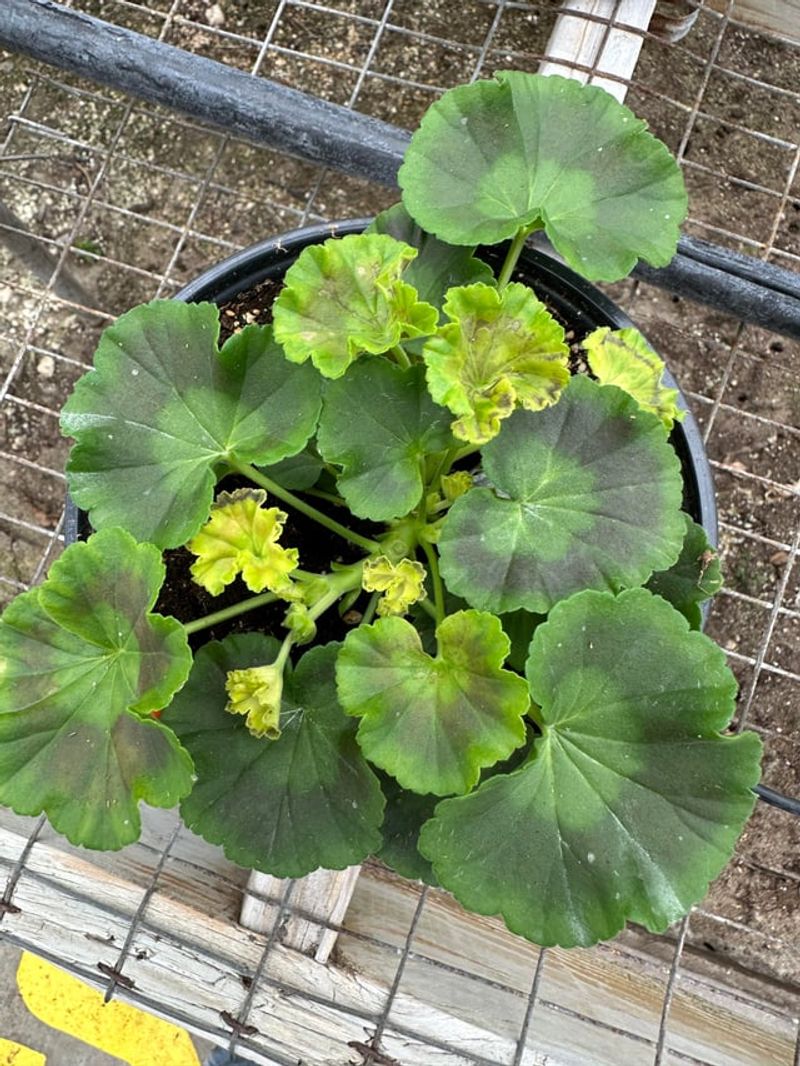
Nutrition plays a crucial role in keeping geraniums blooming month after month. Without adequate nutrients, plants simply cannot produce the constant supply of flowers you want.
However, the type of fertilizer matters just as much as whether you fertilize at all.
Look for balanced fertilizers or those slightly higher in phosphorus, the middle number in the fertilizer ratio. Phosphorus specifically promotes flower and root development, while nitrogen encourages leafy growth.
Too much nitrogen creates lush green foliage but fewer flowers, which defeats your purpose.
A fertilizer with a ratio like 10-10-10 or 5-10-5 works well for geraniums. Water-soluble fertilizers applied every two weeks provide steady nutrition, or you can use slow-release granular fertilizers applied monthly according to package directions.
Ohio State University research supports regular feeding schedules rather than occasional heavy applications.
Container geraniums need more frequent fertilizing than in-ground plants since nutrients wash out through drainage holes with each watering. Start fertilizing about four weeks after planting once the initial potting soil nutrients begin depleting.
Continue through late summer, then reduce feeding frequency in fall as plants naturally slow their growth.
Watch for signs of nutrient deficiency like pale leaves or reduced blooming, but avoid over-fertilizing which can damage roots and actually reduce flower production.
5. Pinching Back Promotes Bushier Flowering Plants
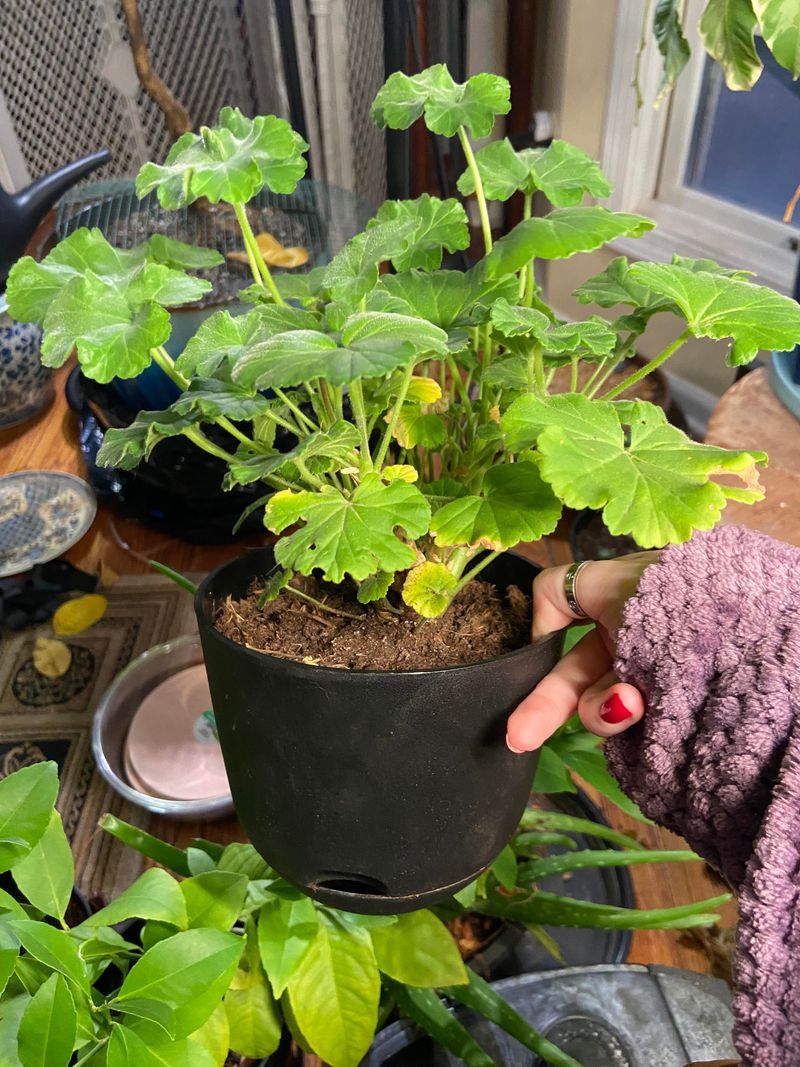
Shaping your geraniums early in the season sets them up for maximum bloom production later. Pinching involves removing the growing tip of stems when plants are young, which forces them to branch out sideways instead of growing tall and lanky.
More branches mean more spots for flowers to form.
Perform this technique when geraniums are about four to six inches tall and have several sets of leaves. Using your thumb and forefinger, pinch off the top half-inch of each main stem just above a set of leaves.
This might seem counterproductive since you’re removing potential growth, but within a week or two you’ll notice new shoots emerging from where leaves meet the stem.
Ohio gardeners typically pinch geraniums once in late spring after the last frost danger passes. Container plants and those started from cuttings benefit most from this technique.
You can pinch again in early summer if plants still look sparse, though established plants usually fill out well after the first pinching.
The result is a fuller, more compact plant with multiple flowering stems instead of one tall, sparse stem with flowers only at the top. This bushier growth habit also makes plants more wind-resistant and visually appealing in beds and containers throughout the Ohio growing season.
6. Well Drained Soil Prevents Root Problems
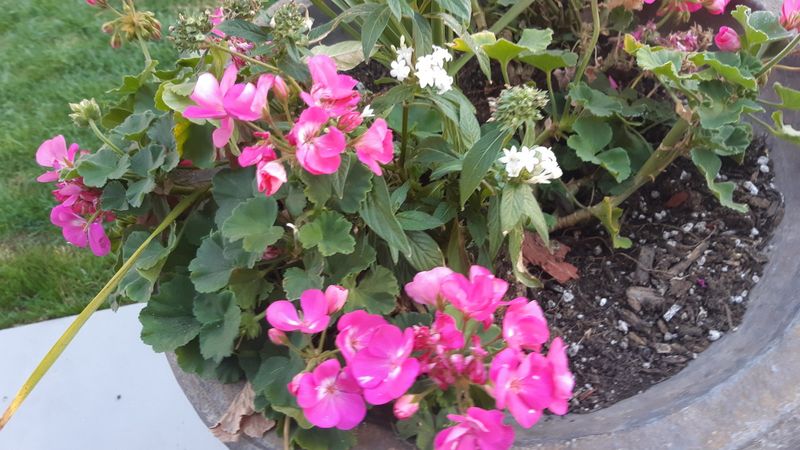
Root health determines everything else about your geraniums, and roots only stay healthy in soil that drains excess water quickly. Geraniums originated in South Africa’s rocky, fast-draining soils, so they’re naturally adapted to conditions where water moves through quickly rather than sitting around roots.
For container geraniums, always use pots with drainage holes and fill them with quality potting mix rather than garden soil. Potting mixes contain ingredients like peat moss, perlite, and vermiculite that hold some moisture while allowing excess to drain freely.
Never let containers sit in saucers full of water.
In-ground plantings in Ohio present more challenges since our native soils often contain heavy clay that holds water. Improve these areas by working in several inches of compost or aged manure before planting.
Some gardeners create raised beds or mounds to ensure better drainage, which works particularly well in low-lying areas.
According to Ohio State Extension, poor drainage leads to root problems that show up as yellowing leaves, stunted growth, and dramatically reduced blooming. Roots sitting in waterlogged soil cannot absorb oxygen properly, which stresses the entire plant.
Once you’ve established proper drainage, geraniums become much easier to maintain and bloom far more reliably throughout the season.
7. Removing Leggy Growth Redirects Energy To Flowers
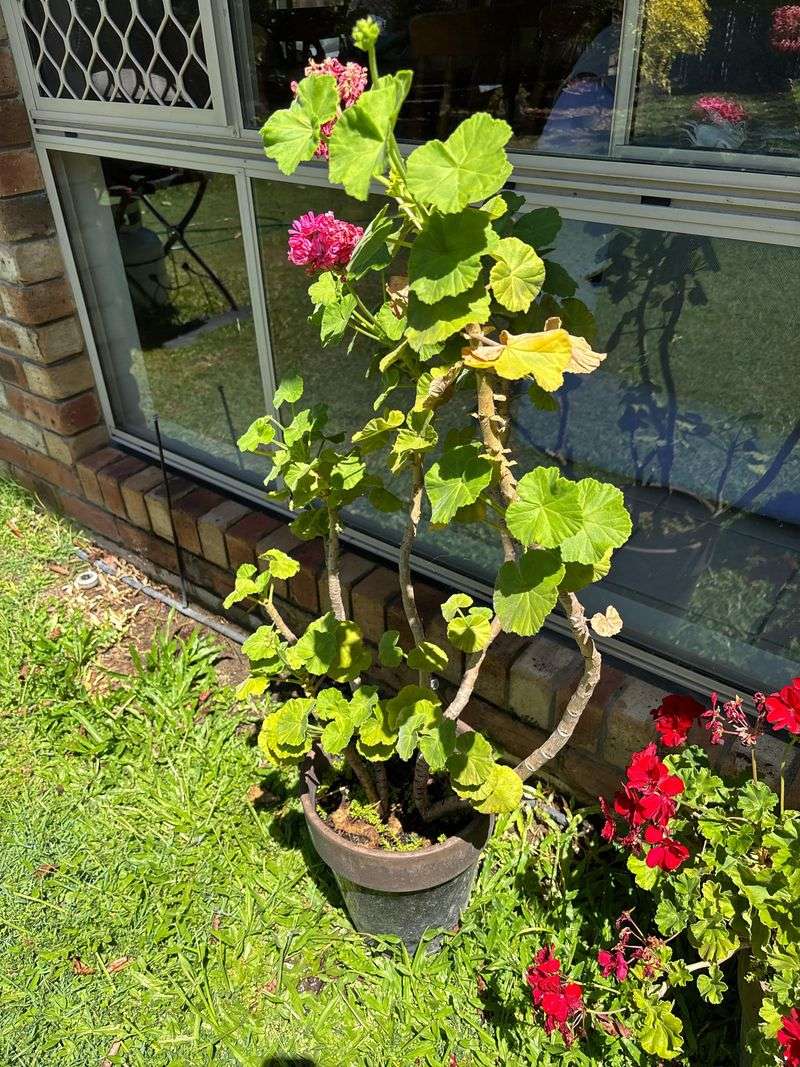
Stretched, spindly stems develop when geraniums don’t receive quite enough light or when they’ve been growing vigorously without maintenance. These leggy stems produce fewer flowers and make plants look messy rather than full and attractive.
Cutting them back might seem drastic, but it rejuvenates the plant and improves blooming.
Look for stems that are noticeably longer than others, have large gaps between leaf sets, or bend under their own weight. Using clean, sharp pruning shears, cut these stems back by about one-third to one-half their length, making cuts just above a leaf node.
The plant will respond by producing new, more compact growth from below the cut.
Mid-season pruning works especially well in Ohio gardens during early to mid-July. By this point, geraniums have been growing actively for several months and may have developed some leggy sections.
Cutting them back then gives plants time to regrow compactly and produce fresh flowers through September and October.
This technique concentrates the plant’s energy into a smaller, more manageable framework. Instead of trying to support long, weak stems, the plant puts its resources into sturdy growth and flower production.
The resulting plant looks better and blooms more heavily than one allowed to become leggy and overgrown throughout the season.
8. Protecting From Cold Extends The Blooming Season
Geraniums are remarkably sensitive to cold temperatures and will stop blooming once nighttime temperatures consistently drop below 50 degrees Fahrenheit. In Ohio, this typically happens in late September or early October, though some years offer extended warm periods into mid-autumn.
Taking protective measures during cool snaps can add several extra weeks of blooms.
Container geraniums offer the most flexibility since you can simply move them to protected locations when frost threatens. A covered porch, garage with windows, or spot against a south-facing wall provides enough warmth during brief cold periods.
Once temperatures warm again, move plants back to their sunny spots.
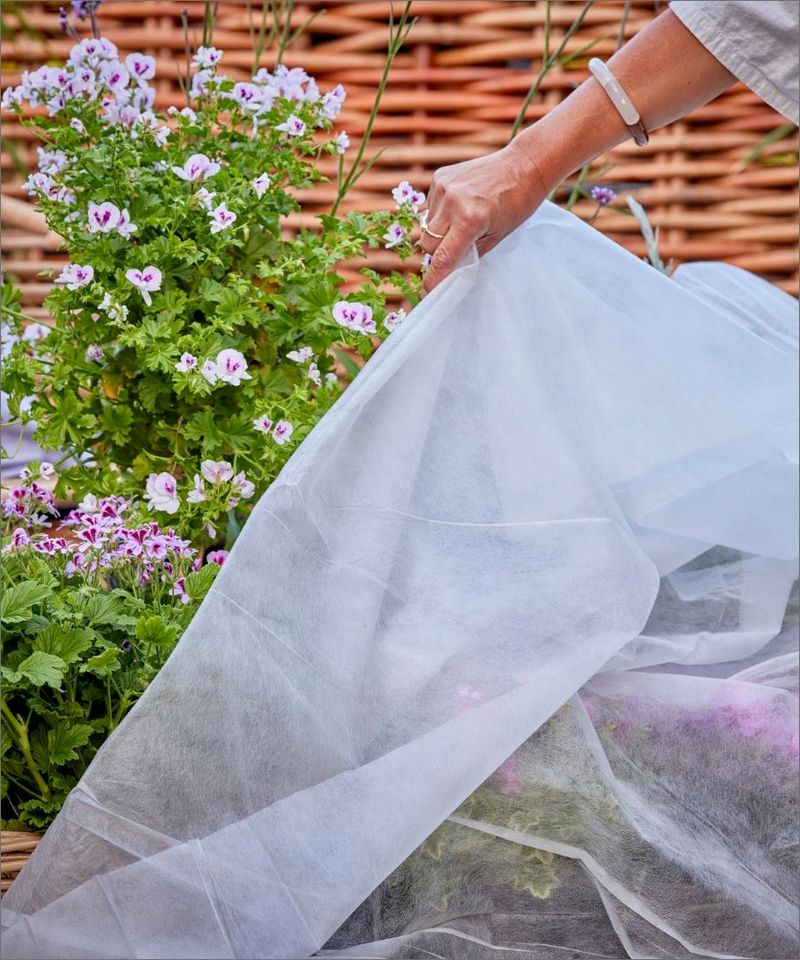
For in-ground geraniums, lightweight frost cloth draped over plants on cold nights provides several degrees of protection. Remove the covering during the day so plants can absorb sunlight and continue blooming.
This technique works best for early fall cold snaps before sustained freezing weather arrives.
Ohio State Extension notes that geraniums can continue blooming well into fall if protected from the first few frosts. Once hard freezes arrive and stay, blooming naturally ends for the season.
However, those extra few weeks of flowers in September and October make the minimal effort worthwhile, extending your colorful display significantly beyond what unprotected plants provide.