Grow Huge, Juicy Strawberries In California With These 9 Tips
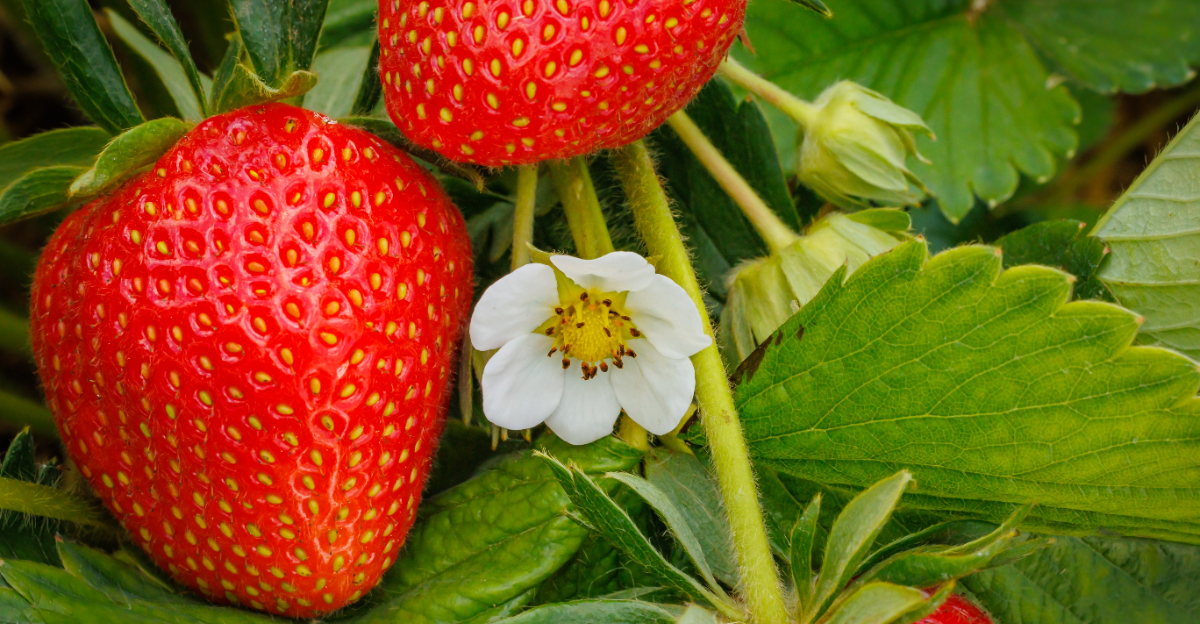
Sweet, sun warmed strawberries straight off the plant are one of California gardening’s greatest joys. Bite into a perfectly ripe berry and you get that burst of juicy flavor that store bought fruit just cannot match.
The good news is strawberries love California’s sunshine, and with a few smart tricks, your plants can produce bigger, sweeter, and more abundant berries than you ever thought possible.
Growing amazing strawberries is not about luck. It is about giving your plants the right start, plenty of sun, rich soil, and a little extra care during the growing season.
Small changes in watering, feeding, and spacing can turn average plants into heavy producers loaded with plump, glossy fruit.
If you dream of bowls full of homegrown berries, warm afternoons in the garden, and that unbeatable fresh picked taste, you are in the right place. Get ready to grow strawberries that are huge, juicy, and absolutely delicious.
1. Start With The Right Variety
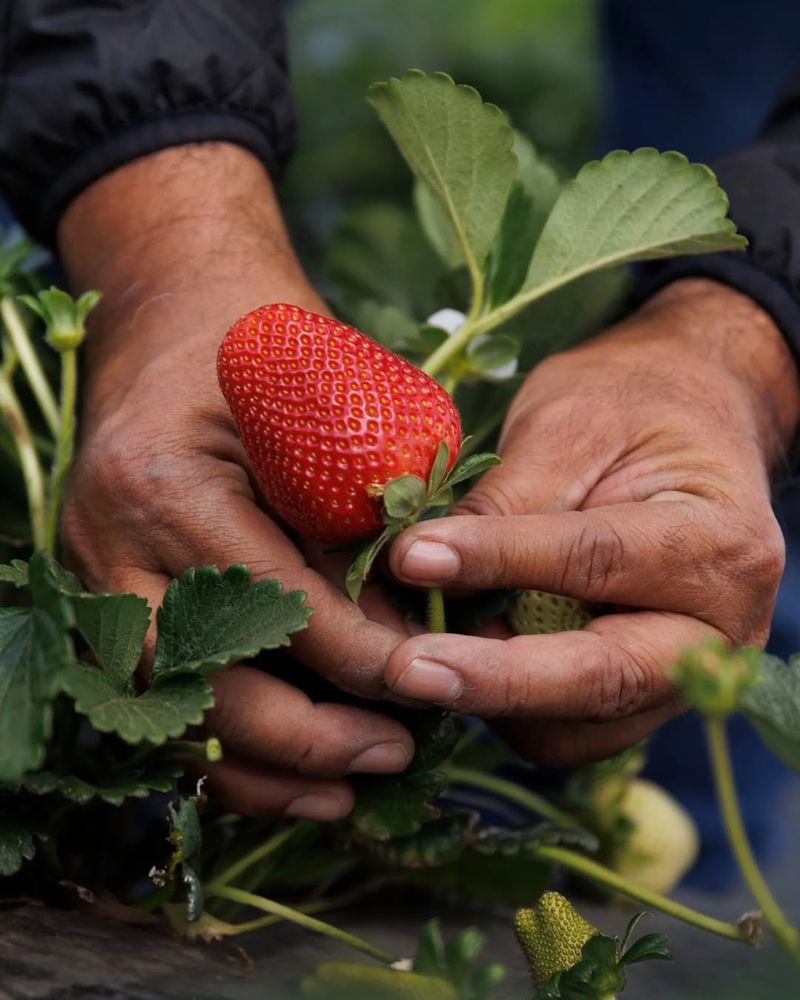
Not all strawberries are the same, and picking the right one makes a huge difference in California. The state has a few different climate zones, so the variety you choose should match where you live.
Coastal areas stay cooler, while inland valleys get much hotter. Choosing wisely from the start saves a lot of frustration later.
For California gardens, some of the best performers include Seascape, Albion, and San Andreas. These are called day-neutral varieties, which means they produce fruit almost all year long instead of just in one short season.
That is a big win for home growers who want a steady supply of berries from spring through fall.
Chandler is another popular pick, especially in Southern California. It produces very large, bright red berries with a sweet flavor that most people love.
Visit your local nursery and ask which variety does best in your specific zip code. Local experts often have great advice that is tailored to your exact growing conditions in California.
2. Give Them Full Sun
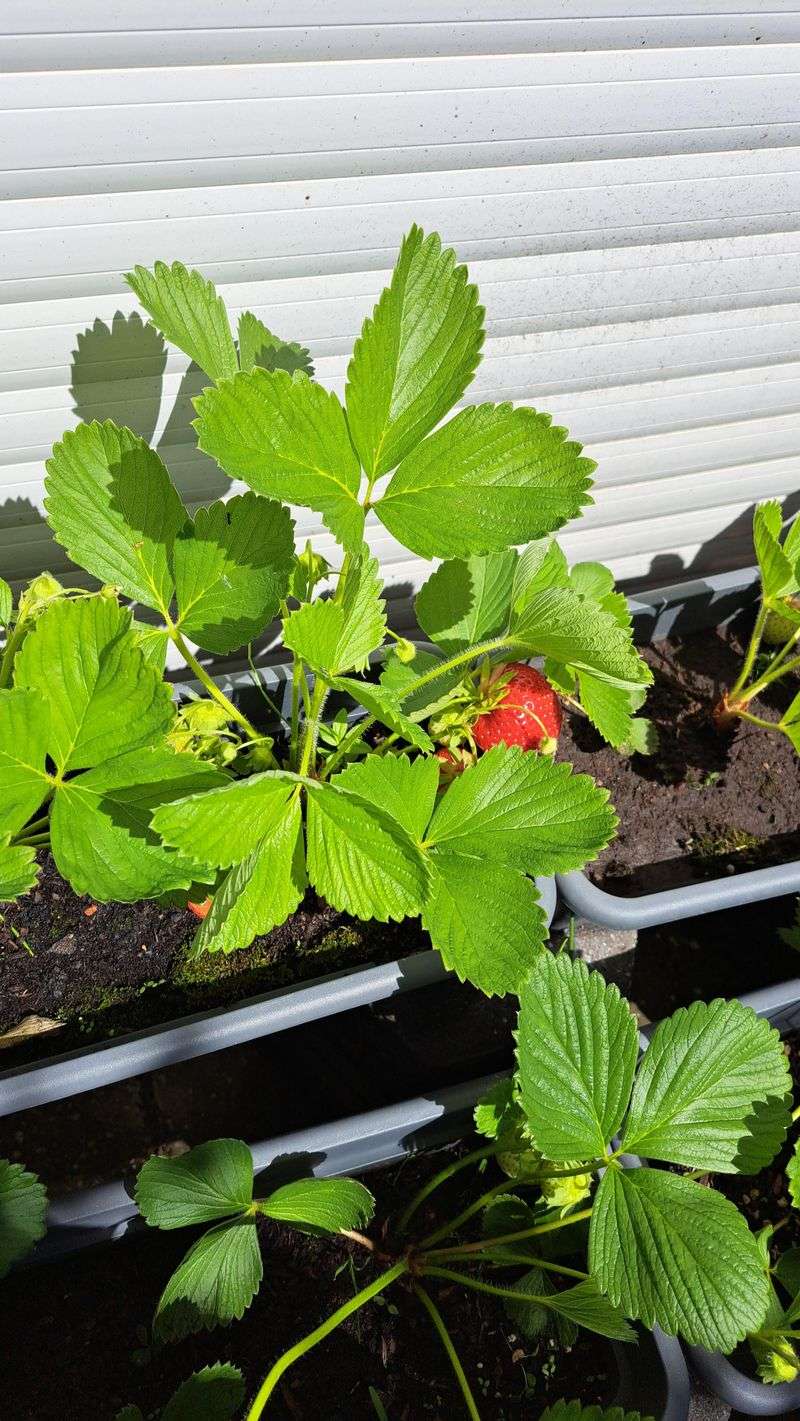
Strawberries are sun lovers. They need at least six to eight hours of direct sunlight every day to grow big and produce lots of fruit.
Less sun means smaller berries and fewer of them. If you are planting in California, you are already lucky because the sunshine here is plentiful and strong most of the year.
Pick the sunniest spot in your yard before you plant. South-facing beds tend to get the most light throughout the day.
Avoid planting near tall fences, large trees, or buildings that might block the sun during key hours. Even partial shade for a few hours can slow down your plants and reduce your harvest.
Container growers have a big advantage here. You can simply move your pots to follow the sun throughout the day or throughout the season.
If you notice your plants looking pale, stretchy, or producing very little fruit, low light is often the reason. In California, most outdoor spots get plenty of sun, so this tip is usually easy to follow.
Your California Garden Changes Every Week. Your Plan Should Too.
Gardening in California changes quickly throughout the season. Every Friday you’ll receive a simple weekly plan showing exactly what to plant, prune, fertilize, harvest, and protect so you never miss the right timing.
Just be intentional about where you set up your strawberry bed from day one.
3. Plant In Well-Drained Soil
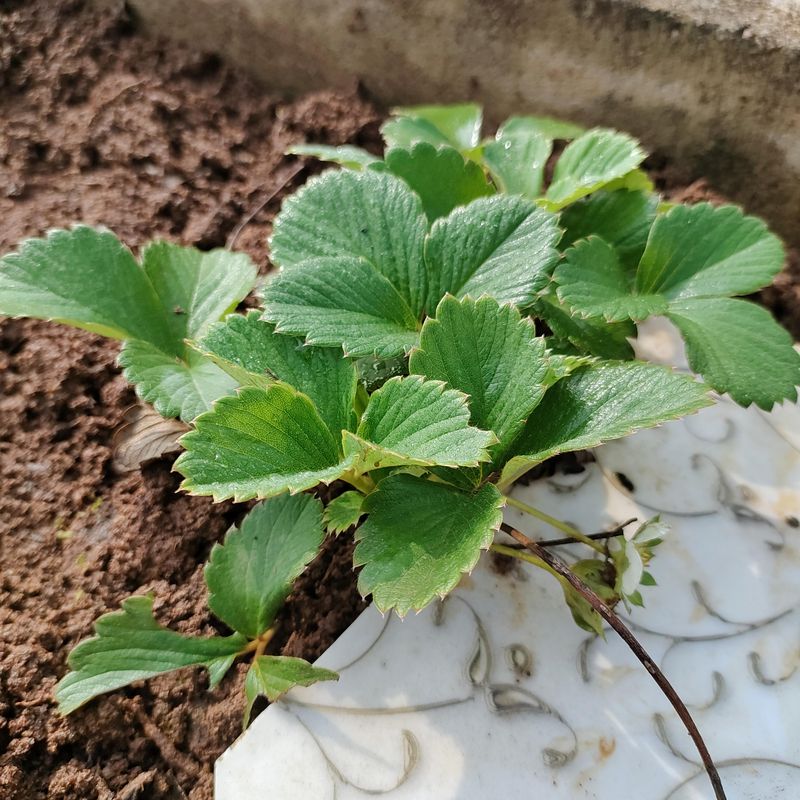
Soggy roots are a strawberry plant’s worst enemy. These plants need soil that drains well so water does not sit around the roots too long.
Waterlogged soil can cause root rot, which weakens the plant quickly and ruins your harvest before it even starts. Good drainage is one of the most important things you can give your plants.
In many parts of California, native soil can be heavy clay or very sandy. Both types need some improvement before planting strawberries.
Mix in compost, aged manure, or a quality potting mix to improve texture and drainage. Raised beds are a fantastic option because you have total control over the soil quality from the very beginning.
Strawberries prefer a slightly acidic soil with a pH between 5.5 and 6.5. You can buy an inexpensive soil test kit at most garden centers in California.
If your soil is too alkaline, adding sulfur or peat moss can help bring the pH down. Getting the soil right before planting takes a little effort, but it pays off with healthier plants, stronger roots, and much bigger, juicier berries throughout the season.
4. Feed Regularly, Not Heavily
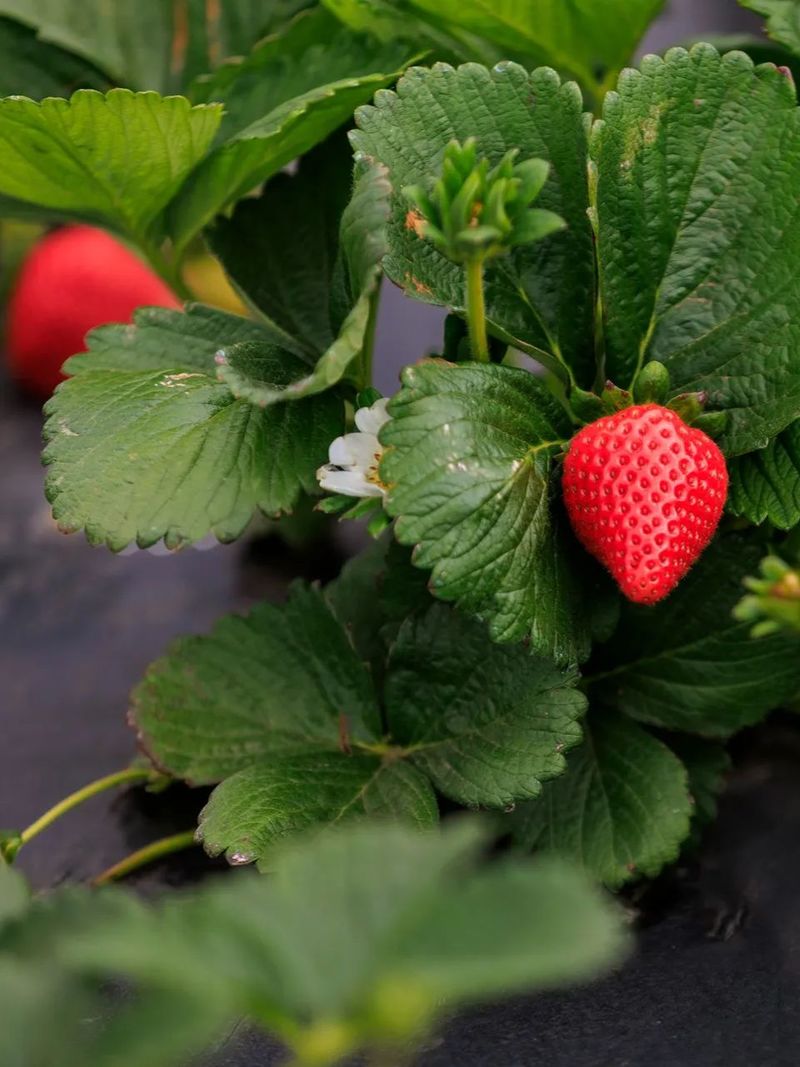
Feeding your strawberries the right way can feel like a balancing act. Too little fertilizer and the plants stay small and weak.
Too much and you end up with lots of leafy green growth but very few berries. The goal is steady, moderate feeding that keeps your plants healthy without pushing them into overdrive.
A balanced fertilizer with equal parts nitrogen, phosphorus, and potassium works well early in the season. Once your plants start flowering, switch to a low-nitrogen fertilizer that is higher in phosphorus.
This encourages more blooms and bigger fruit instead of just extra leaves. Many California gardeners use a liquid fertilizer every two to three weeks during the growing season for the best results.
Organic options like fish emulsion, compost tea, or worm castings are popular among California home gardeners. They release nutrients slowly and gently, which reduces the risk of over-feeding.
Always follow the directions on the label and never guess with amounts. A little goes a long way with strawberries.
Consistent, light feeding throughout the season is far more effective than one heavy dose every few months.
5. Water Deep, Not Often
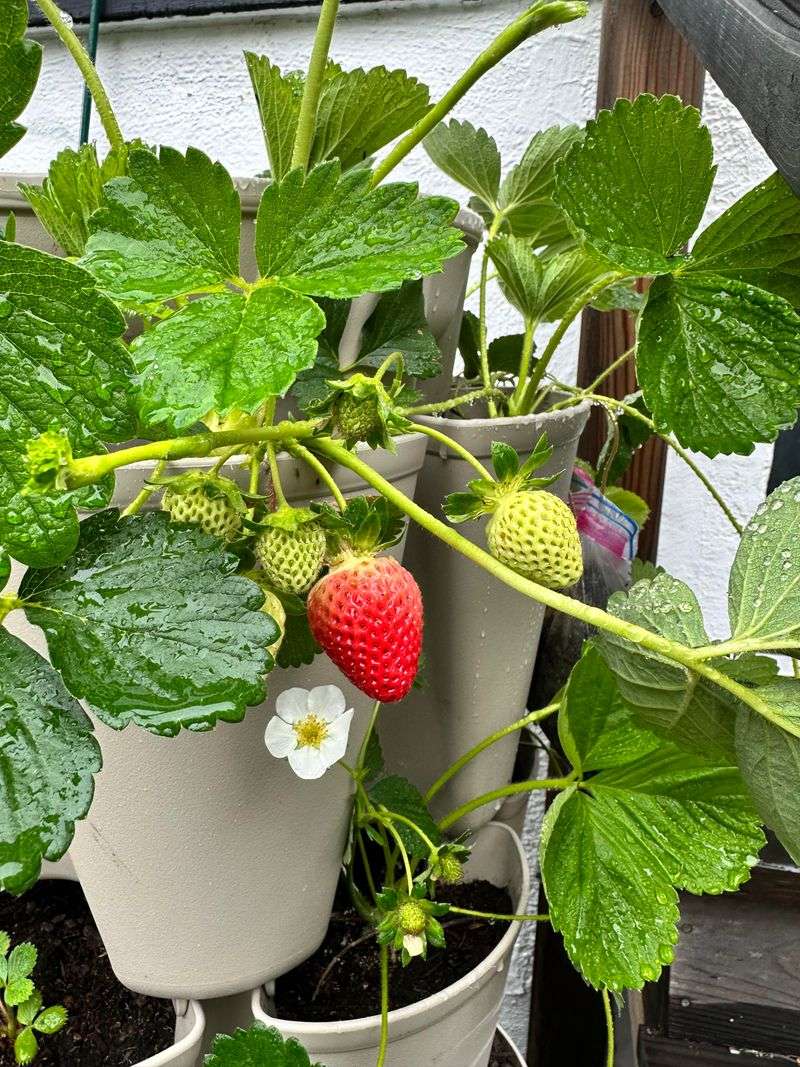
Watering strawberries might seem simple, but there is actually a smart way to do it. Shallow, frequent watering keeps moisture near the surface and encourages roots to stay shallow too.
Deep, less frequent watering pushes roots to grow down into the soil where they can find more water and nutrients on their own. Deeper roots mean stronger, more productive plants overall.
In California, where hot and dry spells are common, deep watering is especially important. Aim to water your strawberries about one inch per week.
During heat waves or in the hot inland areas of California, you may need to water a bit more often. Always check the soil before watering by sticking your finger about an inch into the ground.
If it feels dry, it is time to water.
Drip irrigation is one of the best tools for strawberry growers in California. It delivers water directly to the root zone and keeps the leaves dry, which helps prevent fungal diseases.
Overhead watering from sprinklers can leave leaves wet for too long and lead to mold or mildew problems. Setting up a simple drip system is an investment that pays off in healthier plants and a much better harvest.
6. Mulch For Bigger Berries
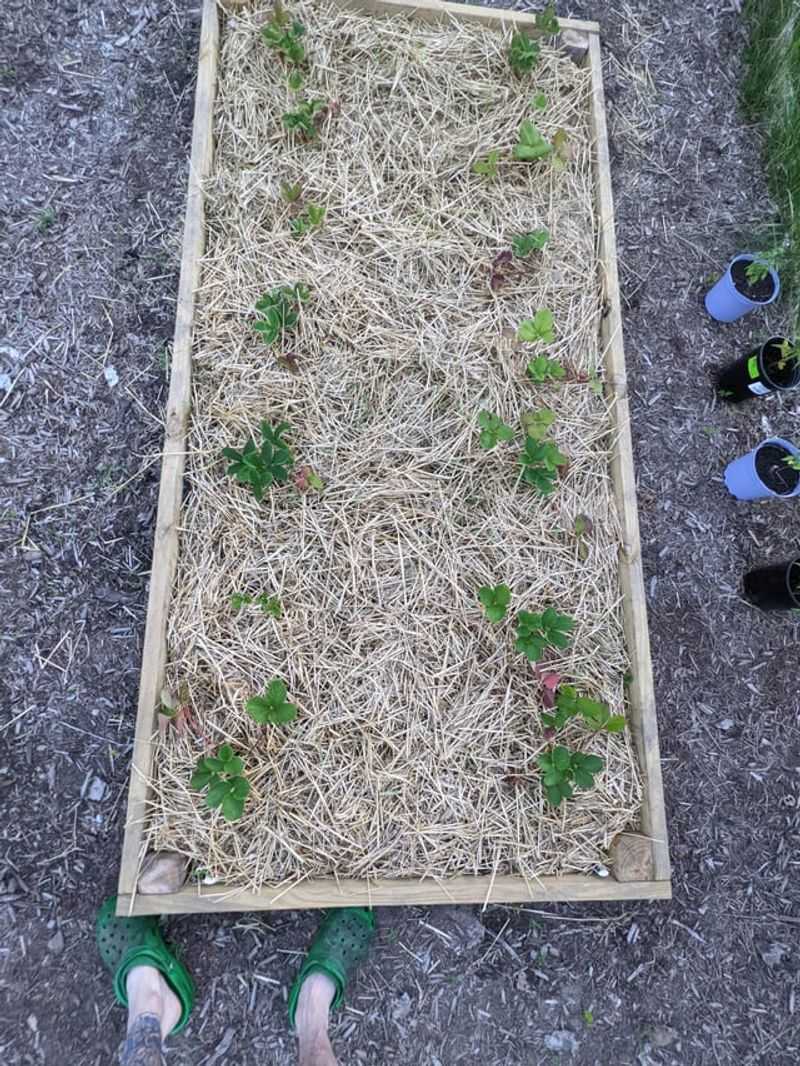
There is a reason the word “straw” is in “strawberry.” For centuries, gardeners have used straw mulch around strawberry plants to protect the fruit from sitting directly on wet soil. Mulching is one of those old-school tricks that still works incredibly well today.
It is simple, affordable, and makes a noticeable difference in berry size and quality.
Spreading a two to three inch layer of straw, wood chips, or shredded leaves around your plants does several helpful things at once. It keeps moisture in the soil, which means you water less often.
It also regulates soil temperature, which is a big help during California’s unpredictable spring and summer weather. And it keeps weeds from taking over your strawberry bed.
Mulch also keeps the berries clean and off the ground. Berries that rest on bare soil are more likely to rot or get eaten by pests.
When they sit on a soft layer of straw, they stay cleaner and develop more evenly. In California’s warmer inland regions, mulch helps prevent the soil from overheating during summer.
Refreshing your mulch layer mid-season keeps all these benefits working strong through harvest time.
7. Remove Early Runners
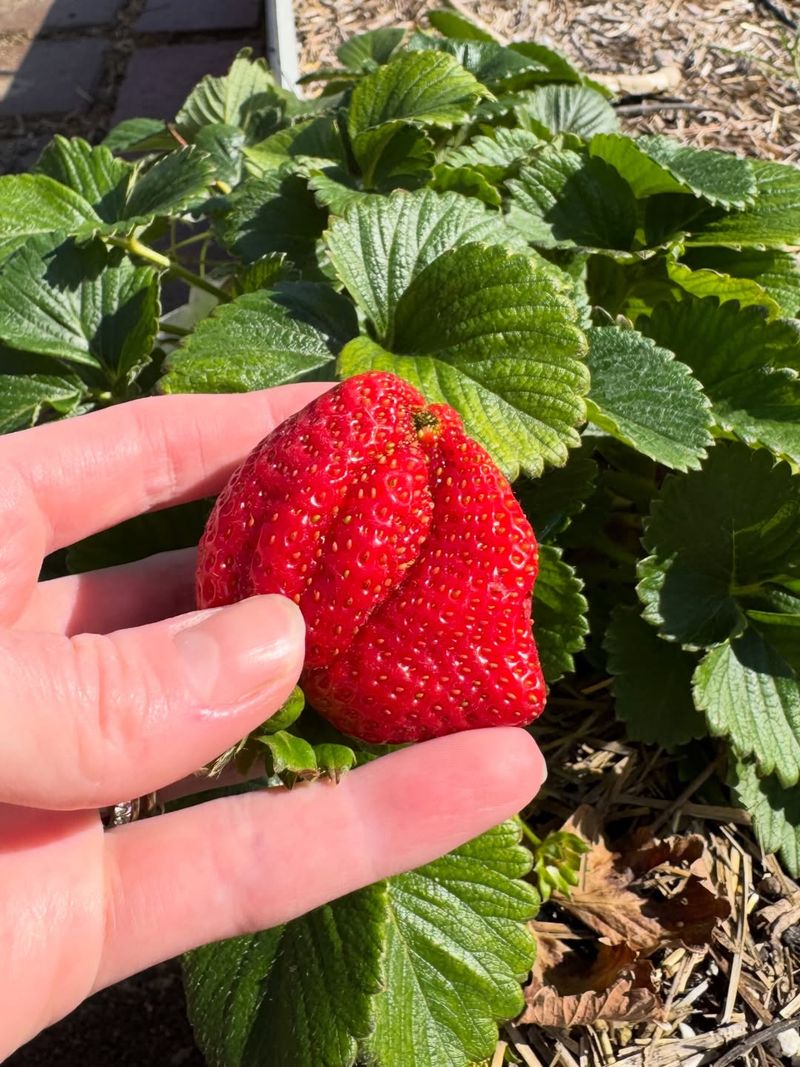
Strawberry plants are generous in a funny way. They send out long stems called runners that try to root themselves and create new plants nearby.
While that sounds helpful, it actually takes a lot of energy away from the main plant. All that energy going into runners means less energy going into making big, juicy fruit.
Cutting runners early is one of the easiest ways to boost your berry harvest.
During the first year especially, removing every runner you see is a smart move. Your plant is still getting established and needs all its energy focused on root development and fruit production.
In the second year, you can keep a few runners if you want to expand your patch, but still remove most of them to protect fruit quality. Use clean scissors or garden shears to snip runners off close to the base of the main plant.
Many California gardeners are surprised by how much bigger their berries get once they start removing runners consistently. It is one of those small habits that delivers a noticeably big reward.
Check your plants every week or so during the growing season and snip any new runners before they get a chance to take root. Your strawberry plants will thank you with a much more impressive harvest.
8. Protect From Heat Stress
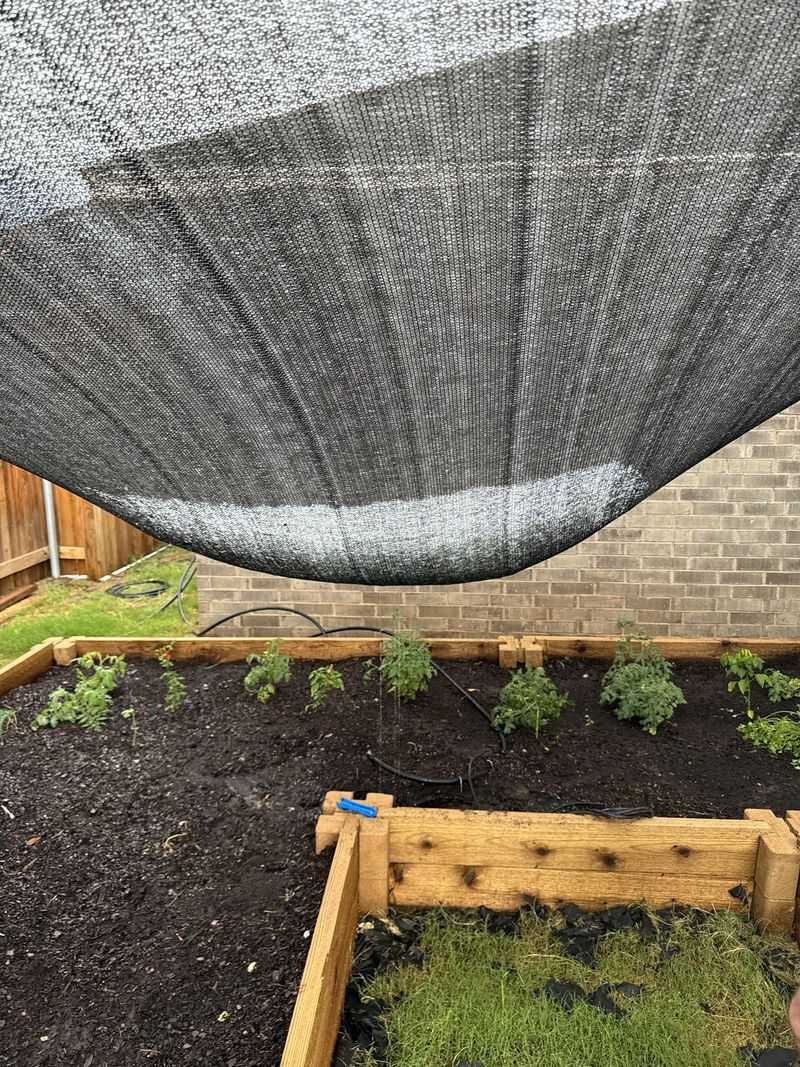
California sunshine is wonderful, but sometimes there can be too much of a good thing. During heat waves, strawberry plants can suffer from heat stress, which causes the flowers to drop before they turn into fruit and makes the berries small and dry.
Protecting your plants during the hottest days of the year is key to keeping your harvest on track.
Shade cloth is a simple and effective solution. A thirty to forty percent shade cloth draped over your plants during peak afternoon hours can reduce soil and leaf temperature significantly.
You do not need to use it every day, just during heat waves or when temperatures climb above ninety degrees Fahrenheit. In California’s hot interior valleys like the Central Valley or Inland Empire, this tip is especially useful from June through August.
Watering in the early morning also helps a lot. Cool water reaches the roots before the sun heats up the soil, giving plants a buffer against the afternoon heat.
Mulching, as mentioned earlier, adds another layer of protection by keeping the soil cooler. Combining these strategies gives your strawberry plants the best chance of producing beautiful, full-sized berries even when California decides to turn up the temperature for a few weeks.
9. Harvest Often for More Fruit
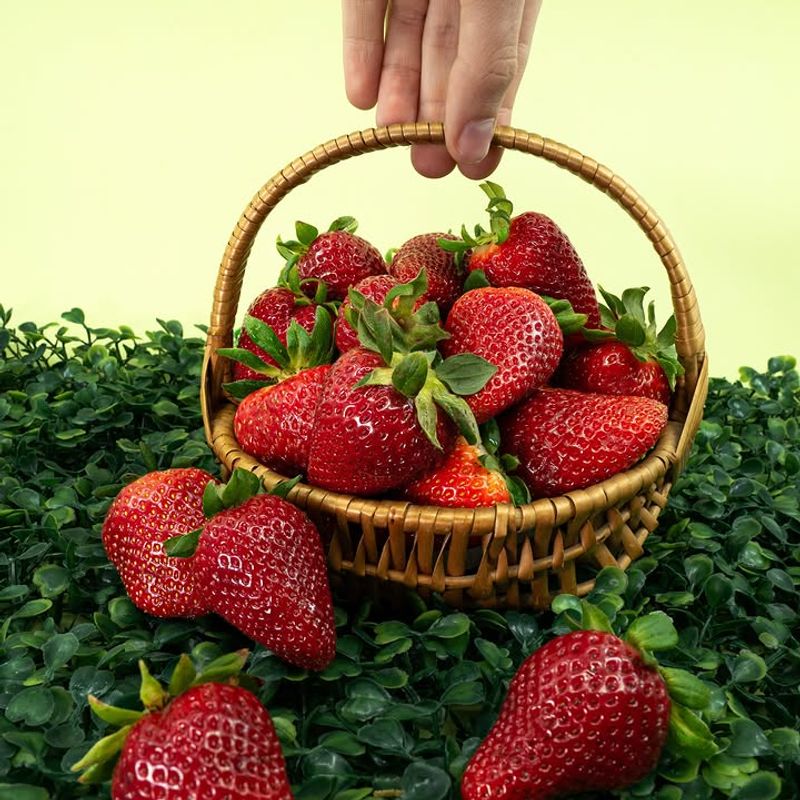
Here is a fact that surprises a lot of first-time strawberry growers: the more you pick, the more your plant produces. Leaving ripe berries on the plant too long actually signals the plant to slow down and stop making new fruit.
Regular harvesting keeps the plant in production mode and encourages it to keep pumping out more and more berries throughout the season.
Check your plants every two to three days during peak season. In California, that peak window can stretch from late spring all the way through fall if you are growing day-neutral varieties.
Pick berries when they are fully red all the way to the tip. A berry that is still white or pale near the stem is not quite ready and will taste tart instead of sweet.
Gently twist and pull to remove the berry without damaging the stem.
Fresh-picked strawberries from your own California garden taste nothing like the ones from a grocery store. The flavor is brighter, sweeter, and more fragrant.
Eat them the same day if you can, or store them in the fridge for up to three days. The reward of a full basket of homegrown berries makes all the watering, mulching, and runner-trimming completely worth it.