Here’s Why California Gardeners Are Turning To Native Wildflowers
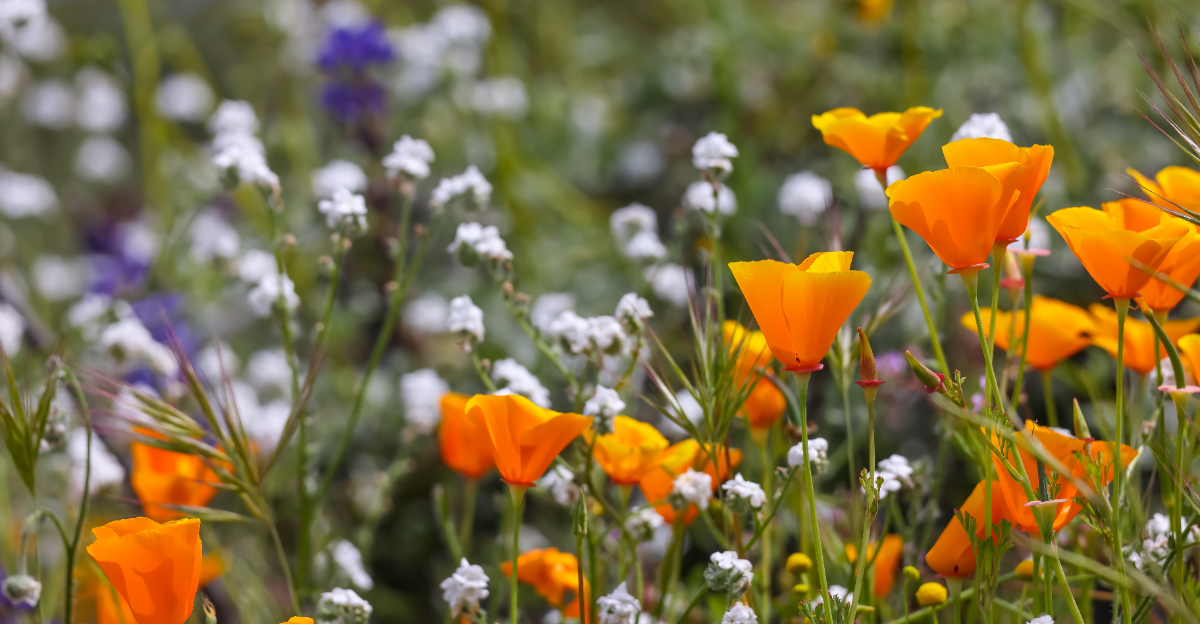
California gardeners are making a big shift, and it’s easy to see why. Lawns are shrinking, bright blooms are taking over, and more gardeners are swapping thirsty ornamentals for vibrant native wildflowers.
These natural beauties are not just pretty faces. They are tough, adaptable, and perfectly tuned to California’s unique climate.
Native wildflowers thrive with less water, fewer inputs, and far less fuss once established. Even better, they support local pollinators, birds, and beneficial insects that depend on them for food and habitat.
A patch of natives can turn a quiet yard into a lively, buzzing space filled with color and motion through the seasons.
Gardeners are also falling in love with the effortless, slightly wild look native flowers bring. Meadows of poppies, lupines, and tidy tips create a relaxed, natural feel while helping conserve resources.
Plant them once, and you will see why so many California gardeners are happily making the switch.
Built For California’s Climate
California’s climate is one of a kind. Hot, dry summers followed by mild, wet winters create conditions that most garden plants struggle with.
But native wildflowers? They were literally born for it.
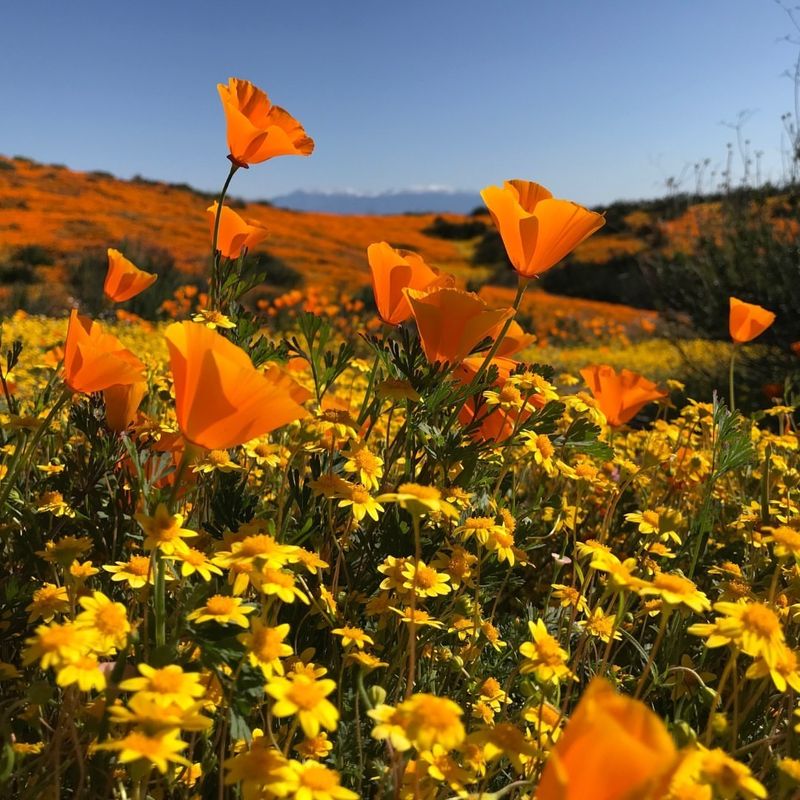
Plants like the California poppy, blue-eyed grass, and clarkia have spent thousands of years adapting to exactly these conditions. They know when to grow, when to bloom, and when to rest.
You don’t have to fight the weather when your plants are already built for it. Gardeners in places like Sacramento, San Diego, and the Bay Area are realizing that working with California’s climate is so much easier than working against it.
Native wildflowers follow the natural rhythm of the seasons without any extra help from you.
That means fewer headaches, fewer failed plants, and a garden that actually looks great year after year. When you choose plants that belong here, everything just clicks into place. It’s one of those gardening decisions you’ll wonder why you didn’t make sooner.
Need Less Water
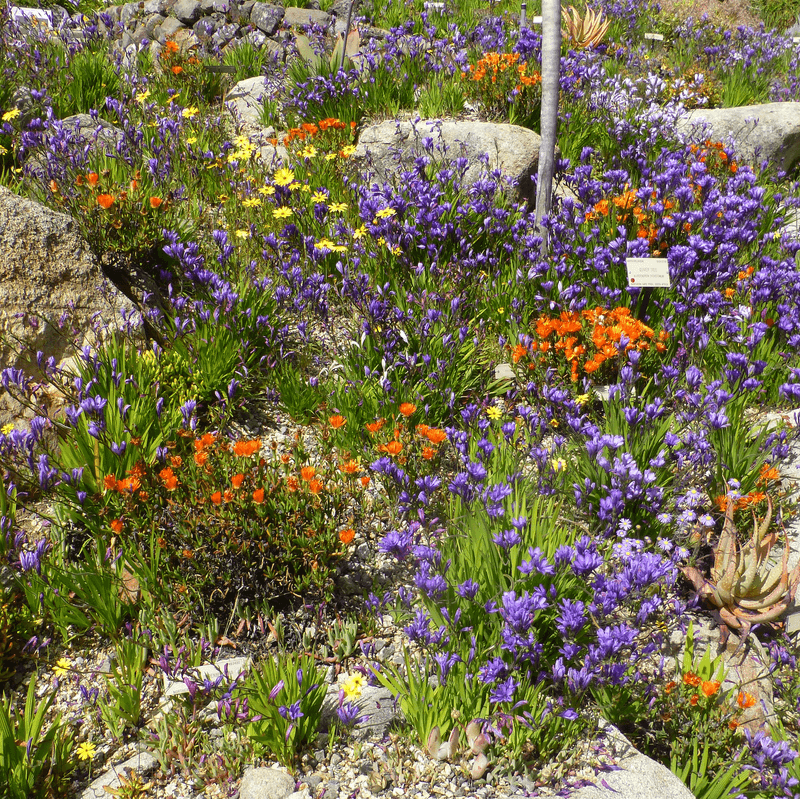
Water is a big deal in California. Droughts are common, water bills can be steep, and conservation is something every homeowner thinks about.
Switching to native wildflowers is one of the smartest water-saving moves a gardener can make.
Once established, most native California wildflowers need very little irrigation. Many of them survive on rainfall alone after their first season.
That’s a huge deal in a state where water restrictions pop up regularly.
Think about plants like yarrow, penstemon, and farewell-to-spring. These beauties can handle long dry spells without missing a beat.
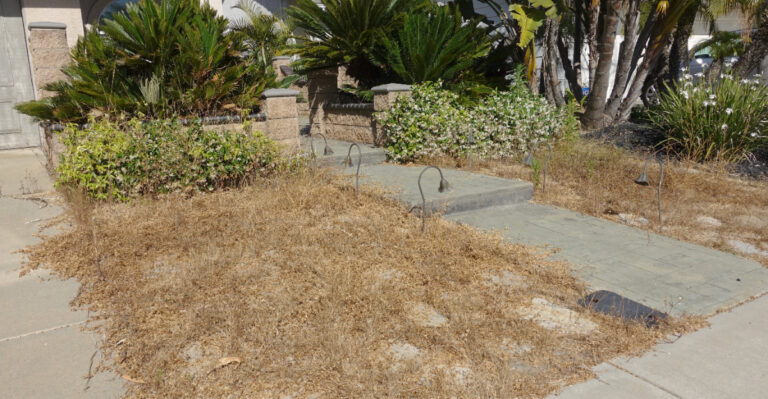
Compare that to a traditional lawn, which can gulp up to 50 gallons of water per square foot each year.
Homeowners in Southern California especially are making the switch because the savings are real and noticeable. Less water used means lower bills and a lighter footprint on the environment.
Plus, you spend less time dragging hoses around the yard. Native wildflowers let you enjoy a gorgeous garden without the constant worry of keeping everything alive through another dry California summer.
Your California Garden Changes Every Week. Your Plan Should Too.
Gardening in California changes quickly throughout the season. Every Friday you’ll receive a simple weekly plan showing exactly what to plant, prune, fertilize, harvest, and protect so you never miss the right timing.
Support Native Pollinators
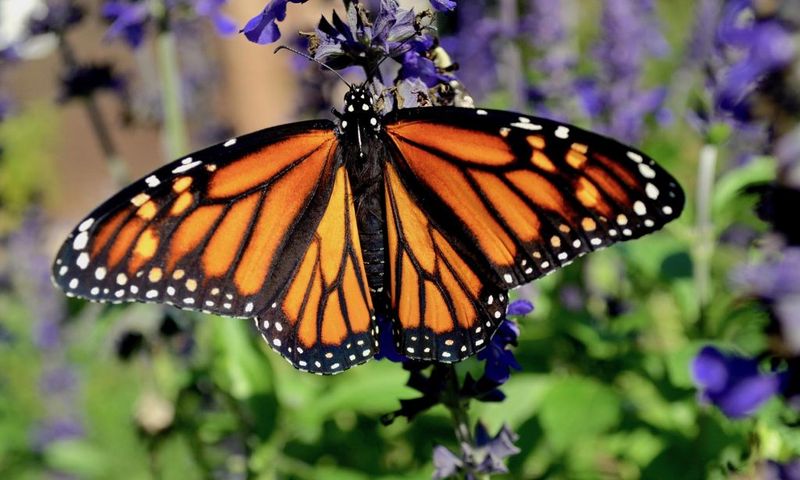
Bees, butterflies, and hummingbirds are in trouble across much of the United States, and California is no exception.
Habitat loss and the spread of non-native plants have made it harder for these creatures to find the food they need. Native wildflowers can change that right in your own backyard.
Native pollinators evolved alongside native plants. That means a California native bee is perfectly designed to collect pollen from a clarkia or a globe gilia.
The relationship goes both ways. The flowers get pollinated, and the bees get fed.
When you plant a patch of phacelia, milkweed, or owl’s clover in your California garden, you’re essentially setting up a buffet for local wildlife. Monarch butterflies, native bumblebees, and Anna’s hummingbirds will all come to visit.
Watching pollinators move through a garden full of native wildflowers is genuinely exciting. Kids love it, neighbors notice it, and the local ecosystem gets a real boost.
You don’t need a huge yard to make a difference. Even a small garden bed filled with native blooms can become a valuable habitat for the creatures that keep California’s natural world running.
Thrive In Poor Soils
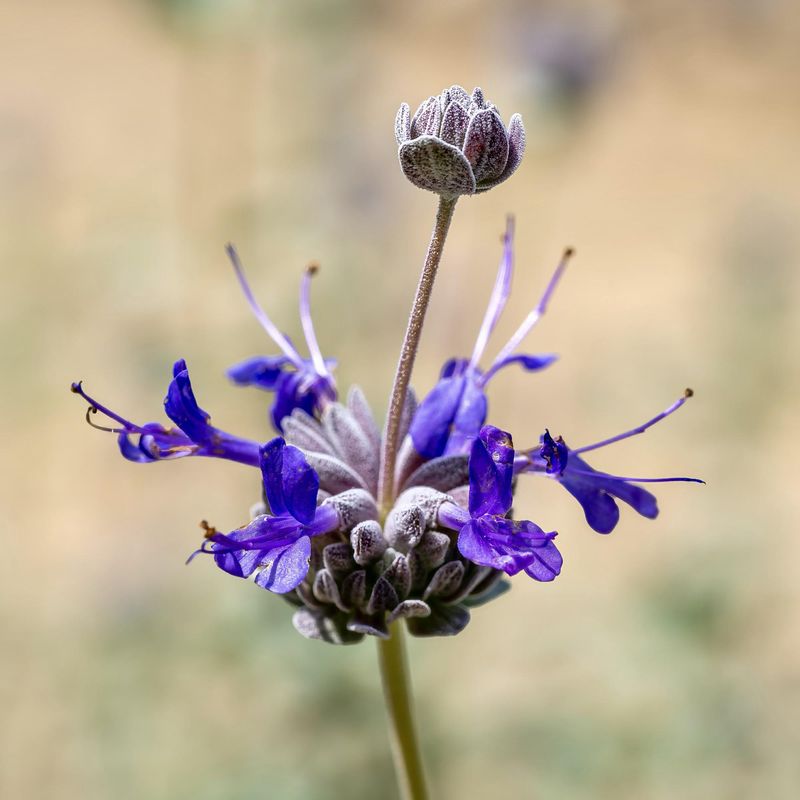
Most gardeners spend a lot of time and money trying to improve their soil. Bags of compost, fertilizers, soil amendments.
It adds up fast. But here’s something refreshing: many native California wildflowers actually prefer poor, low-nutrient soil.
Plants like tidytips, goldfields, and baby blue eyes naturally grow in rocky hillsides and sandy flats across California. Rich, heavily amended soil can actually make them grow too leafy and produce fewer flowers.
Less is genuinely more with these plants.
That’s great news if your yard has tough, compacted, or sandy soil that other plants refuse to grow in. Instead of fighting your soil, you can plant natives that are perfectly happy with exactly what you’ve got.
Gardeners in areas with clay-heavy soil or gravelly slopes throughout Northern and Southern California have found that native wildflowers fill those difficult spots beautifully.
You save money on soil products, skip the heavy labor, and end up with a garden that flourishes on its own terms.
It’s a completely different mindset from traditional gardening, and once you try it, going back to high-maintenance planting feels like a lot of unnecessary work.
Bloom Through Drought
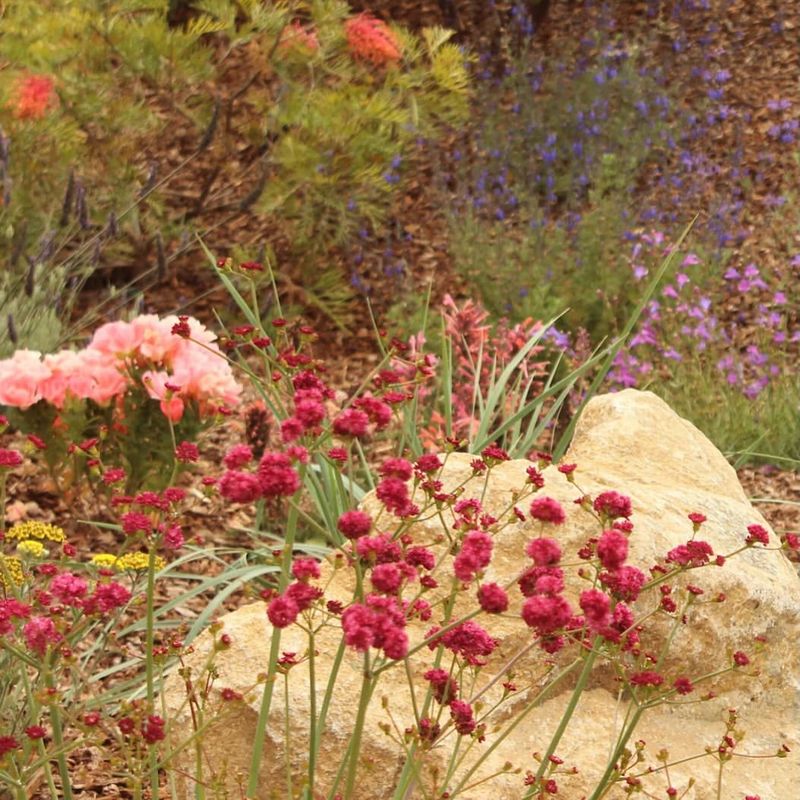
Drought years in California can be brutal. Wells run low, reservoirs shrink, and gardens that depend on regular watering start to look sad by midsummer.
Native wildflowers tell a completely different story.
Many California natives are adapted to push through dry spells and still produce stunning blooms. The California poppy is a perfect example.
It can bloom brilliantly even when rainfall has been scarce. It stores energy efficiently and times its growth to make the most of whatever moisture is available.
Lupine, owl’s clover, and clarkia work the same way. They’ve evolved to bloom fast and hard when conditions are right, then go dormant during the driest months without any fuss.
That survival strategy has been built into their DNA over thousands of years in California’s unpredictable climate.
For gardeners tired of watching expensive plants wither during a dry stretch, this is a game changer. You get reliable color and beauty even in tough years.
Neighbors will be asking what your secret is while their traditional gardens look stressed and worn. The answer is simple: plant what already belongs in California, and let nature do the rest.
Low Maintenance Beauty
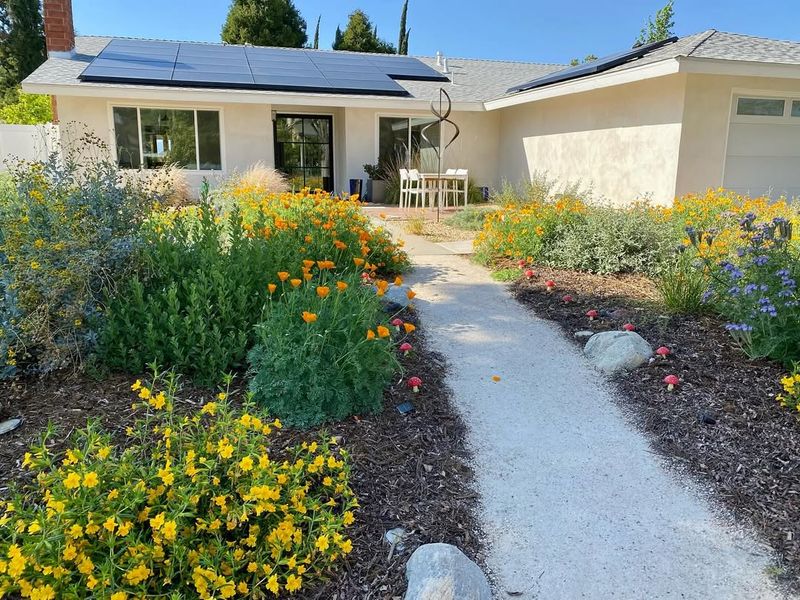
Gardening is supposed to be enjoyable, not exhausting. If your weekends are disappearing into endless weeding, watering, and fertilizing, it might be time to rethink your plant choices.
Native California wildflowers bring beauty without all that work.
Once they’re established, most native wildflowers need very little attention. No regular fertilizing, no complicated pruning schedules, and minimal pest problems.
Because they evolved here, California’s insects and wildlife tend to leave them alone rather than attack them the way they would exotic plants.
Penstemon, yarrow, and California fuchsia are great examples of native plants that look gorgeous all season with almost zero effort. You plant them, water them through their first summer, and then mostly just enjoy the show.
That kind of low-maintenance beauty is exactly what busy homeowners across California are looking for right now. Whether you live in a suburban neighborhood in the Inland Empire or a hillside home in Marin County, native wildflowers fit into a real-life schedule.
You get a yard that looks intentional, colorful, and alive without spending every free hour maintaining it. That’s the kind of gardening more people are choosing, and it’s hard to argue with the results.
Reseed Naturally
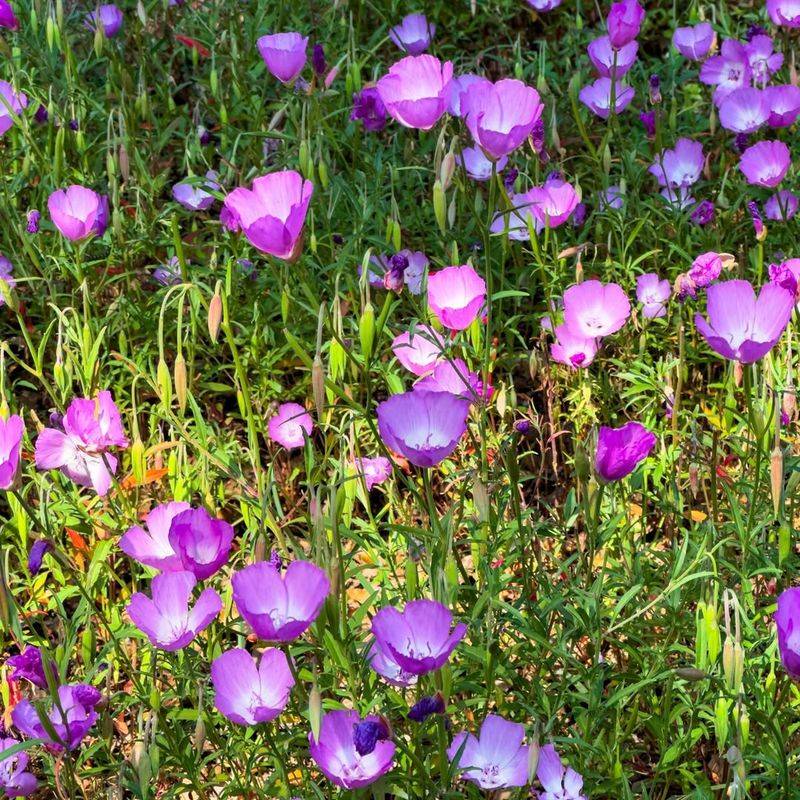
One of the most delightful things about native California wildflowers is that they come back on their own. Many of them reseed naturally, dropping seeds at the end of the season that sprout into new plants the following year.
It’s like getting a free garden refill every spring.
California poppies are famous for this. Plant them once, let them go to seed, and they’ll return year after year without you lifting a finger.
The same goes for clarkia, phacelia, and tidy tips. They’ve been doing this in California’s wild spaces forever.
This self-seeding habit saves money and effort. You don’t have to buy new plants or seeds every season.
Your garden actually gets fuller and more established over time, all on its own.
There’s something deeply satisfying about watching a garden grow and renew itself naturally. It feels less like a project you manage and more like a living, breathing space that takes on a life of its own.
For gardeners in California who want a sustainable, self-sufficient yard, this natural reseeding habit is one of the most practical and rewarding benefits of going native. Your garden becomes a little ecosystem that keeps giving.
Restore Local Ecosystems
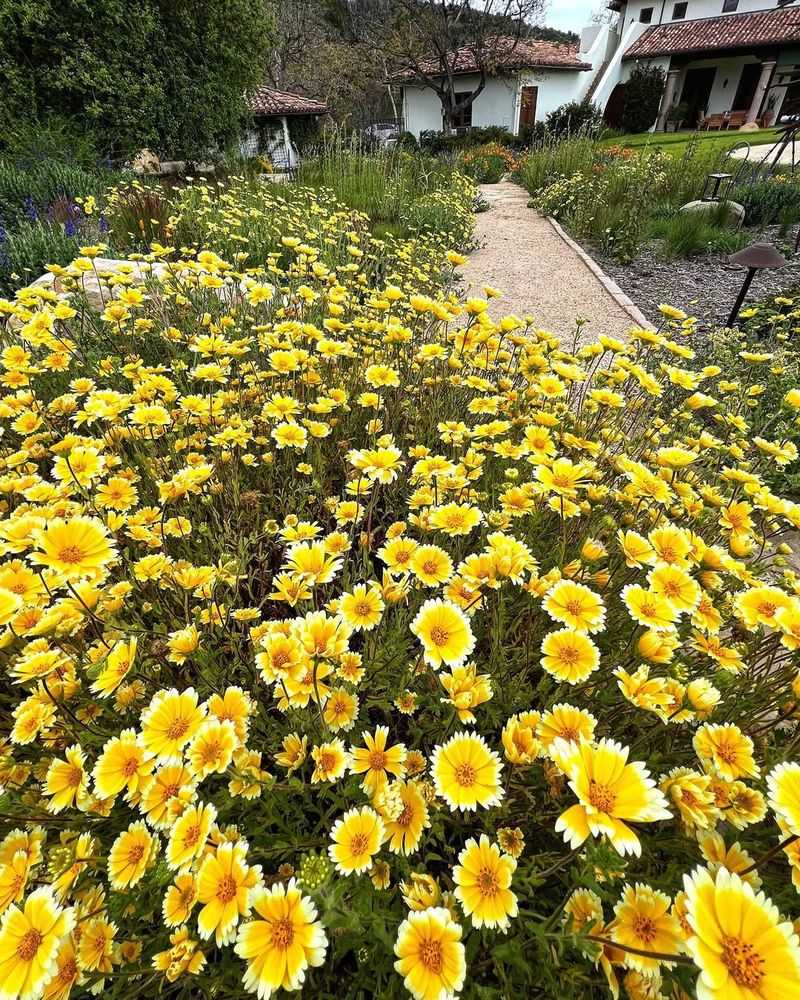
Every yard in California is a tiny piece of a much larger ecosystem. When that yard is filled with non-native plants, it offers very little to the local environment.
But when it’s planted with native wildflowers, it becomes part of something much bigger and more meaningful.
Native plants support the entire food web. They feed native insects, which feed birds, which support larger predators.
Remove native plants from the picture, and the whole system gets weaker. Bring them back, and things start to recover.
California has lost enormous amounts of native habitat over the past century due to development and agriculture. Home gardens filled with native wildflowers like milkweed, clarkia, and native grasses help fill that gap.
Every square foot of native planting counts.
Organizations and conservation groups across California actively encourage homeowners to restore native plants in their yards for exactly this reason. It’s one of the most impactful things an individual gardener can do for the environment without leaving their property.
Your backyard can become a genuine refuge for native bees, birds, and butterflies. That’s not just good gardening.
That’s a real contribution to keeping California’s natural heritage alive and thriving for future generations to enjoy.