The 9 Best Plants To Start In California This March (By Growing Zone)
March is go time for California gardeners. Winter is fading, the soil is warming, and seed packets start calling your name.
But California is a patchwork of growing zones, and what thrives along the cool coast might struggle in inland heat or mountain chill. Timing and plant choice make all the difference right now.
Start the right plants in March and you set the stage for a season packed with color, flavor, and strong growth.
Cool season veggies, fast sprouting flowers, and heat loving stars all have their moment depending on your zone. Pick wisely and your garden gets a powerful head start while others are still waking up.
Grab your gloves, check your zone, and get ready to plant with purpose. A few smart choices this month can lead to fuller beds, earlier harvests, and a garden that hits its stride long before summer arrives.
1. Lettuce (Lactuca sativa)
Cool Coastal Zones (9-10)
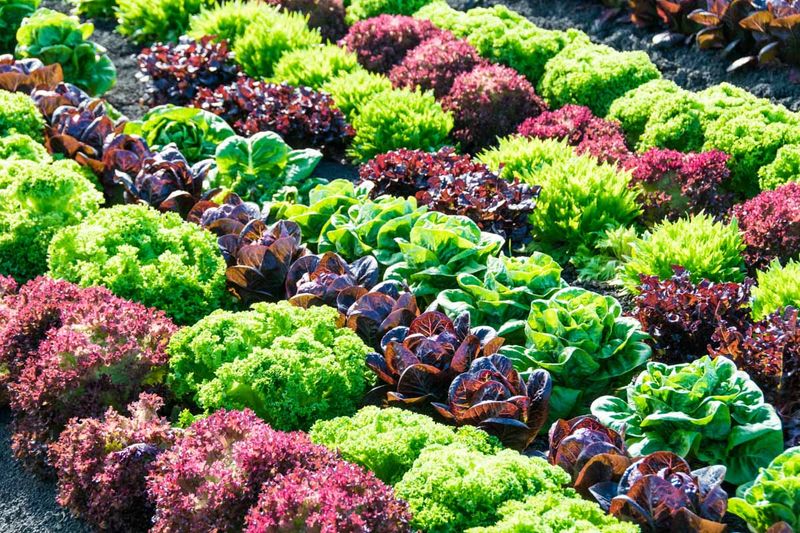
Cool, crisp, and incredibly easy to grow, lettuce is one of the best crops you can start along California’s coast in March. The mild temperatures in Zones 9 and 10 are basically perfect for this leafy green.
It thrives in cooler weather and does not do well when things heat up too fast.
If you live near the coast in places like Santa Cruz, Santa Barbara, or San Diego, you are in luck. The fog and mild breezes keep temperatures steady, which is exactly what lettuce loves.
You can direct sow seeds right into the garden bed or start them in small containers on a patio or balcony.
Lettuce grows fast. Most varieties are ready to harvest in just 45 to 60 days.
You can even do a “cut and come again” method, where you snip the outer leaves and let the plant keep growing. This gives you fresh salad greens for weeks without replanting.
Try varieties like Butterhead, Red Leaf, or Romaine for a colorful and tasty harvest. Water consistently and make sure your soil drains well for the best results.
2. Sweet Peas (Lathyrus odoratus)
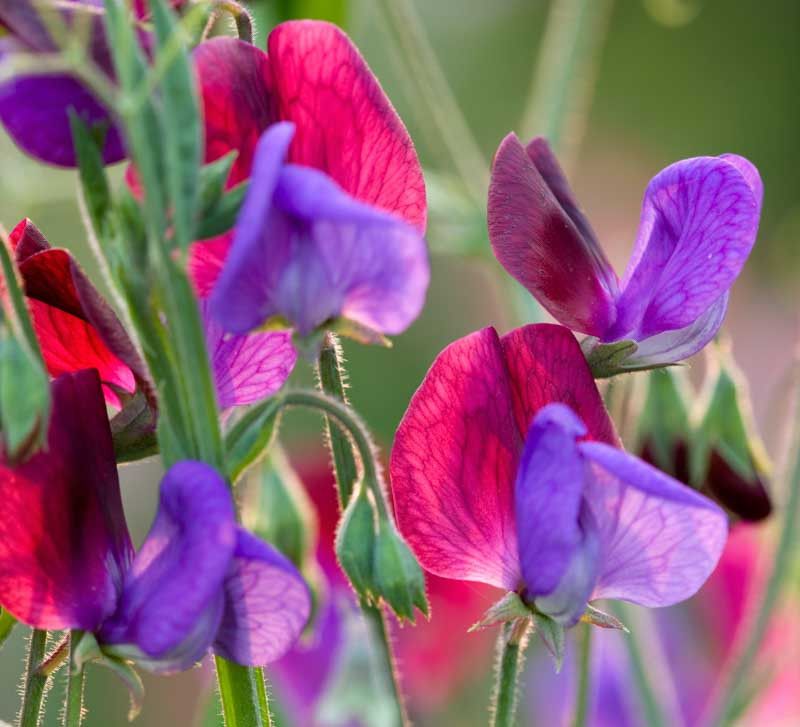
Cool Coastal Zones (9-10)
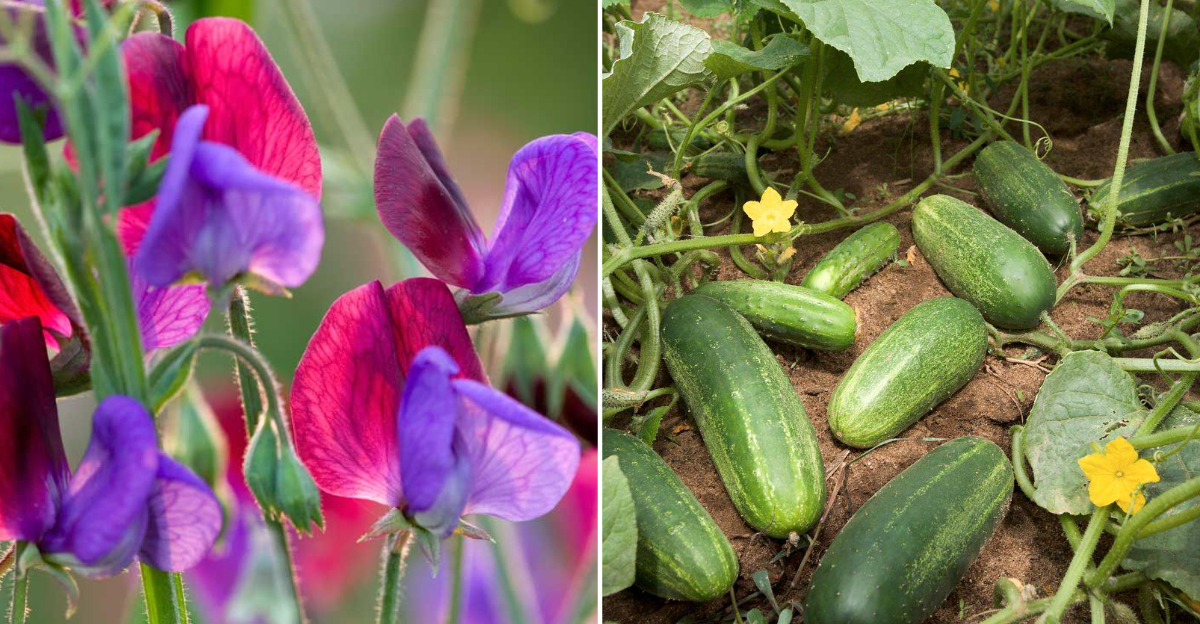
Few flowers say “California spring” quite like sweet peas. These cheerful, climbing blooms fill the air with a fragrance that is hard to forget.
Along the cool California coast in Zones 9 and 10, March is the ideal window to get them in the ground before warmer weather arrives.
Sweet peas prefer cooler soil and cooler air. Coastal cities like Monterey, Half Moon Bay, and Ventura offer just the right conditions for these flowers to flourish.
Soak the seeds overnight before planting to help speed up germination. Then push them about an inch deep into well-amended soil near a fence, trellis, or any vertical support they can climb.
One fun fact: sweet peas have been beloved by gardeners since the 1600s. They were once considered a symbol of good luck and were often given as gifts.
Today, they come in dozens of colors from deep burgundy to soft lavender. Deadhead the spent blooms regularly to encourage more flowers throughout the season.
Your California Garden Changes Every Week. Your Plan Should Too.
Gardening in California changes quickly throughout the season. Every Friday you’ll receive a simple weekly plan showing exactly what to plant, prune, fertilize, harvest, and protect so you never miss the right timing.
With just a little care, sweet peas will reward you with weeks of gorgeous color and sweet fragrance right in your own backyard.
3. Calendula (Calendula officinalis)
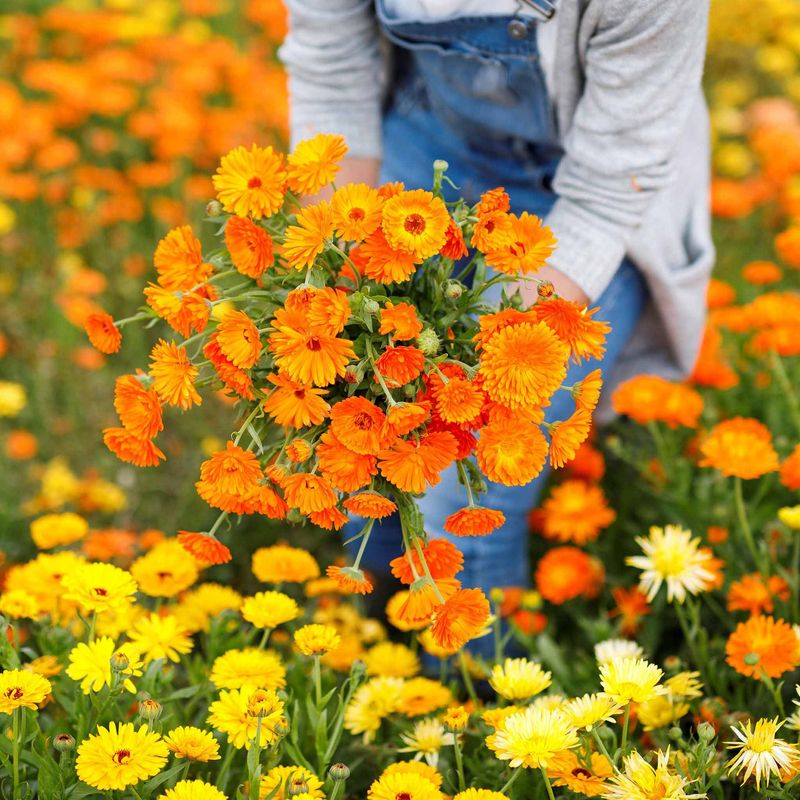
Cool Coastal Zones (9-10)
Calendula is one of those plants that just makes a garden feel alive. Its bold orange and yellow blooms are cheerful, long-lasting, and surprisingly useful.
Along California’s cool coastal zones, March is a great time to direct sow calendula seeds right into your garden beds.
Also called pot marigold, calendula has been used for centuries in herbal remedies and skin care products. It is edible too.
The petals can be tossed into salads or used as a natural food coloring. That is pretty impressive for a flower you can grow in a small raised bed or even a pot on your porch.
Coastal California gardeners in places like Marin County, Pacific Grove, or Carpinteria will find that calendula thrives in their mild, slightly cool climate. It does not need much fuss.
Plant the seeds about a quarter inch deep, keep the soil moist, and watch them sprout in just one to two weeks. Calendula also attracts beneficial insects like bees and ladybugs, which help your whole garden stay healthy.
Pinch off faded flowers to keep new blooms coming strong all the way through late spring.
4. Tomatoes (Solanum lycopersicum)
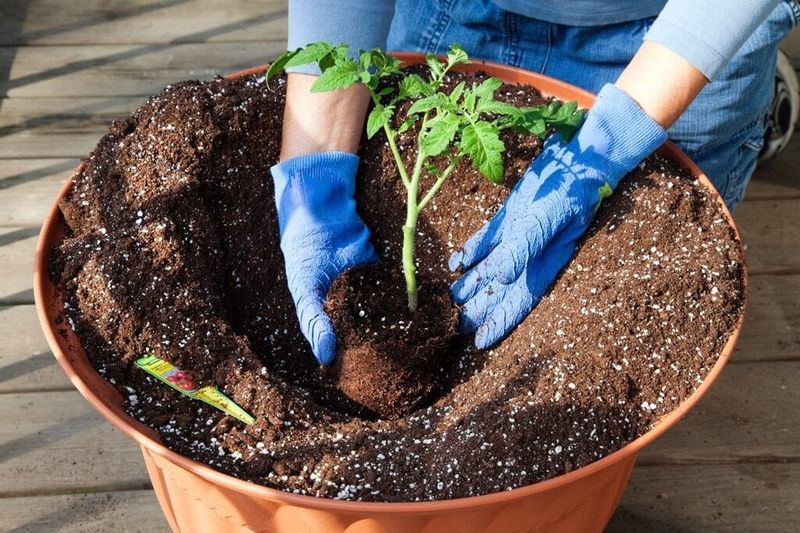
Inland & Valley Zones (9-10 with Hotter Summers)
Starting tomatoes in March is a smart move for inland and valley gardeners in California. In areas like the Central Valley, Sacramento, or the Inland Empire, summers get hot fast.
Getting a head start indoors in March means your plants will be strong and ready to go outside once the weather settles in late April or early May.
Start tomato seeds indoors about six to eight weeks before your last frost date. Use small seed trays or pots filled with a quality seed-starting mix.
Keep them warm, around 70 to 80 degrees Fahrenheit, and make sure they get plenty of light. A sunny south-facing window or a basic grow light setup works great.
California is one of the top tomato-growing states in the country, and it is easy to see why. The long, warm summers in inland zones are perfect for varieties like Early Girl, Celebrity, or Cherokee Purple.
Heirloom tomatoes especially love the heat. Once nighttime temperatures stay above 50 degrees, you can transplant your seedlings outside.
Give them a deep watering, some support stakes, and a good layer of mulch to keep moisture in the soil. A little patience now means a bumper crop later.
5. Zinnias (Zinnia elegans)
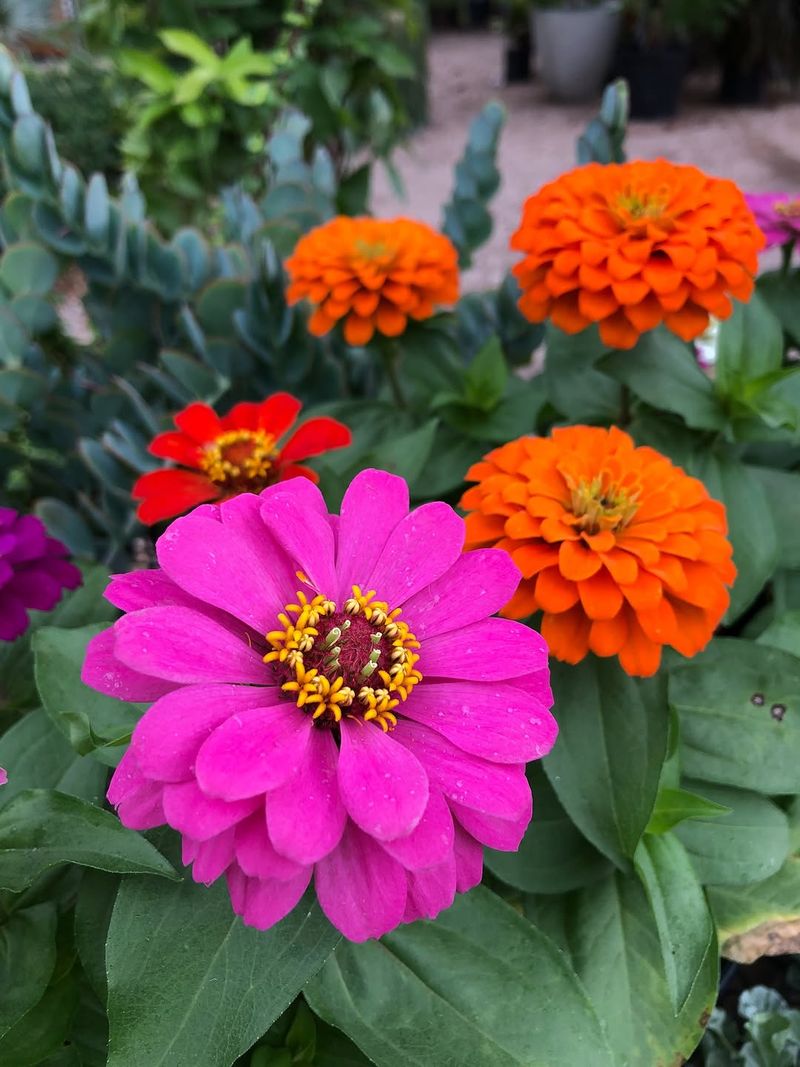
Inland & Valley Zones (9-10 with Hotter Summers)
If you want a flower garden that absolutely pops with color all summer long, zinnias are your answer. These bold, sun-loving blooms are practically made for California’s hot inland valleys.
Starting them in March gives them a strong foundation before the heat really kicks in.
Zinnias are one of the easiest flowers to grow from seed. You can start them indoors in March or wait and direct sow them outside once the soil warms up a bit more.
Either way works well in inland areas like Fresno, Bakersfield, or Riverside. They germinate quickly, sometimes in just a few days, and grow fast once they get going.
One thing that makes zinnias extra special is how much butterflies and hummingbirds love them. Planting a patch of zinnias is like setting up a welcome mat for pollinators.
They come in almost every color imaginable, from creamy white to deep magenta. Taller varieties like Benary’s Giant can reach three feet high and make stunning cut flowers.
Shorter varieties work beautifully as borders or in containers. Water at the base of the plant rather than overhead to avoid powdery mildew, which can sometimes be an issue in warmer inland climates.
6. Basil (Ocimum basilicum)
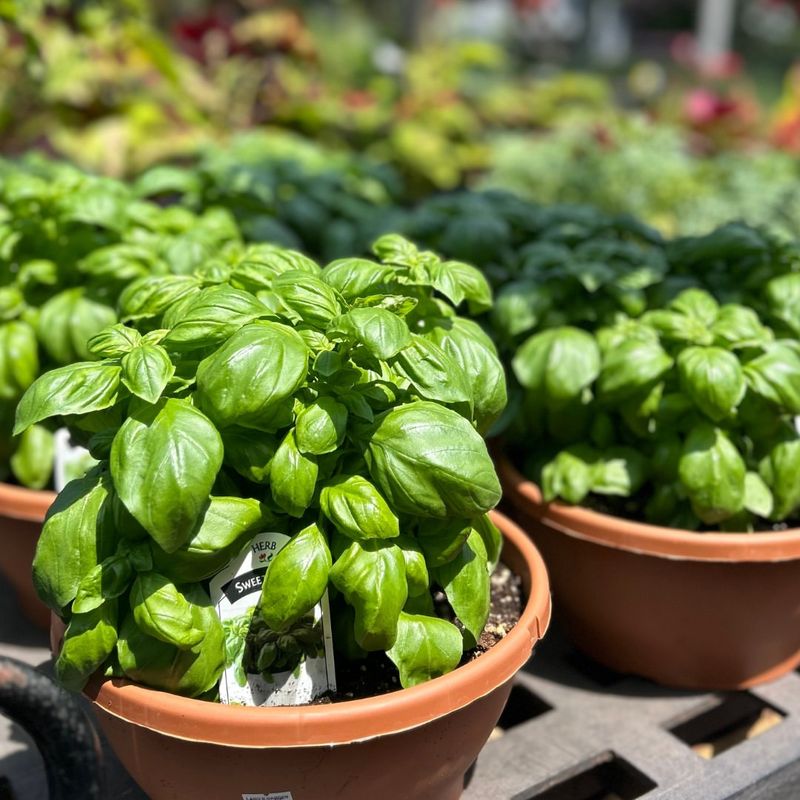
Inland & Valley Zones (9-10 with Hotter Summers)
Walk past a basil plant on a warm afternoon and the smell alone will stop you in your tracks. Basil is one of the most rewarding herbs you can grow in California’s inland and valley zones.
March is a great time to start seeds indoors so your plants are ready to thrive once the warm weather fully arrives.
Basil loves heat. In places like Stockton, Modesto, or the San Fernando Valley, the long warm seasons are ideal.
Start seeds indoors in small containers with good drainage. Keep them in a warm, sunny spot and water them gently.
Thin out the seedlings once they are about two inches tall so the strongest plants have room to grow.
Fresh basil is a kitchen staple in California households. It pairs perfectly with tomatoes, which happen to grow in the same zones.
Some gardeners even plant them side by side in the garden since they are said to complement each other beautifully. Genovese basil is the most common variety for cooking, but Thai basil and lemon basil are also worth trying.
Pinch off any flower buds that appear to keep the leaves flavorful and the plant producing all season long. A little pruning goes a long way with this herb.
7. Peppers (Capsicum annuum)
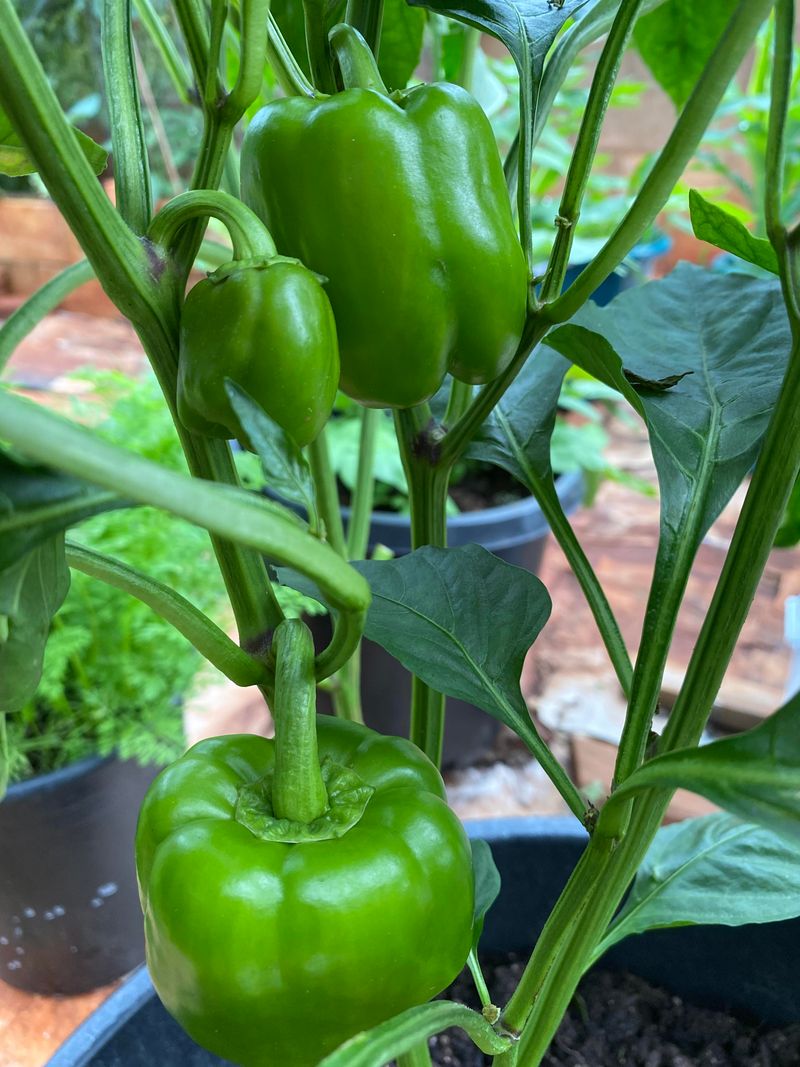
Warmest & Desert Zones (10-11)
Peppers and heat go together like sunshine and California. In the warmest parts of the state, including the Coachella Valley, Yuma border regions, and the low desert areas around Palm Springs, March is actually the sweet spot for getting peppers started.
The soil is warm, the sun is strong, and peppers respond with enthusiasm.
Start pepper seeds indoors about eight to ten weeks before your planned outdoor transplant date. They need warm soil to germinate well, ideally between 75 and 85 degrees Fahrenheit.
A heat mat under your seed trays can make a big difference if your indoor space runs cool. Once seedlings reach about four to six inches tall and nights stay warm, they are ready to go outside.
Desert zone gardeners have a unique advantage with peppers. The intense sun and dry heat help develop rich, concentrated flavor in both sweet and hot varieties.
Bell peppers, jalapeños, Anaheim chiles, and habaneros all do well in these zones. Make sure to water deeply and consistently since desert soil dries out quickly.
Mulching around the base of each plant helps retain moisture and keeps roots from overheating. With proper care, pepper plants in California’s desert zones can produce fruit from late spring all the way into fall.
8. Cucumbers (Cucumis sativus)
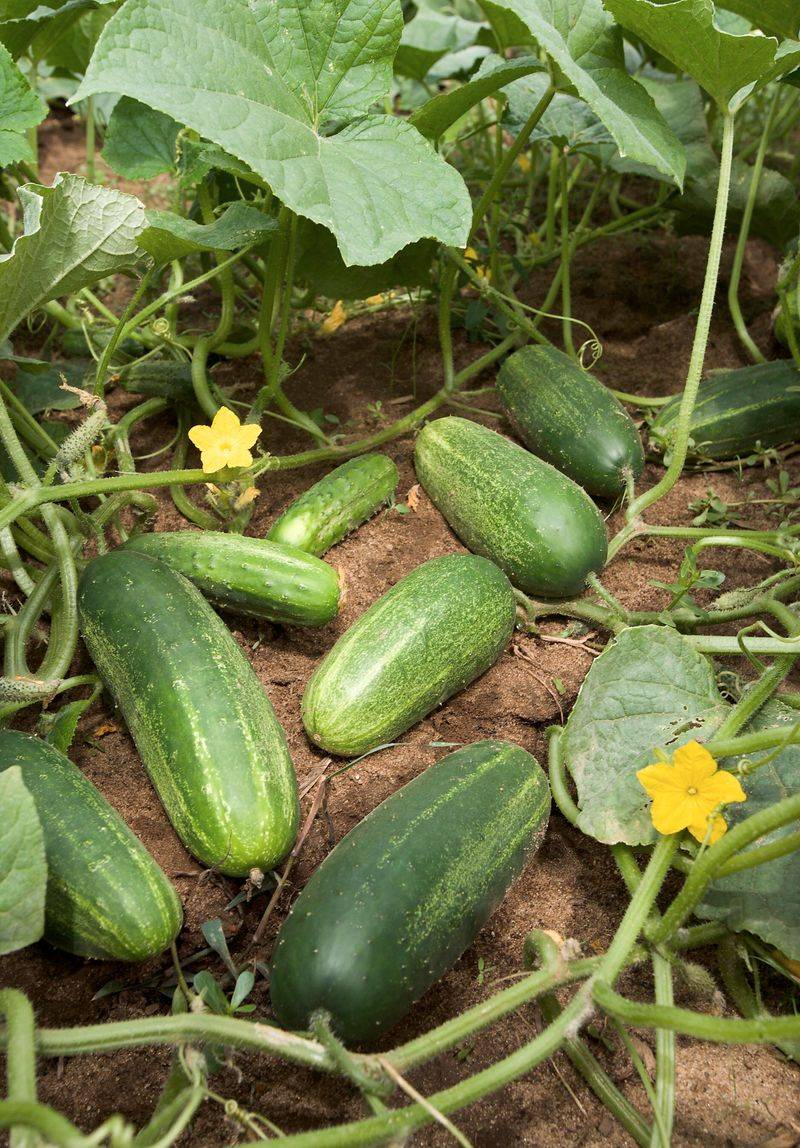
Warmest & Desert Zones (10-11)
Crisp, refreshing, and surprisingly easy to grow in warm climates, cucumbers are a natural fit for California’s hottest growing zones.
In desert areas like the Imperial Valley, Palm Desert, or the low-elevation parts of Riverside County, March is the time to get cucumber seeds in the ground or start them in containers indoors.
Cucumbers grow fast once they get going. They prefer warm soil above 60 degrees Fahrenheit, which is easy to find in Zones 10 and 11 by mid-March.
Plant seeds about an inch deep and give them plenty of space to sprawl or a trellis to climb. Vertical growing is actually a great option in smaller desert gardens because it keeps the fruit off the hot ground and improves air circulation.
Did you know cucumbers are about 96 percent water? That makes them one of the most hydrating vegetables you can grow and eat during hot California summers.
Varieties like Straight Eight, Marketmore, and Persian mini cucumbers all perform well in warm zones. Water deeply and regularly since desert heat can stress plants quickly.
Watch for signs of heat stress like wilting in the afternoon, which is normal, but make sure soil stays consistently moist. Harvest cucumbers young and often to encourage the plant to keep producing all season.
9. Sunflowers (Helianthus annuus)
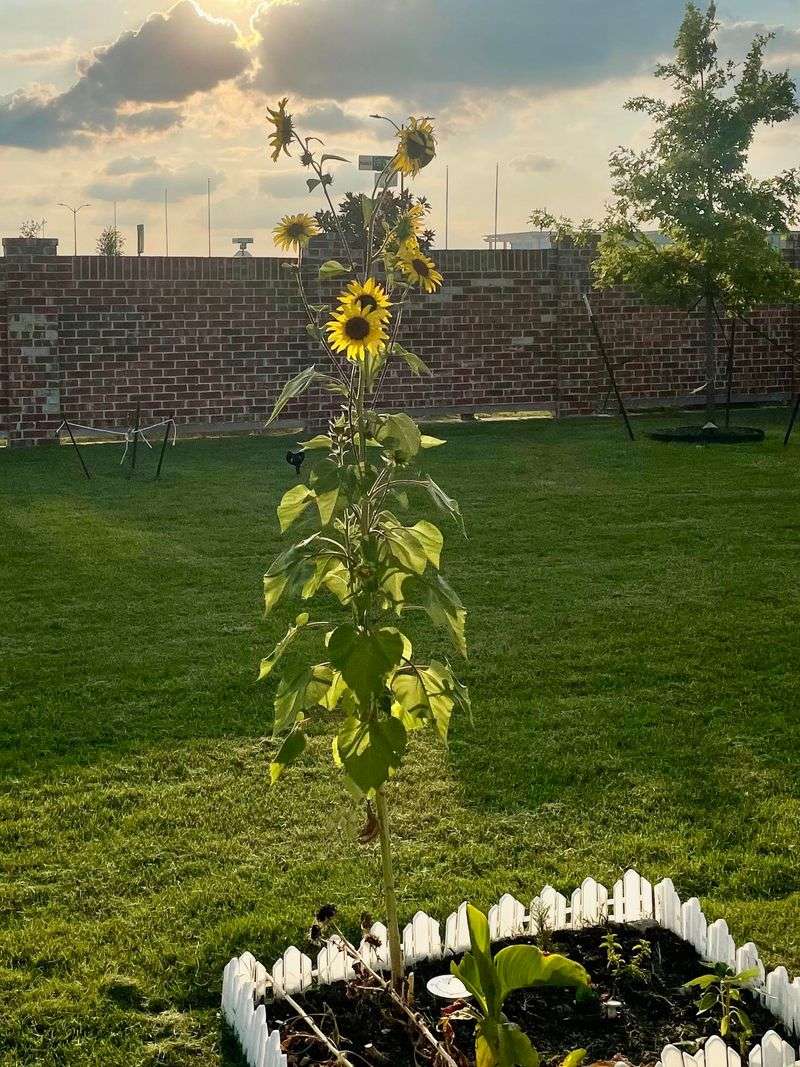
Warmest & Desert Zones (10-11)
There is something undeniably joyful about a sunflower. Tall, golden, and always facing the sun, they feel like summer itself.
In California’s warmest and desert zones, March is an excellent time to direct sow sunflower seeds straight into the ground. The warming soil and increasing daylight hours give seeds exactly what they need to sprout quickly.
Sunflowers are incredibly low maintenance. They do not need rich soil and actually prefer well-drained, slightly sandy ground, which is exactly what many desert gardens have naturally.
Push seeds about an inch deep, water them in well, and step back. Most varieties sprout within seven to ten days.
Thin seedlings once they reach a few inches tall so each plant has enough room to grow tall and strong.
In desert communities like Twentynine Palms, Indio, or El Centro, sunflowers can reach heights of six feet or more by early summer. They are also fantastic for attracting birds.
Goldfinches and house finches absolutely love the seeds once the flower heads mature. Try growing a mix of classic tall varieties alongside shorter, multi-branching types for a layered, dramatic garden display.
Sunflowers also make incredible cut flowers that brighten any room. Few plants deliver as much visual reward with as little effort in California’s sun-soaked desert zones.