How Sustainable Landscape Design In Georgia Stays Polished And Easy To Maintain
Sustainable landscape design in Georgia doesn’t mean letting everything grow wild and hoping for the best. It means choosing plants that actually handle the heat, humidity, and soil here without constant fixing, trimming, or replacing.
If you want a yard that looks polished but doesn’t demand your full weekend every week, the right approach makes all the difference.
Thoughtful plant choices, smart spacing, and simple watering strategies can keep everything structured and healthy without turning maintenance into a chore.
You don’t have to sacrifice a clean, put-together look to go eco-friendly. With the right design, your Georgia landscape can stay sharp, intentional, and surprisingly easy to manage all season long.
1. Choosing Native Plants That Thrive In Georgia’s Heat And Humidity
Walk through any Georgia neighborhood in July and you will quickly notice which yards are struggling. The plants wilting by noon are almost always the ones that have no business growing in the Southeast.
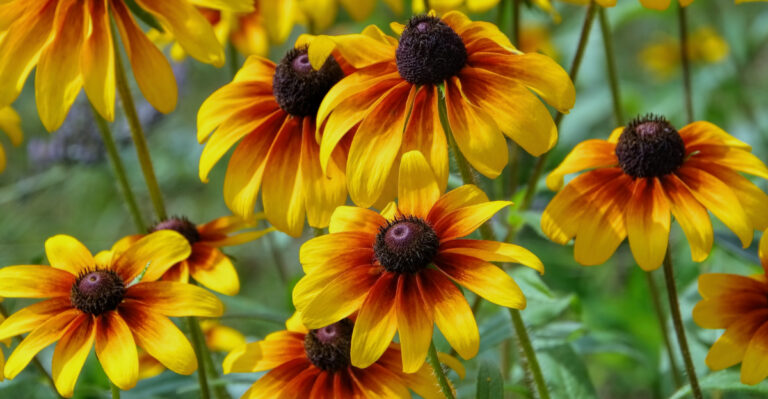
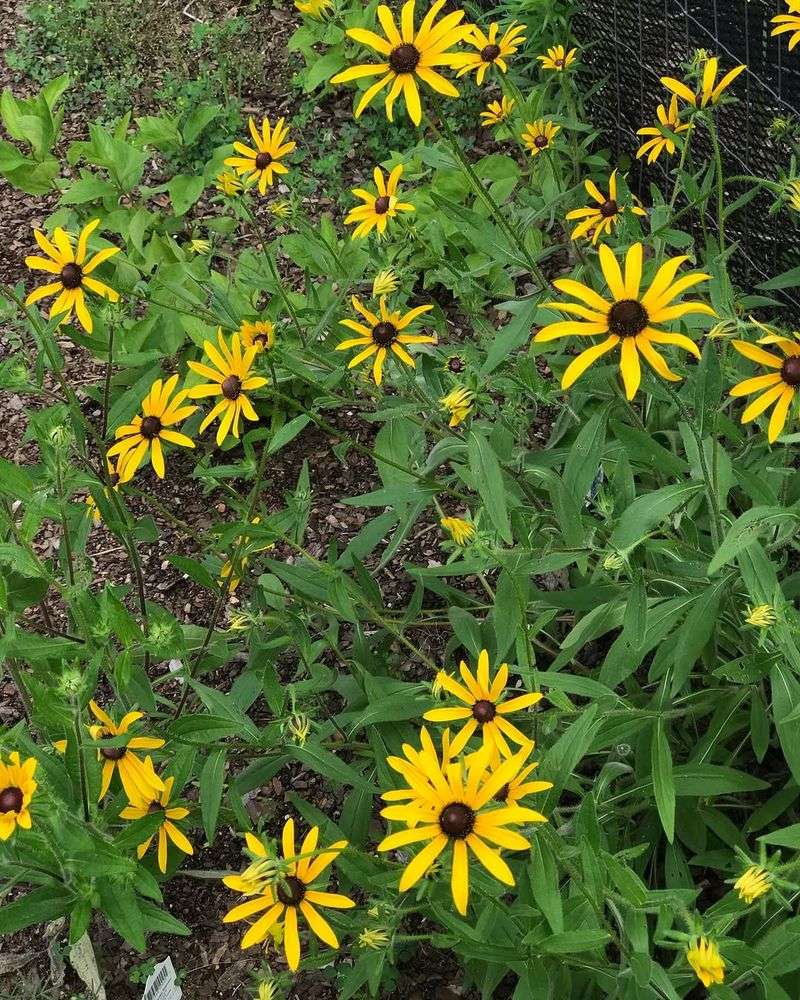
Native plants are built for this climate. Species like black-eyed Susan, Eastern red columbine, and Georgia aster have spent centuries adapting to the heat, humidity, and occasional drought that define summers here.
They do not need extra coaxing to survive a dry August or a wet spring.
Beyond surviving, native plants actually support the local ecosystem. They feed pollinators, attract birds, and build habitat without any extra effort from you.
A yard full of natives in Atlanta or Augusta looks intentional and alive, not like a neglected patch of weeds.
Planting natives also cuts your maintenance load significantly. You spend less time watering, less money on fertilizer, and fewer weekends pulling plants that gave up on your soil.
Native grasses like little bluestem add texture and movement even in winter when everything else looks bare.
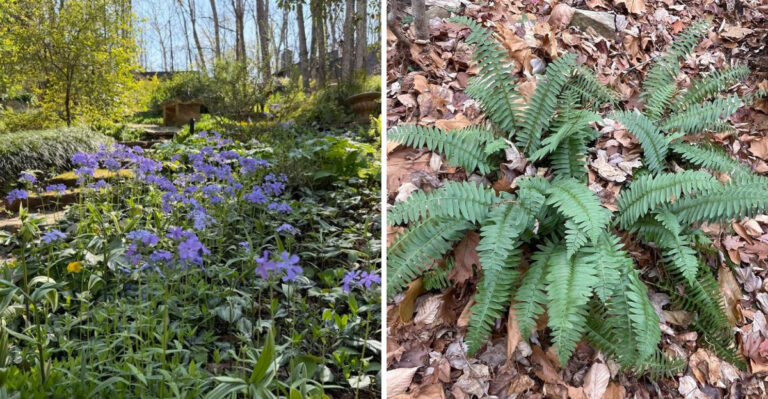
Grouping plants by water needs makes maintenance even simpler. Put your drought-tolerant natives together in the sunniest spots, and save your shadier areas for ferns and coral bells that appreciate a bit more moisture.
Planning it out this way from the start prevents a lot of headaches later. Choosing the right plant for the right spot in Georgia is not complicated, but it does make all the difference in keeping your landscape looking polished with minimal effort.
Once established, many native plants settle in and handle seasonal swings without constant adjustments. Their root systems run deep, helping them stay steady through heat waves and sudden summer storms.
Over time, that resilience turns into a landscape that looks stronger each year instead of more demanding.
2. Improving Clay Soil For Healthier Roots And Less Water Runoff
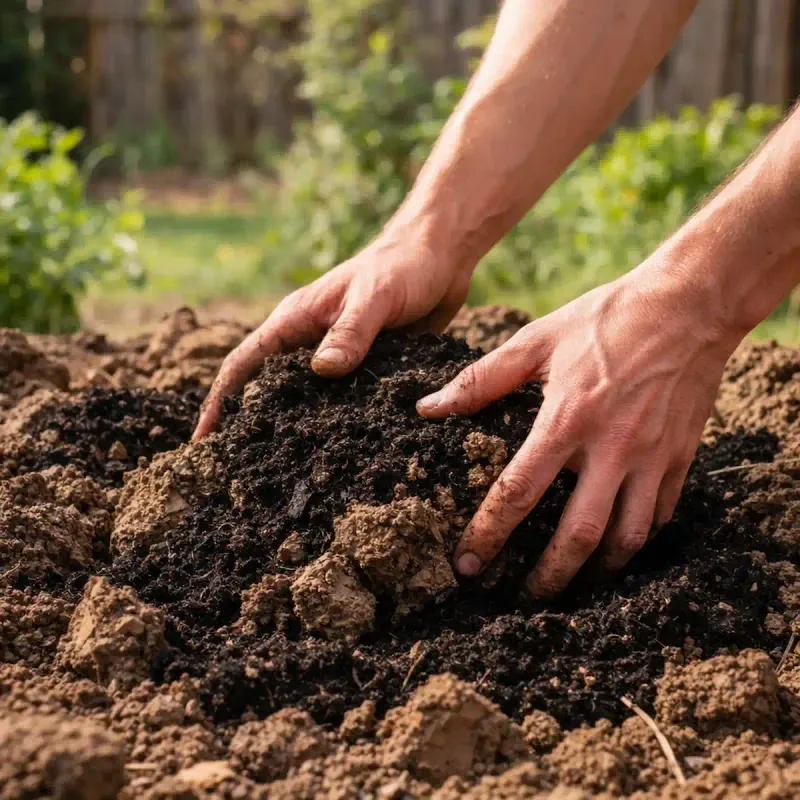
Georgia clay is stubborn. It gets rock-hard in summer and turns into a slippery mess after a heavy rain.
Roots struggle to push through it, water pools on the surface, and nutrients wash away before plants ever get a chance to use them.
Fixing clay soil does not happen overnight, but it is absolutely worth the effort. Start by working in generous amounts of compost.
Real compost, not the thin stuff in tiny bags, but actual aged organic matter mixed into the top several inches of your beds. Over one or two seasons, it changes the texture of the soil noticeably.
Your Georgia Garden Changes Every Week. Your Plan Should Too.
Gardening in Georgia changes quickly throughout the season. Every Friday you’ll receive a simple weekly plan showing exactly what to plant, prune, fertilize, harvest, and protect so you never miss the right timing.
Avoid tilling too aggressively. Overworking clay soil can break down its structure even further, leaving it more compacted than before.
A broadfork works better than a rototiller for loosening without destroying what little soil structure exists.
Cover crops like crimson clover planted in fall help break up compaction naturally. Their roots work down into the clay while adding nitrogen back into the soil.
By spring, you have better drainage and a more hospitable environment for whatever you plant next.
Raised beds are another smart move for Georgia gardeners who want faster results. Filling them with a quality mix of topsoil, compost, and aged bark gives roots a place to grow freely while the native clay below slowly improves.
Healthy soil is the foundation of any sustainable landscape. Without it, even the best plant choices will underperform in Georgia’s challenging growing conditions.
The more you focus on building soil health, the less you will need to compensate with extra fertilizer or constant replanting.
In Georgia, improving clay may take patience, but once the structure begins to change, everything you grow responds with stronger, more consistent growth.
3. Designing With Layered Planting To Reduce Weeds And Bare Spots
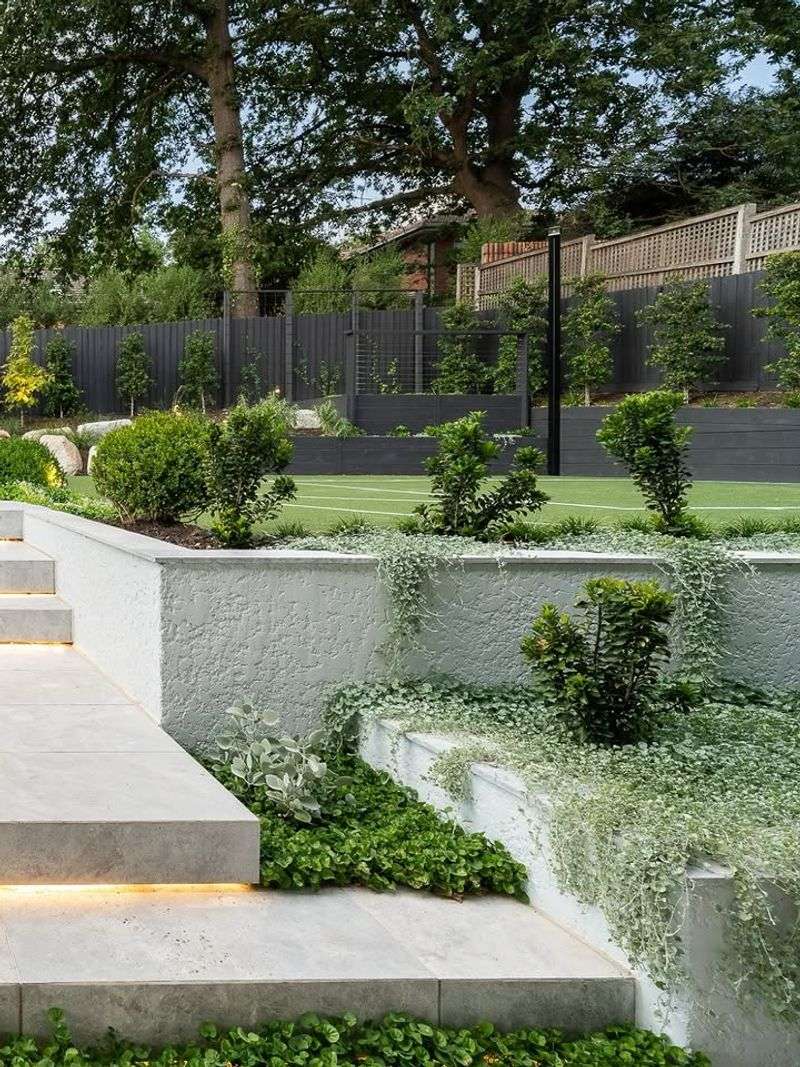
Bare soil is an open invitation for weeds. Leave any patch of ground uncovered in a Georgia yard and something will fill it, usually something you did not plant and do not want.
Layered planting solves that problem by covering the ground intentionally. Start with a canopy layer of small trees or large shrubs, then fill in with mid-height perennials, and finish with low ground covers or spreading plants at the base.
When plants grow at different heights and fill different roles, they naturally crowd out weeds by blocking light and competing for space.
In Georgia, this approach works especially well because the growing season is long. You get multiple layers actively growing for most of the year.
Combine something like oakleaf hydrangea in the back, coneflowers in the middle, and creeping phlox at the base, and you have coverage from early spring through late fall.
Spacing matters too. Resist the urge to plant everything too far apart just because it looks sparse at first.
Plants that are properly spaced will spread and fill in within a season or two, and a full, dense planting is far easier to manage than a sparse one with weeds filling the gaps.
Ground covers like liriope and wild ginger are workhorses in Georgia landscapes. They spread reliably, handle shade, and keep the soil covered without constant attention.
A well-layered yard in Alpharetta or Roswell looks professionally maintained even when you have not touched it in weeks.
4. Using Mulch Strategically To Lock In Moisture And Control Erosion
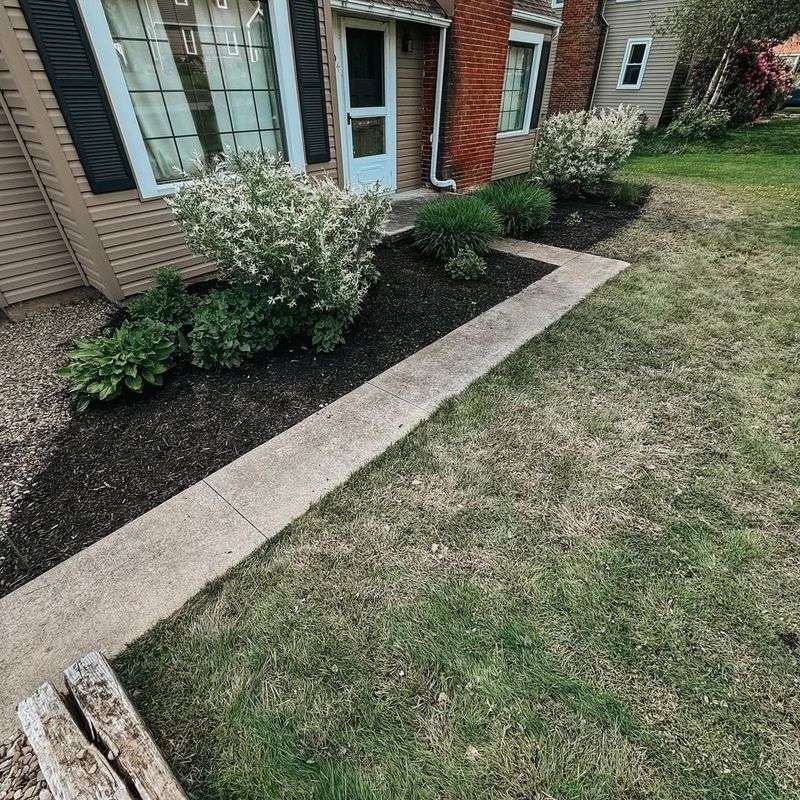
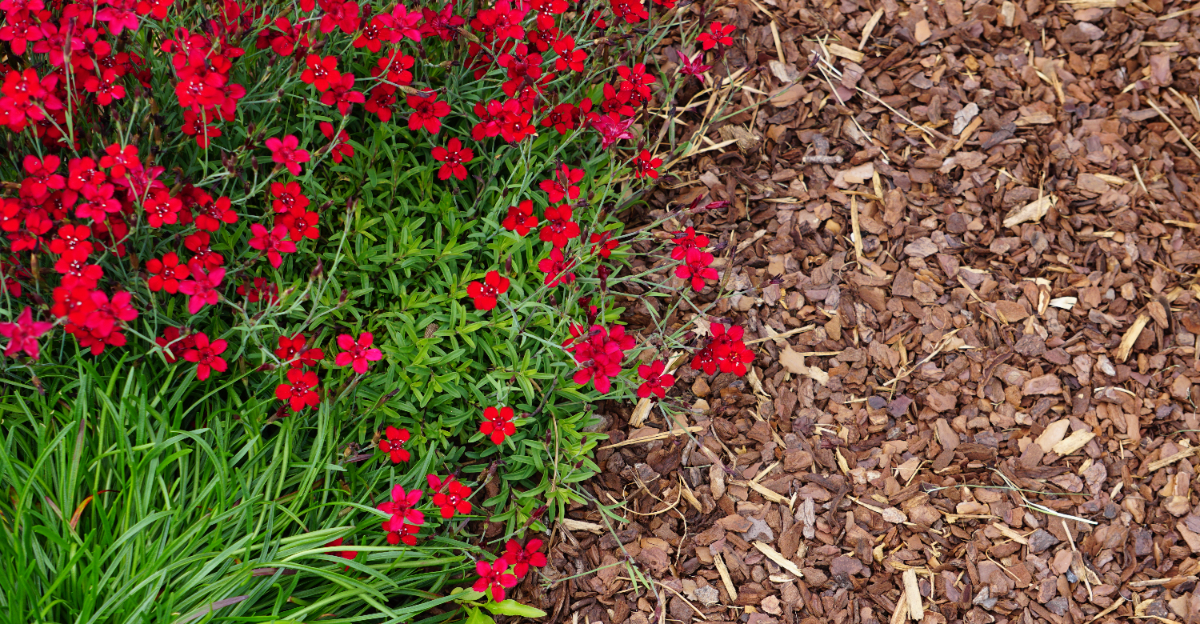
Few things make a Georgia yard look more put-together than a fresh layer of mulch. Beyond appearances, mulch does some serious work: it holds moisture in the soil during hot summers, moderates soil temperature, and slows water runoff on slopes.
Shredded hardwood mulch is a solid choice for most Georgia landscapes. It breaks down gradually and adds organic matter back into the soil over time.
Pine straw is another popular option, especially in the northern part of the state, and it tends to stay put on slopes better than heavier mulches.
Depth matters more than most people realize. Two to three inches is the sweet spot.
Go thinner and it dries out too fast. Pile it too thick and you create a soggy layer that can suffocate roots and invite fungal problems.
Keep mulch pulled back a few inches from plant stems and tree trunks to allow airflow.
On sloped areas around Georgia homes, erosion is a real concern, especially after heavy summer storms. Mulch slows water down as it moves across the surface, giving it time to absorb into the soil rather than washing off into the street.
Combining mulch with erosion-control plants like juniper or native sedges creates a system that handles even hard rains without much damage.
Refreshing mulch once a year, usually in spring, keeps beds looking clean and maintains that protective layer. It is one of the simplest things you can do to keep a Georgia landscape healthy and sharp-looking with minimal effort.
As it gradually decomposes, mulch feeds the soil and improves its texture year after year.
During long stretches of heat and humidity, that protective layer shields roots from extreme temperature swings and drying winds, keeping plants steadier through the toughest parts of the season.
5. Installing Efficient Irrigation That Matches Georgia Rainfall Patterns
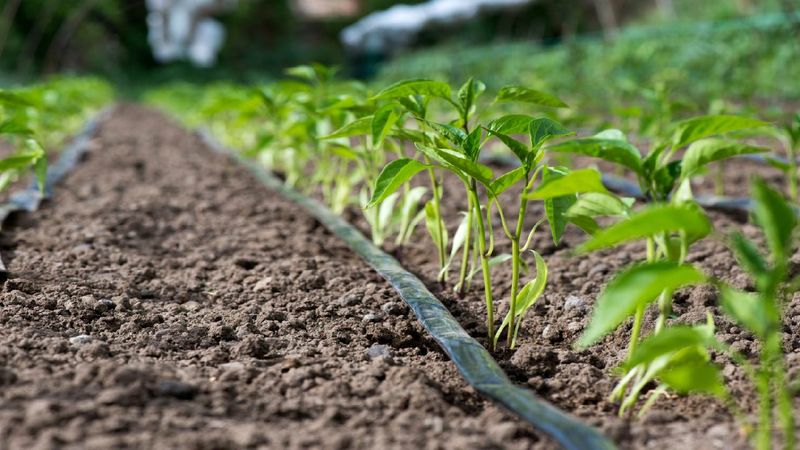
Georgia gets plenty of rain, but not always when plants need it most. Late summer often brings dry stretches right when heat stress peaks, while spring can dump so much water that runoff becomes a problem.
A smart irrigation setup accounts for both extremes.
Drip irrigation and soaker hoses are far more efficient than traditional sprinklers for garden beds. Water goes directly to the root zone instead of spraying foliage, which reduces fungal issues that are already a challenge in Georgia’s humid climate.
Less water is wasted, and plants actually take it up more effectively.
Smart controllers that connect to local weather data are worth the investment. They automatically skip watering cycles after rain and adjust schedules based on temperature and humidity.
In a place like Georgia where rainfall can be unpredictable week to week, that kind of flexibility prevents both overwatering and underwatering without you having to constantly adjust settings.
Grouping plants by water needs, a practice called hydrozoning, makes irrigation even more efficient. Thirsty plants go in one zone, drought-tolerant ones in another.
You are not wasting water on plants that do not need it while simultaneously neglecting ones that do.
Check your system at the start of each season for clogged emitters, cracked lines, or misaligned heads. A small leak or blockage can waste hundreds of gallons over a summer.
Efficient irrigation is not just about saving water.
In Georgia, where summer water restrictions are common in many counties, it also keeps your landscape thriving when neighbors are scrambling.
6. Selecting Evergreen Structure For Year-Round Curb Appeal
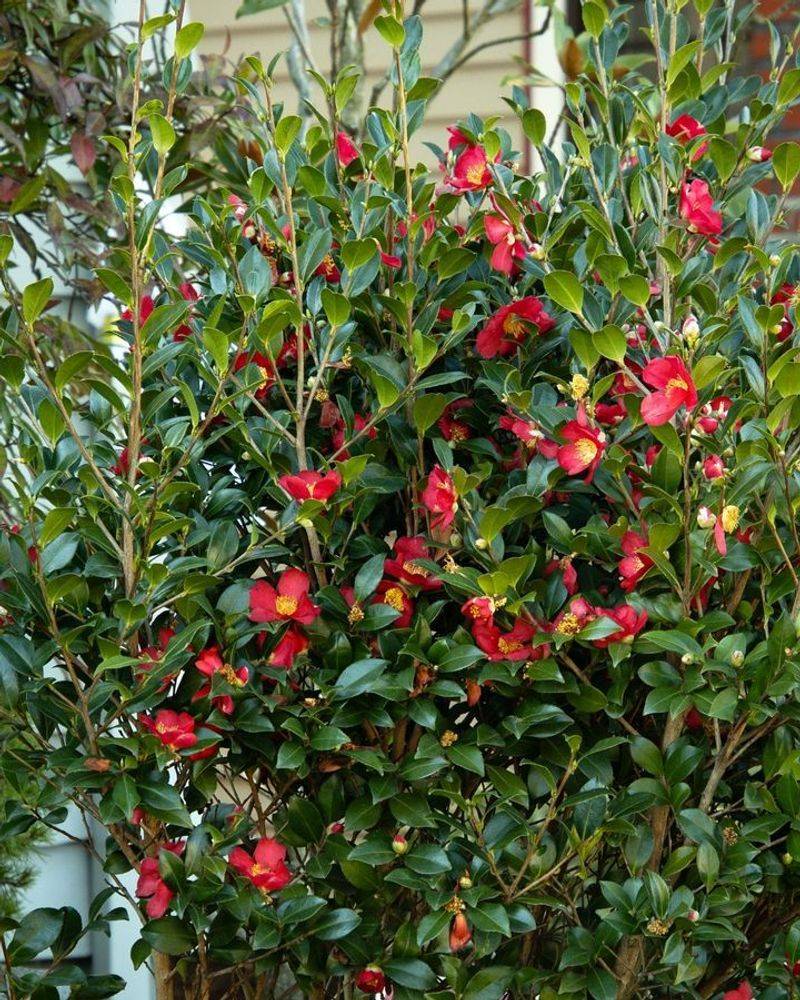
A yard that looks great in May and then falls apart by December is not really a finished landscape. Year-round structure comes from evergreens, and Georgia has plenty of excellent options that stay full and green through the coldest months.
Hollies are a Georgia standby for good reason. Inkberry, Nellie Stevens, and Yaupon holly all hold their foliage through winter and offer berries that birds love.
They provide dense screening, clean structure along foundations, and they handle Georgia’s clay soil and humidity without complaint.
Camellias are another strong choice. They bloom in fall and winter when almost nothing else is flowering, and their glossy leaves stay attractive all year.
Plant a few along a shaded border in Macon or Columbus and you have color during the months when most yards look flat and dull.
Mixing evergreens with deciduous plants creates more visual interest than using only one type. When the deciduous shrubs drop their leaves in November, the evergreens hold the structure together so the yard still looks intentional.
Add a few ornamental grasses that hold their form through winter and the combination becomes genuinely appealing even on a gray January day.
Placement matters as much as plant selection. Evergreens positioned at corners of beds or along property lines give the eye something to anchor to as it moves through the space.
Think of them as the bones of your landscape.
Get the structure right and the seasonal plantings just fill in around it, making maintenance much more straightforward throughout the year.
7. Planning For Seasonal Maintenance Instead Of Constant Upkeep
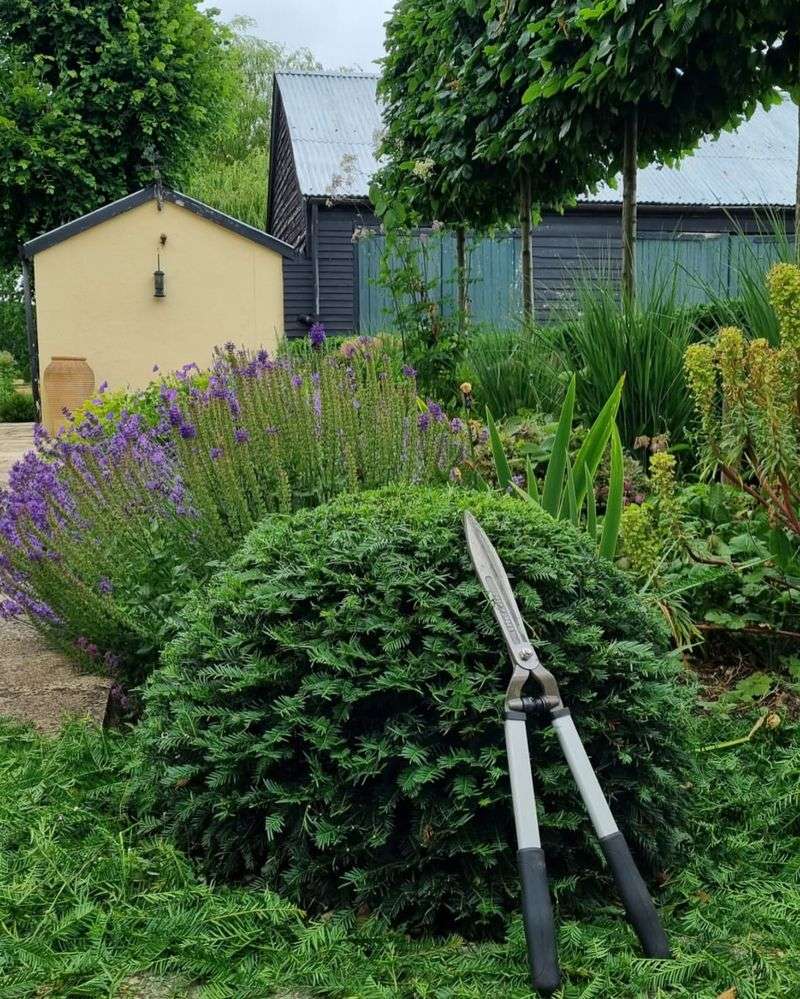
Most people spend more time on their yards than they need to because they react instead of plan. A little structure around when and how you do maintenance changes everything about how manageable a Georgia landscape feels.
Break the year into four maintenance windows. Early spring is for cutting back ornamental grasses, refreshing mulch, and dividing overcrowded perennials.
Late spring is for fertilizing, setting irrigation schedules, and catching early weed pressure before it gets out of hand. Fall is the best time for planting in Georgia since cooler temperatures and reliable rainfall help new plants settle in.
Winter is mostly cleanup and planning for the following year.
Batch your tasks by season and you avoid the exhausting cycle of weekly scrambling. Instead of spending every Saturday doing a little bit of everything, you do focused bursts of work a few times a year and let the landscape run on its own in between.
Choosing plants that do not need constant pruning is part of the plan too.
Shrubs that naturally stay compact, perennials that do not flop without staking, and ground covers that spread without becoming invasive all reduce the number of times you need to intervene.
Georgia’s long growing season is genuinely forgiving. Plants recover quickly from hard pruning, bounce back after dry spells, and fill in gaps faster than in cooler climates.
Working with that natural resilience rather than against it means your landscape stays polished without demanding constant attention.
A little planning at the start of each season pays off for months afterward.