How To Recognize Caterpillars On Shrubs In Georgia And Stop The Damage
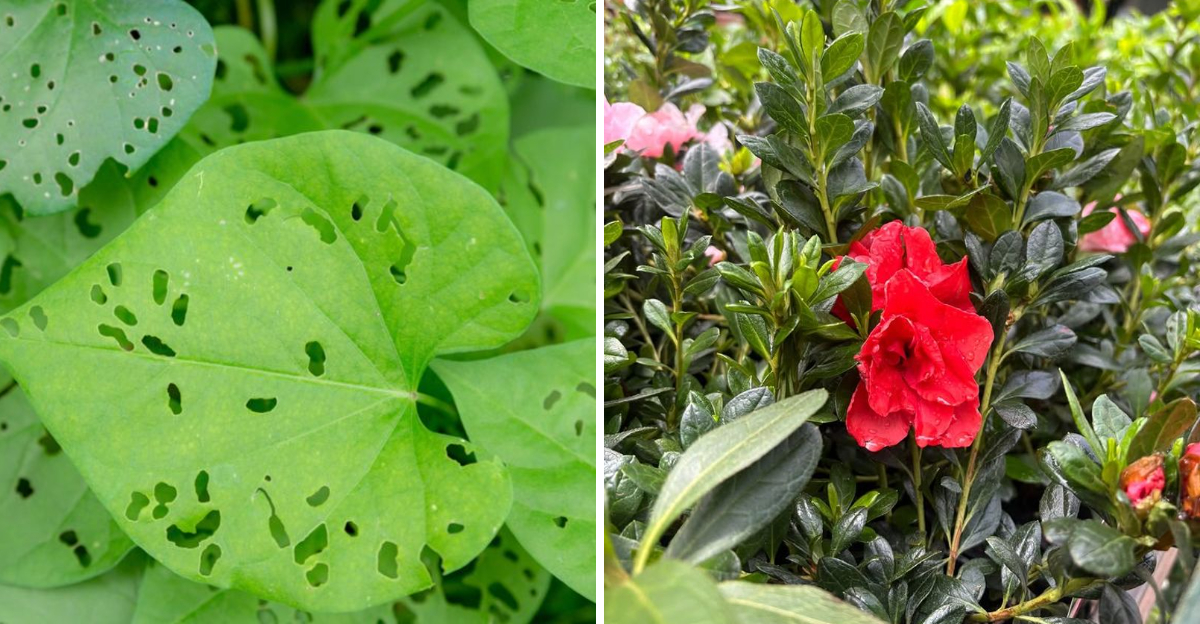
You walk outside, and something looks off. Leaves that were full last week now have ragged edges, small holes, or sections that seem to vanish overnight.
In Georgia, that kind of damage often points to one quiet culprit hiding in plain sight.
Caterpillars blend in well, especially on dense shrubs, and by the time you notice the feeding, they may have already done more than you think. The key isn’t panic.
It’s knowing what signs to look for early and how to respond before a minor issue spreads across the plant.
When you can spot the pattern quickly, protecting your shrubs becomes simple and manageable instead of stressful and overwhelming.
1. Small Black Droppings And Webbed Leaves Mean Caterpillars Are Hiding
Tiny black pellets scattered across leaves or caught in the crevices of branches are caterpillar frass — basically their droppings — and finding them is a reliable sign that caterpillars are actively feeding somewhere above.
Look for frass on the tops of lower leaves, on the soil under the shrub, and along the main stems.
Fresh frass is slightly shiny and moist-looking; older frass dries out and turns dull.
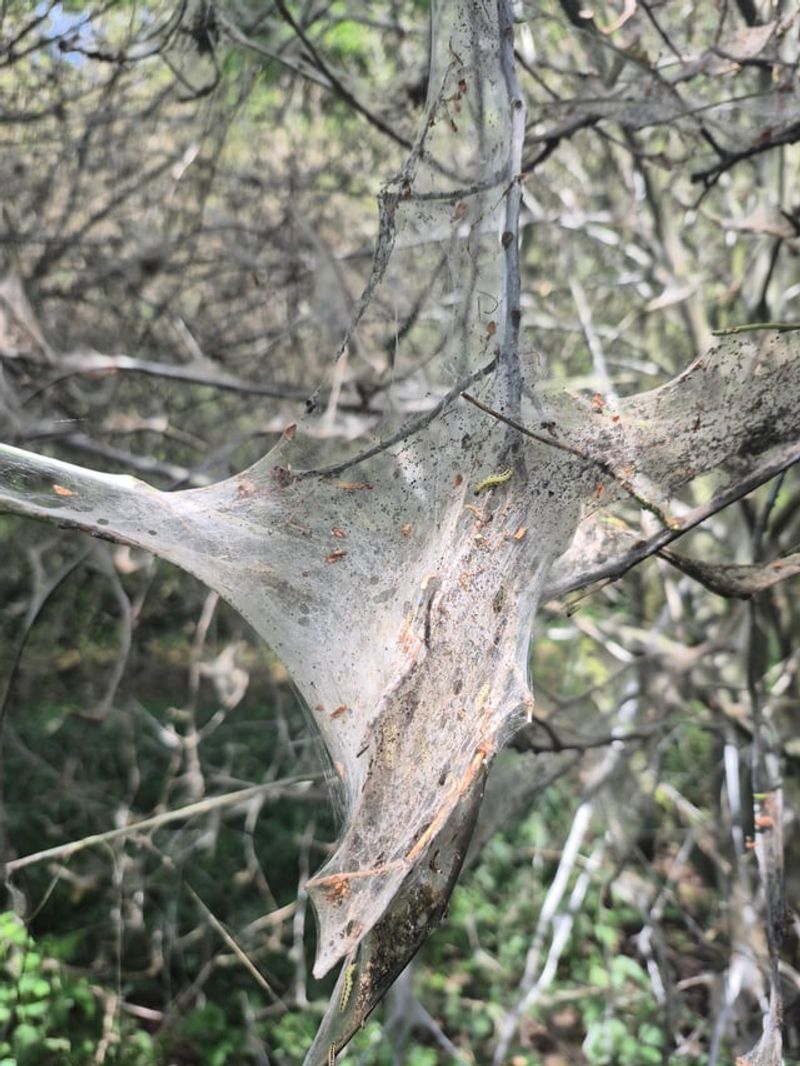
Webbing is another giveaway, and it is especially common with fall webworms, which are widespread across Georgia. Fall webworms spin silky webs around branch tips and feed inside that protected tent.
The webs can look alarming because they are so visible, but they are actually a helpful signal — they tell you exactly where the caterpillars are concentrated so you can act fast.
Some caterpillars do not spin webs at all, so do not assume the shrub is clean just because you do not see webbing. Focus on the frass.
If you find frass but no caterpillars in plain sight, try gently shaking a branch over a white sheet of paper. Caterpillars will drop off when disturbed, making them much easier to spot and count.
Georgia’s warm, humid conditions through summer create ideal conditions for multiple generations of caterpillars in a single season. Spotting frass early, before the population builds up, gives you a real advantage.
A shrub with just a handful of caterpillars is easy to manage; a shrub with hundreds is a much bigger problem.
2. Holes And Chewed Leaves Are The First Sign Something Is Feeding
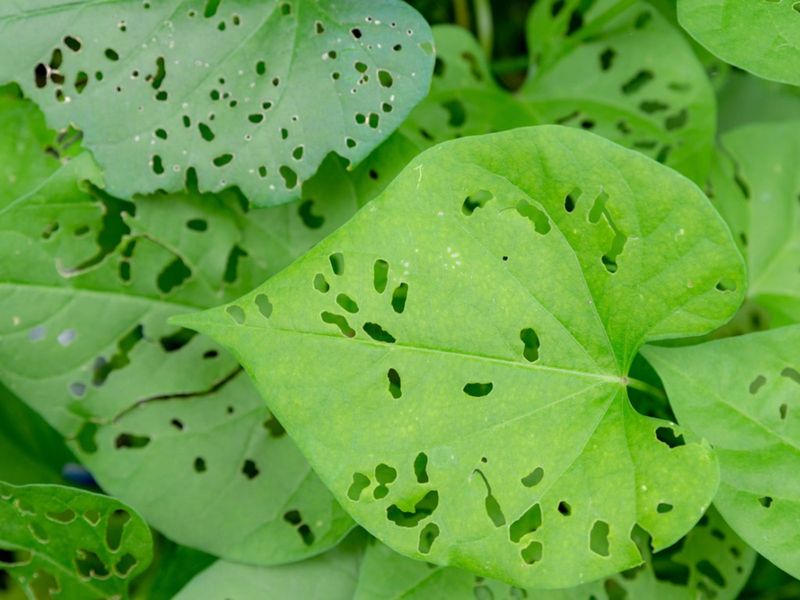
Ragged edges and random holes punched through leaves are almost always the first clue that something is actively feeding on your shrubs.
Most people spot this kind of damage and assume it was caused by beetles or grasshoppers, but caterpillars are responsible far more often than most Georgia gardeners realize.
The damage pattern matters — caterpillars tend to chew from the outer edge inward, leaving behind a scalloped or notched look along the leaf margin.
Young caterpillars are tiny and easy to miss, so the leaf damage often shows up before you even see the actual pest.
Start checking the undersides of leaves right away when you notice holes, because that is where caterpillars spend most of their time during daylight hours.
Your Georgia Garden Changes Every Week. Your Plan Should Too.
Gardening in Georgia changes quickly throughout the season. Every Friday you’ll receive a simple weekly plan showing exactly what to plant, prune, fertilize, harvest, and protect so you never miss the right timing.
Flip the leaf over and look carefully near the midrib and along the veins — that is usually where they cluster.
Not every hole means caterpillars, but certain patterns are telling. Feeding that skips across multiple leaves in a row, or that seems concentrated on new, soft growth, points strongly to caterpillars rather than other pests.
In Georgia, azaleas and camellias get hit especially hard during late spring and again in late summer when caterpillar populations spike. Boxwoods, viburnums, and loropetalums are also common targets across the state.
Walking your yard every few days during peak season gives you the best chance of catching this early. A quick look at the shrubs nearest your house, especially those in partial shade, can save you a lot of trouble later in the season.
3. Pick Them Off By Hand Before The Damage Spreads
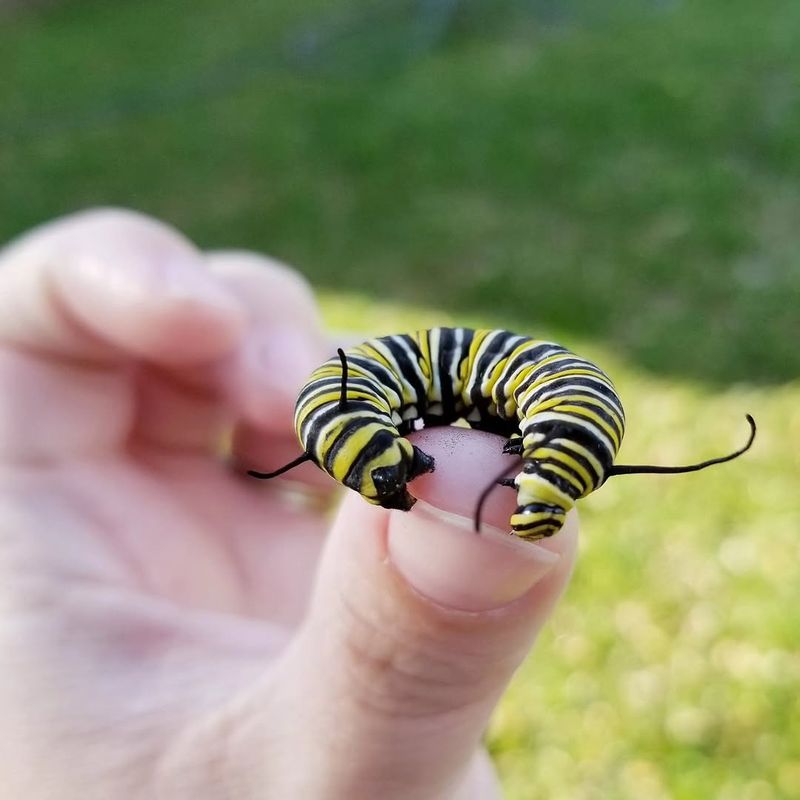
Hand-picking sounds old-fashioned, but it is genuinely one of the most effective methods available when you catch a caterpillar problem early.
Put on a pair of gloves, grab a bucket of soapy water, and start working through the affected shrubs one branch at a time.
Drop each caterpillar directly into the water as you go. It is slow, but it is precise — you are removing the pest without putting anything on the plant or the surrounding soil.
Focus on the undersides of leaves, around new growth, and anywhere you spotted frass. Caterpillars are surprisingly good at staying still when they sense movement nearby, so slow down and look carefully rather than rushing through the branches.
Wearing gloves is a good idea not just for comfort but also because some caterpillars found in Georgia — like the io moth caterpillar — have spines that can cause skin irritation on contact.
Hand-picking works best in the early morning or late evening when caterpillars are more active and easier to find. During the heat of the day, many of them retreat to the center of the shrub or to the soil underneath, making them harder to locate.
Consistency matters more than a single thorough sweep — going out every two or three days for a week or two will bring the population down significantly.
For smaller shrubs or a light infestation, this method alone may be all you need. Georgia gardeners who combine hand-picking with regular monitoring often avoid needing any sprays at all, which is a win for the whole yard ecosystem.
4. Spray Bt Early To Stop Feeding Without Harming Good Bugs
Bacillus thuringiensis, usually just called Bt, is a naturally occurring soil bacterium that targets caterpillars specifically without harming bees, beneficial wasps, birds, or other insects.
It works by disrupting the caterpillar’s digestive system after they eat treated leaves, stopping feeding within hours and causing the caterpillar to stop causing damage within a day or two.
Bt is available at most garden centers in Georgia and is labeled safe for use on ornamental shrubs.
Timing is everything with Bt. It works best on small, young caterpillars — typically those in their first or second instar stage.
Older, larger caterpillars are far less affected because they have already developed more resistance to the bacteria.
If you have been watching your shrubs closely and caught the infestation early, Bt is a powerful first response that lets you act decisively without reaching for harsher options.
Apply Bt in the early morning or late afternoon to avoid direct midday sun, which can break down the active ingredient quickly. Make sure to coat the undersides of leaves thoroughly since that is where caterpillars feed most actively.
Rain will wash it off, so reapplication after heavy storms is necessary — Georgia gets plenty of those during summer, so keep that in mind when planning your spray schedule.
Bt does not leave harmful residues in the soil and breaks down naturally within a few days. For gardeners in Georgia who want an effective, targeted solution that fits into an organic approach, Bt is hard to beat.
Use it as soon as you confirm caterpillars are present and the population is still manageable.
5. Use Neem Oil While Caterpillars Are Still Small
Neem oil has been used in gardens for decades, and for good reason — it disrupts the feeding and growth cycle of caterpillars without leaving behind the kind of residue that harms pollinators or soil life.
It works best as a preventive and early-intervention tool, not a rescue treatment for a severe infestation.
If you are seeing the first signs of caterpillar activity on your Georgia shrubs, getting neem oil on the leaves right away gives you a strong head start.
Azadirachtin, the active compound in neem oil, interferes with the caterpillar’s ability to molt and develop normally. Young caterpillars exposed to it stop feeding, grow abnormally, and never reach the stage where they cause serious plant damage.
Larger caterpillars are harder to stop with neem alone, which is why using it early — before the population matures — makes such a practical difference in the outcome.
Mix neem oil with a small amount of dish soap and warm water according to the product label, then apply it evenly across all leaf surfaces. Pay close attention to the undersides of leaves where caterpillars spend most of their time.
Avoid spraying during the hottest part of the day in Georgia’s summer heat, since neem oil applied to stressed plants under direct sun can sometimes cause leaf scorch.
Reapply every seven to ten days while caterpillar activity continues. Neem oil also has some effect on other soft-bodied pests like aphids and scale crawlers, so you may notice broader improvements in shrub health after a few applications.
It is a genuinely useful tool for the Georgia garden toolkit.
6. Invite Birds Into The Yard To Help Control The Problem
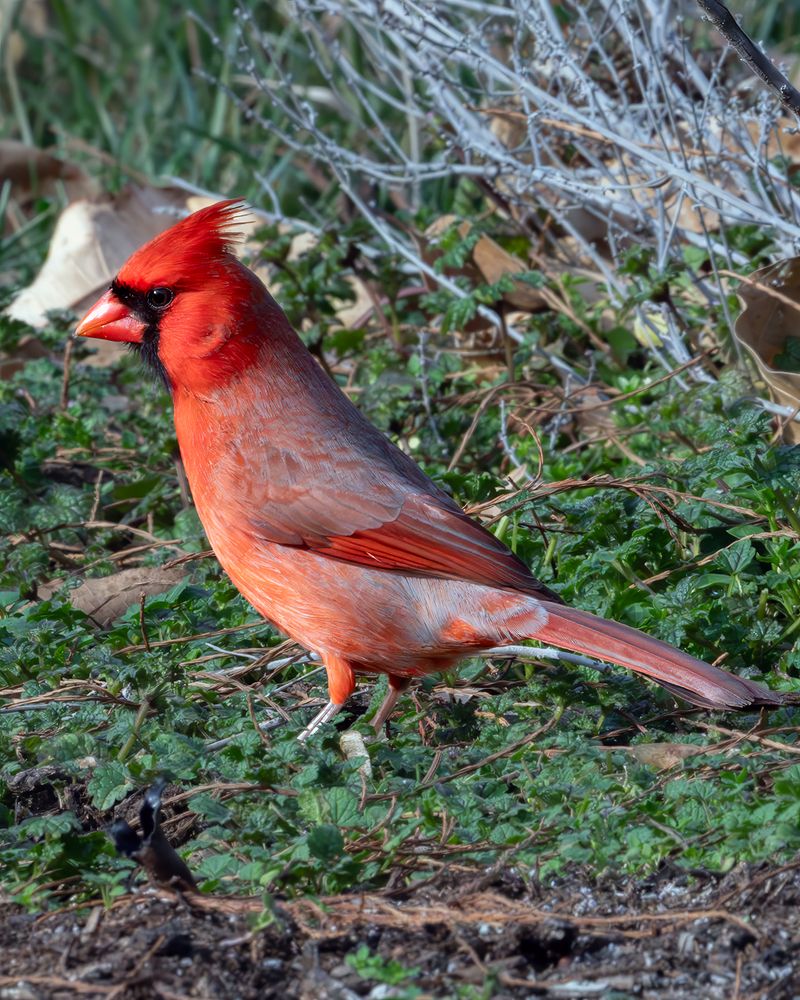
Birds eat caterpillars constantly, and a yard that attracts the right species can handle a surprising amount of pest pressure without any intervention from you.
Carolina wrens, chickadees, bluebirds, and mockingbirds are all common in Georgia and all actively hunt caterpillars to feed both themselves and their nestlings.
During nesting season especially, parent birds are pulling insects off plants at an impressive rate to keep up with hungry chicks.
Setting up bird feeders near your shrub beds is a good starting point, but native plantings do even more to pull birds in. Native trees and shrubs that produce berries or support insect life create the kind of habitat that keeps birds coming back consistently.
A yard with layers — ground cover, shrubs, and canopy trees — gives birds the structure they need to hunt comfortably and feel safe staying around.
Water is another major draw. A simple birdbath placed near your most vulnerable shrubs gives birds a reason to spend time in exactly the area where you want them working.
Change the water every couple of days to keep it fresh and to prevent mosquitoes from breeding in it, which matters a lot in Georgia’s humid climate.
Reducing or stopping pesticide use is critical if you want birds to help. Broad-spectrum insecticides remove the caterpillars that birds are hunting, and some can harm birds directly.
Shifting toward targeted treatments like Bt or hand-picking, combined with bird-friendly landscaping, creates a yard where natural pest control builds up over time. Georgia gardeners who invest in habitat often see fewer pest outbreaks season after season.
7. Check Shrubs Weekly So The Issue Does Not Return
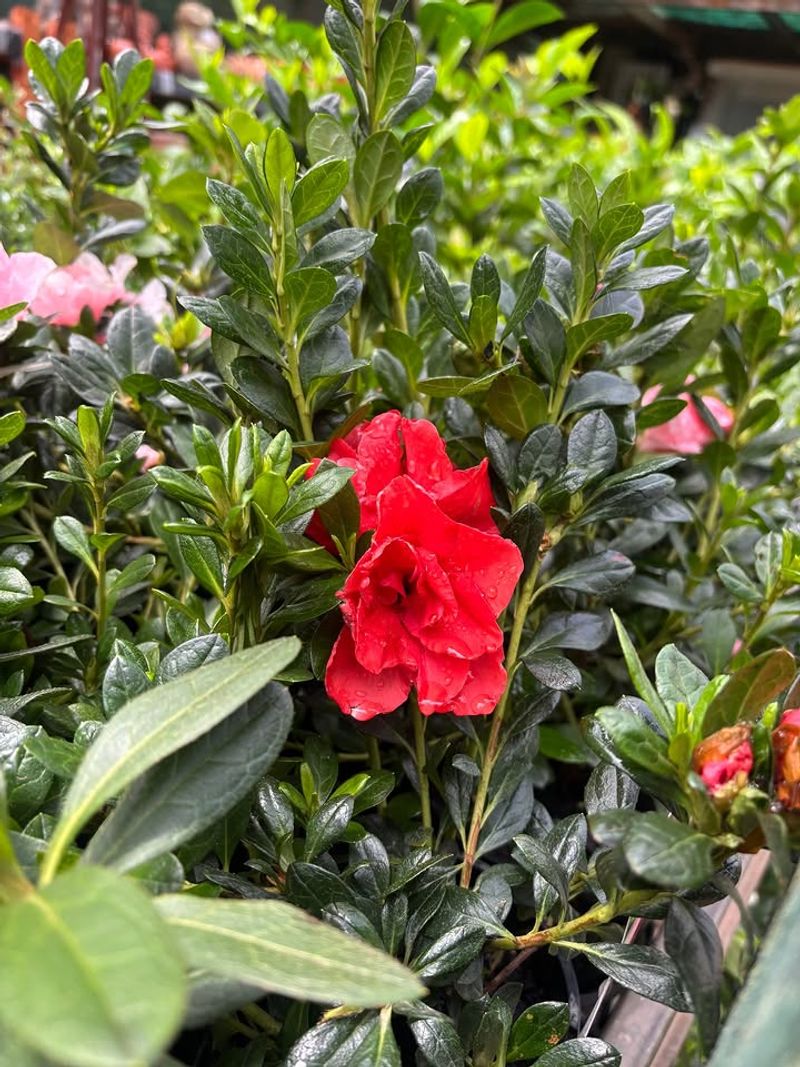
Catching caterpillar damage once and treating it is only half the job. Georgia’s long, warm season means multiple generations of caterpillars can cycle through a single summer, so a shrub that looked clean in June can have a fresh infestation by August.
Weekly checks during the growing season are what separate gardeners who stay ahead of the problem from those who are always playing catch-up.
Build a simple inspection habit into your regular yard routine. Pick one day a week — Saturday morning works well for a lot of people — and walk through the shrub beds slowly.
Flip leaves, look for frass, check for webbing, and note any new areas of chewing or discoloration. Keeping a rough mental note of which shrubs have had problems before helps you prioritize where to look first.
Certain times of year in Georgia bring heavier caterpillar pressure. Late spring and late summer are typically the worst windows, so increase your check frequency to twice a week during those months.
New flush growth on shrubs is especially attractive to caterpillars, so any time your plants are pushing out soft new leaves is a time to be extra vigilant.
Keeping a small kit handy makes the weekly check easier — a pair of gloves, a hand lens for close inspection, and a small container for any caterpillars you find. Having everything ready means you are more likely to actually do the check rather than putting it off.
Consistency is what keeps Georgia shrubs healthy and looking their best through the whole season.