Start This Perennial Indoors Now In Georgia For Strong Spring Blooms
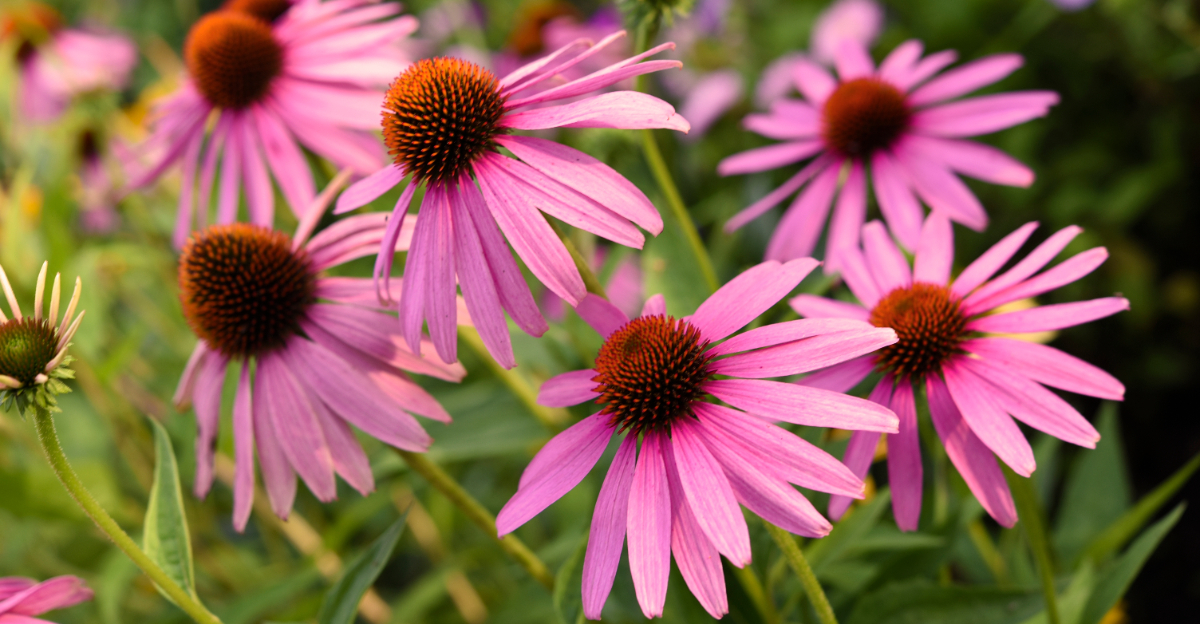
Spring in Georgia can move quickly, and waiting too long to start certain plants often means weaker growth or delayed blooms.
If you want a perennial that steps into the season strong and established, the work begins indoors while temperatures are still unpredictable outside.
Starting it now gives roots time to develop before transplanting, which leads to sturdier stems and fuller flowers once the weather settles. Instead of rushing in April, you’ll already have a healthy plant ready to take off.
A small head start indoors can completely change how that perennial performs in your garden, setting it up for a stronger, more reliable display all spring long.
1. Echinacea Purpurea Is The Hardy Coneflower Worth Growing
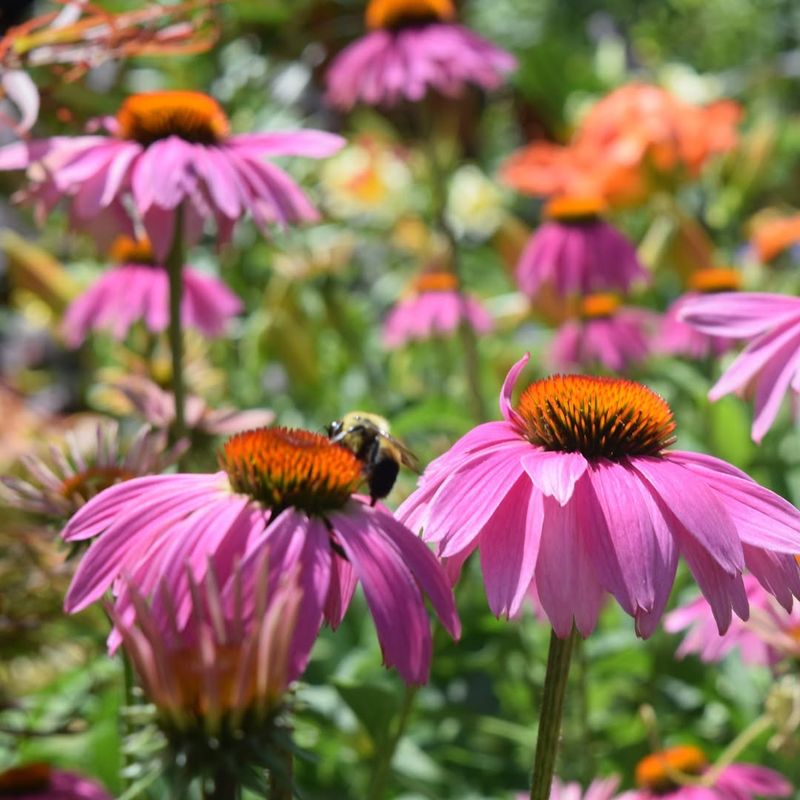
Purple coneflower stands out as one of the most reliable perennials for Georgia gardens because it handles both summer heat and occasional drought without complaint.
Native to eastern North America, this tough plant has adapted perfectly to the South’s challenging growing conditions.
Gardeners across Georgia appreciate how Echinacea comes back stronger each year, forming larger clumps that produce more blooms as the plant matures.
The flowers feature distinctive spiky orange centers surrounded by purple petals that droop gracefully downward, creating a unique appearance that sets them apart from typical daisy-like blooms.
Butterflies, bees, and hummingbirds visit these flowers constantly throughout the blooming season, which typically runs from late spring through early fall in Georgia.
Even after the petals fade, the seed heads remain attractive and provide food for goldfinches and other songbirds during winter months.
Starting seeds indoors now gives plants enough time to bloom in their first season instead of waiting until the second year. That early start helps create a fuller, more established garden much faster.
Echinacea grows 2 to 4 feet tall depending on conditions and spreads slowly to form substantial clumps over time.
Georgia’s USDA hardiness zones 6 through 9 provide great conditions for purple coneflower. It tolerates clay soil well and needs very little maintenance once established.
2. Sow Seeds In Small Pots With Light, Moist Soil
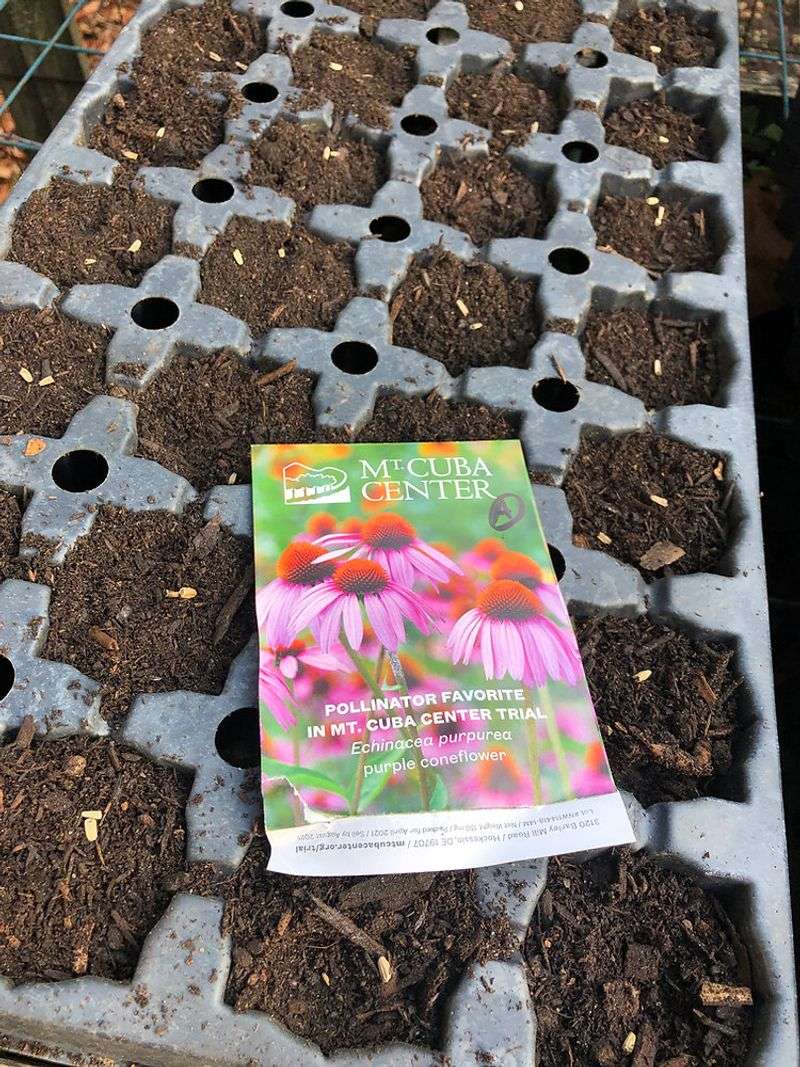
Choosing the right containers and soil makes seed starting much easier and increases your success rate dramatically.
Small plastic pots about 3 to 4 inches across work perfectly for starting individual Echinacea seeds, though you can also use seed trays with individual cells.
Clean containers prevent disease problems that sometimes affect seedlings, so wash any reused pots with soapy water before filling them.
Seed-starting mix provides the light, fluffy texture that tiny seedlings need to push through the soil surface without struggle. Regular garden soil or potting mix is too heavy and dense for starting seeds indoors.
Look for products labeled specifically as seed-starting mix at garden centers throughout Georgia, or make your own by combining equal parts peat moss, vermiculite, and perlite.
Moisten the seed-starting mix before filling your containers by adding water gradually and mixing thoroughly until the material feels like a wrung-out sponge.
This pre-moistening step ensures even water distribution and prevents seeds from washing away when you water from above.
Your Georgia Garden Changes Every Week. Your Plan Should Too.
Gardening in Georgia changes quickly throughout the season. Every Friday you’ll receive a simple weekly plan showing exactly what to plant, prune, fertilize, harvest, and protect so you never miss the right timing.
Fill each pot to within half an inch of the rim, then gently firm the surface without compacting it too much.
Place one or two Echinacea seeds on the soil surface in each pot, then cover them with about a quarter inch of additional seed-starting mix. Echinacea seeds need some light to germinate properly, so avoid burying them too deeply.
Water gently using a spray bottle or watering can with a fine rose attachment to avoid disturbing the seeds.
3. Keep Containers In A Warm Spot To Encourage Sprouting
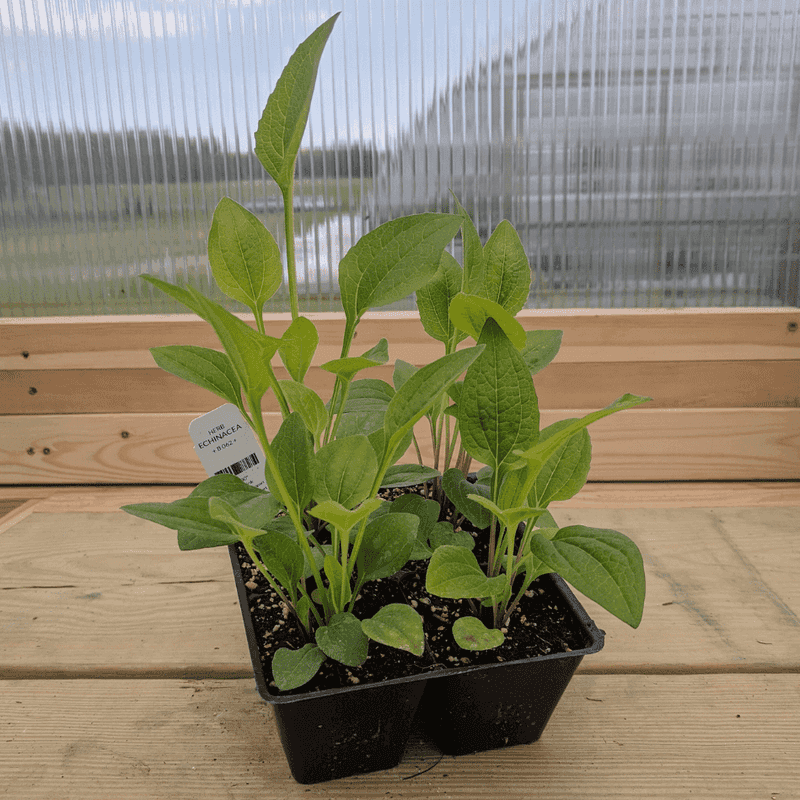
Temperature plays a crucial role in seed germination, and Echinacea seeds sprout most reliably when kept consistently warm.
Room temperature around 70 to 75 degrees Fahrenheit works well for encouraging these seeds to germinate within 10 to 20 days.
Many Georgia homes maintain comfortable indoor temperatures during winter that fall right into this ideal range, making a sunny windowsill or spare room perfect for seed starting.
Seedling heat mats provide gentle bottom warmth that speeds up germination and produces more uniform sprouting across all your containers.
These inexpensive devices sit underneath your seed trays and maintain soil temperature several degrees warmer than the surrounding air.
Garden centers and online retailers sell heat mats in various sizes to accommodate different numbers of pots.
Avoid placing seed containers directly on cold surfaces like concrete floors or against exterior walls where temperatures drop significantly at night. Even a few hours of cold soil each evening can slow germination or prevent seeds from sprouting altogether.
Instead, position your containers on tables, shelves, or countertops in rooms that stay consistently warm day and night.
Cover your seed pots with clear plastic domes or plastic wrap to maintain humidity around the seeds while they germinate. This covering creates a mini-greenhouse effect that keeps the soil surface moist without requiring frequent watering.
Remove the covering as soon as you see green sprouts emerging, which typically happens within two to three weeks for Echinacea seeds started indoors in Georgia during winter months.
4. Place Seedlings Under Bright Light To Prevent Weak Growth
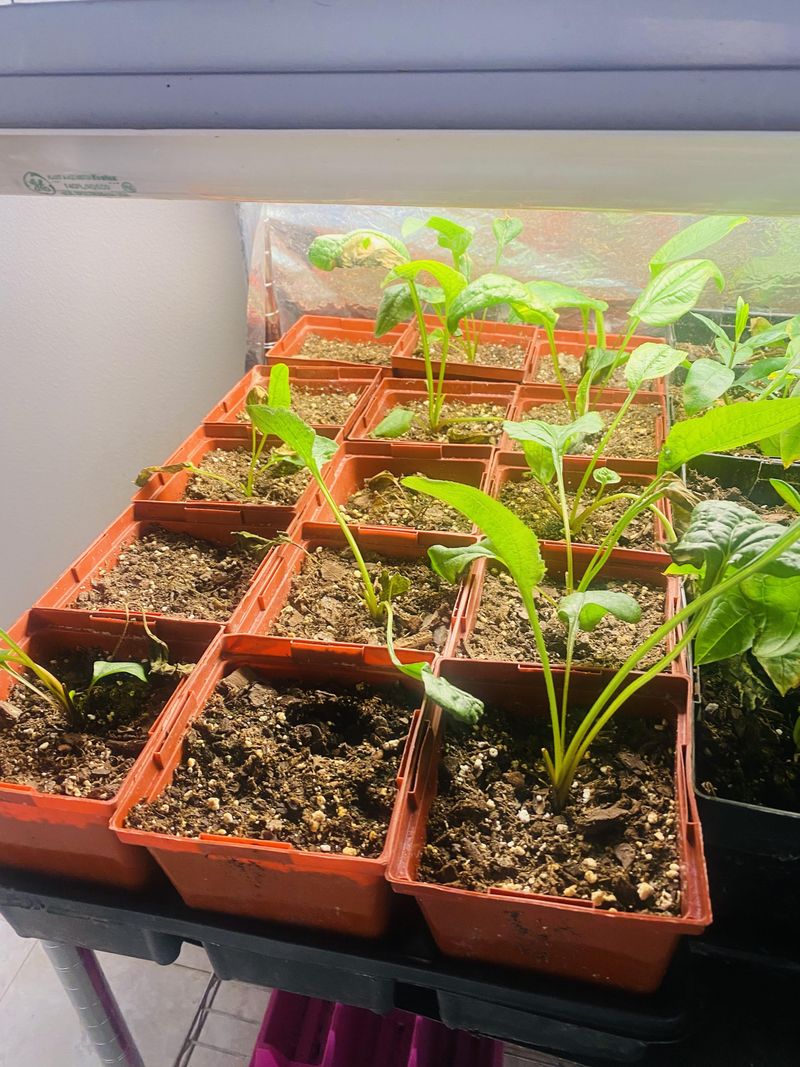
Adequate lighting makes the difference between sturdy, compact seedlings and weak, stretched plants that struggle when transplanted outdoors.
Natural sunlight from south-facing windows works well if you have a location that receives at least 6 to 8 hours of direct sun daily.
However, Georgia’s winter days are relatively short, and cloudy weather can limit the light available even in sunny spots.
Grow lights solve the lighting challenge by providing consistent, bright illumination for 14 to 16 hours each day. LED grow lights have become affordable and energy-efficient, making them the preferred choice for most indoor gardeners.
Position the lights 2 to 4 inches above the tops of your seedlings and raise them gradually as plants grow taller to maintain this close distance.
Seedlings reach toward their light source, so plants grown under insufficient light develop long, thin stems and widely spaced leaves as they stretch desperately upward.
This condition, called legginess, weakens plants and makes them prone to flopping over or breaking.
Strong lighting produces seedlings with thick stems, closely spaced leaves, and deep green color that indicates healthy growth.
Rotate your seedling containers a quarter turn every few days if growing them on a windowsill to ensure all sides receive equal light exposure. This simple practice prevents plants from leaning heavily in one direction.
Set a timer for your grow lights to maintain a consistent day-night cycle, which helps seedlings develop normally and prepares them for eventual outdoor conditions in Georgia gardens.
5. Water Gently And Let The Soil Dry Slightly Between Waterings
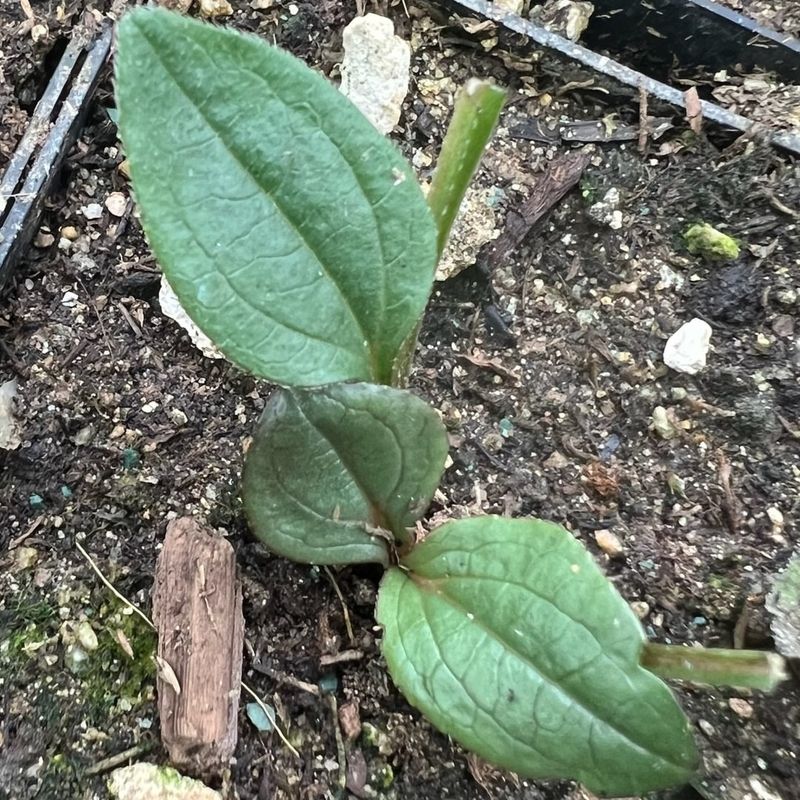
Proper watering technique protects delicate seedlings from both drought stress and the more common problem of overwatering that leads to root rot.
Echinacea seedlings need consistently moist soil during their early growth stages, but the soil should never feel waterlogged or soggy.
Check moisture levels daily by touching the soil surface with your finger, and water only when the top quarter inch feels dry to the touch.
Watering from below by setting pots in a shallow tray of water allows soil to absorb moisture through drainage holes without disturbing tender seedlings.
This method works especially well for tiny seedlings that might wash away under even gentle overhead watering.
Let pots sit in the water tray for 10 to 15 minutes, then remove them and allow excess water to drain completely before returning containers to their growing location.
Room-temperature water feels more comfortable to seedlings than cold water straight from the tap, which can shock tender roots and slow growth. Fill your watering can the night before and let it sit at room temperature overnight.
This practice also allows chlorine to evaporate from municipal water supplies, though Georgia’s treated water typically doesn’t harm seedlings.
Morning watering gives foliage time to dry before evening, reducing the risk of fungal diseases that thrive in cool, damp conditions. Avoid getting water on seedling leaves when possible, focusing instead on directing water to the soil.
Good air circulation around your seedlings helps prevent moisture-related problems and strengthens stems as they sway gently in moving air.
6. Thin Out The Weakest Seedlings So The Strongest Can Thrive
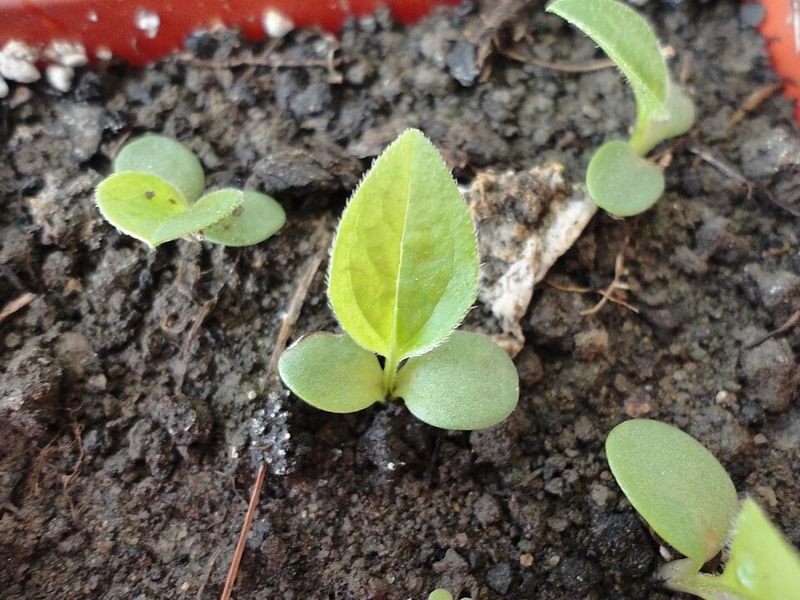
Multiple seedlings often sprout in a single pot when you plant more than one seed per container, and while this might seem like a bonus, overcrowding actually weakens all the plants.
Seedlings compete for light, water, and nutrients in the limited soil space of small pots.
Thinning eliminates this competition and allows the strongest seedling to develop a robust root system without interference.
Wait until seedlings develop their first set of true leaves before thinning, which happens after the initial seed leaves appear. True leaves look like miniature versions of mature plant foliage and indicate the seedling has established enough to survive on its own.
In Echinacea, true leaves are slightly rough-textured and elongated compared to the smooth, rounded seed leaves.
Choose the strongest, healthiest-looking seedling in each pot to keep, then remove all others by snipping them off at soil level with small scissors.
Pulling unwanted seedlings from the soil risks disturbing the roots of the keeper plant, so cutting is always the safer method. The removed seedlings can go directly into your compost bin.
Some gardeners struggle with the idea of removing perfectly good seedlings, but this step is essential for growing strong plants that will thrive in Georgia gardens.
One well-developed Echinacea plant will produce far more blooms than several weak, crowded seedlings competing in the same space.
Focus on quality over quantity during the thinning process, and you will see the benefits when transplant time arrives.
7. Move Plants Outside After Frost And Space Them Properly In The Garden
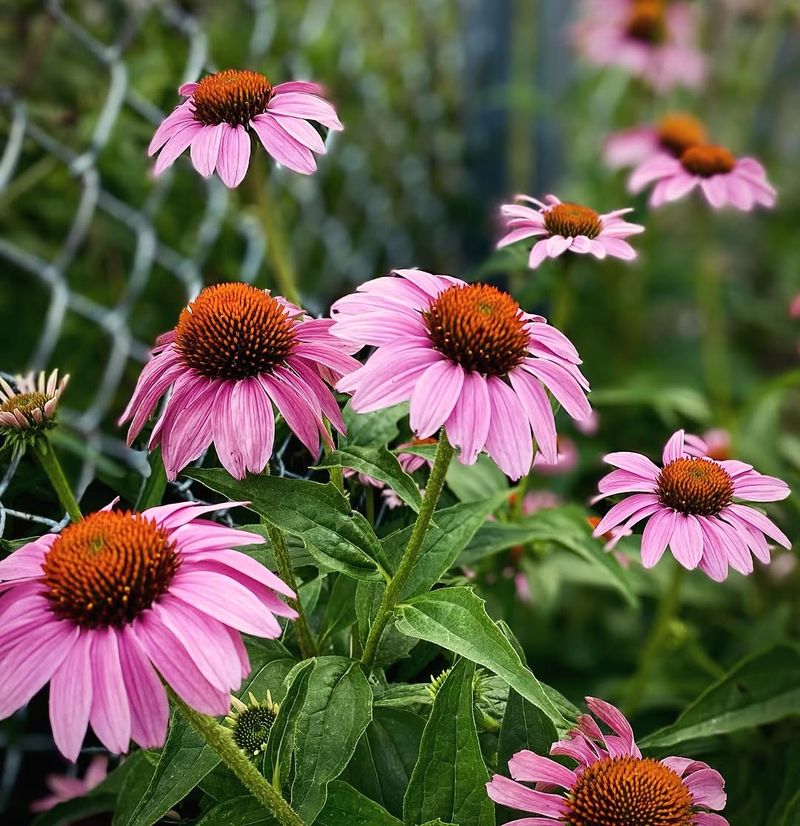
Timing your transplant correctly ensures seedlings transition smoothly from protected indoor conditions to the variable weather of Georgia gardens.
The average last frost date varies across Georgia from mid-March in southern areas to mid-April in northern counties.
Wait until at least two weeks after your area’s last expected frost to transplant Echinacea seedlings, giving them the best chance of avoiding cold damage.
Hardening off prepares indoor-grown seedlings for outdoor conditions by slowly exposing them to sun, wind, and temperature changes over 7 to 10 days. Begin by setting plants outside in a sheltered, shady area for an hour or two, then bring them back indoors.
Increase outdoor time and sun exposure gradually each day until plants can handle full sun and overnight temperatures without stress.
Space Echinacea plants 18 to 24 inches apart in the garden to allow for their mature size and ensure good air circulation between plants.
Crowded perennials compete for resources and are more susceptible to powdery mildew and other fungal problems during Georgia’s humid summers.
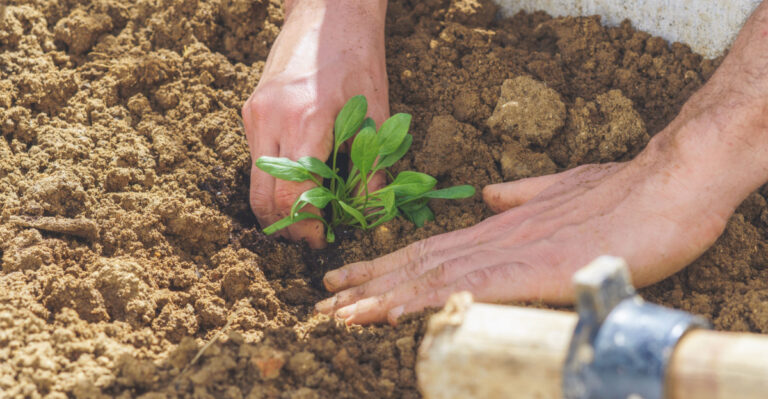
Dig planting holes slightly larger than the root ball, and set plants at the same depth they grew in their containers.
Plant in full sun with well drained soil for best results, though Echinacea also handles partial shade and average soil. Water thoroughly after planting and keep moisture steady for the first few weeks while roots establish.
Apply a 2-inch layer of mulch around plants to conserve moisture and suppress weeds, keeping mulch pulled back slightly from plant stems.