8 Perennials Georgia Gardeners Should Divide In Early March
Some perennials quietly lose their spark over time. Flowers shrink, growth spreads outward, and the center starts to look tired.
In Georgia, early March is the sweet spot to fix that before the season fully ramps up.
This is when plants are just beginning to wake, which makes it easier for them to recover after being split. A careful division now leads to sturdier growth, better spacing, and more impressive blooms in the months ahead.
If certain plants in your beds haven’t looked as vibrant lately, this simple step can completely refresh them. A little effort now sets the tone for a stronger, more balanced display as the weather continues to warm.
1. Daylilies Grow Better After Early Season Division
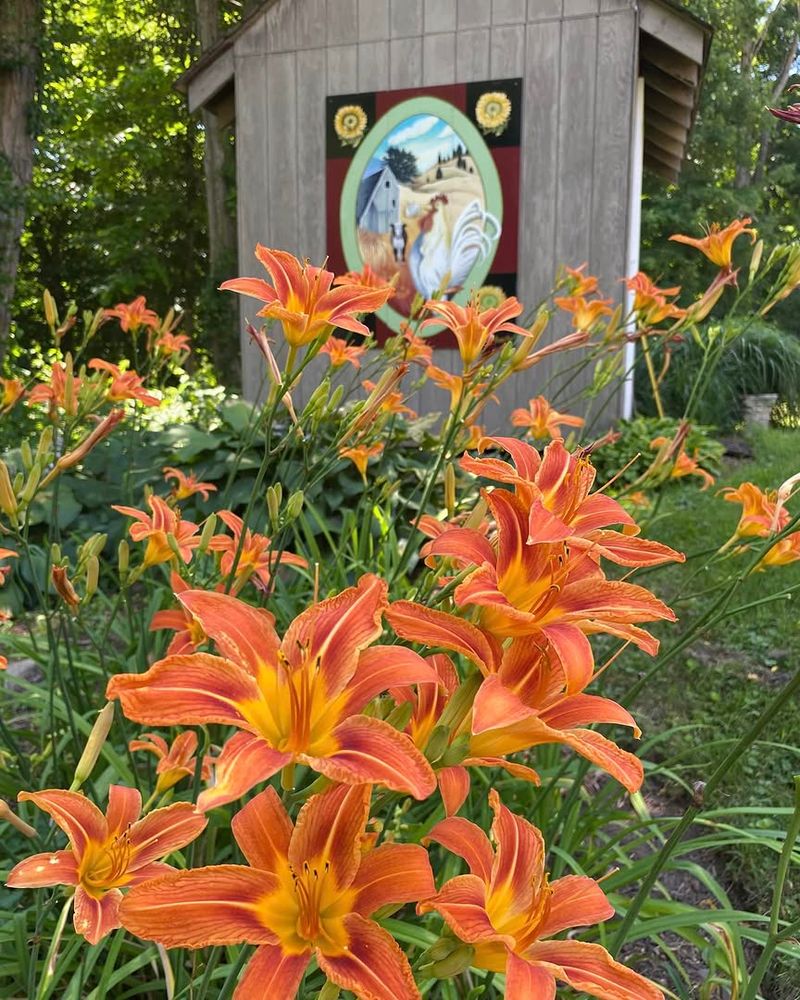
Daylilies form dense clumps that choke themselves out after three or four years in Georgia soil. The centers stop blooming while outer edges push outward, creating that telltale doughnut shape.
March gives you a chance to fix this before they leaf out completely.
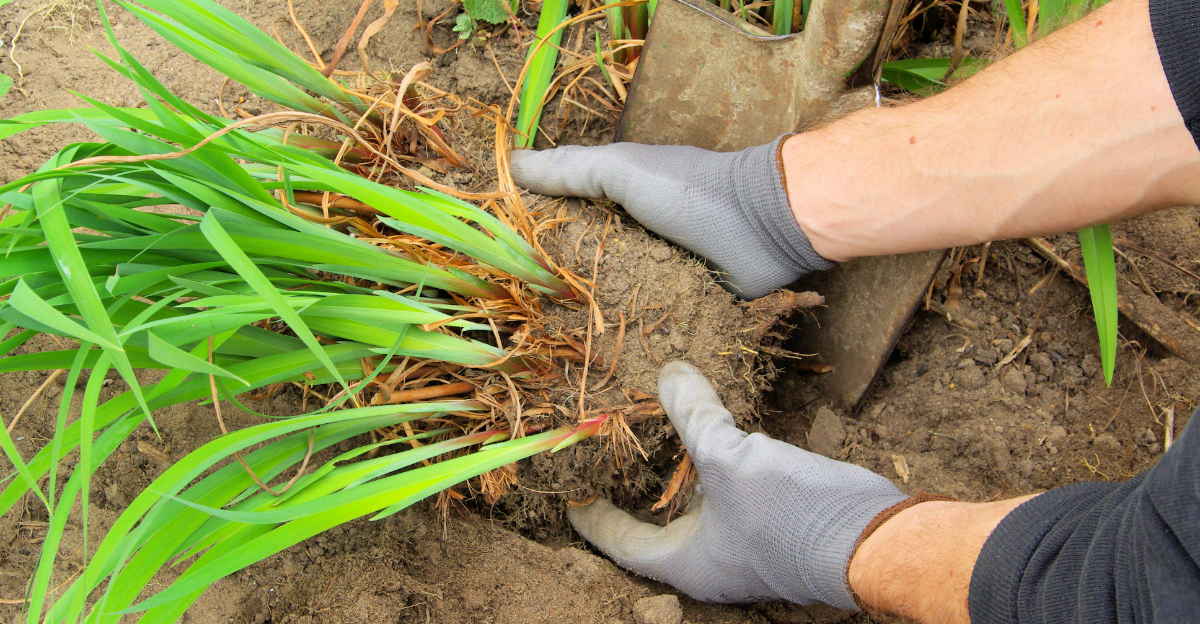
Dig up the entire clump with a spade, getting under the root mass. You’ll see how tangled everything has become.
Use two garden forks back-to-back to pry sections apart, or just cut through with a sharp knife if the roots are really packed. Each division needs at least three fans of leaves and a good chunk of roots attached.
Replant divisions at the same depth they were growing before. The crown should sit about an inch below the soil surface.
Space them eighteen inches apart so they have room to expand. Water them in well, and they’ll start growing within a week or two.
Georgia’s warm springs help daylilies recover fast from division. They might skip blooming this first year if you divided late, but they’ll come back stronger next season.
The plants you split off can go anywhere you need color, and daylilies handle our clay soil better than most perennials once they’re established in their new spots.
Add compost to each planting hole before setting divisions back in the ground to give roots a quicker start. A light layer of mulch helps retain moisture and keeps soil temperatures steady as they reestablish.
Within a season, those freshly spaced clumps fill out evenly, producing fuller foliage and more consistent blooms across the entire bed.
2. Hostas Benefit From Splitting Before Leaves Fully Unfurl
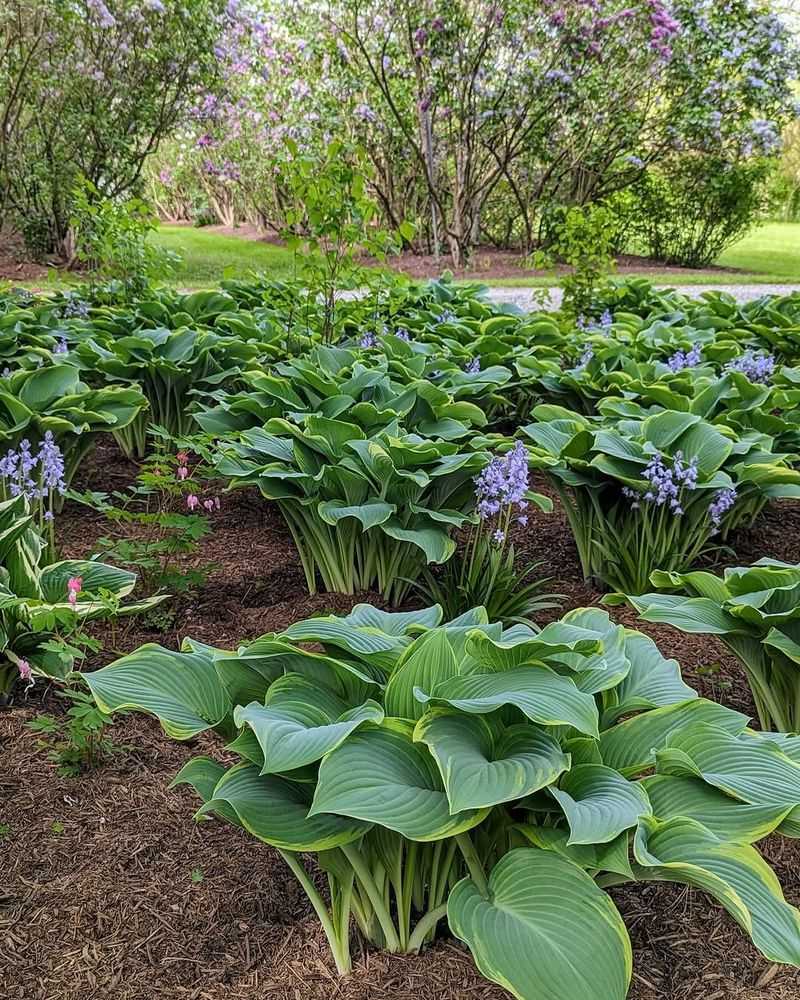
Timing matters with hostas because their leaves emerge tightly rolled in early spring. Catch them when shoots are just poking through the ground, and division goes smoothly.
Wait until leaves unfurl completely, and you’ll damage foliage while trying to separate crowns.
Hostas in Georgia gardens often outgrow their space within five years. The center gets congested, leaves come up smaller, and the whole plant looks tired.
Splitting refreshes them completely. Dig around the entire plant about six inches out from the edge, then lift the whole root ball.
Look for natural divisions in the crown where you can separate sections. Some hostas pull apart easily by hand.
Your Georgia Garden Changes Every Week. Your Plan Should Too.
Gardening in Georgia changes quickly throughout the season. Every Friday you’ll receive a simple weekly plan showing exactly what to plant, prune, fertilize, harvest, and protect so you never miss the right timing.
Others need a sharp knife to cut through thick roots. Each piece should have at least two or three eyes and a healthy root system attached.
Smaller divisions take longer to fill in, but they’ll get there.
Replant divisions in shade with amended soil. Hostas prefer consistent moisture, especially after division.
Georgia’s spring rains usually help, but check them weekly. Mulch around new plantings to keep roots cool as temperatures climb.
Your divided hostas will look sparse this year but will bulk up considerably by next spring.
Water deeply after planting to settle the soil around the roots and eliminate air pockets. With steady moisture and a little patience, those divisions establish quickly and return with fuller leaves and stronger growth the following season.
3. Shasta Daisies Produce Stronger Clumps When Divided Early
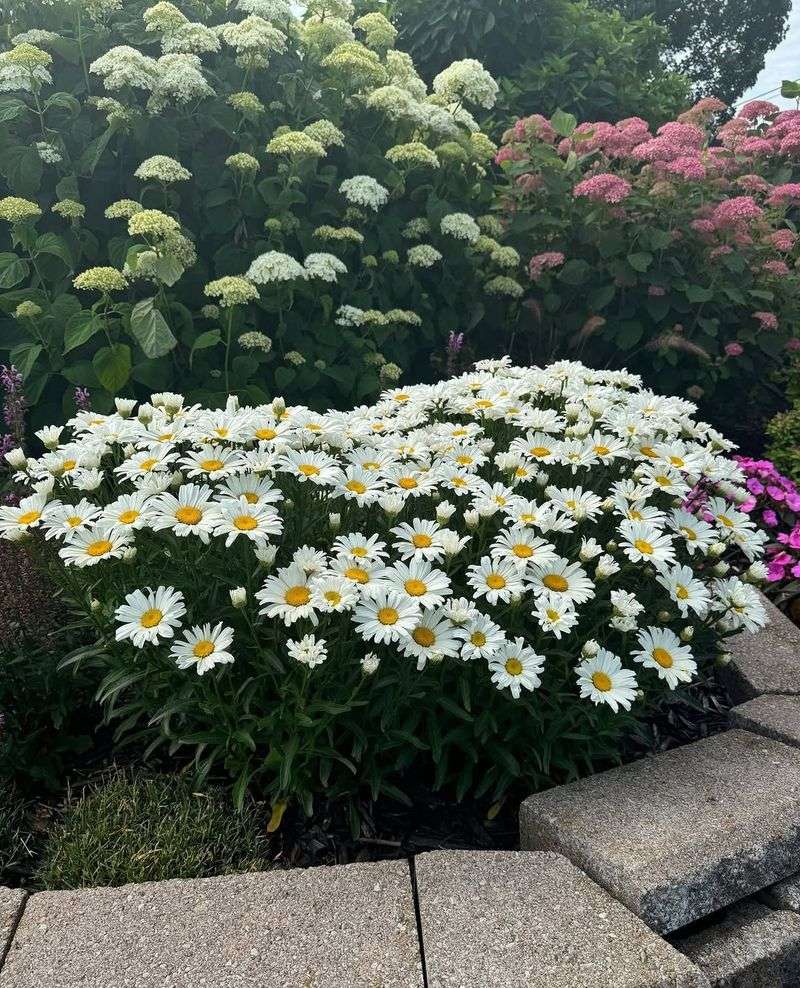
Shasta daisies get woody and stop blooming well after about three years in the same spot. The center of the clump becomes hard and unproductive while new growth pushes out around the edges.
March division fixes this problem before flower buds form.
These daisies respond better to division than almost any other perennial in Georgia gardens. Lift the entire plant and shake off excess soil so you can see the root structure.
You’ll notice the older, woody center right away. Cut that section out and toss it.
Keep only the younger, vigorous growth from the outer ring.
Divide those outer sections into pieces about four inches across. Each division needs healthy white roots and several leafy shoots.
Replant them in full sun, spacing them about fifteen inches apart. Shasta daisies aren’t picky about soil, but they do need good drainage.
Our heavy clay can suffocate roots if it stays too wet.
Water divisions regularly for the first month while roots establish. They’ll bloom later this summer if you divide early enough in March.
The plants fill back in quickly and produce way more flowers than the overcrowded clump you started with. Dividing every three years keeps Shasta daisies blooming heavily season after season.
Work compost into the planting area before resetting divisions to improve drainage and root growth. A thin layer of mulch helps retain moisture without trapping excess water around the crown.
With proper spacing and steady sun, the refreshed clumps stay compact and push out stronger, longer-lasting blooms through Georgia’s summer heat.
4. Garden Phlox Develop Fuller Growth After Separation
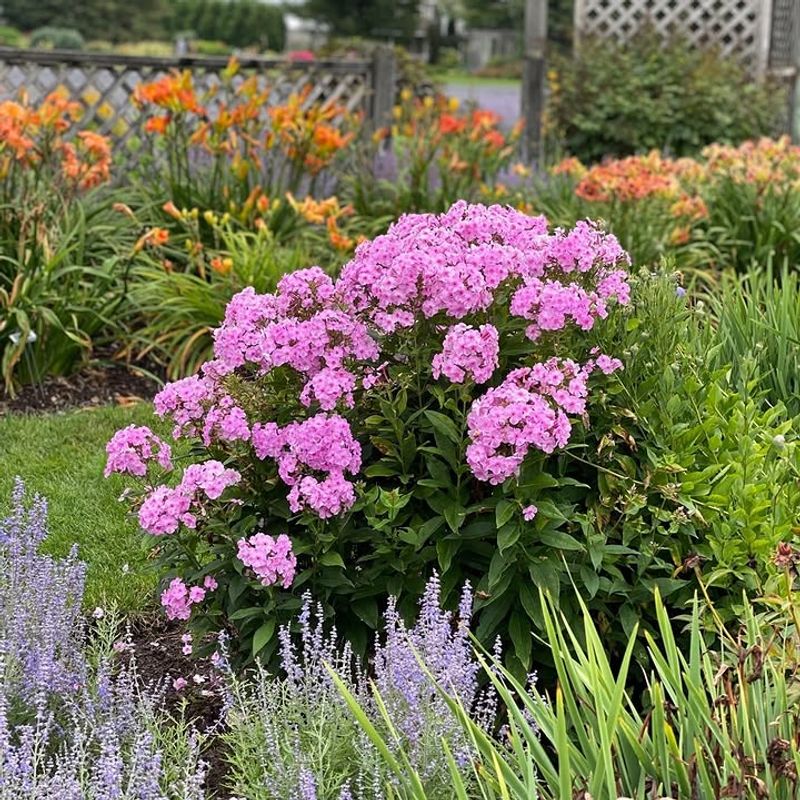
Garden phlox crowds itself into tight clumps that invite powdery mildew problems during Georgia’s humid summers. Splitting clumps in March improves air circulation around stems, which helps prevent fungal issues later.
Better airflow means healthier plants and more blooms in July.
Phlox roots spread outward from central crowns, creating clusters of stems. After a few years, these clusters become so dense that interior stems get weak and spindly.
Division thins things out and redirects energy into stronger growth. Dig up clumps while they’re still dormant or just starting to show new shoots.
Pull or cut sections apart so each division has four to six stems and a solid root mass. Discard any sections that look diseased or have blackened roots.
Replant divisions in locations with good air movement and morning sun. Afternoon shade helps phlox handle Georgia’s summer heat without stressing too much.
Space new divisions at least two feet apart. This seems like a lot of room at first, but phlox fills in fast once growing season starts.
Mulch lightly around plants but keep mulch away from stems. Water regularly through spring, especially if March turns dry.
Divided phlox usually blooms the same summer you split them, though flower heads might be slightly smaller the first year.
5. Coreopsis Forms Healthier Plants When Thinned In March
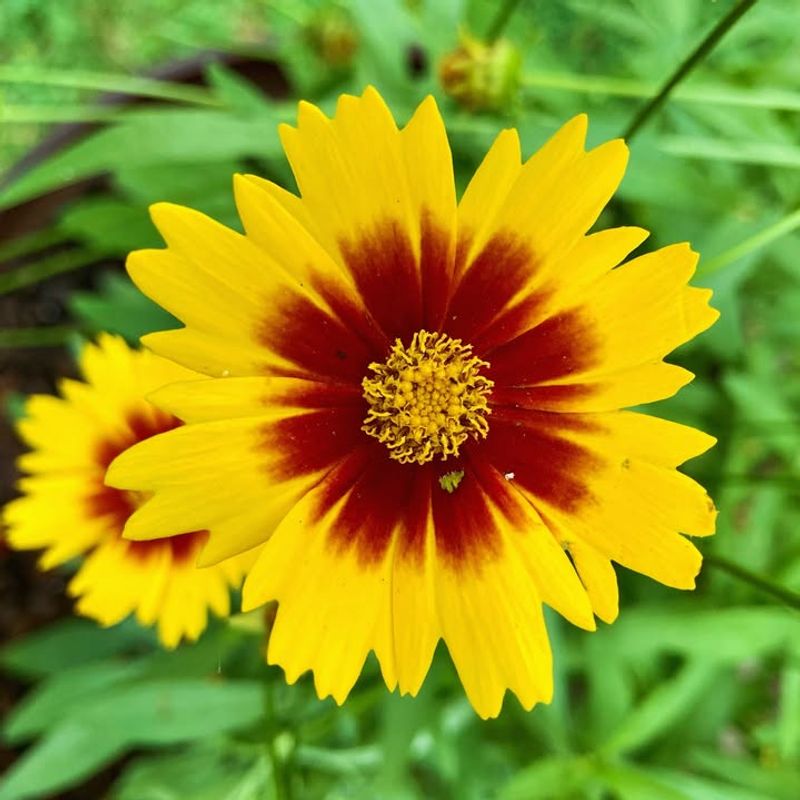
Coreopsis varieties grown in Georgia often get leggy and bloom poorly after their second or third year. The plants spread outward, leaving bare centers that look scraggly by midsummer.
Early March division rejuvenates them completely and brings back the compact, floriferous growth you want.
Threadleaf types especially benefit from division because they form dense mats of foliage that suffocate themselves over time. Lift entire plants and pull sections apart with your hands.
The roots are thin and fibrous, so they separate easily. Each division should have both roots and several inches of top growth.
Replant divisions in well-drained spots with full sun. Coreopsis tolerates drought once established, but newly divided plants need consistent moisture through spring.
Space them twelve to fifteen inches apart. They’ll fill in gaps quickly as temperatures warm up.
Cut back any old, woody stems on divisions before replanting. This forces fresh growth from the base and creates bushier plants.
Georgia’s native coreopsis varieties handle division even better than cultivated types and adapt quickly to new locations. Divided plants usually start blooming by late May or early June, covering themselves with yellow or pink flowers depending on variety.
Regular division every two to three years keeps coreopsis looking fresh instead of tired and overgrown.
6. Bee Balm Expands Rapidly And Responds Well To Splitting
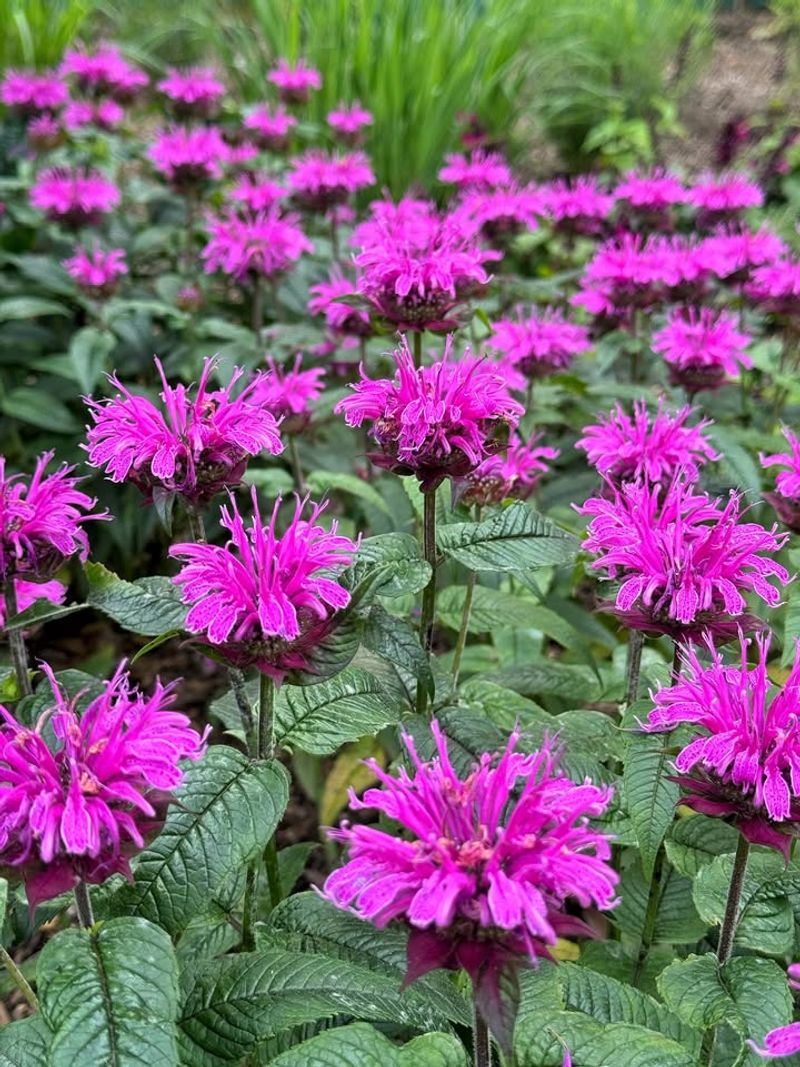
Bee balm spreads by underground rhizomes that travel several feet in a single growing season. Left alone, it takes over garden beds and crowds out neighboring plants.
March division controls this aggressive growth while maintaining healthy, blooming plants where you actually want them.
The rhizomes look like thin underground stems with roots dangling from nodes. Dig up sections of bee balm and you’ll see how extensively they’ve spread.
Cut or break rhizomes into pieces, making sure each piece has at least one growth bud and some roots. These pieces establish quickly when replanted.
Choose new locations carefully because bee balm will spread there too. Full sun to part shade works fine in Georgia gardens.
The plants tolerate our heat if they get consistent moisture. Afternoon shade helps prevent stress during July and August.
Space divisions about eighteen inches apart, knowing they’ll fill in fast.
Bee balm divided in March usually blooms by midsummer. The flowers attract hummingbirds and butterflies, making divided plants valuable for pollinator gardens.
Powdery mildew can be a problem in Georgia’s humidity, so choose resistant varieties when possible and divide regularly to maintain good air circulation.
Pull up unwanted shoots throughout the growing season to keep bee balm from spreading beyond its designated area.
7. Ornamental Grasses Push Fresh Growth After Being Cut And Divided
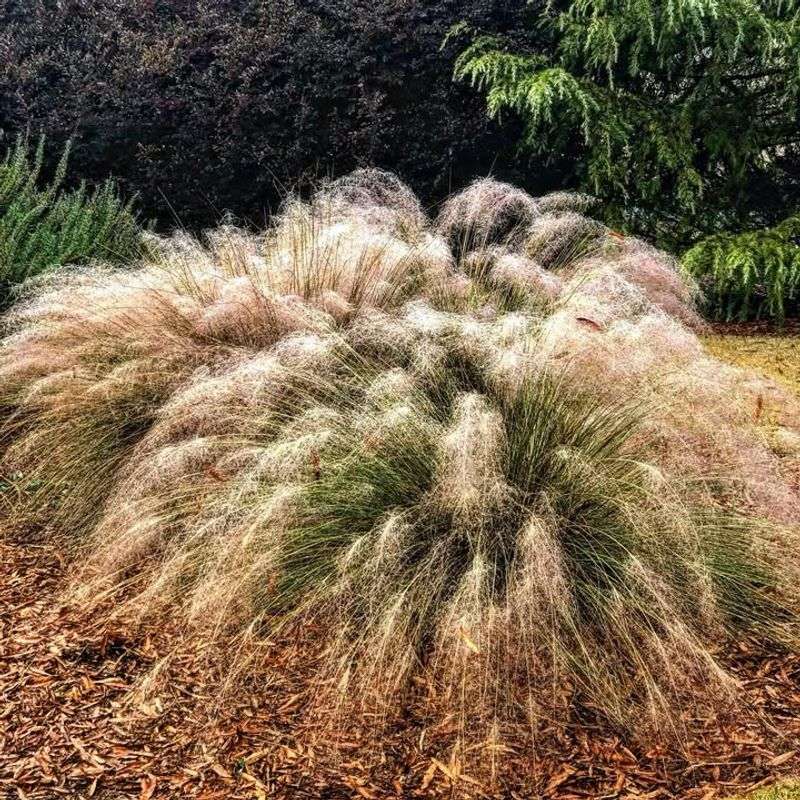
Ornamental grasses form tight clumps that eventually stop producing vigorous growth from the center. The outer edges stay green and healthy while the middle turns brown and ratty-looking.
Dividing grasses every three to five years keeps them looking full and prevents that hollow center problem.
Cut back old foliage to about six inches before dividing. This makes it easier to see what you’re doing and reduces stress on the plant.
Use a sharp spade or even a saw for larger clumps because grass roots get incredibly tough. Some Georgia gardeners use a reciprocating saw to cut through big clumps of established grasses.
Each division should be about the size of a dinner plate with both roots and growth points. Smaller divisions take longer to look substantial again.
Replant at the same depth the grass was growing before, and water thoroughly. Grasses divided in early March have the entire spring to establish before summer heat arrives.
Most ornamental grasses tolerate Georgia’s climate well once established. Maiden grass, fountain grass, and muhly grass all respond well to March division.
They’ll look sparse immediately after splitting but fill in surprisingly fast once warm weather kicks in. Divided grasses usually reach blooming size by late summer, producing their characteristic plumes and seed heads right on schedule.
Choose a calm, cool day for the job so roots are not exposed to drying wind for long. Adding a shovel of compost to the planting hole helps new sections settle in faster, especially in heavy Georgia soil.
With fresh space and renewed energy, those grasses return thicker, greener, and far more balanced through the growing season.
8. Black-Eyed Susans Rebound Quickly From Early Spring Division
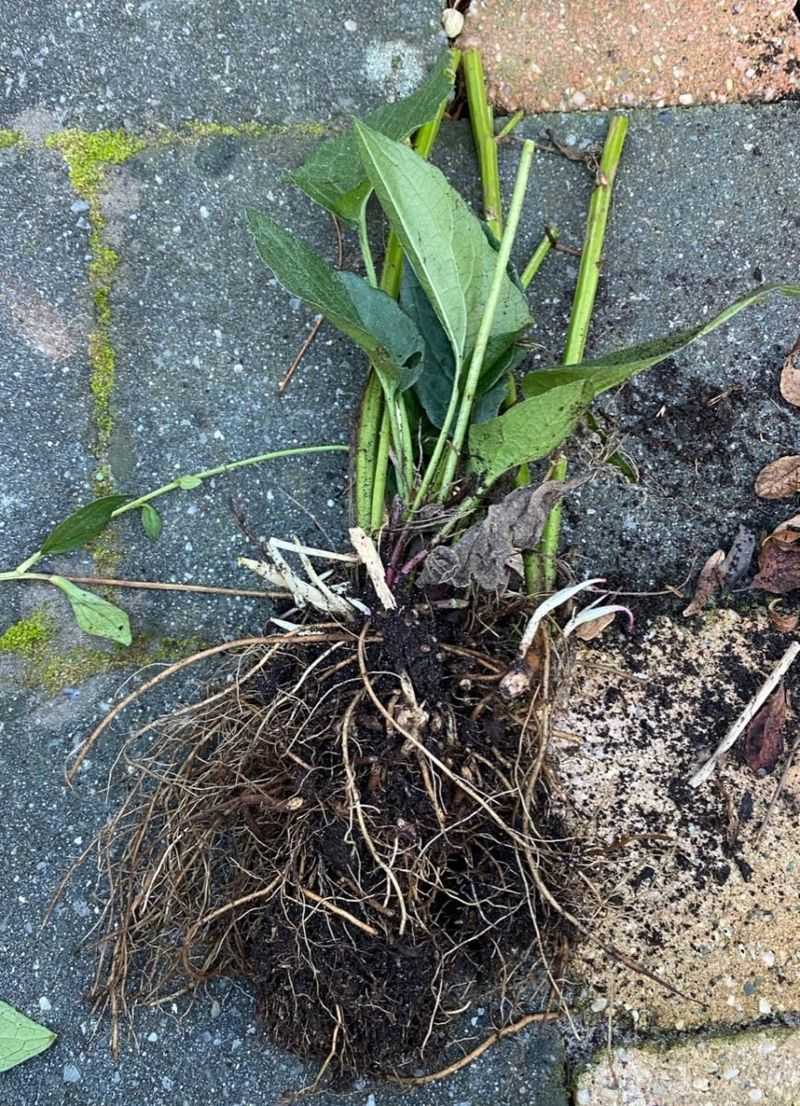
Black-eyed Susans spread aggressively in Georgia gardens, sometimes too aggressively. They self-sow readily and also expand from the roots, creating massive clumps within two or three years.
Division controls their spread while keeping plants vigorous and blooming heavily.
March is ideal because black-eyed Susans are just waking up. New growth appears as small rosettes of leaves close to the ground.
Dig up entire clumps and shake soil loose from roots. You’ll see how the plants have multiplied underground.
Each rosette can become its own plant if it has roots attached.
Use your hands or a knife to separate individual rosettes or small clusters. Black-eyed Susans aren’t fussy about division size.
Even small pieces with just a few roots will establish quickly. Replant divisions in full sun with average soil.
They tolerate Georgia’s clay and heat better than most perennials.
Water new divisions for a few weeks until you see active growth. Black-eyed Susans bounce back fast and usually bloom the same year you divide them.
They’ll start spreading again within a season or two, so plan to divide regularly if you want to keep them contained. Otherwise, let them naturalize in areas where you want bold yellow color without much maintenance.