How To Grow Apples In Arizona’s Low Desert Without Struggling
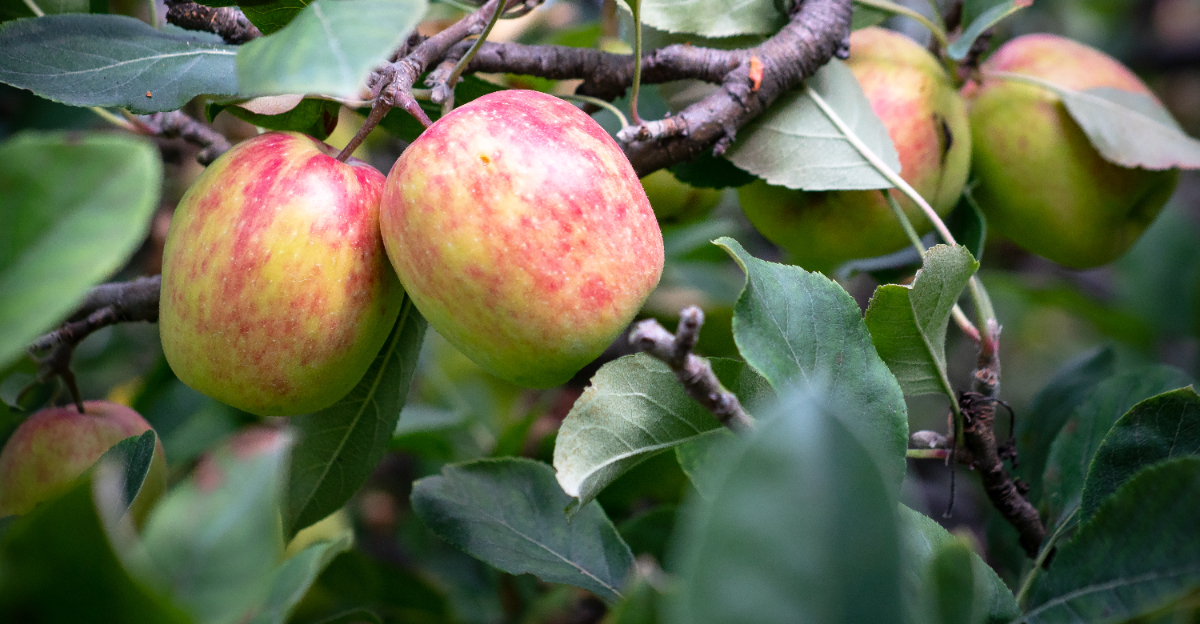
Growing apples in Arizona’s low desert can feel almost impossible when you first look at the heat, dry air, and intense sun. You might even wonder if it is worth trying.
The truth is, apples can grow here, but they need the right approach from the start.
Choosing low chill varieties, planting at the right time, and protecting young trees from harsh afternoon sun makes all the difference in how they perform.
If you have struggled with weak growth, poor fruit set, or sunburned branches, the problem is usually not you. It is the strategy.
Once you understand how to work with the desert climate instead of against it, apple trees become far more manageable and rewarding in your Arizona garden.
1. Choose Low-Chill Apple Varieties Suited For Warm Winters
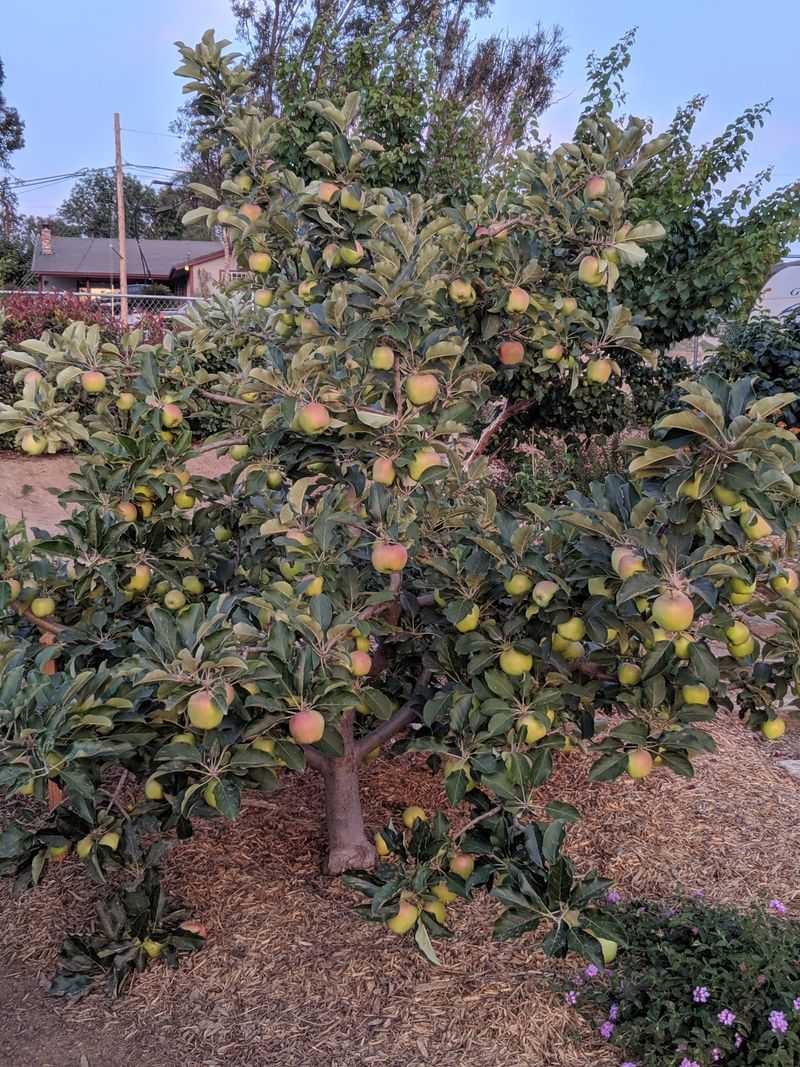
Not every apple will survive a Phoenix winter, and that is not an exaggeration. Most traditional apple varieties need between 700 and 1,200 hours of temperatures below 45 degrees Fahrenheit to break dormancy and set fruit.
In Arizona’s low desert, you might get 200 to 400 chill hours in a good year. Plant the wrong variety, and your tree will leaf out but never produce a single apple worth eating.
Low-chill varieties were bred specifically for climates like this. Anna and Dorsett Golden are the two most popular choices for the Phoenix and Tucson areas.
Anna needs only around 200 chill hours, and Dorsett Golden is similar. They actually do better when planted together because they cross-pollinate each other, which leads to a much bigger harvest for both trees.
Ein Shemer is another solid option that performs well in Arizona’s low desert heat. It ripens early, usually around June or July, before the worst of summer kicks in.
Fuji and Gala have been grown here too, but they need closer to 400 chill hours, so results are less predictable depending on how warm your specific winter runs.
Buying from a local Arizona nursery matters more than most people realize. Trees grown and sold locally are already acclimated to the region’s soil and heat patterns.
Ordering online from a nursery in a cooler state might save a few dollars, but you often end up with a tree that struggles right from the start.
2. Plant In A Spot With Morning Sun And Afternoon Protection
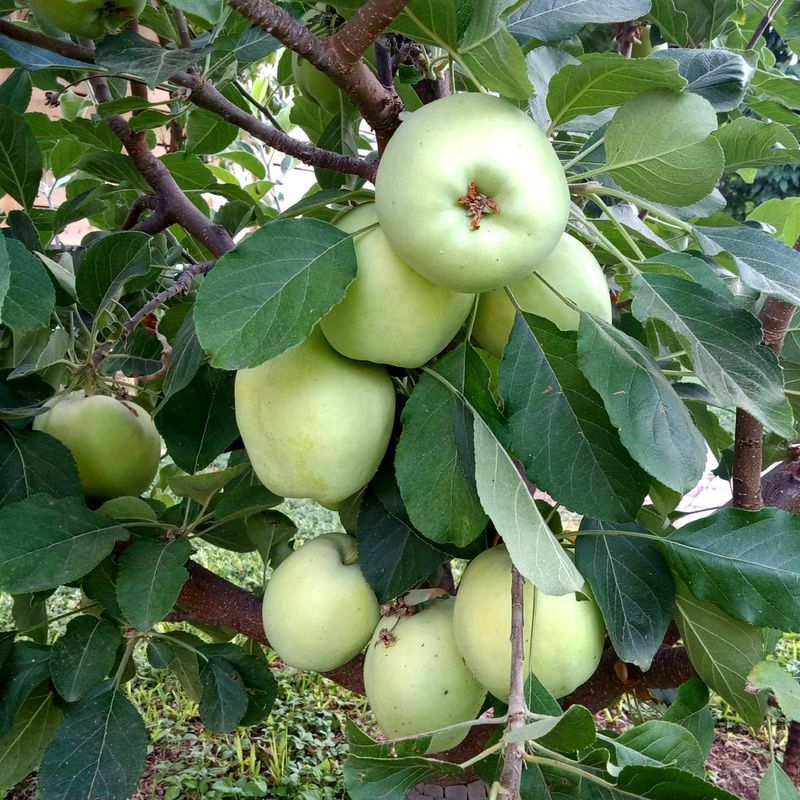
Sunlight placement in Arizona’s low desert is not the same conversation you would have with a gardener in Oregon or upstate New York. Out here, full sun all day long does not help your apple tree.
It punishes it. Afternoon sun in June and July pushes temperatures past 115 degrees in many parts of the Phoenix valley, and that kind of heat scorches leaves, stresses the root zone, and can abort fruit before it ever matures.
Morning sun is what you want. A spot on the east side of your yard, or one that gets shade from a block wall or large structure after about 1 or 2 in the afternoon, gives your apple tree the light it needs to photosynthesize without cooking it.
Your Arizona Garden Changes Every Week. Your Plan Should Too.
Gardening in Arizona changes quickly throughout the season. Every Friday you’ll receive a simple weekly plan showing exactly what to plant, prune, fertilize, harvest, and protect so you never miss the right timing.
Six hours of morning sun is usually plenty for good fruit production in this climate.
Natural shade sources work well too. Planting near a larger shade tree to the west can protect your apple from the harshest afternoon rays.
Just make sure the shade tree is not so close that it competes for water or roots start tangling underground. A distance of 15 to 20 feet is usually safe.
South-facing walls can also work in your favor during winter, radiating stored warmth that helps protect against the occasional cold snap Tucson and higher-elevation desert areas sometimes experience.
The key is thinking about sun angles across all seasons, not just summer.
Placement decisions made at planting time follow your tree for its entire life in the low desert.
3. Improve Soil Drainage Before Planting
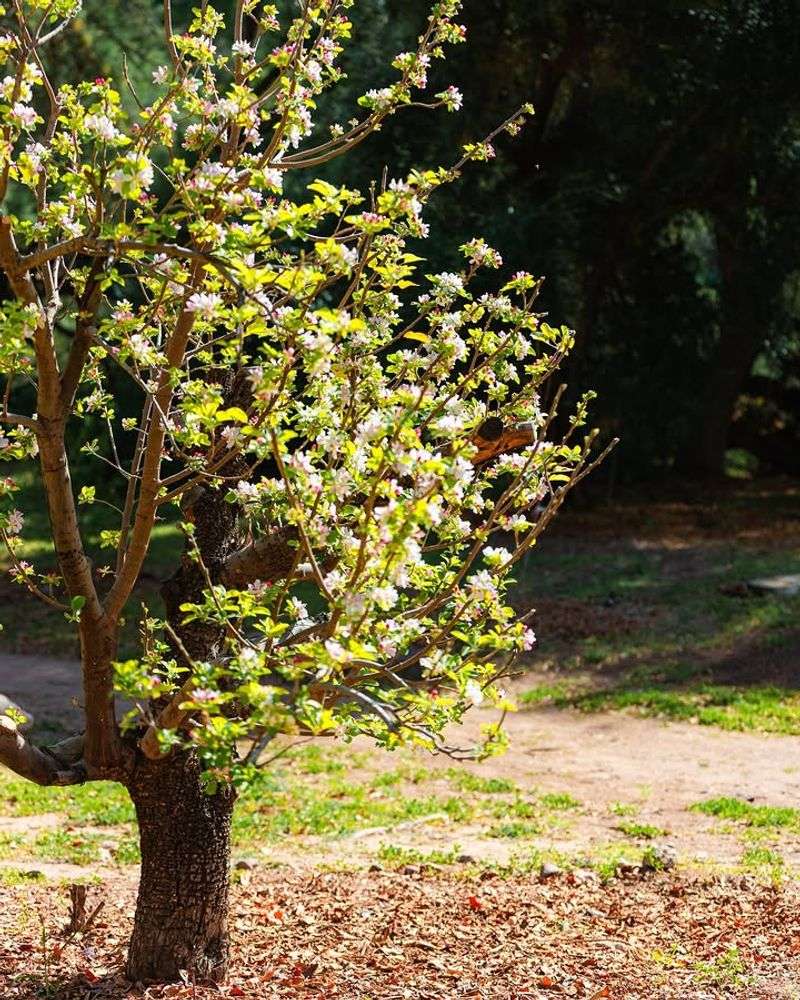
Arizona’s low desert soil has a reputation, and it earned every bit of it. Caliche layers, heavy clay pockets, and near-zero organic matter are common across the Phoenix metro and surrounding areas.
Apple tree roots need oxygen just as much as they need water. When soil stays waterlogged around the root zone, roots suffocate and the tree declines fast, especially in summer when heat compounds every other stress factor.
Before you drop a single tree in the ground, dig a test hole about 12 inches deep and fill it with water. If that water is still sitting there two hours later, you have a drainage problem that needs fixing before planting day.
Ignoring it means you will be fighting root rot for years instead of harvesting fruit.
Breaking through a caliche layer with a rented jackhammer or a sturdy digging bar is sometimes necessary in older Arizona neighborhoods. Once you get through it, backfill the hole with a mix of your native soil and quality compost at roughly a 50/50 ratio.
Avoid pure compost or potting mix fills because they can actually create a drainage barrier where water pools at the transition zone between soils.
Raised beds are a practical solution many low-desert gardeners use when the native soil is just too difficult to amend. A raised bed filled with a well-draining blend of loam, compost, and coarse sand gives your apple tree a clean start.
Keep the bed at least 18 inches deep to give roots enough room to establish before hitting the native ground below.
4. Water Deeply And Adjust Irrigation Through Summer
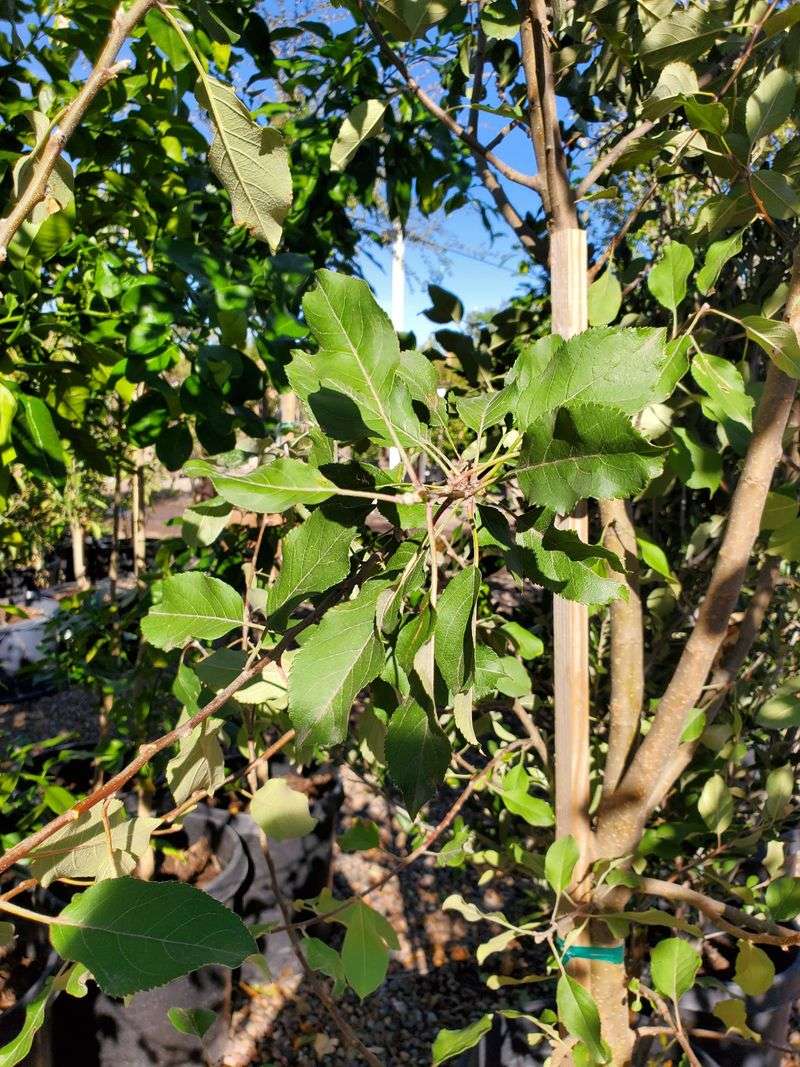
Shallow watering is one of the fastest ways to stress an apple tree in Arizona’s low desert. When you only wet the top few inches of soil, roots stay near the surface where temperatures can reach dangerous levels during summer.
Deep, infrequent watering encourages roots to grow downward where the soil stays cooler and holds moisture longer between irrigation cycles.
A good rule of thumb for established apple trees in the Phoenix or Tucson area is watering to a depth of at least 24 inches per session. You can check depth by pushing a long screwdriver or soil probe into the ground after watering.
If it slides in easily to 24 inches, you hit your target. If it stops at 8 or 10 inches, you need to run your drip system longer.
Watering frequency shifts dramatically across seasons in Arizona. During winter dormancy, once every two to three weeks is often enough depending on rainfall.
Spring and fall call for weekly deep watering. Summer is a different story entirely.
During peak heat from June through August, watering every three to four days may be necessary to prevent serious stress, especially for younger trees still building their root systems.
Mulching around the base of your apple tree makes a real difference in how well the soil holds moisture between waterings.
A three to four inch layer of wood chip mulch pulled back a few inches from the trunk keeps soil temperatures lower and reduces evaporation significantly.
In Arizona’s low desert, that saved moisture adds up fast over a long, hot summer.
5. Thin Fruit Early To Prevent Stress In Extreme Heat
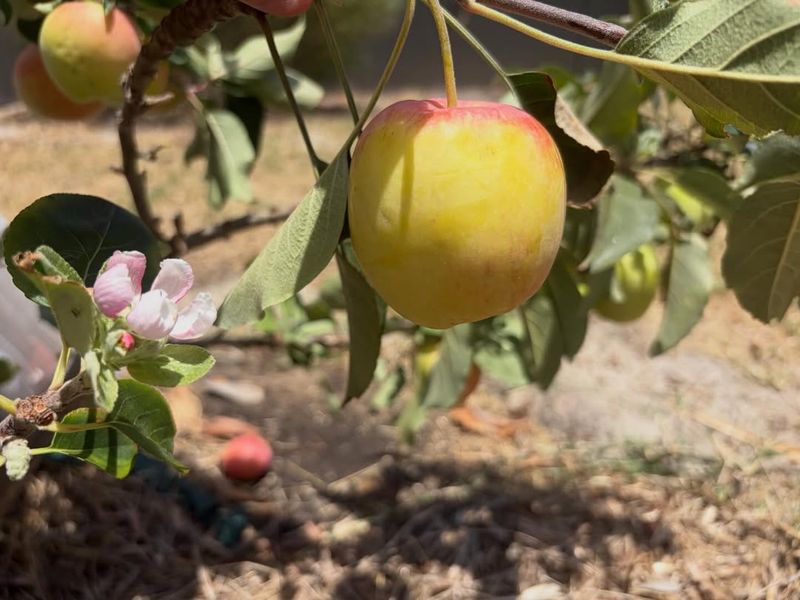
A tree loaded with too many apples heading into an Arizona summer is asking for trouble. When temperatures climb past 110 degrees in the Phoenix valley, every bit of energy your tree has goes toward survival.
Carrying a heavy fruit load on top of that is genuinely too much, and trees respond by dropping fruit suddenly, producing undersized apples, or looking worn down well before harvest arrives.
Fruit thinning sounds counterintuitive at first. You grew these apples from scratch, and now someone is telling you to pull them off the tree on purpose.
But removing excess fruitlets early actually leads to larger, better-tasting apples at harvest. Fewer fruits mean more water and nutrients directed to each individual apple instead of being spread thin across dozens.
Start thinning once the natural June drop has finished, usually in late spring before temperatures get serious. Aim to leave one apple every six to eight inches along each branch.
When you find clusters of two, three, or four small fruitlets grouped together, remove all but the strongest-looking one. The one you keep should be free of blemishes and sitting in a good position on the branch.
In Arizona’s low desert, early-ripening varieties like Anna and Dorsett Golden are already heading toward harvest by June or early July. Thinning in April gives those remaining fruits the best shot at sizing up properly before heat peaks.
Waiting too long to thin puts your tree in a tough spot where it is managing both extreme temperatures and an oversized fruit load at the same time.
6. Prune In Late Winter To Maintain Airflow And Structure
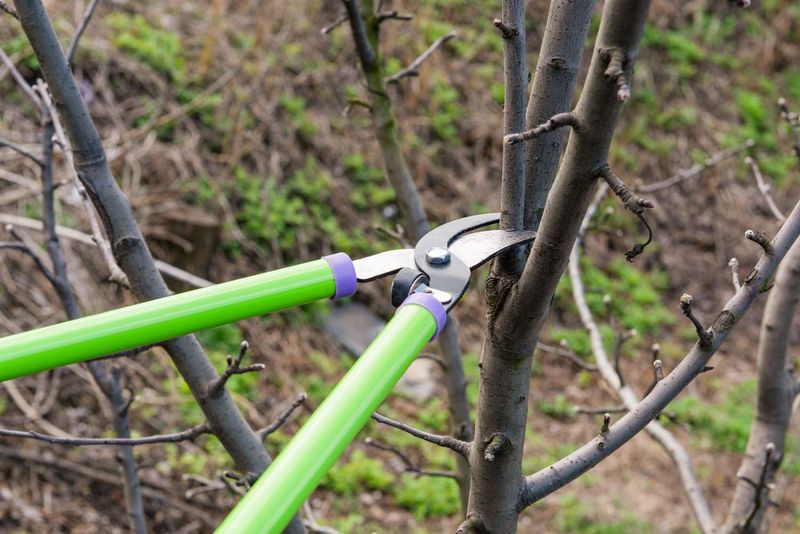
Late January through February is the window most low-desert Arizona gardeners use for apple tree pruning, and timing actually matters here. Prune too early in December and you risk stimulating new growth that gets nipped by a cold snap.
Wait until March and you have likely already missed the dormant period as trees in the Phoenix and Tucson areas break bud surprisingly early compared to other parts of the country.
Airflow is the main goal when pruning apple trees in a hot climate. Dense, crowded canopies trap humidity, create shaded spots where fungal issues develop, and make it harder for fruit to ripen evenly.
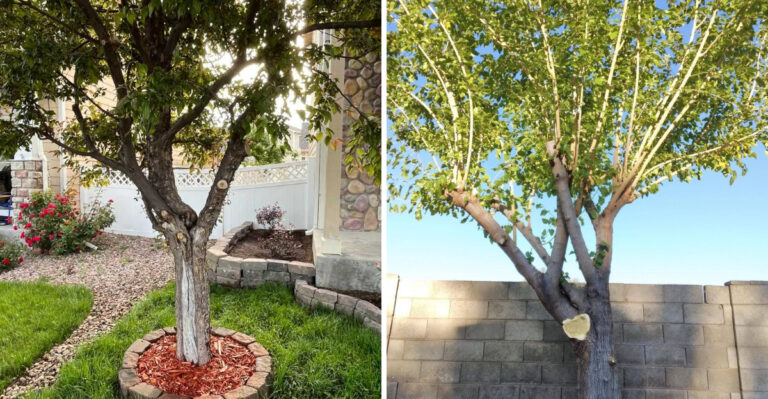
Removing crossing branches, water sprouts growing straight up from main limbs, and any branches crowding the center of the tree opens everything up considerably.
A modified central leader or open vase shape works well for low-desert apple trees.
The open vase allows sunlight and air to reach the interior of the canopy, which matters a lot when you are heading into a long Arizona summer.
You are not trying to make the tree look perfect. You are building a structure that handles heat stress and still produces fruit reliably year after year.
Sharp, clean tools make a real difference in how well pruning cuts heal. Dull blades crush tissue instead of cutting cleanly, which slows callus formation and can invite disease.
Wiping your pruning shears with rubbing alcohol between trees is a good habit, especially if you have multiple fruit trees in your yard. A little prep work before you start saves headaches later in the season.
7. Protect Young Trees From Sunburn During Peak Heat
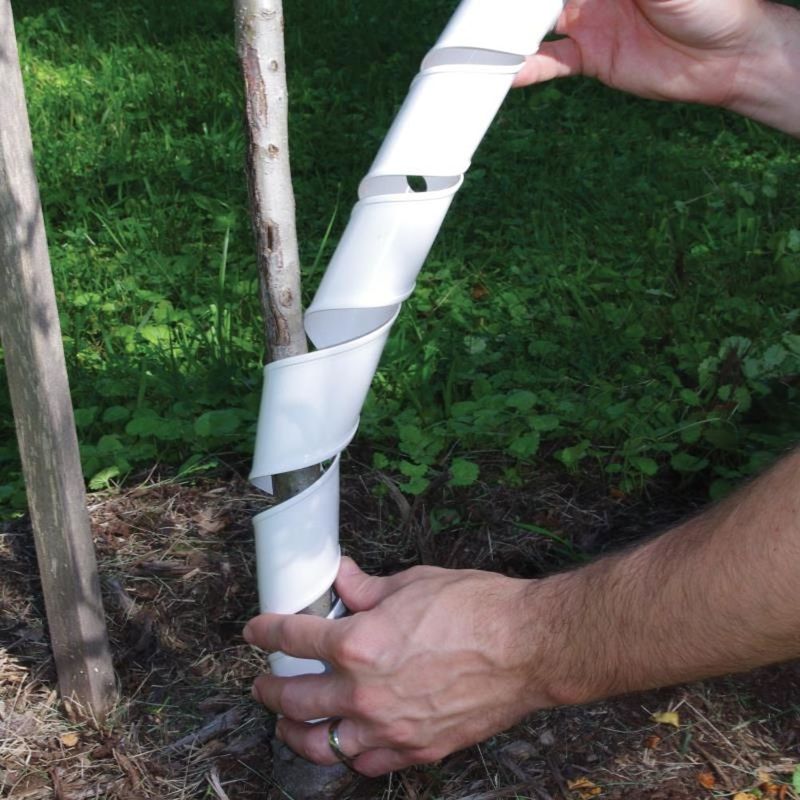
Sunburn on apple trees is a real problem in Arizona’s low desert, and it hits young trees hardest.
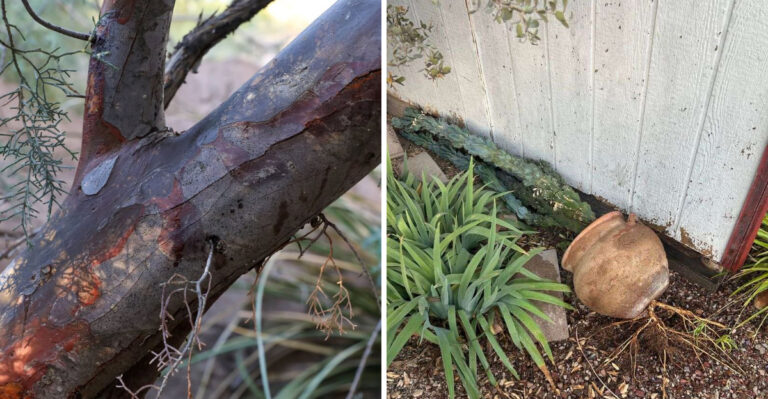
When bark on the south or west side of a trunk gets exposed to direct afternoon sun during peak summer, it can crack, blister, and create entry points for pests and disease.
Trees that have not yet developed thick, protective bark are especially vulnerable during their first two or three years in the ground.
White latex paint diluted 50/50 with water works as a simple, effective trunk protector. Painting the lower trunk and main scaffold branches reflects sunlight instead of absorbing it, keeping bark temperatures significantly cooler on hot afternoons.
It looks a little unusual at first glance, but every experienced Arizona fruit grower knows this trick, and it genuinely works in the low desert heat.
Tree wrap is another option, especially for very young trees freshly planted in spring or fall. Wrap the trunk from the soil line up to the first main branch using a light-colored tree wrap material.
Check it a couple of times a year to make sure it is not trapping moisture against the bark or becoming a hiding spot for insects underneath.
Shade cloth can also help during the most brutal stretch of summer, typically July and August in the Phoenix area.
A 30 to 40 percent shade cloth draped over a simple frame around your young tree takes the edge off afternoon heat without blocking the morning light your tree still needs.
Remove it by September when temperatures start dropping and days grow shorter across the Arizona low desert.