9 Smart Plants To Start In March In Arizona For A Stronger Season
If gardening in Arizona has ever felt like you are constantly trying to catch up once the heat arrives, this is the moment to shift that pattern.
March gives you a rare balance of warming soil and manageable temperatures, which means plants can settle in without immediately fighting extreme stress.
When you start the right varieties now, they have time to build strong roots and steady growth before summer intensifies.
You do not need a complicated plan or a complete garden overhaul to see better results. A few smart planting decisions this month can change how your entire season unfolds.
These picks are well suited to Arizona conditions and help you move into summer feeling prepared instead of pressured.
1. Basil Thrives Once Soil Warms And Grows Fast
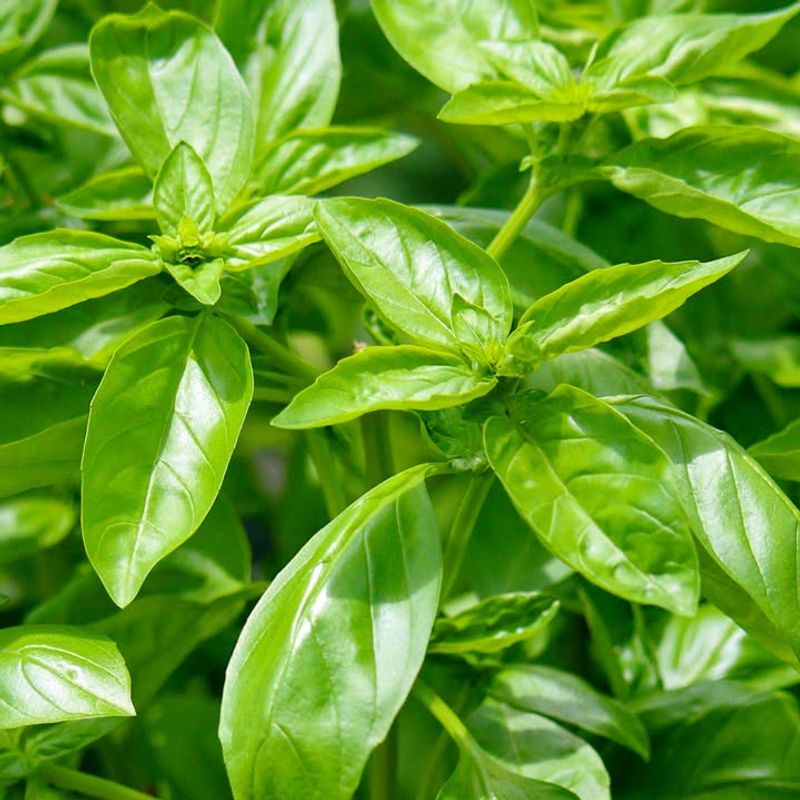
Basil waits for nobody. Plant it too early when the soil is still cool, and it just sits there sulking.
But get it in the ground once March temperatures stabilize, and you’ll see new leaves practically every day.
Arizona’s warming spring soil gives basil exactly what it craves. The herb shoots up quickly when daytime highs reach the 70s and 80s.
You can start pinching leaves for pesto within three weeks if conditions are right.
Afternoon shade becomes your best friend as April rolls around. A spot that gets morning sun but protection during the hottest part of the day keeps basil producing longer.
Without some relief, leaves get bitter and plants bolt faster than you’d like.
Water matters more than most people think. Basil roots stay shallow, so they dry out fast in Arizona’s low humidity.
Check the soil daily and water when the top inch feels dry. Mulch helps, but don’t pile it against the stems.
Harvest often to keep plants bushy rather than tall and leggy. Snip stems just above a leaf pair, and two new branches will grow from that spot.
This technique works especially well in Arizona where basil can produce until October if you keep it trimmed and watered.
Fertilize lightly once the plants are established, using a balanced liquid feed every few weeks to support steady leaf growth without forcing weak, floppy stems.
As summer heat intensifies, consider succession planting in short intervals so fresh, vigorous basil replaces any plants that begin to struggle.
2. Peppers Establish Strong Roots Before Extreme Heat
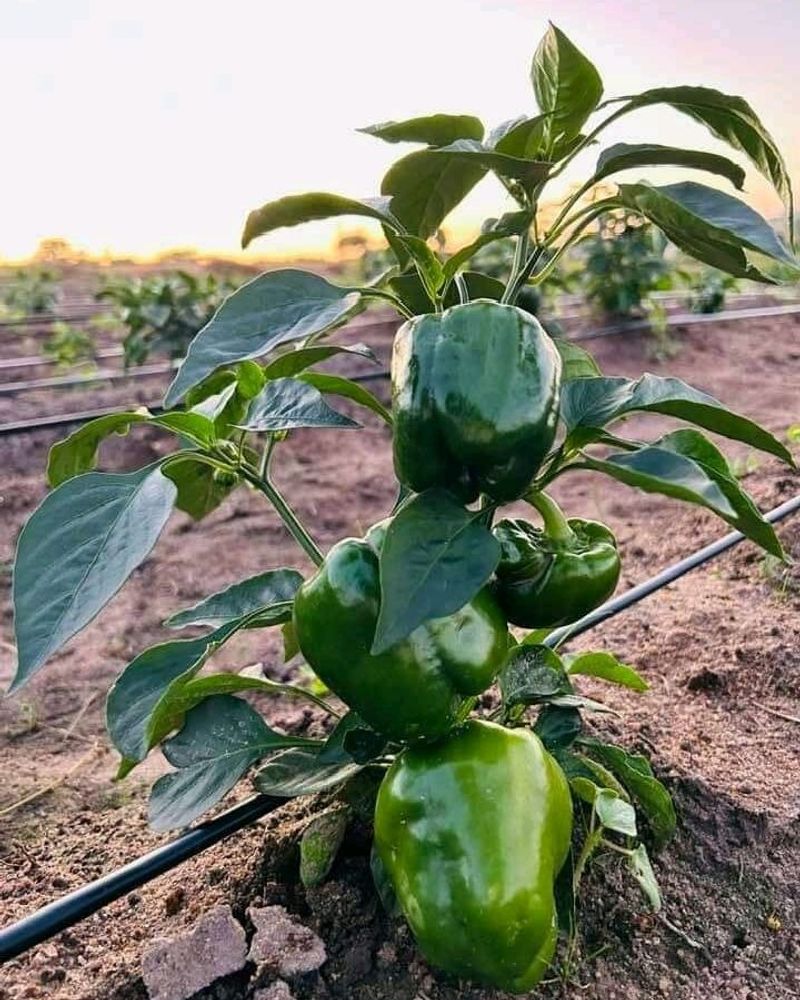
Peppers need time to settle in before summer turns the desert into an oven. March planting gives them six to eight weeks of moderate weather to develop deep roots.
That root system makes all the difference when June arrives.
Transplants work better than seeds for Arizona gardeners. Seedlings from the nursery already have a head start, and you’re not gambling on germination during unpredictable spring weather.
Look for stocky plants with dark green leaves, not tall spindly ones.
Soil preparation pays off huge with peppers. Mix in compost a few weeks before planting to give it time to settle.
Arizona soil often lacks organic matter, and peppers respond to the extra nutrients by setting more fruit.
Your Arizona Garden Changes Every Week. Your Plan Should Too.
Gardening in Arizona changes quickly throughout the season. Every Friday you’ll receive a simple weekly plan showing exactly what to plant, prune, fertilize, harvest, and protect so you never miss the right timing.
Space plants about 18 inches apart so air can circulate. Crowded peppers in Arizona’s dry heat become magnets for aphids and other pests.
Good spacing also means each plant gets adequate water without competing.
Mulch heavily around pepper plants once they’re established. A three-inch layer of wood chips or straw keeps soil temperatures more stable and conserves moisture.
As temperatures climb into the 90s and beyond, that mulch layer protects roots from cooking.
3. Eggplant Benefits From An Early Warm-Season Start
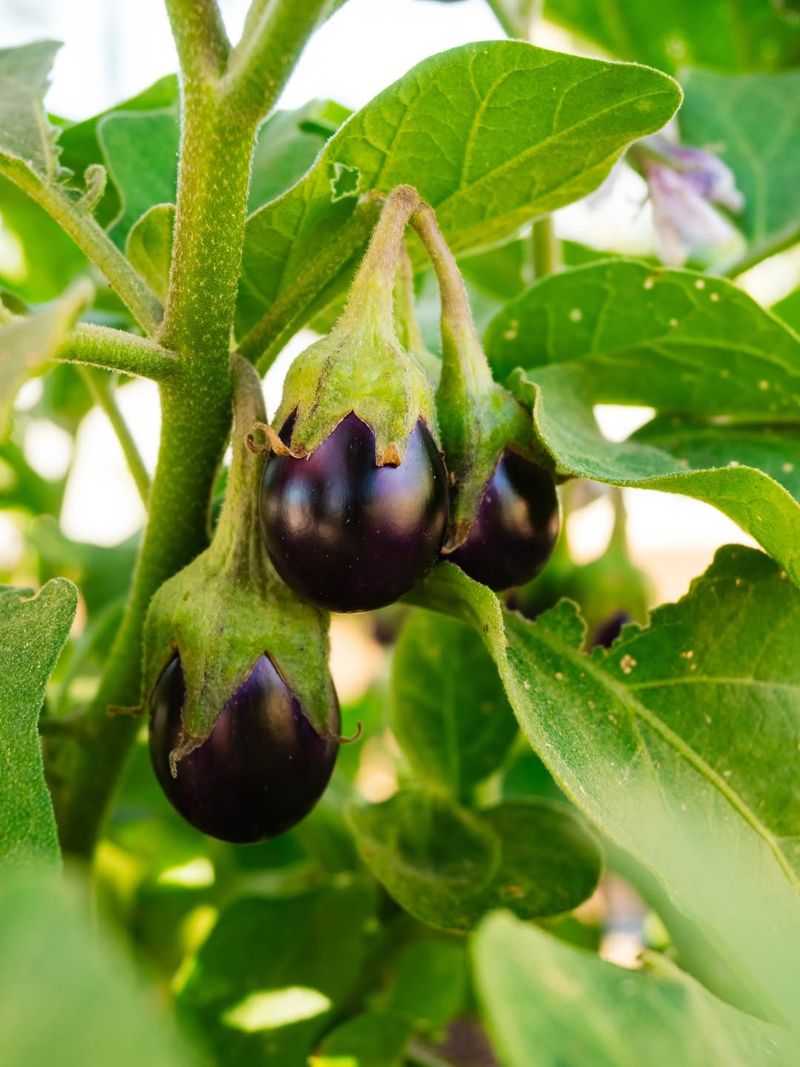
Eggplant loves heat but hates being rushed. Getting plants in the ground during March gives them time to build a strong framework before they start pumping out fruit.
Rush them into hot soil in May, and they’ll struggle.
These plants grow slower than you might expect at first. Don’t panic if they seem to just sit there for the first few weeks.
They’re busy growing roots underground while Arizona’s spring weather warms up gradually.
Pick a spot with full sun and protection from strong winds. Eggplant stems can be brittle, and Arizona’s spring winds sometimes gust hard enough to snap branches.
A location near a wall or fence provides some shelter without creating too much shade.
Consistent watering matters more than frequent feeding. Eggplant roots go deep if you water slowly and thoroughly rather than with quick sprinkles.
Deep watering encourages roots to follow moisture down, making plants more drought-tolerant later.
Watch for flea beetles once plants leaf out. These tiny jumping insects chew small holes in leaves and can slow growth considerably.
Row covers work well for protection, or try spraying leaves with kaolin clay early in the season before beetles arrive in force.
4. Armenian Cucumbers Handle Rising Desert Temperatures
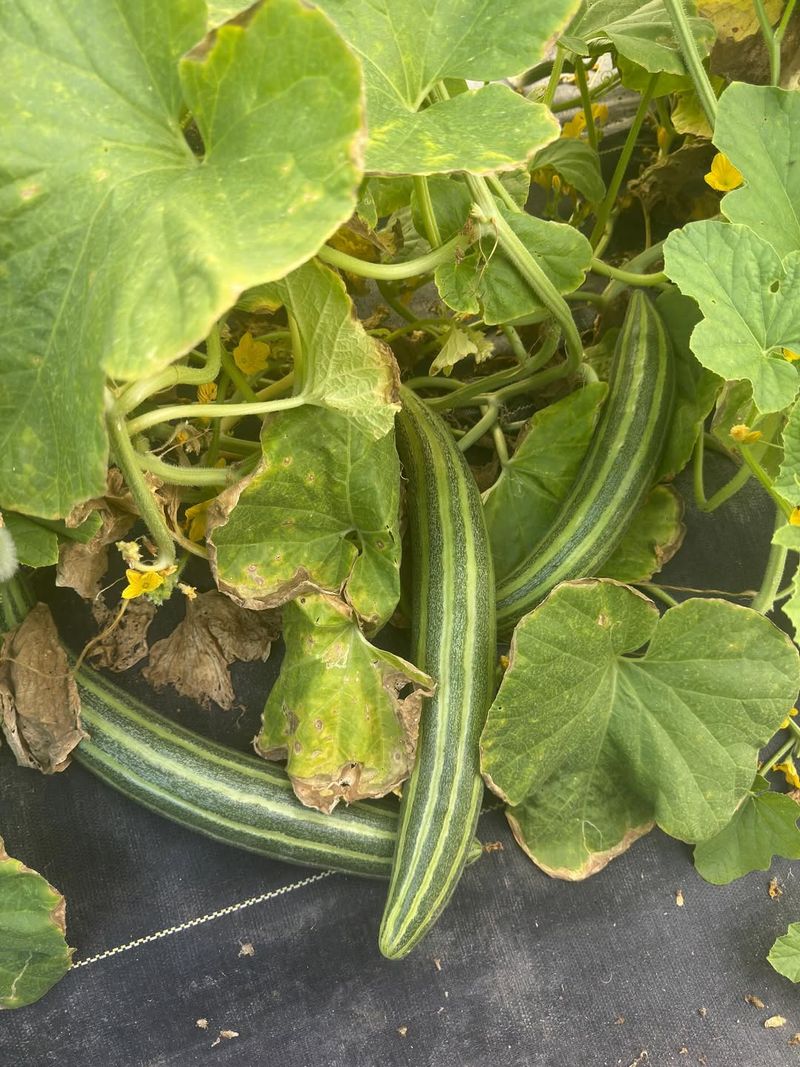
Most cucumbers wilt and quit when Arizona summer arrives, but Armenian cucumbers actually prefer the heat. March planting means they’ll be producing heavily by late May when temperatures really start climbing.
These aren’t technically cucumbers at all but a type of melon. The difference shows in how well they tolerate Arizona’s brutal conditions.
Regular cucumbers often develop bitter fruit in extreme heat, while Armenian types stay sweet and crisp.
Vertical growing saves space and improves production. Train vines up a sturdy trellis or fence, and you’ll get straighter fruit that’s easier to spot and harvest.
Fruits lying on hot Arizona soil sometimes develop soft spots or attract insects.
Water deeply but less often than you might think. Armenian cucumbers develop extensive root systems that reach down for moisture.
Shallow frequent watering keeps roots near the surface where they’re more vulnerable to heat stress.
Harvest while fruits are still slender, around 12 to 15 inches long. Let them go too long, and they get seedy and lose their crisp texture.
Check plants every other day once they start producing because fruits grow fast in Arizona’s warmth and long daylight hours.
5. Okra Loves Warming Soil And Long Days
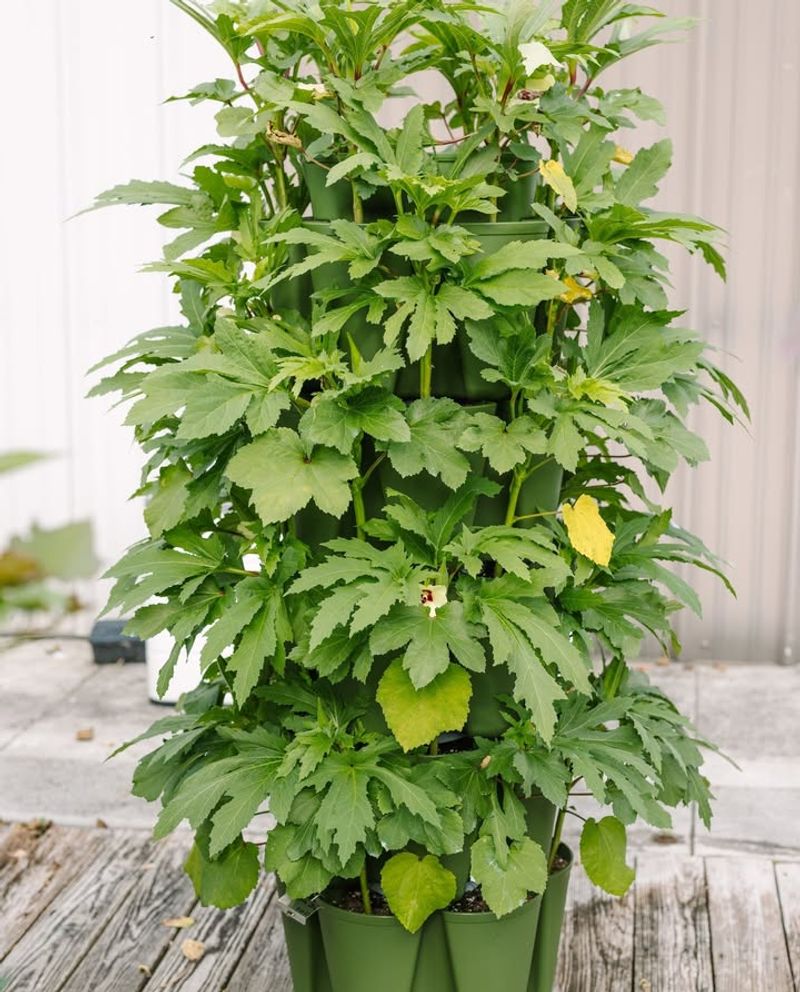
Okra practically begs for Arizona’s climate. Plant it in March, and you’ll have pods to pick by early June.
The hotter it gets, the happier okra becomes, producing steadily through summer when most vegetables give up.
Direct seeding works great for okra in Arizona. Seeds germinate quickly in warm soil, usually within a week when temperatures stay above 70 degrees.
Soaking seeds overnight speeds things up even more.
Give okra plenty of room to spread. Plants can reach five or six feet tall in Arizona’s long growing season, and they get bushy.
Three feet between plants prevents crowding and makes harvesting easier when you’re reaching into those prickly branches.
Pods appear about two months after planting. Check plants daily once flowering starts because pods grow incredibly fast.
Harvest when they’re three to four inches long and still tender. Wait too long, and they turn woody and tough.
Okra keeps producing as long as you keep picking. Each harvested pod signals the plant to make more flowers.
Stop harvesting, and production slows down. This makes okra perfect for Arizona gardens where the growing season stretches from March clear into October or later.
6. Zinnias Bloom Strongly Through Intense Heat
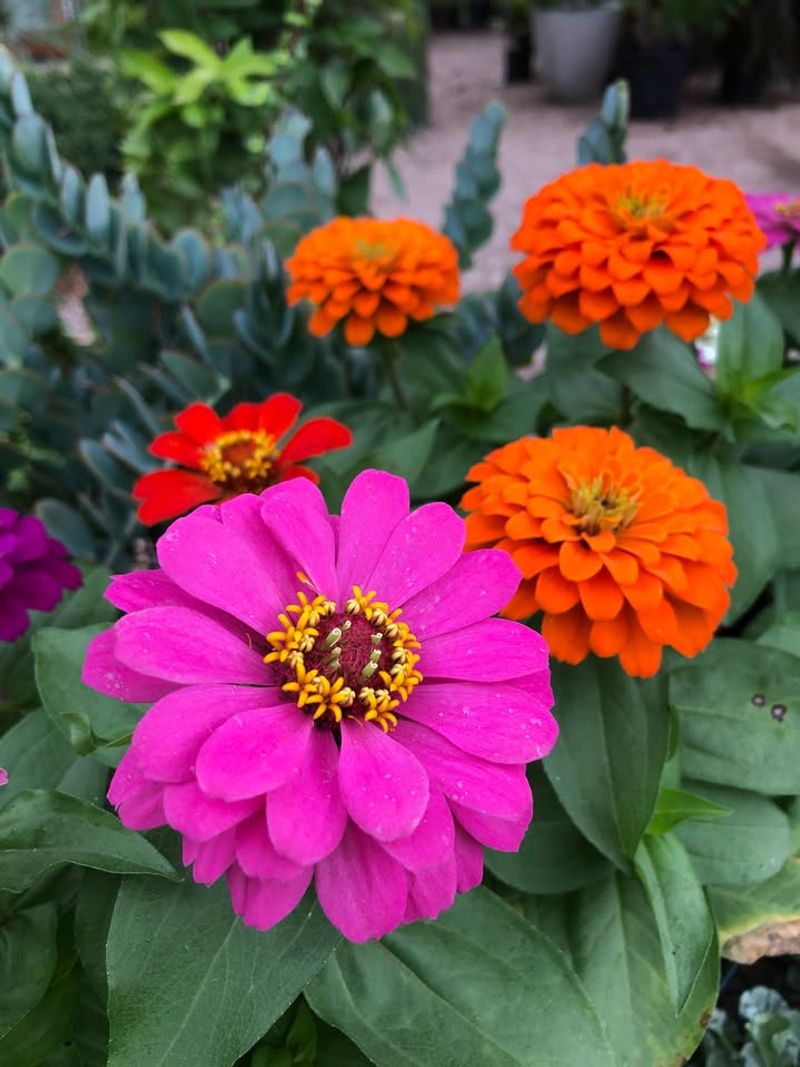
Zinnias laugh at Arizona heat. While other flowers fade and quit blooming when temperatures soar, zinnias just keep pumping out colorful blooms all summer long.
March sowings give you flowers by May that continue until frost, which might not come until December.
Seeds sprout easily when scattered directly in the garden. Cover them lightly with soil, keep the area moist for about a week, and you’ll see green shoots popping up.
Thin seedlings to six inches apart once they have a few leaves.
Afternoon sun doesn’t bother zinnias at all. They actually bloom better with full exposure to Arizona’s intense light.
Colors stay vibrant even during the hottest months when other flowers bleach out or drop their petals.
Deadheading encourages more blooms but isn’t strictly necessary. Zinnias produce flowers whether you remove spent ones or not.
That said, snipping off faded blooms does make plants look tidier and gives you fresh flowers for indoor arrangements.
Powdery mildew sometimes appears on zinnia leaves during Arizona’s monsoon season. Don’t worry too much about it.
The white coating looks bad but rarely affects flowering. Space plants properly for good air circulation, and avoid overhead watering to minimize the problem.
7. Sunflowers Grow Quickly In Full Arizona Sun
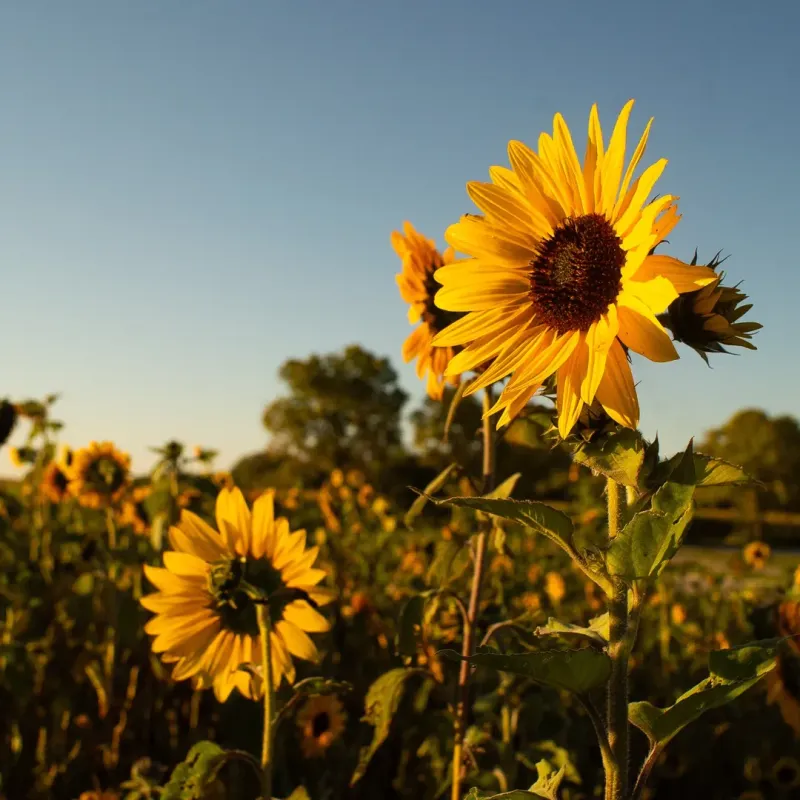
Sunflowers grow so fast in Arizona that you can almost watch them shoot up. March plantings reach full height by June, with massive flower heads that follow the sun across the sky.
Kids especially love watching these giants develop.
Choose varieties based on your space and goals. Mammoth types can hit 12 feet tall in Arizona’s climate, while dwarf varieties stay around three or four feet.
Both types handle the heat equally well.
Plant seeds an inch deep directly where you want them to grow. Sunflowers hate transplanting because they develop long taproots quickly.
Space large varieties at least two feet apart so they don’t shade each other out as they grow.
Water regularly while plants are young and establishing. Once sunflowers reach about three feet tall, they become remarkably drought-tolerant.
Their deep roots find moisture even when the surface soil is bone dry, which happens often in Arizona.
Birds will find your sunflower heads as soon as seeds start forming. If you want to harvest seeds yourself, cover flower heads with mesh bags or old pantyhose once petals start fading.
Otherwise, enjoy watching finches and other birds feast on your sunflowers through late summer and fall.
8. Sweet Potatoes Spread Rapidly In Warm Ground
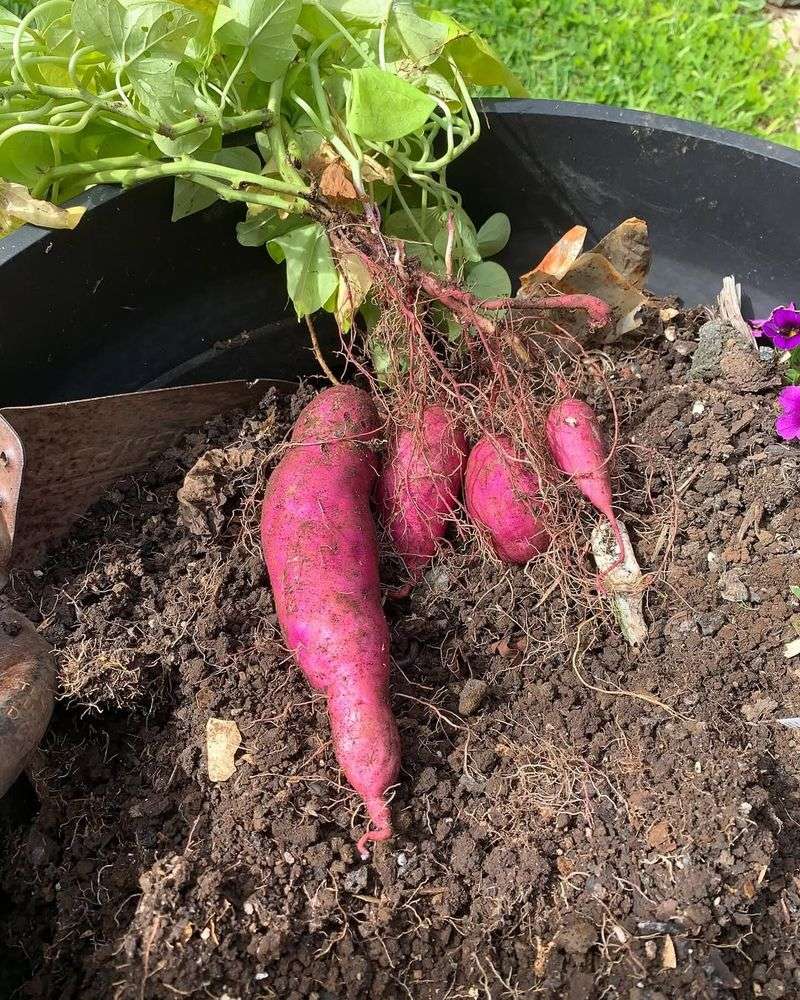
Sweet potatoes turn into ground-covering machines once Arizona soil warms up in March. Plant slips early in the month, and by summer you’ll have vines sprawling everywhere.
The longer growing season means bigger harvests when you dig in fall.
Order slips from a nursery or online supplier rather than trying to start your own. Sweet potato slips need specific conditions to develop properly, and buying them saves weeks of fussing.
Plant them as soon as they arrive with about 12 inches between slips.
Ridge up your soil into raised mounds before planting. Sweet potatoes form underground, and loose elevated soil makes harvest much easier.
Arizona’s hard caliche layer can stunt root development if you plant directly into unprepared ground.
Vines need space to roam. Each plant can spread six feet or more in Arizona’s long season.
Let them ramble across bare ground, or direct vines to grow where you want them. They’ll root at leaf nodes, but those secondary roots don’t usually form potatoes.
Don’t harvest until after the first light frost, which might not happen until November or December in Arizona. Waiting allows potatoes to reach full size and develop better flavor.
Dig carefully to avoid damaging tubers, then cure them in a warm spot for a week before storing.
9. Yardlong Beans Produce Well In Desert Summers
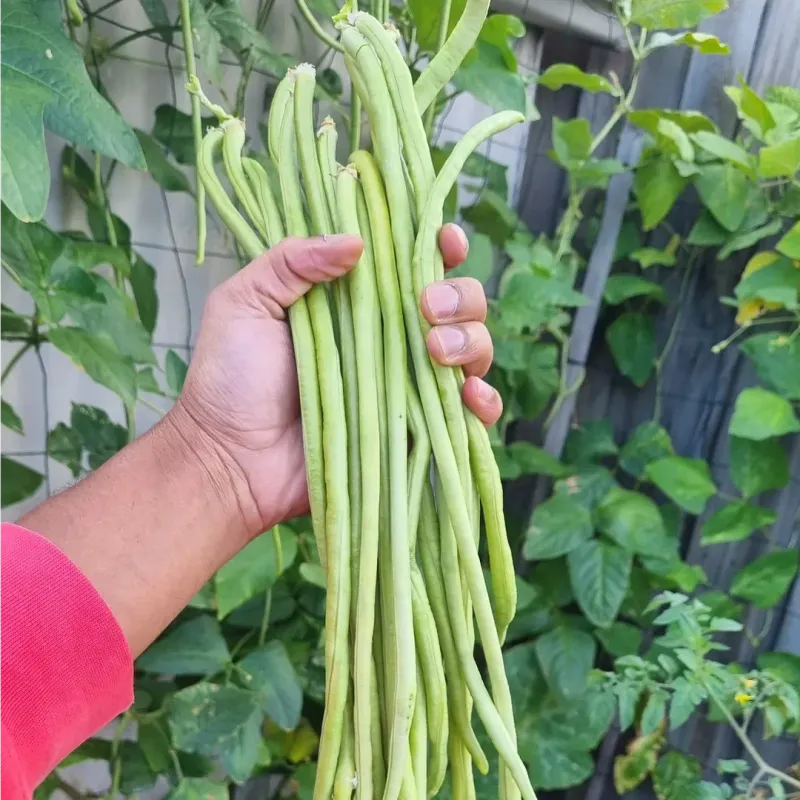
Regular green beans struggle in Arizona heat, but yardlong beans thrive. These Asian varieties handle scorching temperatures better than any other bean type.
March plantings start producing in early summer and continue pumping out pods until fall.
Seeds germinate best in warm soil above 70 degrees. Wait until mid-March if needed rather than rushing to plant in cold ground.
Yardlong beans won’t sprout well in cool conditions, and seeds may rot instead of growing.
Build a tall, sturdy trellis before planting. Vines easily reach six to eight feet in Arizona’s climate, and the long pods hang down making them simple to spot and harvest.
Beans grown on the ground get dirty and attract more pests.
Pods grow incredibly fast during hot weather. Check plants every day once they start producing because beans can go from perfect to overgrown in 48 hours.
Harvest when pods are about as thick as a pencil and still flexible.
Keep picking to keep plants producing. Like other beans, yardlong varieties slow down if mature pods stay on the vine.
Regular harvesting signals plants to make more flowers and pods. This characteristic makes them perfect for Arizona where you want continuous production through the long season.