Why Deep Root Watering Is Essential For Arizona Desert Plants
Desert heat has a way of exposing every weak watering habit. When soil dries out fast and temperatures climb for months, shallow watering simply isn’t enough to keep plants steady and strong.
Deep root watering changes that. It encourages roots to grow down instead of hovering near the surface, where heat stress hits hardest.
That one shift makes desert plants tougher, more stable, and far better prepared for long dry stretches.
You’ll notice the difference in stronger growth, fewer wilted afternoons, and plants that hold their shape even when the sun feels relentless.
Some plants need occasional deep soaking, others depend on it regularly, and knowing the difference matters.
When you water with intention instead of routine, your entire landscape performs differently. It stops surviving and starts thriving through Arizona’s toughest seasons.
1. Shallow Watering Leads To Weak Surface Roots
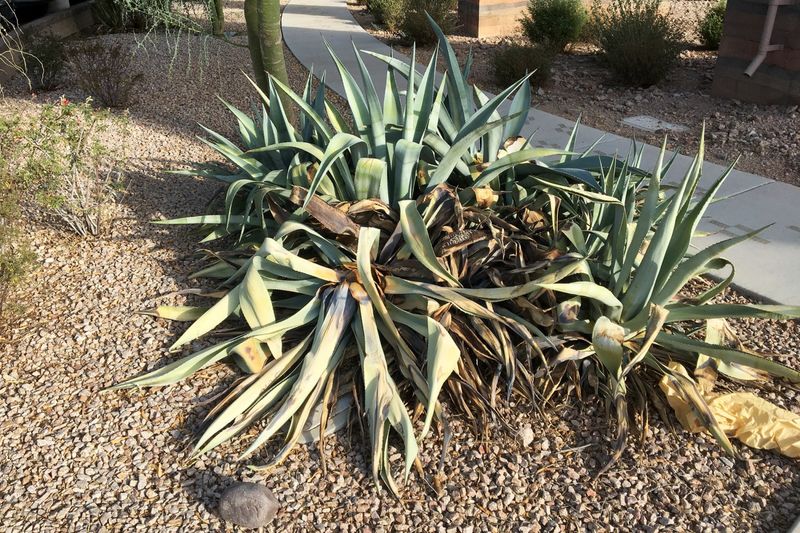
Watering just the top inch or two of soil sounds harmless, but it is quietly setting your plants up for serious trouble. When moisture stays near the surface, roots follow it.
Instead of pushing downward into stable, cooler soil, they spread out horizontally and stay shallow.
That might not seem like a big deal until you hit a stretch of 110-degree days in Phoenix or Tucson and the top layer of soil turns bone dry within hours.
Shallow roots have almost no buffer against heat. They sit in the zone that heats up fastest, loses moisture first, and gets the least protection from temperature swings.
A plant depending on those roots is essentially running on empty whenever the sun is at its worst.
Out in the wild, native Arizona desert plants send roots several feet down to tap into moisture stored deep in the ground. When we water too lightly in our yards and gardens, we interrupt that natural behavior.
Roots stop going deep because they do not need to. Over time, the plant becomes dependent on frequent surface watering just to survive.
Breaking this cycle starts with changing how you water, not how often. Longer, slower watering sessions that push moisture down past the first few inches will encourage roots to follow.
Arizona soil varies a lot by region, so pay attention to how fast your ground absorbs water. Sandy soil in the low desert drains quickly, while clay-heavy soil near higher elevations holds moisture longer.
Either way, getting water deeper is always the smarter move.
2. Deep Soaking Encourages Roots To Grow Downward
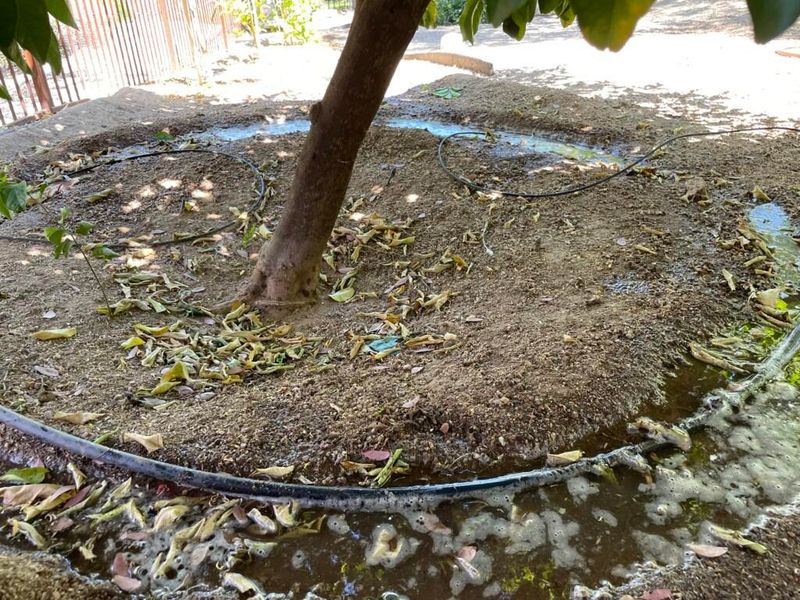
Roots are lazy by nature. They grow wherever moisture shows up consistently, and if that happens to be six inches underground instead of two, they will head that direction without hesitation.
Deep soaking is basically a training tool for your plants, and it works surprisingly well even in Arizona’s fast-draining desert soils.
When water soaks down twelve to eighteen inches or more, roots start chasing it. Over several weeks of consistent deep watering, you will notice plants looking more vigorous and stable.
That is not a coincidence. A root system stretching deeper into the ground has access to more soil volume, more stored moisture, and more minerals that surface roots simply cannot reach.
Your Arizona Garden Changes Every Week. Your Plan Should Too.
Gardening in Arizona changes quickly throughout the season. Every Friday you’ll receive a simple weekly plan showing exactly what to plant, prune, fertilize, harvest, and protect so you never miss the right timing.
For trees like palo verde or mesquite in an Arizona yard, deep soaking can make a dramatic difference in how they handle the dry months between monsoon rains.
These plants are built for drought, but they still need help establishing a solid root structure in a residential landscape where soil has often been compacted or disturbed during construction.
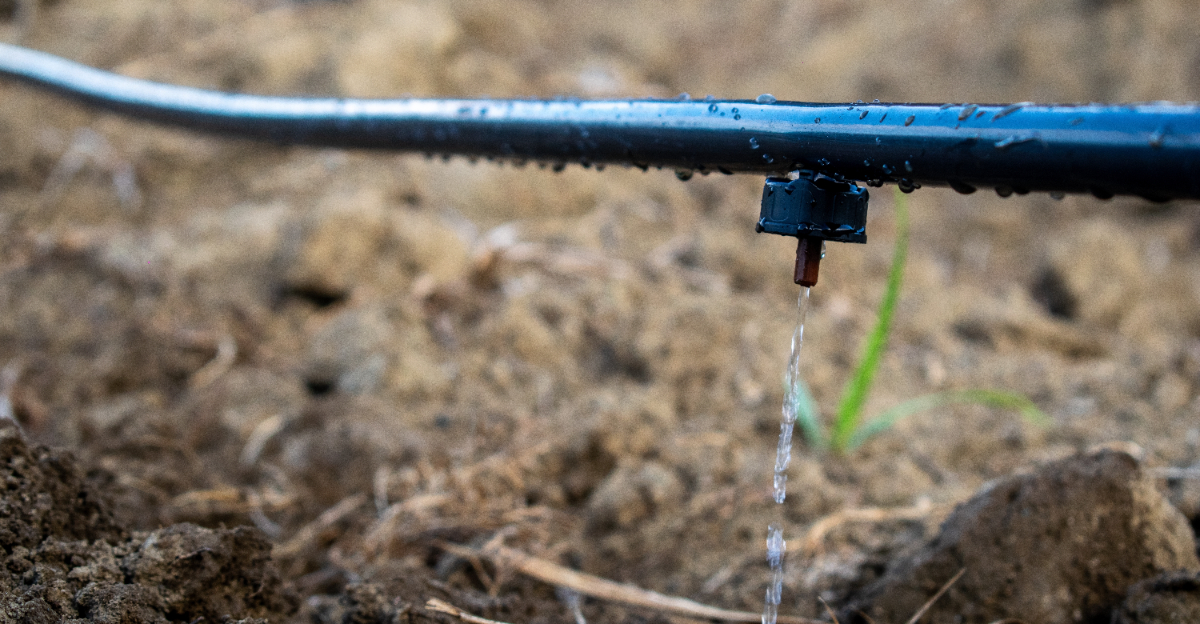
Slow drip irrigation set to run for longer periods works well for deep soaking. Bubblers placed at the drip line of a tree, rather than right at the trunk, encourage roots to spread outward and downward.
Some Arizona gardeners also use deep root watering tubes pushed into the soil around large shrubs and trees to send water directly to the root zone without any evaporation loss at the surface.
It takes a little setup but pays off quickly.
3. Stronger Root Systems Handle Extreme Heat Better
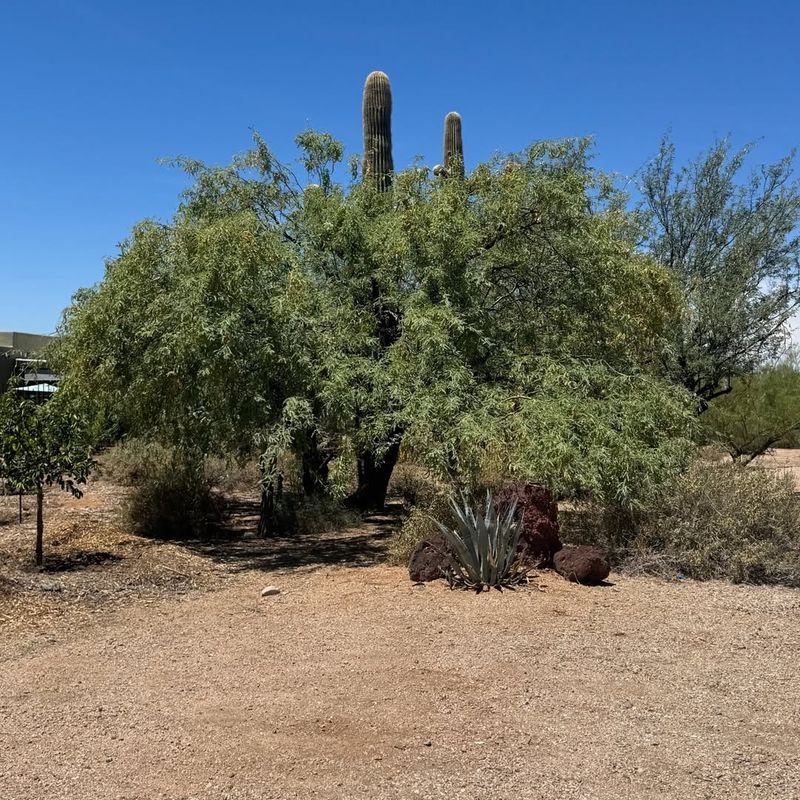
Arizona summers are not just hot, they are a sustained endurance test for every plant in your yard.
Temperatures in the low desert regularly push past 110 degrees Fahrenheit for weeks at a time, and the ground surface can reach temperatures that would fry an egg.
Plants with shallow roots sit directly in that danger zone during the worst heat of the day.
A deeper root system changes everything. Soil temperature drops significantly just a foot or two below the surface, even during peak summer.
Roots anchored in that cooler zone stay more hydrated and functional when the plant needs them most. Photosynthesis, nutrient uptake, and overall plant health all depend on roots that are actually working, not stressed and dried out.
Saguaro cacti, native to the Sonoran Desert right here in Arizona, are a perfect example of smart root strategy. Their shallow rain-catching roots spread wide, but the plant stores massive amounts of water internally to survive dry periods.
Garden plants like desert willow, agave, and bougainvillea do not have that luxury, so their root depth becomes critical to heat survival.
Building stronger root systems is a long game. You will not see dramatic changes in one week, but after a full growing season of deep watering, your plants will handle heat stress noticeably better.
Leaves will stay greener longer, new growth will continue into summer instead of stalling, and you will spend less time worrying about your yard during Arizona’s brutal July and August stretch. That kind of resilience starts underground.
4. Infrequent Deep Watering Reduces Salt Buildup In Desert Soil
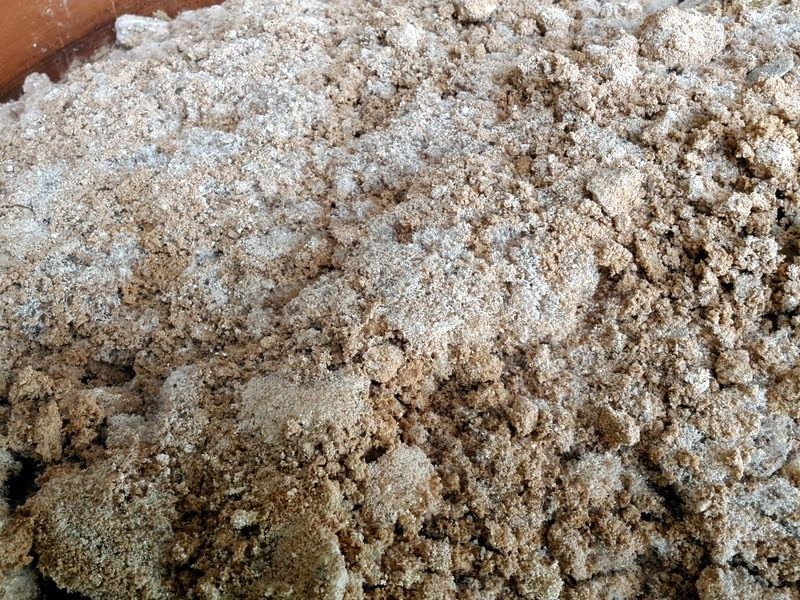
Salt buildup is one of those problems Arizona gardeners run into that nobody warns you about when you first move here. Frequent shallow watering deposits minerals near the soil surface and never flushes them down and away from the root zone.
Over time, that salt concentration climbs high enough to actually pull moisture out of roots instead of letting roots absorb it. Plants start looking stressed even when you are watering regularly, and the cause is right there in the soil.
Arizona’s water supply, especially in cities like Phoenix, Scottsdale, and Mesa, carries dissolved minerals. Every time that water evaporates near the surface, those minerals stay behind.
In a climate with almost no natural rainfall to flush soil between waterings, the buildup accelerates faster than most people expect.
Deep, infrequent watering helps push salts down below the active root zone rather than letting them concentrate right where roots are trying to feed.
It is not a perfect fix, but it slows the accumulation significantly and gives your plants a much healthier environment to work with.
Pairing deep watering with an occasional long, slow flood of the root area during cooler months can help flush salts even further down.
Watch for white crusty residue on the soil surface or around the base of pots and in-ground plants. That is a visible sign of mineral buildup.
Switching to deep, less frequent watering cycles is one of the first adjustments to make when you spot it. Soil health in Arizona requires active management, not just a set-it-and-forget-it irrigation schedule.
5. Proper Water Depth Supports Drought Tolerance
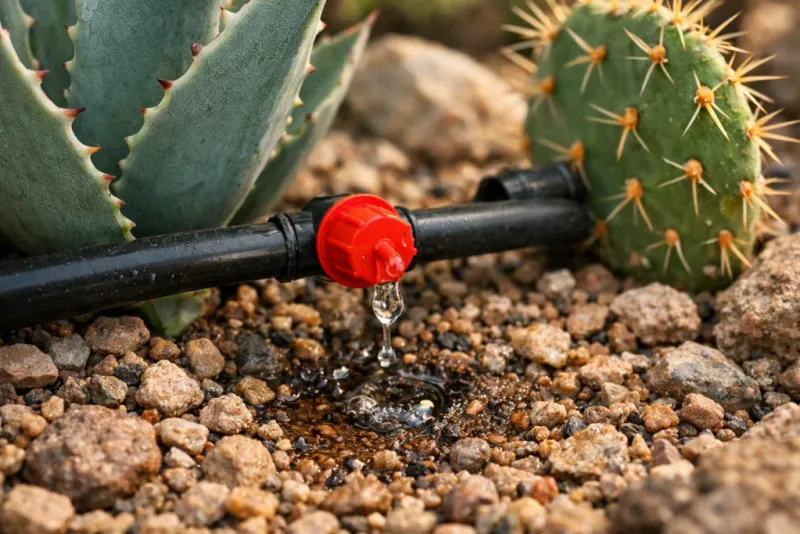
Drought tolerance gets talked about a lot when it comes to Arizona plants, but it is not just a fixed trait a plant either has or does not have. You can actually build stronger drought tolerance in your plants through how you water them.
Getting moisture down to the right depth is one of the most direct ways to do that.
Plants that regularly access deep soil moisture develop a kind of internal reserve system. Their roots tap into layers of the ground that stay moist long after the surface has dried out completely.
During a dry stretch between storms or between irrigation cycles, those plants keep functioning while shallowly rooted plants start showing stress within days.
Native Arizona plants like brittlebush, desert marigold, and ironwood trees naturally develop deep root systems when grown in undisturbed desert ground.
In a residential landscape, though, soil is often compacted, amended, or graded in ways that make deep rooting harder.
Intentional deep watering compensates for that by actively pulling roots downward into zones they might not reach on their own.
For gardeners in Tucson, Flagstaff, or the White Mountains area of Arizona, drought tolerance also matters during dry winters when rainfall is unpredictable.
Establishing deep roots before the dry season hits gives your plants a real advantage.
Cutting back watering frequency gradually over fall, while maintaining depth, trains roots to stretch further and prepares the plant for whatever dry conditions come next. Depth is what makes drought tolerance real rather than just a label on a plant tag.
6. Trees And Shrubs Become More Stable In Monsoon Winds
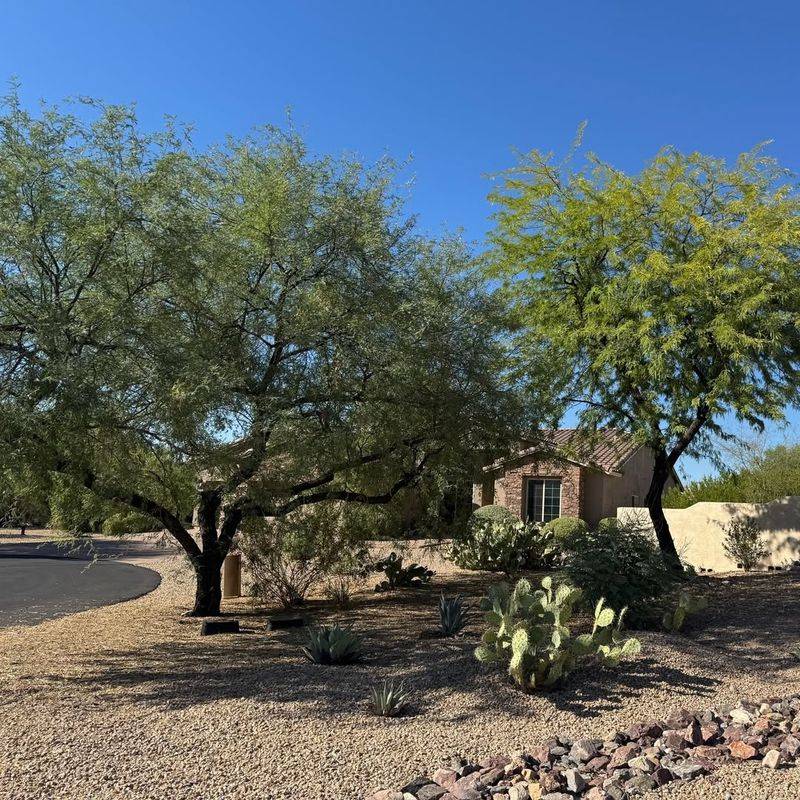
Monsoon season in Arizona is no joke. Between July and September, storms roll in fast with wind gusts that regularly hit 40 to 60 miles per hour.
Trees and large shrubs take the full force of those winds, and the only thing keeping them upright is what is happening underground. A shallow root system in loose desert soil offers very little resistance to that kind of pressure.
Deep roots anchor a plant the way a strong foundation anchors a building. When roots extend down two, three, or even four feet and spread outward at depth, the plant has a wide, stable base that resists tipping and uprooting.
Shallow-rooted trees in Arizona yards are much more likely to lean, shift, or topple entirely during a haboob or monsoon thunderstorm.
Palo verde trees, a common and beautiful choice for Arizona landscaping, can grow quite large and catch a lot of wind. Without deep roots, even a healthy-looking tree can go over in a bad storm.
Encouraging deep root growth from the time of planting gives these trees the best chance of staying put through decades of monsoon seasons.
Newly planted trees are especially vulnerable because their roots have not had time to establish at depth yet. Staking helps for the first season, but deep watering is what actually builds the long-term anchor.
Water the drip line area, not just the base, to encourage roots to spread outward and down. By the time monsoon season arrives each year, a well-watered tree has a root system built to hold its ground no matter what the storm brings.
7. Adjusting Irrigation Schedules Prevents Overwatering Stress
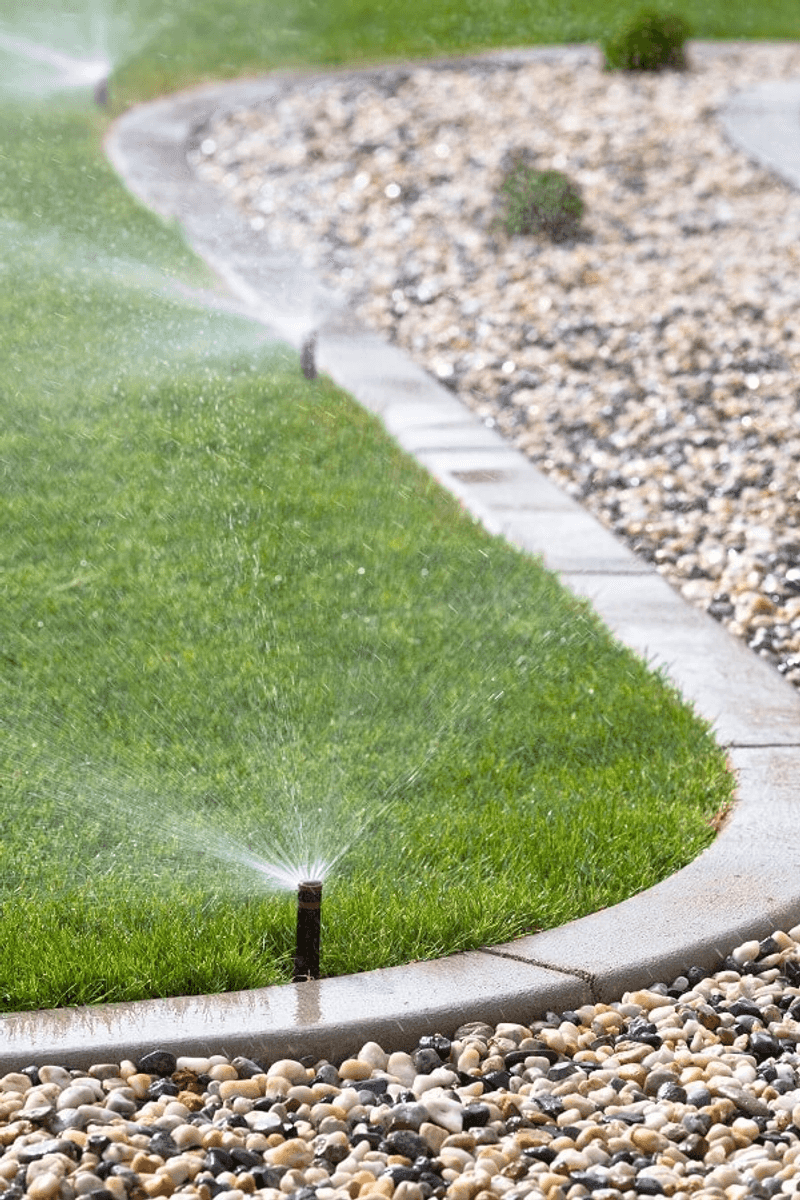
Overwatering is actually more common in Arizona residential landscapes than underwatering, and that surprises a lot of people.
When irrigation systems run on fixed schedules set up during installation and never adjusted, they often keep running at summer frequency right through winter.
Roots sitting in soggy, poorly draining soil develop rot, fungal issues, and structural weakness that no amount of fertilizer or sunshine can fix.
Deep root watering works best when paired with a smarter schedule, not just a longer run time. Watering deeply once or twice a week in summer is far better than watering shallowly every day.
Roots get the moisture they need, and the soil dries out enough between sessions to stay healthy and oxygen-rich. Roots need air just as much as water, especially in clay-heavy Arizona soils that compact easily.
Seasonal adjustments matter a lot here. Spring and fall in Arizona are mild enough that most established landscape plants need very little supplemental irrigation.
Dialing back the schedule during those months and increasing depth rather than frequency keeps plants healthy without drowning them.
Smart irrigation controllers that adjust automatically based on local weather data are worth the investment for Arizona homeowners managing larger landscapes.
Checking soil moisture before every watering cycle is a habit that pays off. Push a screwdriver or moisture probe six to eight inches into the soil near your plants.
If it comes out damp, skip the cycle. If it comes out dry, water deeply.
That simple check, done regularly across your Arizona yard, will tell you more about what your plants actually need than any preset timer ever could.