These Simple Changes Bring More Butterflies To Arizona Gardens
Butterflies don’t show up by accident. If they keep passing over your Arizona yard without stopping, it’s usually because something small is missing.
The good news? It doesn’t take a full garden makeover to fix it.
A few simple shifts in what you plant, how you water, and where you place things can completely change how your yard feels to pollinators.
Once you understand what butterflies actually look for in our dry climate, it starts to make sense why some gardens stay quiet while others are constantly fluttering with movement.
If you’d love to step outside and see more color, more life, and more wings drifting through your space, these small changes can make that happen faster than you think.
1. Plant Native Milkweed To Support The Full Butterfly Life Cycle
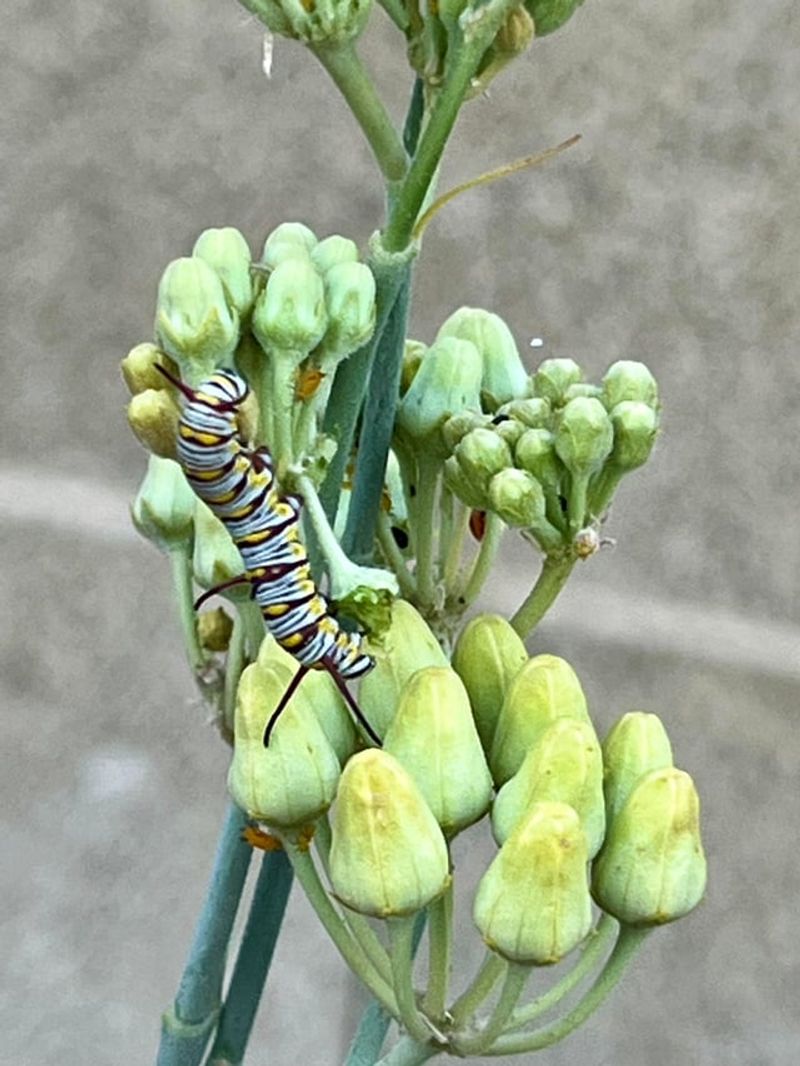
Monarch butterflies won’t stick around your Arizona garden unless you give them milkweed. Female monarchs only lay eggs on milkweed plants, and the caterpillars that hatch can’t eat anything else.
Without it, you might see adult butterflies passing through, but they won’t stay or reproduce.
Arizona has several native milkweed species that handle the heat better than varieties from other regions. Desert milkweed works well in low desert areas around Phoenix and Yuma.
Narrow-leaf milkweed thrives in higher elevations near Flagstaff and Prescott. Pineleaf milkweed does great in central Arizona gardens.
Plant milkweed in spring after the last frost when temperatures stay consistently warm. Space plants about two feet apart in areas that get morning sun but some afternoon shade.
Desert heat can stress milkweed during summer, so water deeply once a week during the hottest months.
Don’t cut back milkweed too early in fall. Monarchs migrate through Arizona in autumn and need those plants for egg-laying.
Leave the plants standing until they naturally go dormant. New growth will emerge the following spring when temperatures warm up again.
One patch of milkweed isn’t enough. Plant at least five to ten plants in different spots around your yard.
This gives caterpillars plenty of food and creates multiple egg-laying sites for visiting females throughout the season.
2. Choose Heat-Tolerant Nectar Flowers That Bloom In Waves
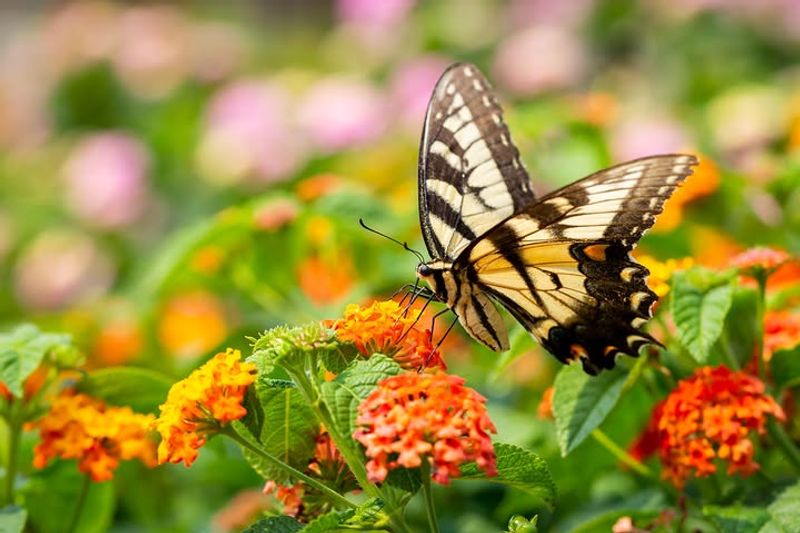
Adult butterflies need nectar, but Arizona’s extreme temperatures limit which flowers actually produce it consistently. Roses and petunias might look pretty, but they often stop blooming when temperatures hit triple digits.
You need flowers that keep producing nectar even when it’s scorching hot outside.
Penstemons are Arizona superstars for butterfly gardens. These tubular flowers bloom in spring and attract swallowtails and painted ladies.
Zinnias handle summer heat remarkably well and bloom continuously if you deadhead spent flowers. Lantana thrives in the worst heat and provides nectar from late spring through fall.
Stagger your plantings so something is always blooming. Spring flowers like desert marigold and brittlebush feed early-season butterflies.
Summer bloomers like desert zinnia and globe mallow take over when temperatures peak. Fall-blooming flowers like desert marigold and chocolate flower provide nectar during the important monarch migration period.
Your Arizona Garden Changes Every Week. Your Plan Should Too.
Gardening in Arizona changes quickly throughout the season. Every Friday you’ll receive a simple weekly plan showing exactly what to plant, prune, fertilize, harvest, and protect so you never miss the right timing.
Group the same flower types together rather than scattering single plants around your yard. Butterflies spot large patches of color more easily from the air.
Three to five plants of the same species create a visual target that draws butterflies in from a distance.
Water these nectar plants regularly during blooming periods. Stressed plants produce less nectar, and butterflies will skip over them.
Deep watering twice a week during summer keeps flowers healthy and nectar flowing when butterflies need it most.
3. Group Bright Blooms In Clusters Butterflies Can Spot From Above
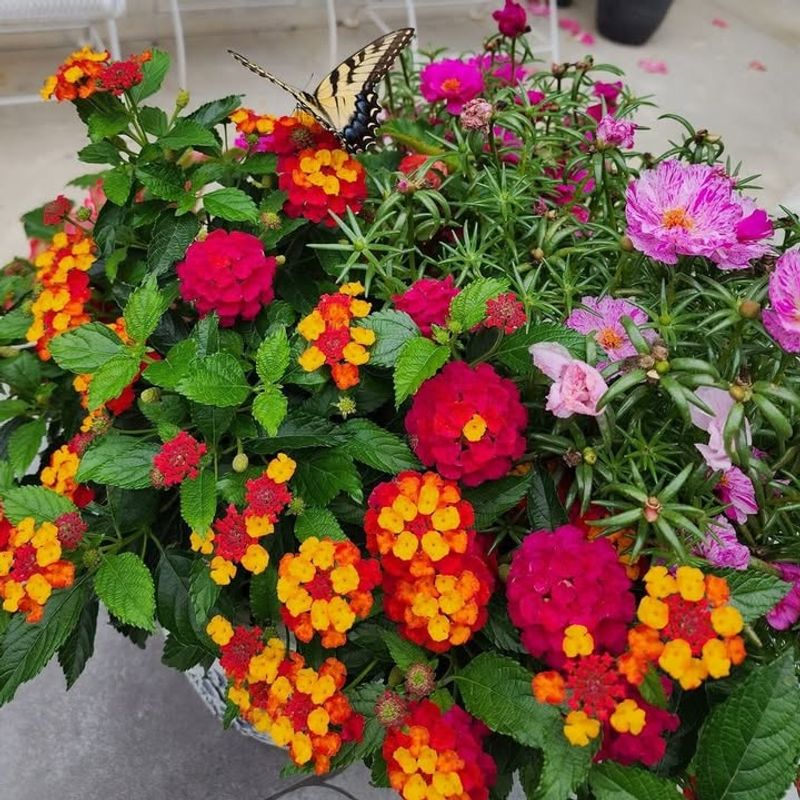
Butterflies have excellent color vision but they’re flying several feet above your garden scanning for food sources. A single flower here and there won’t catch their attention.
They’re looking for big splashes of color that signal abundant nectar.
Plant flowers in groups of at least five to seven of the same color and species. A cluster of orange lantana creates a visual beacon that butterflies can see from far away.
Scattered individual plants get overlooked because they don’t stand out against the surrounding landscape.
Bright colors work best in Arizona’s intense sunlight. Purple, orange, red, and yellow flowers show up clearly against the tan and brown desert background.
White flowers also work well because they reflect sunlight and create strong contrast. Pastel colors tend to fade visually in bright desert light.
Create color blocks rather than mixing everything together. A section of all-purple penstemons next to a patch of all-yellow brittlebush makes a stronger visual impact than alternating colors.
Butterflies will spot these concentrated color zones and investigate them first.
Position your brightest flower clusters where they get morning sun. Butterflies become active as temperatures warm up, and they’ll find those sun-lit blooms first.
Eastern and southern exposures work best for morning visibility.
Don’t hide flowers behind walls or under tree canopies where they’re shaded most of the day. Butterflies need to see your blooms from above, so place them in open areas of your yard where they’re visible from multiple angles.
4. Create Sunny Resting Areas Protected From Harsh Desert Wind
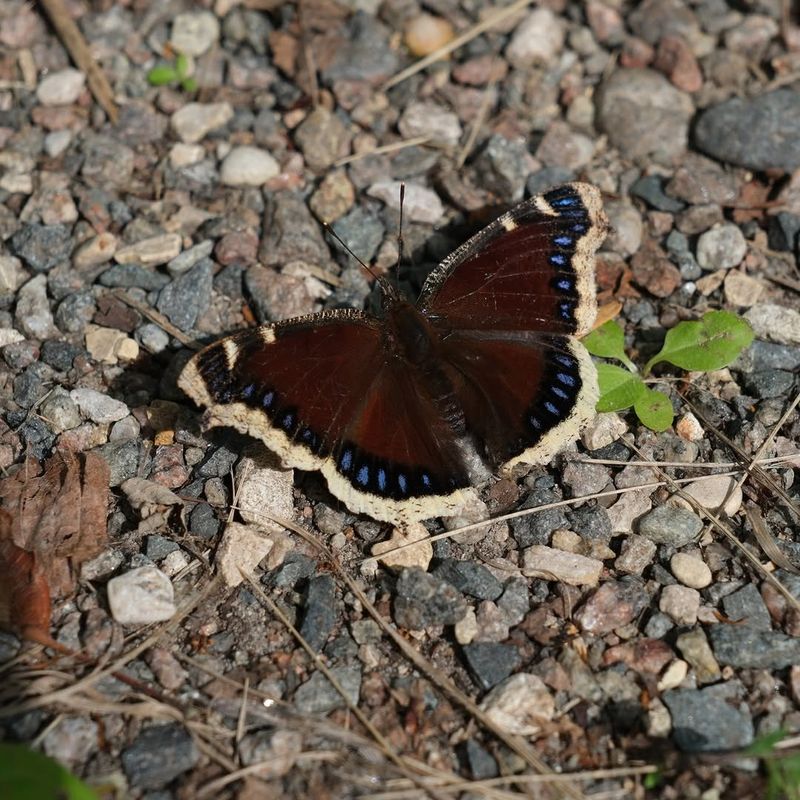
Butterflies are cold-blooded and need to warm their flight muscles before they can fly efficiently. They bask in the sun on flat surfaces to raise their body temperature.
Arizona mornings can be cool even in summer, so butterflies need good basking spots to get their day started.
Flat rocks work perfectly as butterfly landing pads. Choose light-colored stones that reflect heat rather than dark ones that get dangerously hot.
Place several rocks in areas that get early morning sun. Butterflies will use these as warming stations before they start feeding.
Wind is a major problem in Arizona gardens. Strong gusts make it difficult for butterflies to land on flowers and feed.
They’ll avoid windy areas even if nectar is abundant. Create windbreaks using larger plants, decorative screens, or existing walls and fences.
Position basking rocks near but not directly under flowering plants. Butterflies like to warm up first, then fly short distances to nearby nectar sources.
A rock placed three to four feet from a flower cluster creates an ideal setup.
Morning sun exposure matters more than afternoon heat. Butterflies need warmth when they’re sluggish from cooler overnight temperatures.
A basking spot that gets sun from 7 AM to 10 AM will see more butterfly activity than one that only gets hot afternoon sun.
Keep basking areas clear of debris and fallen leaves. Butterflies prefer clean, open surfaces where they can spread their wings fully to absorb maximum sunlight.
5. Add A Shallow Puddling Spot For Minerals And Moisture
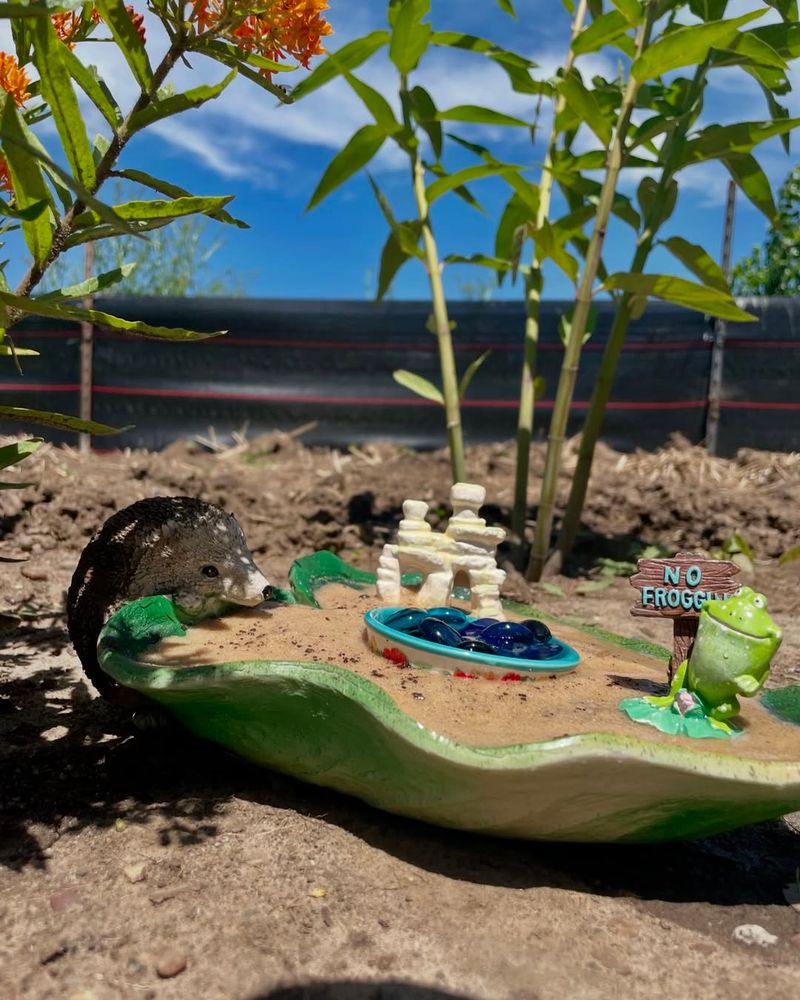
Butterflies need more than just nectar. Male butterflies especially seek out minerals like sodium and amino acids that they get from damp soil or sand.
This behavior is called puddling, and it’s essential for reproduction and overall health.
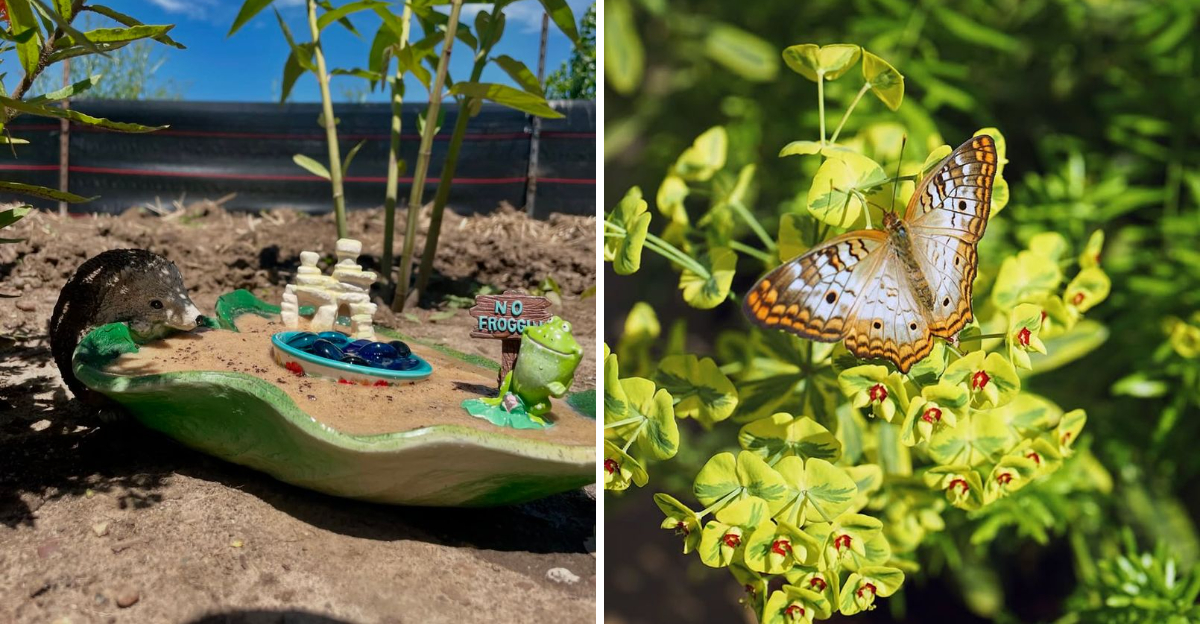
Create a simple puddling station using a shallow dish or saucer filled with sand or soil. Add water until the sand is thoroughly damp but not swimming in liquid.
Butterflies land on the wet sand and sip moisture while absorbing dissolved minerals through their proboscis.
Place your puddling station in a sunny spot near your nectar flowers. Butterflies will visit flowers for food, then fly to the puddling area for minerals.
Having both resources close together keeps butterflies in your garden longer.
Refresh the water daily during hot Arizona weather. Sand dries out quickly in low humidity and high temperatures.
Check your puddling station each morning and add more water to keep it consistently moist. Completely dried-out sand won’t attract butterflies.
Add a pinch of salt to the sand once a week. This boosts the mineral content and makes your puddling station more attractive to male butterflies.
Don’t overdo it though, as too much salt can be harmful.
Multiple puddling stations work better than one. Set up two or three in different areas of your yard.
This reduces competition between butterflies and gives them options if one spot dries out during the day.
Overripe fruit also works as a puddling alternative. Place banana or orange slices on a flat rock in a shady spot.
6. Skip Pesticides That Harm Caterpillars And Adult Butterflies
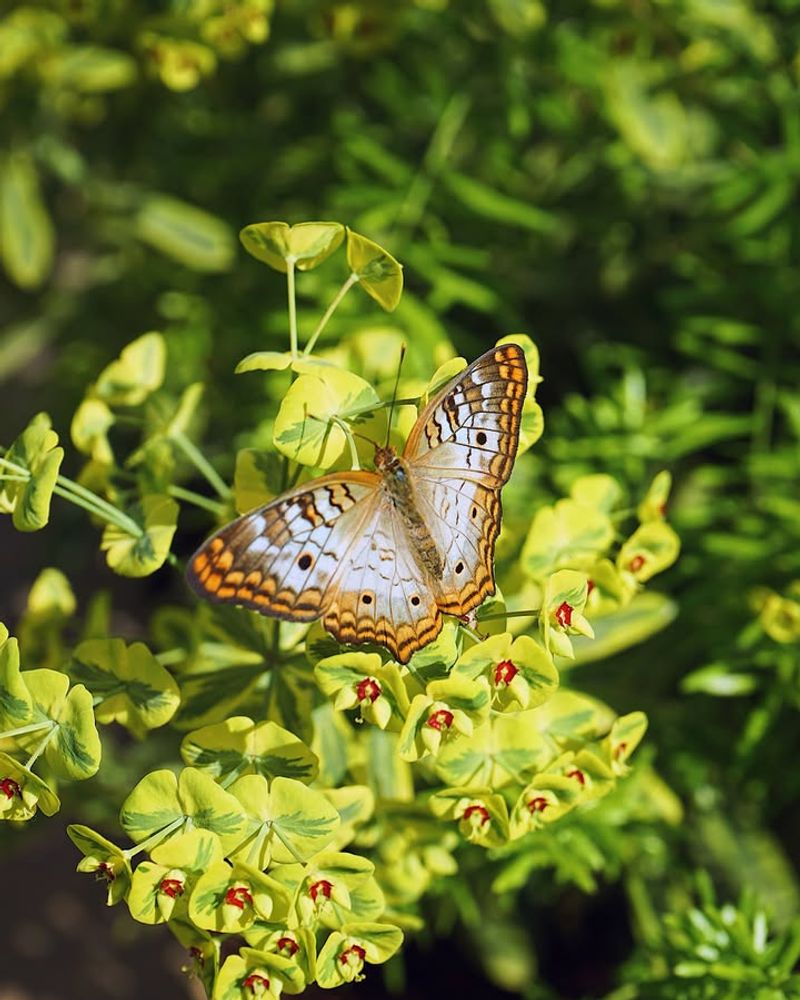
Pesticides don’t distinguish between pests and beneficial insects. When you spray for aphids or whiteflies, you’re also harming butterflies and their caterpillars.
Even products labeled as organic can be toxic to butterfly larvae.
Caterpillars are especially vulnerable to pesticides. They eat treated leaves and ingest toxins that disrupt their development or cause death.
Systemic pesticides are particularly problematic because they’re absorbed into plant tissues, making the entire plant toxic for weeks.
Adult butterflies also suffer from pesticide exposure. They absorb chemicals through their feet when they land on treated surfaces.
Their proboscis can pick up pesticide residue from contaminated nectar. Even drift from spraying nearby plants can affect butterflies in your garden.
Hand-picking pests is the safest control method for butterfly gardens. Check plants regularly and remove problem insects by hand.
It takes more time but protects your butterfly population. A strong spray of water from the hose knocks aphids off plants without using chemicals.
Tolerate some plant damage from caterpillars. Those chewed leaves mean butterfly larvae are successfully growing in your garden.
Perfect foliage isn’t the goal in a butterfly garden. Accept that some plants will look ragged as caterpillars feed.
If you must use pest control products, choose ones specifically labeled safe for butterflies and apply them in the evening when butterflies aren’t active. Avoid spraying any plants in bloom since butterflies visit flowers throughout the day.
7. Layer Plants By Height To Offer Shelter From Extreme Heat
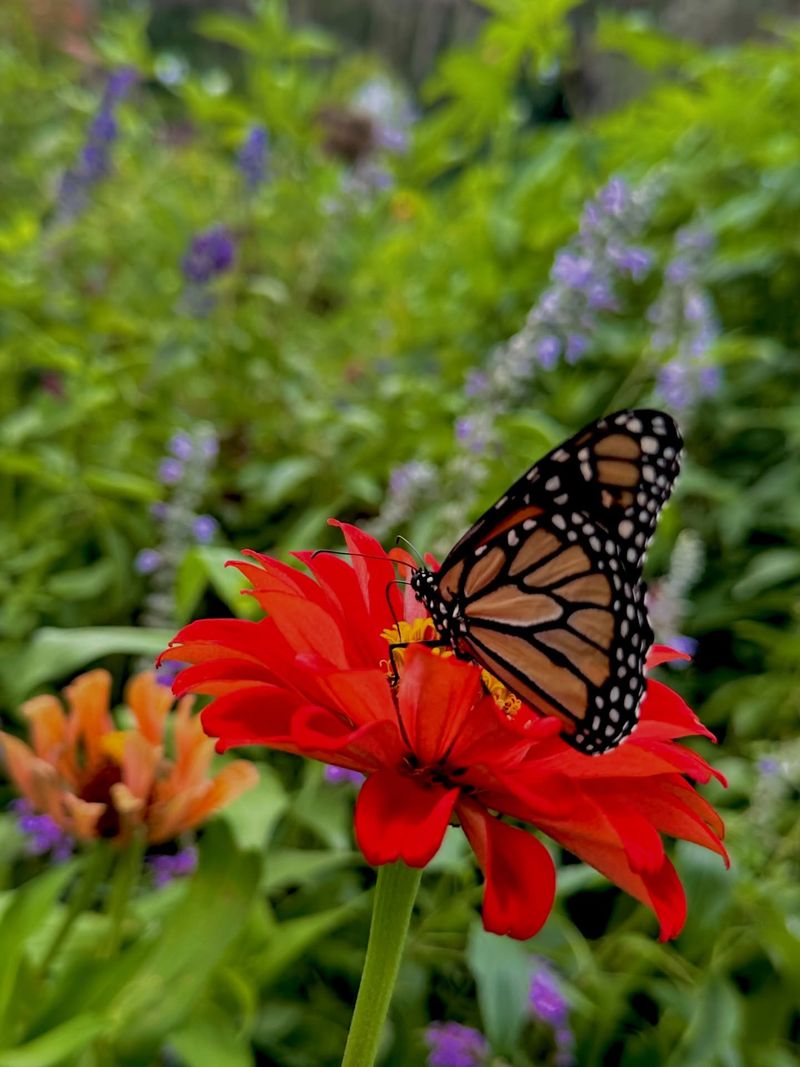
Arizona’s summer heat can be lethal for butterflies if they can’t find shade. Temperatures above 110 degrees force butterflies to seek shelter or risk overheating.
A garden with only low flowers offers no escape from the relentless sun.
Design your butterfly garden in three layers like a natural ecosystem. Tall shrubs or small trees form the top layer and cast shade below.
Medium-height perennials make up the middle layer. Low-growing flowers and ground covers create the bottom layer.
This structure provides multiple microclimates with varying temperatures.
Desert willow or Texas ranger make excellent tall layer plants for Arizona gardens. They provide dappled shade without blocking all sunlight.
Butterflies can retreat under their canopy during the hottest afternoon hours, then emerge to feed when temperatures drop.
The middle layer of flowering perennials benefits from afternoon shade cast by taller plants. This keeps nectar flowers blooming longer into summer since they’re not stressed by full sun all day.
Penstemons and salvias work well in this middle zone.
Ground covers fill gaps between larger plants and help keep soil cooler. This benefits the entire garden by reducing heat radiation from bare ground.
Verbena and trailing lantana spread nicely without requiring much water.
Space your layers so butterflies can easily fly between them. Don’t pack plants so tightly that butterflies can’t navigate through the garden.
Leave flight corridors between plant groups so butterflies can move from sun to shade as needed throughout the day.
8. Keep Something Blooming From Early Spring Through Fall
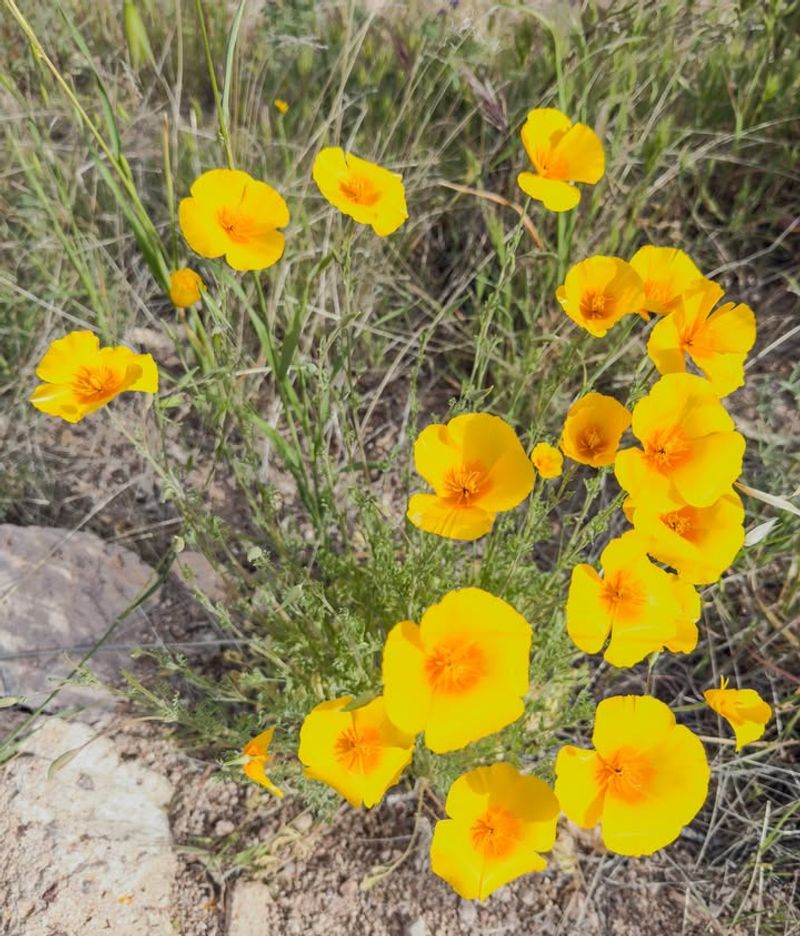
Butterflies are active in Arizona for eight to nine months of the year. If your garden only blooms in spring, you’re missing months of potential butterfly activity.
Different butterfly species emerge at different times, and they all need nectar sources when they’re active.
Early spring bloomers like desert marigold and brittlebush feed the first wave of butterflies emerging from winter dormancy. Plant these in fall so they’re established and ready to bloom when temperatures warm in February and March.
Late spring and early summer bring the most butterfly activity in Arizona gardens. This is when you need maximum flower power.
Penstemons, desert zinnia, and globe mallow should be blooming heavily during April, May, and June.
Summer bloomers must tolerate extreme heat. Lantana, trailing verbena, and desert marigold keep producing flowers even when temperatures exceed 105 degrees.
These tough plants provide crucial nectar during the hardest months when many other flowers shut down.
Fall is migration season for monarchs passing through Arizona. They desperately need nectar to fuel their long journey.
Desert marigold, chocolate flower, and autumn sage bloom during September and October when monarchs need them most.
Plant selection is more important than planting technique for continuous blooms. Choose species with different bloom times rather than hoping one plant will flower for months.
A mix of eight to ten different species ensures something is always blooming from March through November in most Arizona locations.