Repotting Houseplants In Michigan Before Spring Growth Begins
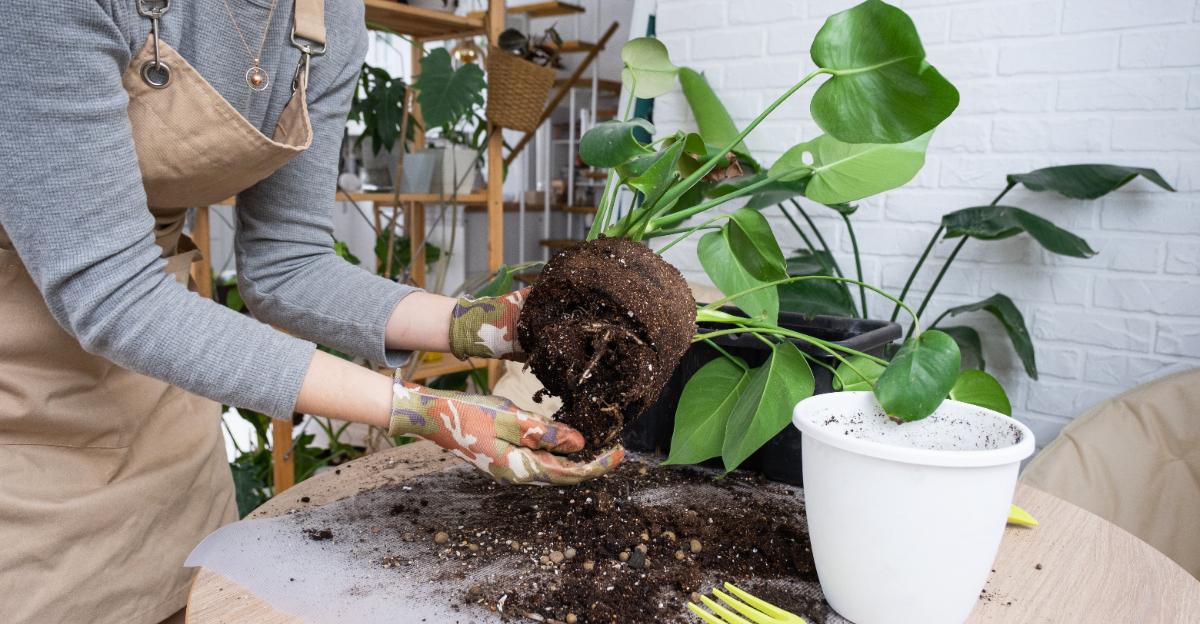
There is a certain moment every late winter when you start noticing things again. The light lingers a little longer in the afternoon, and suddenly your houseplants look… crowded.
Maybe the pothos is leaning sideways or the peace lily seems to dry out faster than it used to. It happens to a lot of Michigan plant lovers right about now.
As days slowly brighten, indoor plants prepare to push new growth. That makes this the perfect window to give them a little breathing room before they take off for the season.
Repotting at the right time can mean stronger roots, healthier leaves, and fewer mid-summer headaches.
1. Spot The Roots Before They Start Circling
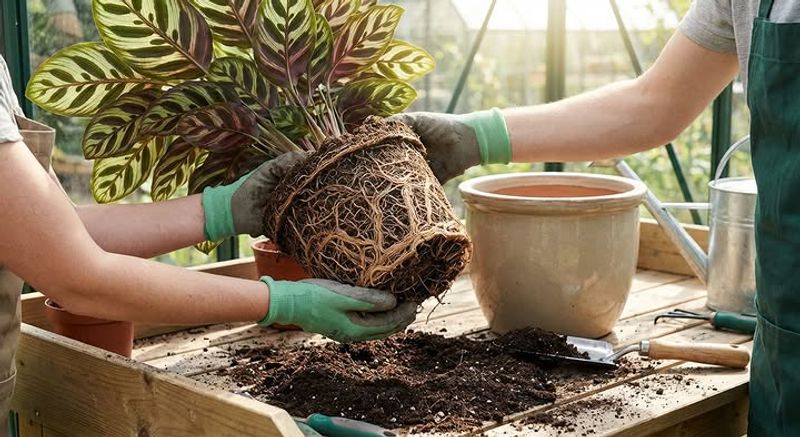
Roots tell you everything you need to know about whether a plant needs repotting. When roots start poking out of drainage holes or wrapping around the inside edge of the pot, your plant is running out of space.
You might also notice water draining through the pot much faster than before because roots have filled up all the soil.
Check your houseplants by gently tipping the pot and sliding the plant out just enough to peek at the root ball. Healthy roots should be white or light tan and spread throughout the soil without forming tight spirals.
If you see a dense mat of roots circling the bottom or sides, it is time to move up to a larger container.
Michigan winters keep plants in a slower growth phase, making late February or early March ideal for this inspection. Plants are just waking up from their dormant period, so they handle the stress of repotting much better than they would in the middle of summer.
Look for roots that have started to circle but have not yet formed a thick, tangled web.
Catching root crowding early prevents bigger problems later. When roots spiral tightly for extended periods, they can restrict growth and may reduce how evenly water moves through the root ball.
Repotting now gives your plants the space they need before Michigan spring sunshine triggers rapid growth.
2. Choose The Right Pot Not Just A Bigger One
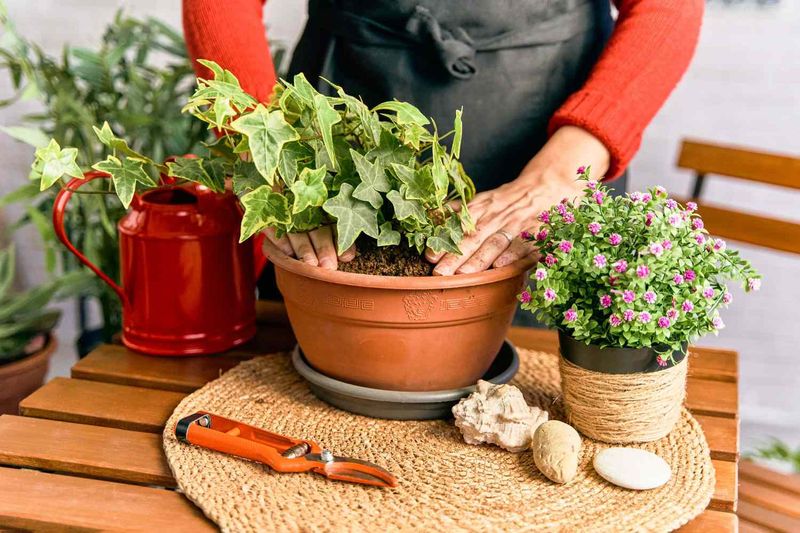
A new pot should be selected with more intention than simply choosing the next size up on the shelf. A much larger container holds more soil that can stay wet longer, which may increase the risk of root problems if watering is not adjusted.
The general rule is to increase pot diameter by only one to two inches for small plants and two to three inches for larger specimens.
Material matters just as much as size. Terracotta pots dry out faster, which works well for succulents and plants that prefer drier conditions.
Plastic and glazed ceramic pots retain moisture longer, making them better choices for ferns and tropical plants that like consistent dampness.
Every pot must have drainage holes. Without them, water sits at the bottom and creates soggy conditions that harm roots.
If you find a decorative pot you love without drainage, use it as a cover pot and keep your plant in a plastic nursery pot inside it.
Your Michigan Garden Changes Every Week. Your Plan Should Too.
Gardening in Michigan changes quickly throughout the season. Every Friday you’ll receive a simple weekly plan showing exactly what to plant, prune, fertilize, harvest, and protect so you never miss the right timing.
Michigan homes often have dry indoor air during winter, so consider how your pot choice affects moisture levels. A terracotta pot in a heated home might dry out too quickly, while a plastic pot could stay too wet if your home stays cooler.
Match your pot material to both your plant’s needs and your home environment for the best results.
3. Refresh Old Soil That Has Lost Its Energy
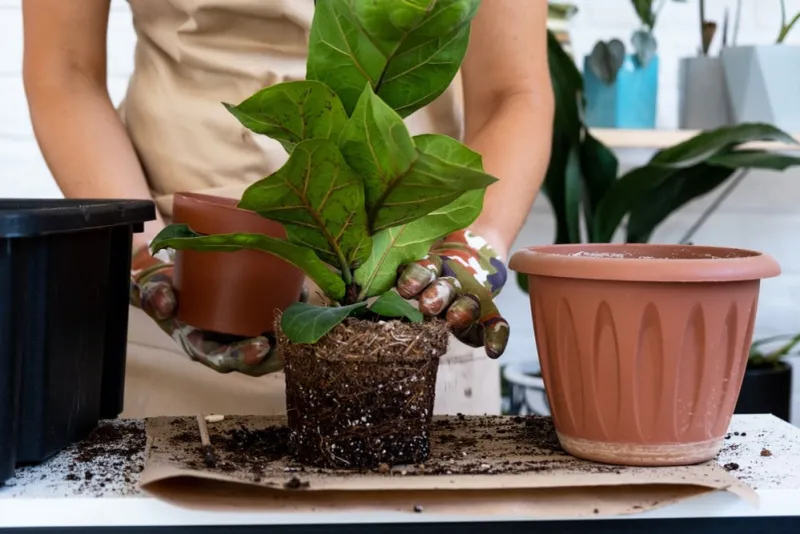
Over time, potting mix gradually breaks down and can lose structure and nutrient availability. Over time, potting mix breaks down, compacts, and loses the nutrients plants need to thrive.
Old soil also stops draining properly because organic matter decomposes and particles pack together tightly. When you water, you might notice liquid pooling on the surface instead of soaking in quickly.
Fresh potting soil brings back the fluffy texture that allows air to reach roots while holding just enough moisture. Look for a quality houseplant mix that contains peat moss or coco coir, perlite for drainage, and sometimes a bit of compost for nutrients.
Avoid using garden soil indoors because it is too heavy and can carry pests or diseases.
As you repot, gently shake or brush away as much old soil as possible without damaging roots. You do not need to remove every speck, but getting rid of the compacted outer layer helps roots make contact with fresh growing medium.
Some gardeners in Michigan like to add a handful of worm castings or a slow-release fertilizer to the new soil for an extra nutrient boost.
Timing this soil refresh before spring growth gives plants access to nutrients right when they need them most. Fresh mix also improves water distribution, which becomes increasingly important as plants wake up and start drinking more heavily in the longer days ahead.
4. Water Smart After The Move
Care after repotting calls for a slightly different routine than usual. As soon as the plant is settled into its new container, give it a thorough watering until liquid flows out of the drainage holes.
This initial watering helps settle soil around roots and eliminates air pockets that could dry out root sections.
After that first drink, hold back for several days. Disturbed roots cannot absorb water as efficiently as established ones, so soil stays moist longer than usual.
Overwatering during this stage can increase the risk of root stress, since freshly disturbed roots are more sensitive to prolonged saturation.
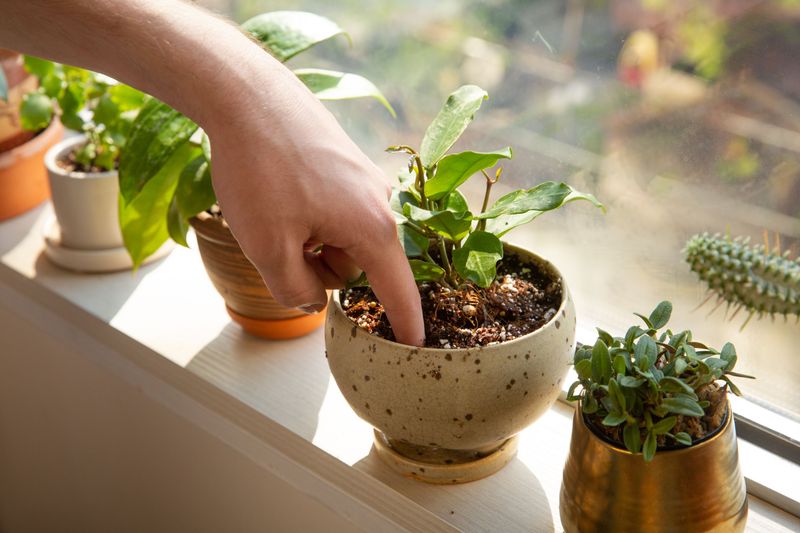
Check soil moisture by sticking your finger about an inch deep into the potting mix. If it feels damp, wait another day or two before watering again.
Michigan homes with forced-air heating can dry out plants faster, so pay attention to how quickly your specific conditions affect soil moisture.
For the first few weeks after repotting, water only when the top inch or two of soil feels dry. As new roots grow into the fresh potting mix, your plant will start drinking more regularly.
You will notice this shift when soil begins drying out at the same pace it did before repotting, signaling that roots have successfully established themselves in their new home.
5. Give Bright Light But Skip Harsh Sun
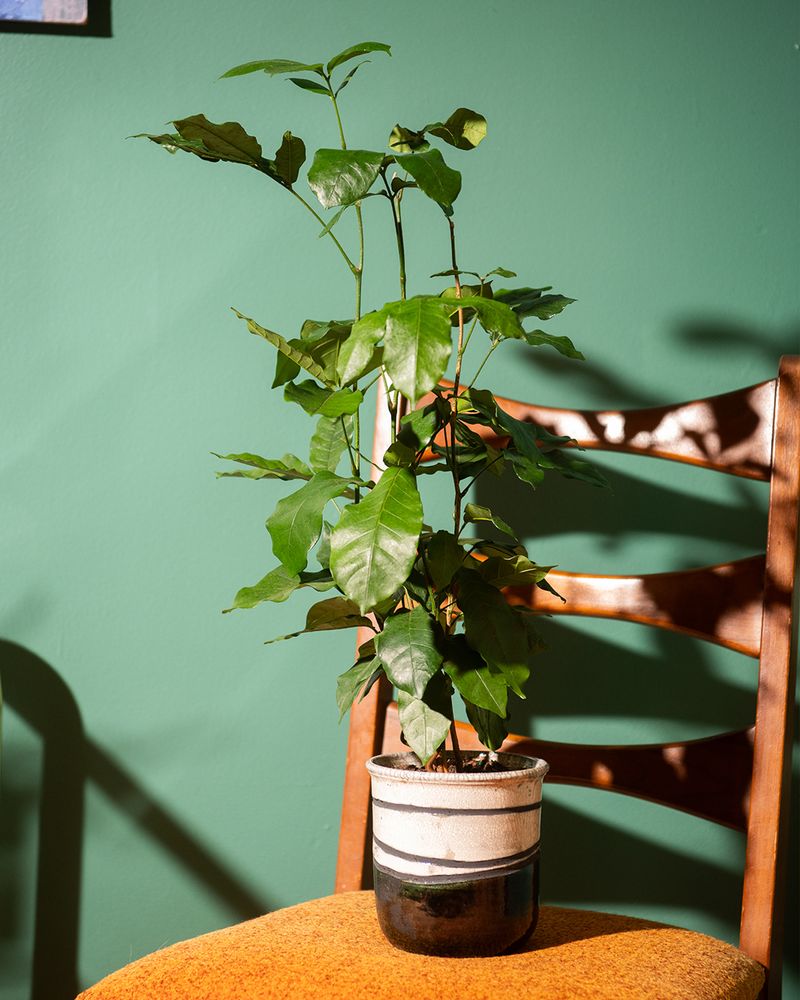
Did you know that light needs stay the same after repotting, yet stressed plants can become more sensitive to strong direct sun? Place your newly repotted houseplant in bright indirect light where it receives steady illumination without harsh afternoon rays hitting the leaves.
A spot near an east-facing window works perfectly for most plants, or a few feet back from a south or west window.
Direct sun can scorch leaves when plants are recovering from the stress of repotting. Even sun-loving plants like succulents benefit from a week or two of gentler light conditions while they adjust to their new pot.
Watch for signs of too much light, including pale or bleached leaves, brown crispy edges, or wilting despite moist soil.
Michigan winter sun sits lower in the sky and comes through windows at different angles than summer light. What seemed like gentle morning sun in December might become more intense as we move into March and April.
Pay attention to how light patterns change in your home as spring approaches.
Sheer curtains offer an easy way to filter bright light if your only available spot gets strong sun. You can also use the shadow test by holding your hand between the plant and the light source.
If the shadow has sharp, defined edges, the light is too direct. A soft, fuzzy shadow indicates perfect indirect light conditions for recovery.
6. Hold The Fertilizer Until New Growth Appears
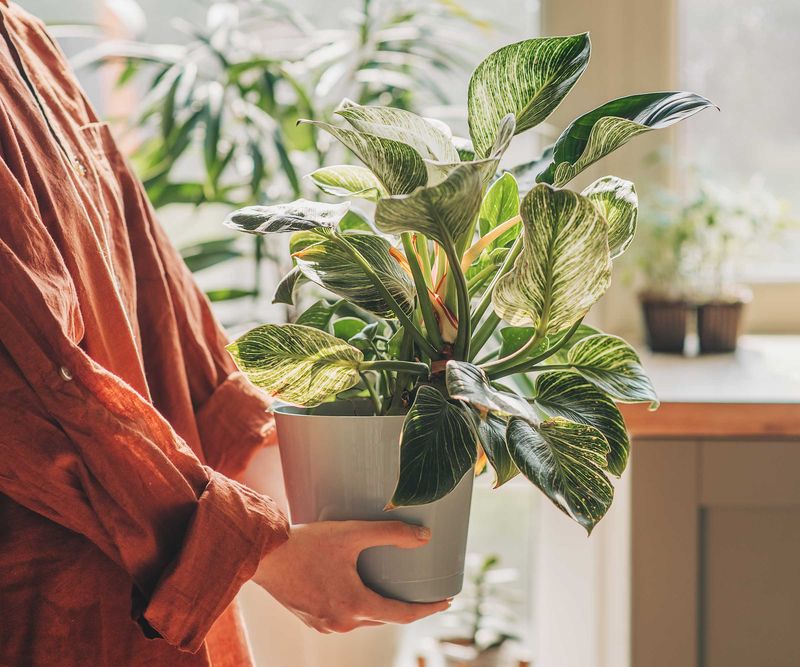
Fertilizer might seem like a good way to help plants recover after repotting, but it actually does more harm than good in the first few weeks. Fresh potting soil already contains nutrients, and roots need time to heal and establish before they can effectively absorb fertilizer.
Adding plant food too soon can burn tender new roots and stress your plant further.
Wait until you see clear signs of new growth before reaching for fertilizer. New leaves, stems, or shoots tell you that roots have recovered and your plant is actively growing again.
For most houseplants repotted in late winter, this means waiting until mid to late spring when Michigan daylight hours increase significantly.
When you do start fertilizing, use half the recommended strength for the first few applications. This gentler approach gives plants the nutrients they need without overwhelming recovering roots.
Most houseplants do well with a balanced liquid fertilizer diluted in water and applied every two to four weeks during the growing season.
Remember that Michigan’s shorter winter days naturally slow plant growth even indoors. Your houseplants will not need much fertilizer until longer spring days trigger active growth.
Patience pays off here because giving plants time to settle into fresh soil creates stronger, healthier growth than pushing them with fertilizer before they are ready. Watch for new leaves as your signal to resume your regular feeding schedule.