10 Native Ohio Plants That Practically Grow Themselves
Some plants demand constant watering, feeding, staking, and protection. Others settle in, adapt to the soil, and handle Ohio’s shifting seasons with almost no fuss.
The difference often comes down to one powerful factor: native roots. Plants that evolved in Ohio already understand the rhythm of cold winters, humid summers, heavy spring rain, and clay rich ground.
They face temperature swings and local pests without constant intervention. Once established, many thrive on natural rainfall and return stronger each year.
A yard filled with native plants feels fuller, blooms longer, and supports pollinators and birds without turning into a second job. Plant them once, step back, and watch your yard handle itself better than you expected.
1. Purple Coneflower Powers Through Heat And Drought
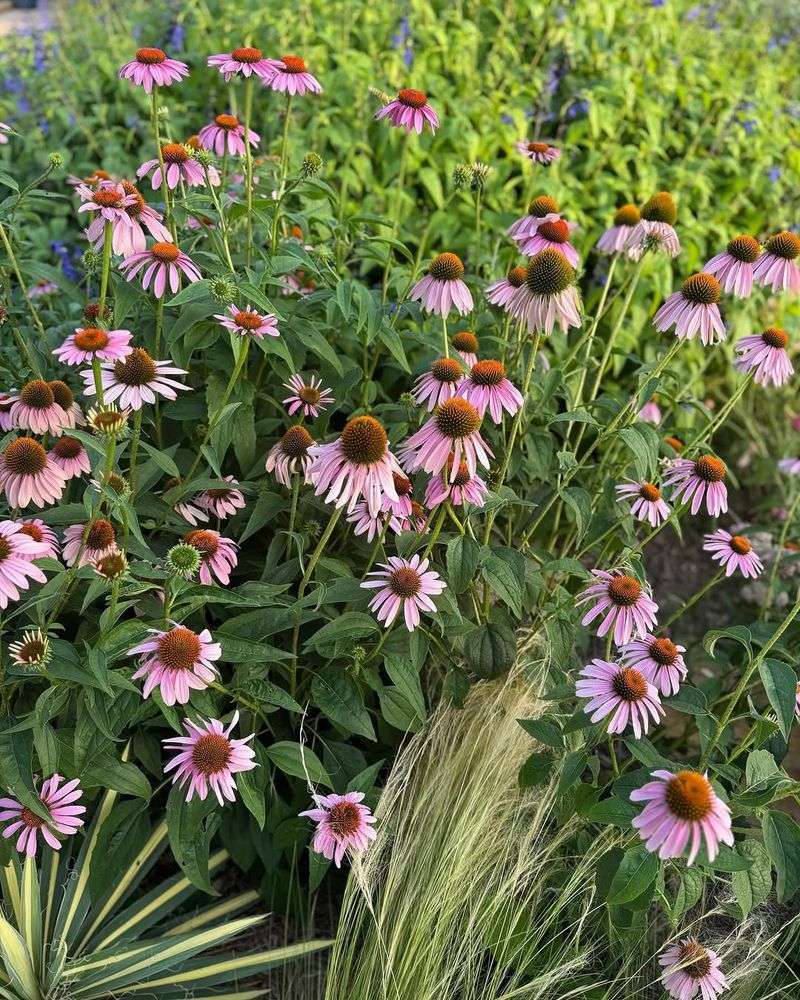
Few plants handle Ohio summers quite like purple coneflower. When July heat bakes your garden and rain disappears for weeks, this native perennial keeps blooming without complaint.
Its deep taproot pulls moisture from well below the surface, so you won’t spend evenings dragging hoses around the yard.
Purple coneflower thrives in our heavy clay soil, which surprises gardeners used to amending everything they plant. Give it full sun and average drainage, and it will establish quickly.
Space plants about 18 inches apart and water them during their first season. After that, they’re on their own.
Blooms appear in late June and continue through August, offering nectar to bees, butterflies, and hummingbirds when other flowers start fading. The raised center cone stays attractive even after petals drop, and goldfinches love the seeds in fall.
Deadheading extends flowering, but it’s completely optional.
Plants grow two to four feet tall depending on variety and conditions. They rarely need staking, resist deer browsing, and tolerate part shade if that’s all you have.
Purple coneflower also reseeds modestly, filling in gaps without becoming a nuisance. For a reliable, colorful perennial that actually gets easier with age, this native delivers every single year.
2. Black Eyed Susan Brings Bold Color With Barely Any Effort
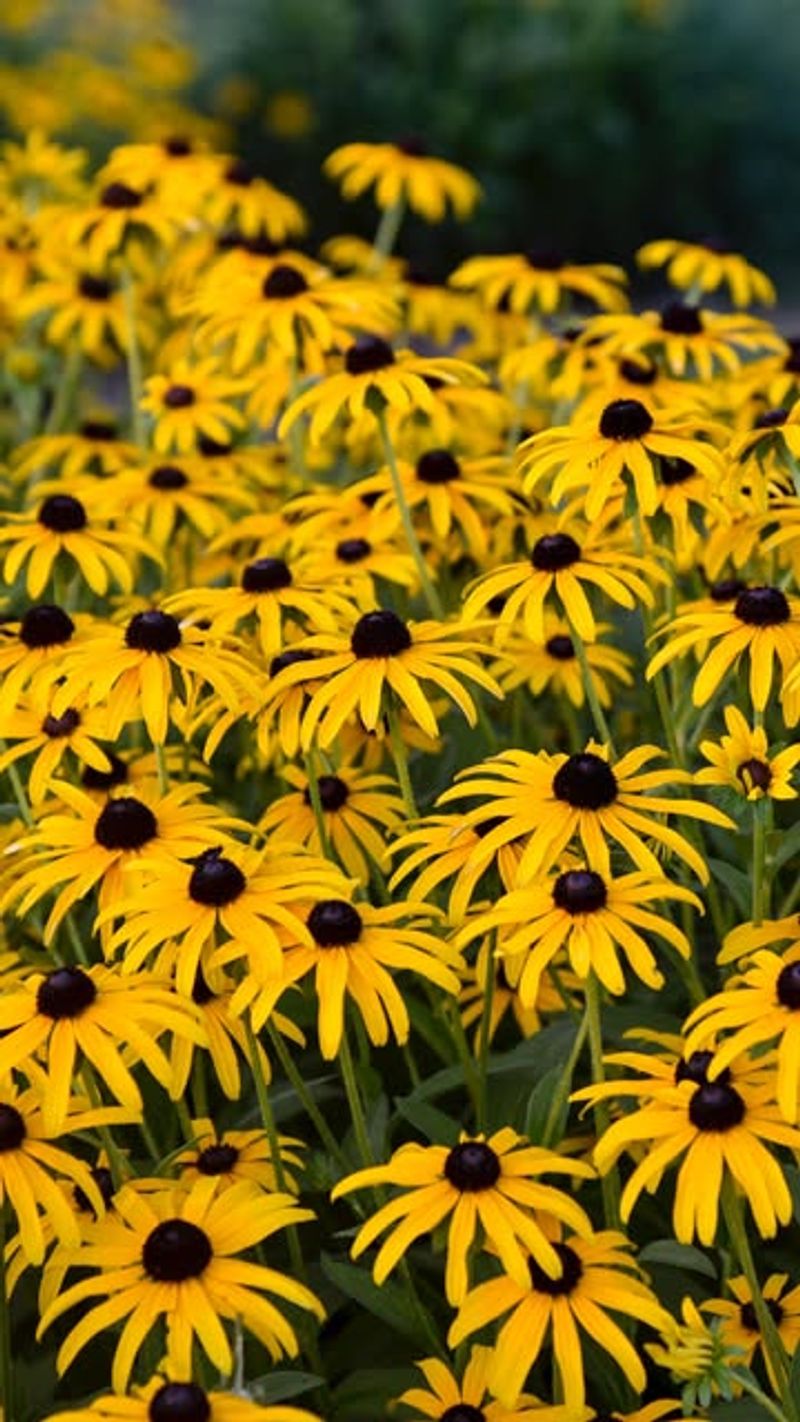
Bright yellow petals and chocolate-brown centers make black-eyed Susan one of the most recognizable wildflowers across Ohio. This cheerful native blooms from June straight through September, providing months of color when many perennials take a summer break.
It handles heat, humidity, and less-than-perfect soil without missing a beat.
Black-eyed Susan reseeds freely, which means you’ll see new plants popping up each spring. They’re never invasive, just enthusiastic about filling empty spots in your beds.
If you prefer a tidier look, deadhead spent flowers before seeds form. Otherwise, let them scatter and enjoy the expanding show.
Plant in full sun for best performance, though they’ll tolerate light shade. Clay soil is fine, and so is sandy or average ground.
Water new plants their first few weeks, then step back and let them take over. They grow 18 to 36 inches tall and look fantastic in masses or mixed with ornamental grasses.
Butterflies and native bees visit constantly during bloom time. Goldfinches arrive in fall to feast on seeds, adding movement and life to your garden.
Your Ohio Garden Changes Every Week. Your Plan Should Too.
Gardening in Ohio changes quickly throughout the season. Every Friday you’ll receive a simple weekly plan showing exactly what to plant, prune, fertilize, harvest, and protect so you never miss the right timing.
Black-eyed Susan also makes an excellent cut flower, lasting over a week in a vase. For nonstop summer color with almost zero input, few natives compete with this reliable bloomer.
3. Wild Bergamot Attracts Pollinators Like Crazy
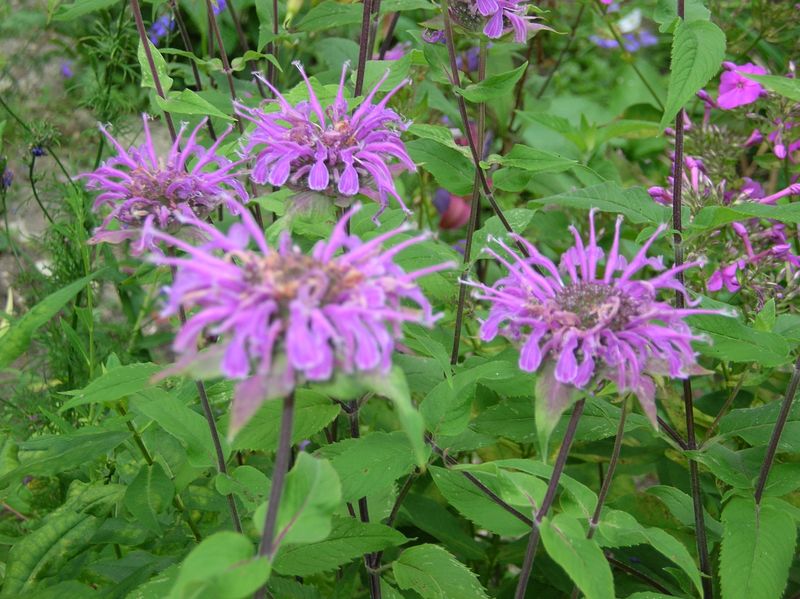
If you want to see your garden buzzing with life, plant wild bergamot. Bees, butterflies, and hummingbirds can’t resist the lavender-pink blooms that appear in July and August.
This native mint-family perennial thrives in Ohio’s humidity and adapts to nearly any soil type you throw at it.
Wild bergamot grows three to four feet tall with aromatic foliage that releases a minty scent when brushed. Unlike some monardas that struggle with powdery mildew in our humid summers, this native species resists disease far better.
Good air circulation helps, so space plants about two feet apart and avoid overcrowding.
Full sun produces the most flowers, but wild bergamot tolerates part shade and still blooms reliably. It spreads slowly by rhizomes, forming nice clumps without becoming aggressive.
Clay soil, sandy soil, even dry soil once established—it handles them all. Water during the first season, then let nature take over.
Blooms last several weeks, and deadheading encourages a second flush in late summer. The seed heads look attractive through fall and winter, adding structure to dormant beds.
Wild bergamot also self-sows lightly, giving you a few bonus plants each spring. For pollinator support and easy-care beauty, this native perennial checks every box without requiring constant attention from you.
4. Little Bluestem Adds Texture Without The Trouble
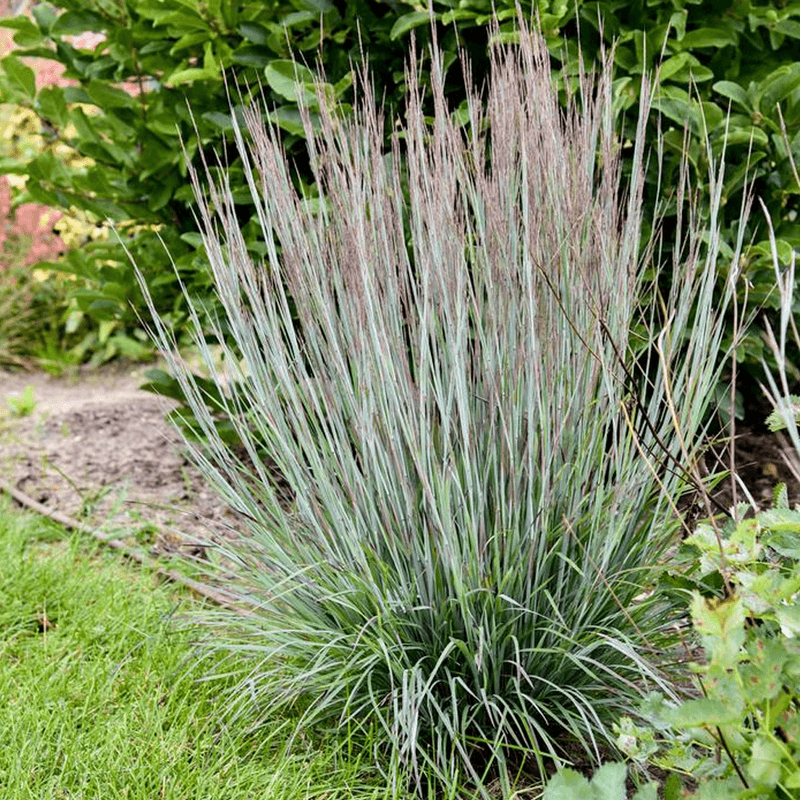
Ornamental grasses bring movement, texture, and year-round interest to gardens, but many require regular dividing and maintenance. Little bluestem breaks that pattern completely.
This native warm-season grass grows in tidy clumps, never spreads aggressively, and looks fantastic from spring through winter without any fussing.
Blue-green foliage emerges in late spring and grows two to four feet tall depending on conditions. By late summer, airy seed heads appear above the leaves, catching light and swaying in every breeze.
Fall transforms the whole plant into shades of copper, orange, and burgundy that hold through the coldest months.
Little bluestem tolerates drought beautifully once established, thanks to deep roots that anchor it firmly in place. It thrives in Ohio’s clay soil and doesn’t mind sandy or rocky ground either.
Full sun brings out the best color, but it adapts to light shade without complaint. Space plants 18 to 24 inches apart for a naturalistic meadow look.
Cut plants back to six inches in early spring before new growth starts. That’s the only maintenance required all year.
Little bluestem provides winter shelter for beneficial insects and seeds for songbirds. It pairs beautifully with coneflowers, black-eyed Susans, and other native perennials.
For low-maintenance texture and four-season beauty, this native grass delivers effortlessly.
5. Ohio Spiderwort Blooms Beautifully Then Handles The Rest
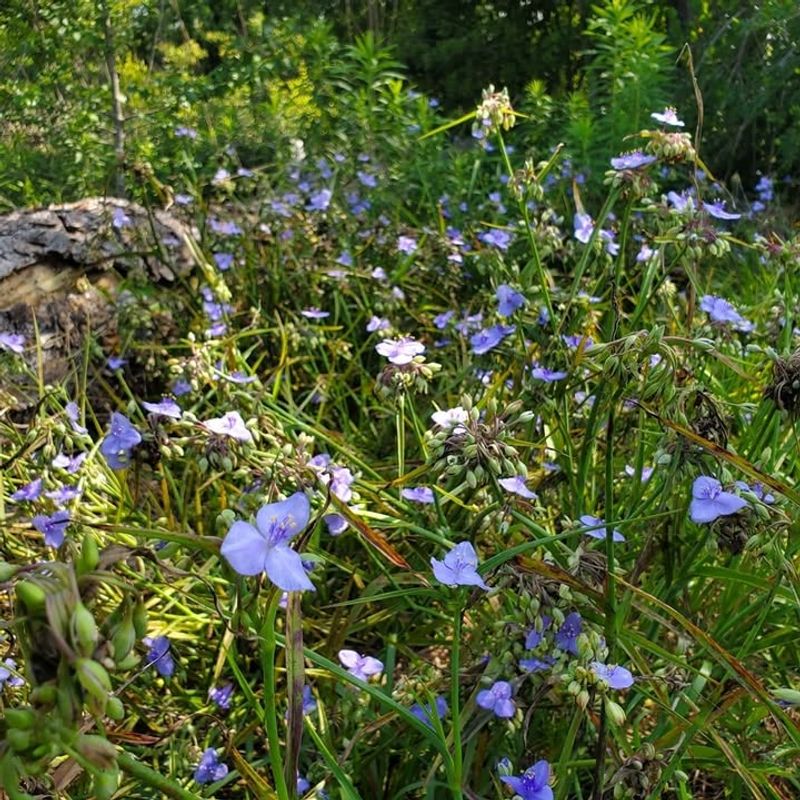
Early risers get the best show from Ohio spiderwort. Flowers open in the morning with three delicate petals in shades of blue, purple, or occasionally pink.
Each bloom lasts just one day, but new ones appear continuously from May through June, creating weeks of color when spring bulbs fade and summer perennials haven’t started yet.
Ohio spiderwort adapts to our unpredictable spring weather without trouble. Late frosts don’t faze it, and sudden heat waves won’t stop flowering.
It grows 18 to 30 inches tall with grass-like foliage that blends nicely into mixed borders. After blooming finishes, cut plants back by half to keep them tidy and encourage fresh growth.
This native handles clay soil, average soil, and even sandy conditions. Full sun to part shade both work fine, making it useful for spots that get morning light but afternoon shade.
Water new plants their first season, then let them manage on their own. They’re surprisingly drought-tolerant once roots establish.
Ohio spiderwort self-sows modestly, giving you a few extra plants each year without becoming a nuisance. It also spreads slowly by rhizomes, forming small clumps that fill space without crowding neighbors.
Deer usually leave it alone, and it requires no fertilizer or special amendments. For early season color and true low-maintenance performance, this native perennial earns its place in any Ohio garden.
6. Wild Geranium Thrives Quietly In Shade And Clay
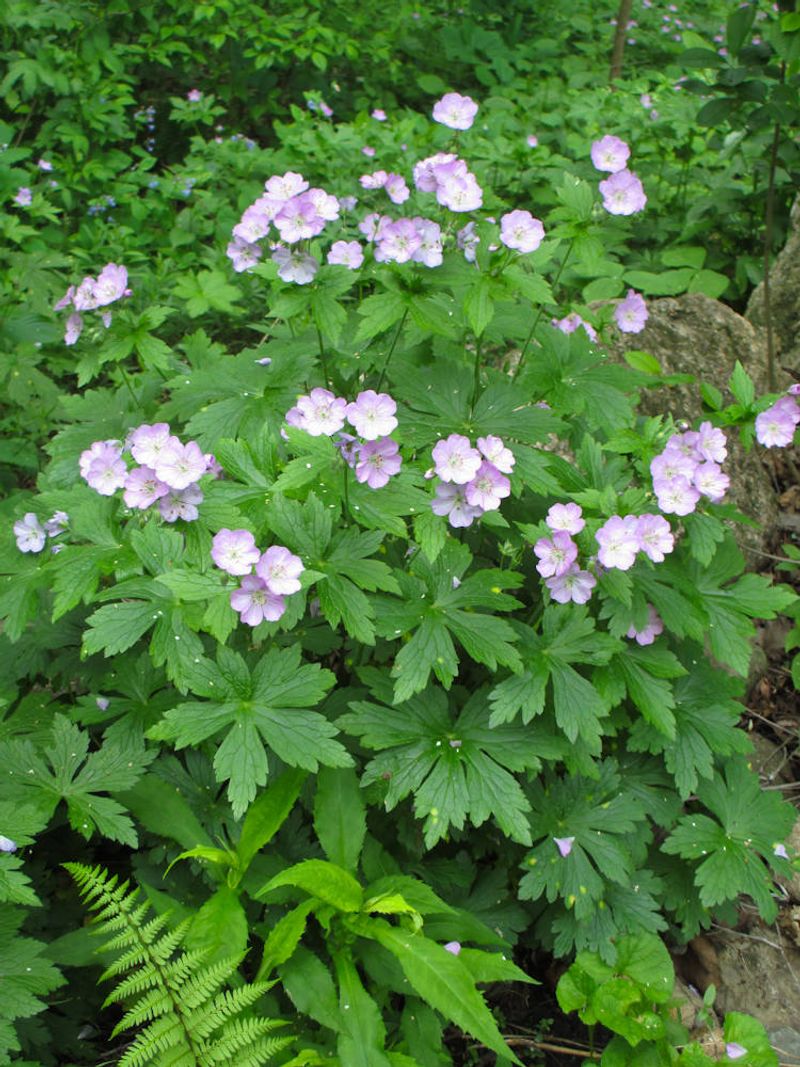
Shady spots with heavy clay soil frustrate many gardeners, but wild geranium considers those conditions ideal. This native woodland perennial blooms in April and May with delicate pink-lavender flowers held above mounded foliage.
It spreads slowly into attractive clumps that look natural under trees or along shaded borders.
Wild geranium grows 12 to 18 inches tall and prefers part shade to full shade. Morning sun with afternoon shade works perfectly, especially under deciduous trees that leaf out after spring blooms finish.
It tolerates our clay soil beautifully and doesn’t need amendments or special treatment.
Flowers last several weeks, attracting early-season bees and other pollinators. After blooming, the foliage stays attractive through summer, providing a nice green backdrop for later-blooming plants.
In fall, leaves turn shades of red and orange before going dormant. Wild geranium also self-sows lightly, filling in gaps without overwhelming other plants.
Plant in spring or fall, spacing them 12 to 15 inches apart. Water during their first season, then they’ll manage on their own.
This native perennial resists deer browsing and rarely suffers from pests or diseases. It pairs beautifully with ferns, hostas, and other shade lovers.
For a reliable, low-maintenance groundcover that blooms early and looks good all season, wild geranium delivers year after year without demanding anything in return.
7. Swamp Milkweed Supports Monarchs And Shrugs Off Heavy Soil
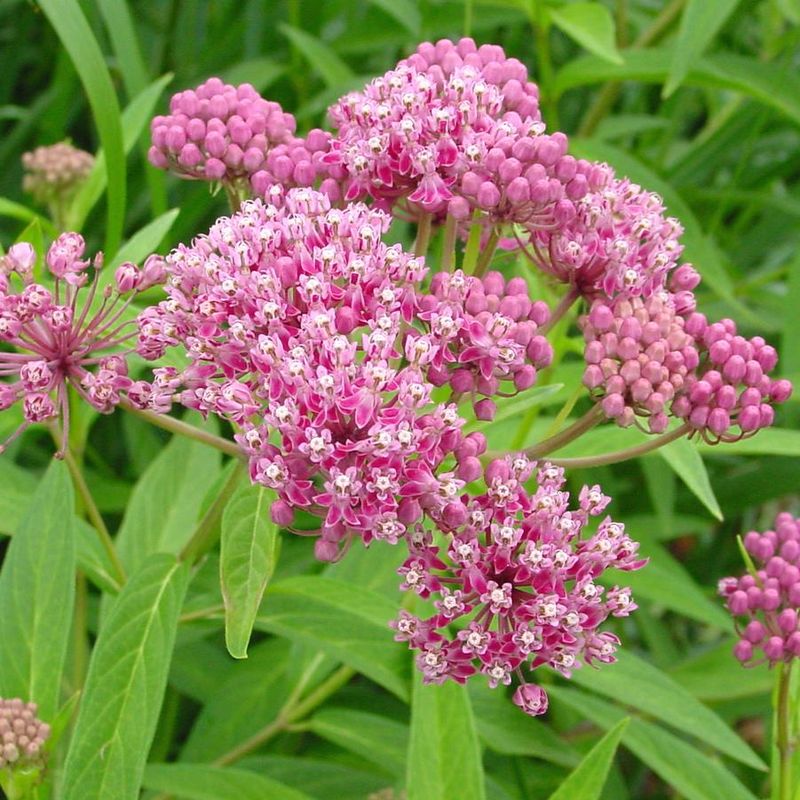
Monarch butterflies need milkweed to survive, and swamp milkweed ranks among the best species for Ohio gardens. Unlike common milkweed that spreads aggressively, swamp milkweed grows in well-behaved clumps that stay where you plant them.
Clusters of pink flowers bloom from June through August, providing nectar for monarchs, swallowtails, and native bees.
Despite its name, swamp milkweed doesn’t require wet conditions. It adapts beautifully to average garden soil and even tolerates short dry spells once established.
Our heavy clay soil poses no problem at all. Plant in full sun to part shade, spacing them 18 to 24 inches apart.
Plants grow three to five feet tall with sturdy stems that rarely need staking. After flowering, long seed pods form and eventually split open, releasing silky seeds that float away on the breeze.
If you prefer less reseeding, cut off pods before they open. Otherwise, you’ll get a few volunteer plants each spring.
Swamp milkweed serves as a host plant for monarch caterpillars, meaning females lay eggs on the leaves and caterpillars feed there before forming chrysalises. Watching the entire monarch life cycle unfold in your own yard makes this plant worth growing by itself.
Add in the beautiful blooms, easy care, and pollinator support, and swamp milkweed becomes an essential native for any Ohio garden.
8. New England Aster Steals The Show When Summer Fades
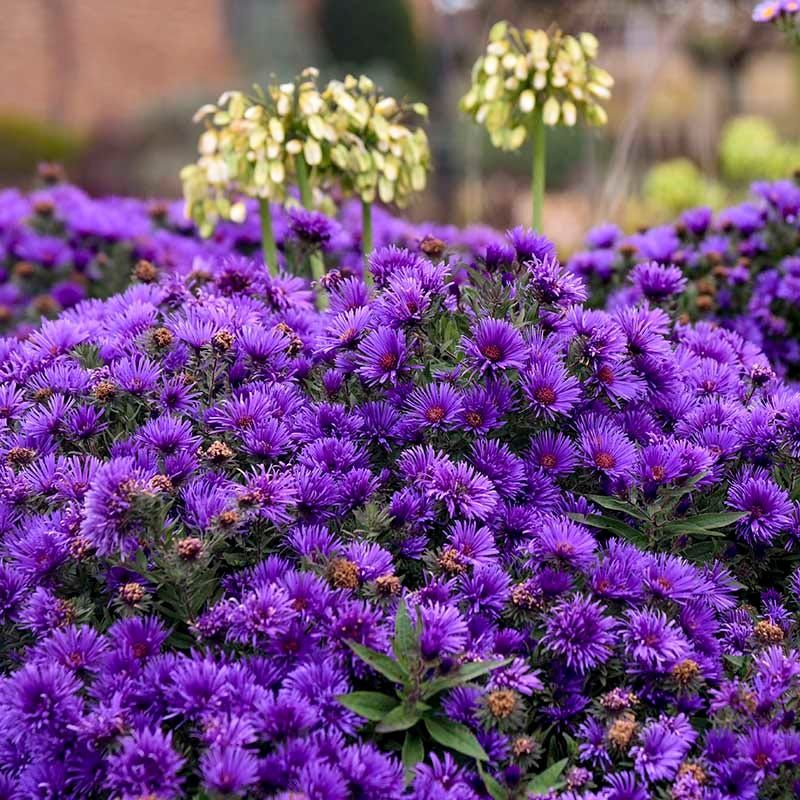
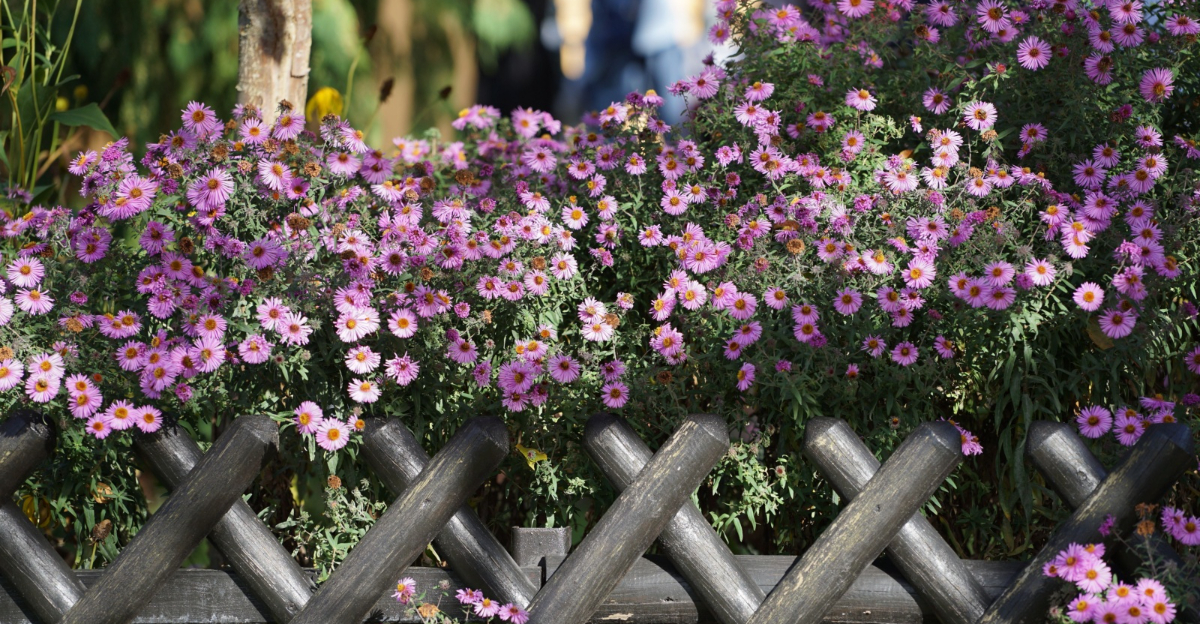
When most perennials finish blooming and gardens start looking tired, New England aster bursts into color. Masses of purple-pink flowers cover plants from September through October, providing critical late-season nectar for migrating monarchs and other pollinators preparing for winter.
This native perennial thrives in Ohio’s climate and handles our cold winters without any protection.
New England aster grows three to six feet tall depending on variety and growing conditions. Full sun produces the most flowers and strongest stems, though plants tolerate part shade.
They adapt to clay soil, average soil, and even dry conditions once roots establish. Space plants two to three feet apart and water their first season.
To keep plants more compact and bushy, cut them back by one-third in early June. This delays blooming slightly but prevents flopping and creates fuller plants.
If you skip this step, taller varieties might need staking. Either way, the fall flower show makes any effort worthwhile.
New England aster self-sows lightly and spreads slowly by rhizomes, forming nice clumps without becoming aggressive. Deer occasionally browse young growth but usually leave established plants alone.
Goldfinches visit in late fall to eat seeds, adding movement and interest after blooms fade. For spectacular fall color and essential pollinator support when few other plants are blooming, this native aster delivers reliably year after year.
9. Wild Columbine Pops Up Each Spring With Almost No Work
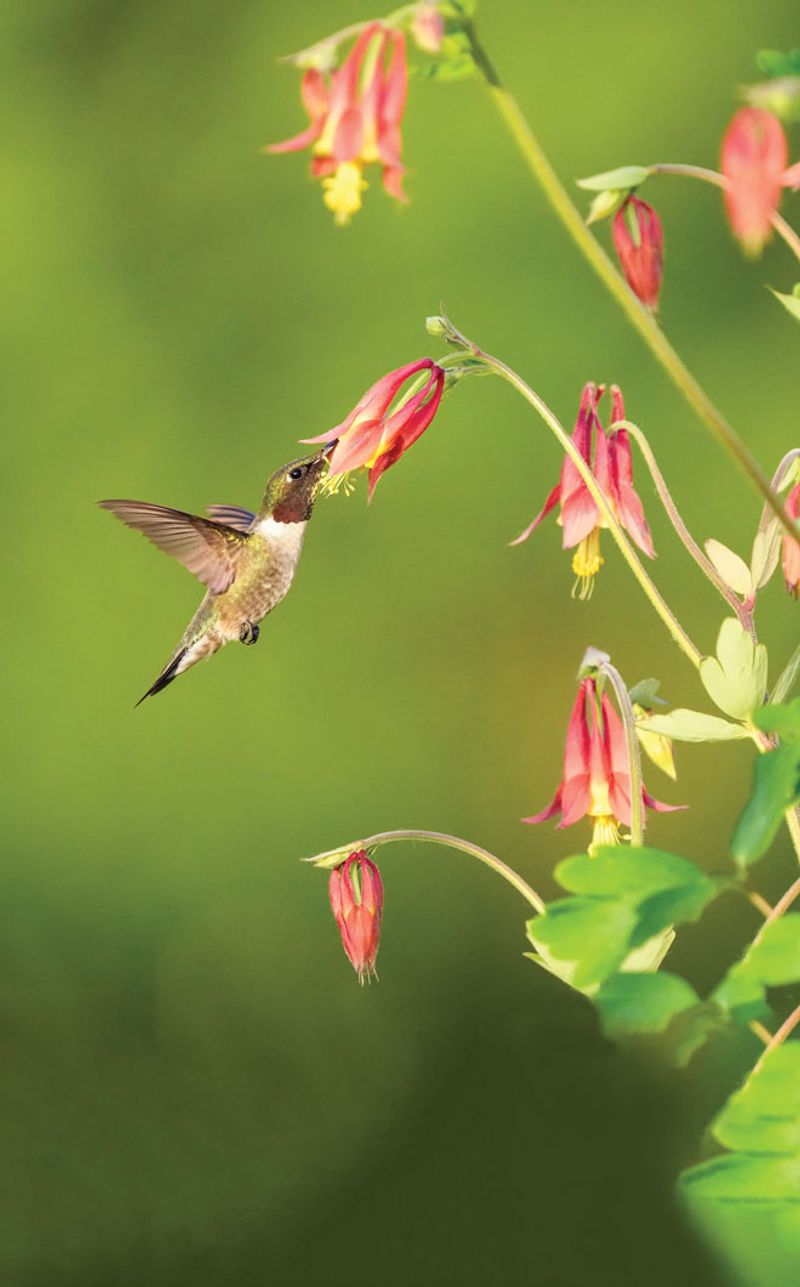
Delicate red and yellow flowers dangle from wild columbine stems each April and May, looking almost too graceful for such a tough plant. This native perennial thrives in part shade and adapts to a wide range of soil conditions, including the rocky or clay-heavy ground that challenges so many other plants.
Hummingbirds visit constantly during bloom time, hovering to sip nectar from the distinctive spurred flowers.
Wild columbine grows 12 to 24 inches tall with blue-green foliage that stays attractive even after flowering finishes. It prefers part shade but tolerates morning sun or dappled light under trees.
Plant in spring or fall, spacing them 12 inches apart. Water during their first season, then they’ll manage on their own.
This native reseeds freely, popping up in unexpected places each spring. Seedlings appear in gravel paths, between rocks, and in other spots where you’d never think to plant anything.
They’re never invasive, just pleasantly persistent. If you want fewer volunteers, deadhead flowers before seeds form.
After blooming, foliage sometimes looks ragged by midsummer. Cut plants back to encourage fresh growth, or let later-blooming perennials hide them naturally.
Wild columbine pairs beautifully with ferns, wild geranium, and other woodland natives. For early spring color, hummingbird habitat, and true low-maintenance charm, this native perennial delivers year after year with almost no help from you.
10. Butterfly Weed Delivers Fiery Color On Autopilot
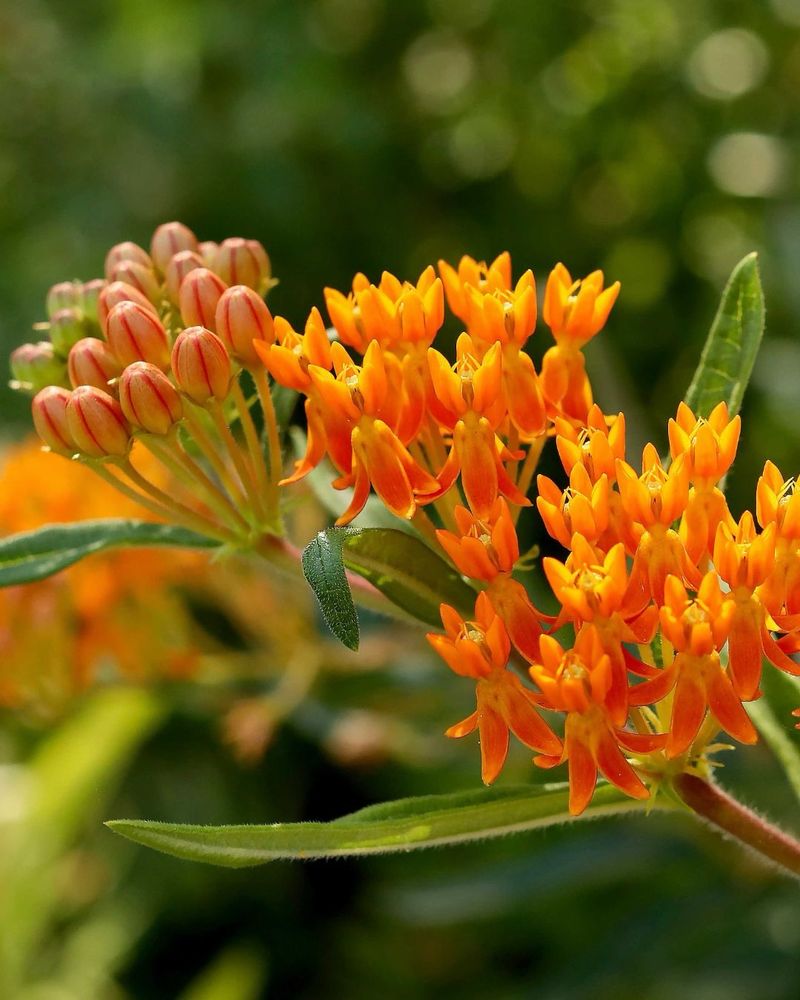
Brilliant orange flowers make butterfly weed impossible to ignore in summer gardens. This native milkweed blooms from June through August, attracting monarchs, swallowtails, and dozens of other pollinators with its vibrant color and abundant nectar.
Unlike its cousin common milkweed, butterfly weed grows in tidy clumps and never spreads aggressively.
Butterfly weed thrives in full sun and well-drained soil. Once established, its deep taproot makes it incredibly drought-tolerant, pulling moisture from well below the surface during dry spells.
It actually prefers lean soil and doesn’t need fertilizer or amendments. Clay soil works fine as long as drainage is decent.
Plants grow 18 to 30 inches tall and require zero maintenance after their first season. Water new plants regularly their first summer to help roots establish, then forget about them.
Butterfly weed takes a year or two to really settle in, but once it does, it comes back stronger every season.
Like swamp milkweed, butterfly weed serves as a host plant for monarch caterpillars. Females lay eggs on leaves, caterpillars feed and grow, then form chrysalises nearby.
Watching this process unfold makes the plant worth growing by itself. Butterfly weed also reseeds lightly, giving you a few bonus plants each spring.
For fiery summer color, monarch support, and true set-it-and-forget-it performance, this native perennial can’t be beat.