What Late Frost Really Does To Spring Plants In North Carolina And Which Ones Bounce Back Fast
One week you are planting in warm sunshine, the next you are checking the forecast with concern as temperatures dip again. In North Carolina, spring weather often shifts quickly, bringing the possibility of a late frost just when gardens begin to thrive.
Stepping outside after a cold night can leave any gardener wondering how much impact those lower temperatures had on tender growth.
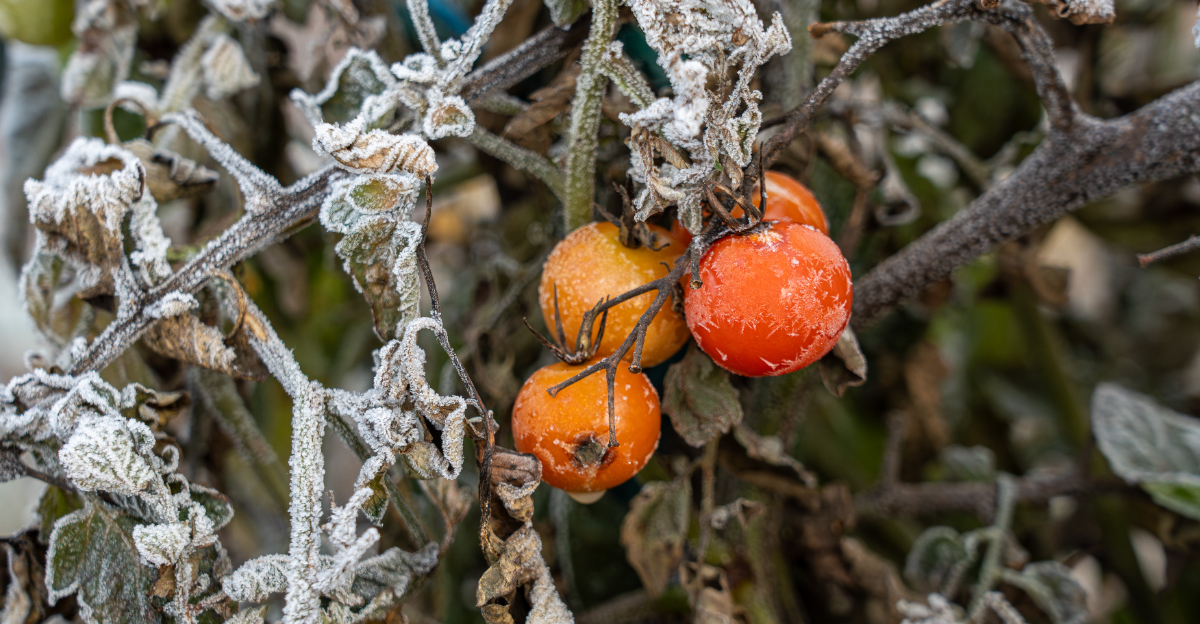
Frost forms when moisture freezes on plant surfaces, sometimes damaging leaves, buds, or early blossoms, yet not every plant responds the same way.
Some bounce back quickly, while others show stress more clearly. Understanding how frost affects different types of plants allows you to respond with confidence instead of panic.
Quick action, thoughtful planning, and awareness of regional patterns across North Carolina can reduce setbacks and protect your progress.
When you know what frost truly does to your garden, unexpected cold becomes a manageable challenge rather than a season derailing surprise.
1. Frost Damages Tender New Leaves First Not Roots
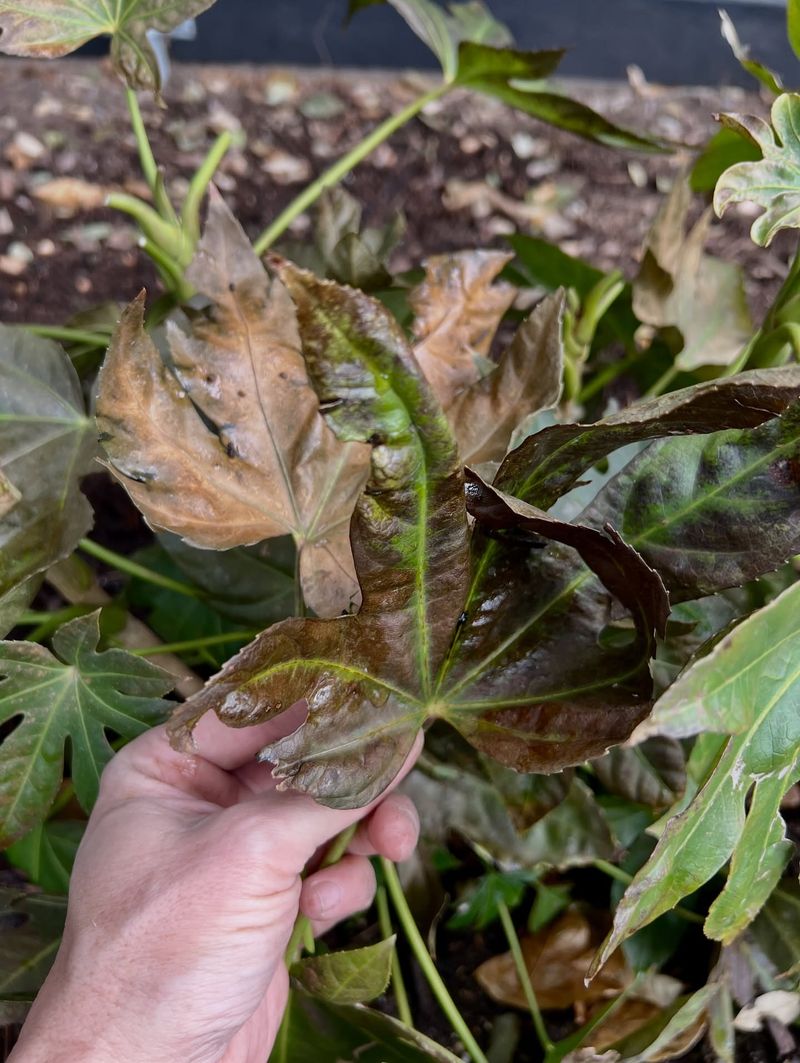
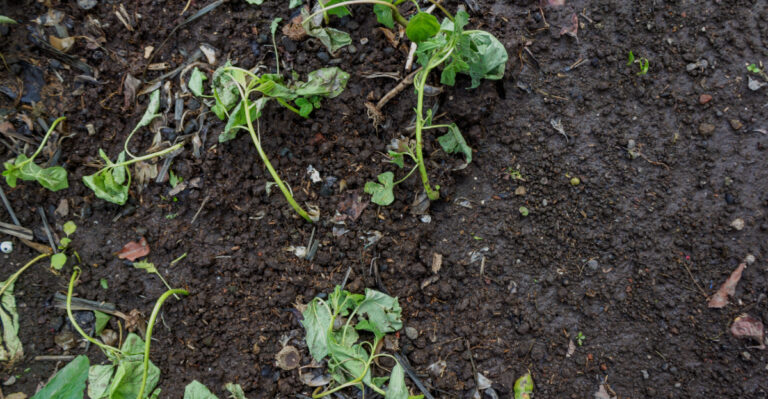
Picture this: you wake up to a sparkling frost on the grass, walk to your garden, and notice the newest, softest leaves hanging limp and dark. That is frost doing exactly what plant biology predicts.
New growth is the most vulnerable part of any plant because young leaf tissue holds more water and has thinner cell walls than mature growth.
When temperatures drop below freezing, that water inside the cells turns to ice crystals, which expand and tear the cell walls apart. The damage shows up quickly as blackened, mushy, or wilted leaf tips and edges.
It looks alarming, but the story does not end there. Established root systems sit safely underground, insulated by soil that stays warmer than the air above it.
In North Carolina, where late frosts often arrive suddenly and leave just as fast, the roots of most garden plants survive without any problem.
Once temperatures rise again, those same roots push energy upward, fueling a fresh round of new growth.
Pruning away the damaged leaves after the frost passes encourages the plant to redirect that energy efficiently. Patience matters here.
Waiting a week or two before removing anything lets you clearly see which stems are still alive and which need trimming. Most plants surprise gardeners with how quickly they recover once the weather warms back up.
2. Warm Season Vegetables Can Be Harmed By A Single Freeze
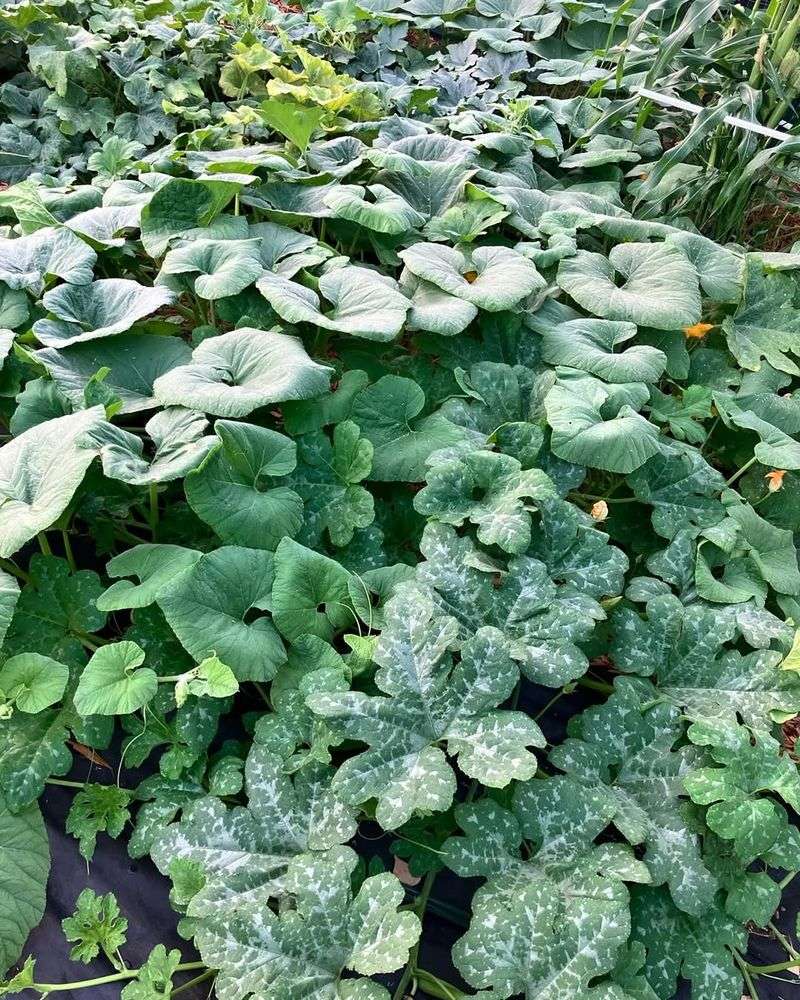
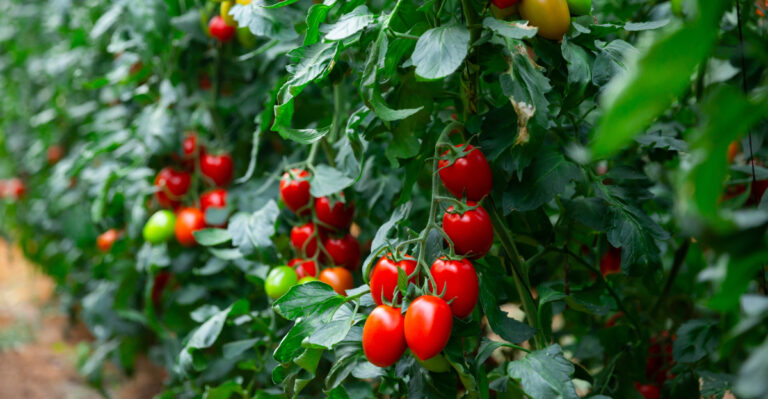
Tomatoes, peppers, squash, and beans have a reputation for being garden favorites, but they share one serious weakness: they cannot handle freezing temperatures at all.
Even a single night below 32 degrees Fahrenheit can collapse their leaves, turn stems mushy, and wipe out weeks of careful growing work.
These crops evolved in warm tropical climates, and their cells simply are not built to survive ice formation.
North Carolina gardeners who plant warm season vegetables too early in spring often learn this lesson the hard way.
The average last frost date varies across the state, with the mountains seeing frost as late as mid-May and the coastal plain finishing much earlier in March or April.
Your North Carolina Garden Changes Every Week. Your Plan Should Too.
Gardening in North Carolina changes quickly throughout the season. Every Friday you’ll receive a simple weekly plan showing exactly what to plant, prune, fertilize, harvest, and protect so you never miss the right timing.
Checking your local frost date before planting is one of the most practical steps any gardener can take.
Once frost hits a tomato or pepper plant hard, recovery is unlikely if the main stem has turned brown and soft all the way through.
However, if only the top growth is affected and the lower stem still feels firm and green, the plant might push out new shoots from lower nodes. Covering plants with frost cloth or even old bedsheets on cold nights offers surprisingly effective protection.
Row covers, cold frames, and season extension tunnels are popular tools among experienced North Carolina gardeners for exactly this reason. A little preparation the night before a frost warning saves a lot of disappointment the next morning.
3. Cool Season Crops Often Survive Light Frost
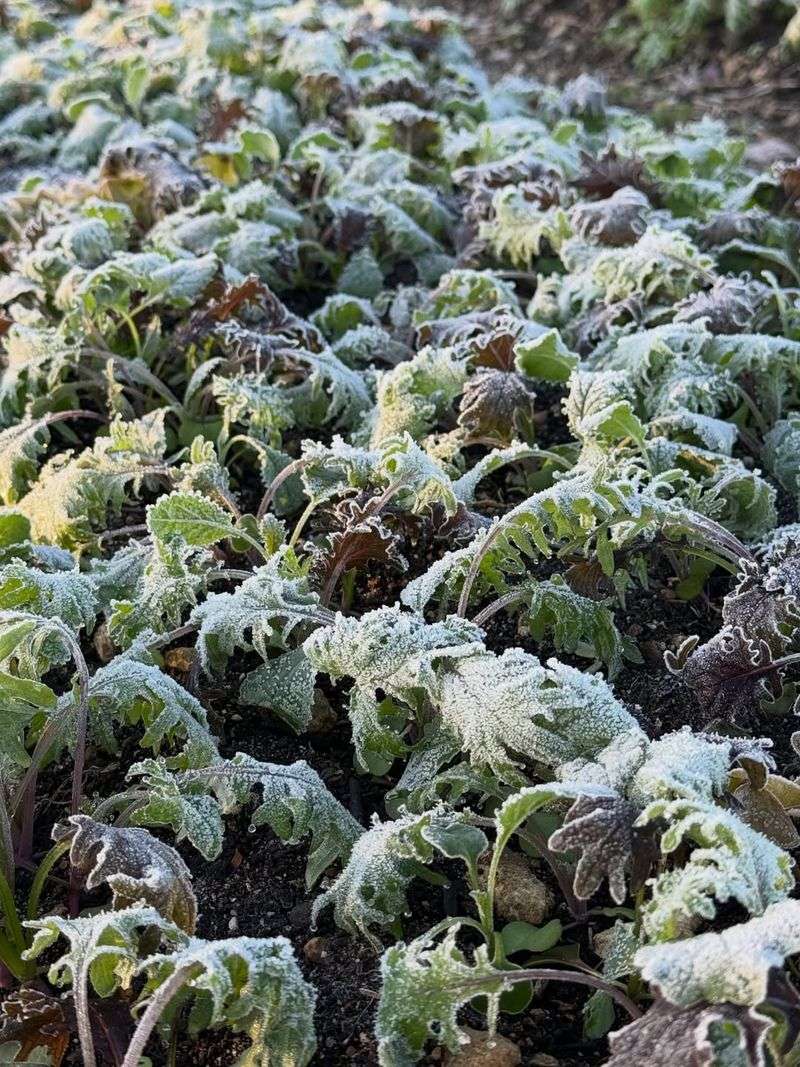
Not every plant trembles at the sight of frost. Lettuce, spinach, kale, peas, and broccoli actually thrive in cool weather and handle light freezes better than most people expect.
These vegetables developed in cooler climates and their cells contain natural compounds that act almost like antifreeze, lowering the freezing point of the liquid inside plant tissue.
Kale, for example, often tastes sweeter after a frost because cold temperatures trigger the plant to convert starches into sugars. Spinach can survive temperatures as low as 20 degrees Fahrenheit when it has been gradually exposed to cooling weather.
Broccoli and peas handle light frosts with ease, though heavy, prolonged freezes can still cause damage to flower heads and tender pods.
North Carolina gardeners take advantage of this cold tolerance by planting cool season crops in early spring and again in fall. This gives them two productive windows each year outside of the hot summer months.
Row covers add extra protection on the coldest nights without blocking sunlight or airflow during the day.
One practical tip is to water your cool season crops the afternoon before a frost is forecast. Moist soil holds heat better than dry soil, which keeps root zone temperatures slightly warmer overnight.
These plants are genuinely tough, and understanding their resilience helps gardeners get more food from their plots with less worry every single spring season.
4. Fruit Tree Blossoms Are Highly Vulnerable During Bloom
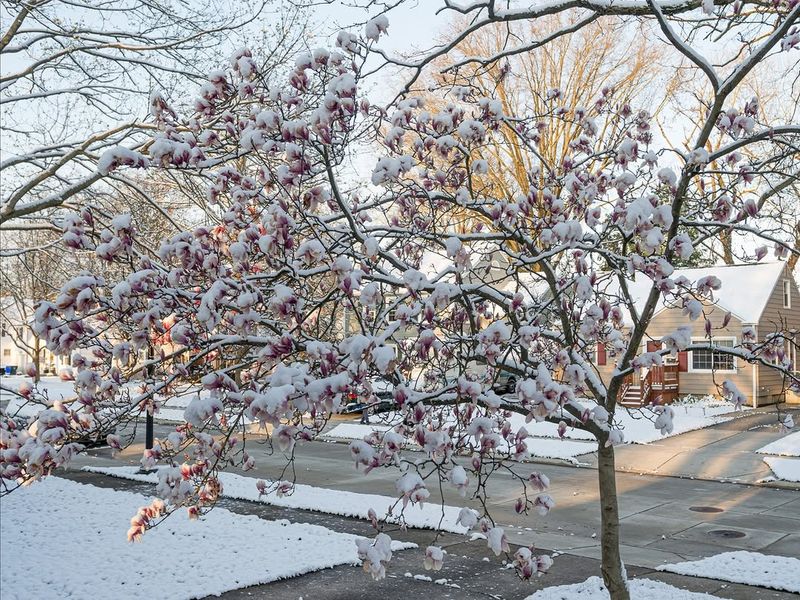
Few sights in a North Carolina spring are more beautiful than a peach or apple tree in full bloom, but that beauty comes with serious risk.
Fruit tree blossoms are among the most frost-sensitive parts of any tree, and a single night of temperatures in the upper 20s Fahrenheit can destroy the entire flower crop.
No blossoms means no fruit, and that is a real economic and emotional blow for both home orchardists and commercial growers.
The critical period is when blossoms are fully open. At that stage, peach flowers can suffer damage at 28 degrees Fahrenheit, while apple blossoms begin showing injury at around 28 to 29 degrees.
Tighter buds that have not yet opened tolerate slightly colder temperatures because they retain more protective tissue around the delicate reproductive parts inside.
The good news is that losing blossoms does not harm the tree itself. The woody structure, branches, and root system remain completely healthy even after a hard frost wipes out every flower.
Most fruit trees will bloom again the following spring without any lasting damage to the plant.
North Carolina peach growers in the Piedmont and mountain regions deal with this challenge regularly, and many use wind machines, overhead irrigation, or smudge pots to protect blossoms during critical nights.
Home gardeners can drape lightweight frost cloth over smaller trees or young espalier plantings to buy a few extra degrees of warmth when a late frost threatens their harvest.
5. Hydrangea Leaves May Burn But Plants Often Recover
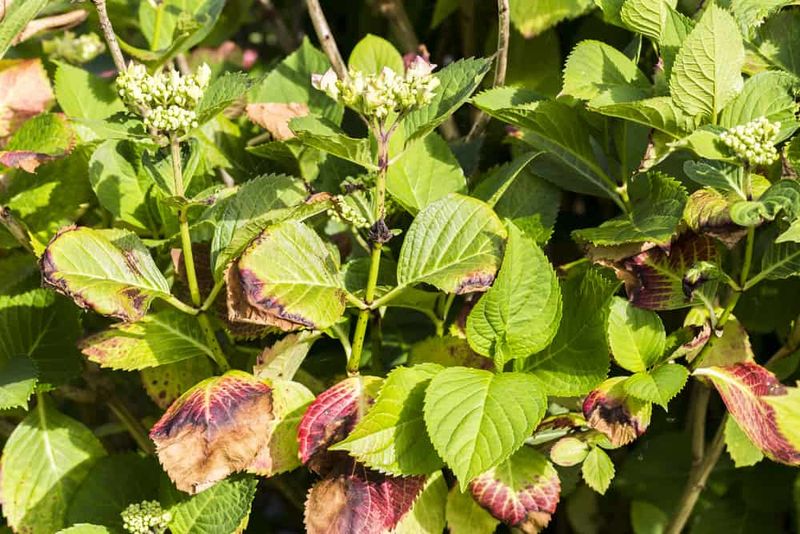
Hydrangeas are one of the most beloved flowering shrubs in North Carolina gardens, and they also happen to be one of the most frost-sensitive when they wake up early in spring.
Bigleaf hydrangeas in particular push out tender new leaves quickly when temperatures warm up, which makes them easy targets for a late frost. Overnight, those fresh green leaves can turn brown, crispy, and completely limp.
It looks alarming the morning after, but experienced gardeners know not to panic. The stems of a hydrangea are often still green and alive even when the leaves look completely burned.
Running a fingernail gently along a stem to check for green tissue underneath the bark is a simple test that reveals whether the plant has surviving growth potential left in it.
Bigleaf hydrangeas bloom on old wood, which means frost damage to new spring growth can reduce or eliminate flowering for that season. However, the plant itself bounces back reliably from its root system and remaining stems once warm weather returns.
Panicle hydrangeas and smooth hydrangeas are more forgiving because they bloom on new wood that grows fresh each season.
Avoid cutting frost-damaged hydrangeas back too aggressively right after a frost. Waiting until you can clearly see where new growth is emerging gives you a much better guide for pruning.
A little patience goes a long way with these resilient, garden-worthy shrubs that North Carolina gardeners genuinely adore.
6. Daffodils Usually Recover From Snow And Light Freeze
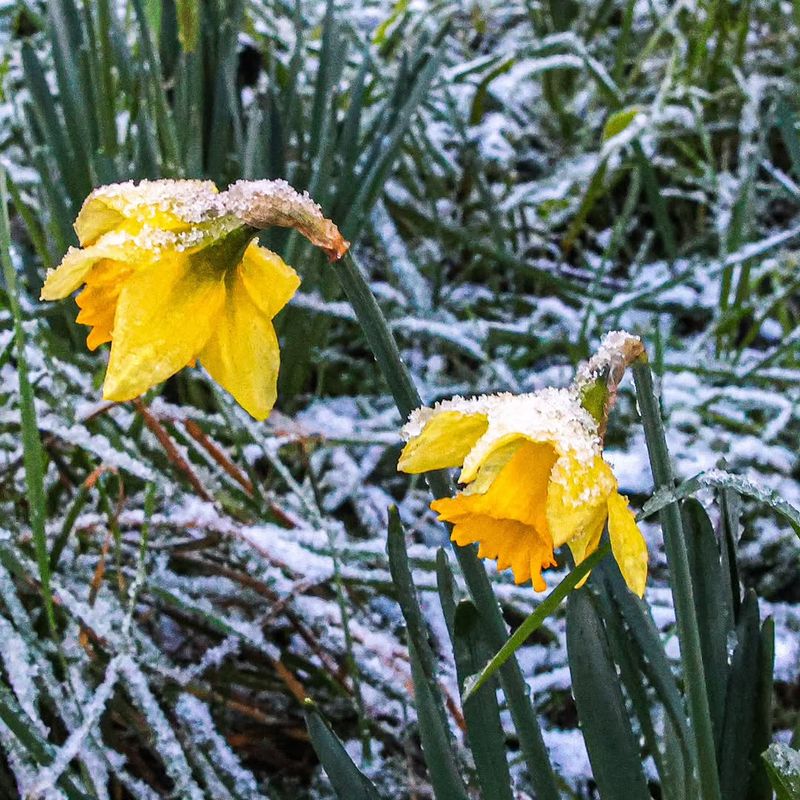
Daffodils have been greeting North Carolina springs for generations, and there is a very good reason they keep showing up year after year without much fuss.
These bulb-grown flowers are naturally cold hardy, designed by evolution to push through cold soil and handle late winter and early spring temperature swings with ease.
A light frost or even a dusting of snow rarely causes lasting harm to a healthy daffodil.
When frost hits open daffodil flowers, the petals may droop and look sad for a day or two. But as temperatures climb back above freezing, most daffodils straighten right back up and continue blooming as if nothing happened.
The thick, fleshy leaves also tolerate light freezes well, bending under the weight of snow but recovering their upright posture once it melts.
The real protection for daffodils comes from the bulb underground. Bulbs store energy and nutrients through the winter, giving the plant a strong foundation that is almost impossible to damage with a brief frost event.
Even if the above-ground parts take a beating, the bulb survives and fuels regrowth reliably.
Planting daffodil bulbs in well-drained soil is the single most important factor in long-term success. Waterlogged soil during cold weather causes far more problems than frost ever does.
North Carolina gardeners who choose cold-hardy varieties and plant them correctly enjoy dependable, cheerful blooms every spring regardless of late season temperature surprises that show up uninvited.
7. Azalea Blooms May Be Damaged But Shrubs Survive
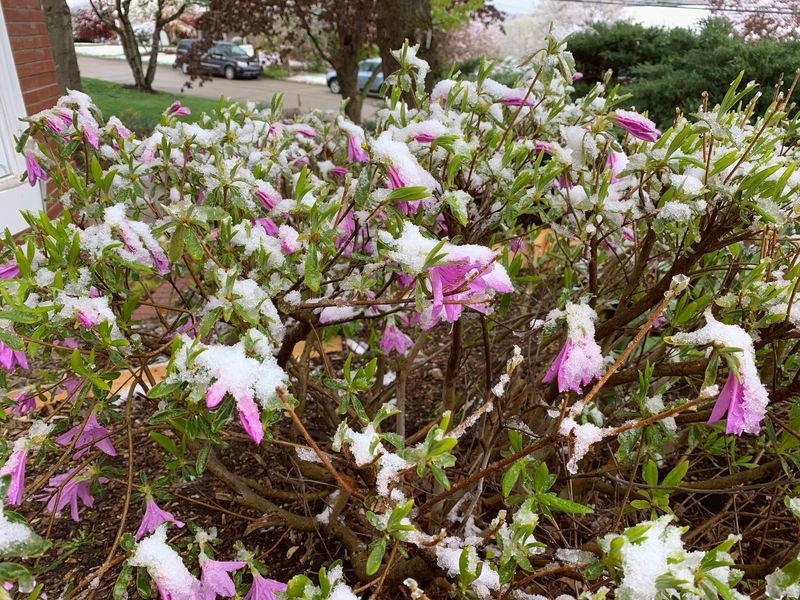
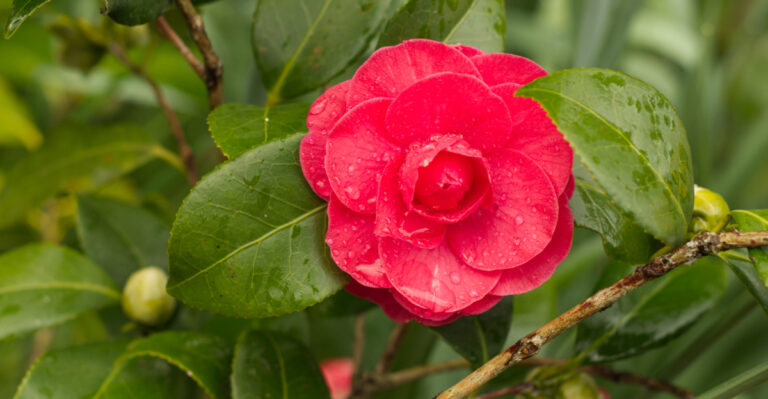
Azaleas are practically a symbol of spring in North Carolina, painting roadsides and front yards in brilliant pinks, reds, and whites every April. But those gorgeous blooms are surprisingly fragile when a late frost sneaks in.
Open azalea flowers turn brown and papery almost overnight when temperatures drop below freezing, which can feel heartbreaking after weeks of waiting for the show to begin.
Here is the reassuring part: the shrub itself is almost always completely fine. The woody stems, branches, and root system of an established azalea are cold hardy well below the temperatures that damage flowers.
What you lose is the bloom for that season, not the plant or its future flowering potential. Next spring, a healthy azalea will bloom again just as enthusiastically as ever.
Native azalea species found across North Carolina, such as flame azalea and pinxterbloom, tend to be especially well-adapted to local weather patterns and handle late frosts more gracefully than some exotic cultivars.
Even garden-variety hybrid azaleas recover their foliage quickly after frost damage and push out fresh green growth within a few weeks of the cold event passing.
Removing frost-burned flowers after they brown up keeps the shrub looking tidy and encourages the plant to focus energy on leaf and stem growth rather than seed production. Azaleas rarely need extra care after a frost beyond some light cleanup.
Their toughness beneath all that delicate-looking beauty is honestly one of the things that makes them so rewarding to grow in the Southeast.
8. Tender Annual Flowers May Collapse Completely
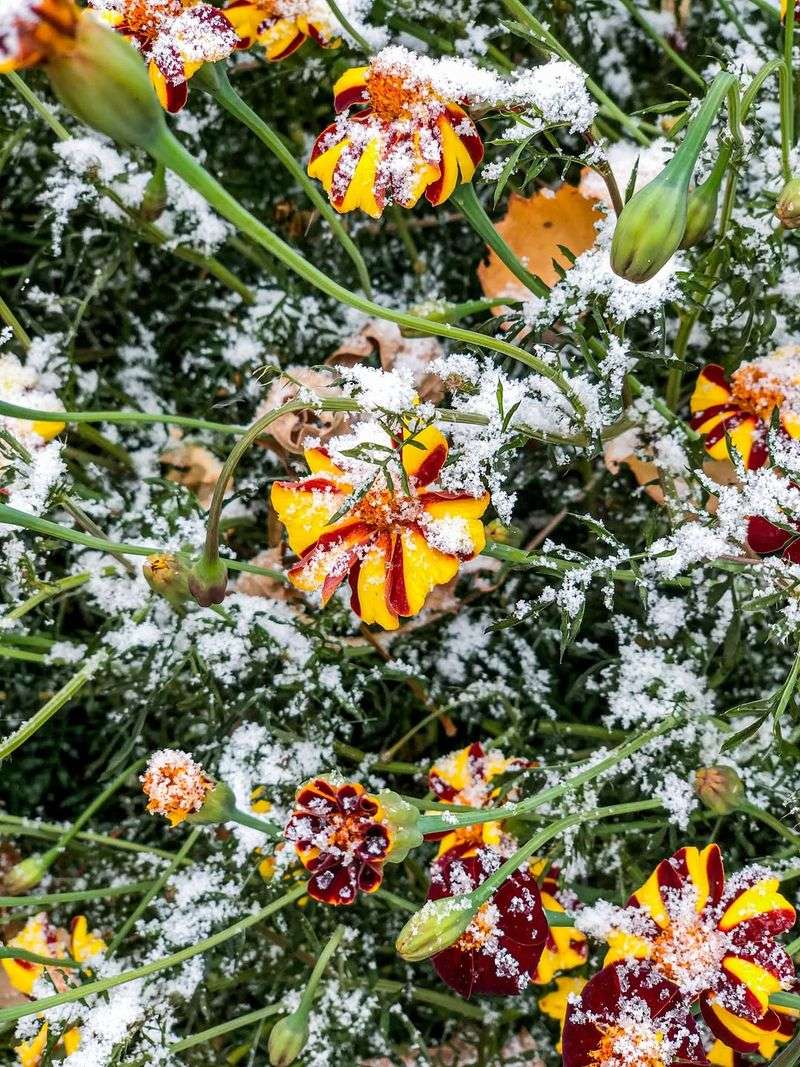
Some flowers just do not have the tools to fight back against frost, and tender annuals like petunias, impatiens, zinnias, and marigolds fall squarely into that category. These plants evolved in warm climates and their cells have no mechanism for handling ice formation.
When frost hits them, the water inside their tissue freezes, the cell walls rupture, and the whole plant collapses into a dark, soggy mess by morning.
Unlike perennials or bulb plants, most tender annuals do not have a protected root system or underground storage organ to fall back on. What you see above ground is essentially the entire plant, which means frost damage is often total and permanent.
Trying to nurse a frost-collapsed impatiens back to health is usually a losing battle that just delays the inevitable replanting trip to the garden center.
North Carolina gardeners who love color in their beds learn to watch the forecast closely in March and April.
Waiting until after the last frost date to plant tender annuals is genuinely the best strategy, even when warm weather in February makes the urge to plant feel impossible to resist.
Covering plants with frost cloth on cold nights buys some protection for annuals already in the ground.
Keeping a small reserve of seedlings in a sheltered spot, like a covered porch or cold frame, gives gardeners a backup plan when a surprise frost wipes out newly planted beds.
Replanting quickly after a late frost lets the garden recover its color before the best of spring passes by.
9. New Growth On Shrubs Can Regrow If Stems Stay Green
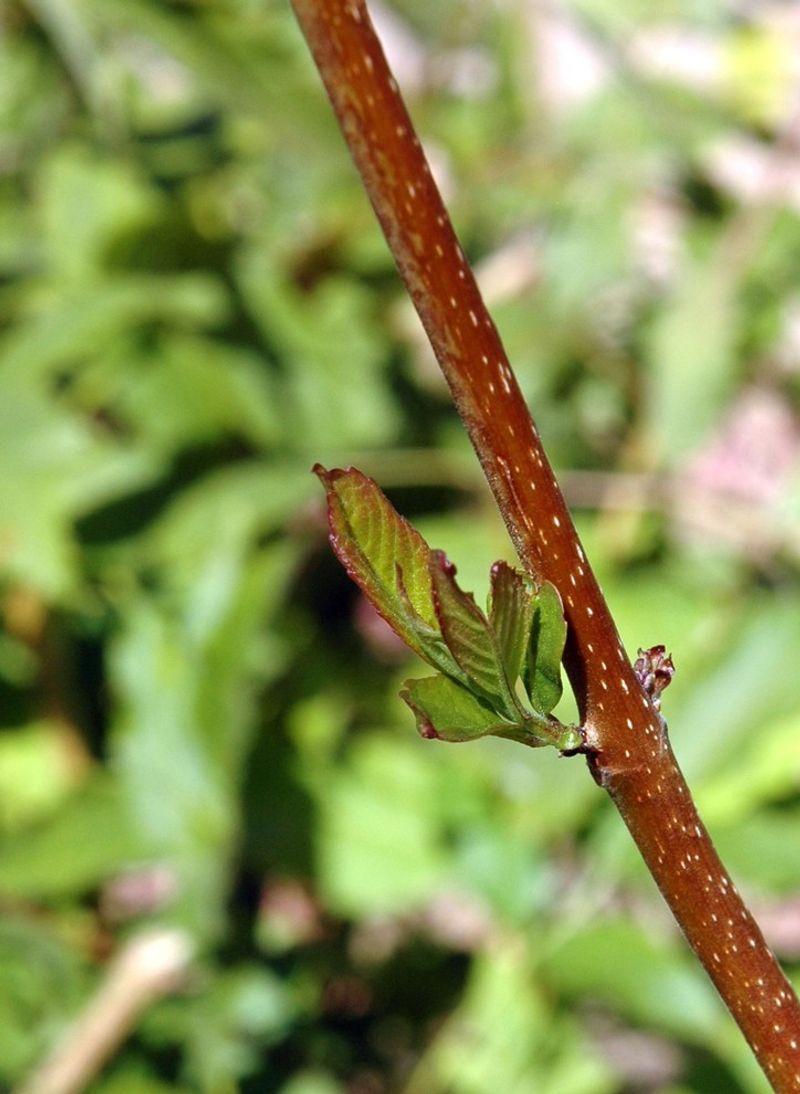
One of the most hopeful things a gardener can discover after a late frost is a shrub stem that is still green on the inside.
Frost frequently burns away the newest, most exposed growth at the tips of branches, but if the main stems and lateral branches retain their green tissue, the plant is very much alive and capable of pushing out fresh new growth.
Secondary buds, sometimes called latent or adventitious buds, activate when primary growth is lost.
Scratch testing is the most reliable way to evaluate a stem after frost damage. Use your thumbnail or a small knife to gently scrape away a thin layer of bark near the tip of a branch.
Green, moist tissue underneath means the stem is alive. Brown, dry, or shriveled tissue means that section has been damaged beyond recovery and should be pruned back to the nearest living wood.
Many common North Carolina landscape shrubs, including forsythia, spirea, and butterfly bush, respond well to frost by pushing secondary buds vigorously once temperatures stabilize.
The plant essentially uses the frost damage as a signal to redistribute its growth energy, which often results in fuller, bushier regrowth than the original growth flush produced before the frost event hit.
Fertilizing lightly with a balanced fertilizer after frost damage clears helps provide the nutrients a shrub needs to fuel that secondary growth surge. Avoid heavy pruning immediately after frost since the plant is already under stress.
Give it a week or two of warm weather first, then clean up damaged sections with confidence and watch those new buds take off.
10. Established Perennials Usually Bounce Back Once Temperatures Warm
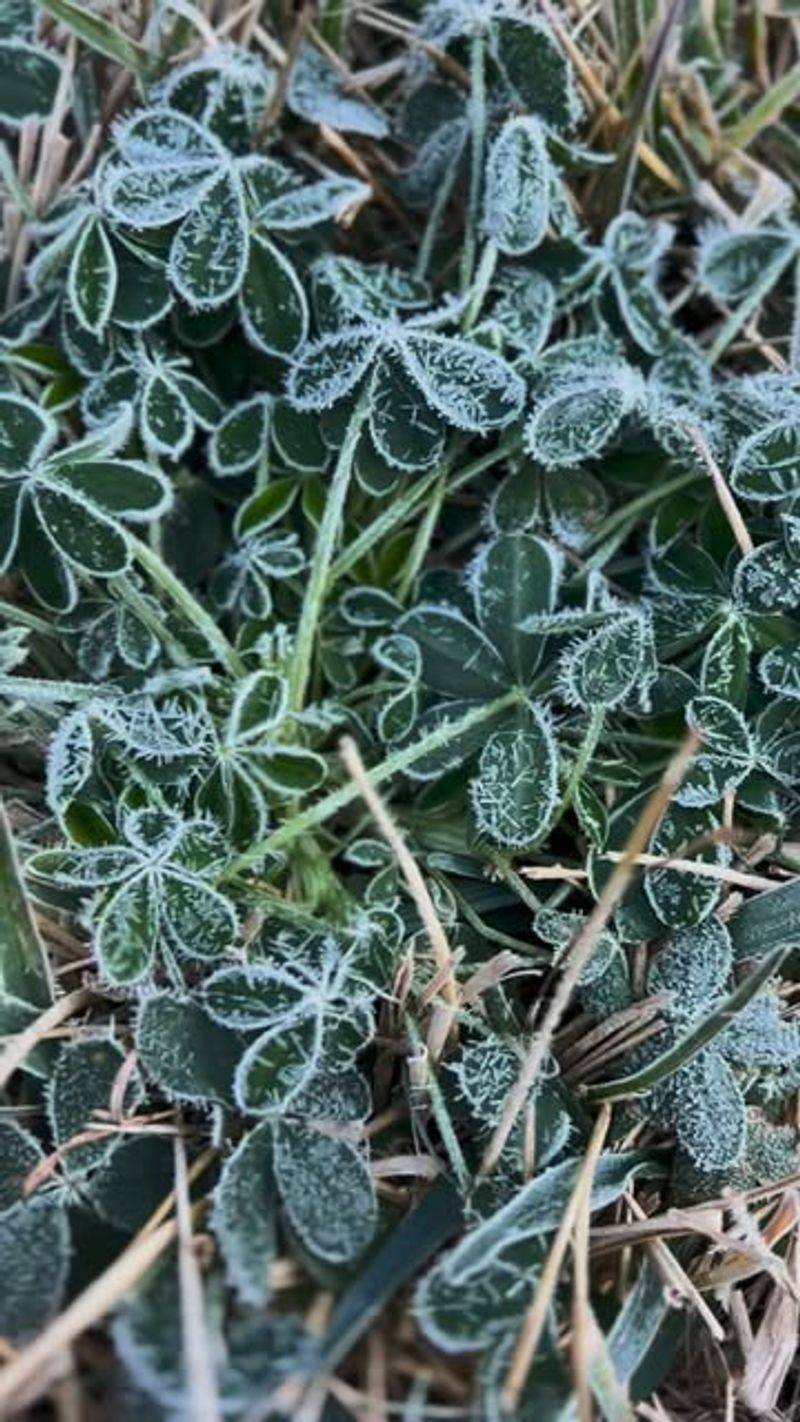
Gardeners who invest in perennials are making a smart long-term bet, especially when late frosts are part of the picture.
Established perennials like hostas, coneflowers, daylilies, black-eyed Susans, and salvia store energy in their crowns and root systems right at or just below the soil surface.
That underground reserve is what makes them so remarkably resilient when cold air swoops in and burns down everything visible above ground.
Soil acts as a natural insulator, keeping root zone temperatures several degrees warmer than the air above it. Even when a hard frost turns perennial foliage black and mushy overnight, the crown sitting just below or at soil level often emerges completely unharmed.
Within days of warmer temperatures returning, fresh new shoots push up from those protected crowns with surprising speed and energy.
Mulching perennial beds in late fall and early spring is one of the most effective ways North Carolina gardeners protect their plants from temperature swings.
A two to three inch layer of shredded bark or pine straw buffers soil temperature and keeps crowns from experiencing the full impact of a late frost. It also helps retain moisture, which supports faster regrowth after cold events.
Cutting back frost-damaged foliage once new growth appears keeps beds looking tidy and reduces the risk of fungal issues developing in the soggy, damaged plant material.
Most established perennials in North Carolina recover so completely from late frosts that by late spring, you would never know they had a rough night at all. Their resilience makes every garden investment genuinely worthwhile.