9 Native Perennials That Come Back Stronger Every Year In North Carolina Gardens
Imagine a garden that grows more vibrant each year without demanding constant attention or replanting.
In North Carolina, that vision becomes reality when you choose native perennials that are perfectly adapted to local soil, rainfall, and seasonal shifts.
These plants have evolved right here, which means they handle heat, humidity, and occasional dry spells with impressive resilience.
Beyond their toughness, native perennials support pollinators, birds, and beneficial insects, turning your yard into a lively, balanced ecosystem.
Instead of starting over each spring, you watch them return stronger and fuller, filling beds with reliable color and texture.
North Carolina gardeners who embrace native plants often discover that less work leads to greater rewards. A thoughtfully chosen mix can create a landscape that feels natural, dynamic, and beautifully in tune with its surroundings.
If you want lasting color with minimal upkeep, these nine North Carolina natives are ready to transform your garden.
1. Coreopsis Forms Larger Flowering Clumps Each Year
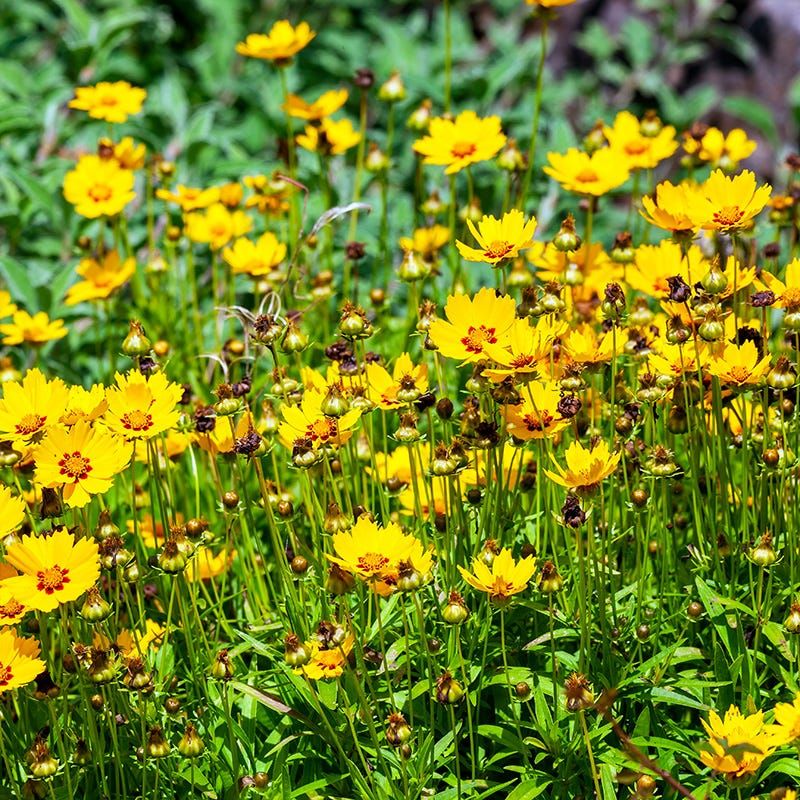
Sunshine in plant form, that is the easiest way to describe Coreopsis.
Native species like Coreopsis lanceolata, commonly called Lance-leaved Tickseed, are perfectly adapted to North Carolina conditions and produce cheerful, golden-yellow daisy-like flowers that bloom generously from late spring through midsummer.
What makes this perennial especially rewarding is how dramatically the clumps improve with age.
During the first season, Coreopsis lanceolata establishes a healthy root system and produces a modest but pretty show of blooms.
By the second and third years, the clump expands outward, producing significantly more flowering stems and a fuller, more impressive display.
Well-established plants can reach two feet wide and create a mounding, almost cushion-like shape that looks stunning in borders or naturalized areas.
Coreopsis thrives in full sun and well-drained soil, tolerating sandy or rocky conditions that challenge more demanding plants.
It handles North Carolina summer heat with ease and requires almost no supplemental watering once established.
Deadheading spent blooms regularly extends the flowering season by several weeks, and cutting the entire plant back by one-third after the main flush of bloom can trigger a fresh round of flowers in late summer.
Coreopsis also reseeds lightly, so over time you may notice small volunteer plants appearing nearby that can be transplanted to new spots.
Pollinators, especially native bees, visit the flowers enthusiastically throughout the blooming season.
2. Purple Coneflower Builds Stronger Clumps Each Season
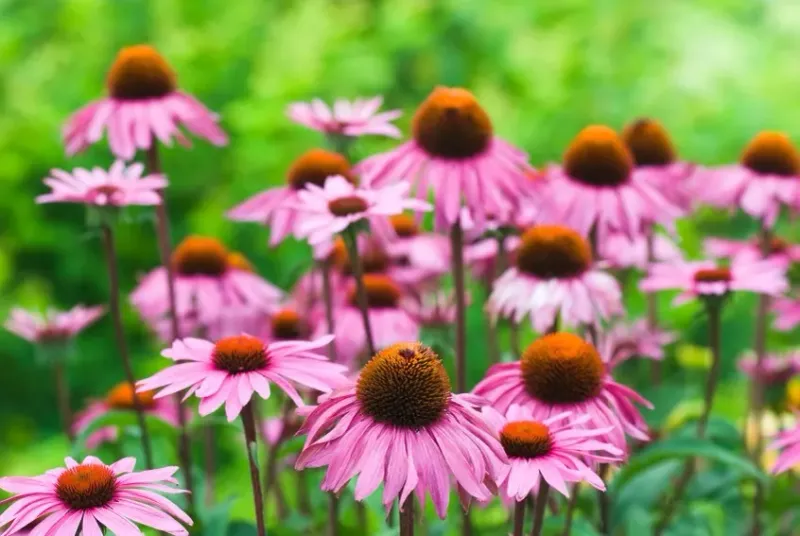
Few plants earn their place in a garden quite like Purple Coneflower, known botanically as Echinacea purpurea.
Native to North Carolina, this tough perennial rewards patient gardeners with something remarkable: it actually gets better every single year.
During the first growing season, plants focus energy underground, pushing roots deeper into the soil rather than putting on a big show above ground.
By the second and third seasons, something exciting happens. The clumps grow noticeably wider, the stems stand taller, and the blooms multiply in a way that genuinely surprises first-time growers.
Plant it in full sun and well-drained soil, and it will reward you with bold, rosy-purple daisy-like flowers from midsummer into fall.
Your North Carolina Garden Changes Every Week. Your Plan Should Too.
Gardening in North Carolina changes quickly throughout the season. Every Friday you’ll receive a simple weekly plan showing exactly what to plant, prune, fertilize, harvest, and protect so you never miss the right timing.
Purple Coneflower is also a pollinator magnet, drawing bees, butterflies, and goldfinches who love snacking on the seed heads through winter.
Resist the urge to cut everything back in autumn, because those seed heads feed birds during cold months.
Echinacea purpurea thrives in average soil without heavy fertilizing, making it one of the most forgiving plants for beginner gardeners.
Over time, established clumps can be divided in early spring to multiply your planting without spending a single extra dollar at the nursery.
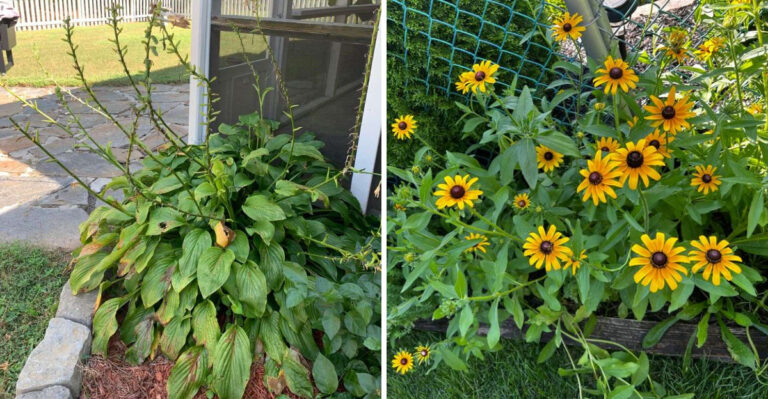
3. Black Eyed Susan Reseeds And Expands Naturally
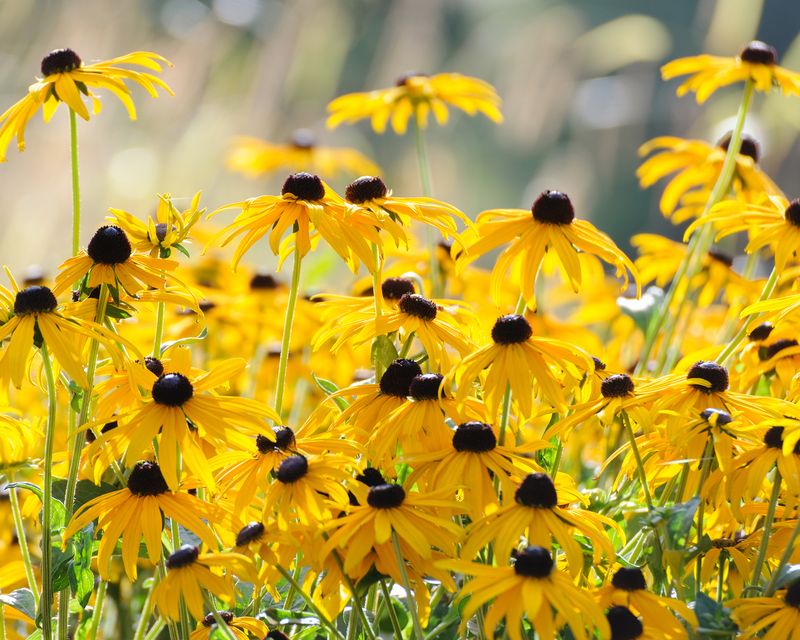
There is something almost magical about planting Black Eyed Susan once and watching it show up in new spots every summer like a cheerful, uninvited guest you actually love.
Rudbeckia hirta is native to North Carolina and has a clever survival strategy: it reseeds itself generously, filling gaps in garden beds and meadow edges without any help from you.
The sunny yellow flowers with their rich chocolate-brown centers bloom from early summer through early fall, creating weeks of bold, reliable color.
Each flower produces dozens of seeds that scatter naturally, and those seeds germinate the following spring to create fresh plants that bloom in their first season.
Over a few years, what started as a small planting can grow into a wide, gorgeous sweep of golden color. Black Eyed Susan thrives in full sun and tolerates a wide range of soil conditions, including clay-heavy North Carolina soils that frustrate many other plants.
It handles summer heat and occasional dry spells without complaint, making it a great choice for low-maintenance landscapes.
To keep spreading in check, simply deadhead some blooms before seeds fully ripen, but leave a few flowers standing to encourage natural reseeding.
This species also supports native bees and provides important late-season nectar when many other wildflowers have finished blooming.
4. Cardinal Flower Returns Reliably In Moist Soil
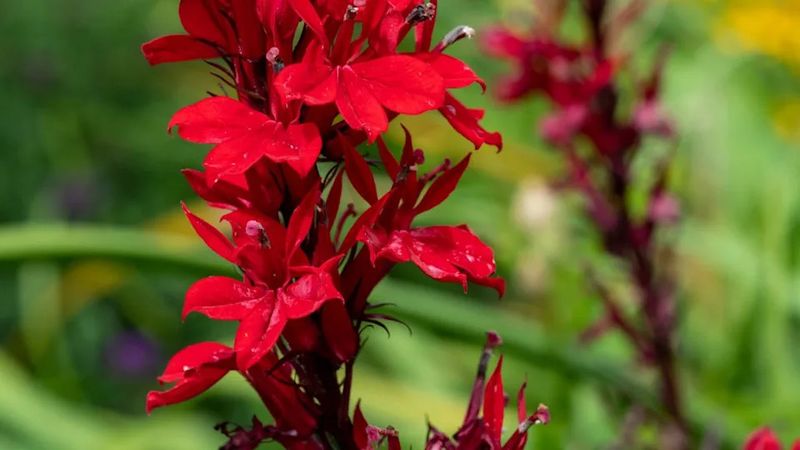
Imagine a plant so brilliantly red that hummingbirds find it from a distance and make a beeline straight for your garden.
That is exactly what Cardinal Flower, or Lobelia cardinalis, does every summer in North Carolina gardens.
This native perennial is built for moist spots, thriving along stream banks, pond edges, rain gardens, and low-lying areas where other plants struggle to survive.
Cardinal Flower typically blooms in late summer, sending up tall spikes of tubular scarlet flowers that can reach four to five feet in height.
Ruby-throated hummingbirds are its primary pollinators, and the relationship between this plant and those tiny birds is one of the most exciting things to witness in any backyard.
Over time, established plants form spreading colonies by producing offsets and self-seeding into nearby moist soil.
While individual plants may only live two to three years, the colony itself strengthens and expands, so the display actually grows richer each season.
Plant Cardinal Flower in partial shade to full sun with consistently moist soil, and avoid letting it dry out during summer heat waves. Adding a layer of mulch around the base helps retain soil moisture and keeps roots cool.
Gardeners who make room for this native beauty are rewarded with one of the most electrifying color combinations in the natural world: fire-engine red blooms against deep green summer foliage.
5. Butterfly Weed Develops Deep Drought Tolerant Roots
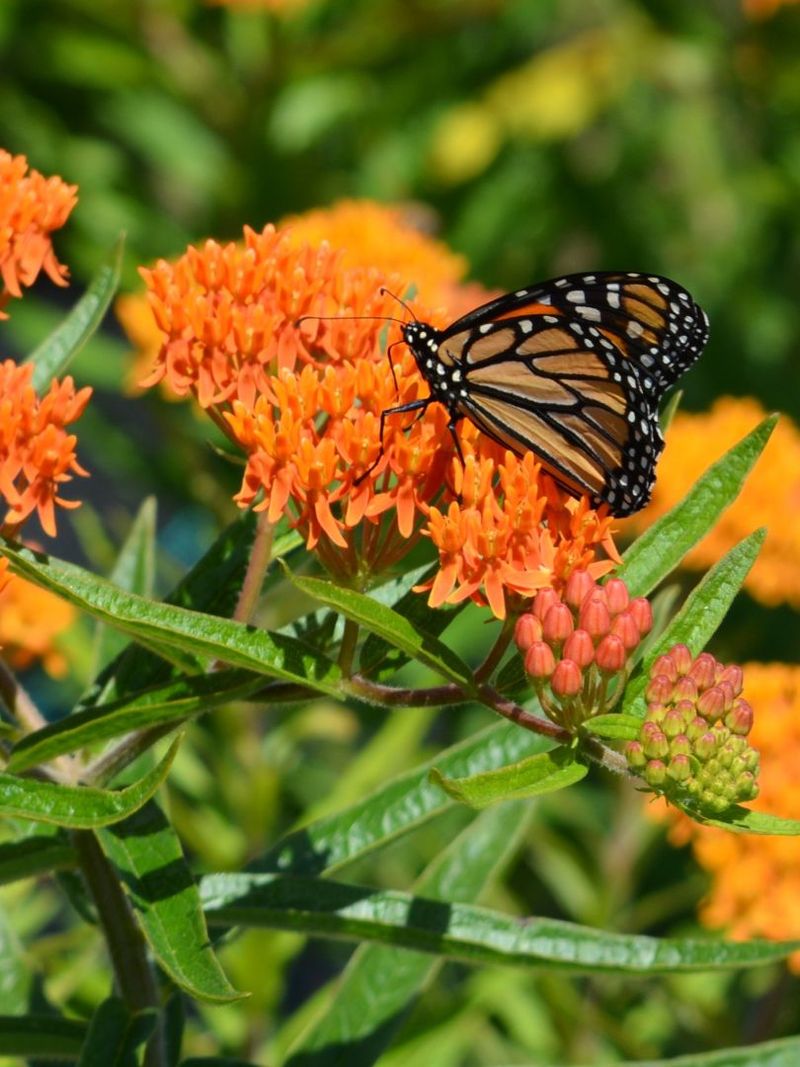
Butterfly Weed might have an unusual name, but this plant is anything but ordinary.
Asclepias tuberosa is native to North Carolina and carries one of the most striking flower colors in the native plant world: a brilliant, almost neon orange that stops people in their tracks.
What makes this perennial truly special, though, is what happens underground where nobody can see it.
Over its first couple of seasons, Butterfly Weed invests heavily in developing a thick, fleshy taproot that pushes deep into the soil. That taproot is the secret behind its legendary drought tolerance.
Once established, this plant can handle long stretches of dry summer weather that would stress most garden plants, drawing moisture from deep soil layers that shallow-rooted plants simply cannot reach.
By its third or fourth year, an established Butterfly Weed plant blooms with noticeably more vigor, producing larger flower clusters that attract an impressive parade of pollinators.
Monarch butterflies use it as a critical host plant, laying eggs on its leaves so caterpillars have food when they hatch.
Plant it in full sun with excellent drainage, and avoid heavy clay unless amended with grit or sand. One important note: because of its deep taproot, Butterfly Weed resents being moved once established, so choose its location thoughtfully from the start.
Patience during those first two quiet seasons pays off enormously.
6. Bee Balm Spreads Through Rhizomes In The Right Conditions
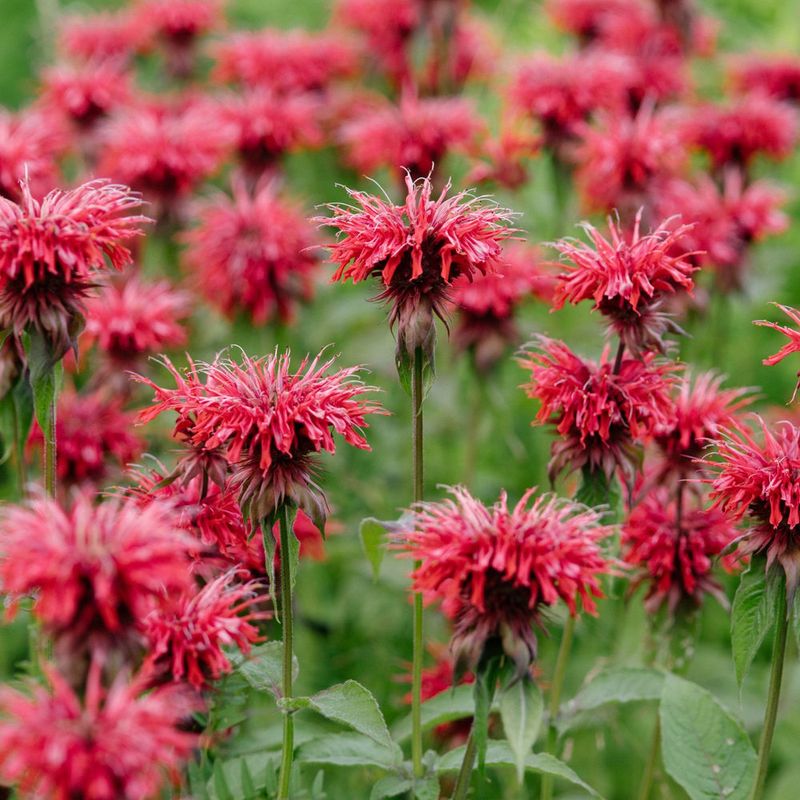
Walk past a patch of Bee Balm in full bloom and you will immediately understand why gardeners get so excited about this plant.
Monarda didyma, native to North Carolina, produces wild, shaggy flower heads in shades of red, pink, and lavender that look almost tropical against a summer garden backdrop.
Beyond the visual drama, the leaves carry a distinctive minty-oregano fragrance that fills the air on warm afternoons.
Bee Balm spreads through underground rhizomes, meaning each year the planting naturally widens and fills in surrounding space without any effort on your part.
In the right conditions, including moist, fertile soil and good air circulation, colonies grow impressively full over just a few seasons.
Good airflow matters because Bee Balm can develop powdery mildew in humid, still conditions, which is common during North Carolina summers.
Choosing mildew-resistant cultivars of Monarda didyma or planting in open spots with breezy conditions helps keep foliage looking clean all season long.
Divide clumps every two to three years in early spring to refresh the planting and share extras with neighbors.
Bees, hummingbirds, and butterflies absolutely swarm this plant during bloom time, making it one of the highest-value pollinator plants you can grow in a North Carolina garden.
Trim spent flower heads to encourage a second flush of blooms before the season ends.
7. Blue Mistflower Gradually Forms Dense Patches
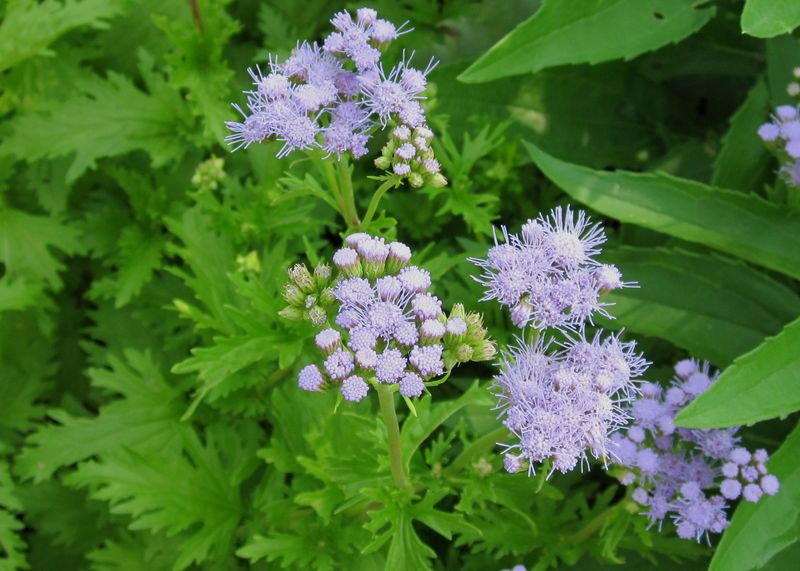
Late summer gardens in North Carolina often feel tired and faded, but Blue Mistflower has a totally different idea about how the season should end.
Conoclinium coelestinum, native to the region, bursts into bloom just when most other perennials are winding down, covering itself in soft, fuzzy clusters of blue-purple flowers that look like tiny clouds hovering above the foliage.
This plant spreads through rhizomes, gradually forming dense, weed-suppressing patches that grow more impressive with each passing year.
Young plants may seem modest at first, but by their second and third seasons, Blue Mistflower colonies fill in rapidly, creating a solid carpet of late-season color that pollinators absolutely cannot resist.
Monarchs, skippers, and native bees flock to the blooms during their fall migration and foraging periods.
Blue Mistflower performs best in moist to average soil with partial shade to full sun, making it versatile enough to handle the variety of conditions found across North Carolina landscapes.
It tolerates wet feet better than many perennials, which makes it a smart choice for low spots or areas near water features.
Because it spreads eagerly, gardeners should plant it where some expansion is welcome or plan to divide it every few years to keep it contained.
The payoff for letting it run a little is one of the most striking native fall displays possible in any Southern garden.
8. Swamp Milkweed Strengthens With Established Roots
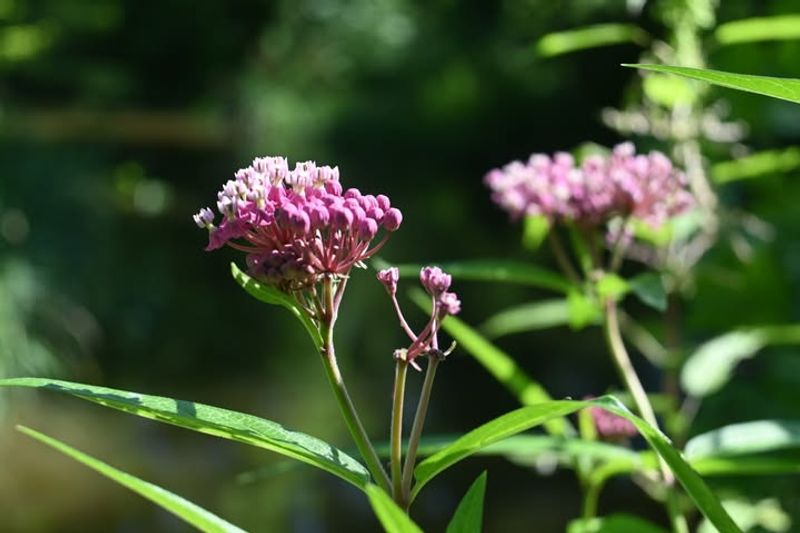
Not every milkweed belongs in a dry, sunny meadow, and Swamp Milkweed proves that beautifully.
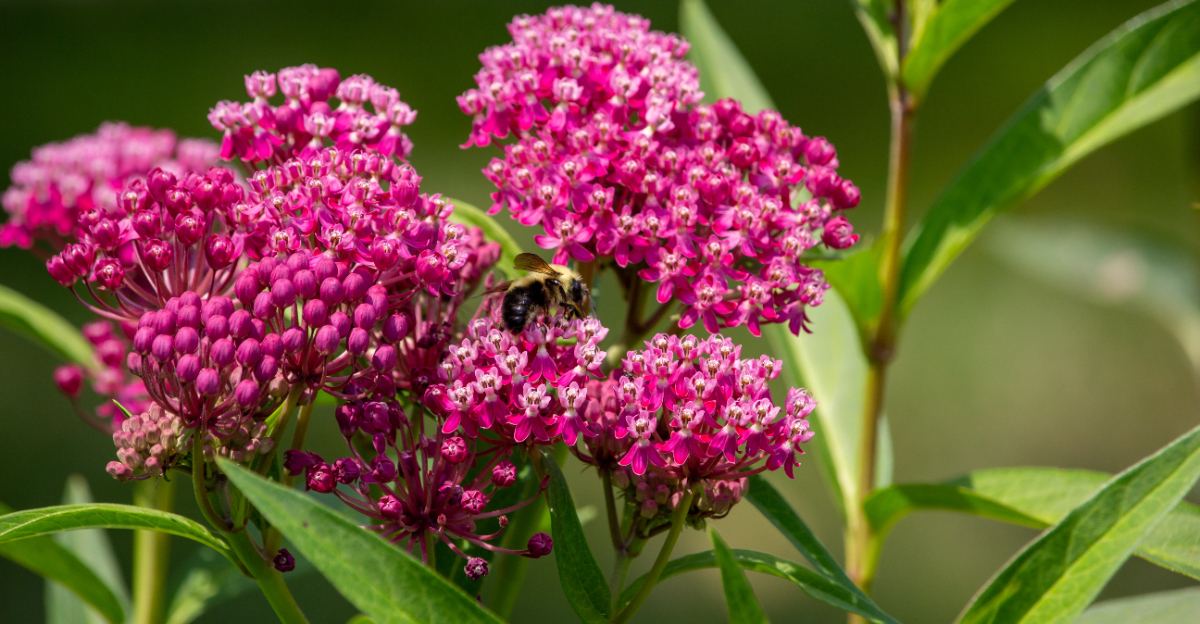
Asclepias incarnata is native to North Carolina and feels completely at home in moist or even wet soil conditions where other milkweeds would struggle.
Its clusters of dusty pink to mauve flowers bloom from midsummer onward, creating a soft, pretty display that feels more refined than its common name suggests.
During the first growing season, Swamp Milkweed establishes a fibrous root system that anchors it firmly and begins gathering resources for future growth.
Each subsequent year, the root system expands and deepens, producing noticeably taller, more branched plants with significantly more flower clusters.
A three-year-old established clump can produce dozens of blooms where a first-year plant offered only a handful.
Like its cousin Butterfly Weed, Asclepias incarnata serves as a critical host plant for Monarch butterflies, providing leaves for caterpillars and nectar for adult butterflies.
It also supports a wide variety of native bees and beneficial insects throughout the blooming season.
Plant it in full sun to light shade in consistently moist or periodically wet soil, and it will reward you year after year with minimal care.
Swamp Milkweed pairs beautifully with Cardinal Flower and Blue Mistflower in rain gardens or pond-side plantings, creating a layered native habitat that supports wildlife from spring through fall.
9. Goldenrod Expands And Produces More Blooms Over Time
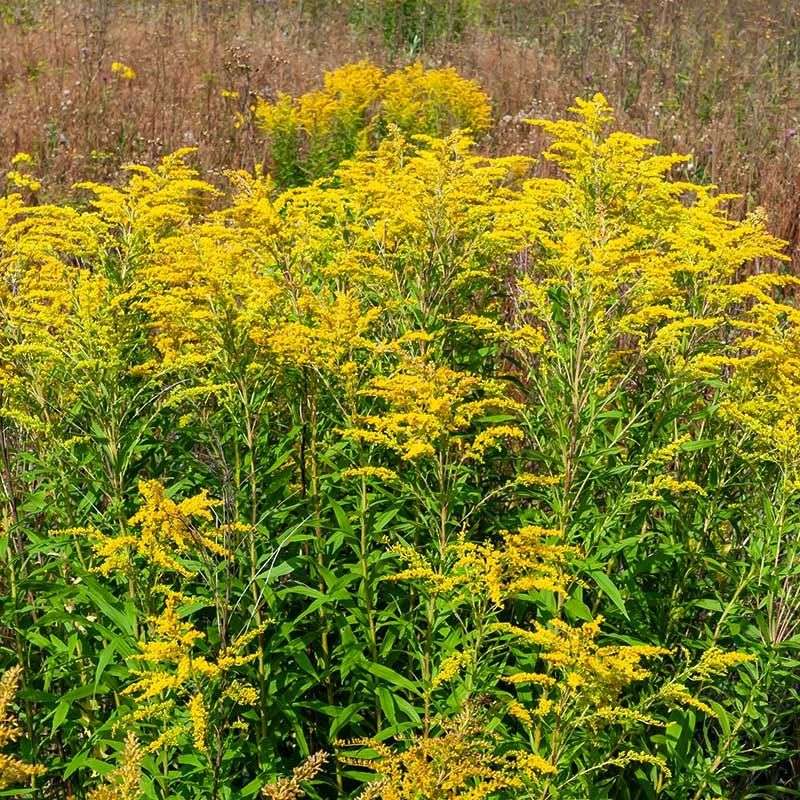
Goldenrod has spent years unfairly blamed for causing hay fever, but here is the truth: its heavy, sticky pollen is carried by insects, not wind, so it is completely innocent.
The real culprit is ragweed, which blooms at the same time and releases airborne pollen. Once you clear up that misunderstanding, Goldenrod becomes one of the most exciting native perennials you can plant in a North Carolina garden.
Several Solidago species are native to North Carolina, including Solidago rugosa, Solidago odora, and Solidago nemoralis, each adapted to slightly different conditions ranging from moist woodlands to dry open fields.
All of them share the same impressive trait: they expand steadily through rhizomes and self-seeding, producing larger, more floriferous colonies with every passing season.
A small planting can become a sweeping golden display within three to four years.
The arching plumes of bright yellow flowers appear in late summer and fall, arriving just in time to fuel migrating butterflies and native bees preparing for winter.
Goldenrod is considered one of the most ecologically valuable native plants in the eastern United States, supporting over 100 species of native bees alone.
Plant it in full sun with average to dry soil, and it will practically take care of itself.
Cutting plants back by half in early summer encourages bushier growth and prevents flopping later in the season.