This Lesser Known Hydrangea Thrives In Ohio Clay Soil
Ohio clay soil has humbled more gardeners than they care to admit. It clings to boots, hardens like brick in summer, and turns slick and heavy after rain.
Many flowering shrubs struggle to push roots through it, stalling out long before they reach their potential. Promises on plant tags fade fast when confronted with dense ground that refuses to drain or loosen.
Yet one hydrangea rises where others falter. It does not flinch at compacted soil or dramatic weather swings.
It roots deep, steadies itself, and delivers bold blooms even when conditions feel stacked against it. While other varieties demand amendments and constant adjustment, this one settles in and gets to work.
Near the edge of woodlands and across old Ohio homesteads, it has proven its grit for generations. Its name deserves more attention: Hydrangea arborescens.
1. Hydrangea Arborescens Is The Clay Loving Shrub Ohio Gardens Need
Native to the eastern United States, this deciduous shrub has been growing wild in woodlands and stream banks from New York to Florida for centuries. What makes it particularly valuable for Ohio landscapes is its natural adaptation to a wide range of soil types, including the heavy clay that frustrates so many gardeners across the state.
Unlike many ornamental hydrangeas that demand well-drained, amended soil, Hydrangea arborescens evolved in environments where clay content runs high and drainage moves slowly. Its root system developed to handle moisture retention and soil density that would stress other flowering shrubs.
When you plant this species in your Ohio yard, you’re working with its natural preferences rather than against them.
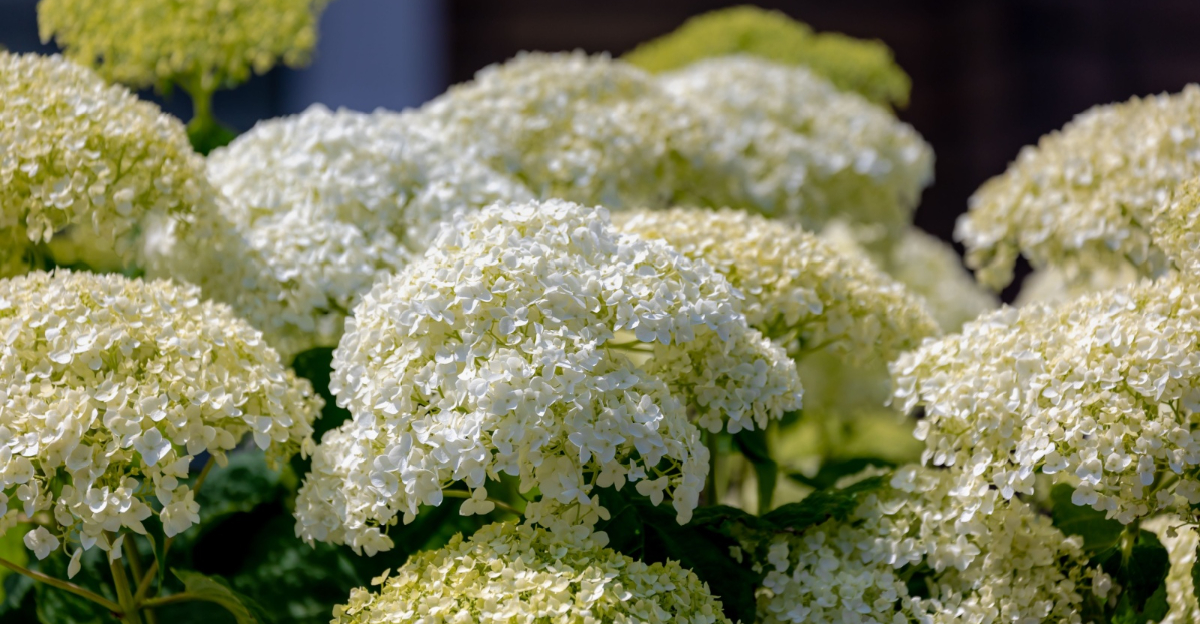
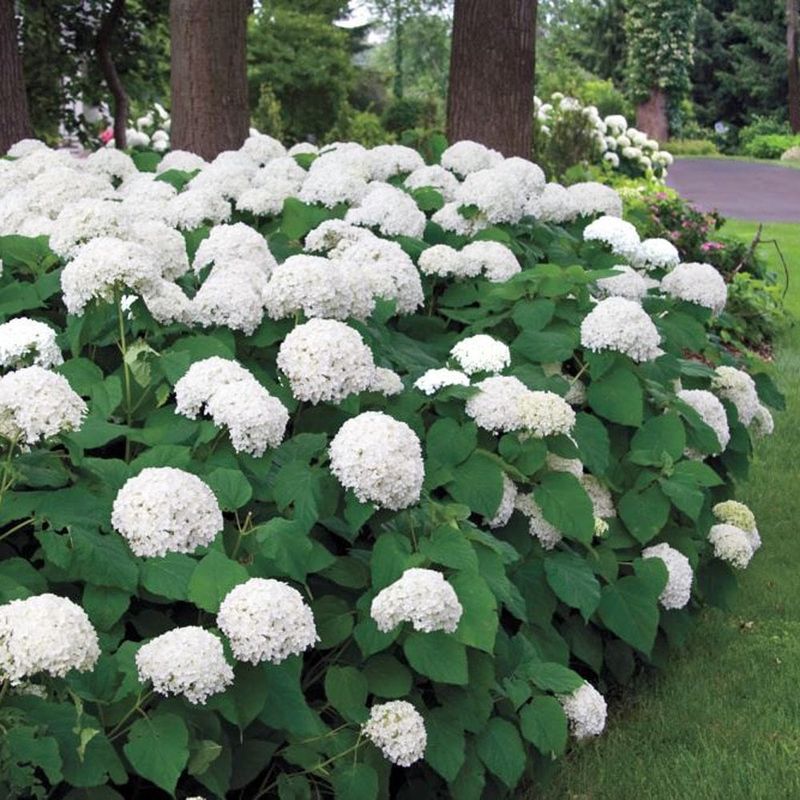
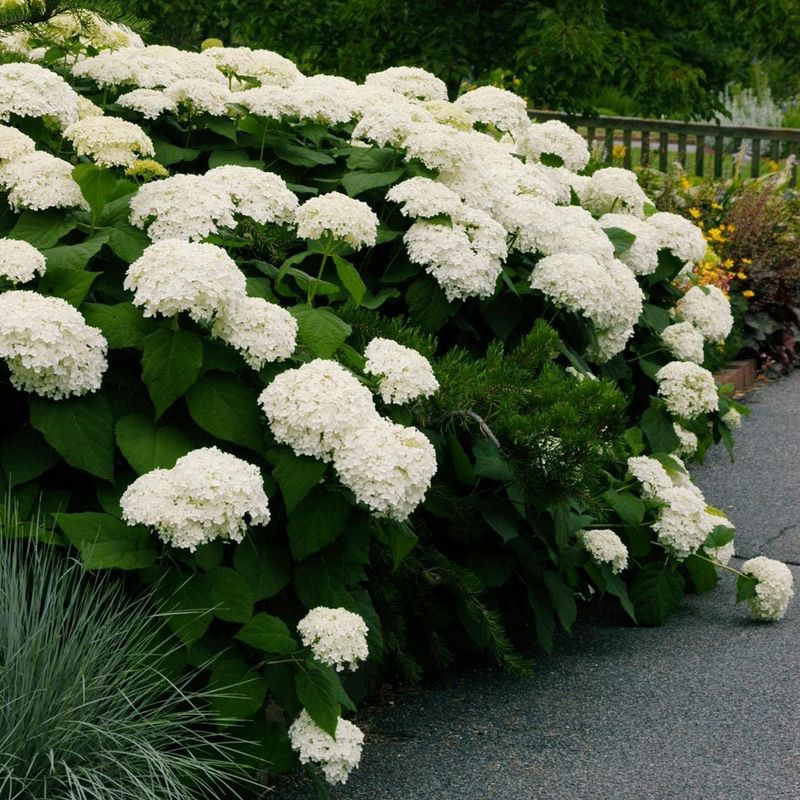
The shrub typically reaches three to five feet tall and wide, producing large rounded clusters of white flowers from early summer through fall. Several improved cultivars like Annabelle and Incrediball offer even larger blooms, but all share the same fundamental clay tolerance that makes the species so valuable.
Garden centers throughout Ohio stock these plants specifically because they perform reliably in local conditions without requiring soil replacement or extensive amendments that add cost and labor to installation.
2. Why Clay Soil Does Not Bother This Native At All
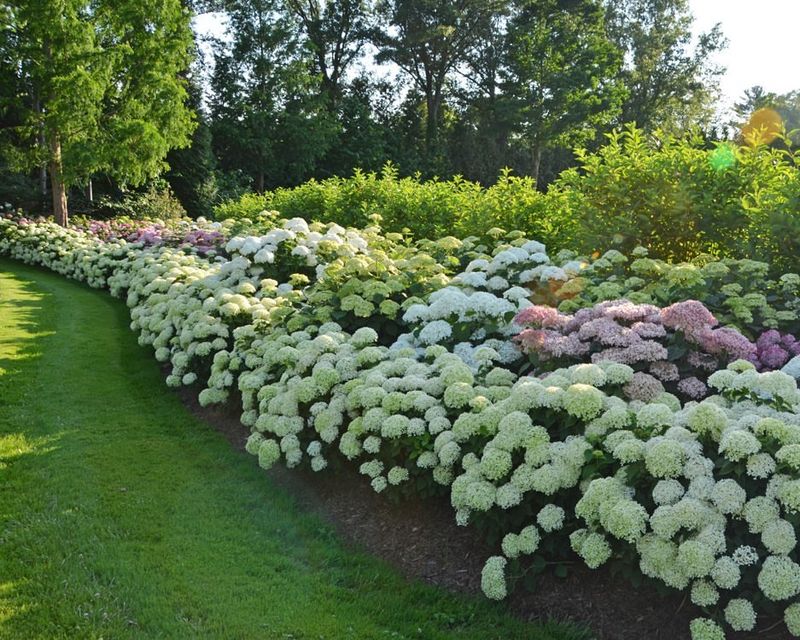
Most flowering shrubs struggle in clay because their roots cannot penetrate compacted soil or they suffocate when water sits too long around root zones. Smooth hydrangea sidesteps both problems through its fibrous, spreading root system that works differently than tap-rooted plants.
Rather than forcing a single main root deep into dense earth, this hydrangea sends out numerous smaller roots that spread horizontally through the upper soil layers where oxygen remains more available.
Clay soil holds moisture longer than sandy or loamy types, which actually benefits this moisture-loving shrub during Ohio’s hot, dry stretches in July and August. The same water retention that drowns shallow-rooted perennials keeps hydrangea roots consistently hydrated without requiring daily watering.
Your clay acts like a natural reservoir that buffers against drought stress.
That said, even clay-tolerant plants need some drainage. Standing water that never moves will eventually cause problems.
If your site stays soggy for days after rain, consider planting on a slight slope or creating a raised bed that lifts roots just a few inches above grade. For typical Ohio clay that drains slowly but steadily, no special preparation is necessary beyond loosening the planting hole and adding a bit of compost to ease initial root establishment.
Your Ohio Garden Changes Every Week. Your Plan Should Too.
Gardening in Ohio changes quickly throughout the season. Every Friday you’ll receive a simple weekly plan showing exactly what to plant, prune, fertilize, harvest, and protect so you never miss the right timing.
3. How It Handles Ohio Winters Without Missing A Bloom
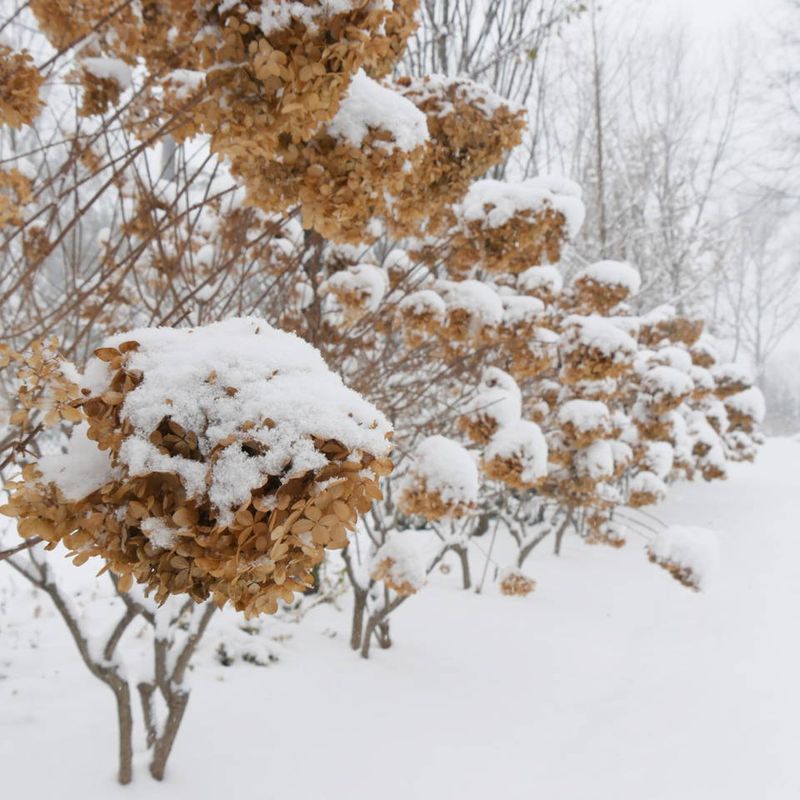
Cold winters eliminate blooms on many popular hydrangeas, leaving gardeners disappointed when summer arrives with no flowers. Bigleaf hydrangeas set their flower buds on old wood during the previous growing season, so a harsh winter or late spring freeze can destroy an entire year’s bloom potential.
Smooth hydrangea operates completely differently, which makes it far more reliable in Ohio’s unpredictable climate.
This species blooms on new wood, meaning it forms flower buds on the current season’s growth. Even if winter temperatures drop well below zero and freeze stems to the ground, the plant will send up fresh shoots in spring that develop flower buds and bloom by early summer.
Zone 3 hardiness means it tolerates temperatures down to negative forty degrees, far colder than Ohio ever experiences.
Because bloom production doesn’t depend on preserving old stems through winter, you never face the frustration of a healthy plant that refuses to flower. Every spring brings new growth, and every summer brings blooms.
Late spring frosts that damage emerging leaves might delay flowering slightly, but they won’t eliminate it entirely. This predictable performance makes smooth hydrangea especially valuable in northern Ohio counties where bigleaf types often disappoint.
The reliability factor alone makes it worth considering for any landscape where consistent flowering matters more than gambling on weather-dependent bloom cycles.
4. The Bloom Cycle That Makes It So Reliable
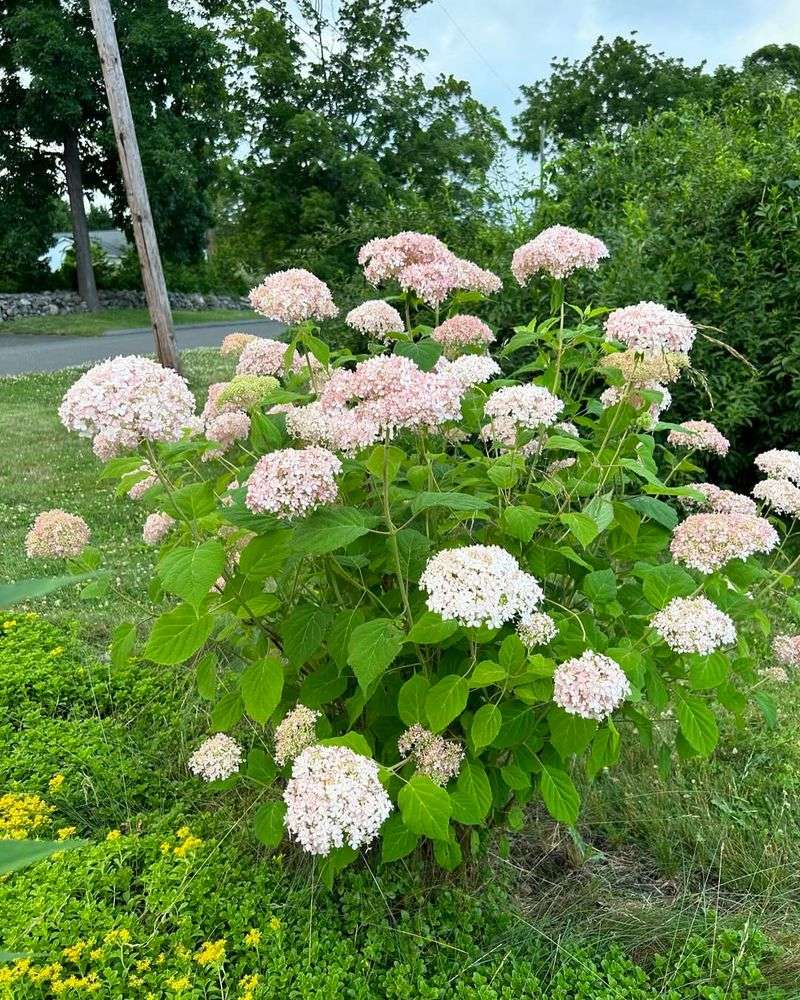
Understanding when and how this hydrangea produces flowers helps you appreciate why it performs so consistently in Midwest gardens. As temperatures warm in April and May, dormant stems send out new shoots that grow rapidly through spring.
These fresh stems develop leaves first, then begin forming flower buds at their tips as days lengthen and temperatures climb into the seventies.
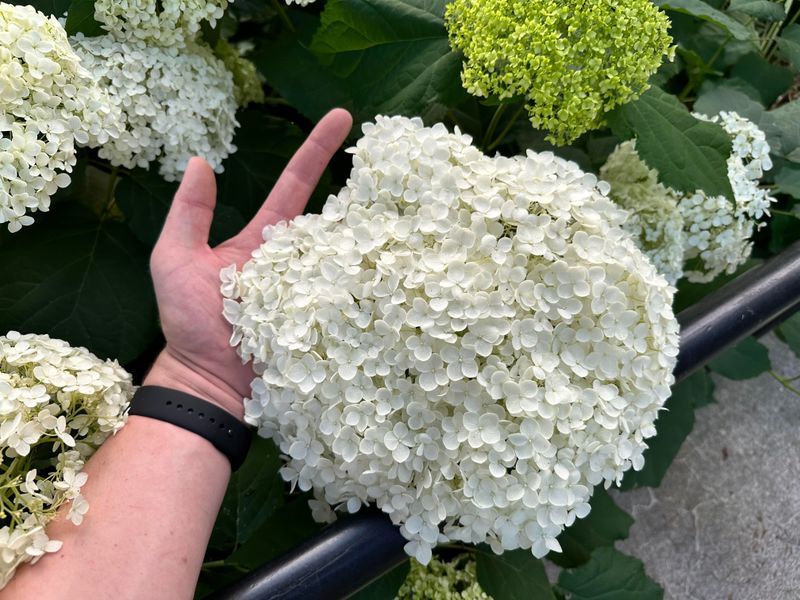
By late June or early July, depending on your specific location and spring weather patterns, those buds open into large rounded flower clusters that can measure eight to twelve inches across on improved cultivars. The blooms start lime green, transition to bright white, then gradually fade to tan as summer progresses into fall.
Unlike spring-blooming shrubs that finish quickly, smooth hydrangea flowers persist for months, providing color and structure well into September or even October.
This extended bloom period gives you months of garden interest rather than a brief two-week show. Because new stems form buds every single year regardless of winter conditions, you can count on this performance annually.
There’s no guessing whether buds survived, no crossing fingers through late frosts, no disappointment in July when you realize blooms won’t appear. The predictable cycle makes garden planning easier and ensures your landscape investment delivers consistent results season after season without special winter protection or anxious spring monitoring.
5. Where To Plant It For The Strongest Growth
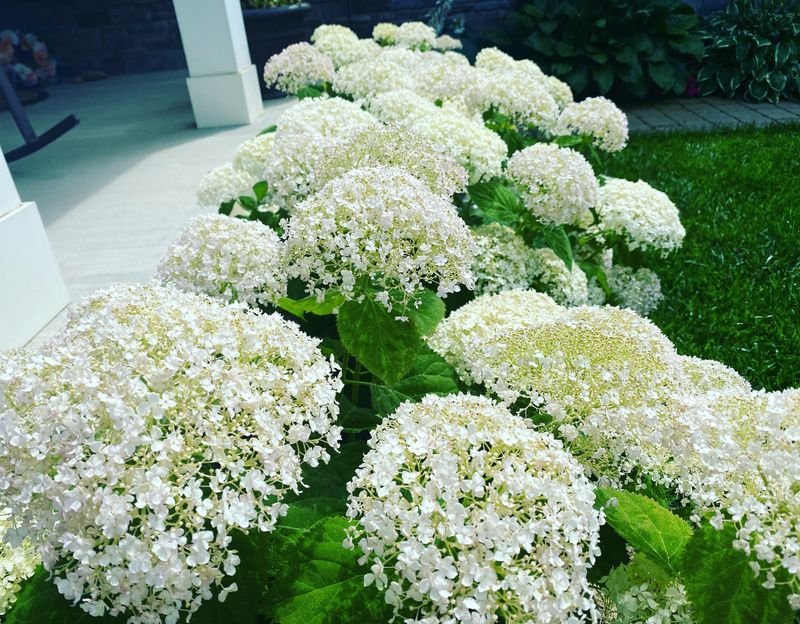
Light requirements significantly impact bloom size and plant health. While smooth hydrangea tolerates full sun in northern climates, Ohio’s combination of heat and humidity makes partial shade the better choice for most locations.
Morning sun with afternoon shade provides enough light for abundant flowering while protecting foliage from stress during the hottest part of summer days. Four to six hours of direct sunlight typically produces the best results.
Full shade reduces bloom production and can make stems stretch and flop, especially on large-flowered cultivars with heavy flower heads. If your only available spot receives less than four hours of sun, expect smaller flowers and possibly the need for staking to keep stems upright.
Eastern or northern exposures generally work better than western ones, which concentrate the most intense afternoon heat and light.
Space plants three to five feet apart depending on mature size, and allow adequate distance from foundations, walkways, and other shrubs. Good air circulation reduces disease pressure and helps foliage dry quickly after rain or morning dew.
Avoid planting in low spots where cold air settles or in tight corners where air stagnates. Sites with consistent moisture but no standing water work best.
Consider areas near downspouts or naturally lower sections of the yard where clay soil stays evenly moist. Proper site selection reduces long-term maintenance and maximizes the natural advantages this species already possesses.
6. How To Prune For Bigger Better Flower Heads
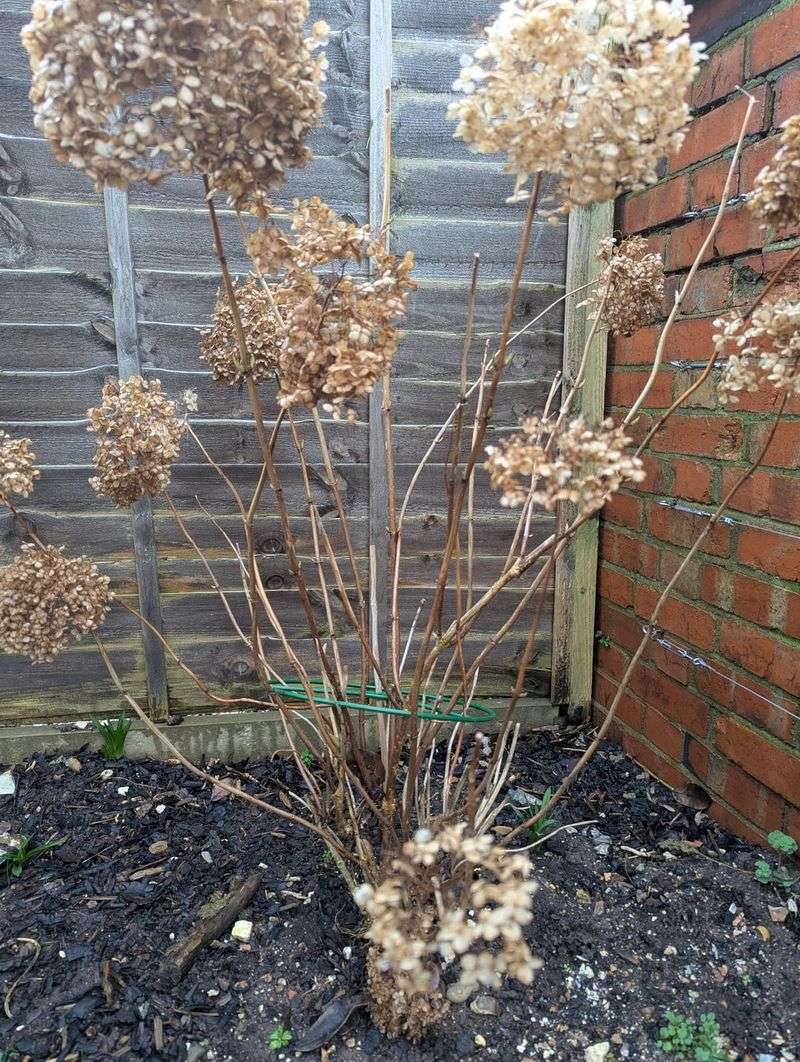
Pruning at the right time and to the correct height directly affects bloom size and overall plant appearance. Because this hydrangea flowers on new wood, you can prune aggressively in late winter or early spring without sacrificing blooms.
Many gardeners cut all stems back to twelve to eighteen inches above ground level in March before new growth begins. This hard pruning encourages vigorous new shoots that produce the largest possible flower heads.
If you prefer a larger shrub with more but slightly smaller blooms, cut stems back by only one-third to one-half their height. This moderate approach maintains more structure and results in more numerous flower clusters, though individual blooms may be somewhat smaller than those produced on hard-pruned plants.
The choice depends on your design preferences and available space.
Avoid pruning after new growth begins, as you’ll remove developing stems and delay or reduce flowering. Also avoid fall pruning, which can stimulate tender new growth that winter temperatures will damage.
Late winter timing, ideally February or early March in most of Ohio, gives you a clear view of the previous year’s stems and allows you to shape the plant before the growing season begins. Remove any withered, damaged, or crossing branches, then cut remaining stems to your desired height.
The process takes just minutes per plant and dramatically improves bloom quality compared to unpruned shrubs that become woody and produce smaller flowers over time.
7. What Makes It Easier Than Bigleaf Hydrangeas
Bigleaf hydrangeas tempt gardeners with their huge pink and blue mophead or lacecap flowers, but they come with significant frustrations in Ohio climates. Because they bloom on old wood, flower buds formed the previous summer must survive winter intact to produce blooms.
Even in southern Ohio, cold snaps and temperature fluctuations often damage those buds, resulting in years where healthy plants produce lots of foliage but no flowers at all.
Smooth hydrangea eliminates that gamble entirely. Every spring brings new growth that will definitely bloom by summer regardless of what winter delivered.
You never face the disappointment of a flowerless season or the frustration of trying to protect buds through unpredictable weather. This reliability alone makes it the better choice for gardeners who want consistent results without extra effort.
Bigleaf types also demand more specific soil conditions, preferring acidic pH for blue flowers and requiring better drainage than smooth hydrangea needs. They’re more prone to foliar diseases in humid conditions and often require more frequent watering during dry spells.
While they certainly have their place in protected microclimates or southern regions, smooth hydrangea offers simpler, more foolproof performance for typical Ohio gardens. If you’ve struggled with bigleaf hydrangeas that refuse to bloom or require constant attention, switching to this native species will likely feel like a revelation in reduced maintenance and increased satisfaction.
8. Simple Care Tips That Keep It Thriving For Years
Newly planted shrubs need consistent moisture during their first growing season while roots establish in your clay soil. Water deeply once or twice weekly if rain doesn’t provide at least an inch of moisture.
Once established, typically after the first full year, the plant becomes quite drought tolerant thanks to clay’s moisture retention and the extensive root system it develops. Supplemental watering during extended dry periods keeps blooms looking their best, but established plants rarely suffer permanent damage from temporary drought.
Apply two to three inches of organic mulch around the base, keeping it a few inches away from stems to prevent rot. Mulch moderates soil temperature, retains moisture, and gradually improves clay structure as it breaks down.
Shredded bark or wood chips work well and need replenishment every couple of years as they decompose.
Fertilizing requirements are minimal. A light application of balanced slow-release fertilizer in early spring provides adequate nutrition without promoting excessive soft growth.
Too much nitrogen can result in floppy stems and fewer flowers. If your soil is particularly poor, a second light feeding in early summer supports bloom production, but most Ohio clay soils contain sufficient nutrients once organic matter from mulch begins incorporating.
These simple practices, combined with annual pruning, keep smooth hydrangea healthy and blooming abundantly for decades with far less effort than most flowering shrubs require.