10 Statement Houseplants With Big Beautiful Leaves Perfect For North Carolina Homes
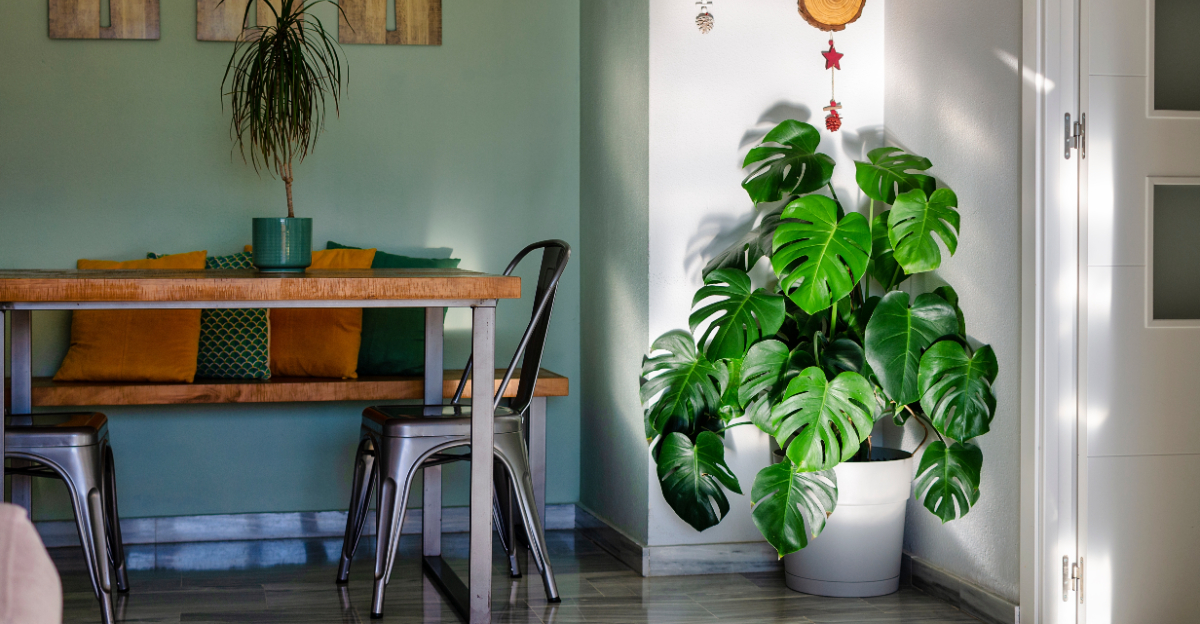
Bold, oversized leaves can instantly transform a room, turning an ordinary space into a lush retreat filled with texture and natural beauty.
In North Carolina, indoor conditions often provide the perfect balance of light and humidity for growing dramatic houseplants that thrive without constant care.
These striking plants do more than decorate. Their large foliage creates eye catching focal points, softens interiors, and brings a calming connection to nature inside the home.
Thanks to North Carolina’s moderate moisture levels and bright indoor environments, many tropical species adapt easily and grow steadily throughout the year.
With the right placement and simple attention to watering and light, these leafy giants remain vibrant and impressive in a variety of spaces.
Whether brightening a sunlit living room or adding depth to a spacious bedroom, large leafed houseplants flourish in North Carolina homes, creating a refreshing indoor oasis that feels lively, elegant, and naturally inviting.
1. Fiddle Leaf Fig Creates Bold Architectural Presence
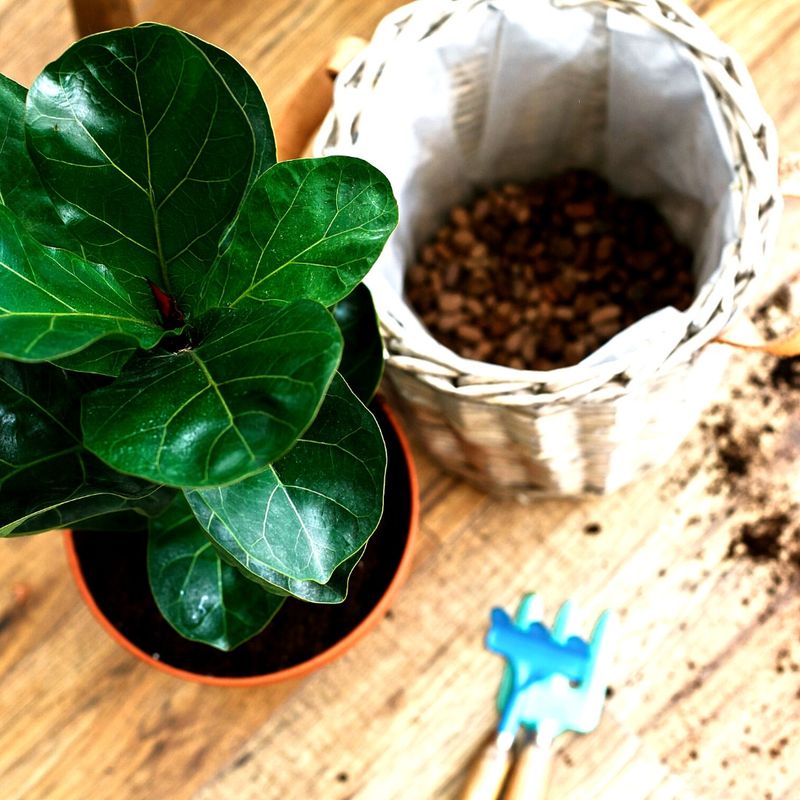
Ficus lyrata stands as one of the most sought-after houseplants for homeowners who want to make a serious design statement. Its violin-shaped leaves can grow up to fifteen inches long, creating a striking vertical presence that draws the eye upward.
The thick, veined foliage displays a rich green color that complements both modern and traditional interiors beautifully.
This plant thrives best in bright indirect light, making it perfect for North Carolina rooms with large windows facing east or west. Direct afternoon sun can scorch those magnificent leaves, so positioning matters greatly.
Water your fiddle leaf fig when the top two inches of soil feel dry to the touch, typically once per week during warmer months.
North Carolina’s natural humidity levels work wonderfully for this tropical native, though winter heating can dry indoor air. Misting the leaves occasionally or using a pebble tray helps maintain ideal moisture levels.
Rotate your plant every few weeks to ensure even growth on all sides. Fiddle leaf figs grow slowly but steadily, eventually reaching six to ten feet indoors when conditions suit them well.
They prefer consistent care routines rather than dramatic changes in watering or location. With proper attention, this architectural beauty becomes a long-term centerpiece that transforms your space into something truly special and memorable.
2. Monstera Deliciosa Brings Tropical Split Leaf Beauty
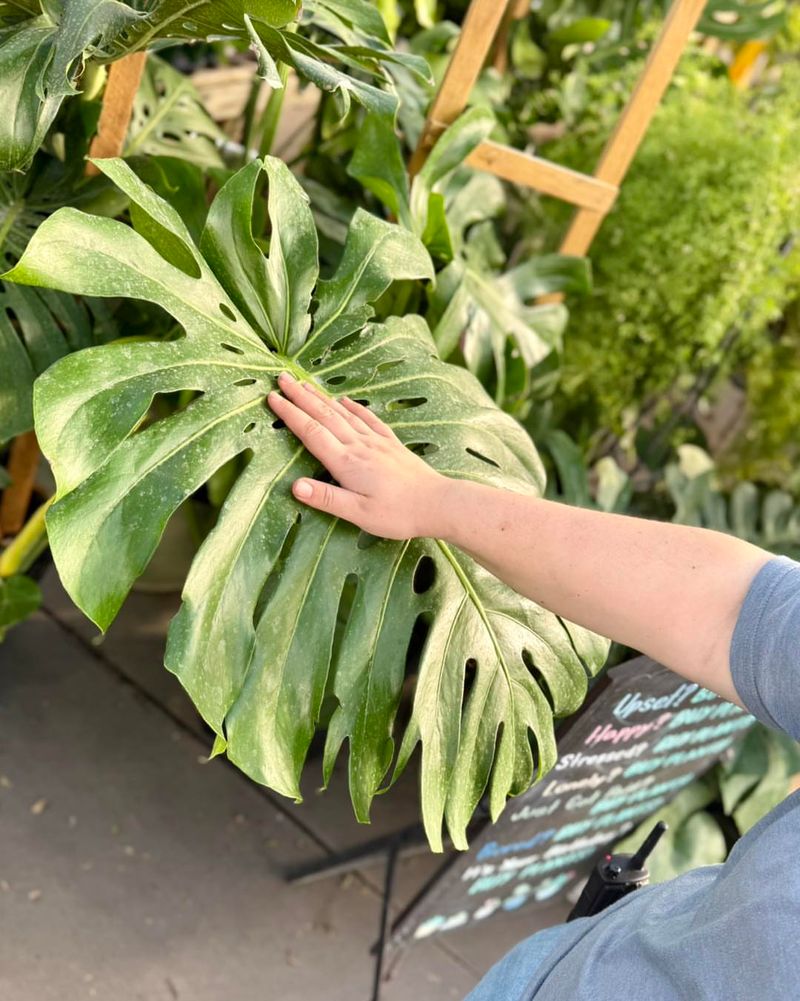
Few houseplants capture tropical elegance quite like Monstera deliciosa with its iconic perforated leaves that seem almost too perfect to be real. Young plants start with solid heart-shaped foliage, but as they mature, those dramatic splits and holes develop naturally.
This fenestration creates stunning visual interest that makes every leaf a unique work of living art.
Bright indirect light keeps your Monstera growing vigorously without causing leaf burn that damages its beauty. North Carolina homes with filtered sunlight through sheer curtains provide ideal conditions for healthy growth.
These plants appreciate consistent moisture but never want to sit in waterlogged soil that suffocates their roots.
Monstera grows as a climbing vine in its natural habitat, so providing a moss pole or trellis encourages larger leaf development. The aerial roots that emerge from nodes help the plant climb and absorb moisture from the air.
Your North Carolina Garden Changes Every Week. Your Plan Should Too.
Gardening in North Carolina changes quickly throughout the season. Every Friday you’ll receive a simple weekly plan showing exactly what to plant, prune, fertilize, harvest, and protect so you never miss the right timing.
North Carolina’s moderate indoor humidity suits this tropical beauty well, though occasional misting benefits leaf health.
Regular wiping of those broad leaves removes dust and allows better light absorption for photosynthesis. Feed your Monstera monthly during spring and summer with diluted liquid fertilizer to support its vigorous growth habit.
This adaptable plant forgives occasional care mistakes, making it perfect for both beginners and experienced plant enthusiasts looking for maximum visual impact with reasonable maintenance requirements.
3. Rubber Plant Produces Large Glossy Statement Leaves
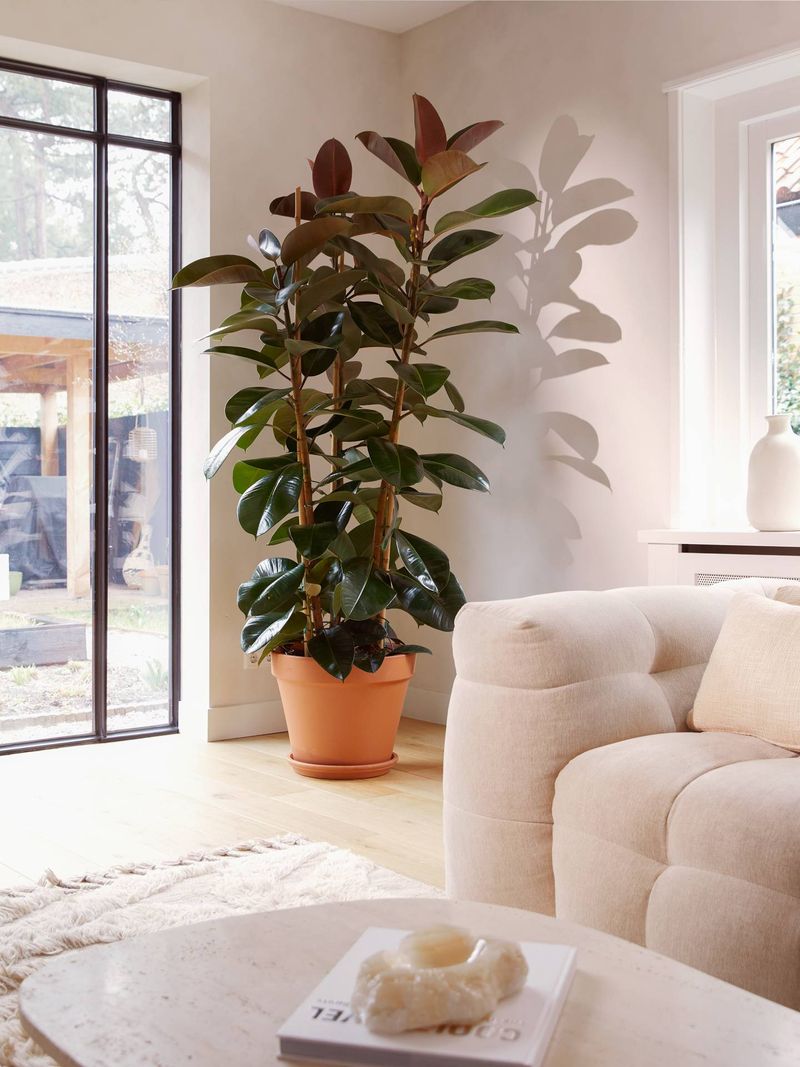
Ficus elastica earns its place as a classic houseplant through sheer reliability and those magnificent glossy leaves that reflect light beautifully. Each leaf can span eight to twelve inches, creating bold layers of color that range from deep burgundy to rich emerald green.
The waxy coating gives them an almost polished appearance that adds sophistication to any room.
This upright grower develops a strong central trunk that supports its substantial foliage without requiring stakes or supports. Rubber plants adapt well to various light conditions, though they grow most vigorously in bright indirect sunlight.
North Carolina homes with moderate natural light find these plants remarkably forgiving and easy to maintain successfully.
Water thoroughly when the top inch of soil dries out, then allow excess moisture to drain completely away. Overwatering causes more problems than underwatering with rubber plants, so err on the side of caution.
Their thick leaves store moisture efficiently, helping them tolerate brief dry periods without showing stress.
Wipe those glossy leaves monthly with a damp cloth to maintain their shine and remove accumulated dust particles. Rubber plants grow steadily upward and can be pruned to encourage bushier growth if you prefer a fuller shape.
They tolerate North Carolina’s typical indoor temperatures perfectly and rarely suffer from common pest problems, making them wonderfully low-maintenance companions for busy households seeking reliable greenery.
4. Bird Of Paradise Adds Large Upright Tropical Leaves
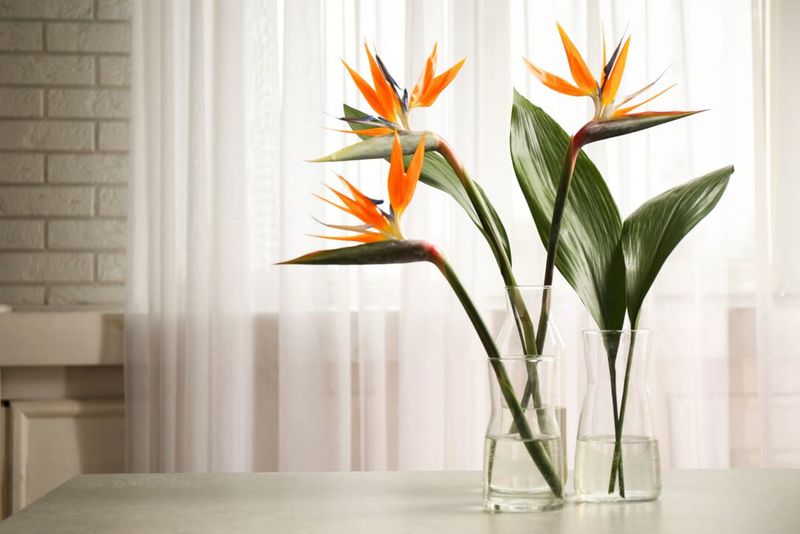
Strelitzia species bring an unmistakable resort-style atmosphere to North Carolina interiors with their dramatic paddle-shaped foliage that fans upward majestically. Each leaf emerges on a long petiole, creating architectural layers that fill vertical space beautifully.
The banana-like leaves can reach two to three feet in length, making this plant a true statement piece.
Bird of paradise craves bright light and actually tolerates some direct morning sun better than many tropical houseplants. South-facing windows in North Carolina homes provide excellent growing conditions that keep foliage vibrant and growth steady.
Insufficient light causes leaves to lose their upright posture and the plant to stretch awkwardly toward light sources.
These plants need consistent watering during active growth but appreciate slightly drier soil in winter when growth naturally slows. Good drainage prevents root rot, so ensure your container has adequate holes and uses quality potting mix.
Bird of paradise develops a substantial root system that supports its impressive above-ground growth.
Mature plants occasionally produce stunning orange and blue flowers indoors, though blooming requires excellent light and patience. Even without flowers, the bold foliage creates a tropical focal point that transforms ordinary spaces into exotic retreats.
Regular feeding during growing season supports healthy leaf production, while occasional wiping keeps those broad surfaces clean and able to photosynthesize efficiently for optimal plant health and beauty.
5. Elephant Ear Brings Bold Oversized Foliage Indoors
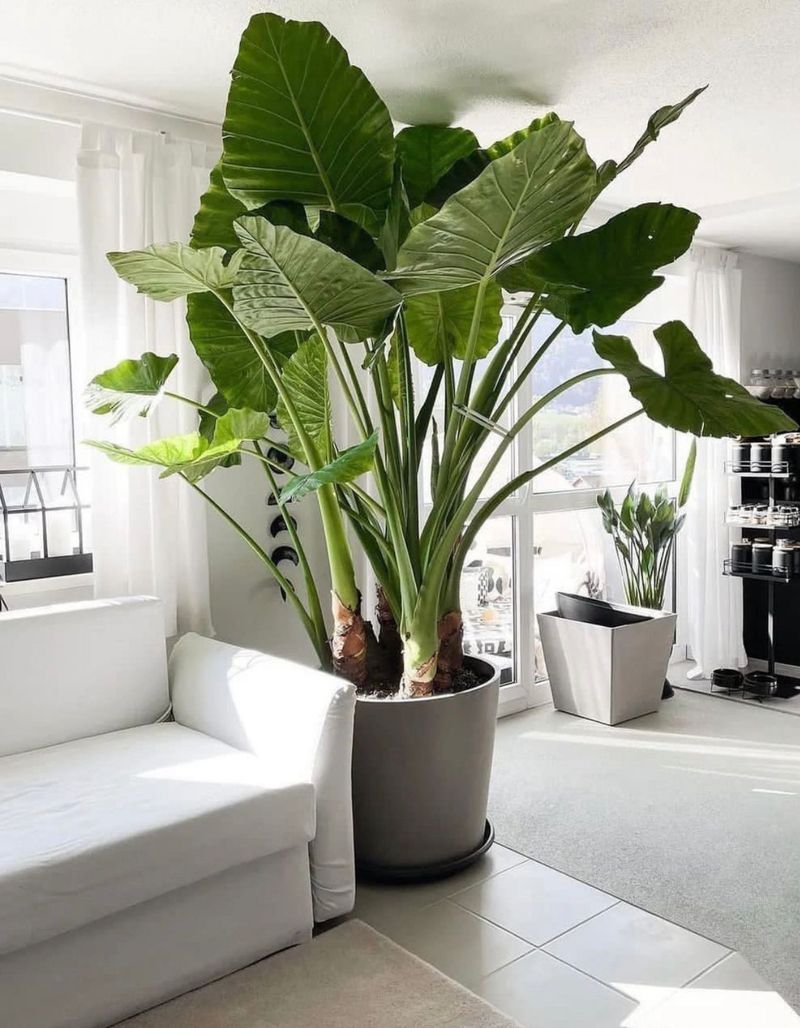
Alocasia and Colocasia varieties deliver some of the most dramatic foliage available for indoor growing, with individual leaves that can reach impressive dimensions.
The heart or arrow-shaped leaves display striking vein patterns that create natural artwork across each surface.
Some varieties feature deep purple undersides that add unexpected color when breezes move the foliage.
These tropical beauties appreciate bright indirect light and the moderate humidity levels common in North Carolina homes during warmer months. They grow actively in spring and summer, pushing out new leaves regularly when conditions meet their needs.
Each new leaf emerges tightly furled before slowly unfurling over several days into its full magnificent size.
Elephant ears prefer consistently moist soil but not soggy conditions that cause tuber rot and other problems. Allow the top half-inch to dry between waterings, then water thoroughly until moisture drains from the bottom.
They appreciate higher humidity than average indoor air provides, so grouping with other plants or using a humidifier benefits leaf quality.
Some varieties enter dormancy during winter, with leaves naturally yellowing and dropping as the plant rests temporarily. This normal cycle shouldn’t cause alarm, as new growth emerges when spring returns and conditions improve.
During active growth, monthly fertilizing supports the energy needed to produce those enormous leaves that make elephant ears such impressive additions to any plant collection seeking bold tropical impact.
6. Banana Plant Creates A Lush Tropical Indoor Feel
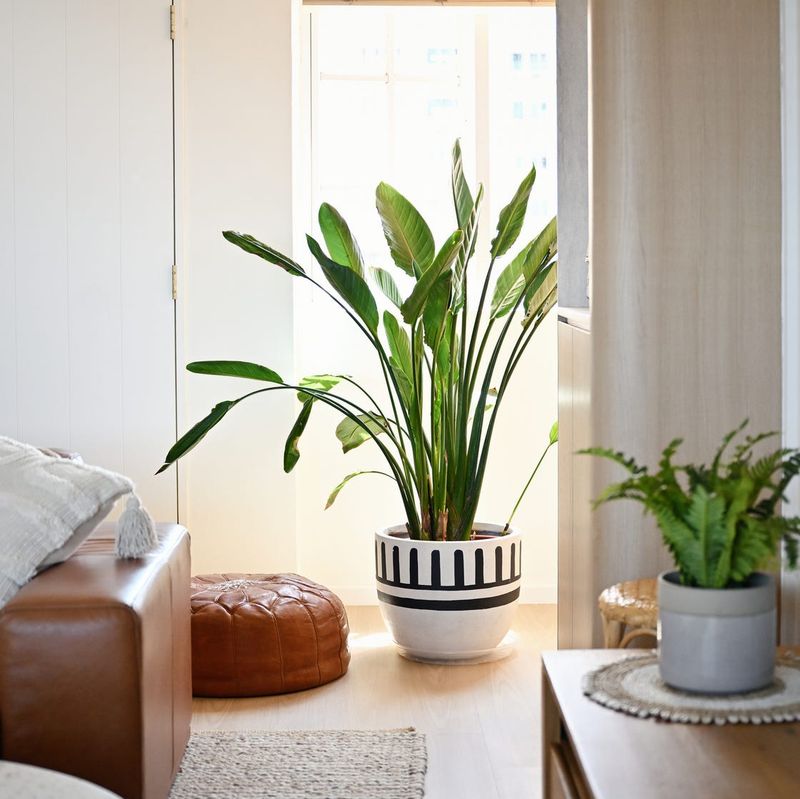
Growing banana plants indoors might seem ambitious, but dwarf varieties bring that unmistakable tropical resort feeling to North Carolina homes quite successfully.
The broad, soft leaves unfurl in succession, creating layers of lush green foliage that evoke vacation destinations. Each leaf can span two feet or more, delivering maximum visual impact from a single plant.
Banana plants demand bright light and actually appreciate several hours of direct sun daily if acclimated gradually to prevent burning. South or west-facing windows work beautifully for these sun-loving tropicals in North Carolina homes.
Insufficient light causes weak growth and smaller leaves that lack the plant’s characteristic bold presence.
These fast growers need consistent moisture during active growth, drinking more water than many houseplants because of their large leaf surface area. The soil should stay evenly moist but never waterlogged, requiring frequent watering checks during warm weather.
Good drainage remains essential despite their thirst, as soggy roots quickly develop problems.
Banana plants appreciate warmth and grow most vigorously when temperatures stay above sixty-five degrees consistently. Feed regularly during the growing season with balanced fertilizer to support their rapid growth rate and substantial foliage production.
The leaves tear naturally along their veins, which actually helps reduce wind resistance in nature and shouldn’t concern you. This characteristic splitting adds to their authentic tropical appearance rather than indicating any care problems or health issues.
7. Calathea Orbifolia Offers Wide Decorative Foliage
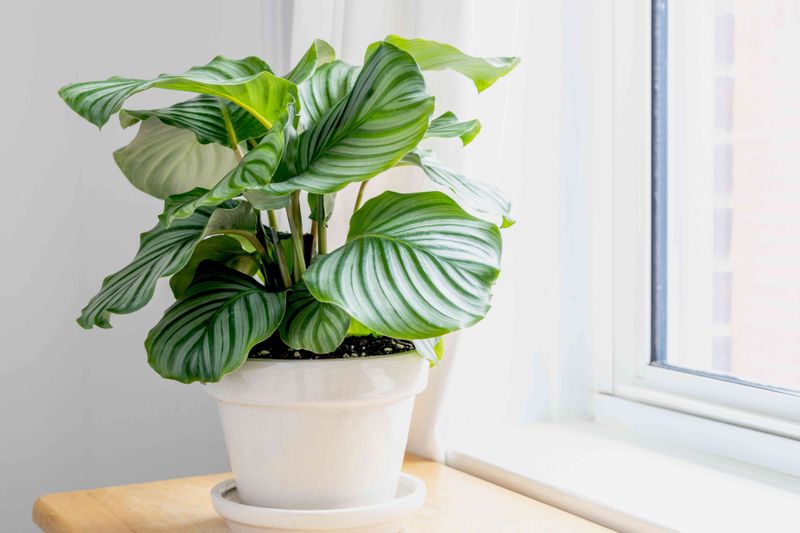
Calathea orbifolia stands out among prayer plants with its exceptionally large, round leaves decorated with silvery-green stripes that look almost hand-painted.
Each leaf can reach ten to twelve inches across, creating stunning symmetrical patterns that catch attention immediately.
The foliage emerges from the base in a clumping growth habit that fills space beautifully without climbing or spreading aggressively.
This Brazilian native prefers bright indirect light but tolerates lower light better than many large-leafed plants, making it versatile for various North Carolina home settings. Direct sun bleaches those beautiful stripes and damages leaf tissue, so filtered light works best.
East-facing windows provide ideal morning brightness without harsh afternoon intensity.
Calathea orbifolia appreciates consistent moisture and never wants to dry out completely between waterings like some houseplants. Use filtered or distilled water when possible, as they show sensitivity to chemicals in tap water that cause leaf edges to brown.
North Carolina’s naturally moderate humidity helps, though additional moisture from pebble trays or humidifiers improves leaf quality noticeably.
These plants perform a fascinating daily movement, raising leaves upward at night and lowering them during daylight hours in response to natural rhythms. The rustling sound of moving leaves adds unexpected charm to quiet evenings.
Feed monthly during growing season with diluted fertilizer, and wipe those broad patterned leaves regularly to showcase their decorative beauty and maintain healthy photosynthesis for optimal plant vigor.
8. Philodendron Giganteum Produces Massive Tropical Leaves
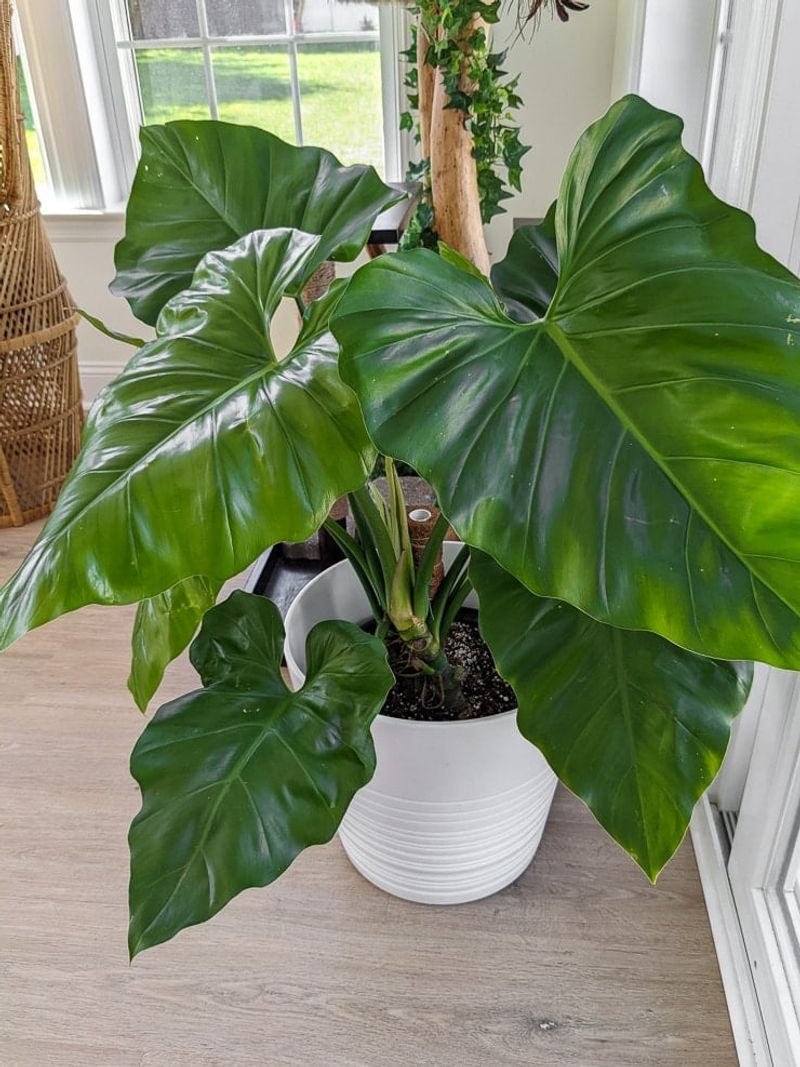
Philodendron giganteum lives up to its name spectacularly, producing some of the largest leaves possible in indoor growing conditions.
Mature leaves can reach three feet in length, creating an almost prehistoric appearance that transforms any space into a jungle sanctuary.
The glossy heart-shaped foliage emerges bright green and deepens to rich emerald as it matures and hardens.
This climbing philodendron grows vigorously when provided with bright indirect light and something to climb up naturally. A sturdy moss pole or wooden plank allows the plant to develop those truly impressive leaf sizes.
North Carolina homes with tall ceilings and ample floor space showcase this giant beautifully, giving it room to reach its full potential.
Water when the top two inches of soil dry out, maintaining consistent moisture without creating soggy conditions that harm roots. The large leaves transpire significant moisture, so this plant drinks more than compact varieties during active growth periods.
Adequate drainage prevents problems while allowing you to water thoroughly when needed.
Philodendron giganteum tolerates typical household temperatures well and adapts to moderate humidity levels found in North Carolina homes year-round.
Wipe those enormous leaves regularly with a damp cloth to remove dust and maintain their glossy appearance.
Monthly feeding during spring and summer supports the substantial growth this plant produces when happy, creating an ever-expanding tropical statement that commands attention and admiration from everyone who enters your space.
9. Dieffenbachia Adds Large Patterned Leaves Indoors
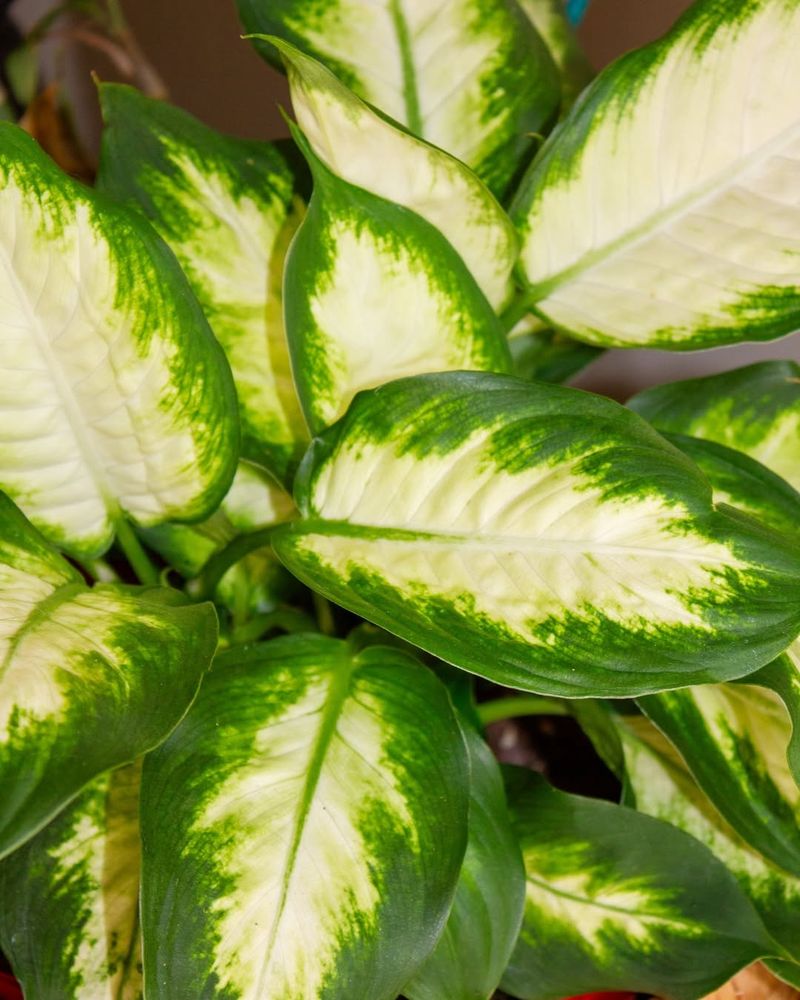
Dieffenbachia varieties offer stunning variegated foliage with cream, yellow, and green patterns that brighten any interior space beautifully.
The broad elliptical leaves can span twelve inches or more, creating bold splashes of color that work equally well as floor plants or tabletop specimens.
Each variety displays unique patterning, from subtle speckles to dramatic brushstrokes of contrasting color.
These tropical plants adapt well to medium indirect light, making them perfect for North Carolina homes without exceptionally bright windows.
They tolerate lower light better than many large-leafed plants, though growth slows and variegation may fade somewhat in dimmer conditions. Avoid direct sun, which bleaches the beautiful patterns and burns leaf tissue quickly.
Dieffenbachia prefers evenly moist soil during active growth but tolerates brief drying better than constant sogginess that causes root problems. Water thoroughly when the top inch feels dry, allowing excess to drain completely away.
These plants appreciate North Carolina’s moderate indoor humidity but don’t require special measures to thrive successfully.
New leaves emerge from the central growing point, unfurling to reveal fresh patterns that add ongoing interest to the plant. Lower leaves naturally yellow and drop as the plant matures, creating a palm-like appearance over time.
Note that all plant parts contain calcium oxalate crystals that cause mouth irritation if chewed, so keep away from curious pets and children. With basic care, Dieffenbachia provides years of colorful, low-maintenance beauty that brightens any room effortlessly.
10. Peace Lily Provides Large Leaves And Elegant Presence
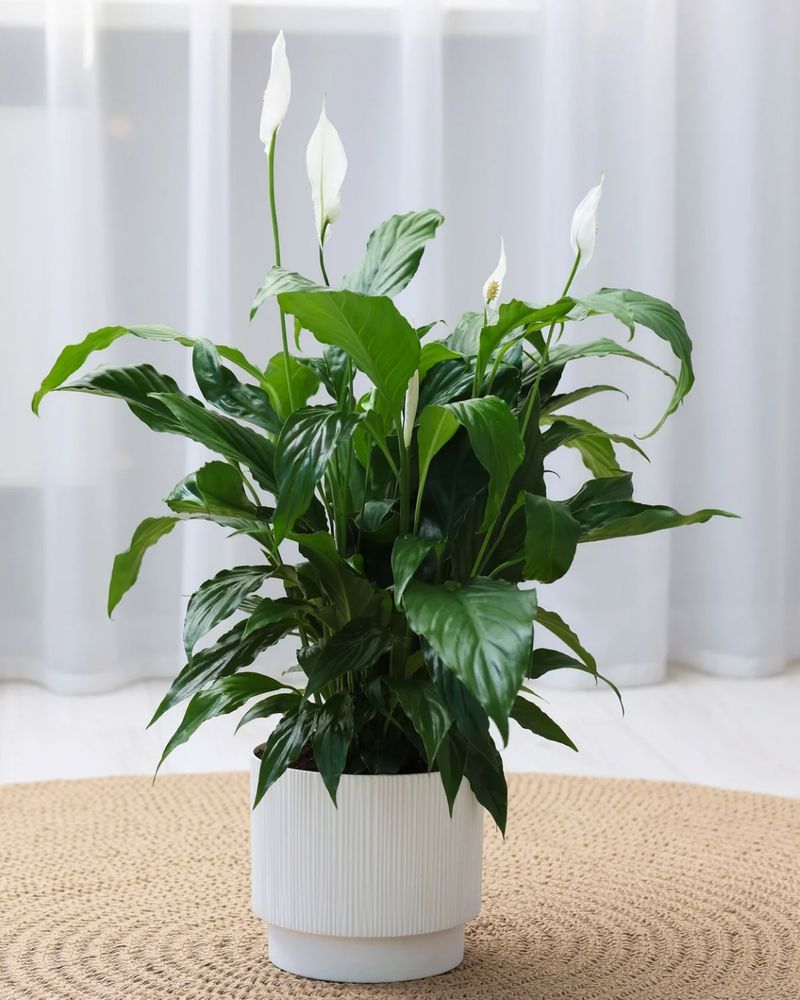
Spathiphyllum varieties with larger leaves bring graceful elegance to North Carolina homes while remaining remarkably easy to maintain successfully. The broad, glossy green foliage arches gently from the base, creating a fountain-like shape that softens any space.
Mature plants produce those iconic white spathes that resemble flowers, adding unexpected blooms to the lush greenery throughout the year.
Peace lilies tolerate low to medium light better than most flowering houseplants, making them incredibly versatile for various room placements. They actually prefer shaded conditions and can suffer leaf burn in direct sunlight.
North Carolina homes with north-facing windows or rooms away from bright exposures suit these shade-lovers perfectly.
These plants communicate their watering needs clearly by drooping dramatically when thirsty, then perking up within hours after drinking. This visual cue makes them perfect for forgetful waterers who appreciate obvious signals.
They prefer consistently moist soil but recover well from occasional drying, showing remarkable resilience compared to fussier houseplants.
Peace lilies effectively filter indoor air pollutants, earning recognition from air quality studies for their purifying abilities.
They thrive in typical household temperatures and adapt to average humidity without special requirements. Monthly feeding during active growth supports both foliage and flower production.
The combination of low-light tolerance, air-cleaning properties, beautiful flowers, and substantial foliage makes peace lilies exceptionally practical choices for anyone seeking large-leafed plants that deliver beauty without demanding expert care or perfect conditions.