8 Native Plants That Thrive In Pennsylvania Without Extra Care
Gardening in Pennsylvania can be rewarding, but it also comes with challenges. Changing seasons, unpredictable weather, and soil variations can make maintaining a garden tricky.
Native plants offer an easy solution. They are naturally adapted to local conditions, thriving without extra fertilizers, constant watering, or special attention.
These hardy plants handle Pennsylvania’s winters, hot summers, and occasional dry spells while providing vibrant color, texture, and seasonal interest.
From flowering perennials to shrubs and grasses, native plants can fill beds, borders, and natural areas with minimal effort.
Many also attract pollinators like bees, butterflies, and birds, bringing life and movement to your garden while supporting local ecosystems.
By choosing native species, gardeners can enjoy beautiful, resilient landscapes that require little maintenance. Pennsylvania gardens become both easier to manage and more environmentally friendly.
With native plants, homeowners can create vibrant, sustainable outdoor spaces that flourish on their own.
1. Purple Coneflower (Echinacea Purpurea)
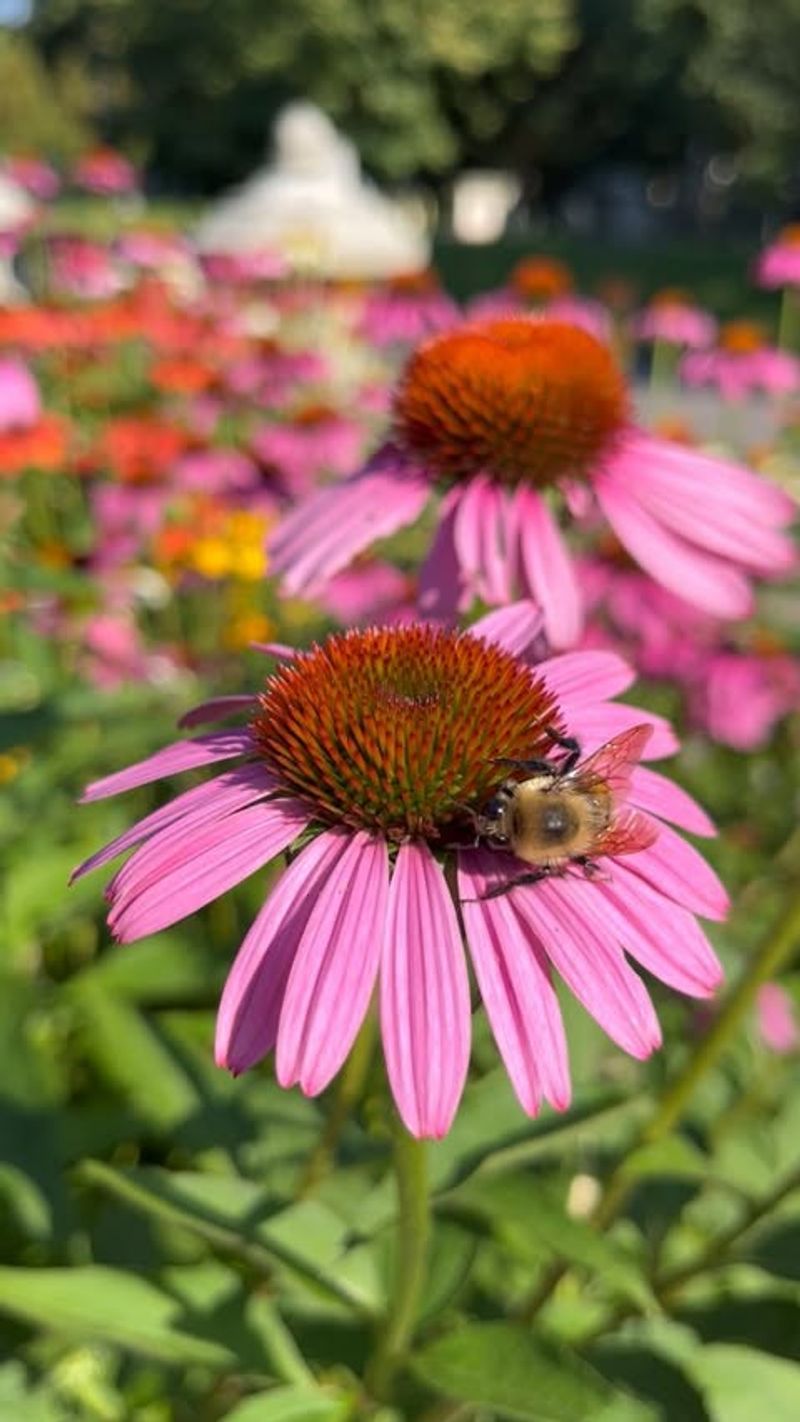
Few flowers light up a Pennsylvania summer garden quite like the Purple Coneflower. With its bold pinkish-purple petals and spiky orange-brown center, this plant is impossible to ignore.
Native to the eastern U.S., it has been brightening meadows and roadsides for centuries.
Purple Coneflower is incredibly tough. It handles heat waves, short droughts, and even poor or rocky soil without skipping a beat.
Once you plant it in a sunny spot and give it a little water to get settled, it pretty much handles itself from there. Pennsylvania summers can be brutal, but this plant thrives right through them.
Blooming from midsummer all the way into early fall, it gives your yard months of color. Pollinators absolutely love it.
Bees, butterflies, and even goldfinches flock to the flowers and seeds. It is one of the best plants you can add if you want to support local wildlife in Pennsylvania.
Deadheading, which means removing old blooms, is optional. If you leave the seed heads standing through winter, birds will thank you.
Over time, the plant self-seeds and fills in beautifully. A clump planted today can become a full, flowering patch within just a few seasons.
For low-effort, high-reward gardening in Pennsylvania, Purple Coneflower is a top pick every single time.
2. Black-Eyed Susan (Rudbeckia Hirta)
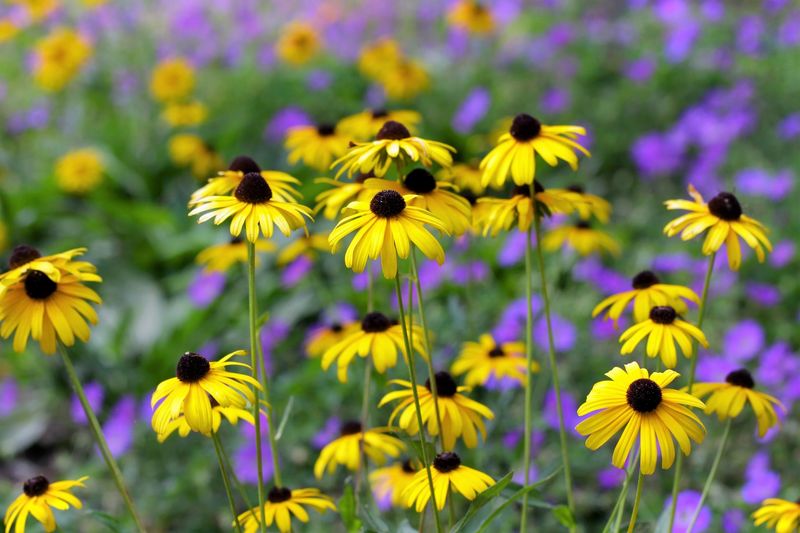
There is something almost cheerful and unstoppable about Black-Eyed Susan. Those bright golden-yellow petals surrounding a rich chocolate-brown center look like tiny suns scattered across your yard.
This wildflower is as tough as they come, and Pennsylvania gardeners have relied on it for generations.
Black-Eyed Susan handles full sun and average soil without complaint. It does not need rich, amended garden beds or frequent watering.
Plant it in a sunny spot, and it will reward you with reliable blooms all summer long. It is one of those plants that actually seems to prefer being left alone rather than fussed over.
One of the best things about this plant is that it reseeds itself naturally. You plant it once, and it keeps coming back year after year, spreading slowly to fill in gaps in your garden.
Your Pennsylvania Garden Changes Every Week. Your Plan Should Too.
Gardening in Pennsylvania changes quickly throughout the season. Every Friday you’ll receive a simple weekly plan showing exactly what to plant, prune, fertilize, harvest, and protect so you never miss the right timing.
Over time, you end up with a gorgeous, low-maintenance wildflower patch that looks like it took real effort to create.
Pollinators love Black-Eyed Susan just as much as gardeners do. Native bees, butterflies, and beetles visit the blooms regularly throughout the season.
In Pennsylvania, where supporting pollinators matters more than ever, adding this plant to your yard makes a real difference. It is forgiving, self-sustaining, and genuinely one of the easiest wildflowers you can grow anywhere in the state.
3. Bee Balm (Monarda Didyma)
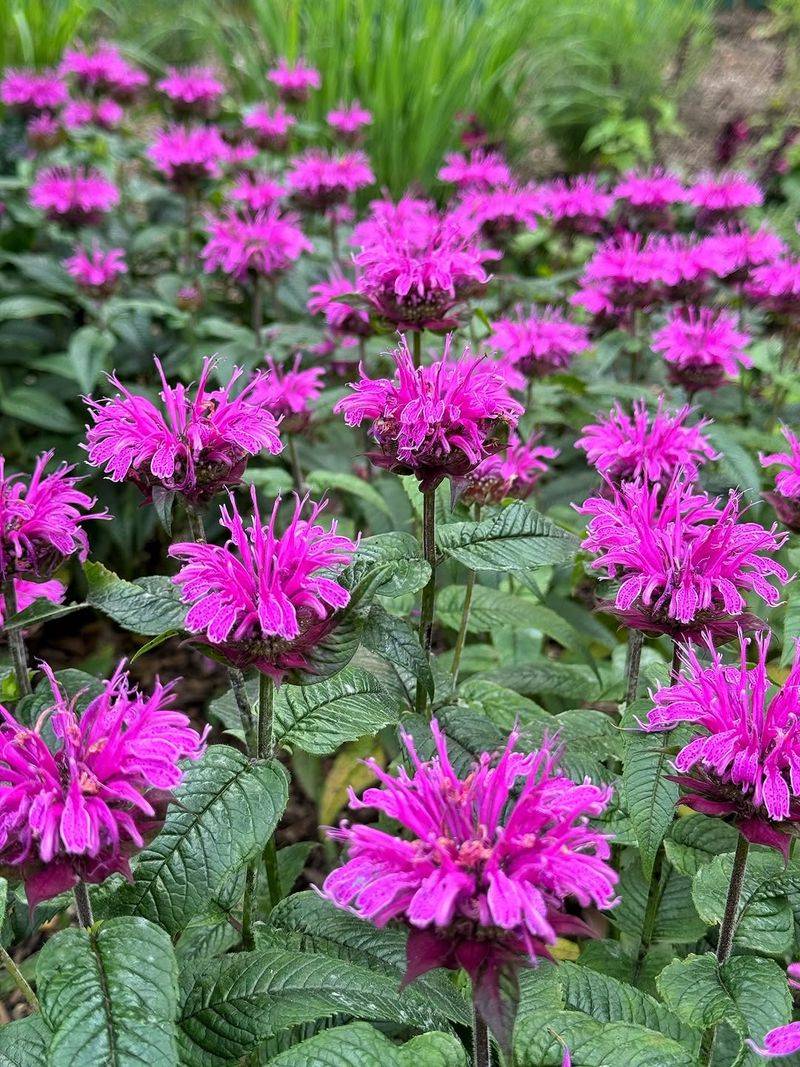
Want to watch hummingbirds visit your backyard every single day? Plant Bee Balm.
This native perennial produces wild, shaggy-looking blooms in shades of red, pink, and purple that hummingbirds simply cannot resist. It is one of the most exciting plants you can add to a Pennsylvania garden.
Bee Balm grows well in both full sun and partial shade, making it flexible for many different yard situations. It tolerates Pennsylvania’s cold winters without any special protection, coming back reliably each spring.
The plant spreads through underground runners, so one small clump can grow into a large, full patch over just a few seasons.
Beyond hummingbirds, this plant is a magnet for native bees and butterflies. The fragrant leaves even have a minty, herbal smell that many people find pleasant.
Some folks use the leaves to make tea, which adds a fun bonus to growing it in your garden. It is beautiful, useful, and wildlife-friendly all at once.
The main thing to keep in mind is that Bee Balm can spread enthusiastically in the right conditions. If you want to keep it contained, simply divide the clumps every couple of years.
Give it decent moisture and decent air circulation to keep it looking its best. For Pennsylvania gardeners who want drama, color, and wildlife action all summer long, Bee Balm delivers in a big way.
4. Wild Columbine (Aquilegia Canadensis)
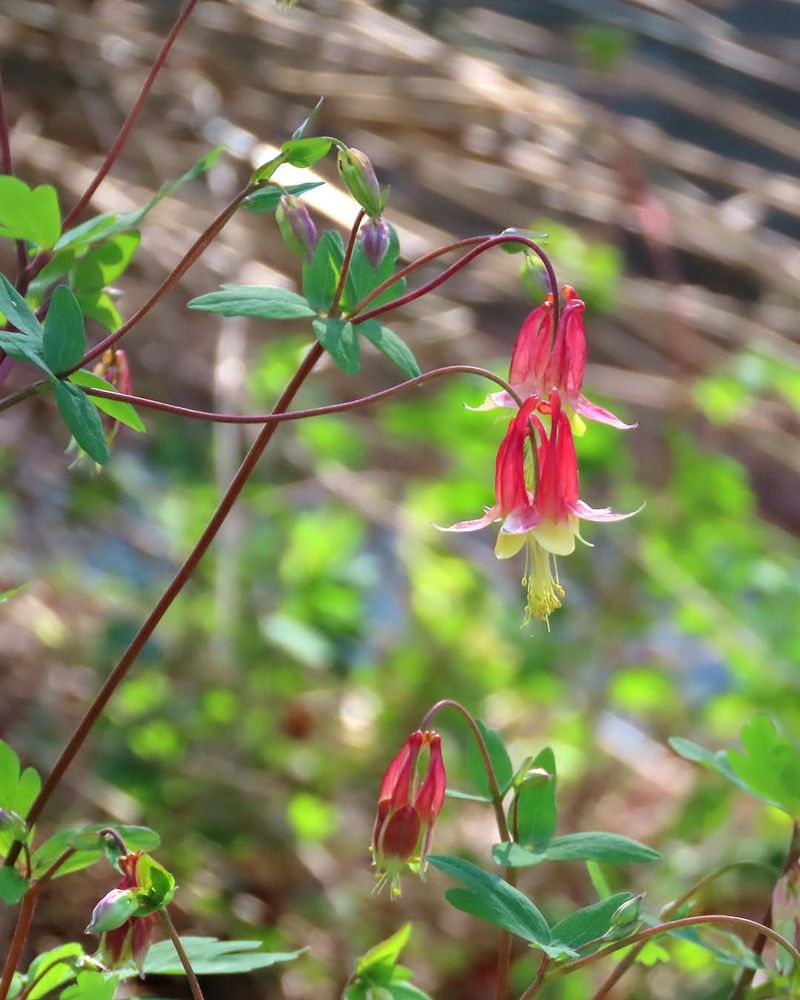
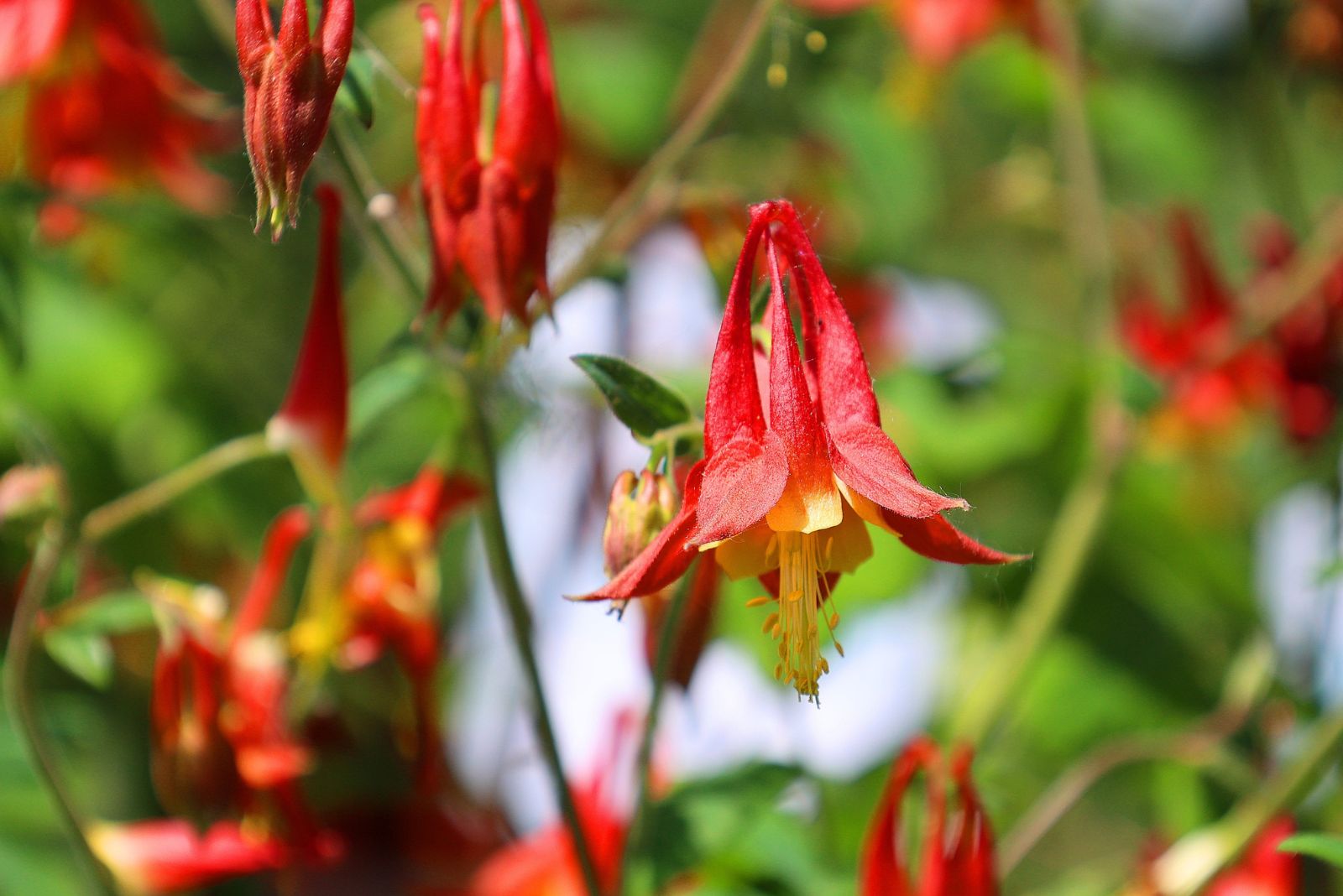
Spring arrives quietly in Pennsylvania woodlands, but Wild Columbine makes sure you notice it. Those nodding red and yellow blooms, shaped almost like little lanterns, appear in early spring before most other plants have even woken up.
It is one of the earliest native flowers to bloom in the state, and that alone makes it special.
Wild Columbine is a woodland perennial that thrives in partial shade. It is perfectly at home under trees, along shaded fence lines, or in spots where full-sun plants struggle.
Once established, it tolerates dry shade surprisingly well, which is a rare quality in any garden plant. Pennsylvania’s shaded slopes and woodland edges are ideal spots for it.
Hummingbirds are wild about this plant. The long, tube-shaped flower spurs are perfectly designed for hummingbird beaks, and they arrive right when the birds are migrating through Pennsylvania in spring.
Planting Wild Columbine is like setting out a welcome mat for one of nature’s most magical creatures.
Maintenance is minimal. Wild Columbine self-seeds freely and will naturalize in a woodland garden over time, spreading gently without becoming a problem.
It does not need fertilizer or extra watering once it has settled in. The foliage stays attractive even after blooming, adding texture to shaded garden areas through summer. For low-effort spring color in Pennsylvania, this plant is a true gem.
5. Eastern Redbud (Cercis Canadensis)
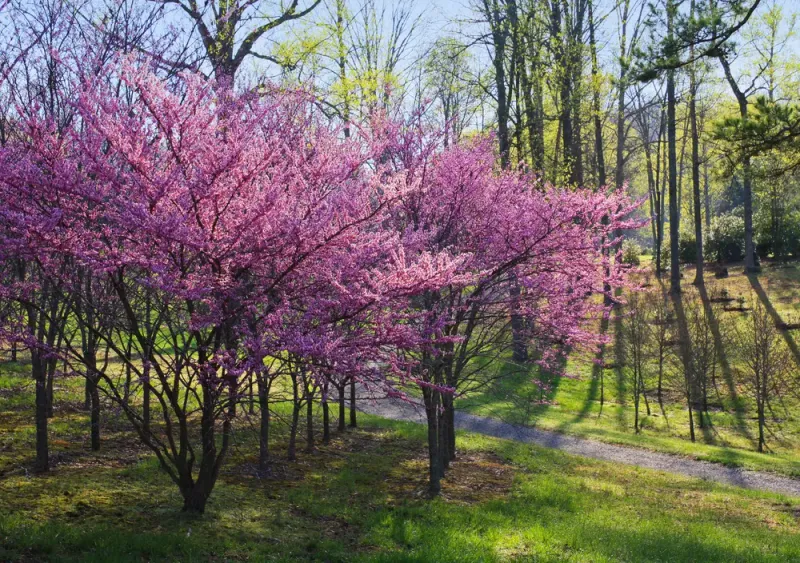
Every spring in Pennsylvania, Eastern Redbud trees put on one of the most breathtaking shows in the plant world.
Before the leaves even appear, the bare branches burst into clusters of vivid pink-purple flowers that cover the entire tree. It looks almost unreal, like something out of a painting.
Eastern Redbud is a small native tree, usually reaching about 20 to 30 feet tall, which makes it perfect for residential yards.
It is hardy across a wide range of zones, including all of Pennsylvania, and it adapts to many different soil types without complaint. Clay soil, sandy soil, loamy soil, it handles them all reasonably well.
Did you know the flowers of Eastern Redbud are actually edible? They have a slightly sweet, mild flavor and have been used in salads and as garnishes for centuries. That is a fun conversation starter for any backyard cookout or garden tour in Pennsylvania.
Once established, Eastern Redbud needs very little pruning or extra care. It is naturally a tidy, attractive tree with a lovely rounded shape.
The heart-shaped leaves that follow the spring flowers are beautiful in their own right, turning golden yellow in fall.
Plant it where you can see it from a window or patio, because when it blooms in April, you will not want to miss a single moment of that spectacular show. It is one of Pennsylvania’s finest native trees.
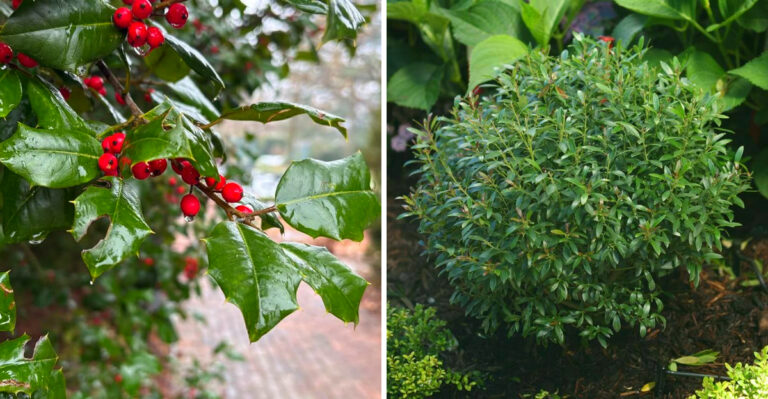
6. Inkberry Holly (Ilex Glabra)
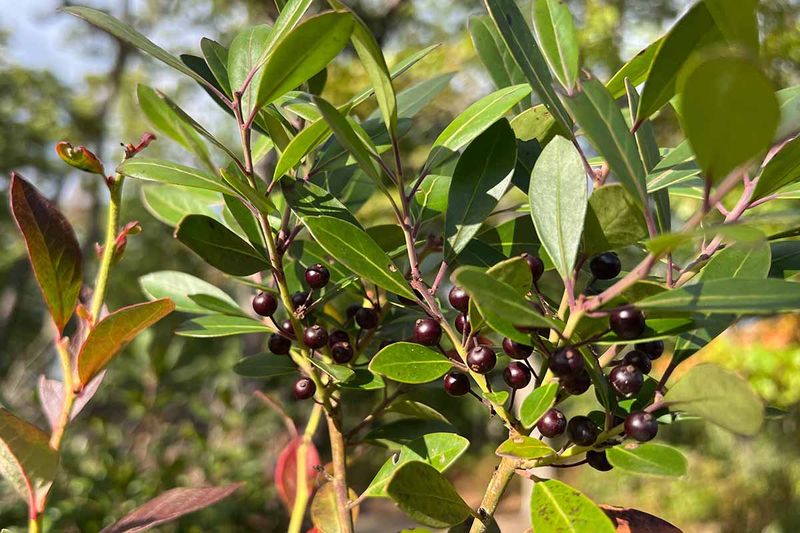
Not every great garden plant needs showy flowers to earn its place. Inkberry Holly is proof of that.
This native evergreen shrub quietly does its job all year long, providing structure, greenery, and wildlife value without ever asking for much in return. It is one of the most dependable shrubs you can plant in Pennsylvania.
Inkberry Holly is especially valuable because it tolerates wet or acidic soil conditions that would stress most other shrubs. Pennsylvania has plenty of low-lying areas and naturally acidic soils, and Inkberry actually thrives in those spots.
It is a fantastic choice for rain gardens, wet corners of the yard, or foundation plantings near downspouts.
The small black berries that appear in late summer and fall are a favorite food source for more than 15 species of birds.
Robins, bluebirds, and cedar waxwings are among the regulars that flock to Inkberry during winter months in Pennsylvania. Planting it means you are basically setting up a free bird feeder that never needs refilling.
As an evergreen, Inkberry provides year-round structure and color in the landscape. It holds its dark green leaves through Pennsylvania’s cold winters, looking tidy and attractive even in January.
It rarely needs pruning to maintain a nice shape. Cold-hardy, adaptable, and genuinely useful for wildlife, Inkberry Holly is one of those understated plants that serious Pennsylvania gardeners always have room for in their yards.
7. Switchgrass (Panicum Virgatum)
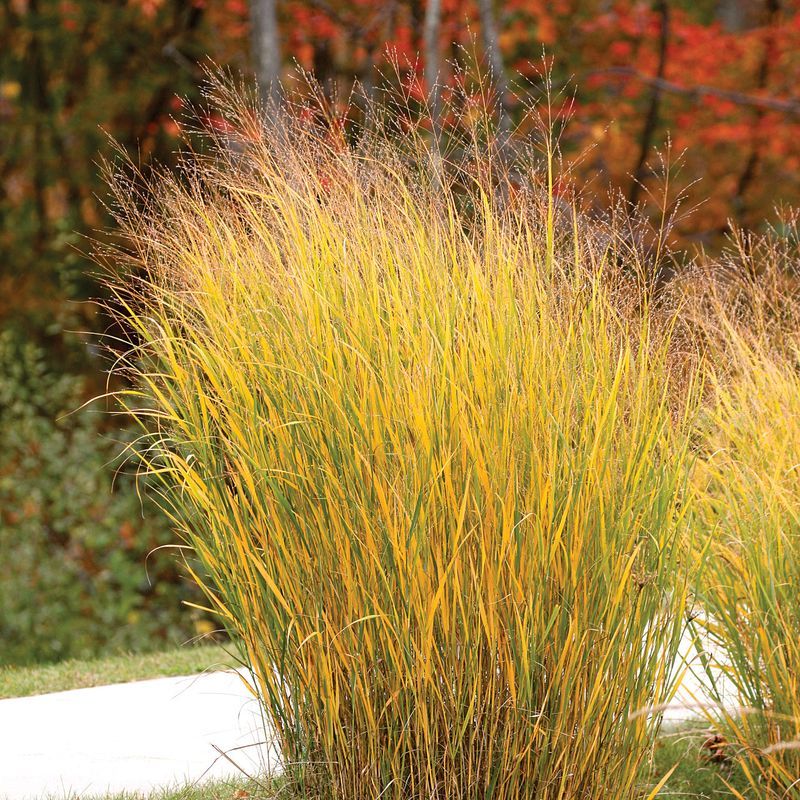
Switchgrass is the kind of plant that makes a landscape look effortlessly cool. Tall, airy seed heads sway in the breeze above upright clumps of green or blue-green foliage, adding movement and texture that most flowering plants simply cannot match.
In Pennsylvania, it looks stunning from summer all the way through winter.
Native to North American prairies and meadows, Switchgrass is extraordinarily tough. It handles heat, humidity, drought, and even poor or compacted soil without flinching.
Pennsylvania summers can swing from dry spells to heavy rain, and Switchgrass takes all of it in stride. Once established, it rarely needs watering or fertilizing at all.
Come fall, the foliage transforms into shades of gold, orange, and burgundy depending on the variety. The seed heads catch morning light beautifully and provide food for birds through the colder months.
Leaving the clumps standing through winter adds structure and interest to a Pennsylvania yard when most other plants have gone completely dormant.
In spring, simply cut the old growth down to a few inches above the ground before new growth emerges. That is really the only maintenance Switchgrass needs all year.
It does not spread aggressively or take over your garden beds. Several cultivated varieties are available, including compact options for smaller spaces.
Whether you use it as a specimen plant, a natural screen, or part of a meadow planting, Switchgrass brings four-season beauty to Pennsylvania landscapes with almost zero effort required.
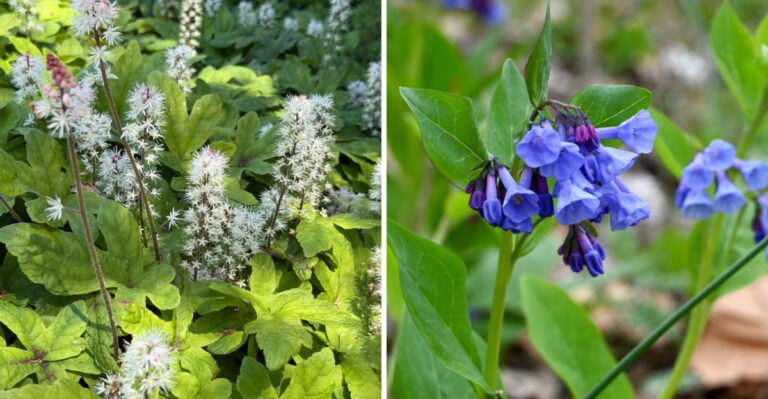
8. Foamflower (Tiarella Cordifolia)
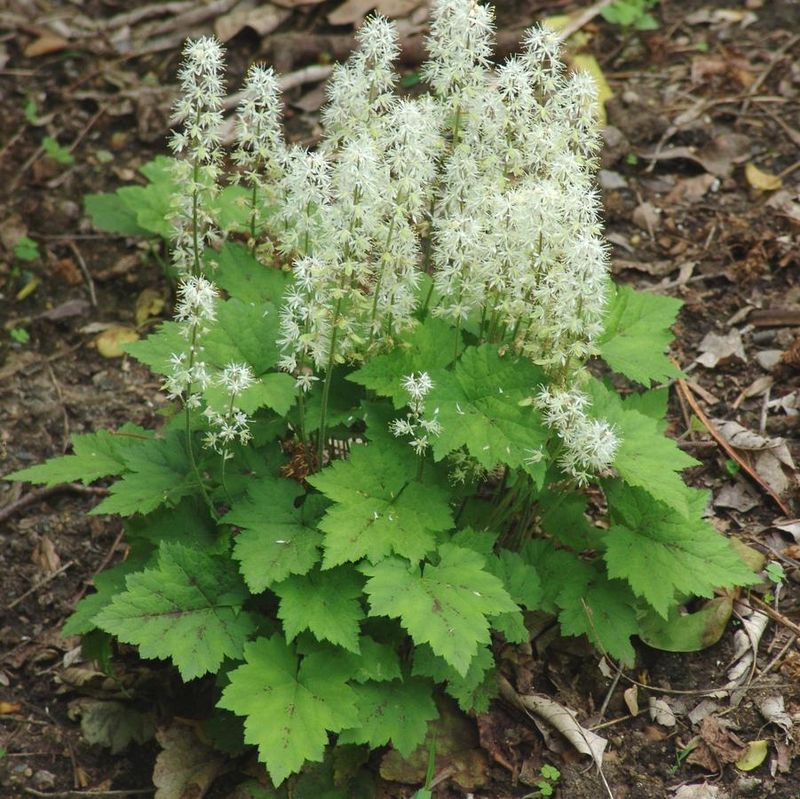
Walk into a shaded Pennsylvania woodland in spring and you might spot a low carpet of plants topped with delicate white flower spikes that look almost like foam floating above the leaves.
That is Foamflower, and it is one of the most charming native groundcovers you can grow in the state. It earns every bit of the attention it gets.
Foamflower thrives in shade, which makes it incredibly useful for those tricky spots under trees where grass refuses to grow and most flowering plants struggle. It handles Pennsylvania’s naturally acidic, humus-rich woodland soils beautifully.
The lobed, maple-like leaves stay attractive and green through most of the growing season, even after the spring flowers have faded.
Unlike some groundcovers that spread so aggressively they become a headache, Foamflower spreads at a polite and manageable pace through short runners. It fills in shaded areas gradually without crowding out everything around it.
That makes it a great companion plant for Wild Columbine, ferns, and other native woodland species in a Pennsylvania shade garden.
Maintenance is about as minimal as it gets. No fertilizing, no regular watering once established, and no aggressive pruning required.
Just plant it in a shaded spot with decent moisture and let it do its thing. Year after year, it comes back reliably and slowly expands to cover more ground.
For Pennsylvania gardeners looking to solve a shady bare-ground problem with a native plant, Foamflower is simply one of the best answers available.