These 9 Native Oregon Plants Grow Stronger Every Single Year
Think your garden peaks in July and fizzles out after that? Not with these Oregon natives. The right plants do not just survive, they settle in, stretch their roots, and come back tougher and more beautiful every single year.
Once established, they need less water, less fuss, and a whole lot less babysitting. That means more time enjoying your yard and less time dragging around a hose.
Oregon’s wild landscapes offer some seriously resilient stars. These are plants built for soggy winters, dry summers, and everything in between.
The best part is they reward patience. Year one might be quiet. Year two gets interesting. By year three, they are putting on a show like they own the place.
If you love a garden that gets better with age, these native picks are ready to rise to the challenge and then some.
1. Oregon Sunshine
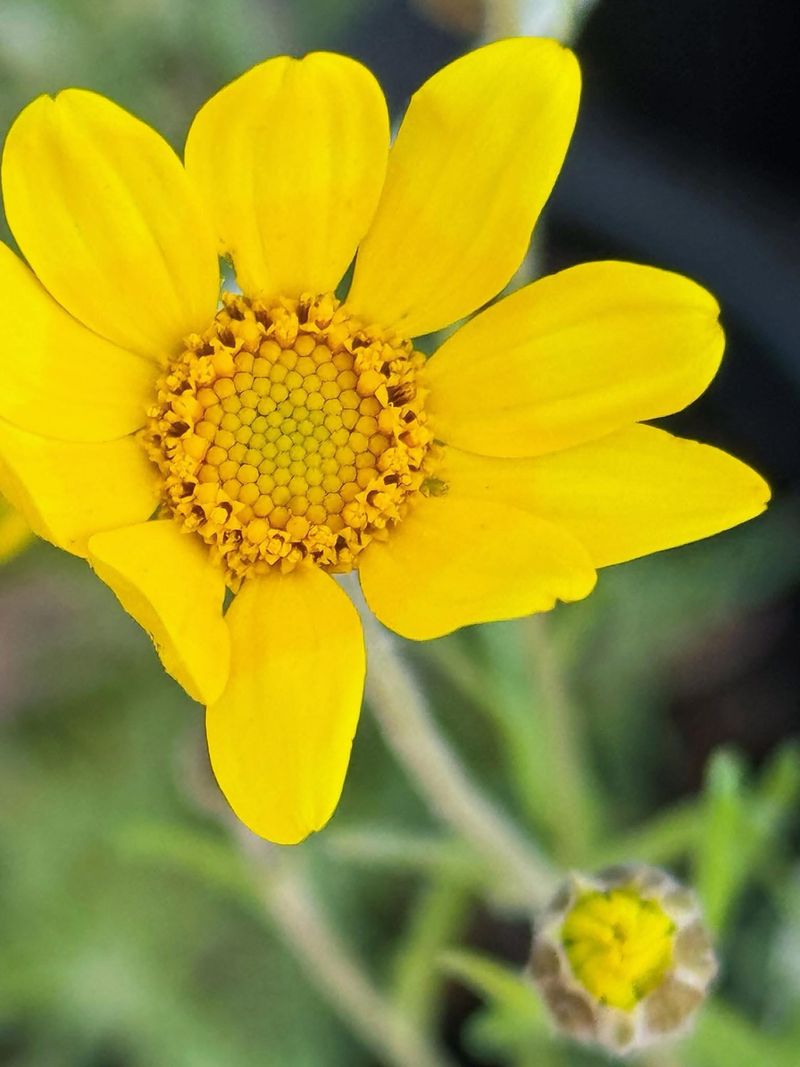
Bright, bold, and practically unstoppable, Oregon Sunshine is the kind of plant that makes your garden look like a professional designed it.
Known scientifically as Eriophyllum lanatum, this cheerful yellow wildflower is native to Oregon and thrives in dry, sunny spots where other plants struggle. It earned its name honestly because it genuinely looks like a little burst of sunshine.
Once established, Oregon Sunshine spreads steadily and fills in bare or rocky areas beautifully. It handles drought like a champion, making it perfect for low-water gardens across Oregon.
The silvery-green leaves are soft and fuzzy, which helps the plant conserve moisture during hot summers.
Bees and butterflies absolutely love it, so planting it means you’re also inviting pollinators into your yard. It blooms from late spring through summer, providing weeks of cheerful color.
You don’t need to fertilize it or fuss over it much at all. Simply plant it in well-drained soil with plenty of sun, and let Oregon’s natural conditions do the rest.
Each year, the plant grows a little fuller and produces even more flowers, rewarding patient gardeners with a bigger, brighter display season after season.
2. Pacific Ninebark
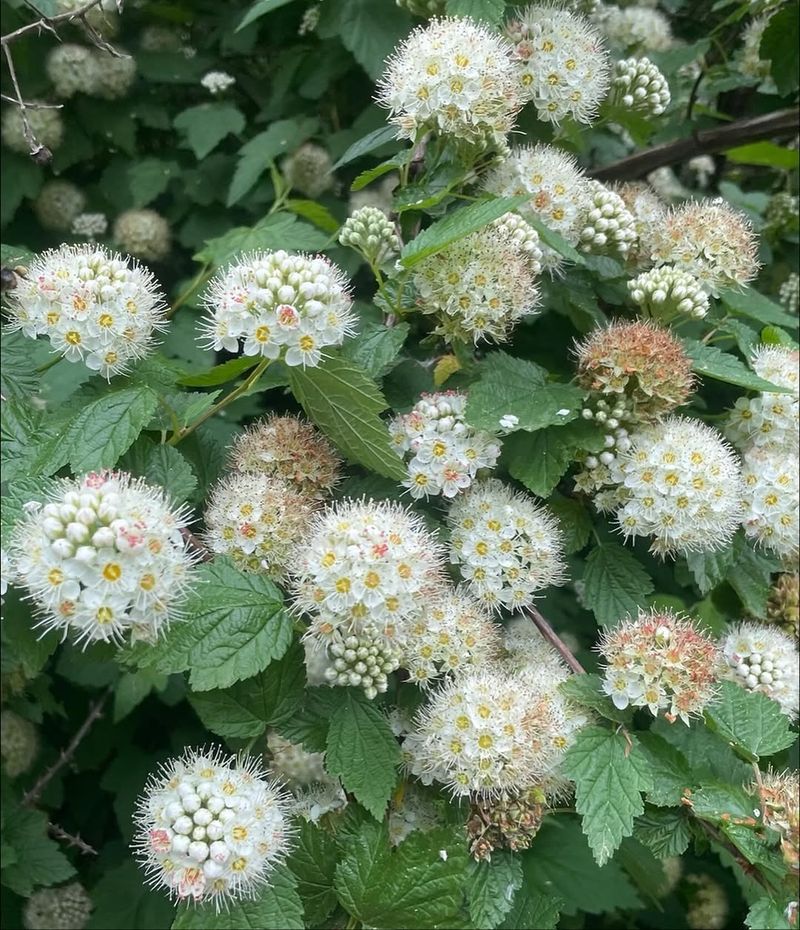
There’s something almost magical about a shrub that peels its own bark like it’s constantly reinventing itself. Pacific Ninebark, or Physocarpus capitatus, gets its quirky name from the way its bark peels back in multiple layers, revealing rich reddish-brown tones underneath.
This native Oregon shrub is tough, adaptable, and genuinely gets more impressive every year.
In spring, it bursts into clusters of small white flowers that attract native bees and butterflies from across the region. By fall, it produces reddish seed clusters that birds love to snack on.
The foliage turns warm shades of orange and red before dropping, giving your Oregon garden a beautiful seasonal show.
Pacific Ninebark grows well in both wet and dry conditions, which makes it incredibly versatile. It’s a great choice for planting along stream banks, rain gardens, or shaded borders.
Over time, it grows into a full, rounded shrub that provides excellent wildlife habitat and natural screening. You can even prune it lightly after flowering to keep it tidy.
Your Oregon Garden Changes Every Week. Your Plan Should Too.
Gardening in Oregon changes quickly throughout the season. Every Friday you’ll receive a simple weekly plan showing exactly what to plant, prune, fertilize, harvest, and protect so you never miss the right timing.
Each season, it fills out more and becomes a stronger, more established anchor in your native Oregon landscape.
3. Blue-Eyed Grass
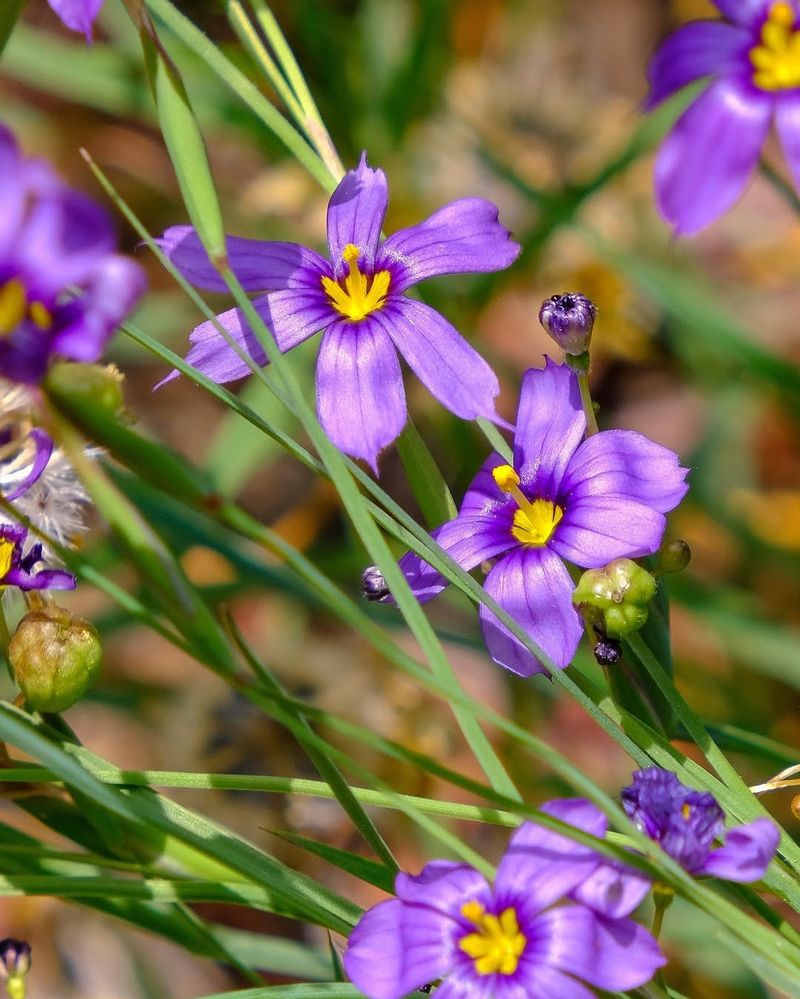
Don’t let the name fool you because Blue-Eyed Grass isn’t actually a grass at all. It belongs to the iris family and produces the most adorable little violet-blue flowers with bright yellow centers.
Those tiny blooms are exactly what earned it the name, and once you spot them in an Oregon meadow, you’ll never forget them.
Sisyrinchium bellum is a compact, low-growing plant that works beautifully along garden borders, in rock gardens, or tucked between stepping stones.
It self-seeds reliably, which means your patch will naturally expand and fill in over the years without any extra effort from you. That’s the beauty of native Oregon plants doing what they do best.
It thrives in full sun to partial shade and handles Oregon’s rainy winters without skipping a beat. Spring is when it truly shines, producing waves of small blooms that pollinators adore.
The grass-like foliage stays tidy and green throughout the growing season. Blue-Eyed Grass pairs wonderfully with other native Oregon ground covers and wildflowers.
Plant it once, give it a little room to spread, and watch it multiply into a charming, natural-looking carpet of color that improves with every passing year.
4. Vine Maple
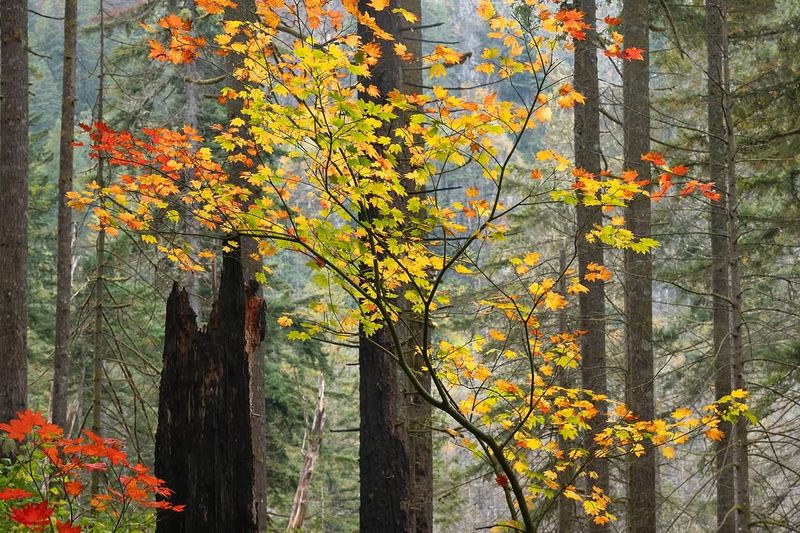
Few trees in Oregon can match the seasonal drama of Vine Maple. In spring, it unfurls fresh lime-green leaves.
In summer, it provides graceful, layered shade. Come fall, it absolutely steals the show with fiery red, orange, and gold foliage that rivals any ornamental tree you could plant. Acer circinatum is a true four-season performer.
Vine Maple grows naturally in the understory of Oregon’s forests, which means it’s perfectly happy in partial to full shade.
That makes it a rare and valuable find for gardeners dealing with shady spots where other plants refuse to cooperate. It grows in a naturally graceful, arching form that looks beautiful without any pruning.
Over the years, Vine Maple develops into a stunning multi-stemmed small tree or large shrub that becomes a true focal point in any Oregon garden. It tolerates Oregon’s wet winters and dry summers better than most non-native maples.
Birds and small wildlife use it for shelter and food. Its winged seeds, called samaras, are fun to watch spin to the ground each fall.
The longer it grows, the more character it develops, making it one of the most rewarding native Oregon plants you can add to your landscape.
5. Pacific Bleeding Heart
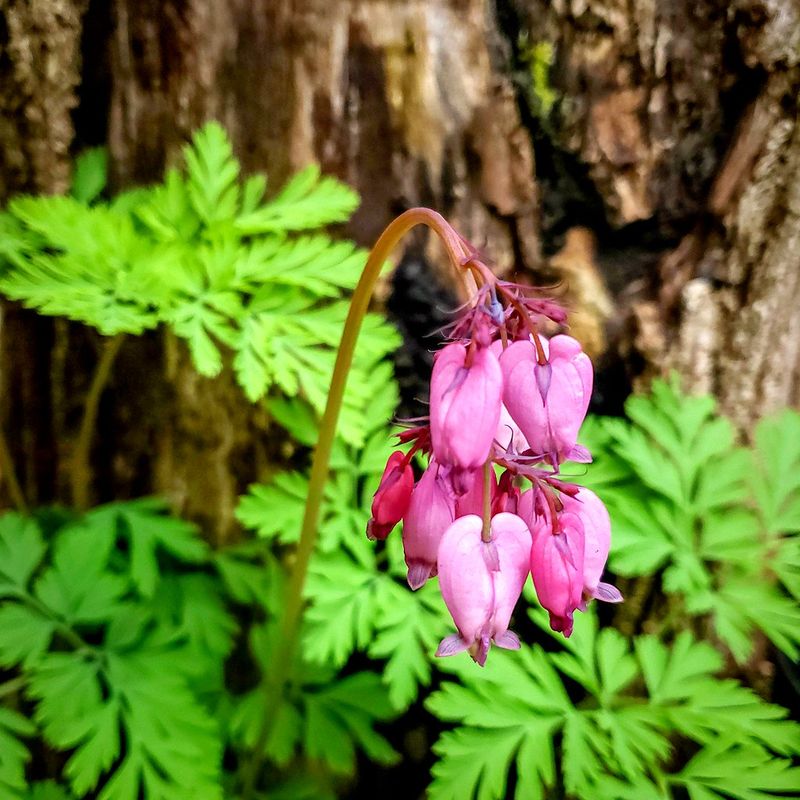
Romantic, delicate-looking, and surprisingly tough, Pacific Bleeding Heart is one of Oregon’s most beloved native wildflowers.
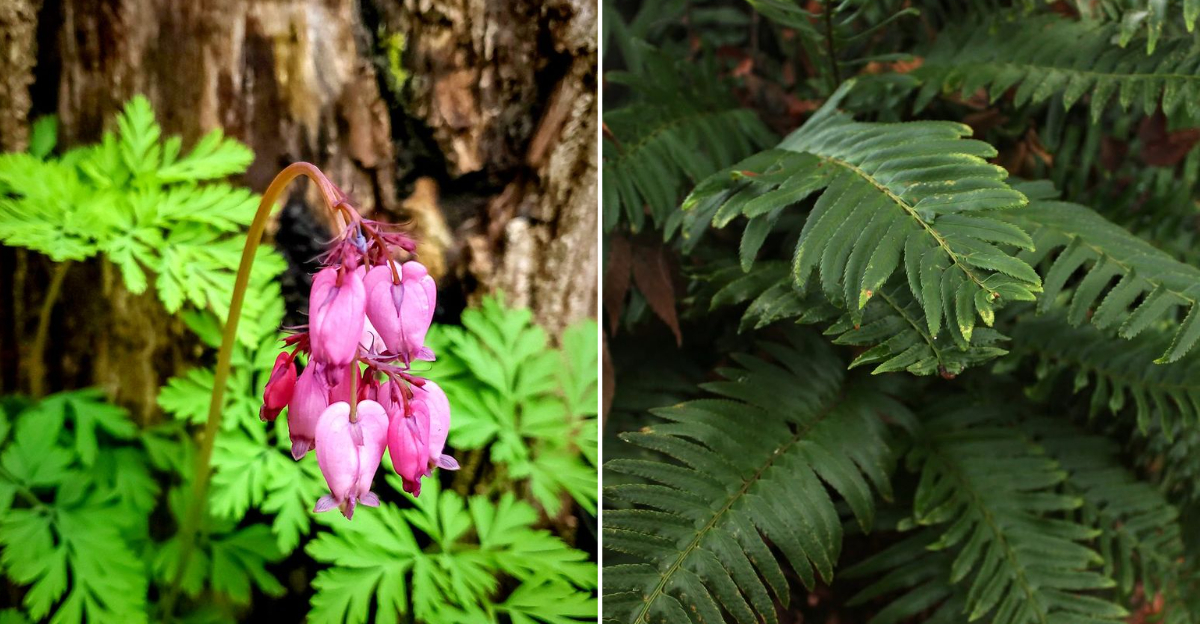
Dicentra formosa produces cascading clusters of rosy-pink, heart-shaped blooms that dangle like little pendants above feathery, fern-like foliage.
It looks like something out of a fairy tale, but it’s actually one of the hardest-working plants in a shaded Oregon garden.
It spreads steadily through underground rhizomes, slowly expanding into larger and lusher colonies each year. Shaded areas under trees or along north-facing slopes are where it really flourishes.
Once established, it requires almost no maintenance and rewards you with earlier, fuller blooms every spring.
Hummingbirds are especially drawn to the tubular flowers, making Pacific Bleeding Heart a fantastic addition to any wildlife-friendly Oregon yard. It pairs beautifully with Western Sword Fern and native mosses for a lush, layered woodland look.
During hot, dry summers, the foliage may die back naturally, but the plant is absolutely fine underground and will return vigorously the following spring.
Over many seasons, a single plant can grow into a sweeping ground cover that transforms dark, difficult garden corners into something genuinely breathtaking. Patience with this one is always worth it.
6. Oregon Grape
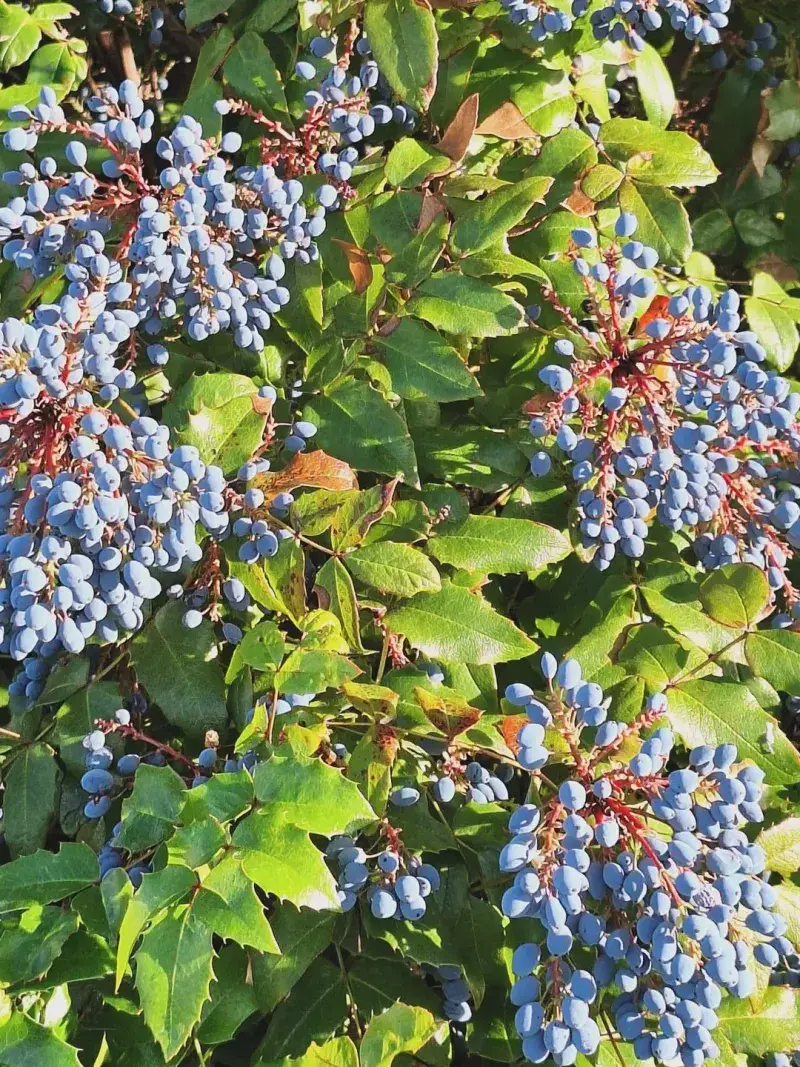
Oregon Grape is literally the state flower of Oregon, so it only makes sense to feature it on this list. Mahonia aquifolium is bold, evergreen, and absolutely stunning year-round.
The holly-like leaves are glossy and deep green, turning bronze or purplish-red in winter. In early spring, it explodes with clusters of bright yellow flowers that are among the first blooms of the season.
After flowering, it produces clusters of dusty blue-purple berries that look like tiny grapes. Those berries are edible and have been used for centuries by Indigenous communities throughout the Oregon region.
Wildlife, especially birds, rely on them as an important food source through the colder months.
One of the best things about Oregon Grape is how adaptable it is. It grows in sun or shade, in dry or moist soil, and handles Oregon’s variable climate without complaint.
Low-growing varieties work as ground cover, while taller varieties make excellent hedges or woodland border plants. Each year, it gets denser, leafier, and more productive.
It also has a natural resistance to pests and disease, which means less worry for you. Planting Oregon Grape means celebrating your state’s natural heritage while building a low-maintenance, four-season garden that only improves with age.
7. Western Sword Fern
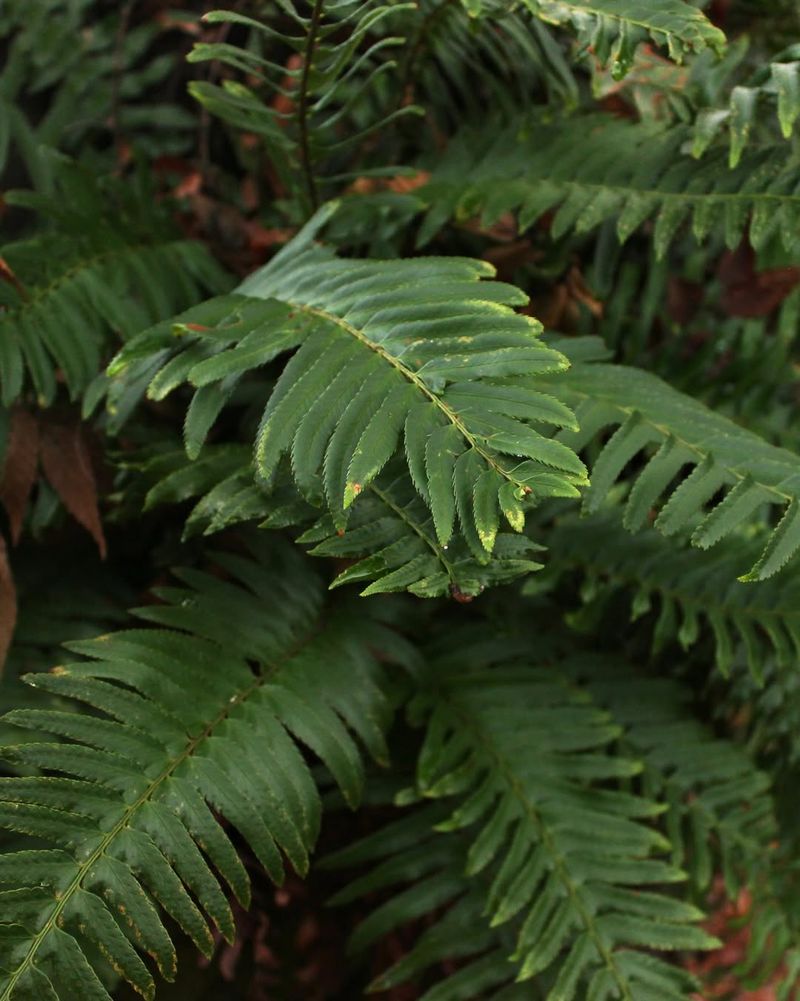
Walk into almost any Oregon forest and you’ll find Western Sword Fern growing in abundance beneath the towering conifers. Polystichum munitum is one of the most recognizable and reliable native plants in the Pacific Northwest.
Its dark green, arching fronds can reach up to four feet long, creating a bold, lush presence in any shaded garden space.
What makes this fern so special for home gardeners is its incredible toughness. It handles deep shade, clay soil, summer drought, and Oregon’s rainy winters without missing a beat.
Once established, it rarely needs watering, fertilizing, or any special care. It simply grows bigger and more dramatic every single year.
Western Sword Fern is an excellent choice for planting under trees, along shaded pathways, or on slopes where erosion is a concern. Its dense root system holds soil firmly in place, which is a huge bonus for Oregon’s hillside properties.
It also provides shelter for small birds and amphibians, making it a valuable part of any wildlife-friendly yard. The fronds are popular for floral arrangements and holiday decorating.
Plant a few clumps and watch them slowly spread into a gorgeous, low-effort ground cover that looks more beautiful and established with every passing season.
8. Oceanspray
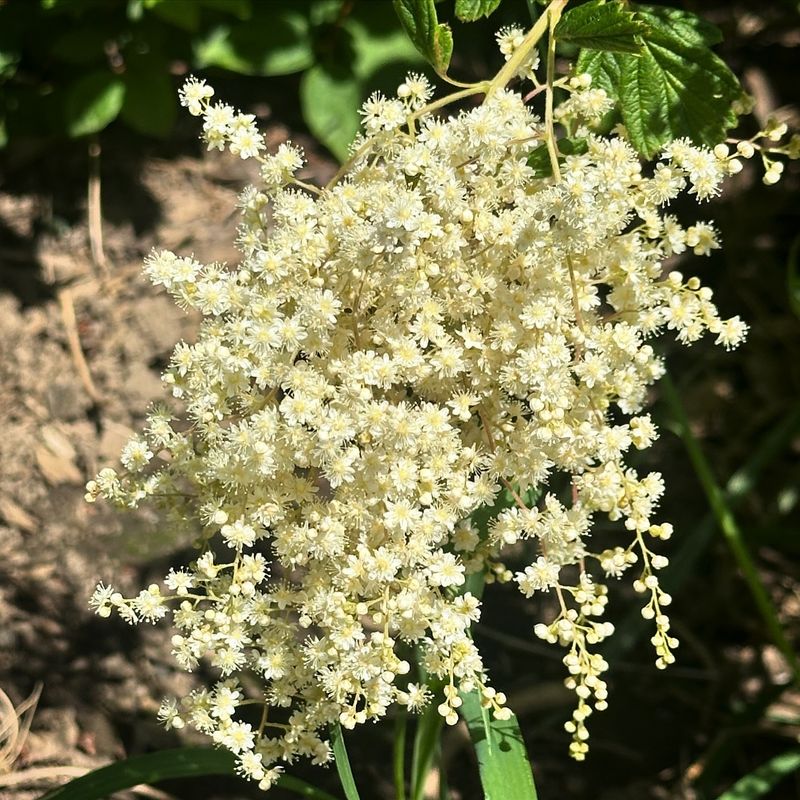
When Oceanspray is in full bloom, it’s honestly one of the most spectacular native shrubs you’ll ever see in Oregon. Holodiscus discolor produces massive, drooping clusters of creamy white flowers that look like ocean foam spilling over the branches.
That’s exactly where the name comes from, and it’s a perfect description of this showstopping native plant.
Oceanspray is incredibly adaptable. It grows well in full sun or partial shade and handles dry, rocky, or poor soils that would challenge most garden plants.
Across Oregon, you’ll spot it growing on sunny hillsides, forest edges, and roadsides, often towering six to twelve feet tall at full maturity. Each year it grows a little taller and produces even more of those breathtaking flower clusters.
Pollinators flock to the blooms in early summer, and the dried seed clusters persist through fall and winter, providing food for birds and visual interest in the off-season.
Indigenous peoples across the Oregon region historically used the extremely hard wood for tools and implements.
Today, it’s a fantastic choice for native hedgerows, wildlife gardens, or as a bold backdrop planting. Give Oceanspray space to grow and it will reward you with decades of increasing beauty and ecological value in your yard.
9. Streambank Lupine
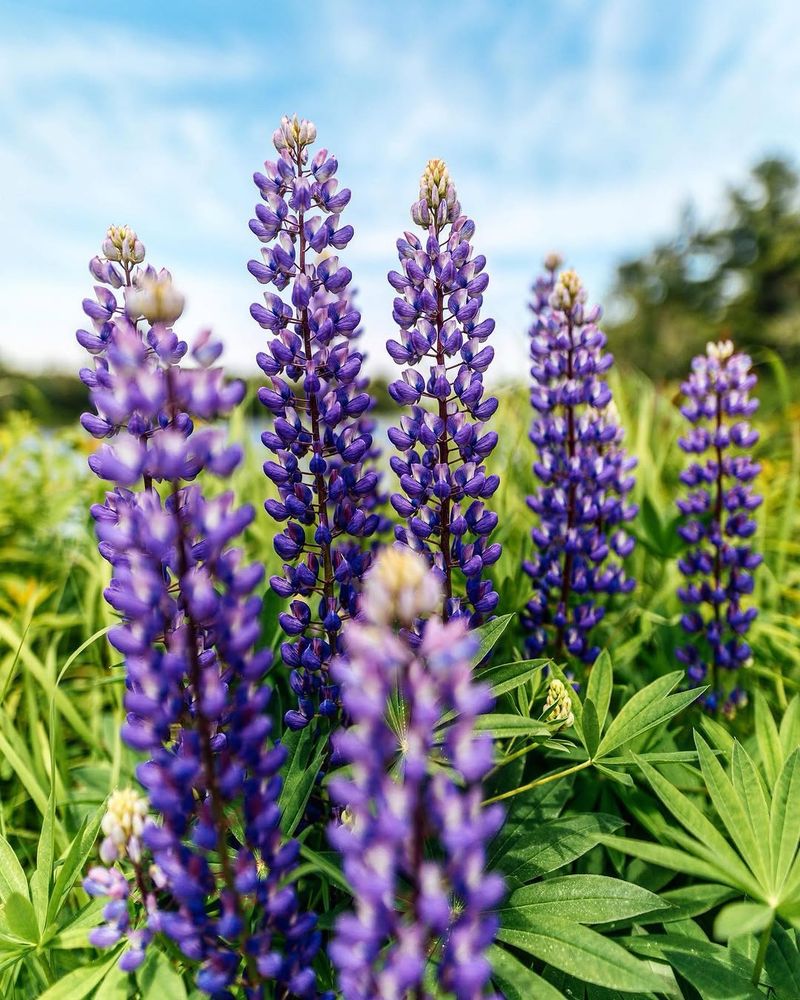
Few sights in Oregon are as striking as a colony of Streambank Lupine in full bloom. Lupinus rivularis sends up tall, elegant spikes of purple-blue flowers that create a dramatic vertical display along stream banks, meadow edges, and moist garden areas.
It’s a plant that commands attention and earns admiration from anyone who sees it.
Beyond its good looks, Streambank Lupine is a powerhouse for soil health. Like all lupines, it fixes nitrogen from the air into the soil, naturally enriching the ground around it.
Over time, this makes the surrounding soil more fertile and better able to support other plants. That means your whole garden benefits from having it around.
It grows vigorously in moist, well-drained soil and full sun to light shade, which makes it a great fit for rain gardens, pond edges, and low spots in Oregon yards that tend to stay damp.
Bumblebees are particularly fond of the flowers and are often spotted buzzing happily around the blooms throughout early summer.
Streambank Lupine self-seeds generously, so your initial planting will gradually expand into a fuller, more impressive stand each year. It’s a native Oregon plant that truly earns its place in any naturalistic or wildlife-focused garden.