Why Some Oregon Hydrangeas Bloom Weakly After Winter
If your hydrangeas look amazing in August but limp into spring with tiny blooms or none at all, you are not alone. Oregon winters can be surprisingly rough on these garden favorites.
A few frosty nights at the wrong time, soggy soil that never quite drains, or a pruning mistake in fall can all set the stage for a disappointing summer show.
Hydrangeas are tougher than they look, but their flower buds can be sensitive. Some varieties form next year’s blooms long before winter arrives.
When cold snaps hit, those hidden buds may get zapped before you ever see them. By the time warm weather returns, the plant has leaves but no real fireworks.
The good news is weak blooming usually has a clear cause. Once you understand what your hydrangea went through during winter, you can tweak your care routine and bring those big, bold blooms roaring back next season.
1. Winter Stole The Buds
Blame it on the season. One of the most common reasons Oregon hydrangeas bloom weakly is that winter quietly destroys the flower buds before spring even begins.
Most traditional hydrangea varieties, like bigleaf and oakleaf types, set their buds in late summer and fall. Those buds sit on the plant all winter long, exposed to Oregon’s cold snaps and wet chills.
When temperatures drop suddenly or stay freezing for too long, those buds simply do not survive. By the time spring rolls around, the plant looks healthy and green, but the buds that would have become flowers are already gone.
The plant has to start over, and that takes time and energy.
Oregon winters are unpredictable. One week it is mild and rainy, and the next week a cold front rolls in from the coast or the mountains.
That kind of back-and-forth weather is especially rough on hydrangea buds. Gardeners in the Willamette Valley and along the coast know this problem well.
Wrapping your shrubs with burlap or frost cloth before the first hard freeze can protect those precious buds and give you a much better bloom season next year.
2. Pruned Too Soon
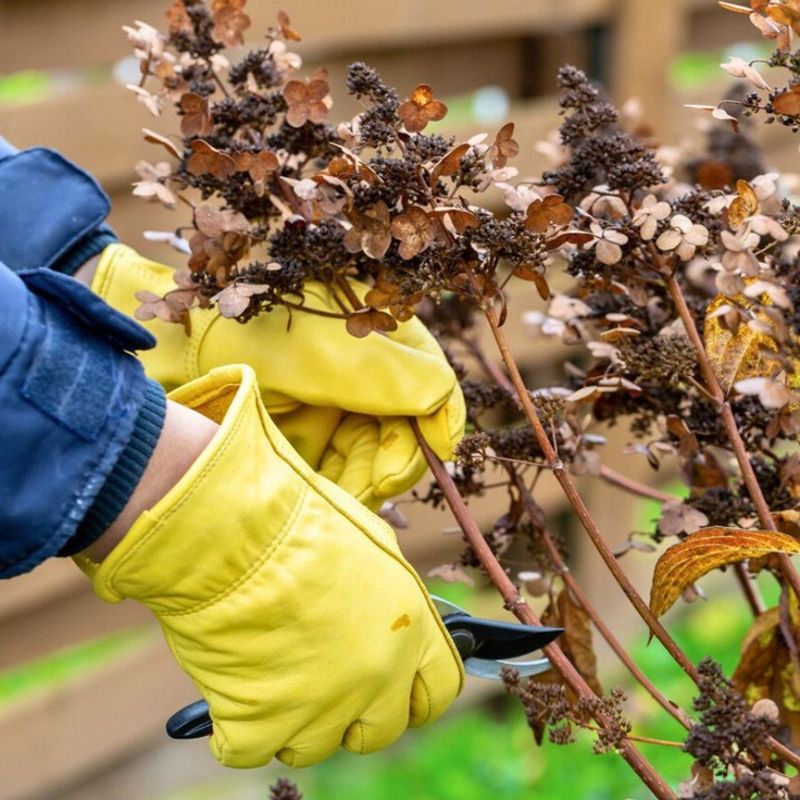
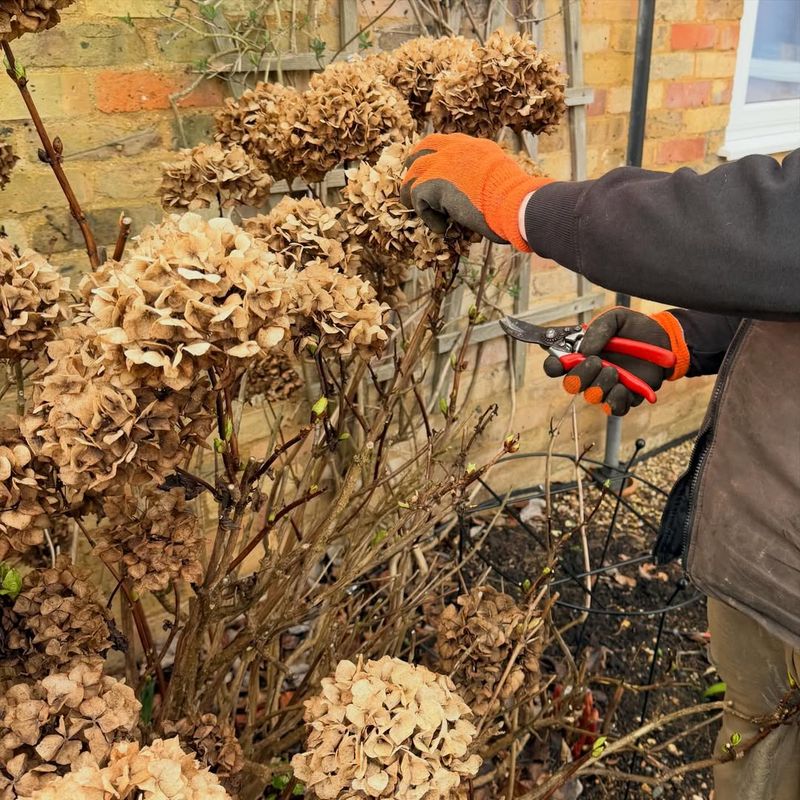
Grab the wrong branch at the wrong time and you might be cutting your blooms away without even knowing it. Pruning is one of the most misunderstood parts of hydrangea care, and it is a leading cause of weak flowering across Oregon gardens.
Many gardeners prune their hydrangeas in fall or early winter thinking they are helping the plant rest. But for varieties that bloom on old wood, like bigleaf hydrangeas, that pruning removes the very buds that would have flowered next season.
Old wood bloomers store their flower buds on last year’s canes. Cutting those canes off means no flowers, plain and simple.
It is an easy mistake to make, especially if you are used to pruning other shrubs in late fall. The timing matters more than most people think.
If your hydrangea is a variety that blooms on old wood, wait until after it flowers in summer before doing any major trimming. Light cleanup is fine, but avoid heavy cutting.
Your Oregon Garden Changes Every Week. Your Plan Should Too.
Gardening in Oregon changes quickly throughout the season. Every Friday you’ll receive a simple weekly plan showing exactly what to plant, prune, fertilize, harvest, and protect so you never miss the right timing.
Gardeners in Portland and Eugene often make this mistake after a rough-looking winter, cutting back too aggressively hoping to tidy things up. Learning what type of hydrangea you have is the most important thing you can do for better blooms.
3. Frost Struck Fast
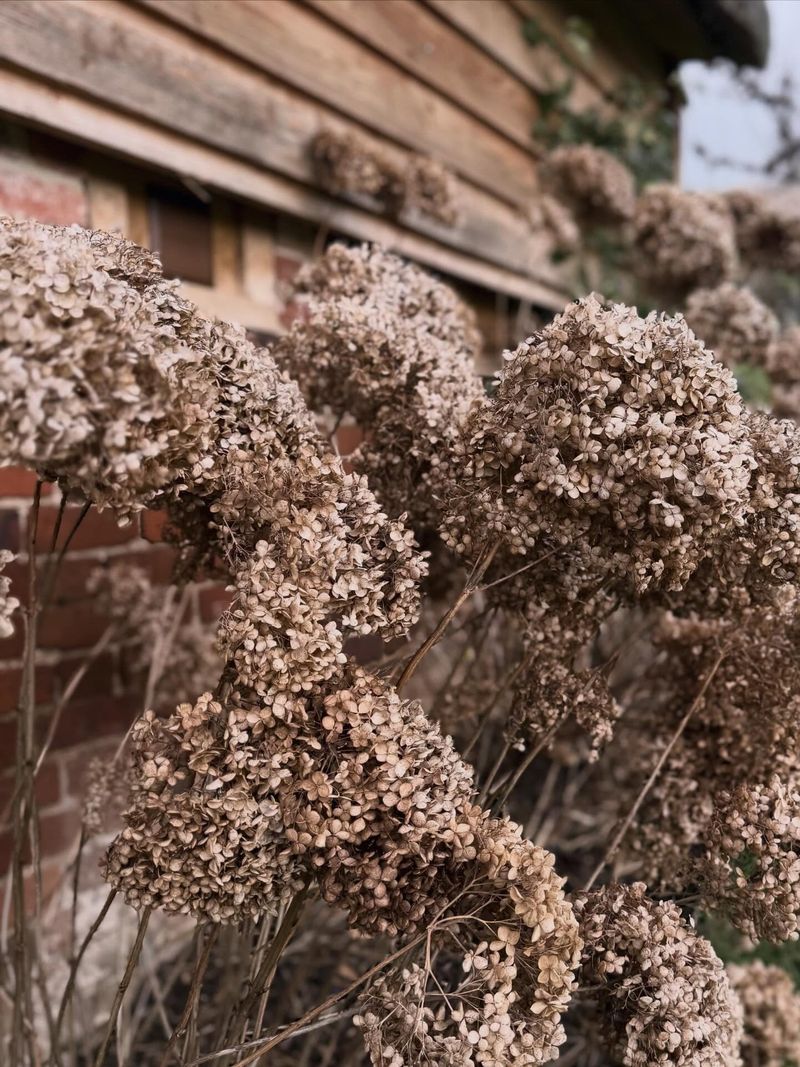
Spring in Oregon can feel like two seasons at once. One morning it is warm and the hydrangeas are budding out beautifully, and then overnight a late frost sneaks in and wipes everything out.
This is called a late frost event, and it is surprisingly common in Oregon, especially in the Willamette Valley, the Columbia River Gorge, and higher elevation areas near the Cascades.
When a frost hits after the plant has already started pushing out new growth, the damage can be severe. Tender new buds and shoots freeze quickly.
They turn brown and mushy, and the plant has to work hard to recover. Sometimes it manages to push out a second round of growth, but that growth rarely has the energy to produce strong blooms.
Watching the weather forecast in early spring is one of the smartest things an Oregon hydrangea grower can do. If a late frost is predicted, cover your plants with frost cloth or even old bedsheets overnight.
Remove the covers in the morning so the plant gets air and light. A little protection during those risky spring nights can save an entire season of blooms and keep your garden looking full and colorful all summer long.
4. Buds Lost To Cold
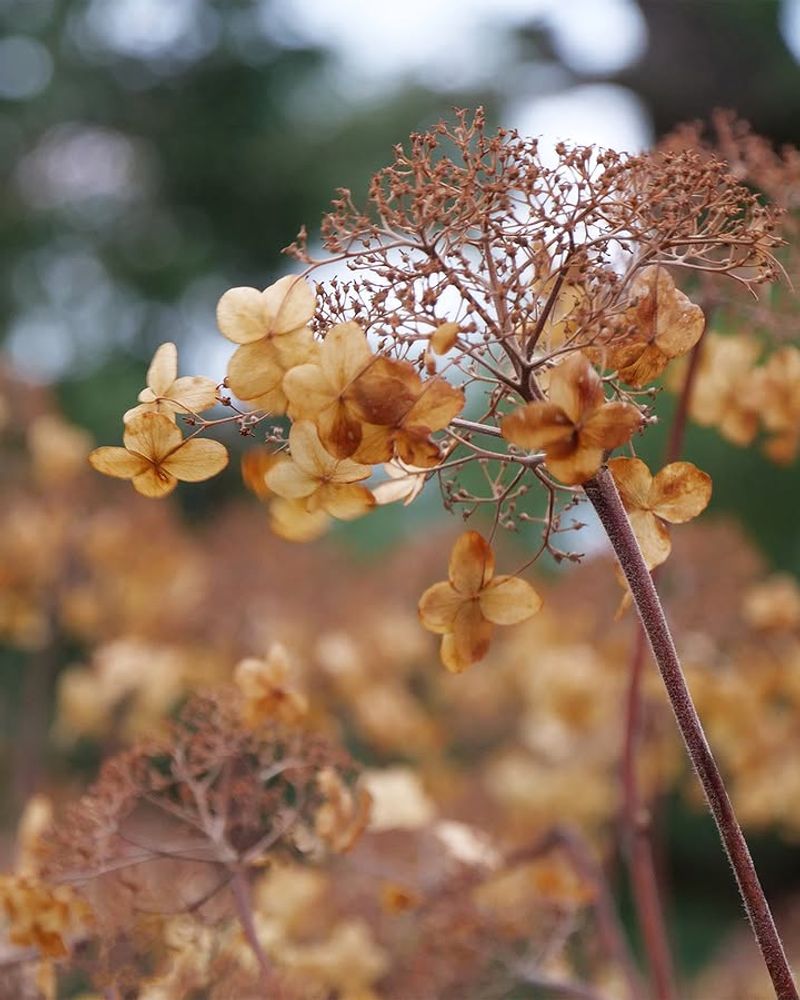
Not every cold snap looks dramatic. Sometimes temperatures just dip a few degrees below freezing for a night or two, and that is enough to quietly ruin the flower buds on a hydrangea.
This kind of subtle cold damage is tricky because the plant itself looks fine. The leaves come back green and healthy in spring, but the buds are already gone.
Bigleaf hydrangeas are especially sensitive to this. They are one of the most popular types planted in Oregon, and unfortunately, they are also among the most vulnerable to cold.
Their buds sit exposed on the canes all winter, and temperatures below about 5 degrees Fahrenheit can be enough to cause serious damage. Even a stretch of nights in the low twenties can take a toll.
One way to protect against this is to choose hydrangea varieties that are bred to be cold-hardy.
Varieties like Endless Summer or Incrediball are designed to bloom on both old and new wood, so even if the old buds are lost to cold, the plant can still produce flowers later in the season.
Oregon gardeners who switch to these newer varieties often notice a big improvement in their bloom count from one year to the next.
5. Leaves Over Blooms
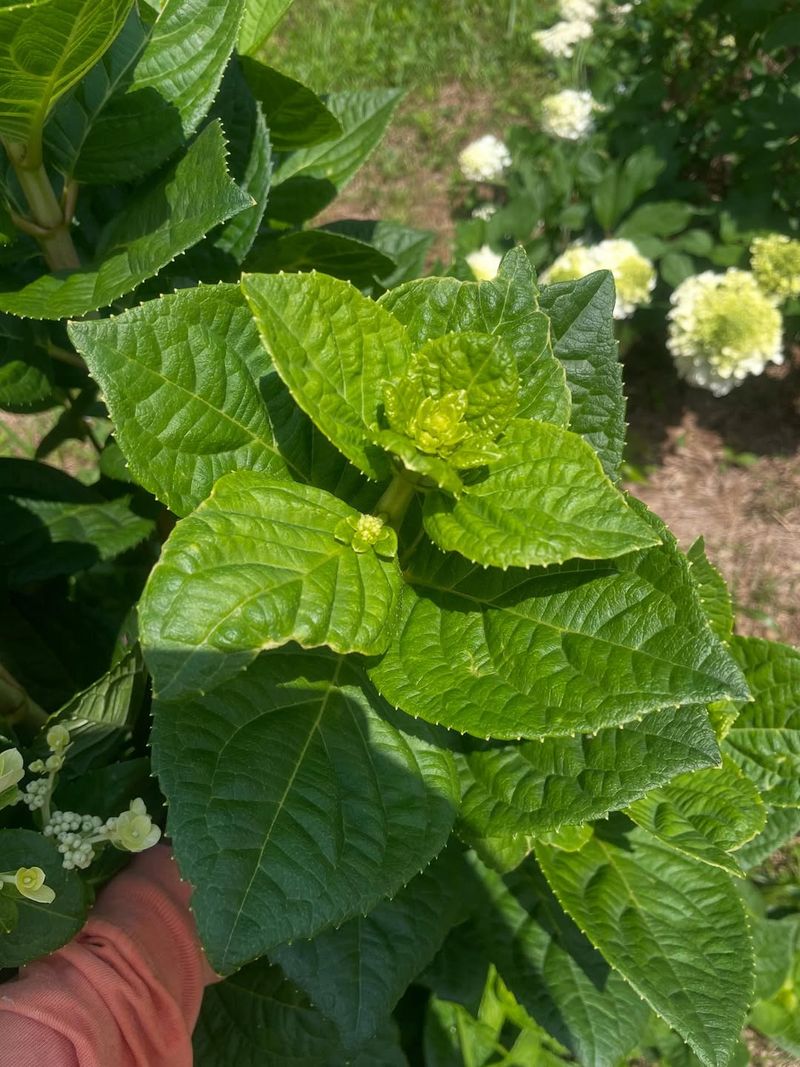
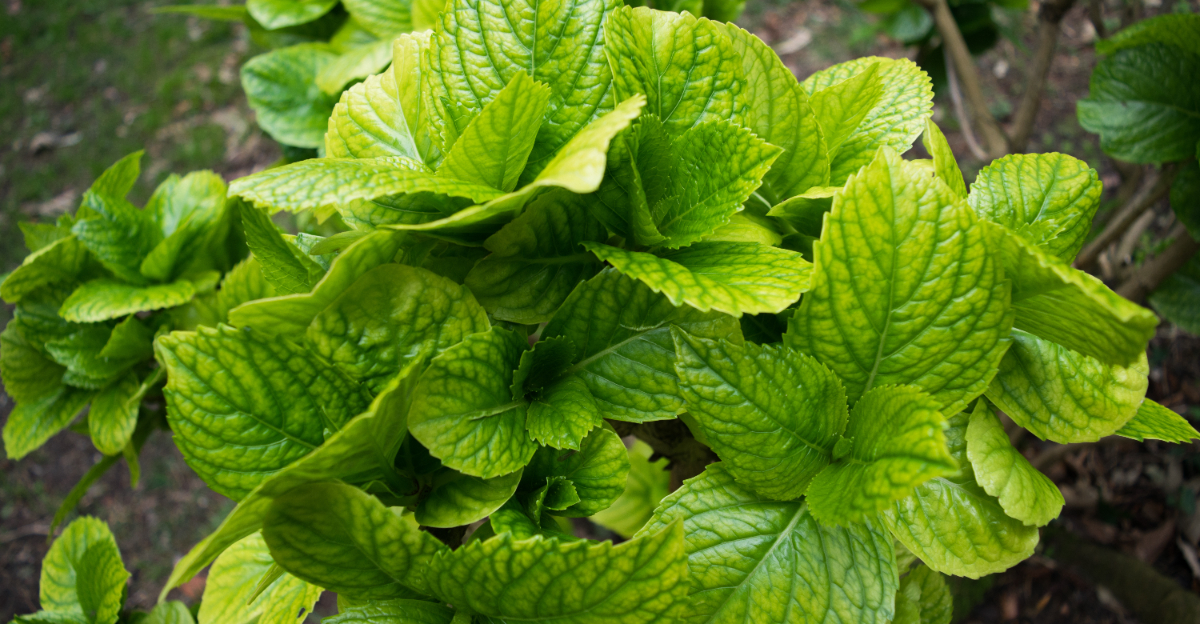
Sometimes a hydrangea looks absolutely stunning, full of big green leaves, but not a single flower shows up. This can feel confusing, but there is usually a clear reason behind it.
Too much nitrogen in the soil pushes the plant to grow lots of leafy green growth instead of putting energy into flowers. Nitrogen is great for leaves, but it actually works against blooming.
Oregon soils can be naturally rich in some areas, and if you are adding a general-purpose fertilizer on top of that, you might be overloading the plant with nitrogen without realizing it.
Gardeners in the Pacific Northwest sometimes fertilize generously because of the heavy rainfall that can wash nutrients away, but with hydrangeas, that approach can backfire.
Switch to a fertilizer that is lower in nitrogen and higher in phosphorus. Phosphorus supports root development and flower production, which is exactly what you want.
Look for a fertilizer labeled for flowering shrubs or one with a higher middle number on the label, like 5-10-5. Feeding your hydrangea in early spring and again in early summer with the right blend can shift its energy away from leaves and toward the blooms you have been waiting all season to enjoy.
6. Wrong Type Planted
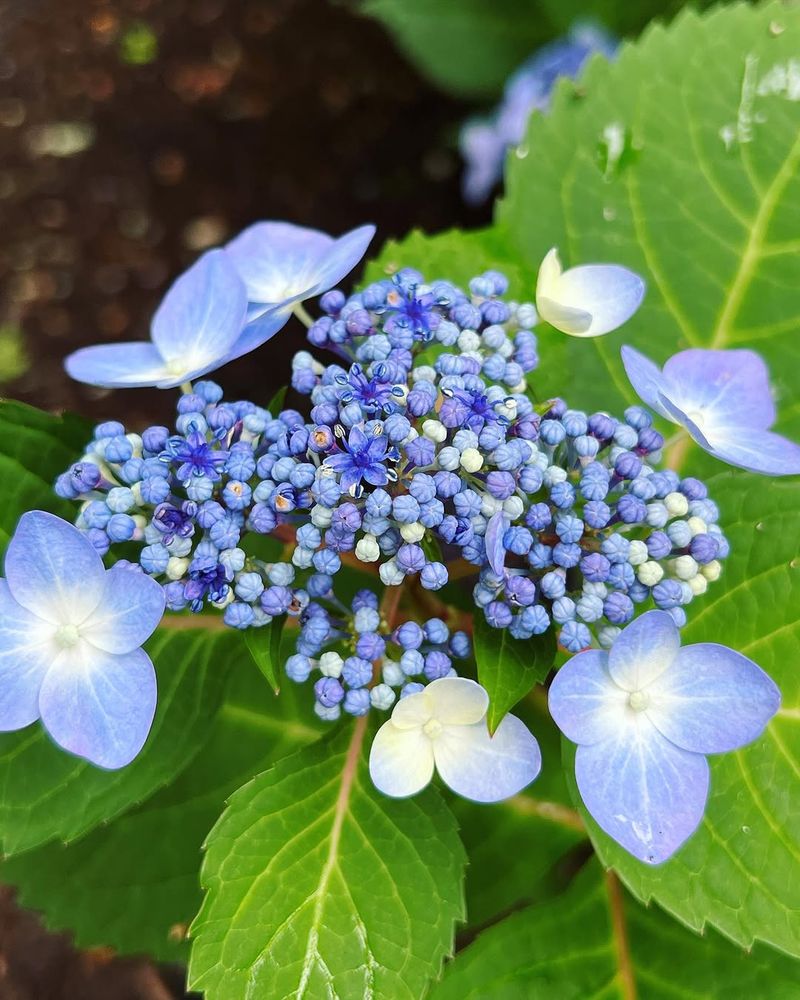
Not all hydrangeas are built for Oregon weather. Picking the wrong variety for your specific location can mean years of disappointing blooms no matter how well you care for the plant.
Oregon has a wide range of climates, from the mild and rainy coast to the cold winters of eastern Oregon and the variable temperatures of the Willamette Valley. What works in one area might struggle in another.
Bigleaf hydrangeas, which are among the most popular sold in garden centers, are actually not the most cold-hardy choice for many parts of Oregon. They look gorgeous in the store, but they were often bred for milder climates.
When planted in areas that experience harsh winters or late spring frosts, they frequently lose their buds and produce weak or no blooms.
Before buying a hydrangea, do a little research on what grows well in your specific part of Oregon. Panicle hydrangeas and smooth hydrangeas tend to be much more cold-tolerant and reliable bloomers across the state.
Ask your local nursery which varieties perform best in your zip code. Choosing the right plant from the start saves you years of frustration and gives your garden the best possible chance of putting on a spectacular summer show.
7. Cold Damaged Canes
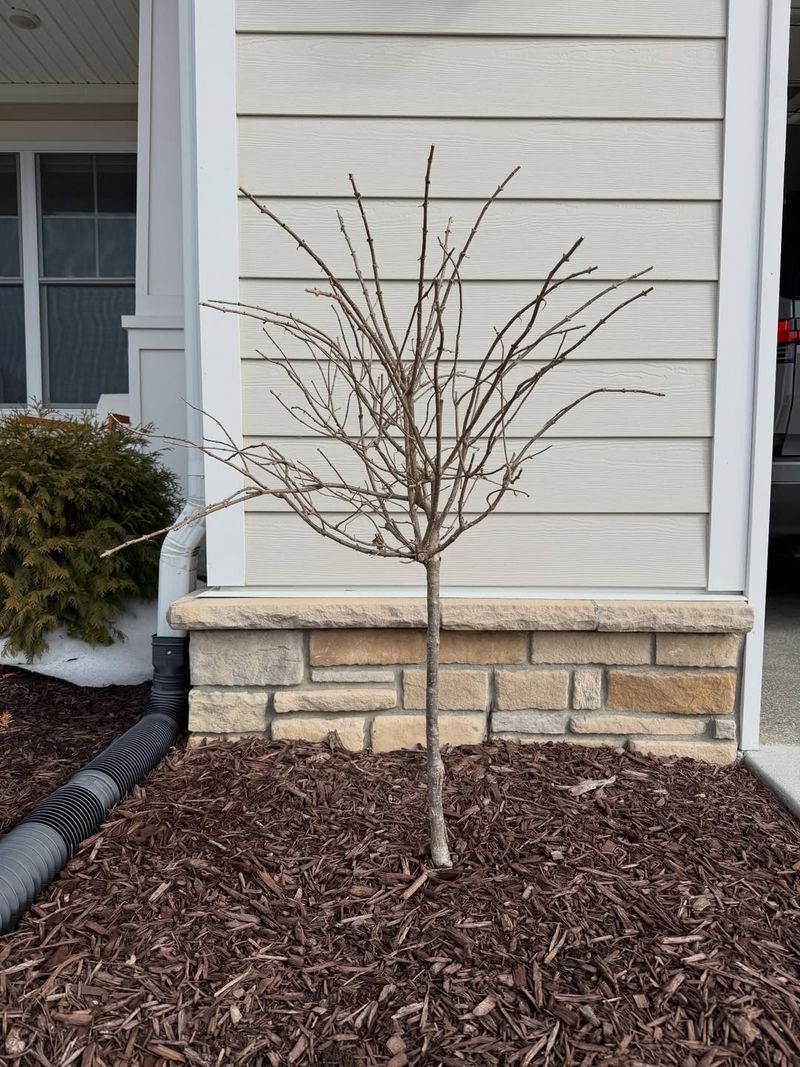
Woody canes might look tough, but they are more fragile than most people expect during a hard Oregon winter. When temperatures stay very low for extended periods, the canes themselves can freeze from the inside out.
This kind of damage is not always obvious at first glance. The canes might still look intact, but inside they are brown and hollow, unable to carry water and nutrients up to the buds.
You can check for this by making a small cut into a cane in early spring. If the inside is green, the cane is healthy.
If it is brown or dry, that cane is not going to support any new growth or flowers. Cutting back damaged canes to healthy wood encourages the plant to send energy where it can actually do some good.
Oregon gardeners who mulch heavily around the base of their hydrangeas in late fall tend to have better luck protecting the lower canes from freezing.
A thick layer of straw, wood chips, or shredded leaves insulates the root zone and keeps the base of the plant a bit warmer through the coldest months.
Healthy canes at the base mean the plant has a better foundation for pushing out strong new growth and producing flowers when warm weather finally arrives.
8. Healthy But Not Flowering
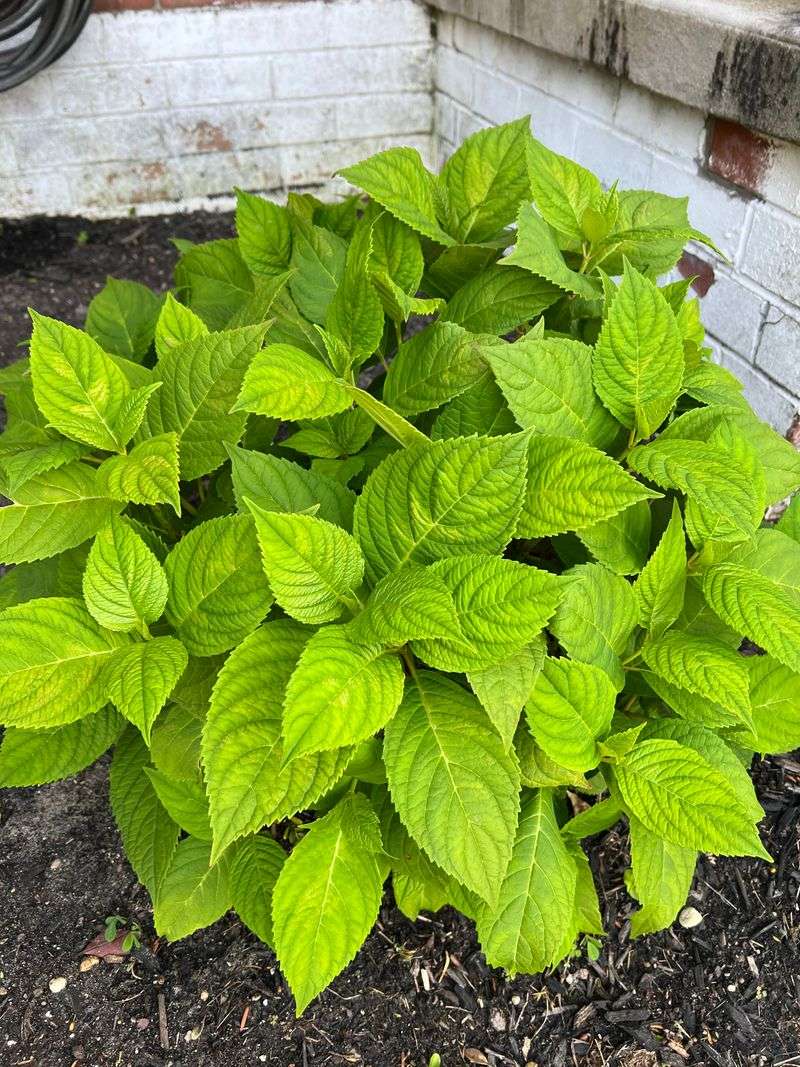
A hydrangea that looks perfectly healthy but refuses to bloom can be one of the most frustrating things in the garden. The plant is clearly alive, the leaves are green and lush, and yet there is not a single flower bud in sight.
This situation has a few possible causes, and most of them are fixable once you figure out what is going on.
One common cause is too much shade. Hydrangeas need several hours of sunlight each day to produce flowers.
In Oregon, where trees grow fast and canopies fill in quickly, a spot that was sunny a few years ago might now be mostly shaded. Not enough light means not enough energy for blooming.
Try to give your plant at least four to six hours of morning sun each day.
Another possibility is that the plant is still young. Newly planted hydrangeas sometimes spend their first year or two putting energy into root establishment rather than flowering.
That is completely normal. Give a young plant time to settle in, keep it well-watered through Oregon’s dry summers, and be patient.
Once the roots are strong and the plant feels secure in its spot, blooming usually follows. A little extra patience goes a long way with these beautiful shrubs.