9 Flowers To Plant During Early Spring In Pennsylvania For Long Blooms
Early spring in Pennsylvania is the perfect time to start planning a colorful garden that keeps blooming for months. Choosing the right flowers now can give your garden a head start, ensuring vibrant blooms well into summer.
Cool mornings, warming soil, and longer days create ideal conditions for hardy flowers that love spring weather.
Some varieties planted early develop strong roots and healthy growth, producing blossoms that last longer than flowers planted later. Perennials, bulbs, and cool-season annuals can offer a mix of textures and colors, filling beds, borders, and containers with lasting beauty.
Early planting also allows blooms to take full advantage of the spring sun and mild temperatures, making them stronger and more resilient against pests or sudden weather changes.
By selecting flowers suited for early spring planting, Pennsylvania gardeners can enjoy a garden full of vibrant color, long-lasting blooms, and a lively outdoor space that carries them through the season.
1. Pansies
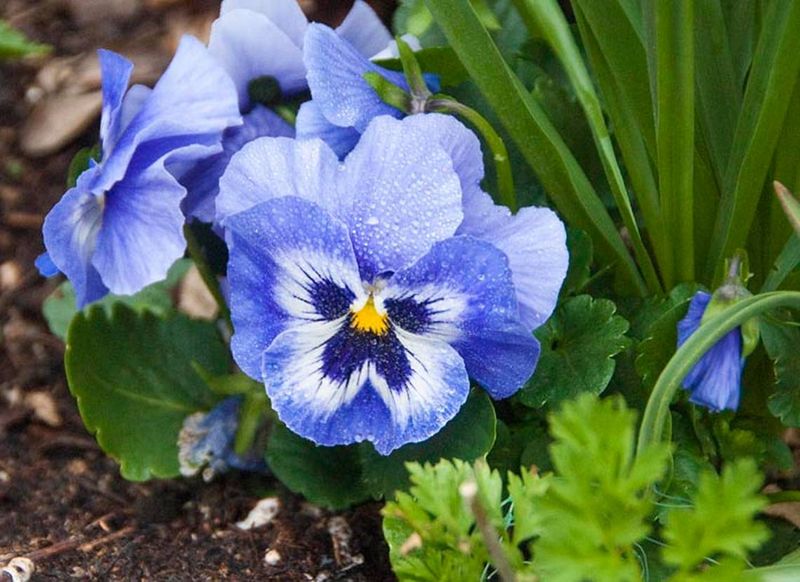
Few flowers are as cheerful and tough as pansies. These little bloomers are famous for their bright, face-like flowers that come in almost every color you can imagine.
What makes them truly special is their ability to handle cold weather that would slow down most other flowers.
In Pennsylvania, pansies can be planted as soon as late February or early March. They actually prefer cool soil and cool nights, which makes them perfect for the early spring season here.
You can find them at most garden centers even before the last frost date, and they will keep blooming well into late spring.
Pansies work beautifully in containers, window boxes, and garden borders. They look stunning when planted in groups with multiple colors together.
Because they are low-growing plants, they are great for edging pathways or filling in spaces around taller plants.
Water them regularly but do not let the soil get soggy. Deadheading, which means removing spent flowers, will encourage more blooms to form.
If summer heat arrives and they slow down, do not worry. Many gardeners in Pennsylvania replant pansies again in the fall for a second round of color. They are truly one of the most versatile and rewarding flowers you can grow.
2. Snapdragons
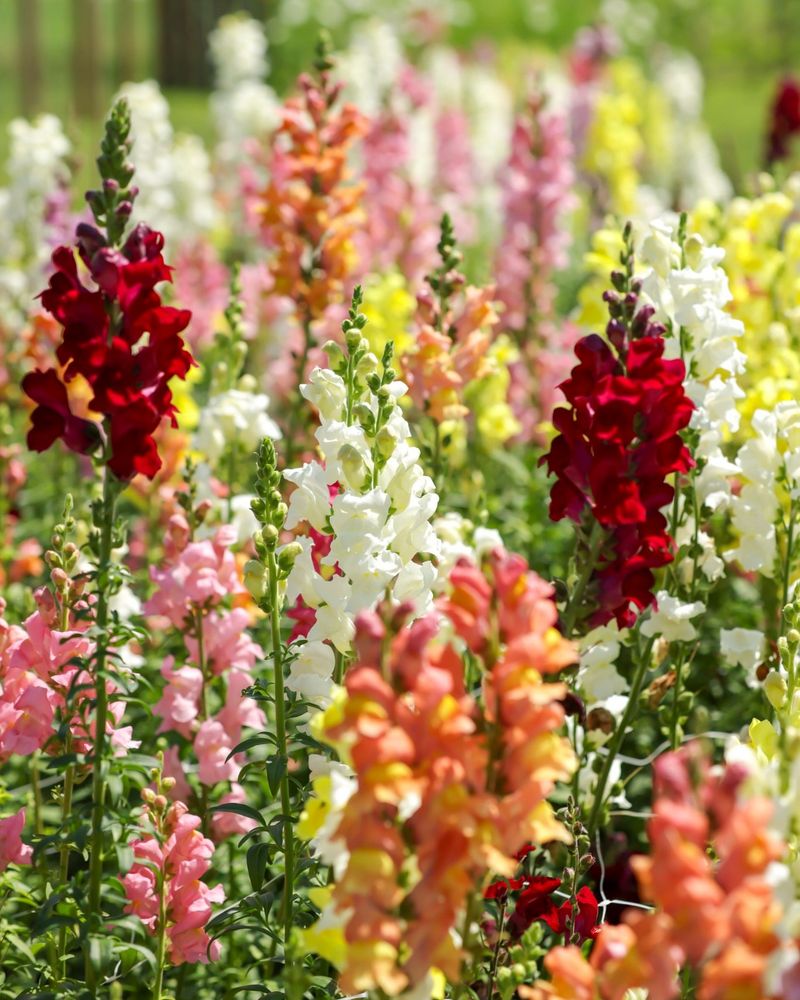
Snapdragons have a fun secret. If you gently squeeze the sides of the flower, it opens and closes like a little mouth.
Kids and adults alike love this quirky feature, but there is so much more to appreciate about this beautiful cool-season annual.
In Pennsylvania, snapdragons can be planted in early spring because they tolerate light frost without any trouble. They thrive in the cool temperatures that April and May bring to the region.
As the weather warms, they keep blooming right into early summer, giving you weeks of gorgeous vertical color in your garden beds.
These flowers grow upright and tall, which makes them fantastic for adding height and drama to any planting area. They come in a huge range of colors including red, pink, white, yellow, and deep purple. Plant them in groups for the best visual impact.
Your Pennsylvania Garden Changes Every Week. Your Plan Should Too.
Gardening in Pennsylvania changes quickly throughout the season. Every Friday you’ll receive a simple weekly plan showing exactly what to plant, prune, fertilize, harvest, and protect so you never miss the right timing.
Snapdragons prefer full sun and well-drained soil. Water them at the base of the plant to avoid getting the leaves wet, which can cause disease.
Pinching off the top of young plants encourages bushier growth and more blooms. Once the summer heat peaks in Pennsylvania, they may slow down a bit.
But with proper care, many gardeners see a second flush of blooms when cooler fall temperatures return.
3. Dianthus
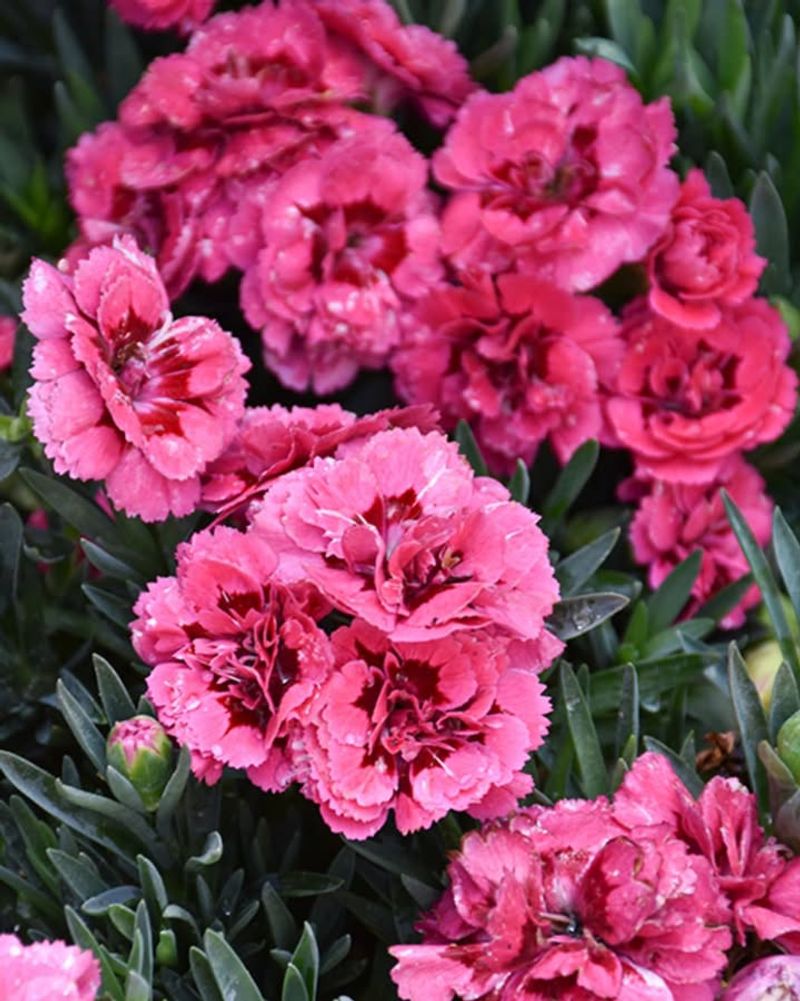
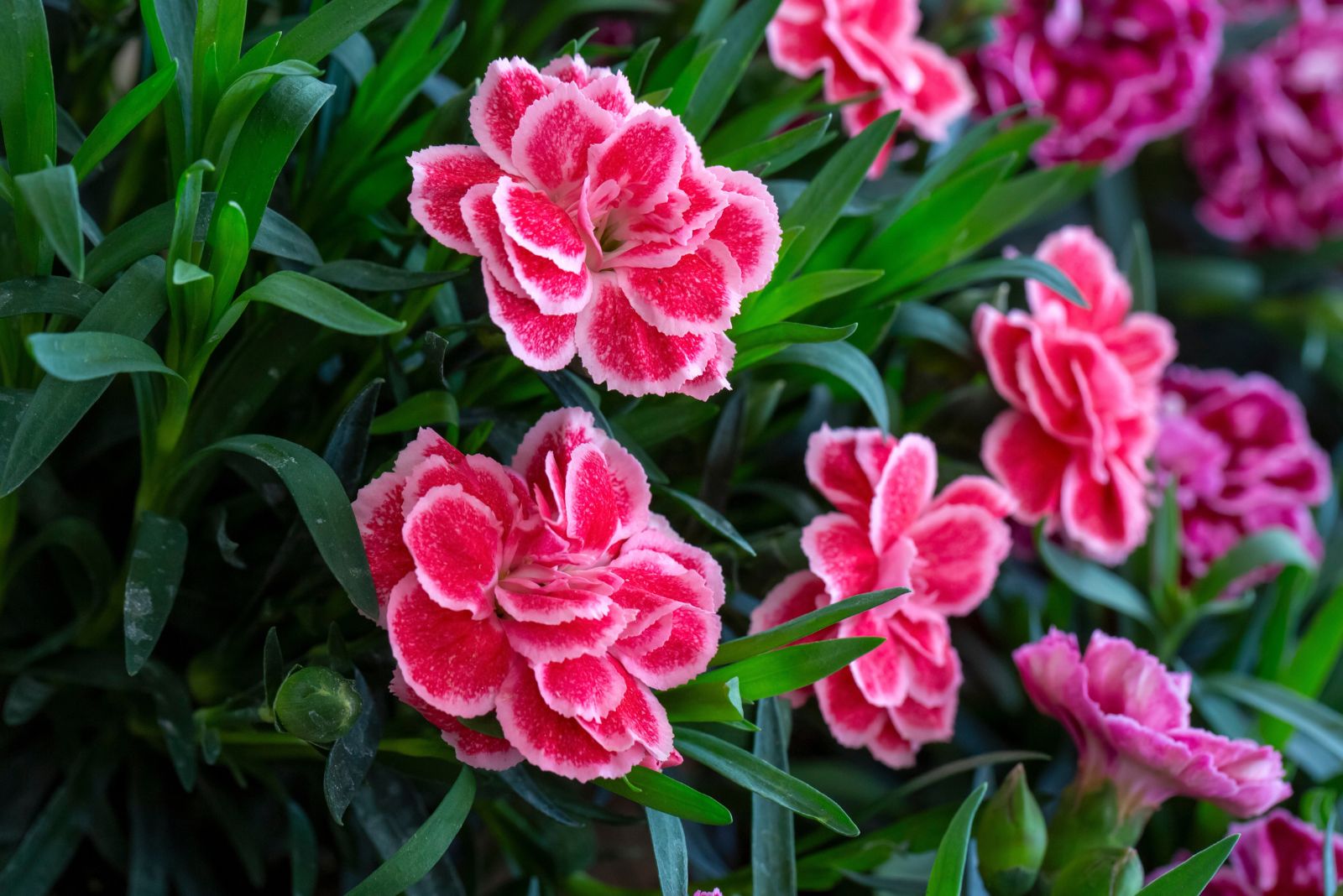
Walk past a patch of dianthus in bloom and you might catch a faint, sweet, spicy scent drifting through the air.
Often called pinks or carnations, dianthus is a cold-hardy perennial that has been loved by gardeners for hundreds of years. Its history goes back to ancient Greece, where it was considered the flower of the gods.
Pennsylvania gardeners can plant dianthus in early spring without worrying too much about cold snaps. This plant is tough and handles cool temperatures with ease.
Many varieties will reward you with blooms right in early spring, and some will even rebloom later in the season if you keep up with deadheading the spent flowers.
One of the best things about dianthus is how compact and tidy it grows. It stays low to the ground, making it a great choice for borders, rock gardens, and container plantings.
The flowers come in shades of pink, red, white, and bi-colors, often with beautifully fringed petals that add an elegant touch.
Dianthus is also very low maintenance. It prefers full sun and well-drained soil, and once established, it does not need a lot of extra attention.
Avoid overwatering, as wet roots can cause problems. For Pennsylvania gardeners looking for a reliable, long-blooming, and fragrant perennial, dianthus is a fantastic choice that comes back year after year.
4. Black-Eyed Susan
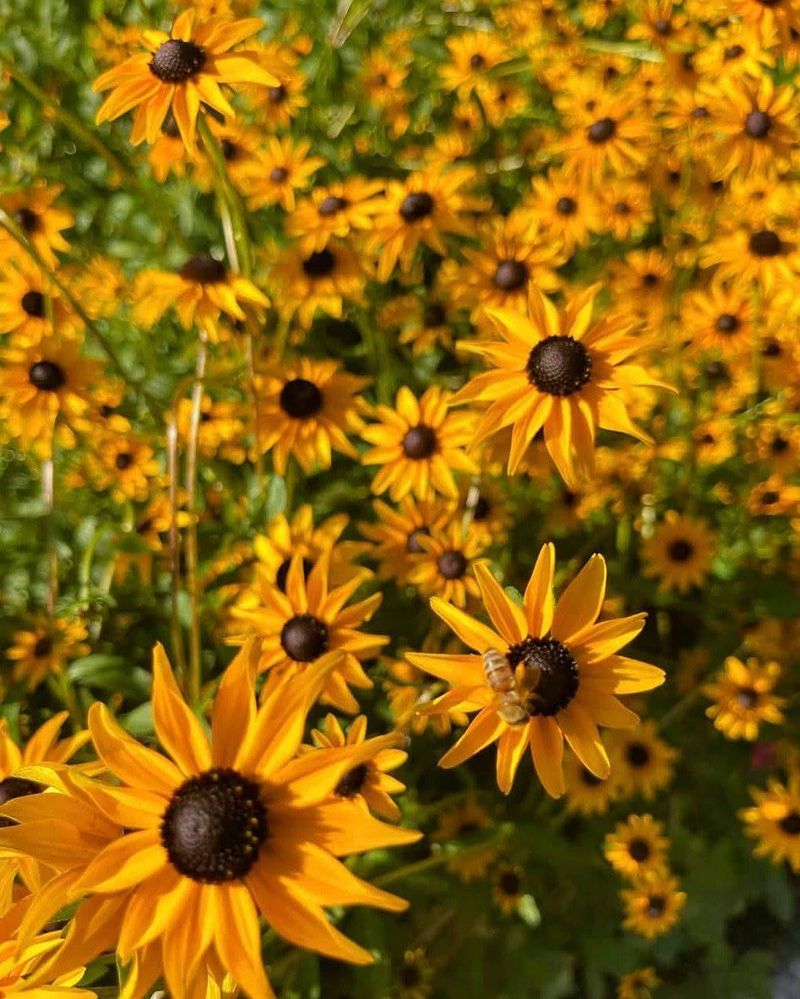
Bold, sunny, and completely at home in Pennsylvania, black-eyed Susans are one of the most iconic wildflowers in the eastern United States.
Their bright yellow petals surrounding a deep brown center make them instantly recognizable and absolutely stunning in any garden setting.
Although they are known as summer bloomers, the trick is to plant them in early spring. Getting them in the ground early gives them time to develop a strong root system, which leads to more vigorous blooming from summer all the way into fall. That is a long season of color that is hard to beat.
Black-eyed Susans are native plants, which means they are naturally suited to Pennsylvania’s climate and soil conditions.
They are also incredibly drought tolerant once they get established, so you will not need to water them constantly during hot summer months. Pollinators like bees and butterflies absolutely love them.
Plant them in a sunny spot with well-drained soil. They are not picky about soil quality and actually do well in average or even slightly poor soil.
They spread over time, filling in garden spaces beautifully. If you want to keep them contained, simply divide the clumps every few years.
For a low-effort, high-reward flower that supports local wildlife in Pennsylvania, black-eyed Susans are a top pick every single time.
5. Purple Coneflower (Echinacea)
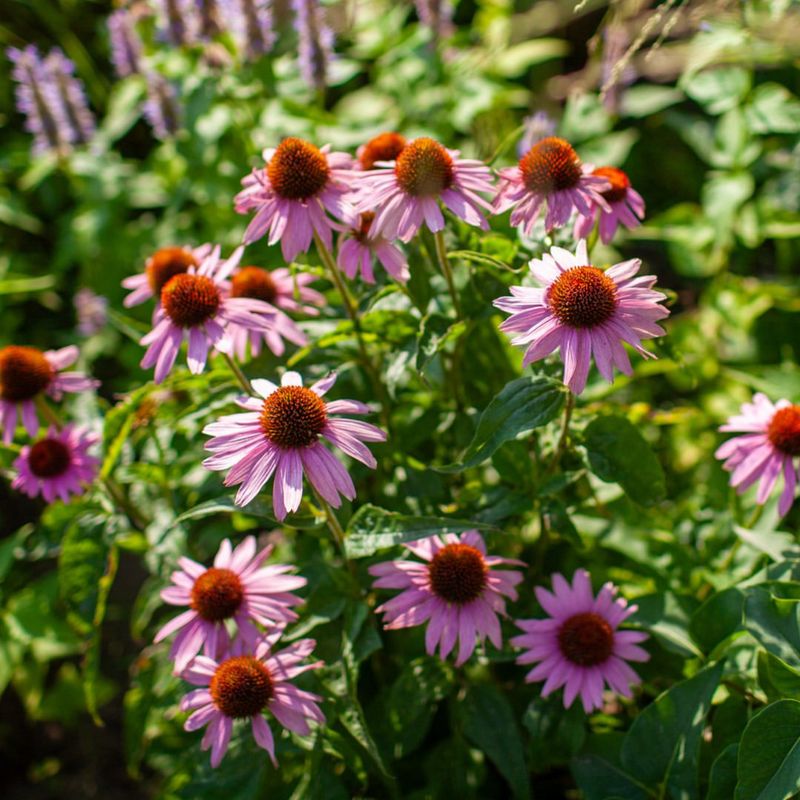
Purple coneflower, also known as echinacea, is one of the hardest-working perennials you can grow in Pennsylvania. It is not just beautiful but also incredibly useful.
Echinacea has been used in herbal medicine for centuries, and the flowers are a magnet for butterflies, bees, and even goldfinches that eat the seeds in fall.
Plant echinacea in early spring and it will reward you with blooms from early summer all the way through late summer. That is an impressively long flowering period for any garden plant.
Once established, it is extremely low maintenance and comes back stronger every year without much help from you at all.
The flowers have a distinctive look with drooping purple-pink petals surrounding a spiky orange-brown center cone. They stand tall and proud in the garden, often reaching two to four feet in height.
They work well as a backdrop for shorter plants or as a centerpiece in a mixed perennial border.
Full sun and well-drained soil are all echinacea really needs to thrive in Pennsylvania. It handles summer heat and humidity like a champion.
Avoid cutting back the seed heads in fall if you want to attract birds to your garden through the winter months. With its stunning looks and wildlife appeal, purple coneflower is a must-have for any Pennsylvania garden that values both beauty and function.
6. Coreopsis (Tickseed)
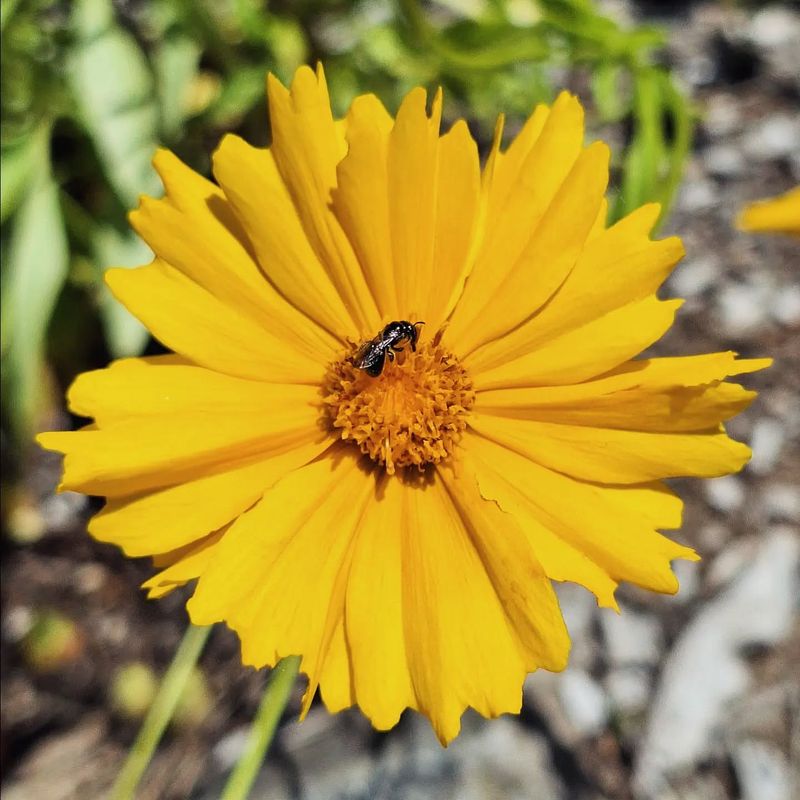
If you have ever wanted a flower that just keeps going and going all season long, coreopsis is your answer.
Nicknamed tickseed, this cheerful perennial produces waves of bright daisy-like flowers from late spring right through summer. It is one of the longest-blooming perennials you can plant in Pennsylvania.
The real benefit of planting coreopsis in early spring is root development. When you get it in the ground while temperatures are still cool, the plant spends its energy building a deep, strong root system.
By the time warm weather arrives, it is ready to burst into bloom with incredible energy and fullness.
Coreopsis handles Pennsylvania summers well because it is both heat tolerant and drought tolerant. Once established, it can go longer periods without rain and still look great.
The feathery foliage adds texture to the garden even when the plant is not in full bloom, which is a nice bonus.
Plant it in full sun for the best results. Coreopsis is not fussy about soil as long as it drains well.
Deadheading regularly will keep the blooms coming in strong waves. There are many varieties available, from classic yellow to rosy pink and bi-colored options.
For Pennsylvania gardeners who want reliable, long-lasting color with very little fuss, coreopsis is one of the smartest choices you can make for your spring planting list.
7. Salvia (Hardy Perennial Types)
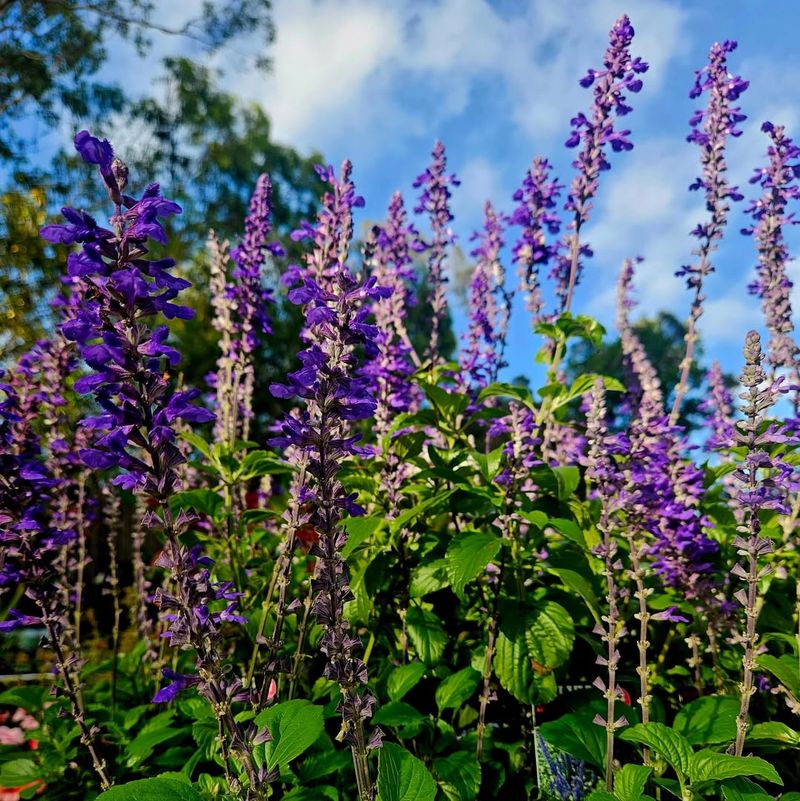
There is something almost magical about a row of salvia in full bloom. The tall spikes of deep blue, purple, or red flowers seem to glow in the summer sun, and pollinators cannot get enough of them.
Hardy perennial salvia is one of the best investments a Pennsylvania gardener can make.
Planting salvia in early spring gives it a strong head start before the summer heat arrives. Pennsylvania summers can get warm and humid, but hardy salvia handles those conditions remarkably well.
Once it settles in, it blooms from summer onward and continues producing flowers for a long stretch of the season.
One of the coolest things about perennial salvia is that deadheading spent blooms can trigger a second or even third flush of flowers. That means more color for your garden with just a little extra effort from you.
Some varieties like May Night and Caradonna are especially popular among Pennsylvania gardeners for their reliability and long bloom period.
Salvia thrives in full sun and well-drained soil. It is not a fan of wet feet, so avoid planting it in areas where water tends to pool.
Hummingbirds, bees, and butterflies are all regular visitors to salvia blooms, making it a wonderful addition to any pollinator garden.
For anyone in Pennsylvania who wants beautiful flowers that also support local wildlife, hardy perennial salvia deserves a top spot in the planting plan.
8. Hardy Geranium (Cranesbill)
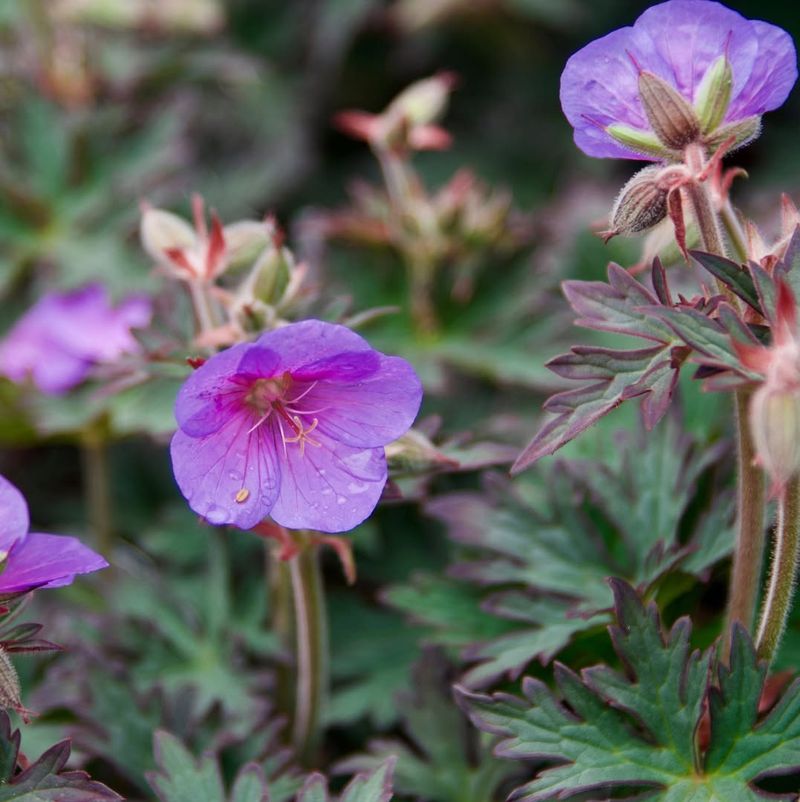
Do not confuse hardy geranium with the bright red annual geraniums you see in hanging baskets. The hardy cranesbill geranium is a completely different plant, and once you get to know it, you will wonder why you ever overlooked it.
This tough perennial is one of the most adaptable and easygoing flowers you can grow in Pennsylvania.
Plant it in early spring and it will reward you with delicate blooms in shades of lavender, blue, pink, and white from late spring right into summer.
Unlike many perennials, hardy geranium actually tolerates part shade, which makes it incredibly useful for spots under trees or along the north side of a house where other flowers struggle.
The foliage is another selling point. The deeply lobed leaves are attractive all season long and often turn shades of red and orange in the fall, giving you an extra pop of seasonal color.
Hardy geranium spreads gradually over time, filling in garden spaces without becoming aggressive or invasive.
It prefers well-drained soil and does well in both full sun and partial shade. Water it regularly until it gets established, then it becomes quite self-sufficient.
Cutting it back after the first flush of blooms often encourages a fresh round of flowers. For Pennsylvania gardeners dealing with tricky shady spots, hardy cranesbill geranium is a reliable and beautiful solution that performs season after season.
9. Shasta Daisy
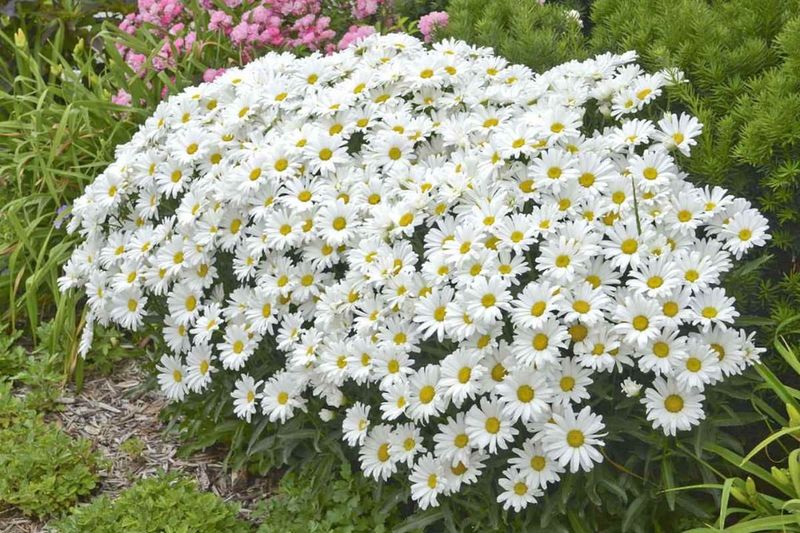
Bright white petals surrounding a cheerful yellow center, the Shasta daisy is the kind of classic garden flower that never goes out of style. It has a timeless, cottage-garden charm that works beautifully in both formal and casual garden settings across Pennsylvania.
Planting Shasta daisies in early spring is the best way to set them up for success. Getting them established while the soil is still cool allows their roots to spread out before the heat of summer arrives.
By early to mid-summer, they reward you with long-lasting blooms that stand tall and look stunning in the garden or in a vase on your kitchen table.
These are hardy perennials, meaning they come back every year in Pennsylvania without needing to be replanted.
Each year the clumps grow larger and produce even more flowers than the year before. Dividing the clumps every two to three years keeps them healthy and vigorous.
Shasta daisies love full sun and need well-drained soil to perform their best. Deadhead the spent flowers regularly to encourage continuous blooming throughout the season.
They pair beautifully with black-eyed Susans, coneflowers, and salvia in a mixed perennial border.
If you are building a low-maintenance, high-impact garden in Pennsylvania, Shasta daisies belong on your must-plant list without any doubt. They are simple, stunning, and absolutely dependable year after year.