Plant More Of These To Keep Your Arizona Garden Beautiful Through Drought
Summers in Arizona put every garden to the test. Sunlight stretches late into the evening, soil loses moisture quickly, and long dry spells can settle in for weeks.
Plants that once looked lush may begin to appear dull, strained, and worn under constant heat.
That change does not signal poor gardening. It often points to a simple mismatch between plant choices and desert conditions.
Landscapes across Phoenix, Tucson, and nearby communities thrive when they reflect the climate around them.
Varieties with silvery foliage, deep roots, and bloom cycles adapted to arid seasons handle heat and dry air with remarkable resilience. Water wise plantings still deliver color, texture, and movement without demanding constant irrigation.
Thoughtful selection eases pressure on both plants and gardeners. Choose well, and a garden can remain vibrant and inviting even during long dry stretches when rainfall stays scarce and the hose rests quietly by the wall.
1. Brittlebush Thrives In Arizona’s Intense Heat And Dry Air
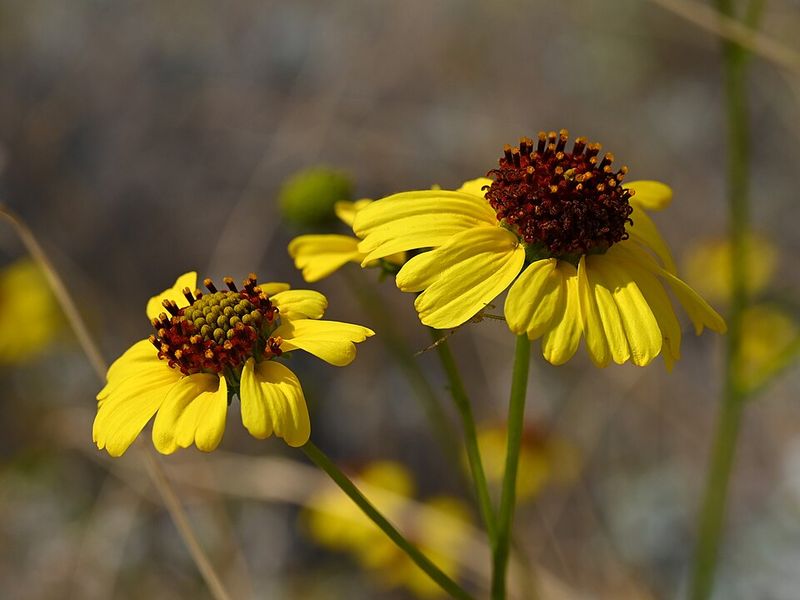
Late winter in Arizona often feels like a quiet turning point in the landscape, and that is when brittlebush begins to glow.
Known botanically as Encelia farinosa, this native Sonoran Desert shrub covers itself in bright yellow, daisy-like blooms just as cooler temperatures start to ease.
The silvery-gray leaves are not just attractive. They reflect sunlight, which helps the plant manage heat and conserve moisture during long dry stretches.
That natural adaptation makes it especially well suited to low-desert communities such as Phoenix and Yuma.
Mature plants typically grow between 2 and 5 feet tall and wide, forming rounded mounds that blend easily into gravel beds and water-wise borders.
Full sun encourages the strongest bloom display, while sharply draining soil protects the roots through monsoon season. Heavy clay or consistently wet areas can reduce vigor over time.
Once established, brittlebush relies mostly on seasonal rainfall and needs only occasional deep irrigation during extended drought.
After flowering finishes in spring, trimming the plant back by about one-third helps maintain a compact shape and encourages fresh growth before peak summer heat settles in. Native bees depend on its early nectar, adding ecological value alongside visual impact.
2. Red Yucca Brings Bold Color With Minimal Water
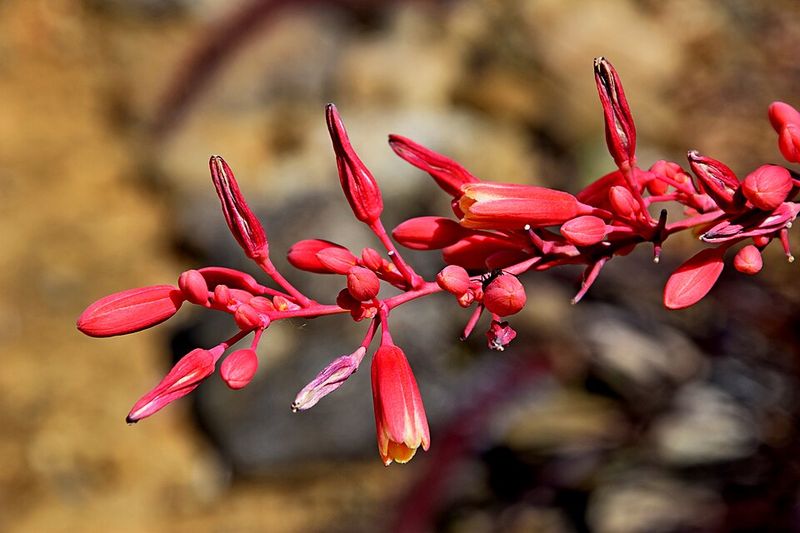
Hummingbirds rarely ignore the tall coral flower spikes of red yucca, especially during late spring when much of the desert begins to heat up.
Botanically known as Hesperaloe parviflora, this plant thrives in full Arizona sun and tolerates reflected heat from driveways, walls, and sidewalks with ease.
Despite the name, it is not a true yucca, though its rugged nature often leads people to assume it is. Arching blue-green leaves form a tidy clump at the base, while the coral-red flower spikes rise dramatically above the foliage during bloom season.
Mature plants typically reach 3 to 4 feet tall and wide, with flower stalks stretching 5 to 6 feet high during peak bloom. In warmer parts of Arizona, flowering can continue into fall.
Your Arizona Garden Changes Every Week. Your Plan Should Too.
Gardening in Arizona changes quickly throughout the season. Every Friday you’ll receive a simple weekly plan showing exactly what to plant, prune, fertilize, harvest, and protect so you never miss the right timing.
Excellent drainage is essential, as standing water can stress the roots quickly. Rocky, sandy, or decomposed granite soils suit this plant well.
Once established, red yuca needs only occasional deep watering during prolonged dry spells. Young plants benefit from more regular irrigation during their first growing season to help roots settle in.
Removing spent flower stalks keeps the plant tidy, though many gardeners leave them standing for birds that use them as perches.
3. Desert Marigold Keeps Blooming During Long Dry Stretches
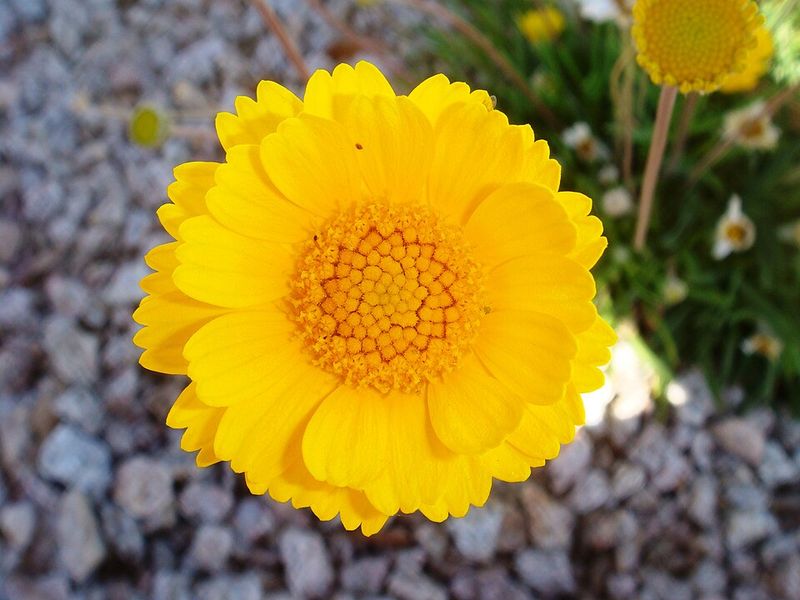
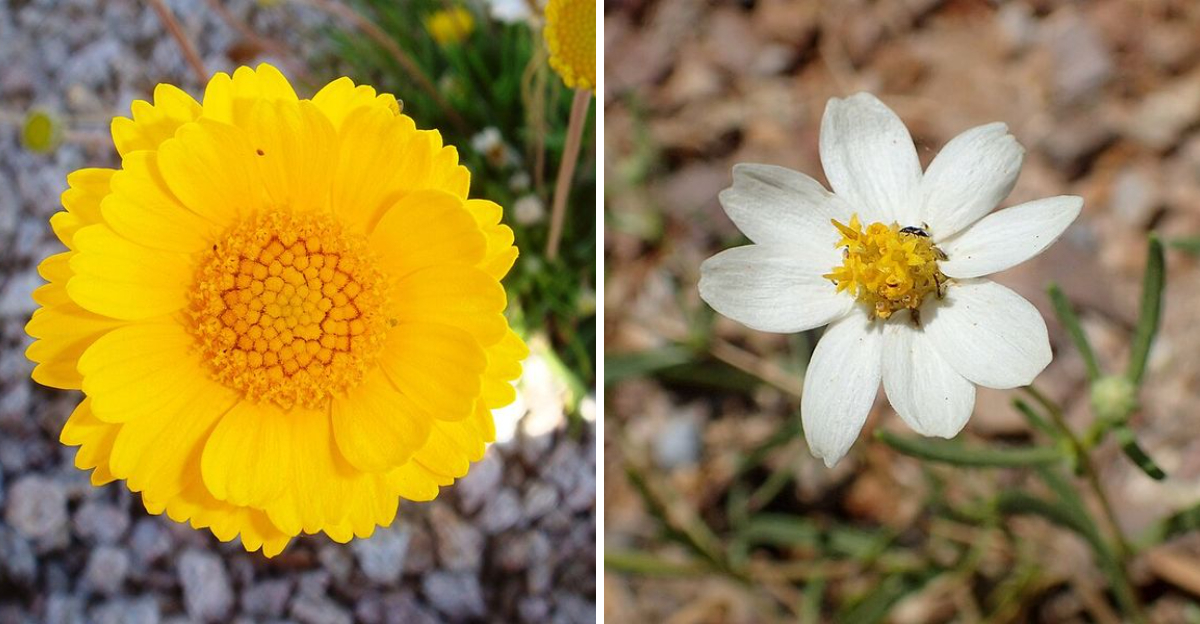
Bright yellow blooms rising above soft silver foliage bring steady color to Arizona gardens for much of the year.
Desert marigold, or Baileya multiradiata, is a native wildflower that handles heat and drought with surprising resilience. Spring usually delivers the strongest flowering display, though blooms often continue into summer and fall in lower desert regions.
Growing about 1 to 2 feet tall and wide, this compact perennial works well in borders, gravel beds, and naturalized areas. Full sun supports the healthiest growth, and soil must drain quickly.
Fine hairs on the leaves reduce moisture loss, helping the plant adapt to Arizona’s dry air and intense light. Heavy clay or consistently damp soil can shorten its lifespan.
Once established, desert marigold often relies on rainfall alone, particularly in southern Arizona. Occasional deep watering during extreme drought may support continued blooming, but frequent irrigation is unnecessary.
The plant also reseeds readily under favorable conditions, gradually forming small clusters over time. Deadheading can extend flowering, though many gardeners find it blooms generously without extra effort.
Butterflies and native bees regularly visit the flowers, adding movement and life during dry months.
4. Mexican Feather Grass Adds Soft Movement In Desert Heat
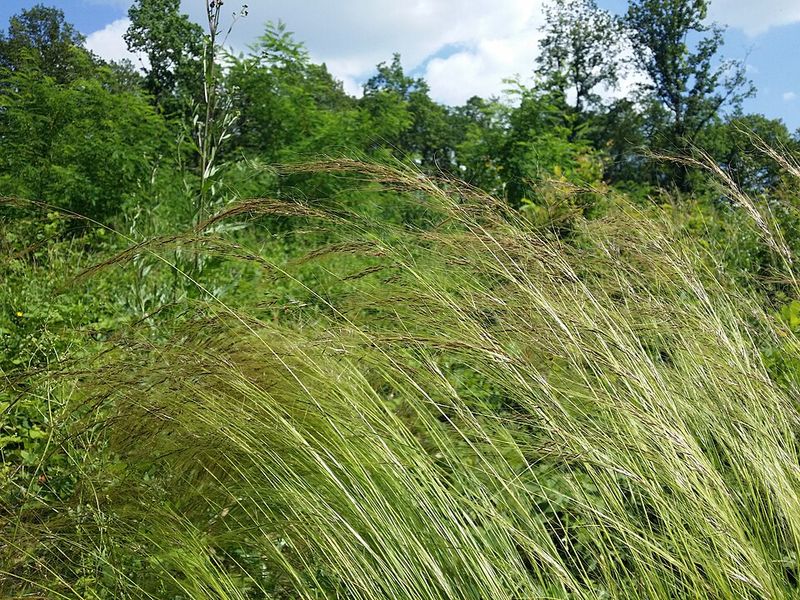
Desert landscapes benefit from contrast, and few plants provide softness like Mexican feather grass.
Known botanically as Nassella tenuissima, this ornamental grass creates a flowing effect that shifts with every breeze. Fine, hair-like blades start out bright green in spring and often take on golden tones as summer heat intensifies across Arizona.
Clumps typically grow 1 to 2 feet tall and wide, making them useful along borders, pathways, and slopes. Full sun is essential for best performance, along with sharply draining soil.
Rocky and sandy sites suit this grass well, while heavy clay can reduce vigor. Overwatering tends to weaken growth more than drought does.
Once established, Mexican feather grass needs minimal supplemental irrigation and often performs well on natural rainfall in many Arizona communities. Gardeners should monitor its spread, as it can reseed under favorable conditions.
Cutting clumps back by about half in late winter encourages fresh, vibrant growth before spring temperatures rise. When paired with bold forms such as desert spoon or agave, the movement of this grass adds balance without increasing water demands.
5. Desert Spoon Brings Architectural Drama To Dry Landscapes
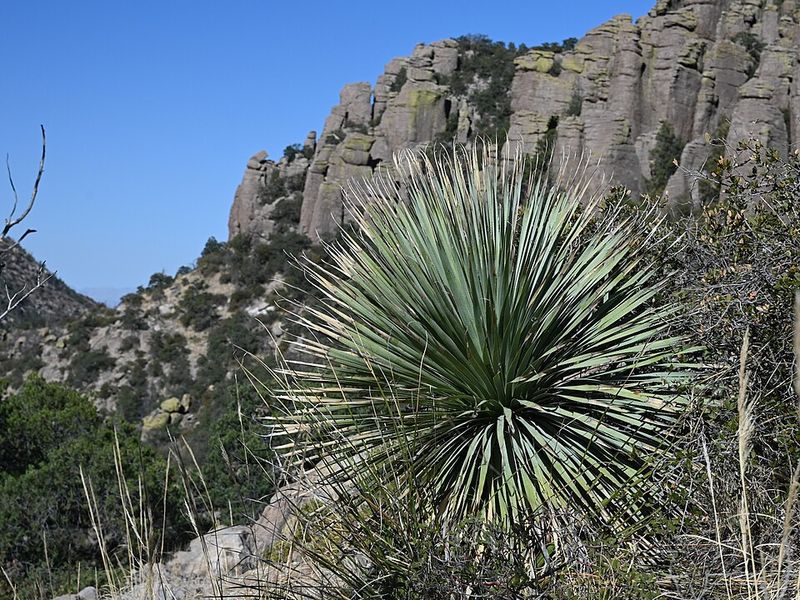
Strong structure often defines successful Arizona landscapes, and desert spoon delivers that structure year-round.
Scientifically called Dasylirion wheeleri, this plant forms a dramatic rosette of long, narrow blue-green leaves edged with small teeth. Each leaf widens slightly at the base, creating the spoon-like shape that gives the plant its name.
Mature specimens typically grow 3 to 5 feet tall and wide, though flower stalks may rise well above the foliage every few years. Full sun supports the strongest growth, and soil must drain quickly.
Native to the Chihuahuan Desert, this species adapts well to Arizona’s dry conditions.
Once established, desert spoon requires very little irrigation beyond occasional deep watering during extended drought. Poor drainage remains the most common cause of decline.
Gravelly or rocky soils help maintain root health. The bold form pairs well with boulders, gravel mulch, and other xeriscape elements.
With minimal seasonal maintenance, desert spoon adds long-lasting visual impact without increasing water use.
6. Turpentine Bush Shines When Fall Heat Lingers
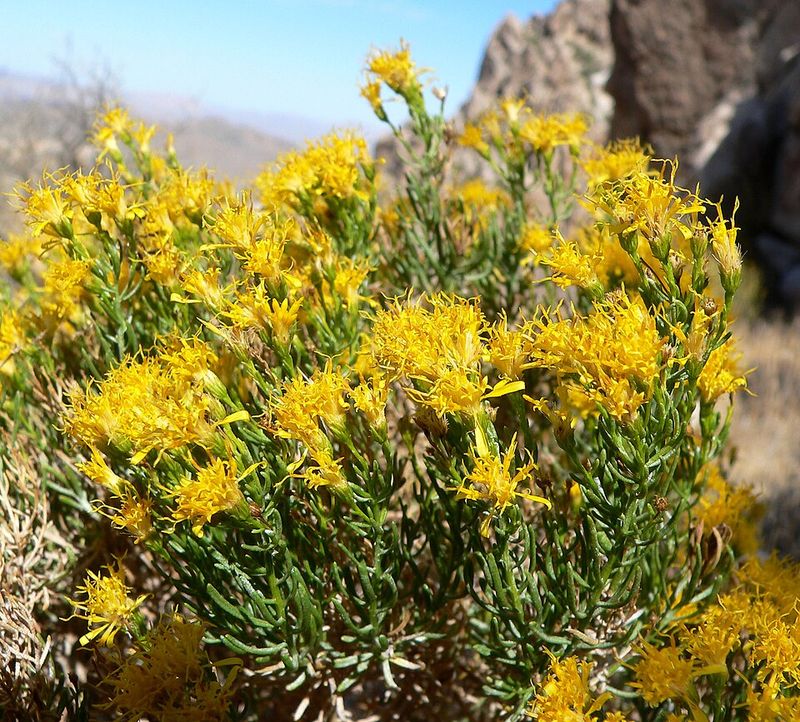
Fall color can feel rare in desert landscapes, which makes turpentine bush especially valuable.
Botanically known as Ericameria laricifolia, this compact shrub bursts into bright yellow bloom from early fall into late autumn. The timing brings nectar to pollinators when many other plants have slowed.
Growing 2 to 4 feet tall and wide, the plant forms a rounded shape with slender, resinous leaves that release a pine-like scent when brushed. Full sun and lean, fast-draining soil produce the best flowering.
Rich soil can reduce bloom density and lead to looser growth.
Once roots establish, turpentine bush needs little supplemental irrigation in Arizona. Rainfall often sustains mature plants, particularly in southern and central regions.
Light pruning after flowering helps maintain a compact form heading into winter. Its steady fall display extends seasonal interest while keeping water needs modest.
7. Blackfoot Daisy Stays Bright In Lean, Rocky Soil
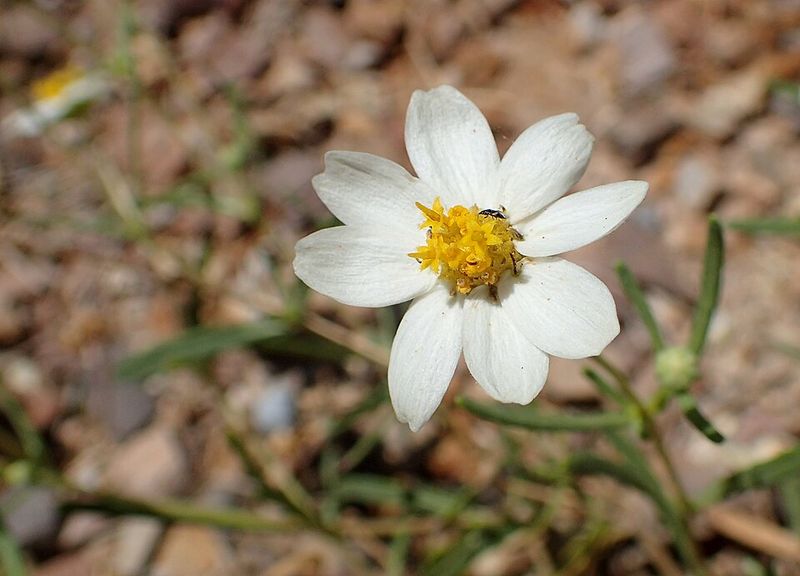
Compact and cheerful, blackfoot daisy offers steady charm in tough conditions. Known botanically as Melampodium leucanthum, it produces small white flowers with golden centers that stand out against gravel and stone.
Spring and fall bring the strongest bloom periods, though lighter flowering may continue through summer depending on local conditions.
Plants typically grow 1 to 2 feet tall and spread to about 2 feet wide, forming rounded mounds. Full sun remains essential, and sharply draining soil supports longevity.
Raised beds or slopes often provide ideal growing sites in Arizona landscapes.
Once established, blackfoot daisy relies largely on rainfall. Excess irrigation can reduce lifespan more than drought does.
A light trim after the spring bloom encourages a fuller plant and renewed flowering when temperatures cool. Its compact size makes it useful along walkways and patio edges where subtle fragrance and seasonal color are appreciated.
8. Apache Plume Handles Dry Conditions With Airy Elegance
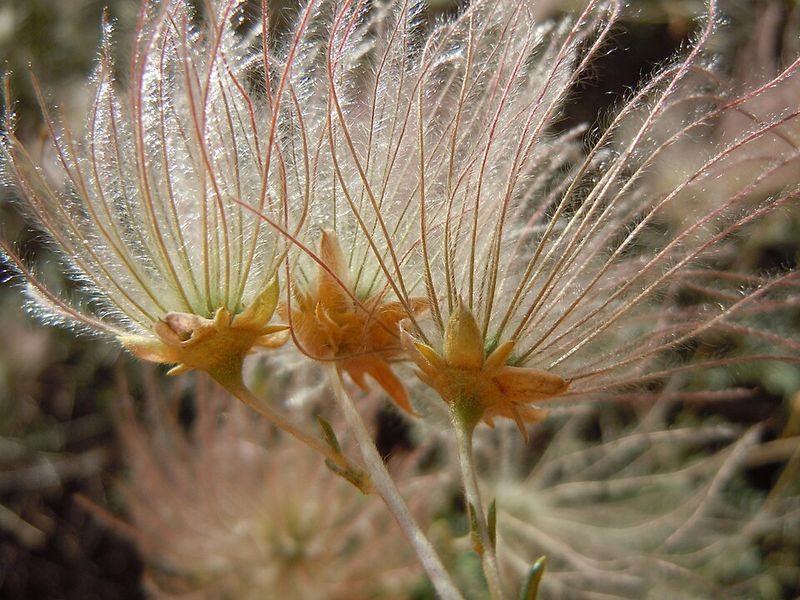
Few shrubs offer as much textural contrast as apache plume. Scientifically named Fallugia paradoxa, this plant produces white, rose-like flowers followed by feathery pink seed plumes that catch the light beautifully.
The layered effect adds movement and softness to Arizona landscapes. Even on still days, the plumes hold visual interest, especially when backlit by late afternoon sun.
In gravel gardens or naturalized areas, that airy texture keeps the space from feeling too rigid or heavy.
Growing 3 to 6 feet tall and wide, apache plume forms an open, multi-stemmed shrub. Full sun and well-draining soil encourage steady growth.
It adapts across elevations, from desert grasslands to higher foothill regions. That flexibility makes it useful in both southern Arizona communities and cooler central areas.
Its open branching structure also allows it to blend easily with native grasses and other drought-adapted shrubs.
Water needs remain low once roots establish. Seasonal rainfall often meets most of its moisture requirements.
The plant may spread gradually through root sprouts, helping stabilize slopes. Minimal pruning maintains its natural shape while supporting healthy growth.
Removing older stems every few years can refresh the plant and encourage stronger flowering without increasing irrigation needs.
9. Lantana Keeps Summer Color Strong In The Low Desert
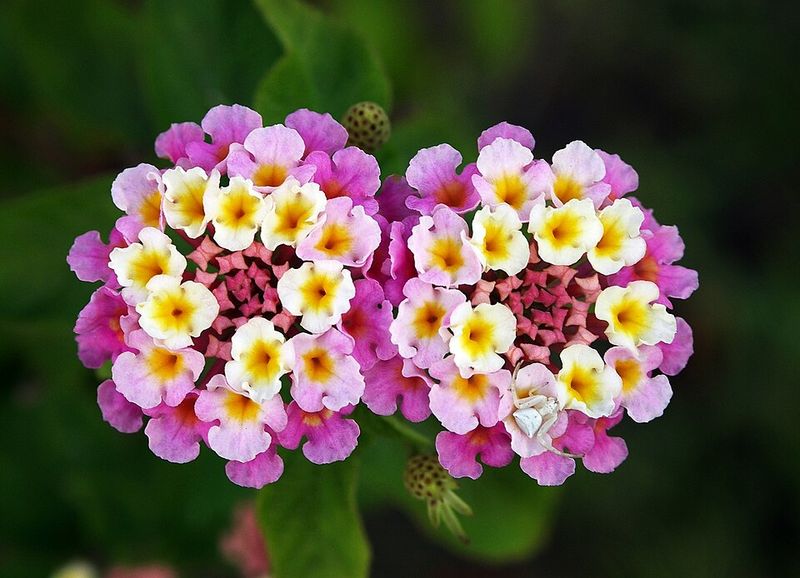
Intense summer heat rarely slows lantana. Known collectively as Lantana species, these plants produce clusters of small flowers that often shift colors as they age. Butterflies frequently visit the blooms, adding movement during hot months.
In Phoenix and other low-desert areas, lantana often becomes one of the few shrubs still flowering steadily in mid-summer. That consistency makes it valuable in landscapes where seasonal color can otherwise fade.
Depending on the variety, plants grow between 2 and 6 feet tall. Full sun supports continuous flowering, and well-draining soil remains essential.
Young plants need consistent watering during establishment. Trailing varieties work well along slopes or retaining walls, while upright forms anchor mixed shrub beds.
Choosing the right type for the space helps maintain balance without overcrowding.
Once mature, Lantana species tolerate extended dry periods with deep, infrequent irrigation. Selecting sterile varieties helps reduce unwanted reseeding near natural areas.
Cutting plants back by about one-third in late winter refreshes growth before the next bloom cycle begins. In colder parts of Arizona, top growth may be damaged by frost, but plants often rebound strongly once temperatures warm.
10. Palo Verde Anchors Arizona Landscapes With Desert Adaptability
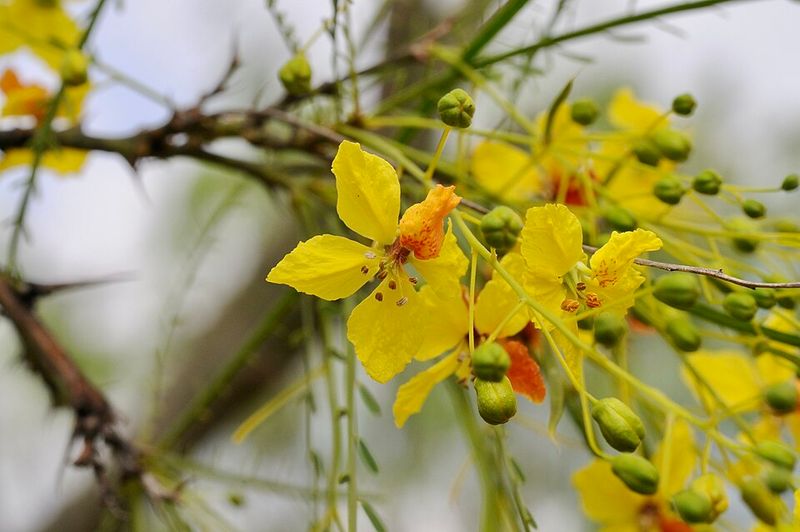
Palo verde trees, belonging to the genus Parkinsonia, define the Arizona landscape. Smooth green bark allows photosynthesis even when leaves drop during dry spells.
Spring brings waves of yellow blossoms that brighten neighborhoods across the low desert. During peak bloom, entire streets can appear washed in gold, creating one of the most recognizable seasonal displays in the state.
Mature trees generally reach 15 to 30 feet tall and wide depending on species or hybrid selection. Full sun and fast-draining soil support healthy growth.
Young trees require structured irrigation for two to three seasons to establish deep roots. Proper spacing is important, as mature canopies spread broadly and provide welcome shade for patios and desert understory plants.
Air circulation around the canopy also helps reduce structural stress during monsoon winds.
Once established, palo verde trees rely largely on rainfall with occasional supplemental watering during prolonged drought. Planting in fall or early spring allows roots to settle before peak heat.
Thoughtful irrigation during establishment supports long-term drought resilience. Avoiding frequent shallow watering encourages deeper root systems that improve stability and water efficiency over time.
11. Autumn Sage Provides Long Bloom Seasons In Warm Climates
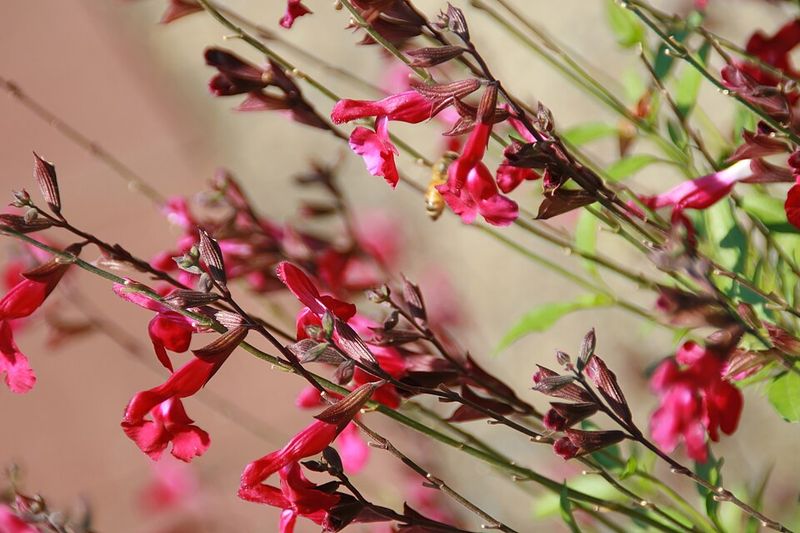
Color that returns again and again makes autumn sage a dependable choice. Botanically known as Salvia greggii, this shrub produces tubular flowers that attract hummingbirds throughout much of the growing season.
Bloom colors range from classic red to coral, pink, and white, offering flexibility in design. In Arizona gardens, its steady flowering helps bridge seasonal transitions between spring and fall.
Plants typically grow 2 to 4 feet tall and wide. Full sun works well in most Arizona regions, though light afternoon shade can improve performance in lower desert elevations.
Well-draining soil supports strong growth. Lean soils often encourage tighter growth and heavier bloom cycles compared to overly rich planting beds.
Hardy across much of the state, autumn sage handles both desert foothills and mid-elevation areas. Established plants require only occasional deep watering during extended dry periods.
Light pruning in early spring refreshes growth and encourages continued flowering without increasing irrigation demands. Occasional trimming after major bloom flushes can also help maintain a compact, well-shaped form through Arizona’s long warm season.