Hidden Tree Trimming Rules That Catch Oregon Homeowners Off Guard
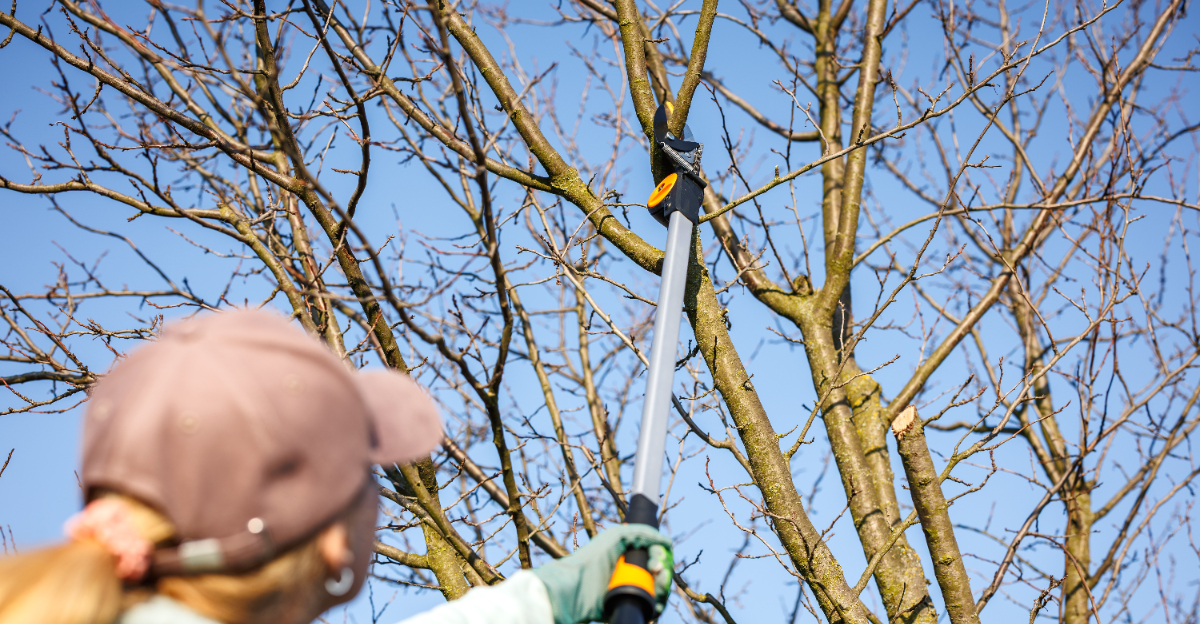
Trimming a tree seems simple enough. Grab the tools, clean up a few branches, and call it a productive weekend.
But in Oregon, it is not always that straightforward. There are surprising rules, seasonal restrictions, and even neighborhood guidelines that can turn a quick yard project into an unexpected headache.
Some trees are protected. Certain pruning windows exist to protect nesting birds. Utility lines bring their own set of regulations. And if your tree sits near a property line or sidewalk, local ordinances may have more say than you realize.
What looks like basic maintenance can quickly brush up against city codes or state environmental protections.
The tricky part is that many of these rules are not obvious until you are already mid project. A well meaning trim could lead to fines, frustrated neighbors, or long term damage to the tree itself.
Before you make that first cut, it pays to know the hidden guidelines that catch so many Oregon homeowners completely off guard.
You Can Trim Over Property Lines
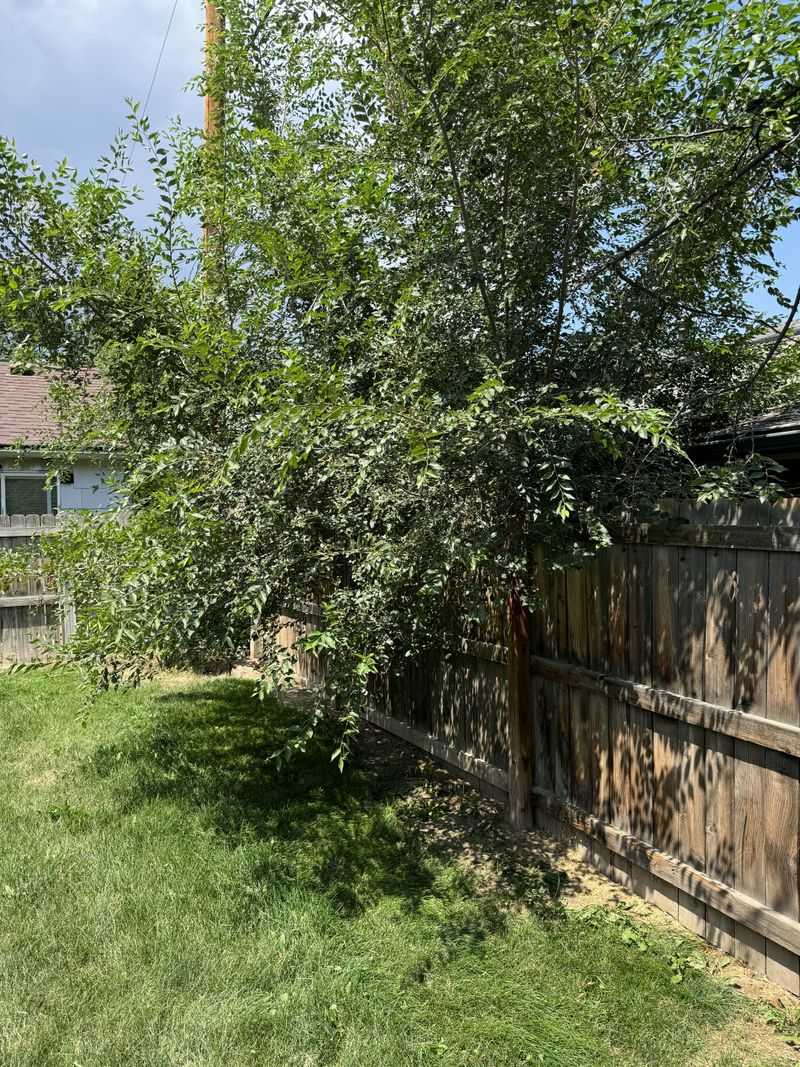
Picture this: your neighbor’s maple tree has grown so far over your fence that branches are scraping your roof and dropping leaves into your gutters every fall. Frustrating, right?
Oregon law generally allows you to trim branches that hang over your property line, but only up to the boundary itself.
You cannot cross onto your neighbor’s property to do the cutting, even if it seems easier. You also can’t trim so aggressively that you damage or kill the tree.
If your trimming harms the tree’s health, your neighbor could hold you financially responsible for the damage or even the tree’s removal.
Many homeowners assume they have free rein to cut anything hanging over their yard. That’s the mistake.
The smarter move is to trim conservatively, keeping cuts clean and minimal. Better yet, talk to your neighbor first.
A friendly conversation can prevent misunderstandings and keep the peace.
Always use proper pruning techniques and avoid cutting main limbs or large sections that could destabilize the tree. When in doubt, hire a certified arborist who understands tree biology and local property rules.
Keeping things neighborly and careful protects both you and the tree.
You’re Responsible If You Damage The Tree
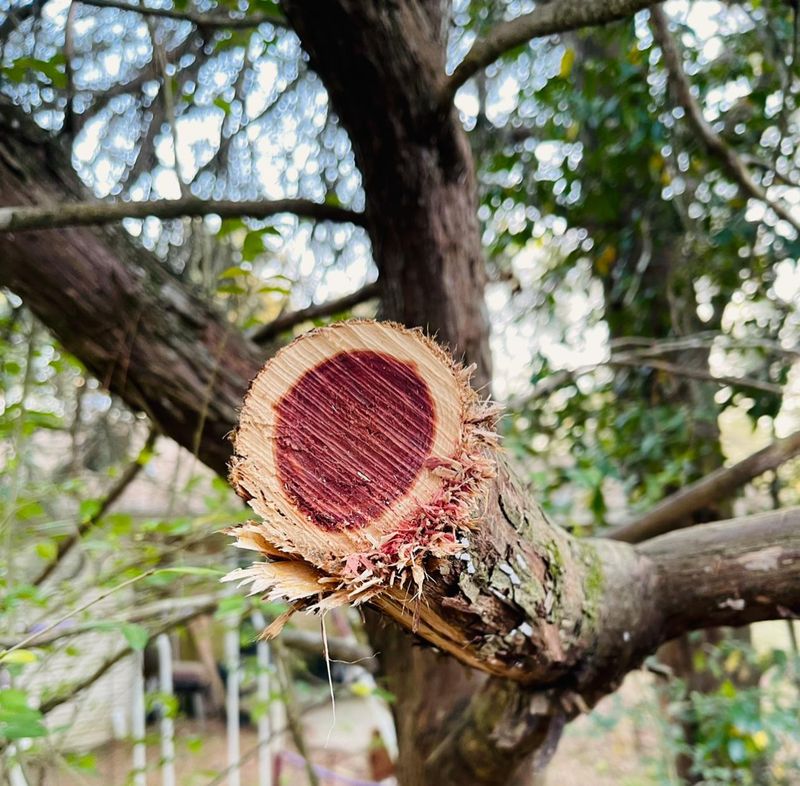
Trimming a branch might seem harmless, but if your cuts cause the tree to decline, get infected, or die, you could be on the hook for damages. Trees have value, sometimes thousands of dollars, and Oregon courts have sided with tree owners when improper trimming led to tree loss.
Homeowners often don’t realize how vulnerable trees are to bad pruning. Cutting too close to the trunk, removing too much foliage at once, or topping a tree can stress it beyond recovery.
If the tree dies and it’s traced back to your work, your neighbor may file a claim against you.
The common mistake here is thinking you can hack away at branches without consequence. Trees aren’t just wood, they’re living organisms with specific needs.
Your Oregon Garden Changes Every Week. Your Plan Should Too.
Gardening in Oregon changes quickly throughout the season. Every Friday you’ll receive a simple weekly plan showing exactly what to plant, prune, fertilize, harvest, and protect so you never miss the right timing.
Improper cuts invite disease, pests, and structural failure.
Before you trim anything significant, consult a professional arborist. They’ll assess the tree’s health and advise on safe trimming methods.
Document your work with photos and keep communication open with your neighbor. If damage does occur, having records of your care and caution can protect you.
Respect the tree, and you’ll avoid costly disputes and legal headaches down the road.
City-Owned Trees Follow Different Rules
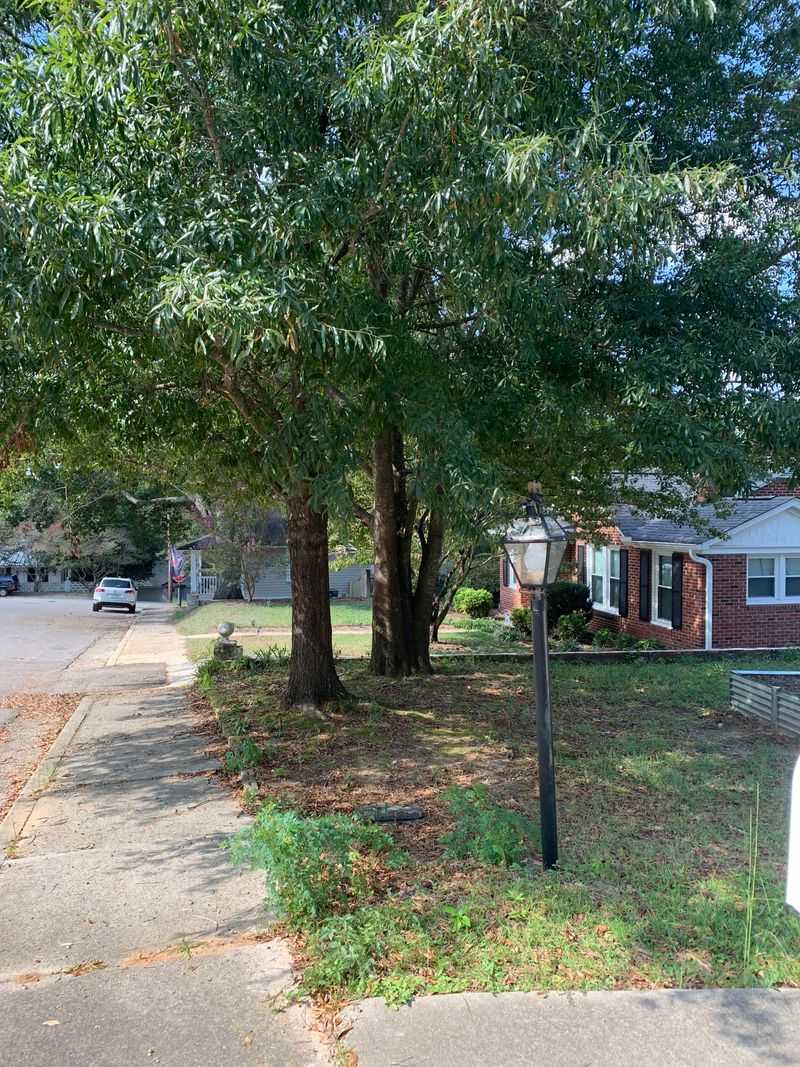
That big oak tree standing between the sidewalk and the street? It might not be yours to trim, even if it’s right in front of your house.
In many Oregon cities, trees planted in the public right-of-way, the strip between the curb and sidewalk, are owned and managed by the city, not the homeowner.
Homeowners often assume they can prune these trees just like the ones in their backyard. That’s a mistake.
Trimming, removing, or even significantly altering a city-owned tree without permission can result in fines or requirements to replace the tree at your expense.
Different cities have different rules. Some require permits for any work on street trees.
Others have approved contractor lists you must use. A few cities will trim the tree for you if you report a problem.
Before you touch a tree near the street, check with your city’s urban forestry or public works department. They’ll tell you who owns it and what you’re allowed to do.
If branches are blocking your view or damaging your property, report it, they may handle it for free. Respecting city tree rules keeps you out of trouble and helps maintain the urban canopy that benefits everyone.
Protected Or Heritage Trees Have Special Restrictions

Some trees in Oregon carry special status. They might be designated as heritage trees, significant trees, or protected species due to their size, age, rarity, or historical importance.
Trimming, or worse, removing, one of these trees without a permit can lead to steep fines and mandatory replanting requirements.
Homeowners are often caught off guard when they discover the large Douglas fir or centuries-old oak in their yard is protected.
They assume ownership gives them full control, but local ordinances frequently override that assumption when a tree meets certain criteria.
The mistake here is not checking before you cut. Many cities maintain lists or maps of protected trees, and some have diameter or species thresholds that trigger review.
Ignoring these rules can result in penalties that far exceed the cost of a permit.
Before trimming any large or old tree, contact your city’s planning or forestry department. Ask if your tree is protected and what permits you need.
If it is protected, you’ll likely need an arborist report and approval before any work begins. Taking these steps shows respect for community resources and keeps you compliant.
Protected trees are treasures, treat them that way, and everyone benefits.
Utility Lines Change What You’re Allowed To Cut
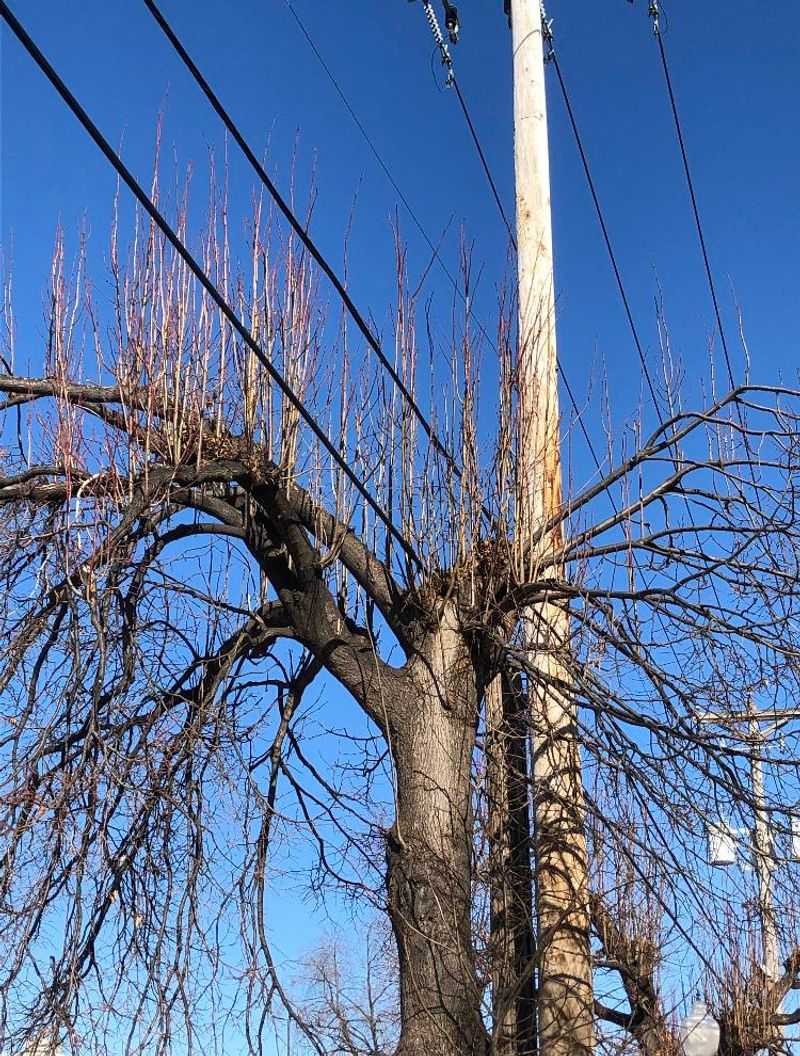
Branches tangled up in power lines are a common sight in Oregon neighborhoods, but that doesn’t mean you should grab a ladder and start trimming. Cutting near utility lines is dangerous and often illegal.
Utility companies have exclusive rights to trim trees near their lines, and they take that responsibility seriously.
Homeowners sometimes think they can carefully snip a few branches away from the wires. That’s a dangerous mistake.
Even if the branch isn’t touching the line, electricity can arc through the air. One wrong move can result in electrocution, fire, or a neighborhood-wide power outage.
Utility companies have trained crews and specialized equipment to handle tree trimming near lines safely. They also have legal authority to trim without your permission if the tree poses a risk to service or safety.
If branches are growing into power lines, call your utility company. They’ll schedule a crew to handle it at no cost to you.
Never attempt this work yourself, and don’t hire a tree service unless they’re certified to work near energized lines. Your safety and your neighbors’ uninterrupted power depend on it.
This is one rule you absolutely don’t want to break.
Trimming That Creates A Hazard Can Backfire
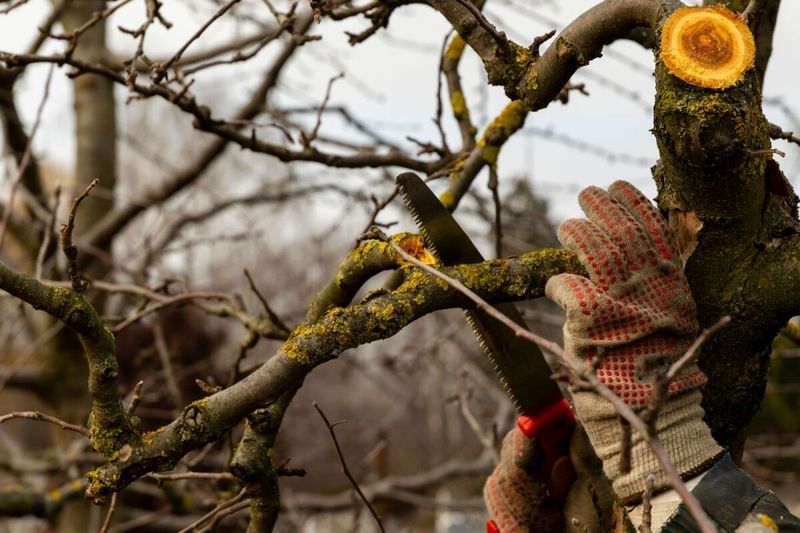
Cutting branches might solve one problem, but if your trimming creates a new hazard, you could be held liable.
For example, if you trim a tree so heavily that it becomes unstable and later falls on someone’s car or house, you may be responsible for the damage, even if the tree was on your neighbor’s property.
Homeowners often focus on immediate annoyances like shade or debris and don’t consider the long-term structural impact of their cuts. Topping a tree, removing too many branches from one side, or cutting large limbs improperly can make the tree dangerous.
The mistake is thinking trimming always makes things safer. Poor pruning can do the opposite.
It weakens the tree, encourages rot, and increases the chance of failure during storms. Before you cut, think about how the tree will respond. Will it become lopsided?
Will the remaining branches be strong enough? If you’re unsure, hire a certified arborist to evaluate the tree and recommend safe trimming practices.
Good pruning improves tree health and reduces risk. Bad pruning creates hazards you’ll regret.
Take the time to do it right, and you’ll protect yourself, your neighbors, and your property from future problems.
HOA And Local Ordinances Can Override Expectations
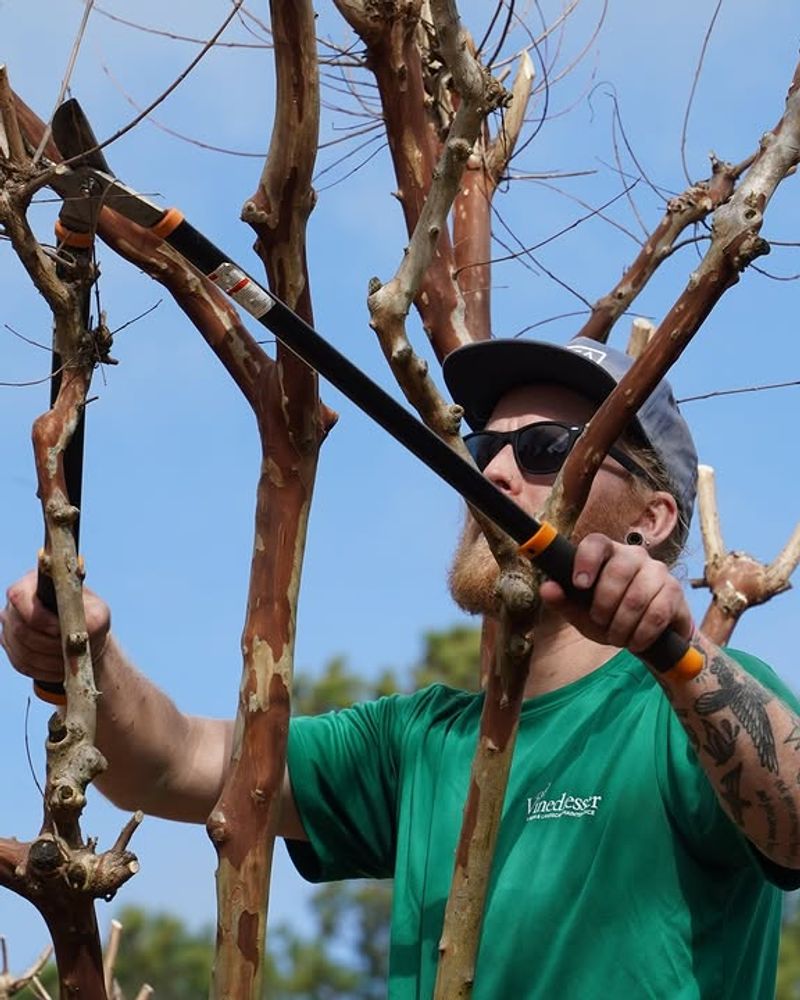
Even if state law and city rules allow certain tree trimming, your homeowners association or local neighborhood ordinances might say otherwise.
HOAs often have strict landscaping rules, including restrictions on tree removal, trimming height, and even the types of trees you can plant or cut.
Homeowners frequently assume they have full control over trees on their property, only to receive a violation notice from their HOA after trimming. Some associations require advance approval for any tree work, while others ban certain pruning methods altogether.
The mistake is not reading your HOA’s covenants, conditions, and restrictions before you start cutting. These documents spell out what you can and cannot do, and ignoring them can lead to fines, forced replanting, or even legal action.
Before trimming, review your HOA rules and submit any required requests for approval. Even if the work seems minor, it’s better to ask than to apologize later.
Local ordinances can also add layers of regulation, especially in historic districts or areas with tree preservation goals. Check with your city and HOA to understand all the rules that apply to your property.
Staying informed keeps you compliant, avoids penalties, and maintains good standing in your community.